

Choose the Work That Answers the Roof Question
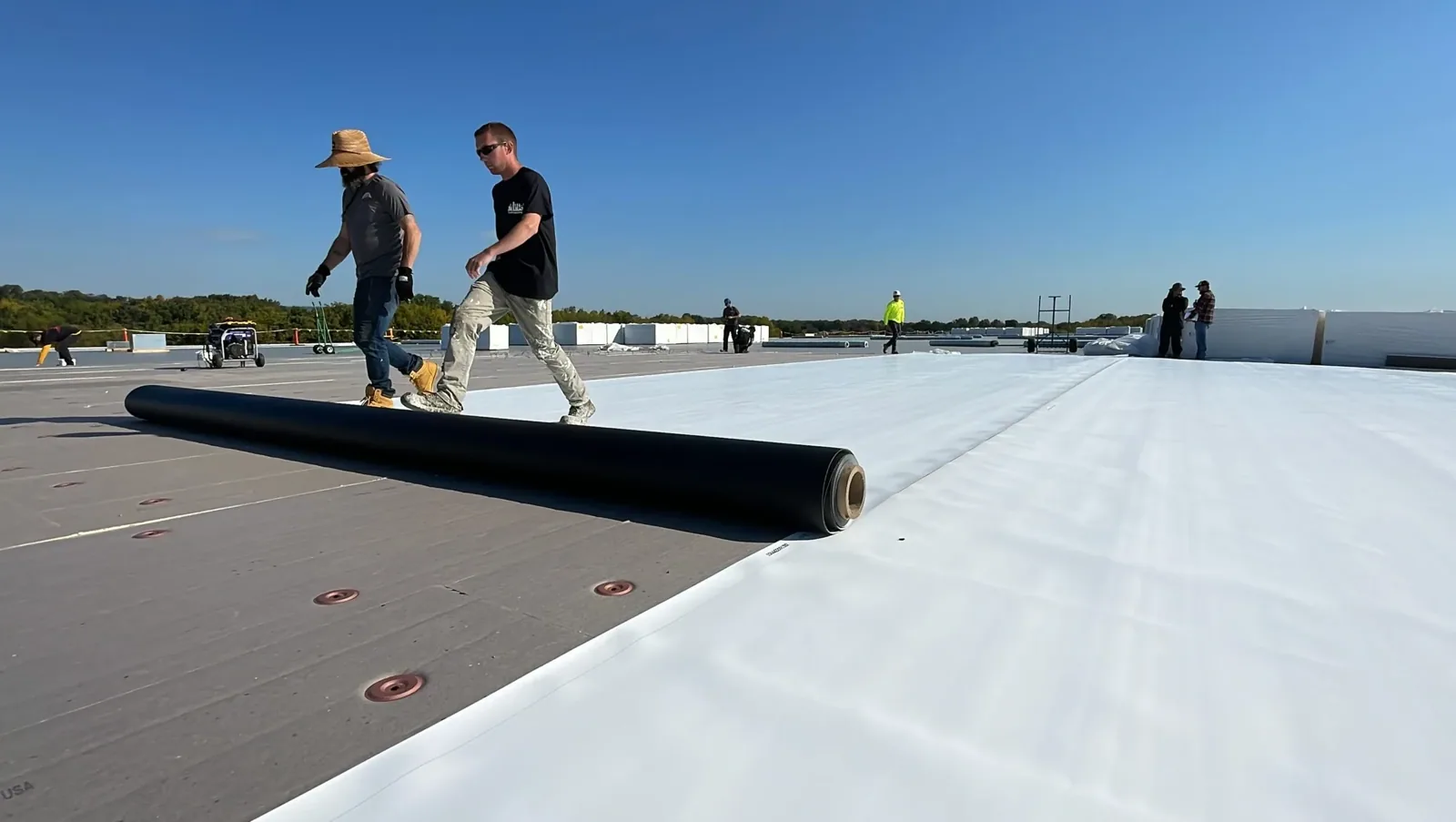
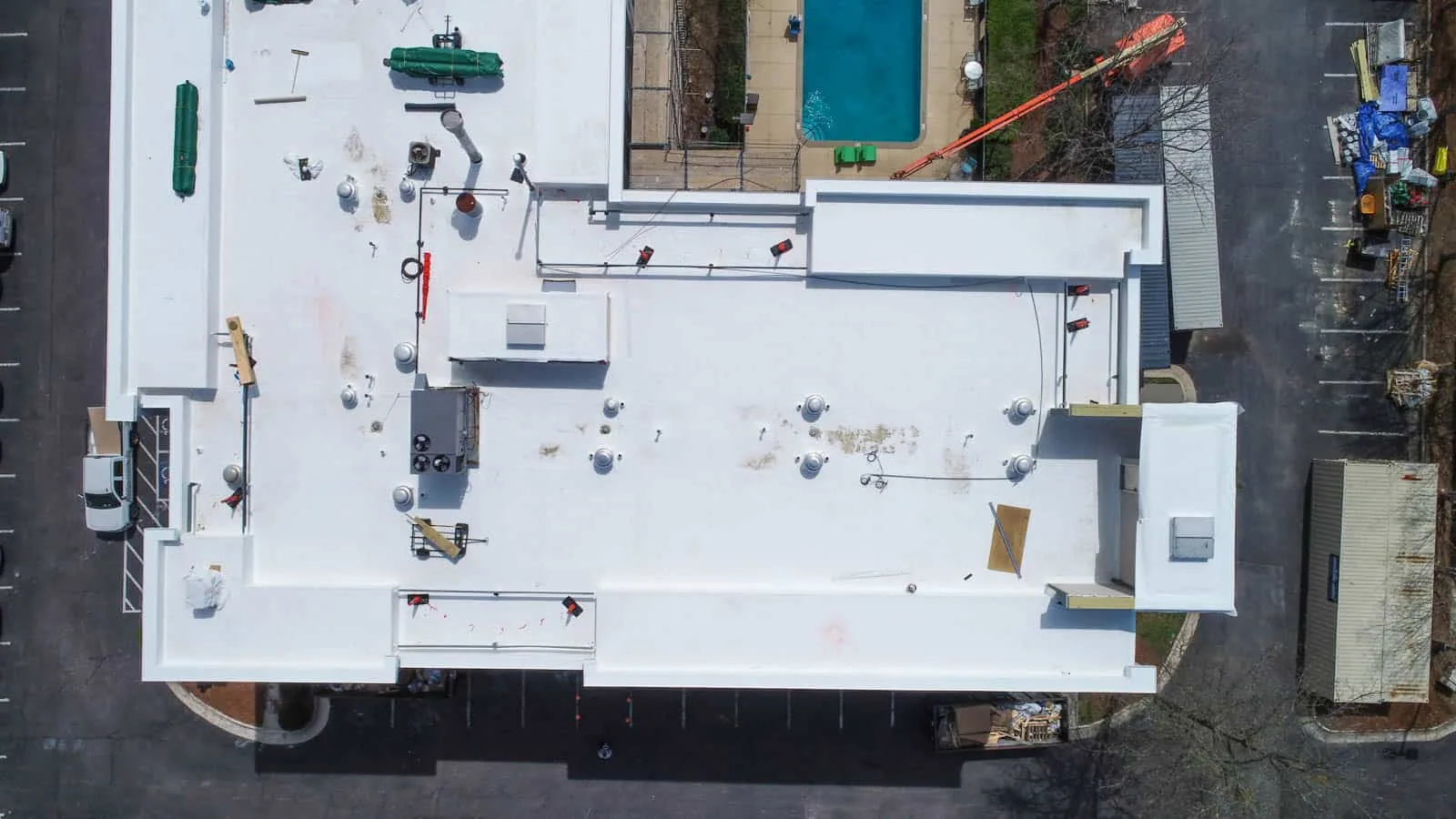
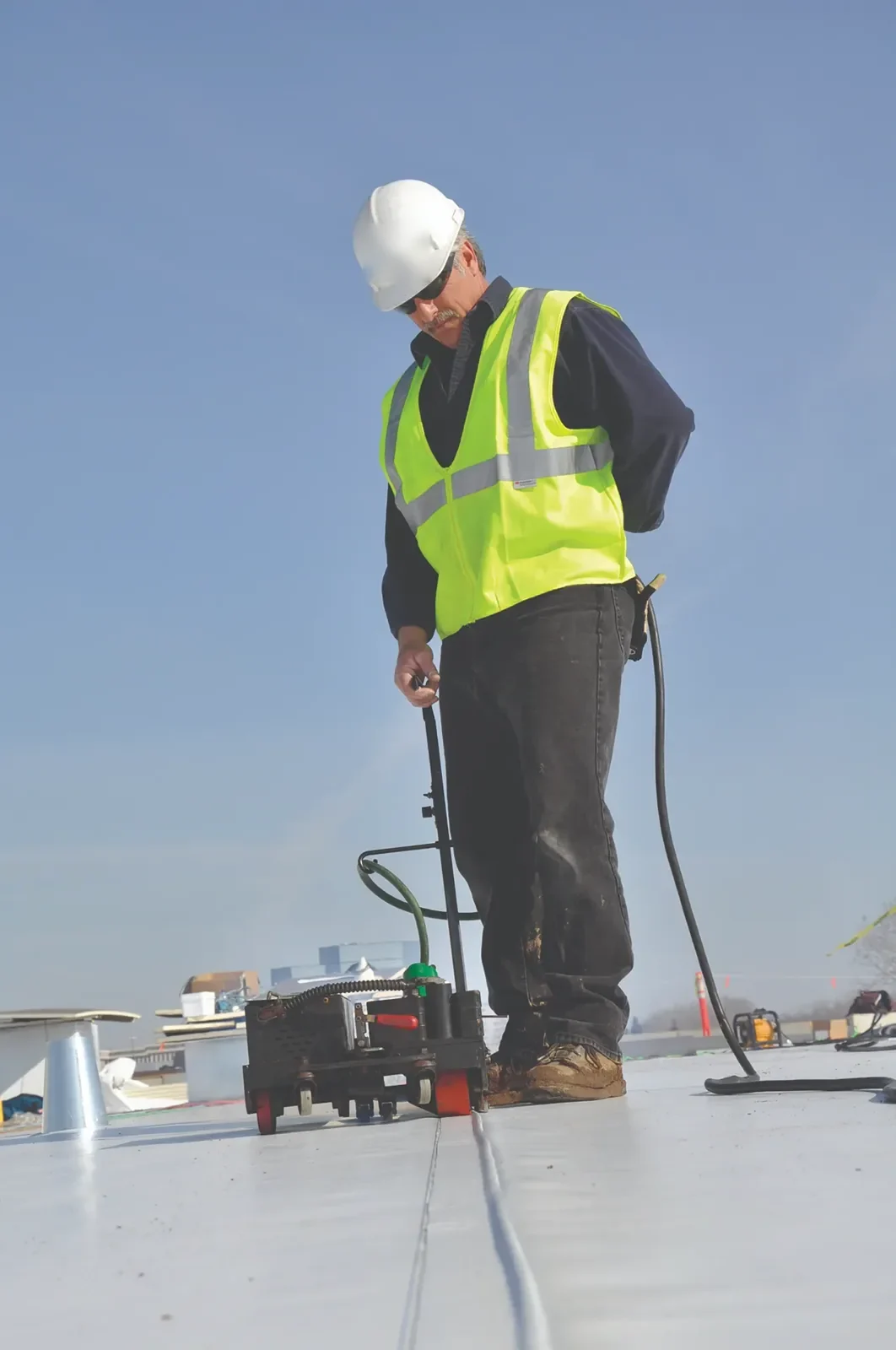
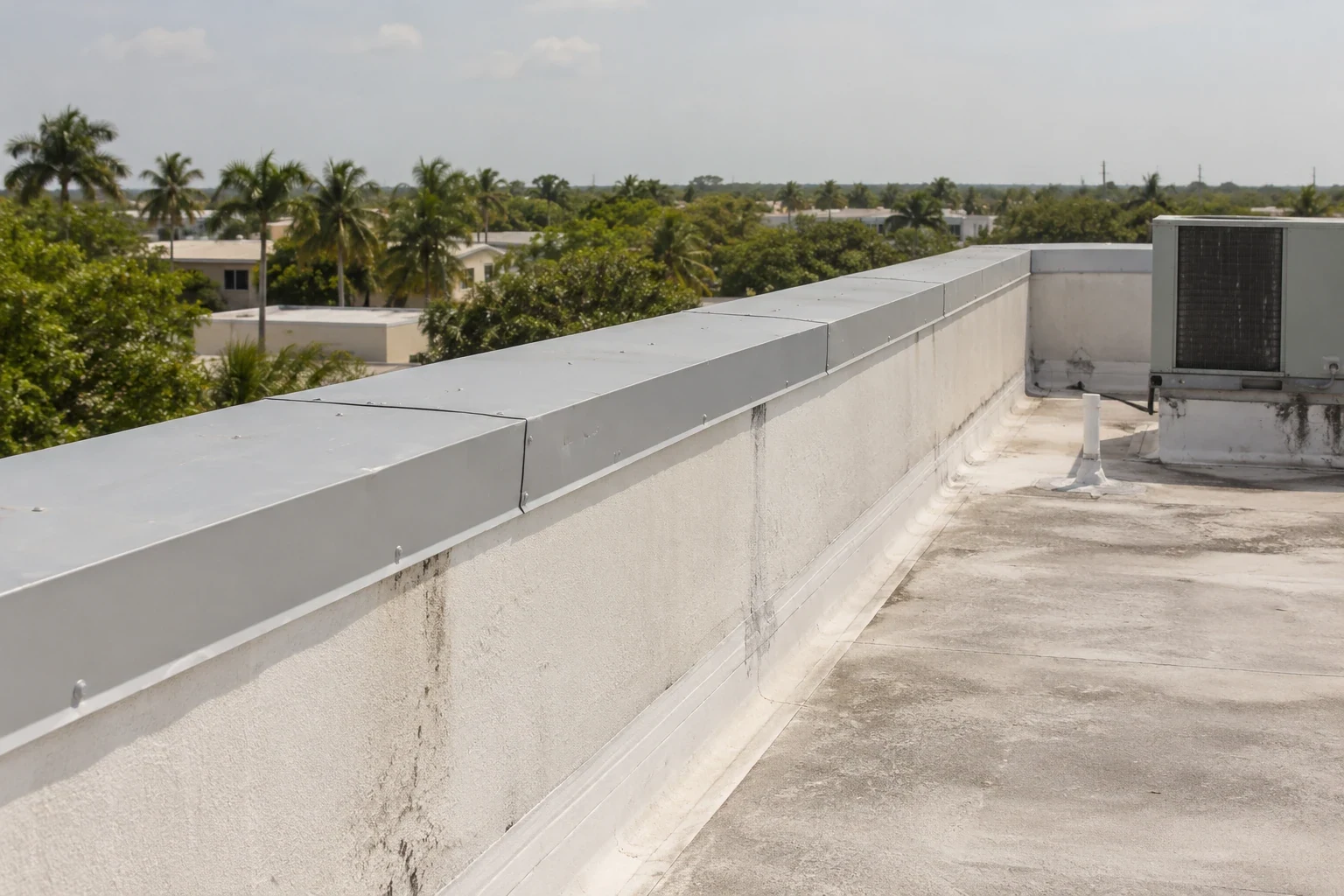
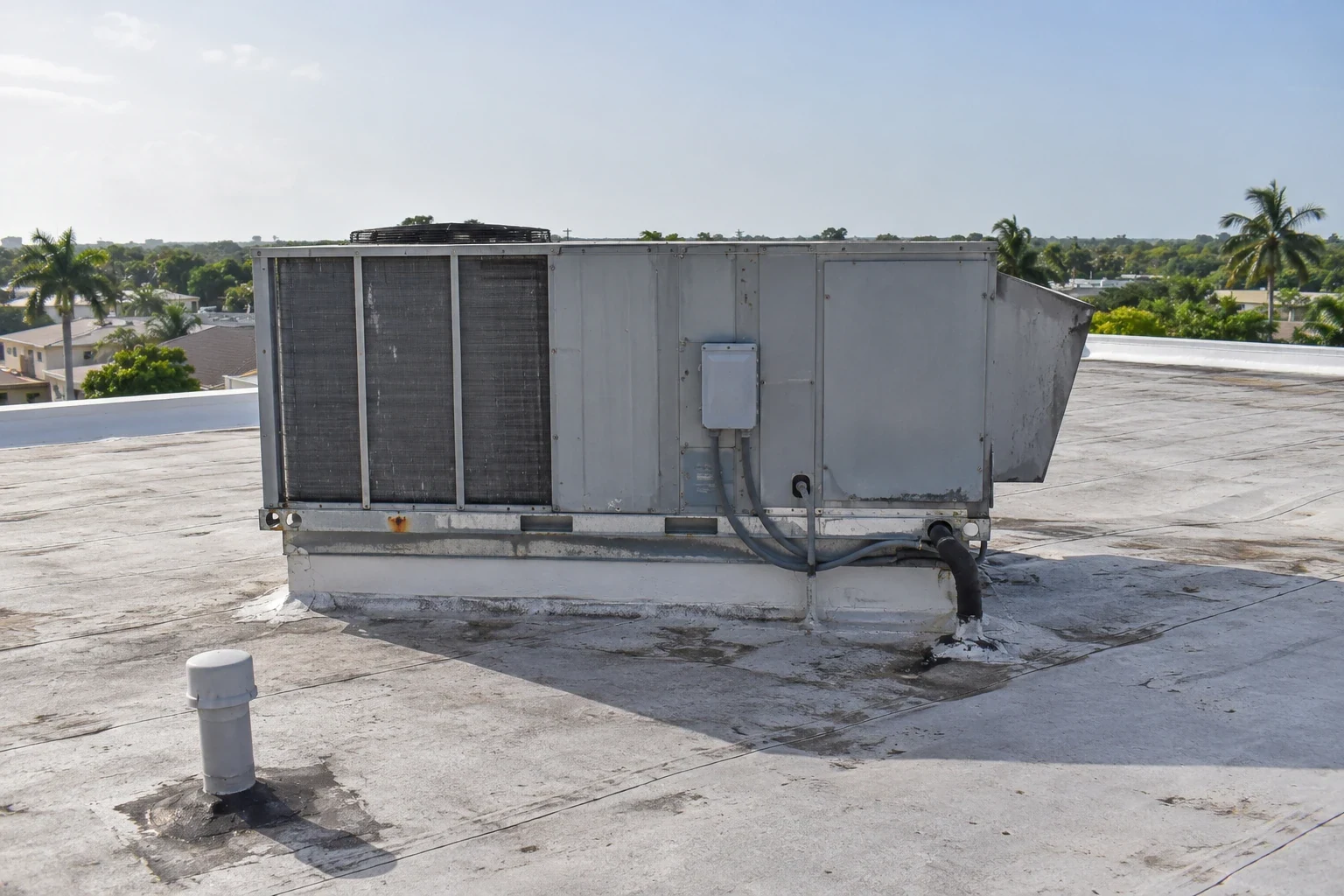
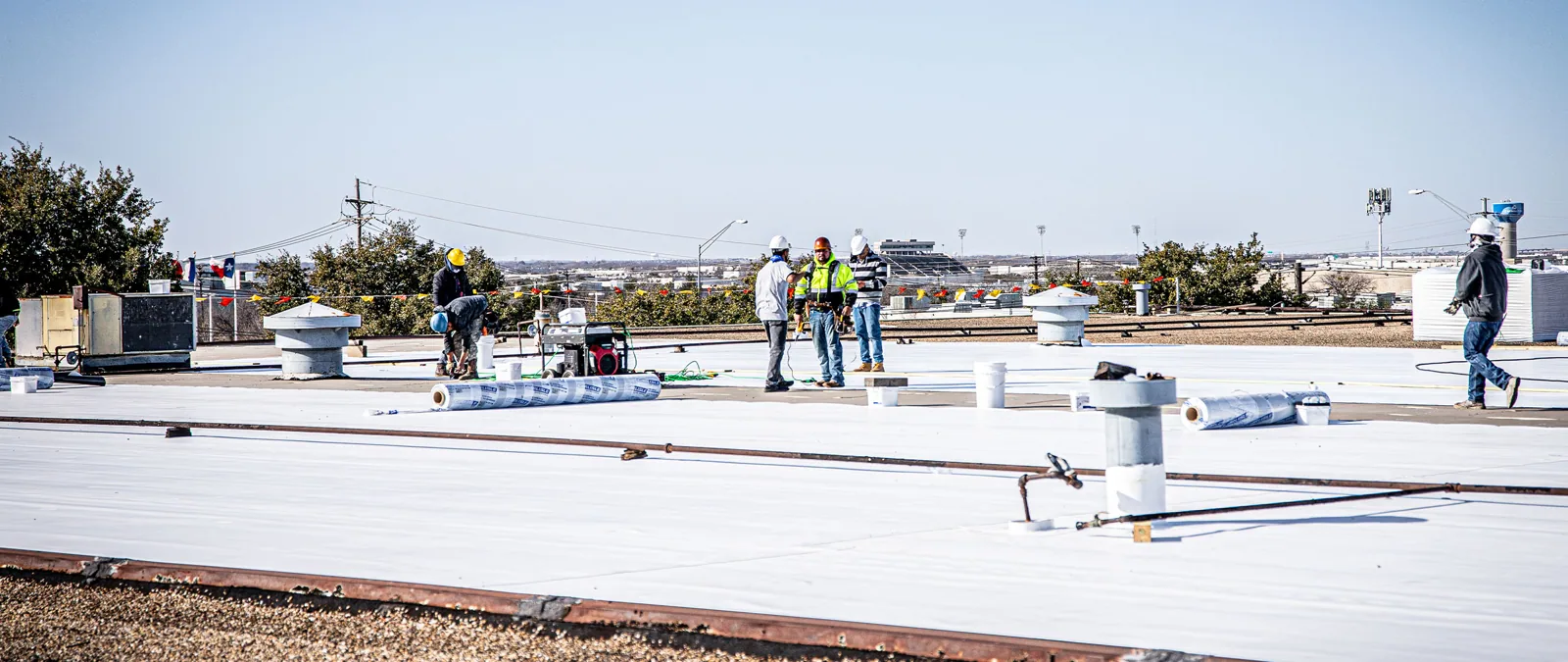
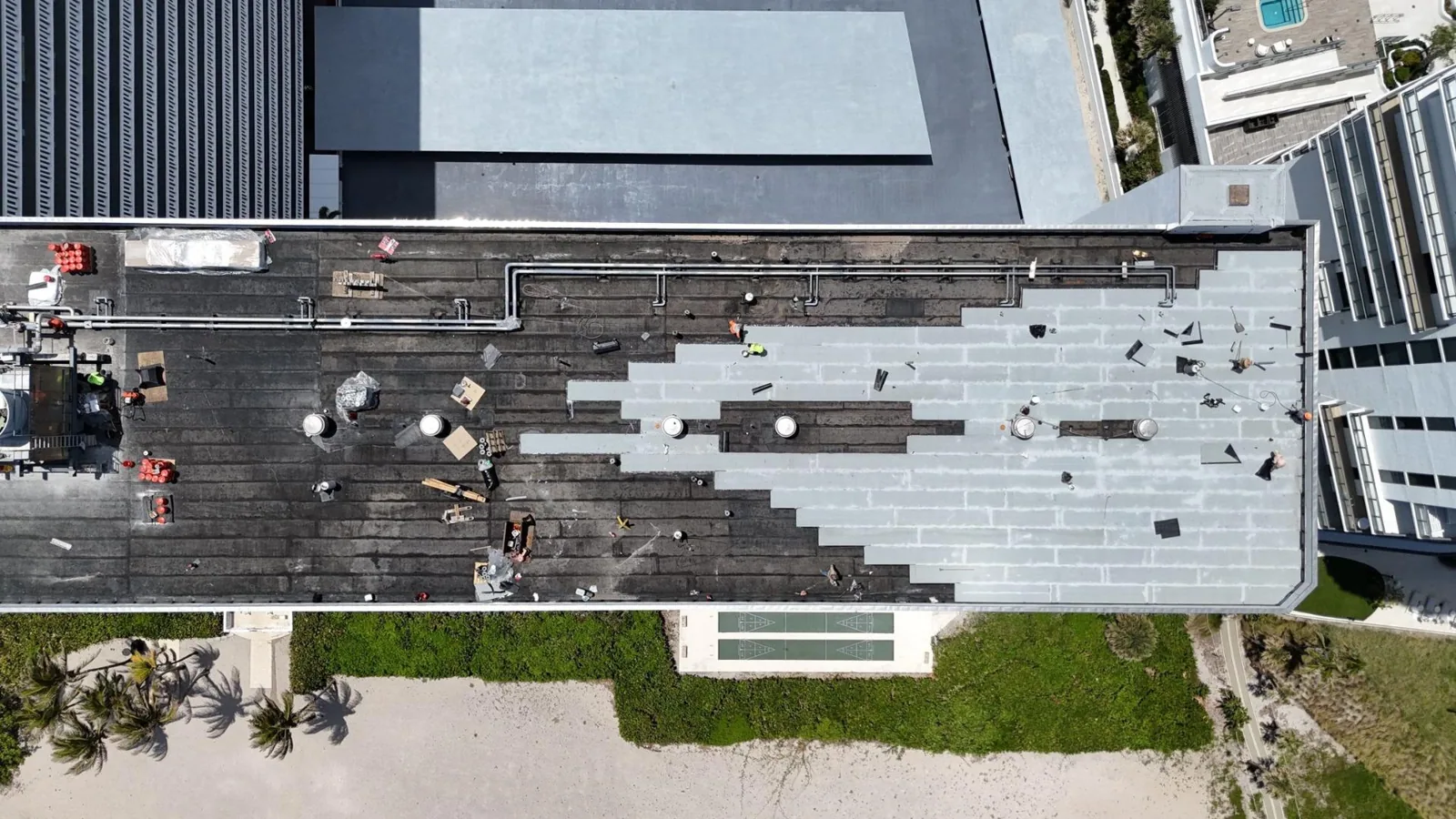
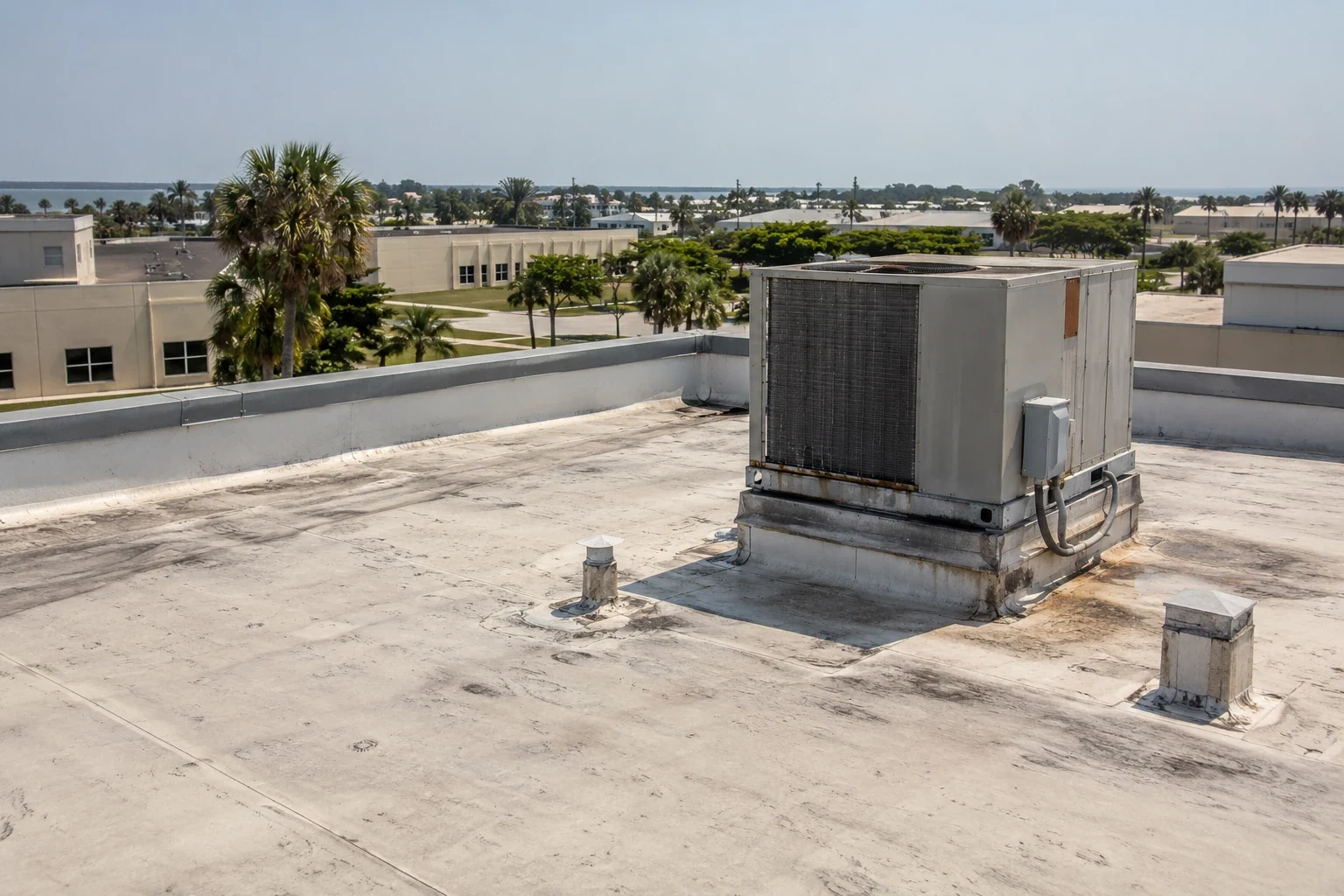
When the defect is local, a repair can address the seam, penetration, drain, or edge detail without turning the whole roof into a replacement project. If wet insulation, repeated leaks, or broad attachment failure appears, we explain where the evidence changes the scope. A commercial roof repair follows a defined boundary; a replacement accounts for removal, insulation, flashing, daily dry-in, and concealed conditions. A recover is considered only after checking moisture, attachment, compatibility, and drainage.
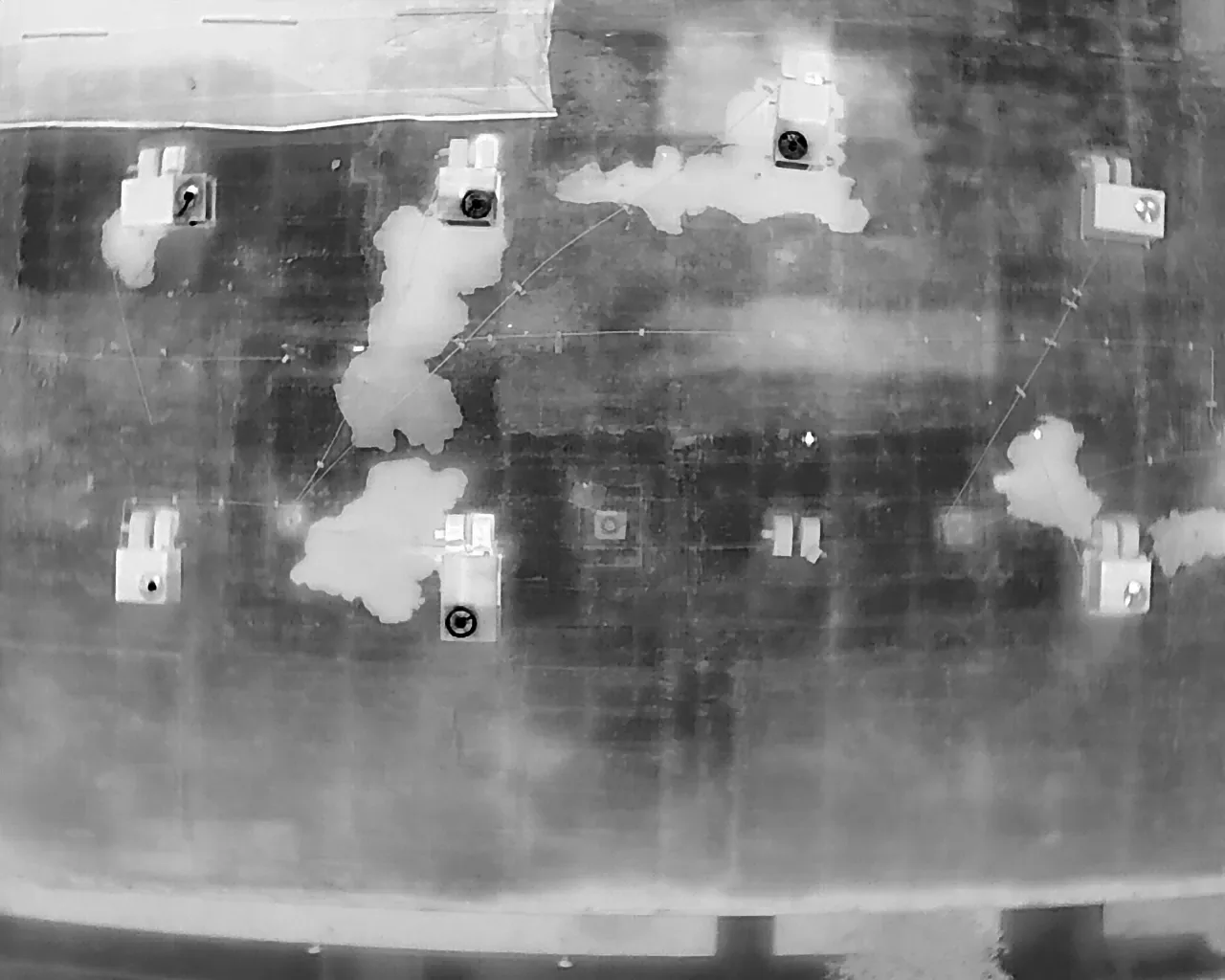
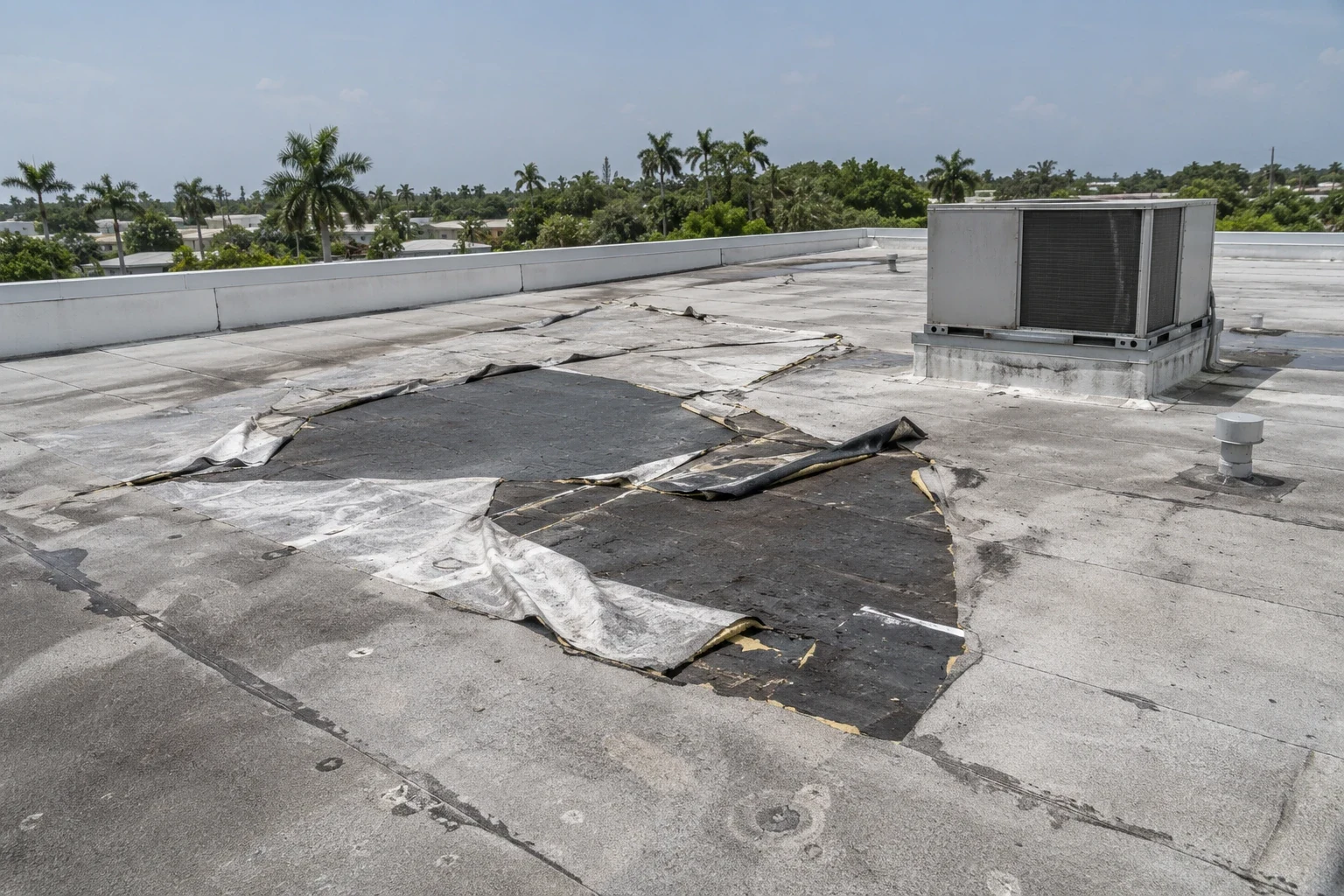
Round Rock's severe-weather history is context for an inspection, not proof of damage. A tornado tracked through the city in March 2022, and hail was reported across the area. After a storm, we inspect the actual roof for opened seams, punctures, displaced edge metal, and damaged flashing. Where the water path remains uncertain, infrared moisture surveying can help select test locations. The report says what was tested and what remains outside the finding.
Keep Access, Findings, and Close-In Clear
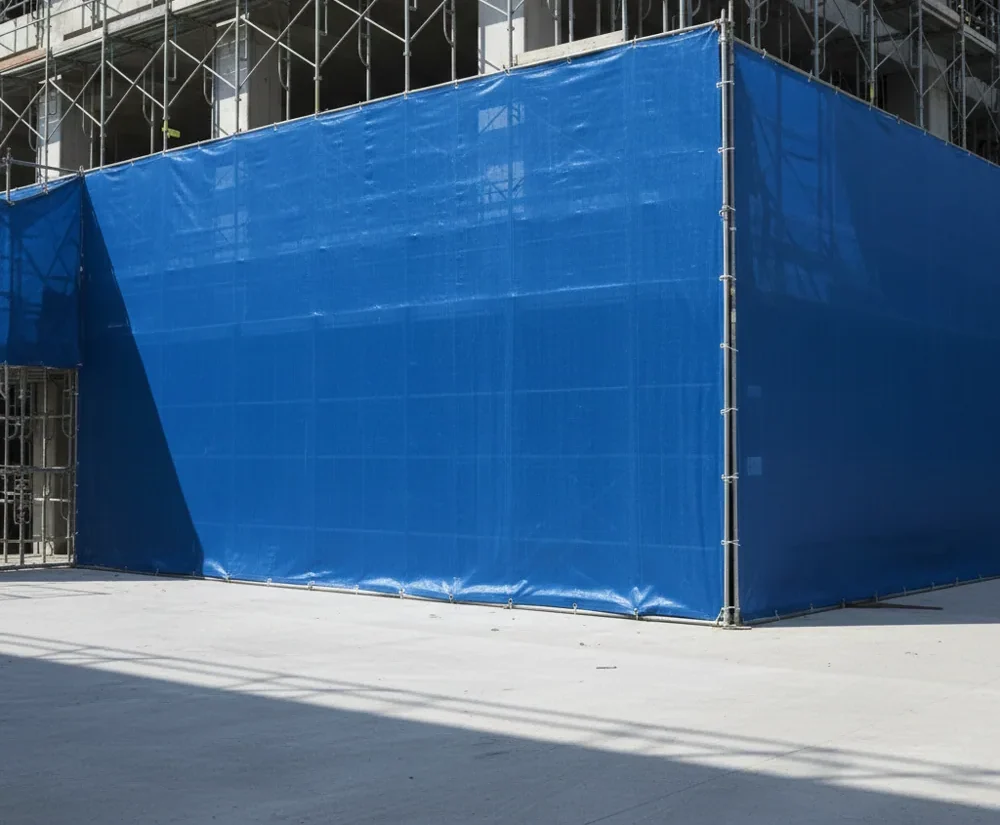
Roof work has a boundary at the surface and another below it. We confirm the roof access, tenant or equipment restrictions, staging route, and the area that must stay protected. For replacement, each shift has an opening limit and close-in method. If removal exposes wet material or weak deck, we document the location and request direction before adding work. Round Rock Building Inspection administers local permitting and enforcement under the city's adopted 2024 codes.
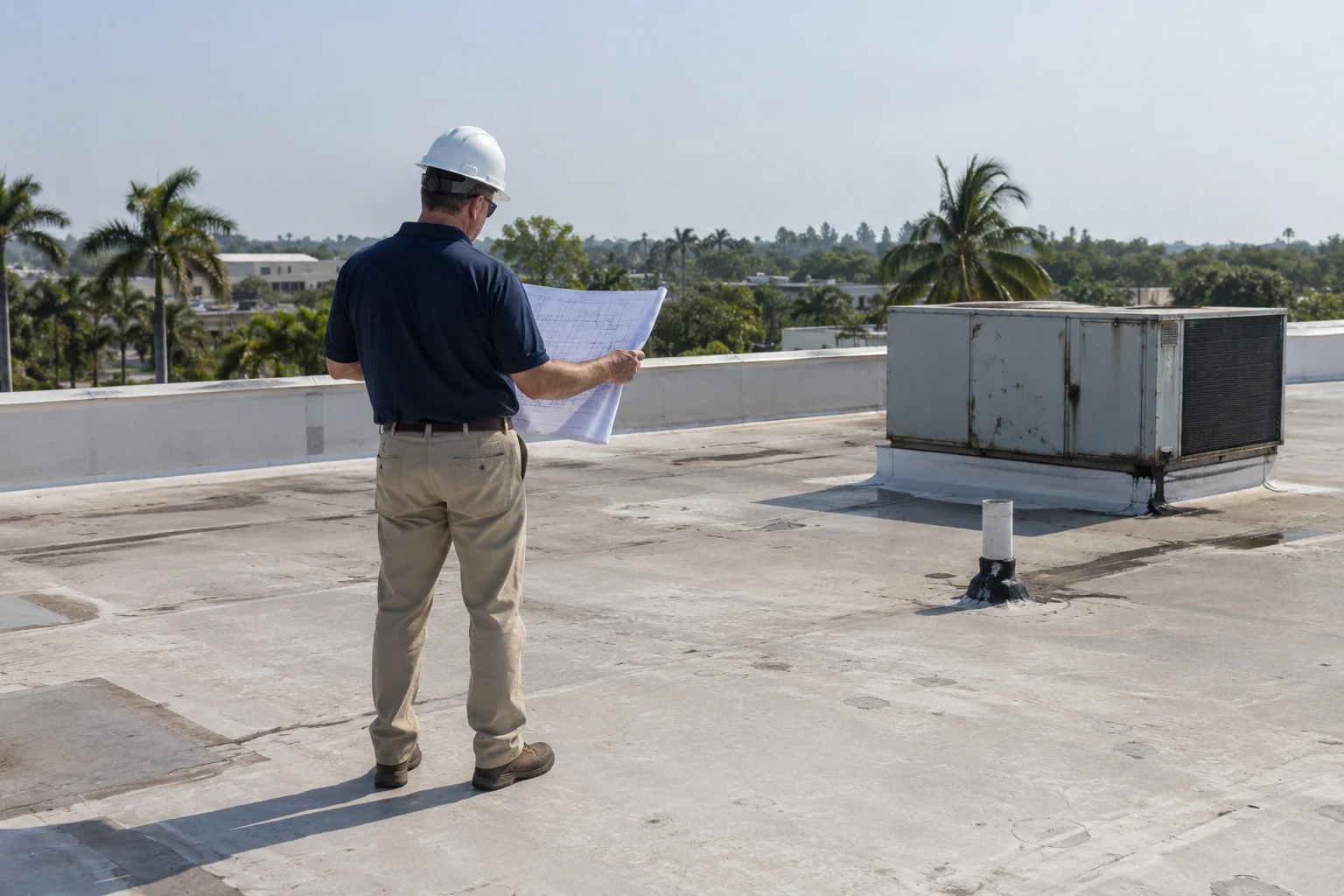
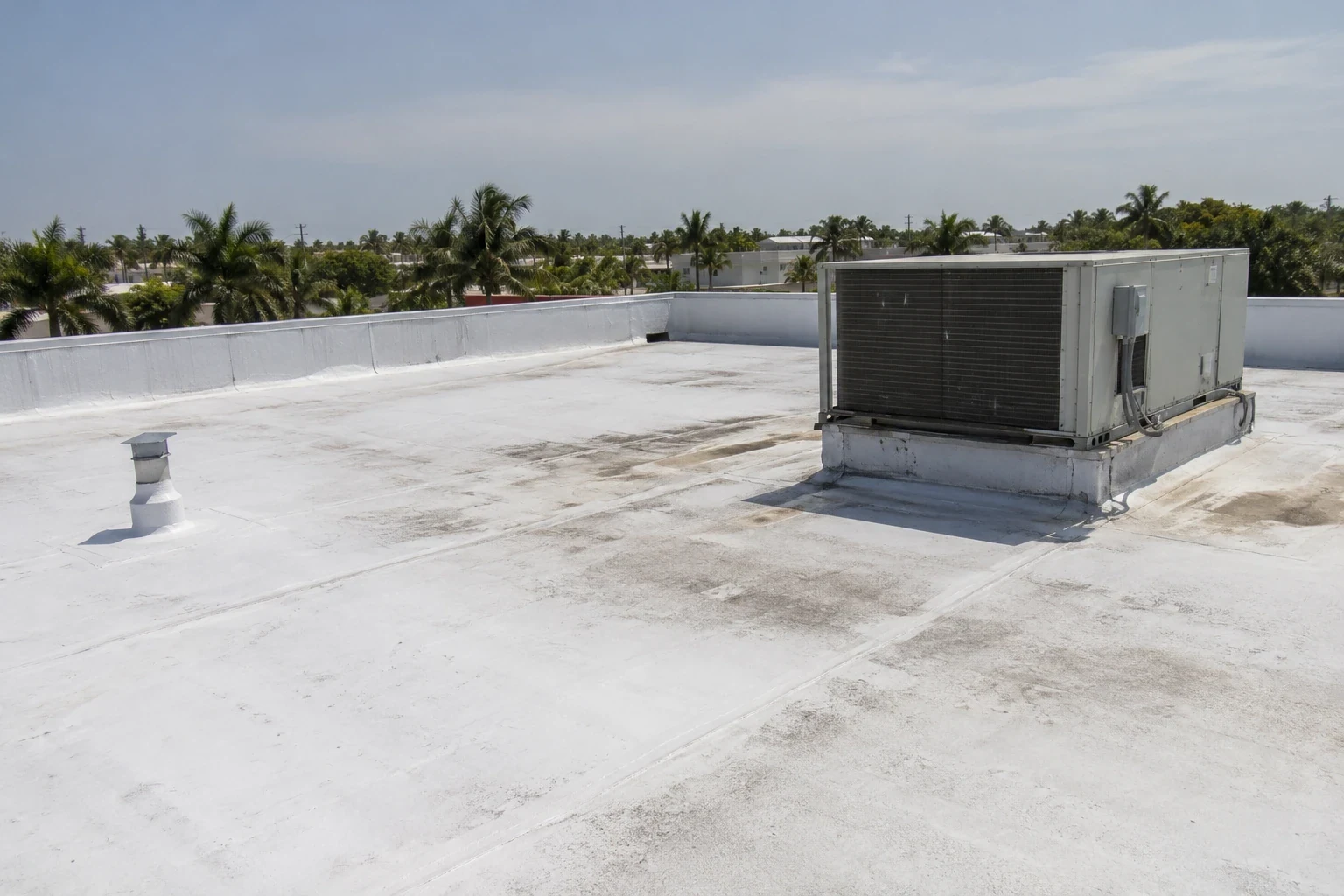
Routine maintenance can keep small defects visible before they become interior damage. Preventive roof maintenance records drains, seams, penetrations, and prior repairs. For occupied properties, occupied-building reroofing sets work windows and protection steps with the facility contact. To start a roof assessment, share the leak location, roof plan, access details, and recent repair record. We will use those details to define the next check and work boundary.
Separate the Symptom from the Cause
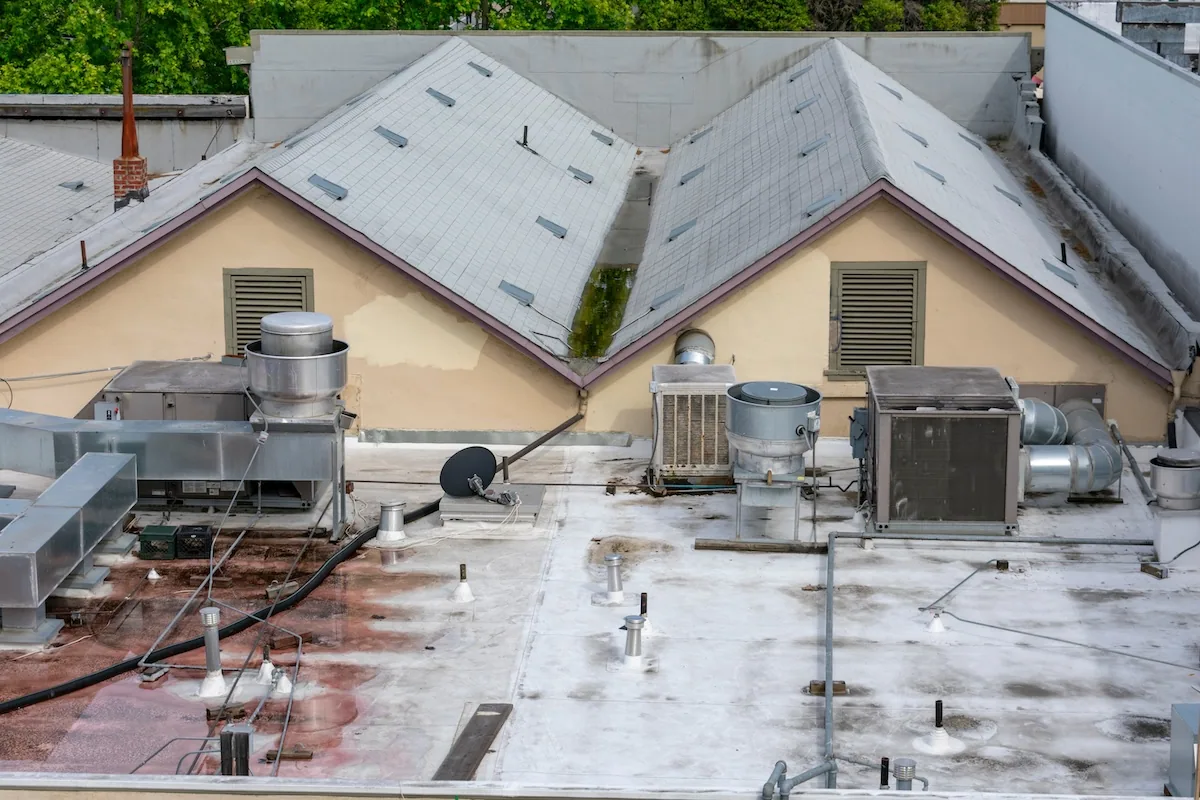
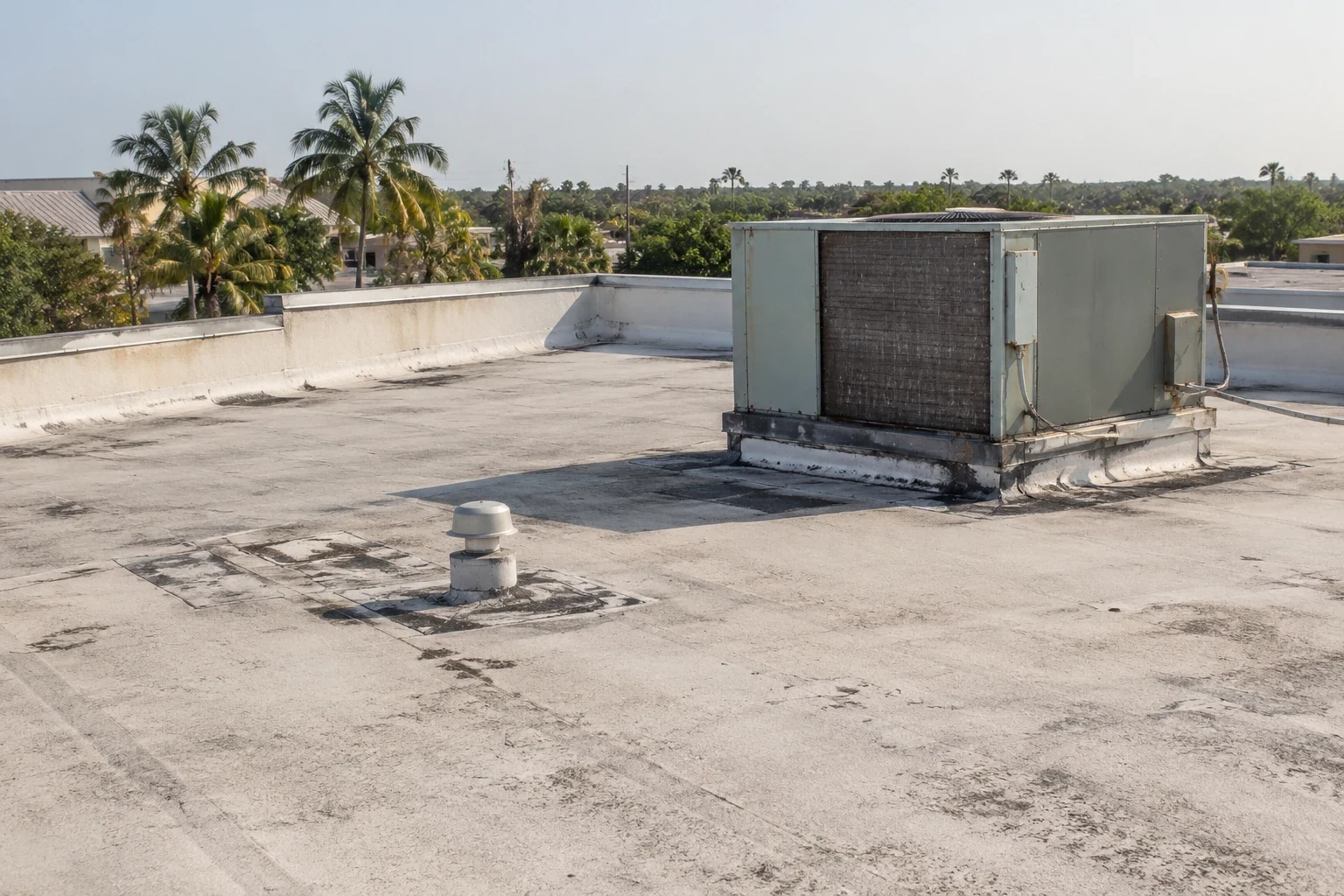
The ceiling shows where water surfaced indoors; the roof opening may sit farther along the drainage path. We compare that location with roof seams, curb flashing, drains, and transitions, then record the evidence that supports the likely path. If concealed layers remain uncertain, a test cut or moisture survey can narrow the next decision before a larger repair is specified.
Make the Repair Boundary Visible
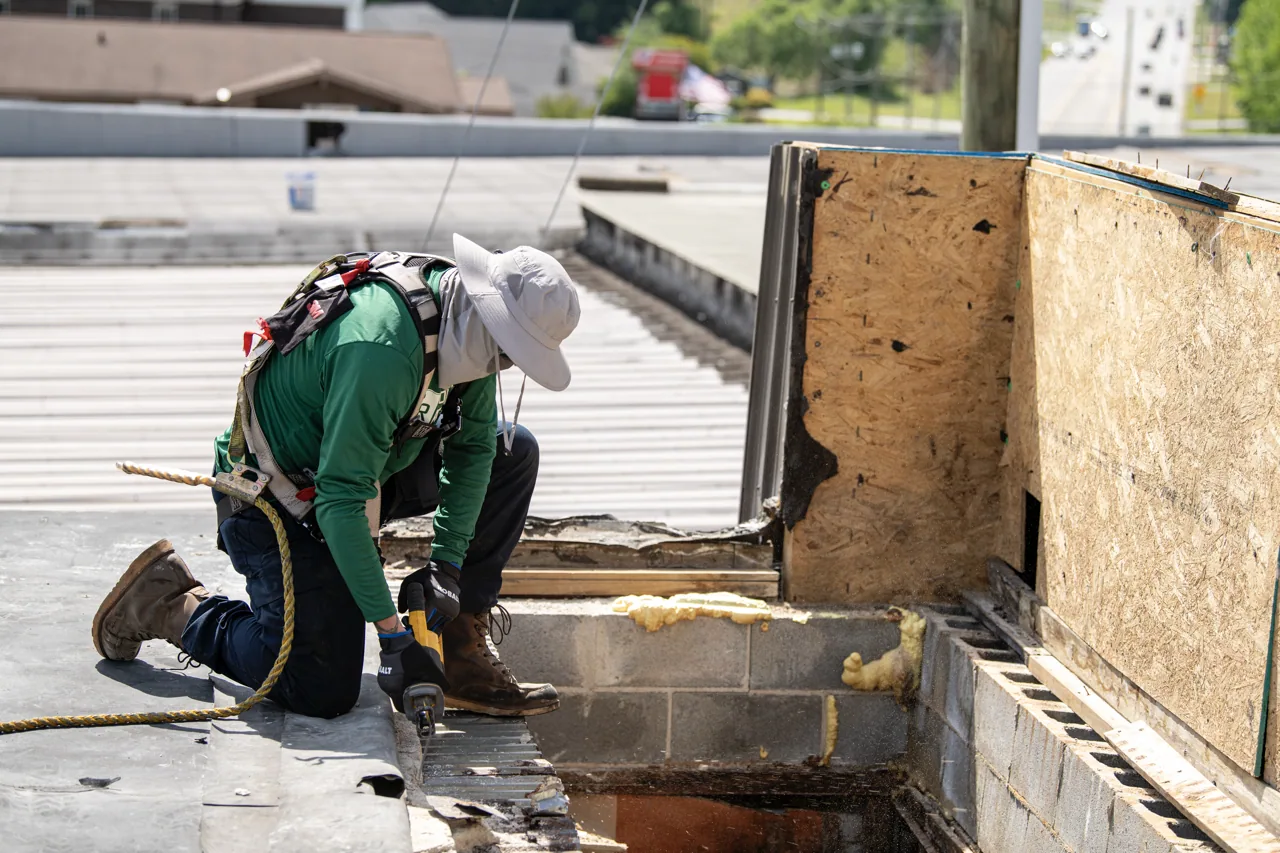
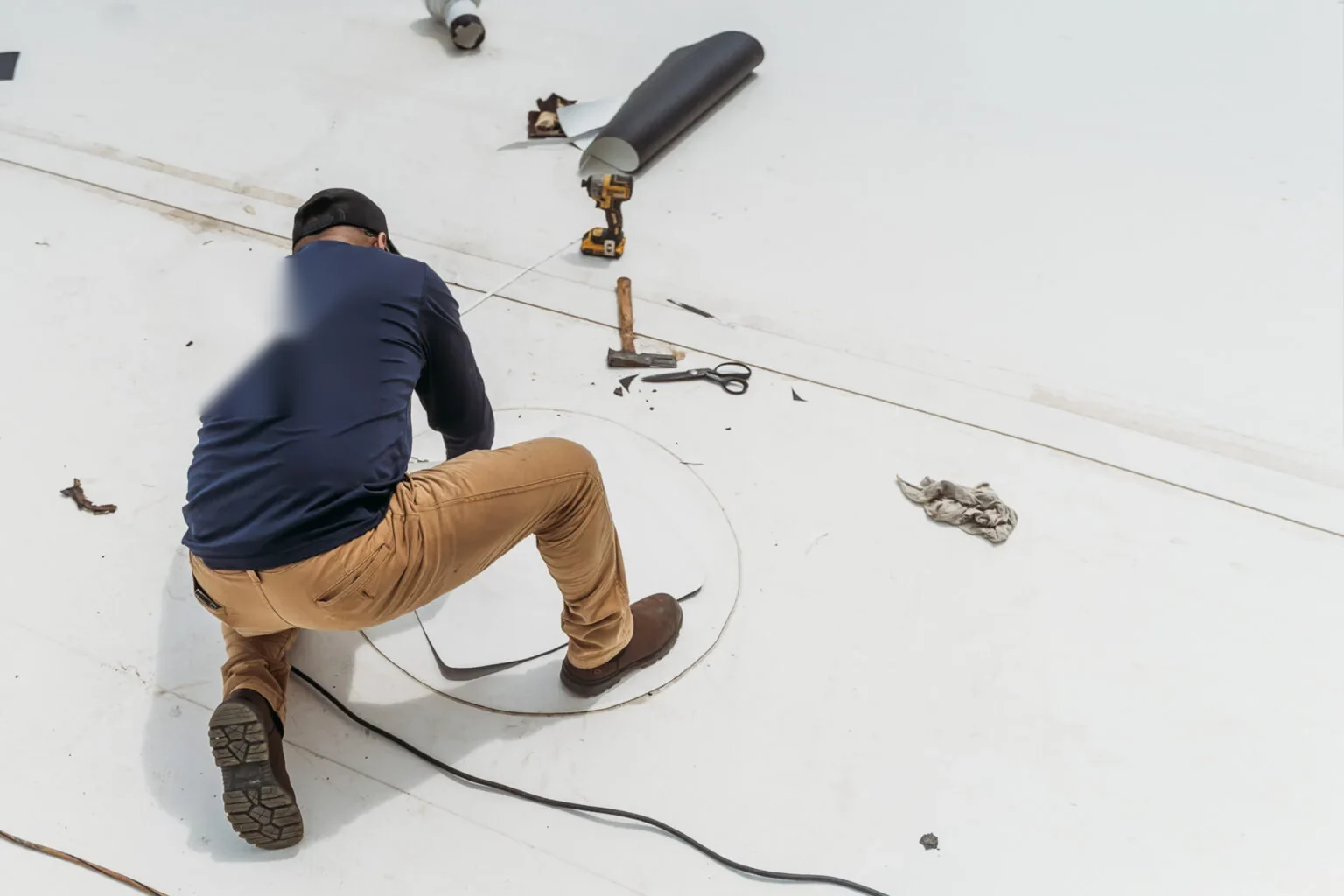
Before work starts, we identify the affected zone, the detail being repaired, and any adjacent area that needs monitoring. After close-in, photographs and Diligence Notes show what was opened, corrected, or left for follow-up. On an occupied Round Rock property, that record helps facilities coordinate access and operations.
Commercial Roofing Services: Common Questions
Can one inspection answer both a leak and a replacement question?
The roof walk can document visible conditions for both. Replacement scope may require test cuts, plan review, or additional access before the full boundary is known.
What should the first service request include?
Start with the building address, the room or roof zone involved, any roof plan, access contact, and prior repair notes. Those details help us choose a useful first check.
Can a roof repair visit also evaluate replacement?
The inspection can document visible condition and immediate repair needs. Replacement comparison may require records, moisture testing, or test cuts, so we separate verified findings from the information still needed.
What happens when the leak stops before the inspection?
We still inspect the reported roof zone and nearby details, review the timing and interior evidence, and note any limit caused by dry conditions. A resolved symptom does not identify the original entry point by itself.
Send the property address, roof plan if available, leak location, access contact, and records from prior work. We will identify the inspection boundary and the next useful step. Call 555-555-5555 or request a roof assessment.