Locate the Opening
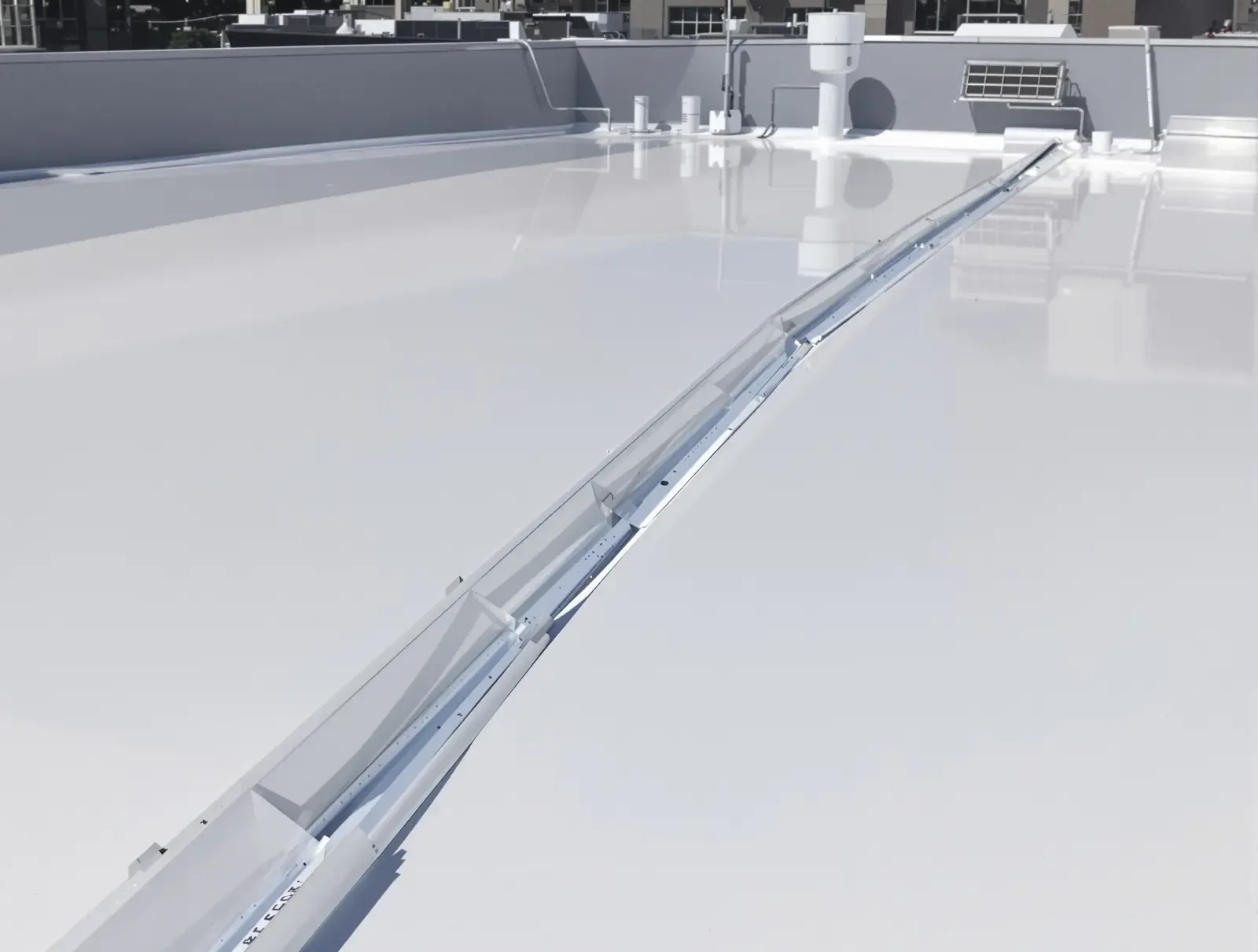
A ceiling stain below a skylight does not identify the roof entry point. Water may pass through a cracked curb corner, a failed membrane transition, or a nearby penetration and travel before it drips inside. We inspect the opening, curb, flashing, and surrounding roof field. The report ties each visible defect to a roof location and marks any area that needs further testing.
Buildings near active campuses can have roof openings added or serviced over time. A skylight curb may predate the current membrane, while a pipe boot may reflect a later equipment project. We compare available records with the installed detail, then inspect each opening that the owner identifies. The date of a prior repair helps explain the assembly but does not substitute for checking its present condition.
Send the building address, interior symptom, roof zone, skylight or penetration count, and site access requirements. We will identify the detail and define the flashing scope. Call 555-555-5555 or request a roof assessment.
Separate the Opening from the Symptom
At a skylight, we examine the glazing, frame, curb, corners, fasteners, sealant, and membrane tie-in. We look for cracked or displaced glazing, open joints, failed gaskets, loose hardware, and staining below the frame. A curb can be sound while the skylight itself leaks, or the frame may be intact while water enters at the roof flashing. Photos distinguish those conditions.
Pipe penetrations require another check. We identify the pipe material, boot or field-fabricated collar, clamp, seal, and membrane transition. Heat, movement, or service activity can split a boot or pull a collar away from the pipe. A sealant repair may not hold if the opening moves or the substrate below is unstable. We note whether the pipe is active and whether a mechanical contractor must coordinate shutdown or access.
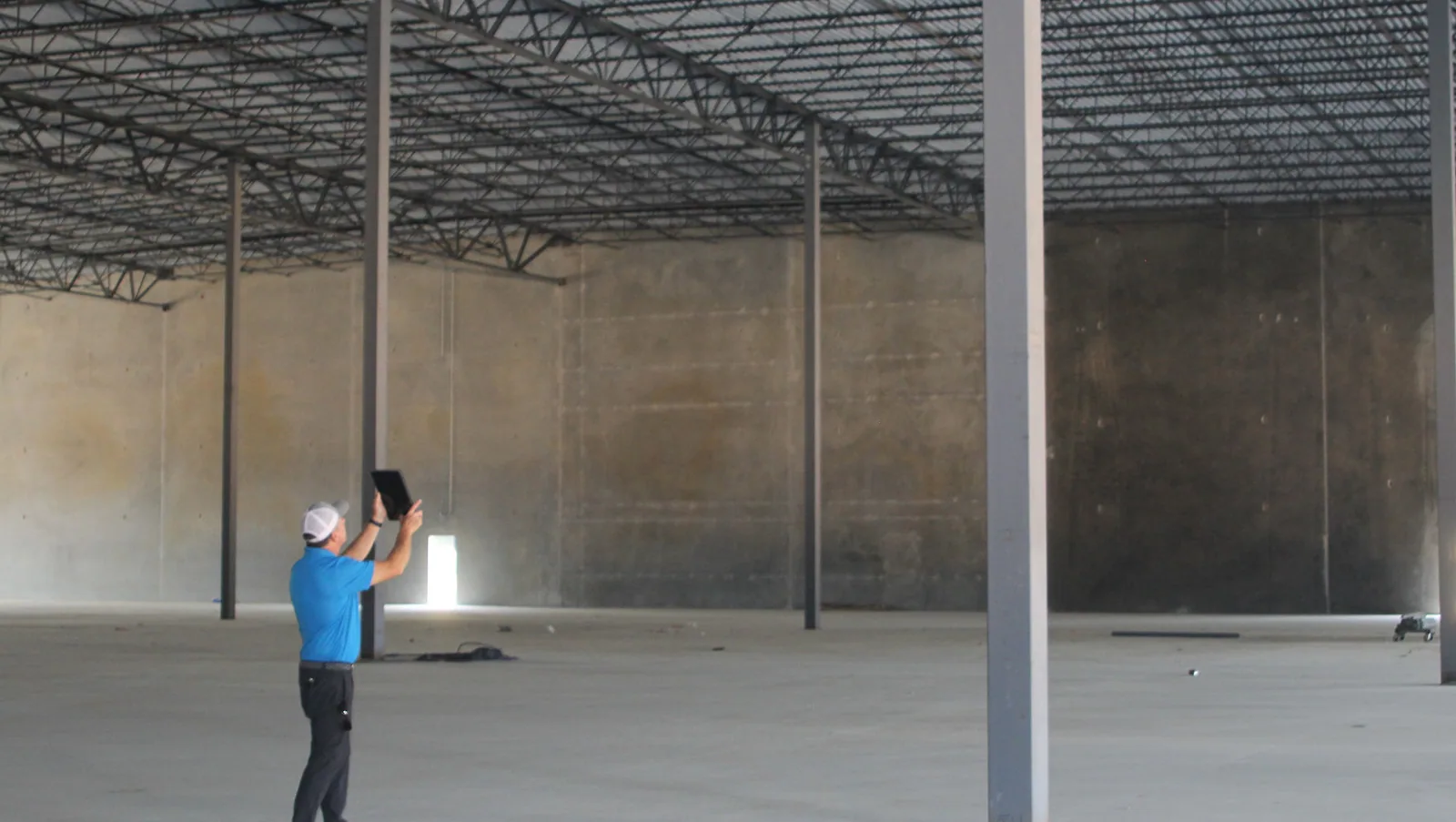
We inspect nearby seams, drains, curbs, and roof slope before calling one detail the source. A leak can follow the deck or insulation away from the entry. If water is active, the owner can point out when it appears and which interior spaces are affected. We document the symptom location separately from the roof defect so the repair does not assume they align vertically.
Build a Compatible Flashing Transition
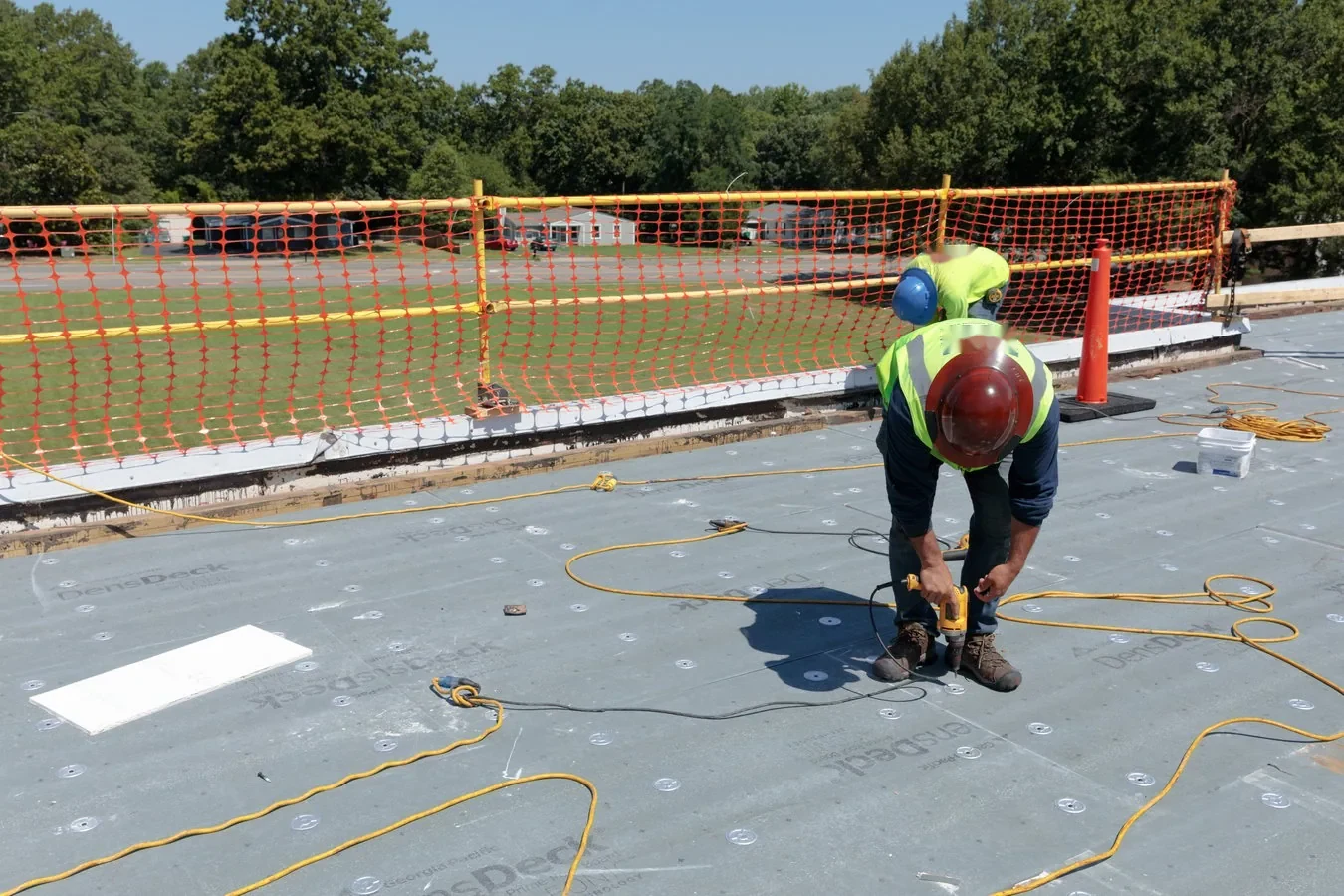
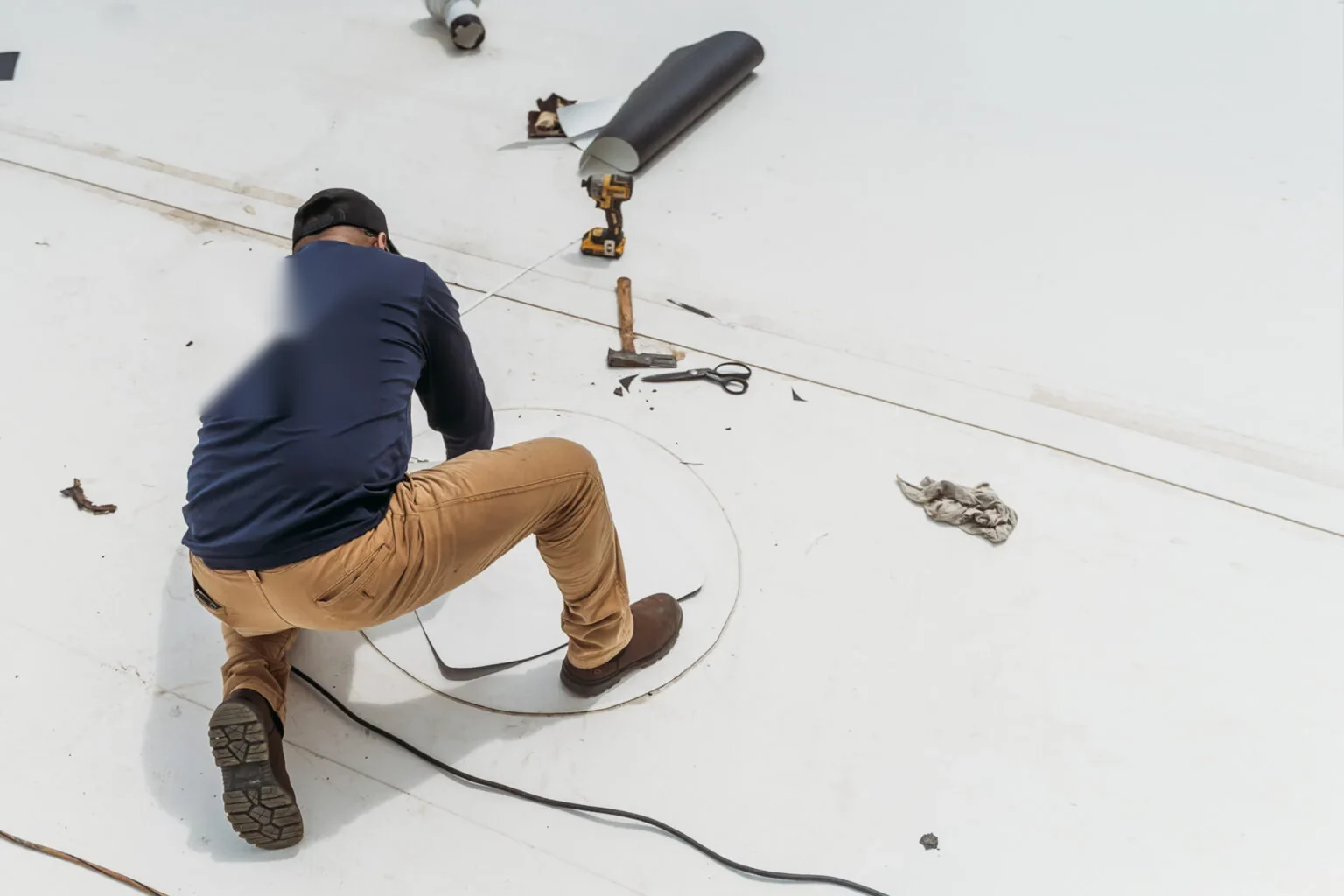
A durable detail depends on membrane type, curb height, corner geometry, and how the opening is secured. We identify the existing roof system and review available manufacturer details before specifying materials. For a thermoplastic membrane, the repair may require welded patches and formed corners. Other assemblies use different primers, reinforcement, adhesives, or termination methods. Mixing incompatible products can weaken adhesion or create a new failure line.
At a skylight curb, the scope may include removing loose flashing, preparing the substrate, restoring membrane up the curb, and terminating it beneath the frame or counterflashing. We record the existing curb height and any obstruction that prevents a complete upturn. If the frame must be removed, the proposal assigns that work and any glazing replacement clearly. Roofing labor should not quietly include window or mechanical work outside its trade scope.
Round Rock's Building Inspection Division handles enforcement of local construction rules. The city's published adopted-code schedule includes the 2024 editions of the International Building Code and the International Energy Conservation Code. Before changing a curb or opening, the project lead checks whether the proposed alteration needs permit or inspection review. The repair record identifies the detail and work limit for that coordination.
Where a curb sits close to a rooftop unit, the repair plan also accounts for service clearance. We mark the distance between the flashing and equipment base, then confirm that technicians can still remove panels or reach controls. If the existing curb is too low for a complete membrane turn-up, the proposal describes a curb extension or replacement as a separate decision. We do not cover a difficult transition with a larger patch and call the geometry resolved.
Choose the Right Repair Extent
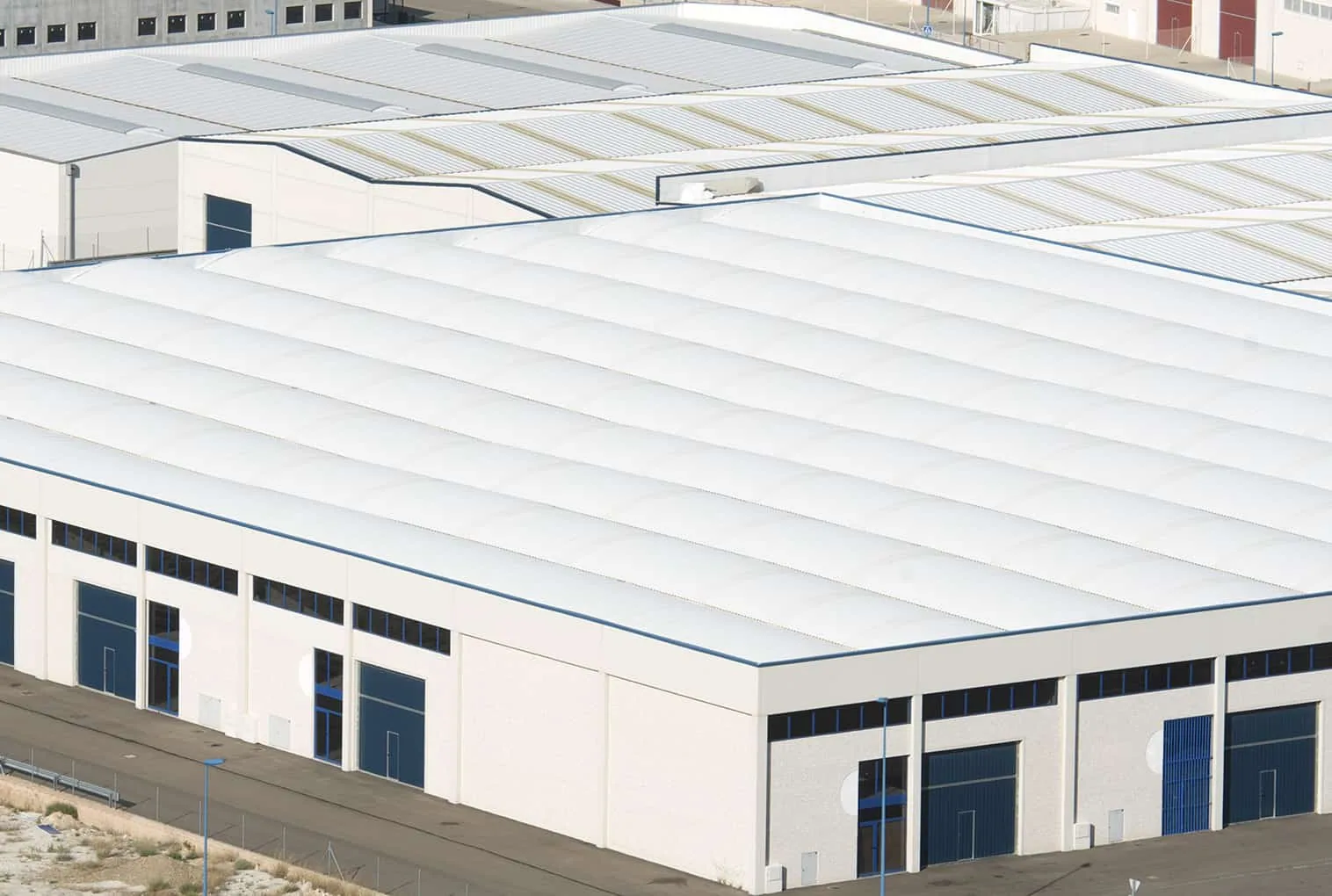
A localized boot replacement can address a split or loose penetration detail when the surrounding membrane remains sound. A failed skylight frame may need glazing or frame work before roof flashing can be completed. Multiple wet layers around an opening can justify a controlled test cut. We agree on the sample location and show what it reveals; one opening does not establish conditions across every skylight.
Estimate factors include opening count, curb dimensions, roof membrane, safe interior access, occupied-space protection, equipment clearance, and whether a crane or lift is required. For a large property in Pflugerville or Georgetown, work hours and secure access can shape sequencing. The building contact identifies room restrictions and any infection-control or production rules before mobilization.
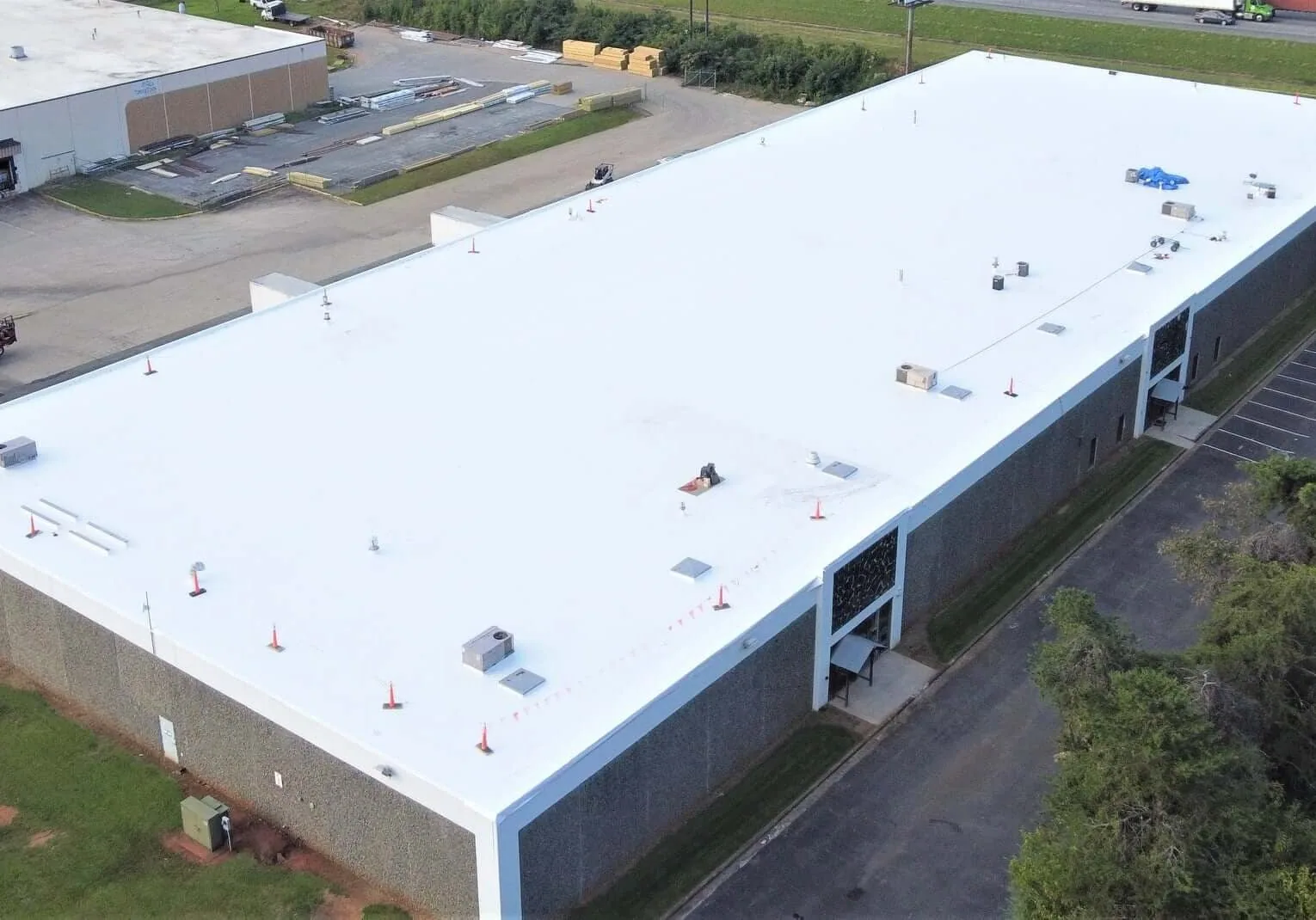
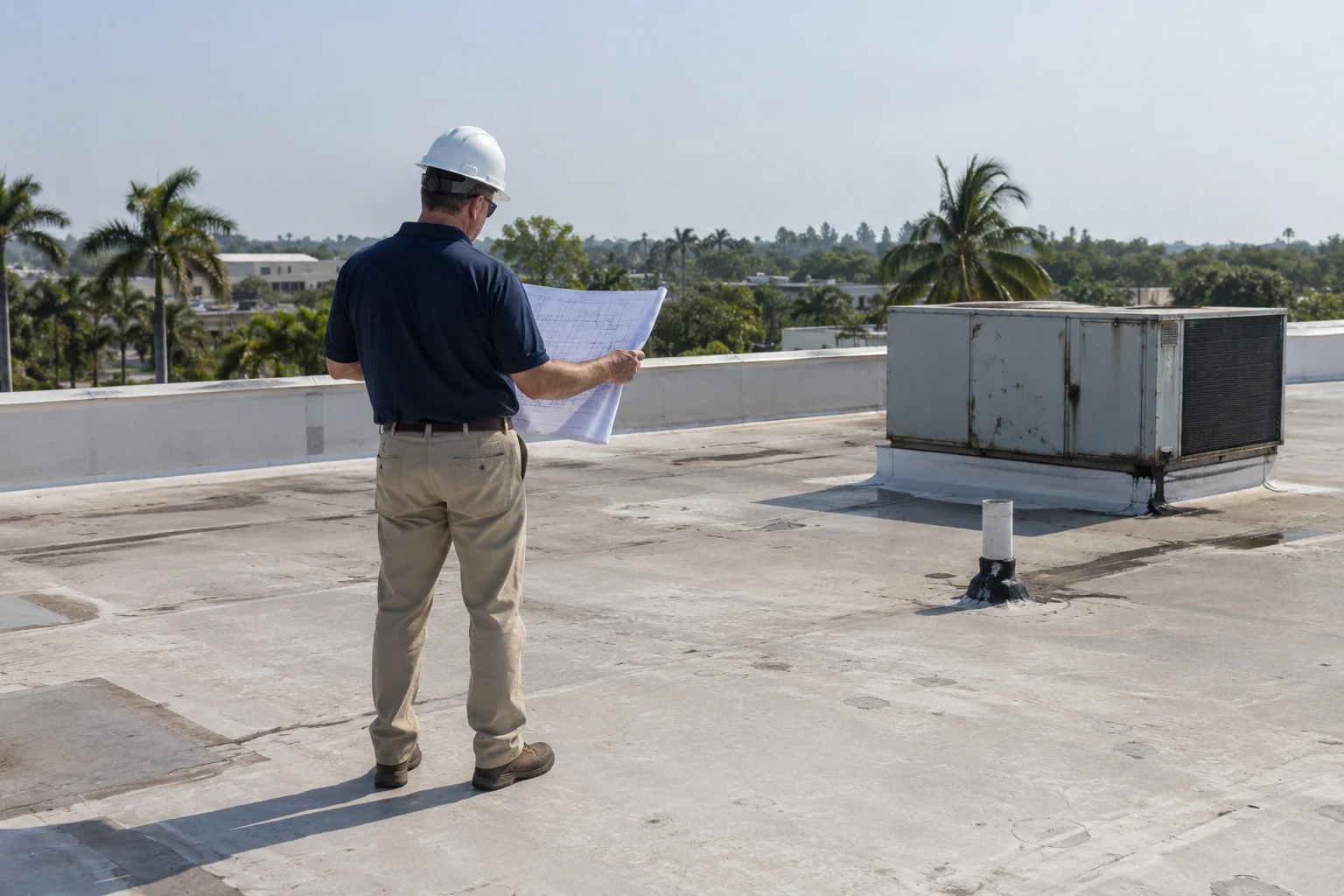
Related scopes may include a roof inspection to map several openings, commercial roof repair for adjacent membrane damage, or a cover-board replacement where concealed layers are wet. A TPO assembly requires compatible welded flashing. We list each curb and penetration by roof zone so the owner can compare the quantities.
Photograph Each Opening
Before repair, the crew photographs the opening from a wide view and close views of each corner or pipe collar. The record notes roof zone, penetration identifier, interior symptom if known, and access limits. During work, images show substrate preparation and concealed flashing before the frame or counterflashing covers it. Closeout photos show the completed transition and any replaced component.
If several openings appear similar, each still receives its own identifier. A repaired boot does not prove that the next boot is sound. The owner can use the location list for future roof walks and route mechanical service requests to the correct area. The report also records which openings were inaccessible or obscured.
After rainfall, a follow-up can compare the interior symptom and roof detail with the original record. If rain has not tested the repair, the closeout states that limit plainly. If a stain persists, the next investigation may need moisture mapping or controlled testing instead of another bead of sealant. We preserve the original photos so the owner can compare changes over time.
For occupied buildings, the work plan should state whether ceiling tiles, furnishings, or equipment need protection. Interior access helps the crew identify the symptom, but it does not replace roof-side examination. The closeout notes any interior finish work left to the building team and confirms that temporary protection was removed after the roof detail was completed.
Skylight work crosses the roof and the interior at once. Before disturbing a frame, identify glazing condition, curb attachment, perimeter flashing, and the ceiling or occupied area below. Protect the interior from debris and confirm whether a lift or fall-protection setup can reach each side safely. If the frame itself is cracked or loose, separate that work from the roofing tie-in and coordinate the repair sequence with the glazing contractor. A closeout photograph should show each curb side and corner, not only the most accessible edge.
Questions About Commercial Skylight and Penetration Flashing
Can you stop a skylight leak from the roof side?
Often, if the leak comes from the roof flashing or curb transition. A failed frame, gasket, or glazing may require a skylight contractor. We separate those conditions in the inspection.
Do you replace commercial skylights?
We can define roof-side removal and flashing work. Frame, glazing, and electrical controls may require a separate qualified trade, which the scope identifies before work starts.
How do you repair a pipe penetration?
We identify the pipe and membrane, remove failed flashing as needed, prepare the surface, and install a compatible boot or reinforced detail. The assembly and movement determine the method.
Should we test every skylight?
The inspection checks the requested openings and visible roof conditions. If one detail fails, we can map similar openings and recommend a sample review, but one repair does not certify every unit.
What should we send before a leak inspection?
Provide the address, affected room, when the leak appears, opening location if known, roof access rules, and any mechanical or security restrictions.
Related Roofing Work
Pflugerville

Georgetown
Commercial Roof Inspection
Commercial Roof Repair

Commercial Roof Insulation and Cover Board