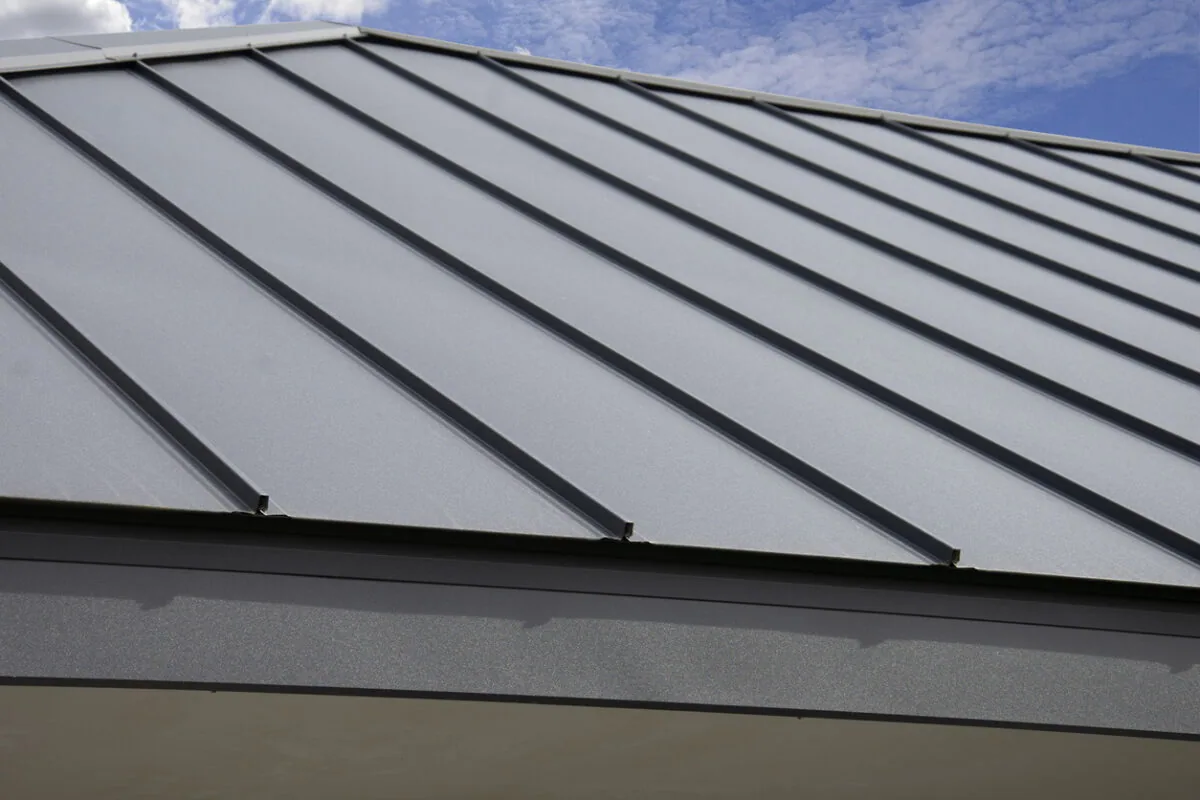
Review the Roof Before Solar
A solar array reserves space that roof crews may need later. Before panels arrive, we inspect the membrane, drains, curbs, and planned attachment zones. The roof must be able to support the installation and remain serviceable after the array is in place. Roofing review does not replace structural engineering or solar design. It identifies roof conditions and details that those teams need to coordinate.
The Round Rock Chamber identifies Dell Technologies Global Headquarters and Toppan Photomasks Round Rock among its local employers. For a solar-ready roof review, the property contact identifies access controls, rooftop equipment, delivery point, and secure route before staging begins. We mark the roof areas available for review and coordinate a safe route with the facility contact before panels or staging material are moved.
Send the roof plan, panel layout, membrane records, prior repair history, and equipment access rules. We will identify roof details and repair needs for coordination. Call 555-555-5555 or request a roof assessment.
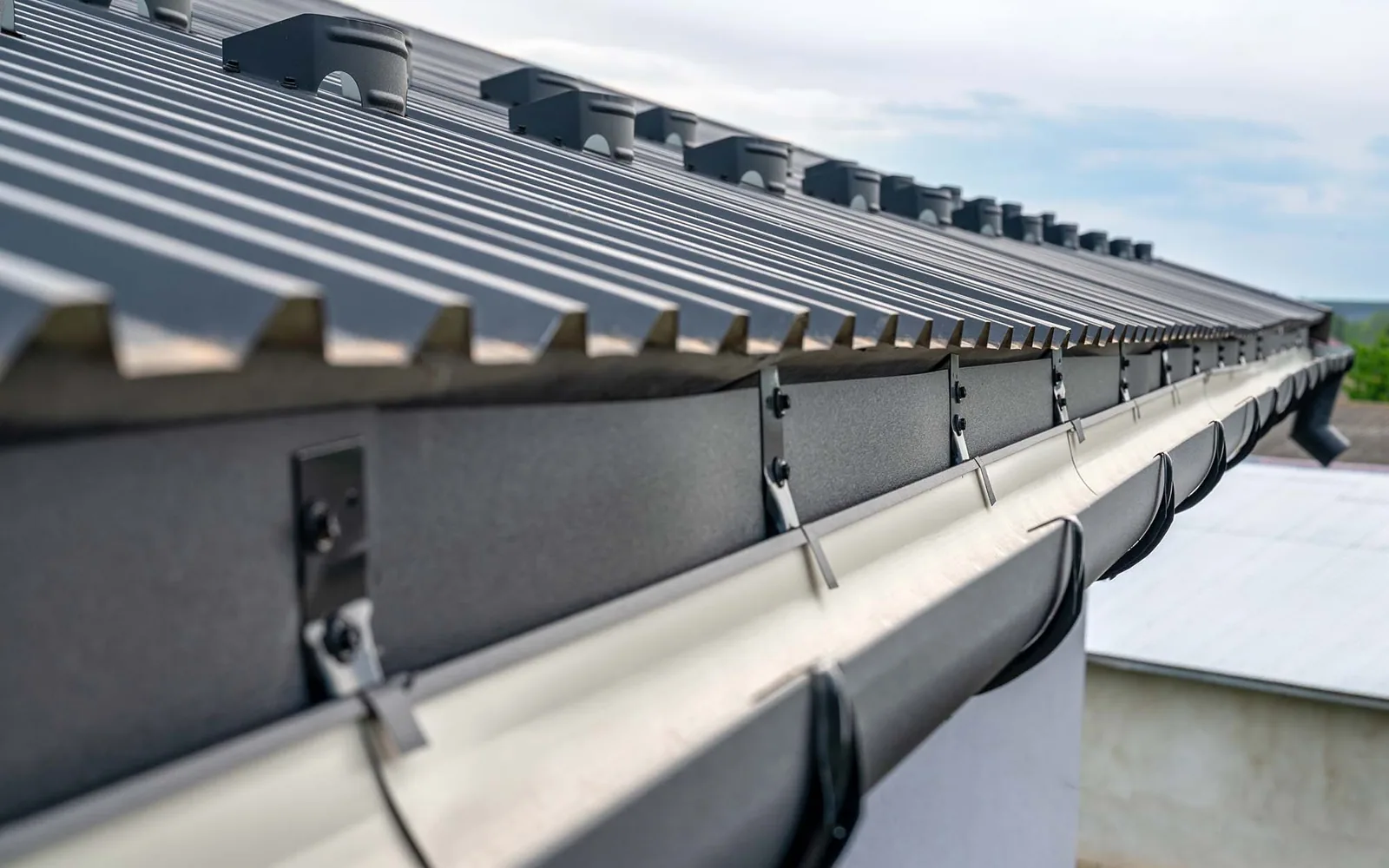

Map the Roof Before the Array
We review roof plans, repair history, membrane type, and any existing warranty documents supplied by the owner. The roof walk checks seam condition, flashing, drains, equipment curbs, and areas of prior patching. A moisture survey or test cut may be appropriate if hidden wet insulation could be covered by the array. Testing locations need owner approval and should be tied to a clear question.
The solar layout should leave access to drains, expansion joints, roof hatches, and equipment. We compare proposed row spacing with the maintenance path and mark zones that need regular inspection. Panel coverage can make a leak harder to locate and repairs harder to stage. A clear roof plan records panel boundaries, attachment rows, cable routes, and areas that stay open for future service.
Existing roof age alone does not decide whether solar can proceed. The assembly's observed condition, repair needs, remaining service plan, and proposed attachment method matter. If substantial roof work is already indicated, completing it before the array is installed can reduce later panel removal. We show the evidence and identify the decision that belongs to the owner and design team.
We also check how maintenance teams will reach vents, drains, roof hatches, and safety equipment after the solar work. A path drawn between panel rows should be wide enough for the planned inspection and should not force foot traffic across fragile flashings. If the array reduces clearance at a curb or roof edge, that conflict goes back to the solar designer before hardware is installed.
On a phased installation, each completed section needs a dated map. That map can show which attachment rows have been flashed, which remain open, and where temporary protection is still in place. The next crew can verify the work already closed before extending the layout into another zone.
Set Attachment and Trade Boundaries
Solar attachments can penetrate the roof or use a ballasted system. A penetrating detail needs a compatible flashing and a connection reviewed for the roof membrane. Ballast adds load and may change drainage or access. The structural engineer and solar designer establish their respective requirements; the roofing scope records membrane penetrations, flashing details, and protection around the assembly.
We identify which party installs each roof penetration and who closes the membrane detail. A single attachment can create a leak path if the flashing, seal, or fastener does not match the roof system. Before work starts, the drawing should show the attachment location, curb clearance, wire transition, and route to the inverter or conduit. The roofer can review roof-side details, not certify panel output or structural capacity.
The City of Round Rock publishes 2024 editions of the International Building Code and International Energy Conservation Code in its adopted-code schedule. The project lead determines which reviews apply to the solar alteration. A roof survey, structural calculation, electrical plan, and permit review answer separate questions; the team should resolve each before any new roof penetration is made.
Review the attachment schedule before purchasing hardware. Product changes can alter fastener type, base footprint, and flashing dimensions. We check that the revised plan still leaves a repairable path to the membrane and that conduit does not run through a drain service area. A last-minute field change should be marked on the drawing and recorded in the closeout set.
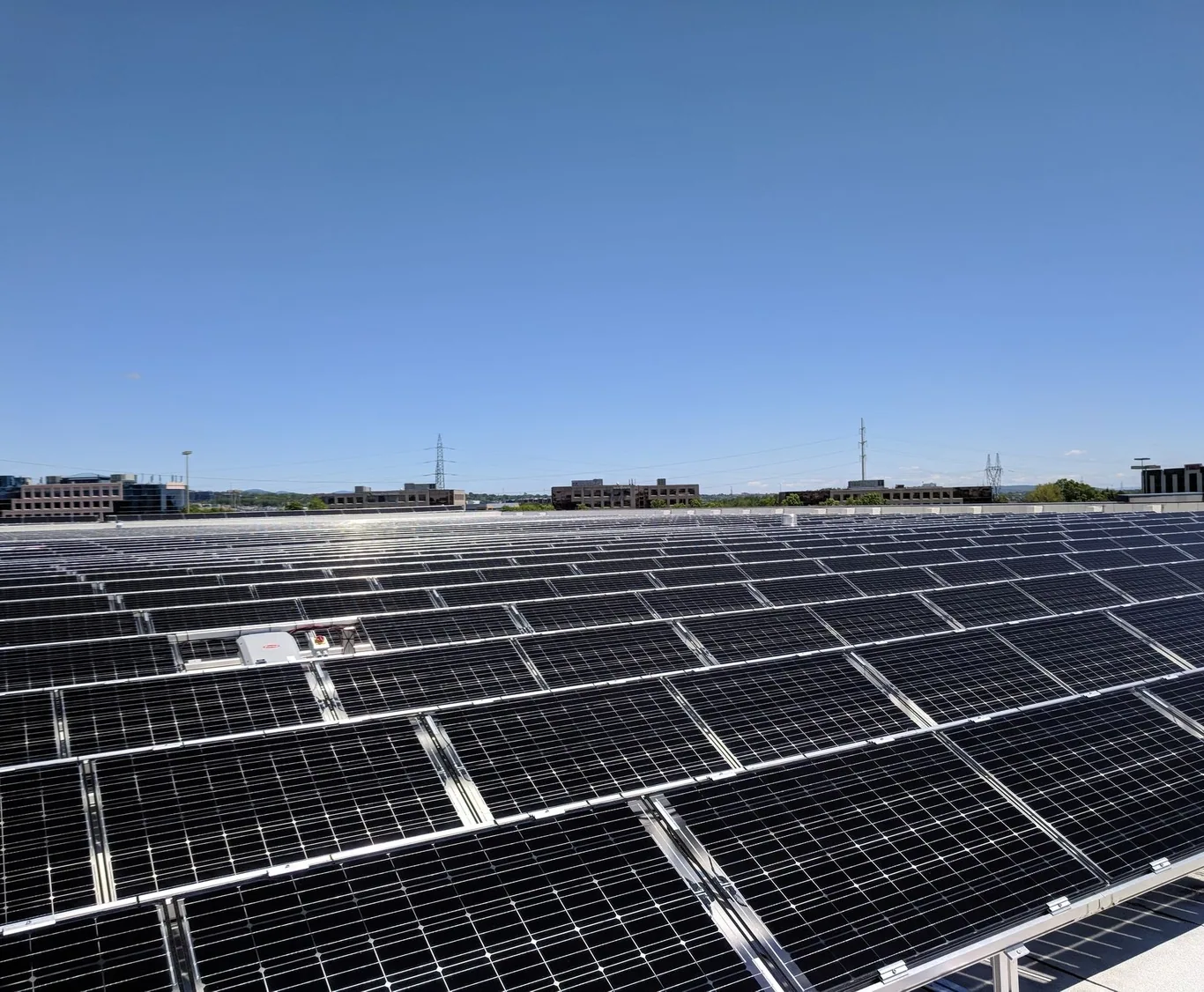
Protect Service Access
Work sequencing should account for roof repair, array installation, electrical tie-in, and the order for closing penetrations. We photograph the membrane before solar equipment covers it and capture each completed flashing detail before panels obscure the area. If the installation pauses, the open roof zone receives temporary protection and the owner receives the next work date or hold point.
At a commercial roof in Manor, equipment access may need a site escort or designated work window. Schedule drivers include array footprint, rooftop unit clearance, material delivery, safe access, and whether roof repairs must precede panel work.
Related planning can include a roof condition inspection, infrared moisture survey, or insulation repair before the array is mounted. The roof system also matters, whether the existing field is TPO or standing-seam metal. A data-center roof may require a different access and sequencing plan than a light-industrial building.
When array work follows reroofing, let the membrane installer complete inspection and closeout first. The solar crew then uses the agreed details rather than choosing penetrations in the field. If the array contractor supplies a mounting rail or ballast pad, the roofing plan identifies who protects the membrane beneath it and how that protection can be checked later.
Keep a Usable Roof Map
The final roof plan should show array limits, roof penetrations, flashing type, drains, walkways, and the locations of remaining clear zones. We provide photos of each tie-in and note the membrane products used. The owner can keep those materials with the solar drawings, inspection reports, and service records for future troubleshooting.
After installation, a roof inspection should have a safe route between panel rows and equipment. We note any area the array blocks from view. If water appears below panels, the plan helps the inspection team identify the closest attachment and trace the route without assuming that it is the source. A test may still be needed to confirm concealed conditions.
Future solar service can move ballast, conduit, or support hardware. The roof contact should record those changes and report any disturbed flashing. If an installer must lift or shift panels for roof work, that coordination should be included before mobilization. Roofing closeout records the repaired surface; electrical testing and panel performance remain with the solar provider.
Before adding solar, map the roof zones and service paths for the actual property. Central Texas projects may include commercial buildings along the Pecan Street and SH 130 corridor in Pflugerville or the US 183 corridor in Leander, but neither area establishes deck capacity or a suitable attachment point.
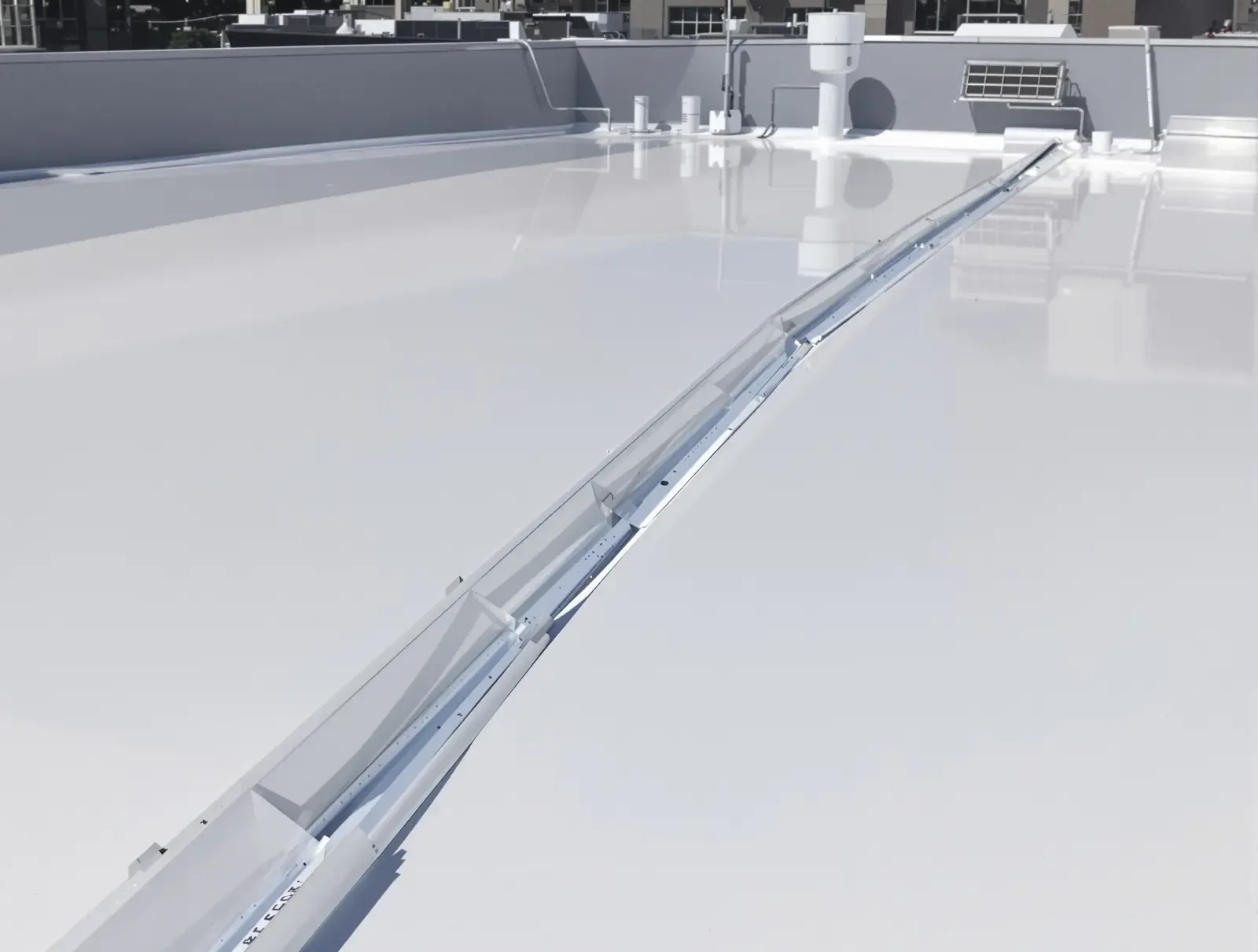
Questions About Solar-Ready Commercial Roofing
What roof work should be settled before solar equipment is mounted?
The roof condition and planned service life guide that decision. We inspect the assembly, document repairs and moisture concerns, then show which areas need work before they are covered.
Can solar panels be attached through a TPO roof?
They can be installed only with an attachment and flashing detail compatible with the system. The roof-side connection must be coordinated with the solar design and reviewed against the membrane requirements.
Who checks whether the roof can carry the array?
A structural engineer reviews capacity and loading. We provide roof information and identify membrane conditions, but structural approval belongs to the engineer.
Will panels block drain maintenance?
A layout should preserve access to drains, hatches, expansion joints, and equipment. We mark those service paths before installation and document any area that becomes inaccessible.
What records should we keep after installation?
Retain the array layout, attachment locations, roof flashing photos, product details, structural review, and electrical documents. The roof map helps locate future service work.
Related Roofing Work

Manor
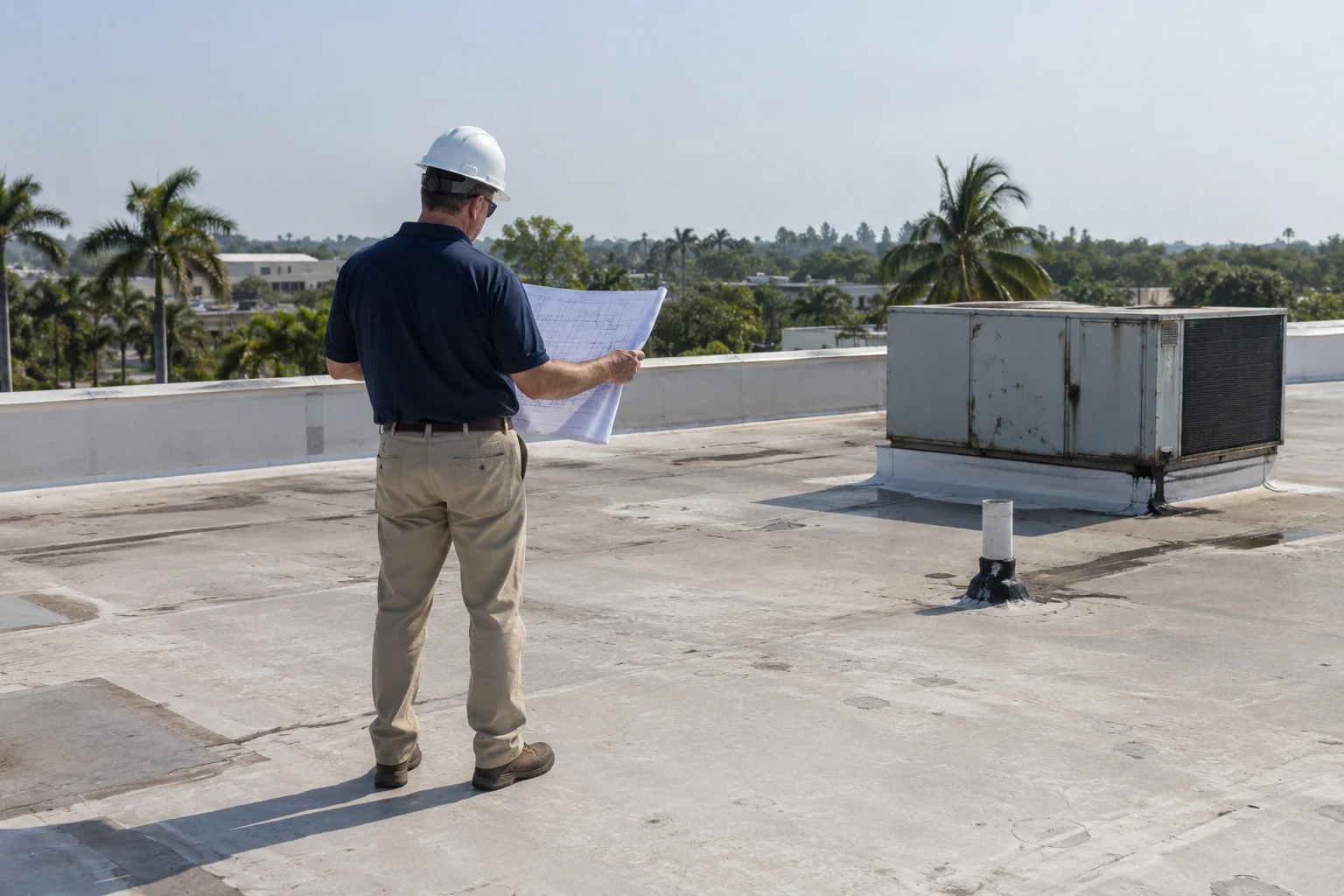
Commercial Roof Inspection
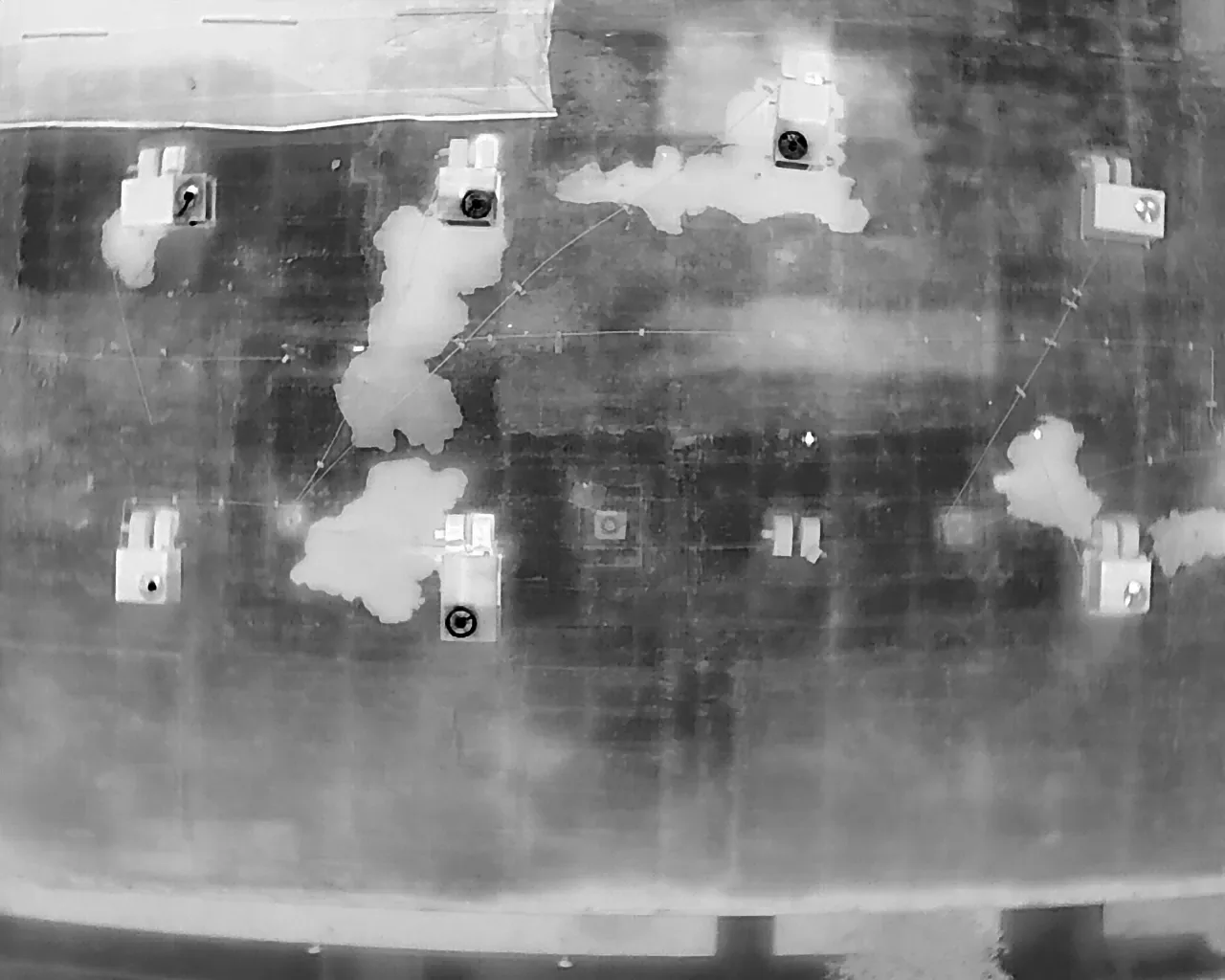
Infrared Roof Moisture Survey
Commercial Roof Insulation and Cover Board
Commercial TPO Roofing