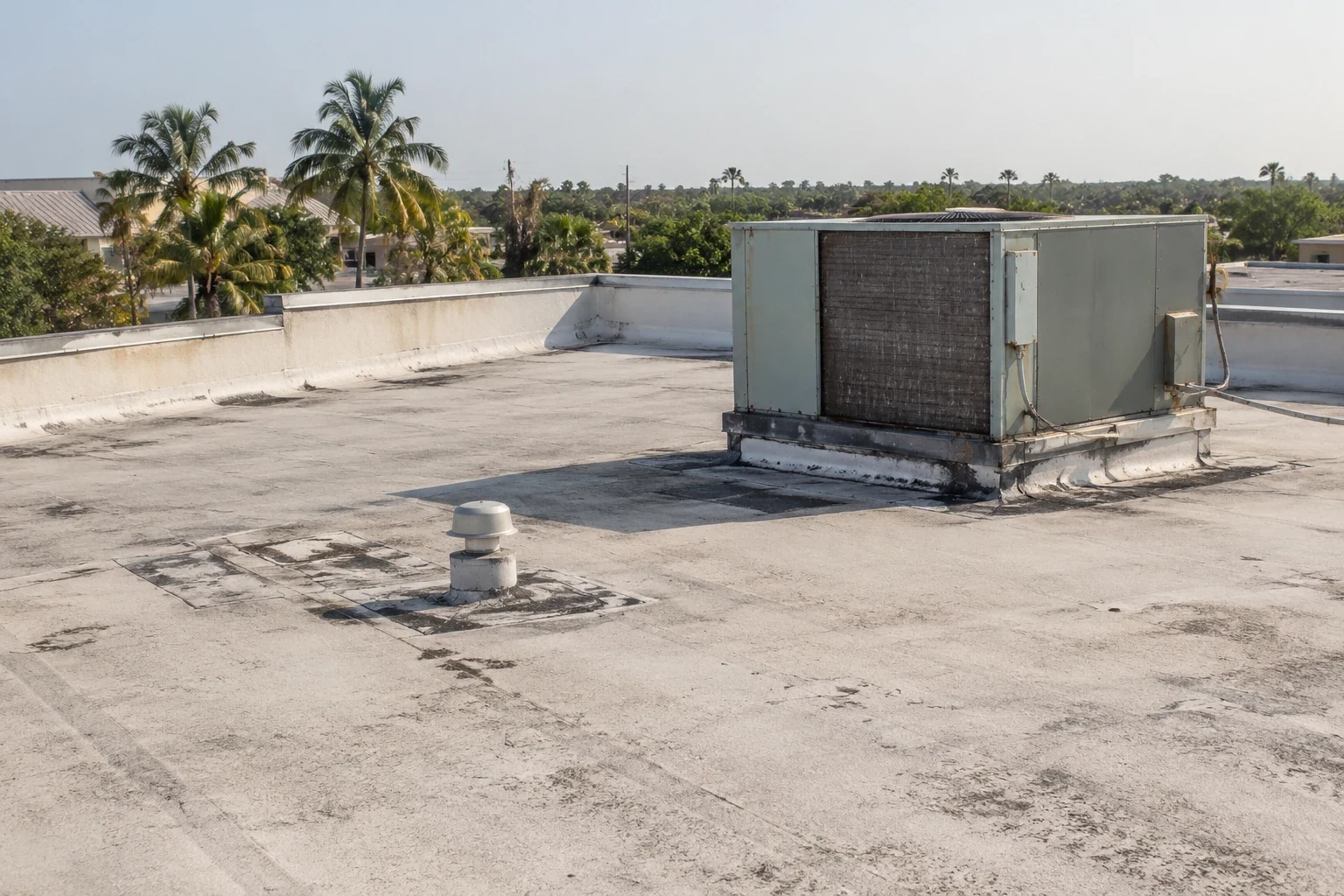
Start with the Event and Roof Zone
A shallow dent in edge metal may follow hail, wind, or earlier service. The shape alone does not establish when it happened or whether water can enter. We record the event date, roof zone, reported condition, and access limits, then inspect the detail in place. On March 21, 2022, a tornado tracked through Round Rock during an event with hail reports across the area. That history can frame a request, but the inspection records only damage observed at each accessible roof zone.
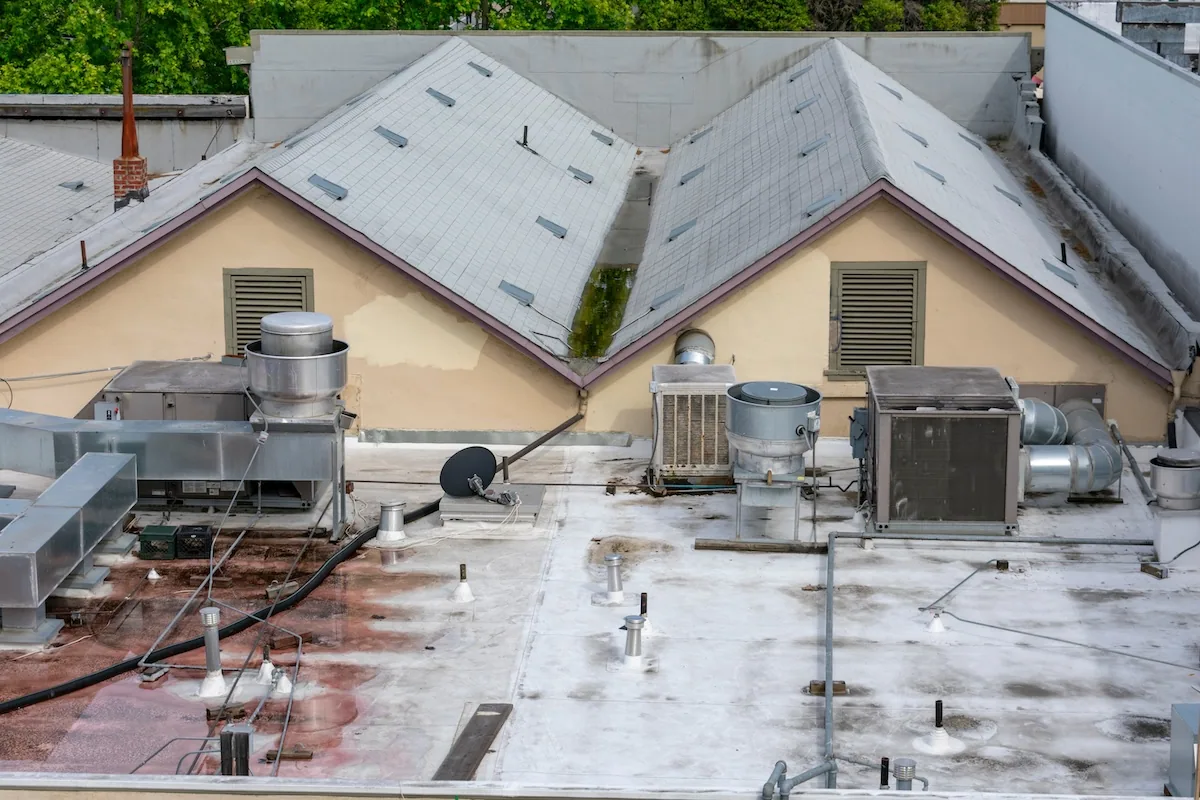
During the visit, we record impact marks, displaced materials, open seams, punctures, interior reports, and access limits by roof zone. A repair boundary follows the evidence found on site.
Share the event date, address, affected room, active leak status, and roof access contact. We will document the reported condition and define the repair boundary. Call 555-555-5555 or request a roof assessment.
Compare the Report with the Roof
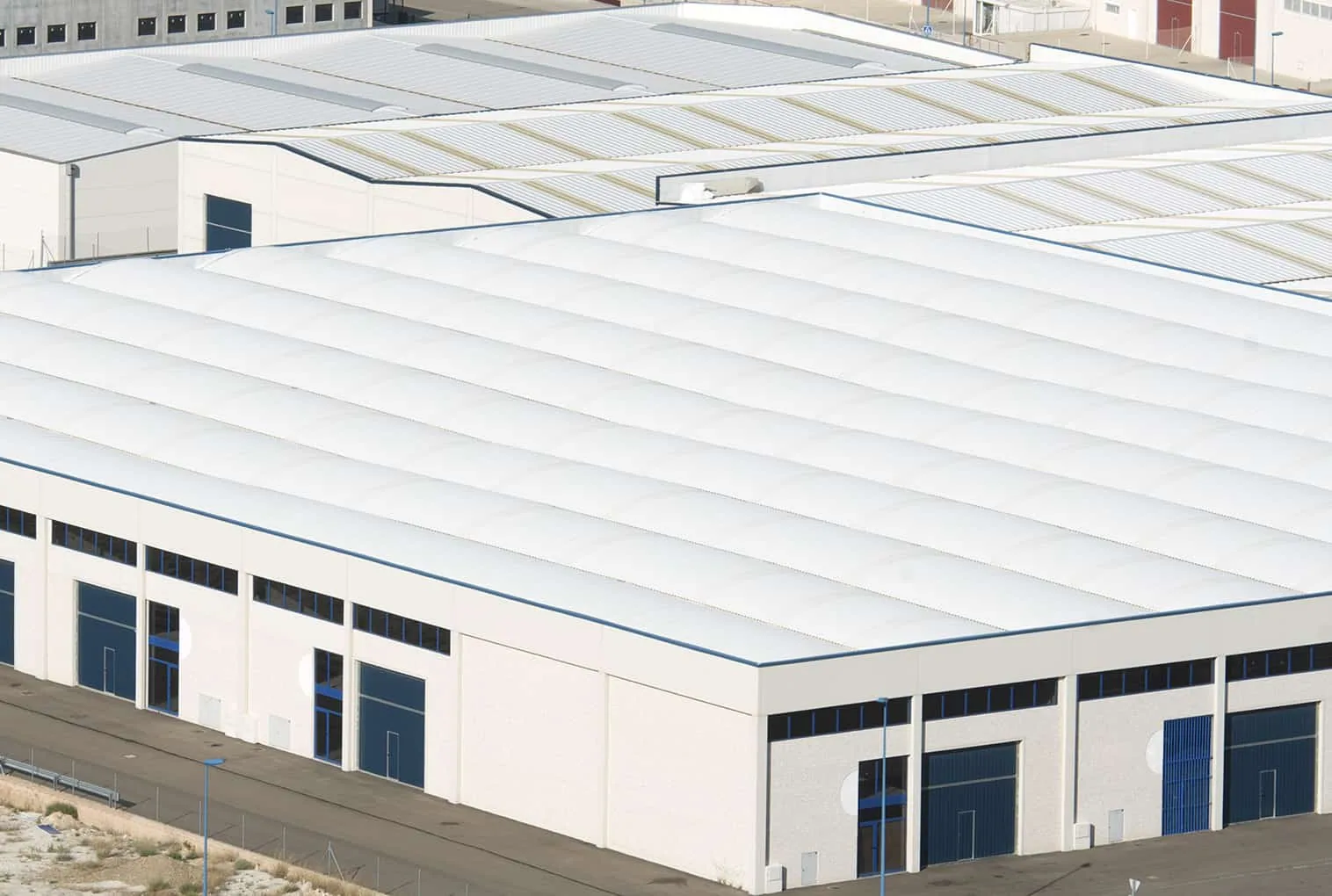
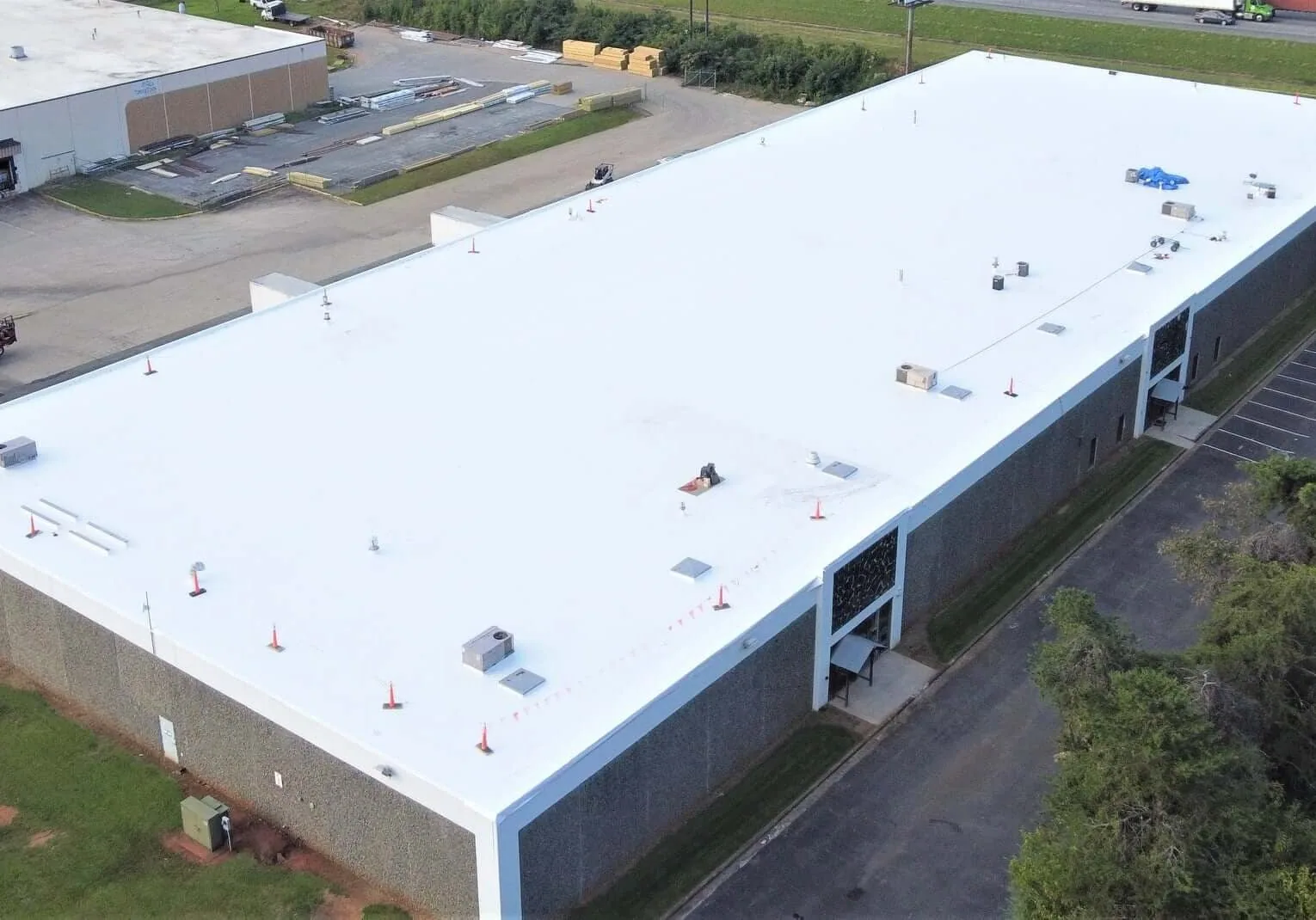
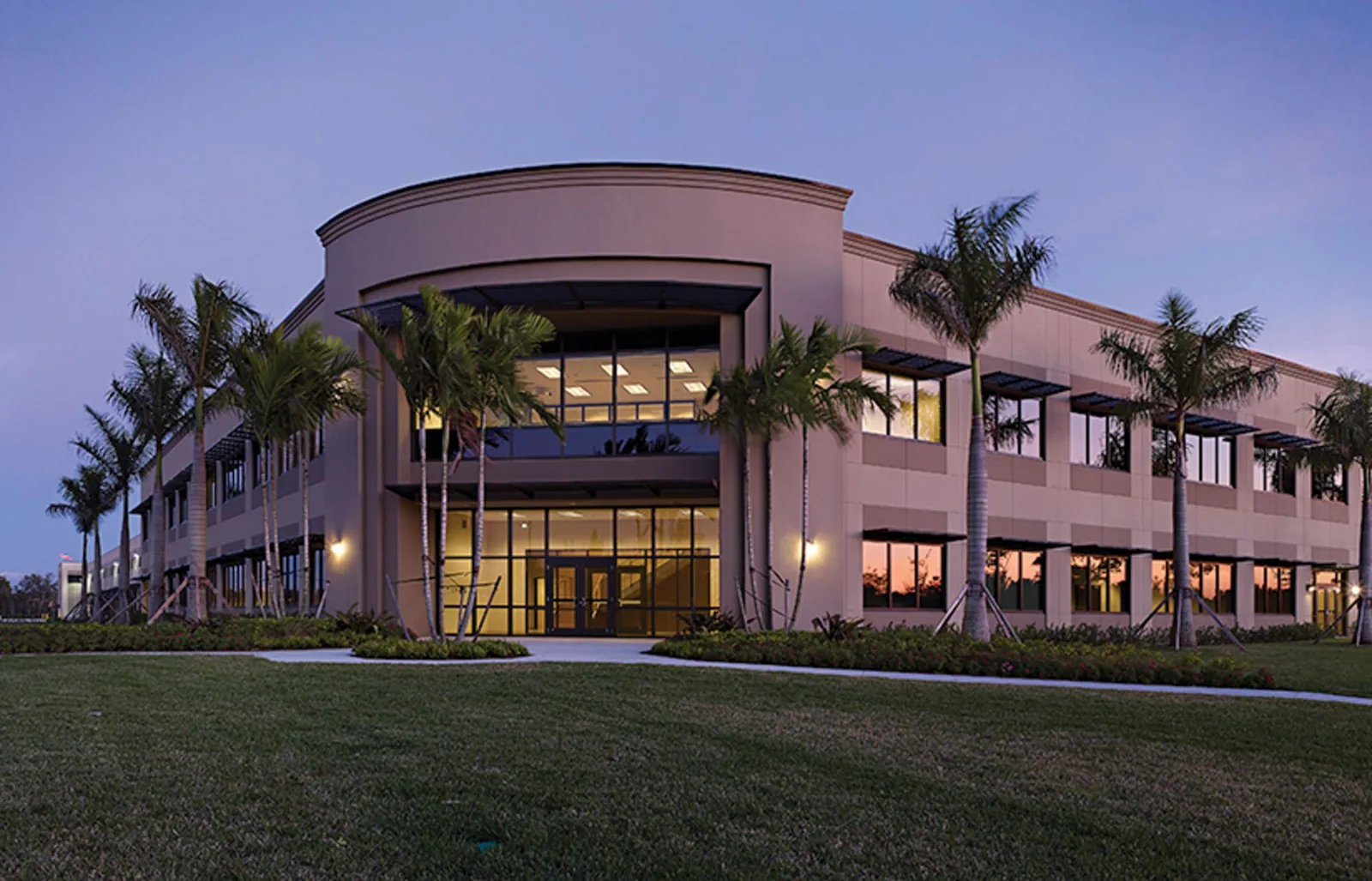
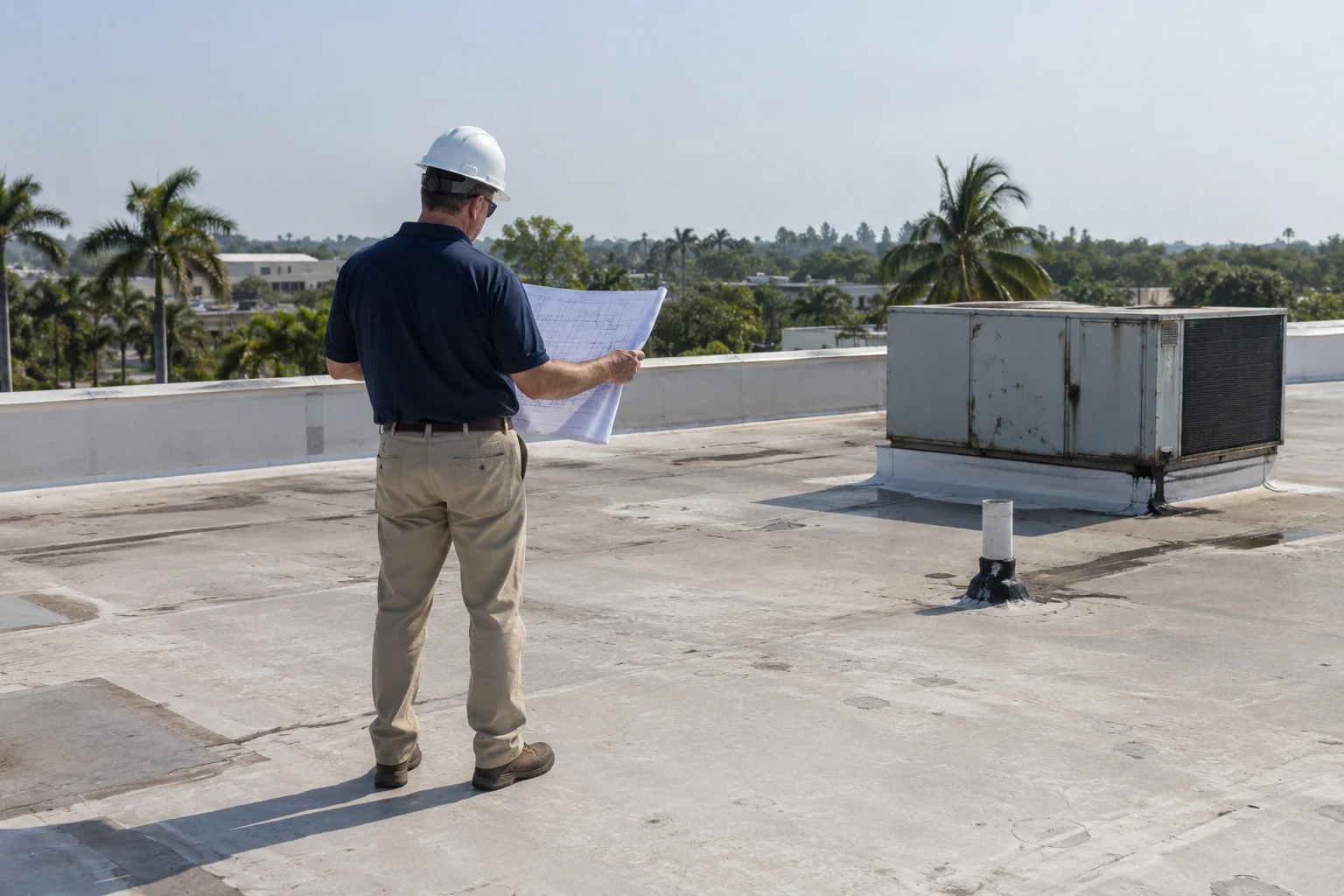
We ask where the owner saw water, when the event occurred, and whether the leak remains active. On the roof, we check the reported zone and nearby transitions. A puncture can sit under debris. A seam can lift at a corner. A curb flashing can separate while the membrane around it remains intact. Photos record the visible detail and establish a field mark for the repair plan. A dent in metal may leave attachment unchanged, while a split seam can create a direct water path. The inspection checks each condition on its own merits. For a distribution center roof, we also coordinate access around loading activity and identify which roof section serves the reported interior area.
Round Rock's commercial properties include data-center campuses, healthcare buildings, logistics operations, retail, hospitality, and education sites. Operations vary across these uses. We coordinate roof entry, equipment limits, work hours, and protection below with the facility contact. If a roof area cannot be reached because of equipment or restricted access, it remains listed for follow-up rather than being called clear.
Water may travel below a membrane before it appears on a ceiling. We trace the path through seams, drains, wall details, and penetrations. If wet insulation could change the scope, we propose an approved test cut. The report states which layers were visible at that sample and does not extend the finding to untested sections. Maintenance logs, prior repair tickets, and dated photos help locate older patches before the team begins. If previous work crosses the suspected impact zone, we compare its date and material with the current surface. That separates earlier repairs from new changes and avoids widening the scope without evidence.
Protect the Opening
Active water entry may require temporary protection before permanent repair. We identify the opening or failed transition, protect it, and photograph the temporary measure. The return plan names the roof zone and material needed for a lasting repair. Temporary cover is not described as finished work. If rain is approaching, the crew closes each exposed section before leaving.
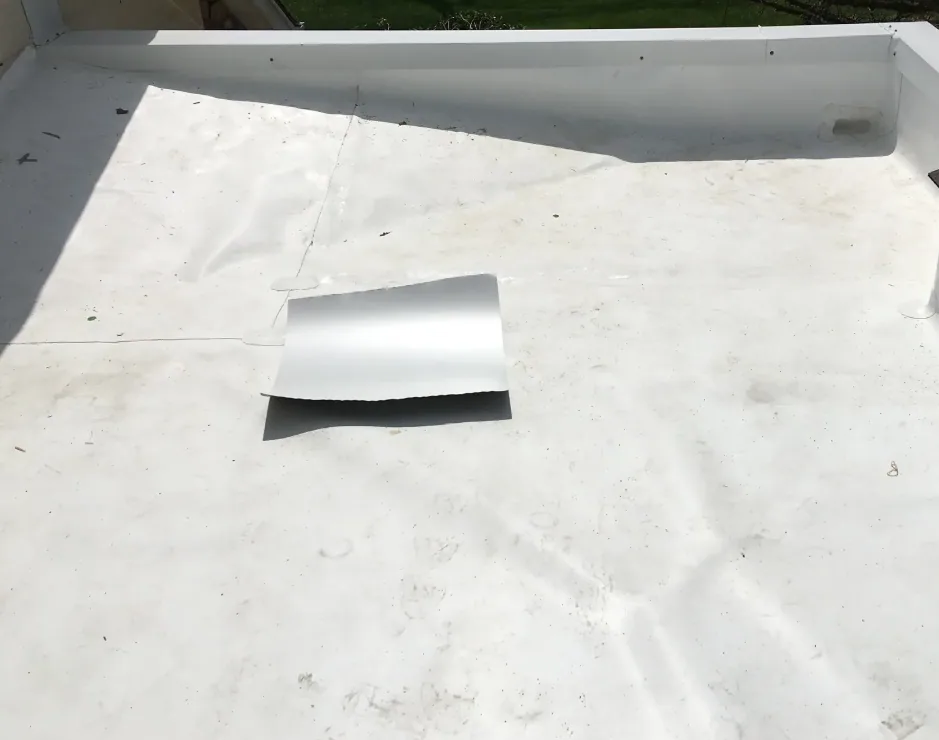
For post-event inspection, an owner can compare dated photographs from before and after the storm. The roof inspection record separates prior wear from a visible change. A hail impact review can focus on penetrations, metal, and membrane marks. Any suspected concealed moisture receives a separate test recommendation.
Round Rock’s commercial properties have separate buildings, roof zones, and operating contacts. A storm inspection requires access to the specific roof and evidence of its condition. A regional hail report cannot substitute for that roof walk.
Define the Permanent Repair
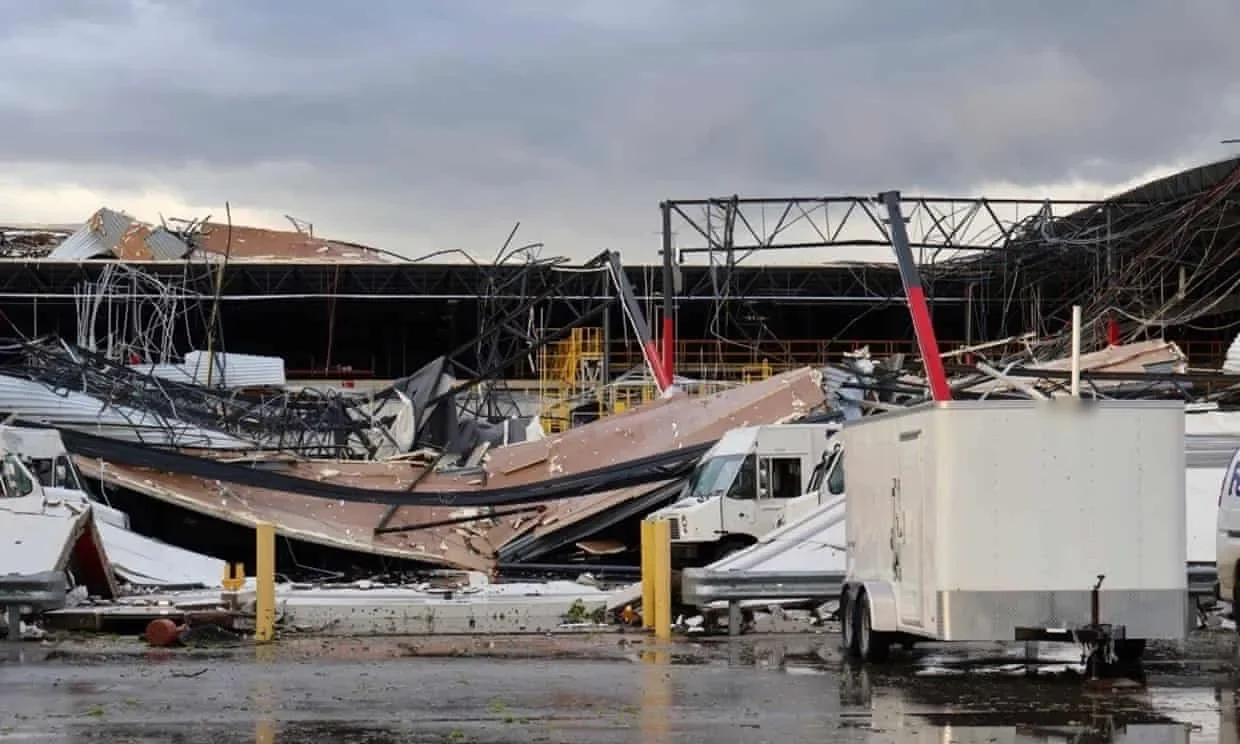
A puncture or split seam can be repaired locally when nearby material is sound. We identify the assembly, prepare stable surfaces, install a compatible detail, and photograph the finished boundary. If the test cut shows wet insulation or deck damage, the repair area may need to expand. We document the layer condition and explain the added work before proceeding.
Recover, coating, or replacement may be appropriate when damage crosses several zones or the assembly has broader moisture. A recover needs a dry, attached roof and workable height at edges and drains. Coating requires a compatible, prepared surface. Replacement is considered when deck, attachment, or insulation conditions make local repair unreliable. The replacement scope and recover review set separate requirements.
Costs depend on access, tear-off, insulation, deck repair, metal edges, penetrations, temporary protection, and work timing. We state what inspection confirmed and what remains concealed. If a claim file is involved, a claim documentation service can organize event records, field photos, and repair details. The insurer and policy terms determine coverage and claim outcomes.
Coordinate the Return
Work may need to fit around deliveries, healthcare schedules, equipment restrictions, or tenants below. The property contact confirms staging, work hours, and a clear route to the roof. We sequence by zone and close each area before shifting to another. An emergency response can address active entry first, then return for permanent work when access and materials are ready.
The closeout identifies event date, building, roof zone, reported condition, observed damage, temporary protection, permanent repair, and follow-up. If a section was inaccessible, the record says why and who can approve another visit. At Chisholm Trail Trade Center or a medical property on Seton Parkway, the operating contact determines the work sequence for that facility.
After repair, a follow-up check revisits seams, flashings, drains, and adjacent details. It compares new photos with the original field marks. The next action may be a small repair, a moisture test, or a larger roof plan. The record closes with a clear result and any area that remains unresolved.
Separate storm observations from ordinary wear before writing the repair scope. We compare fresh damage with dated roof records, recent service calls, and undisturbed areas of the same assembly. A bent edge, displaced coping, puncture, or opened seam should be photographed with a scale and a roof-zone mark. Interior staining may appear later, so the first visit also records access limits and areas to revisit. This gives the owner a sequence: make the building watertight, preserve evidence, and then decide whether the permanent repair is local or broad.
After a regional storm report, inspect the specific building and roof zone for physical evidence. A building on Round Rock's commercial corridors still needs its own roof inspection; an event map alone does not establish damage at a property.
Pflugerville's Pecan Street-SH 130 corridor and Round Rock's East Old Settlers Boulevard corridor are separate commercial areas. We inspect each property and record physical storm evidence before assigning a repair boundary.
Questions About Storm Damage Roof Repair
Does the 2022 tornado report mean my roof was damaged?
No. The storm record describes a track and reports from that event. It does not establish what happened at a specific building. We inspect the address, photograph visible conditions, and separate event information from observed damage.
What should I do while water is entering?
Tell us the building, active leak location, event date, and roof access contact. Protect people and equipment below the leak. We assess safe access and can document temporary protection before permanent repair is scoped.
Can you tell old wear from storm impact?
Dated photos, repair history, material condition, and visible changes help distinguish the two. The inspection records uncertainty when evidence is limited. A test cut may be needed to understand concealed moisture or a repair layer.
Will insurance pay for the roof repair?
Coverage depends on the policy and claim review. We can provide dated inspection photographs, observed damage, temporary measures, and a repair scope. Those documents describe the roof work; they do not promise a coverage decision.
When can permanent work begin after a storm?
Access, weather, material availability, and the extent of the repair set the sequence. Temporary protection can control an opening first. Permanent work begins when the substrate is ready and the work zone can be closed safely.
Related Roofing Work
Distribution Center Roofing
Commercial Roof Inspection
Hail Damage Roof Repair
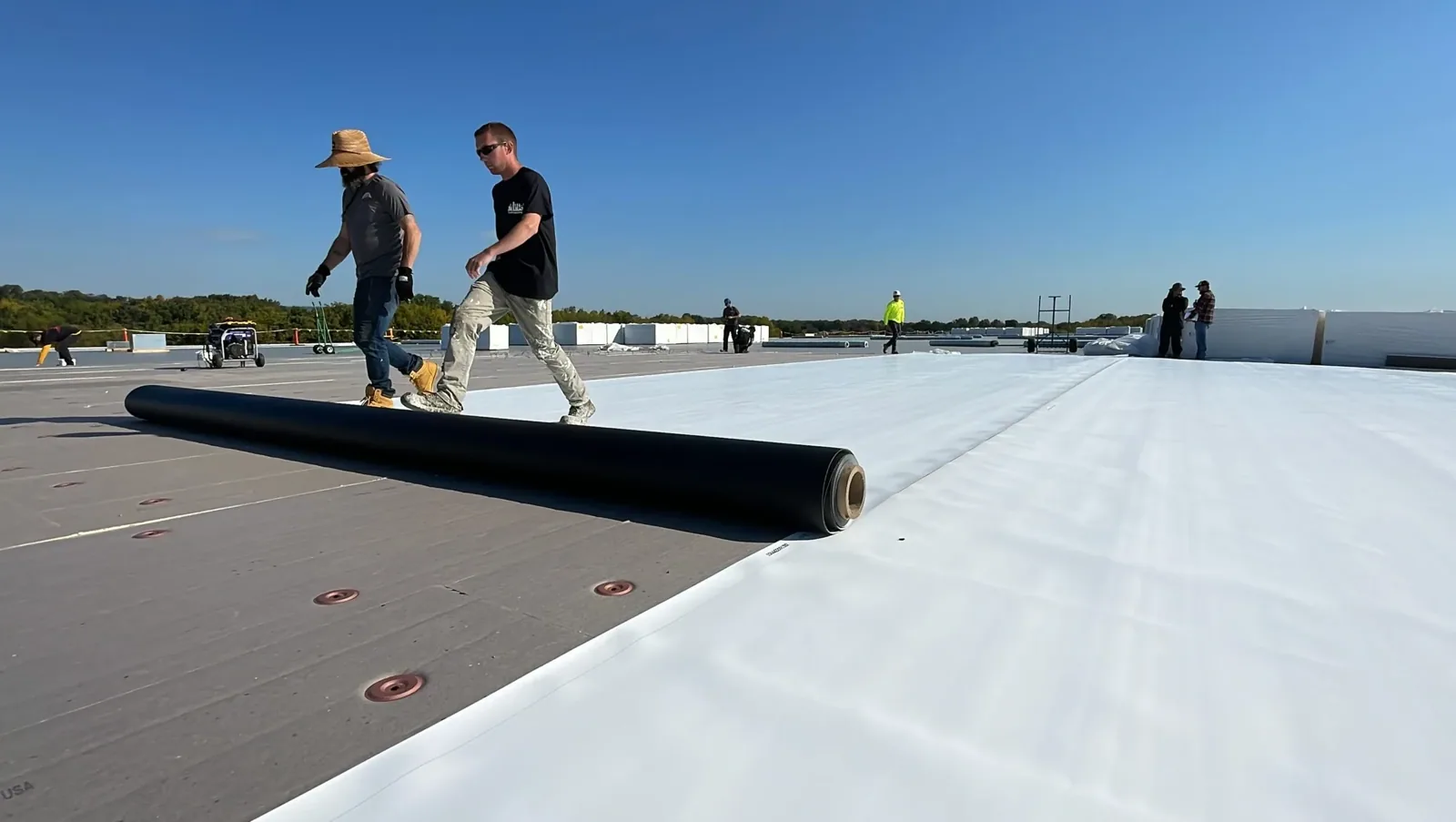
Commercial Roof Replacement
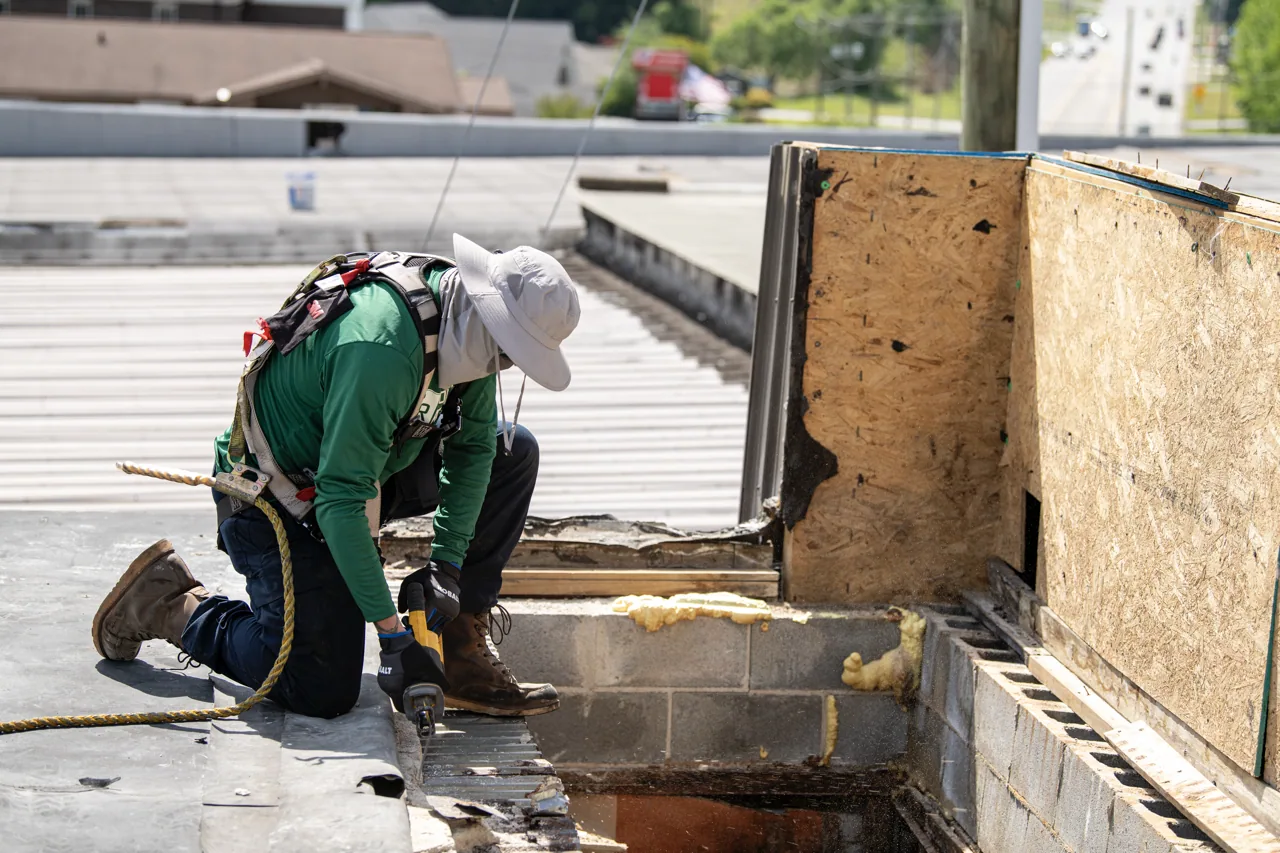
Commercial Roof Recover and Overlay