Confirm whether an overlay fits
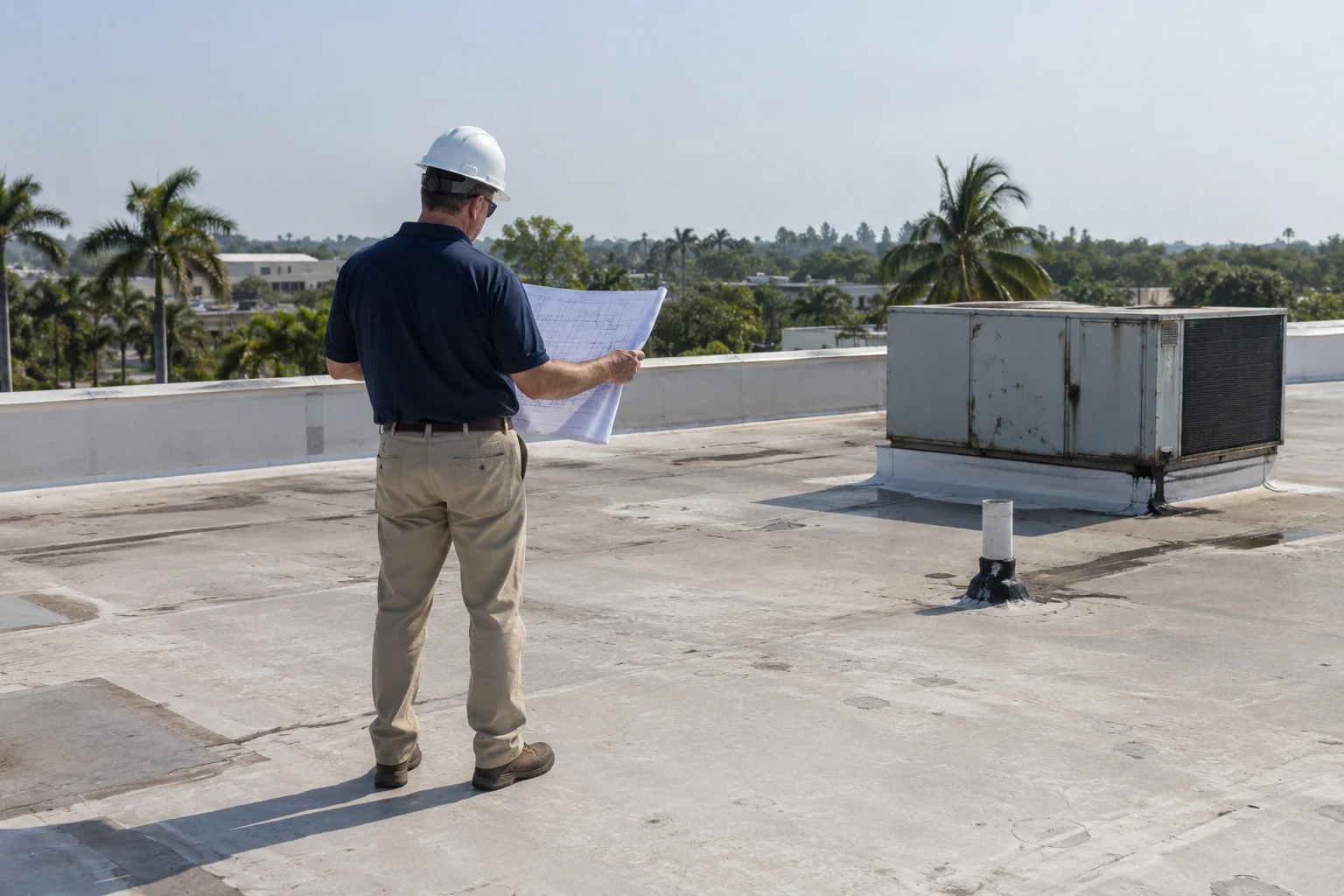
A raised lap or soft spot can make an overlay look simpler than it is. Before placing new material over an existing commercial roof, we check what lies below the surface: moisture, attachment, deck condition, drainage and the number of existing layers. A recover can reduce tear-off, but only when the existing assembly can support another system and local code allows the proposed construction. The inspection sets that boundary before materials are selected.
Round Rock includes data-center campuses such as Switch and Dell Technologies, healthcare properties such as Ascension Seton Williamson and Baylor Scott & White, plus logistics and retail buildings. Each use has different access rules; none tells us the existing roof condition. We keep the evaluation specific to the property, including any active leak, test-cut results and operating limits.
Send the property address, leak locations, existing roof records and roof access details. We will inspect the assembly, identify useful test points and confirm the permit path before proposing a recover. Call 555-555-5555 or request a roof assessment.
Check the roof before considering an overlay
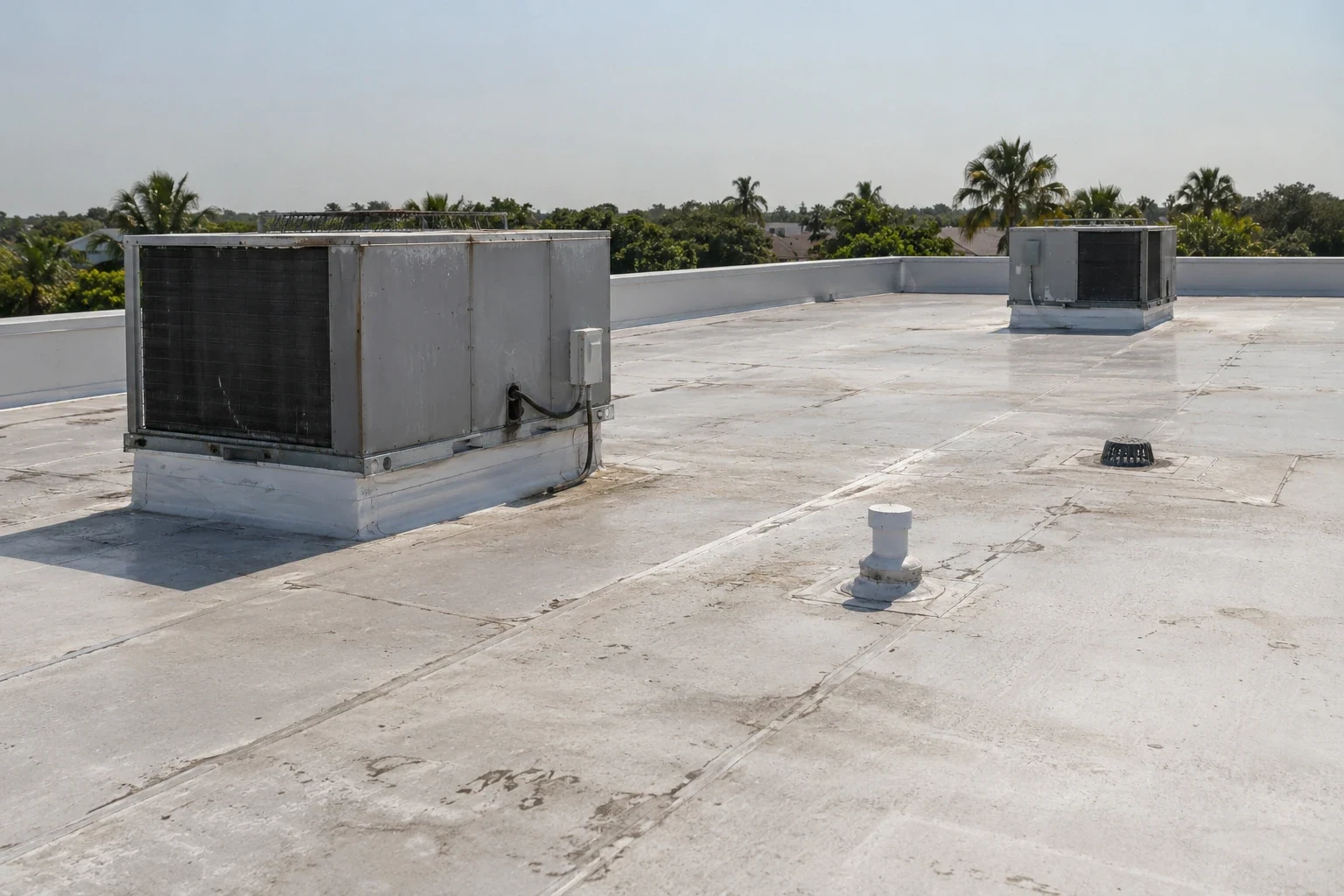
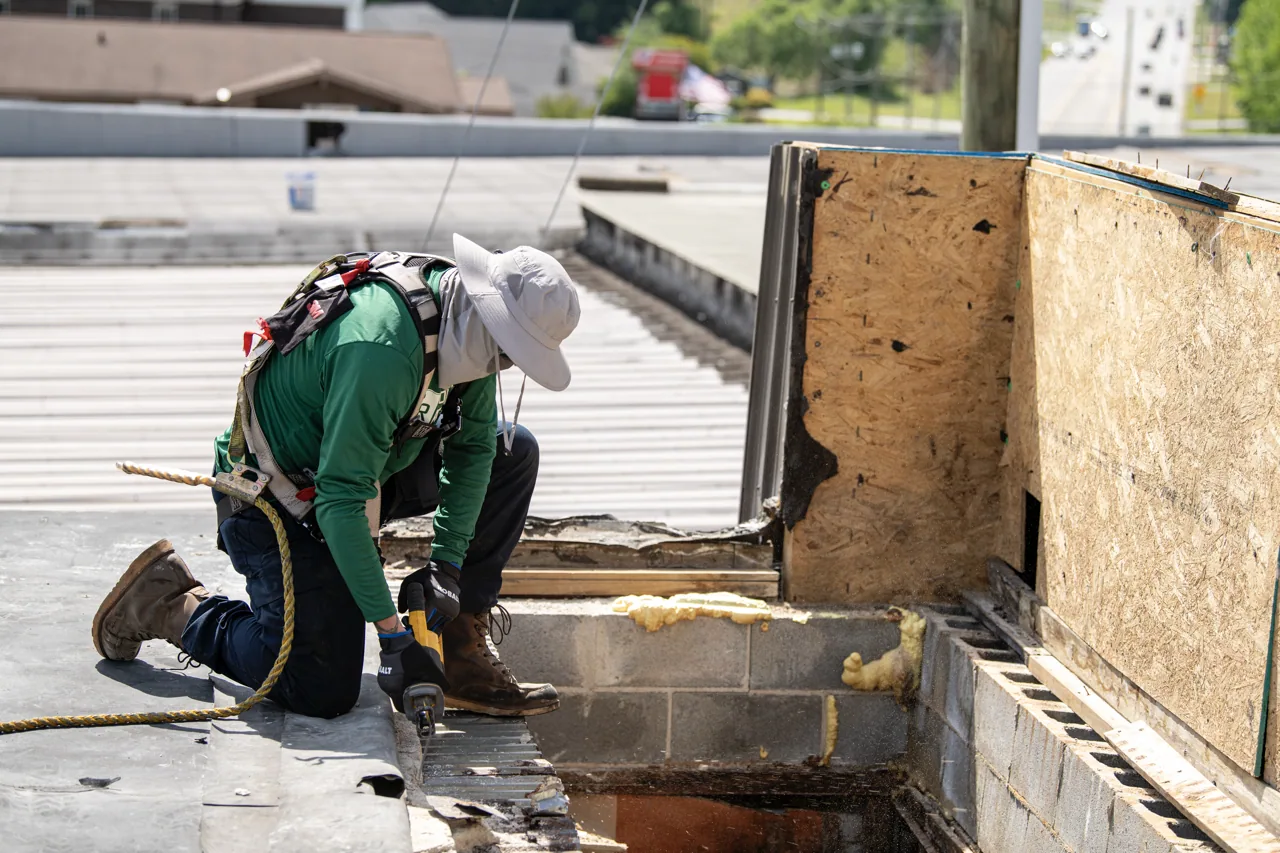
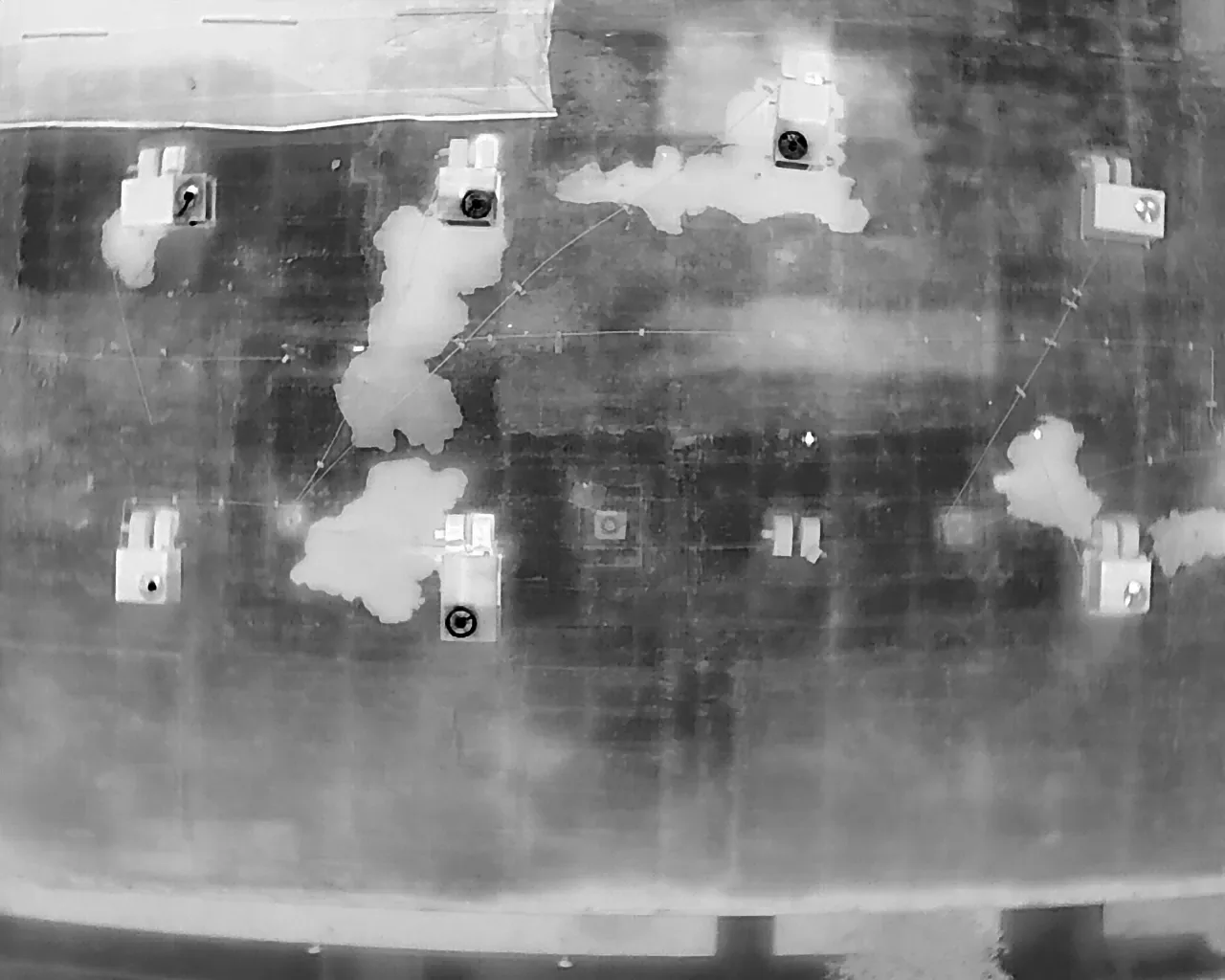
The first question is whether the current roof is dry and stable enough to remain. We inspect seams, penetrations, edge metal, drains and past repairs, then mark areas with blistering, separation or ponding evidence. Moisture below a membrane can be hidden from a surface walk. An infrared moisture survey can map temperature patterns for follow-up, while a test cut confirms layers and moisture at a selected point. Neither test speaks for every roof zone.
Existing layer count, attachment and deck condition also matter. A new assembly adds weight and changes how wind loads move through the roof. We verify which materials are present and whether they are attached, adhered or mechanically fastened. If deck condition remains unknown, we identify where removal or sampling is needed before an overlay can be specified. The record distinguishes an eligible area from a section that must be repaired or removed.
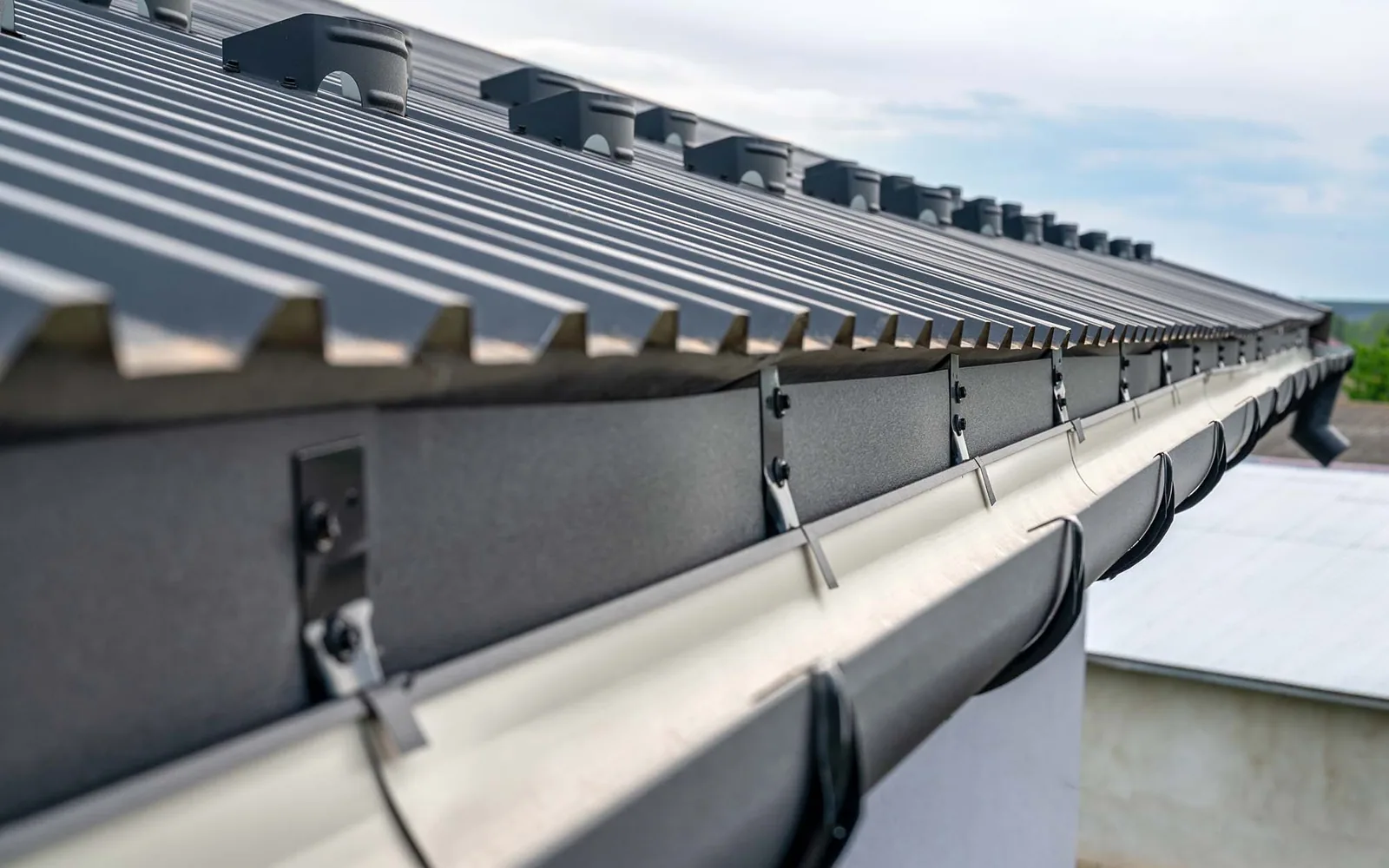
Drainage must continue to function after the recover. New insulation and membrane can change elevations at drains, edges and equipment curbs. We inspect the drain bowl, clamping ring, scuppers and water path, then calculate how tie-ins will transition. If a low area will retain water or a drain cannot be raised correctly, the overlay scope may need to change. A drain and scupper review can be included in that decision.
Verify the Round Rock permit path
Before a recover is proposed, we check the city’s permit path. Round Rock applies the 2024 editions of its International Building Code and Energy Conservation Code through its Building Inspection Division, which handles local ordinances and inspections. We confirm how the proposed layers will be reviewed and what documentation applies. A permit path does not answer whether the base roof is dry or structurally suitable; those remain field questions.
System selection depends on the substrate, attachment, insulation needs and project design. We identify the proposed roof layers, perimeter details and flashing transitions, then confirm that the assembly matches the approved submittal. If a test cut shows wet insulation or the deck is deteriorated, that area cannot simply be covered. We document the finding and compare localized removal with broader replacement.
At a property in the Old Settlers area or along University Boulevard, access and operating windows may influence when test cuts and installation can occur. Those site details do not change code requirements, but they shape the schedule. We agree on the sampling area, temporary patch and follow-up time with the property contact before cutting into the roof.
Separate recover work from replacement
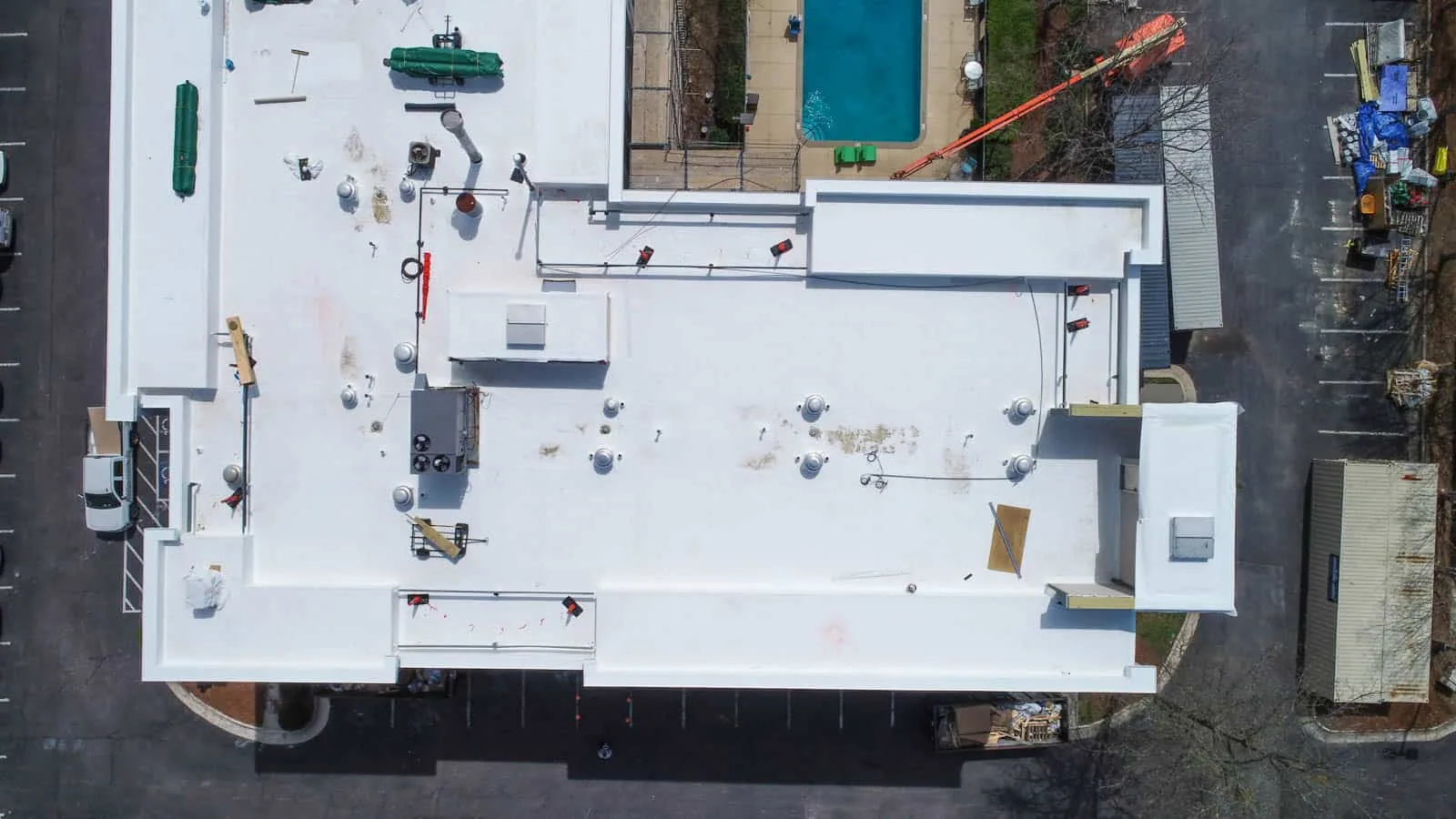
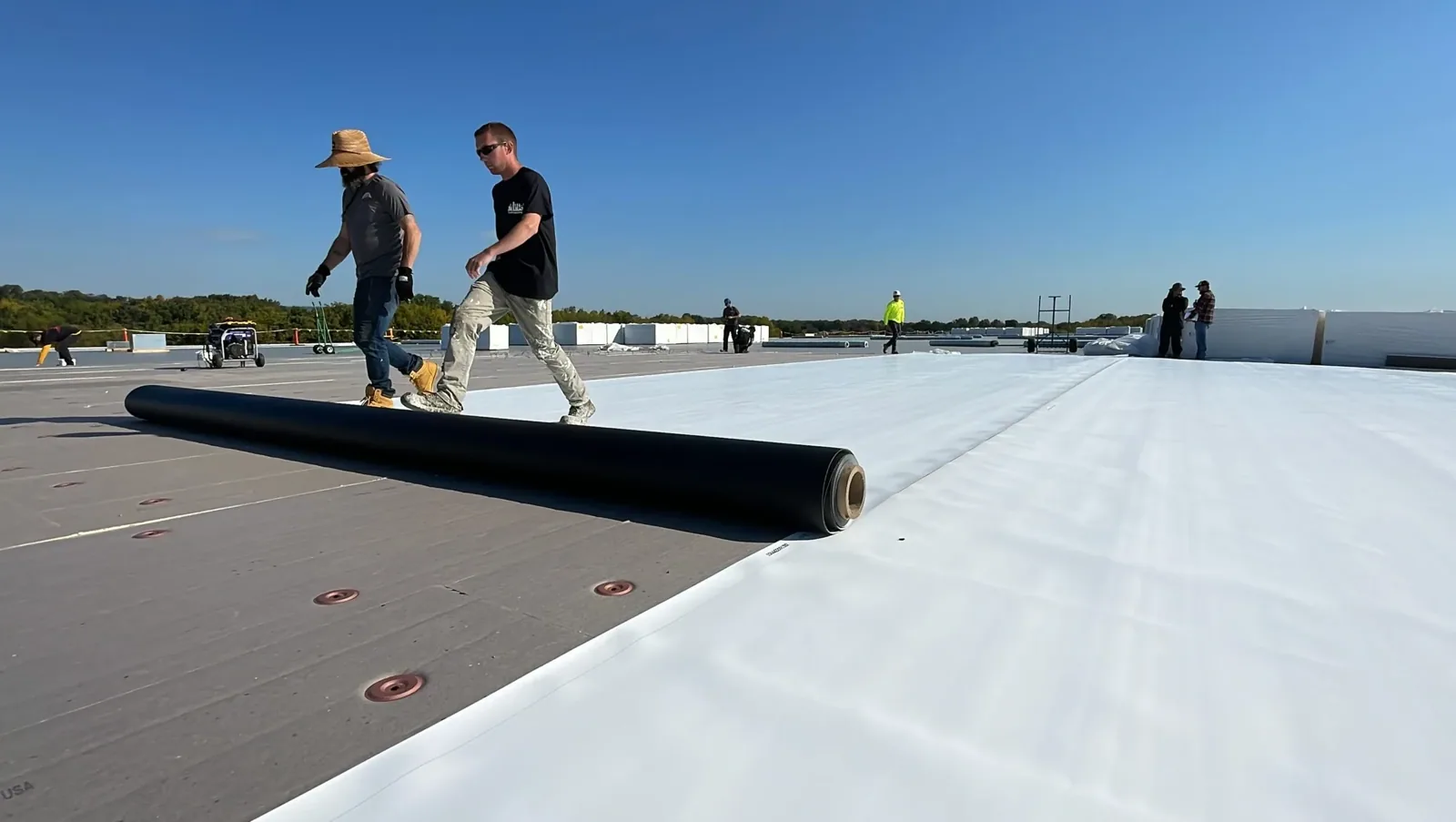
If most of the roof is dry and firmly attached, a recover may retain the sound base and add a new assembly. The plan still includes repair of existing seams, penetrations and edge details that would be buried. We specify surface preparation, insulation or cover board, fastening and new flashing. A replacement comparison helps when both approaches are technically feasible, because full tear-off exposes the deck and resets the assembly at the cost of more removal and disposal.
Replacement may be the better choice when wet insulation is widespread, the deck needs repair, several layers are present or the current roof cannot support the proposed attachment. A repair review can also preserve a roof that has a limited failure without adding a new system. We set the repair boundary from field marks and test results, then state what remains unverified.
Cost and timing vary with moisture removal, deck repairs, insulation, system type, edge and curb work, disposal and access. A recover can reduce tear-off but may require extra preparation or raise details to maintain drainage. The written scope lists those drivers and any concealed conditions that could change the plan after opening. That lets an owner compare costs against what each method actually includes.
Protect the roof during installation
Installation starts with surface preparation and repair of the existing assembly. The crew removes debris, corrects eligible defects, protects drains and confirms that material can bond or fasten as specified. New insulation and membrane are installed in an order that preserves a continuous water barrier. Tie-ins at walls, curbs, skylights and perimeter edges receive the same attention as the field.
Central Texas weather affects the open-roof limit. The 2022 severe-weather outbreak brought hail reports across the region and a tornado tracked through Round Rock. That event does not prove damage to another building, but it is relevant to how quickly a work area needs protection. We monitor current forecasts, stage dry materials and set a close-in point before beginning each area. Heat also affects crew pace and adhesive conditions.
Occupied sites need a clear route for deliveries, ladders, lifts and debris removal. On technology, healthcare or logistics properties, we confirm restricted areas and operating rules with the contact. A planned occupied-building roof project can define work hours and notices. If rain or wind disrupts a shift, we secure the active zone and update the property team before proceeding.
Record the overlay and the remaining roof
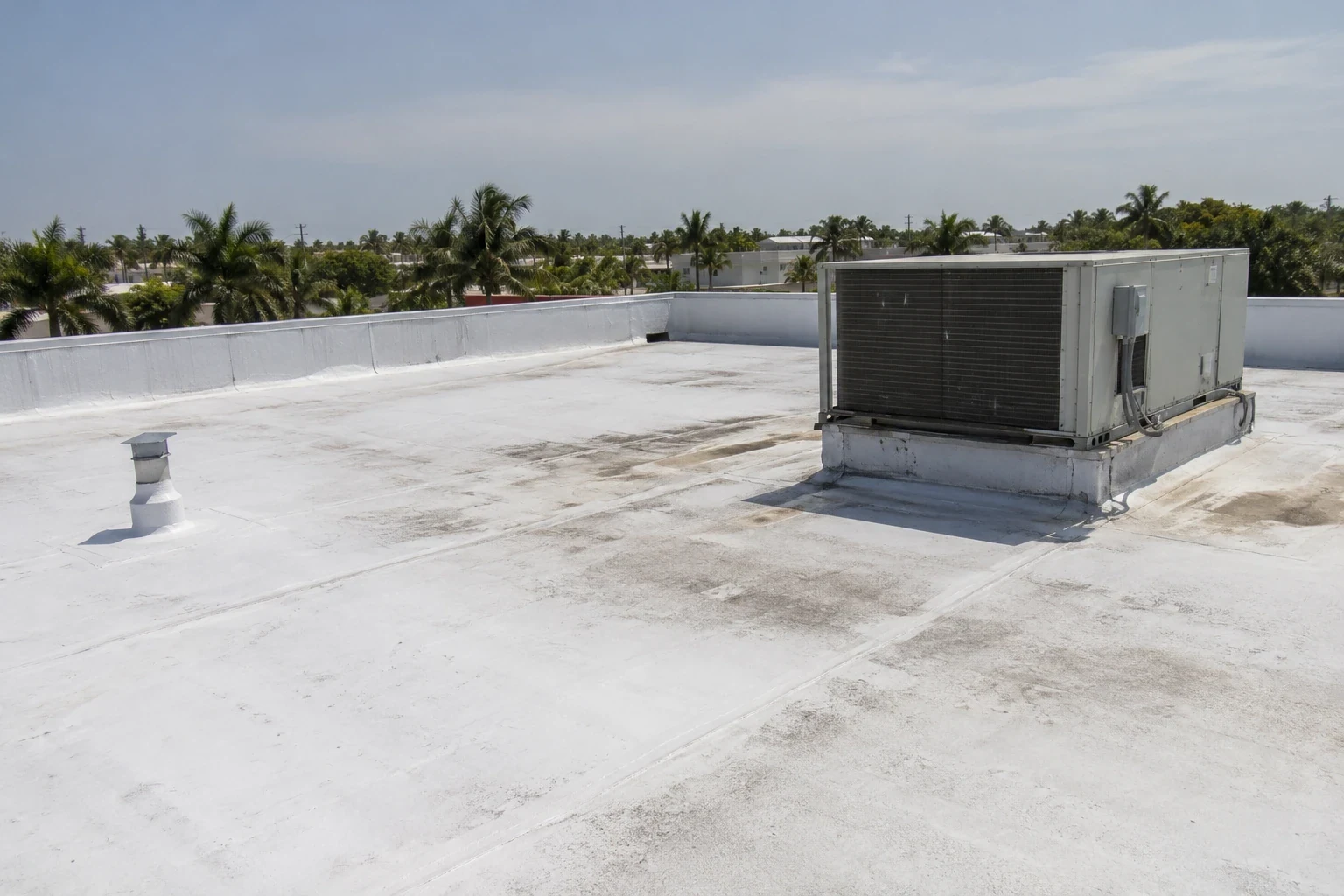
Closeout includes photographs of the new seams, flashings, edge work and drains, plus a record of any retained roof area. We list conditions outside the recover scope and the next check needed for each. That record is useful when some roof zones receive an overlay while others remain in place or require later replacement.
Share the property address, existing roof records, leak locations, access details and any operating restrictions. We will inspect the assembly, describe what a moisture check can establish and confirm the permit path before recommending an overlay. A roof inspection provides the baseline; a condition report can keep findings and test locations together for owner review.
Round Rock’s summer heat and severe storms make periodic follow-up useful after work, but the next visit should focus on actual roof details. A data-center roof plan can set access and monitoring around sensitive operations. A building in Pflugerville or on the Switch Round Rock campus still needs its own inspection before a recover is considered.
Questions About Commercial Roof Recover and Overlay
What can disqualify an existing roof from a recover?
Wet insulation, unstable attachment, damaged deck, poor drainage or excessive existing layers can rule out another assembly. We inspect and test uncertain areas, then identify whether localized removal or full replacement is required.
What confirms a suspected wet zone after infrared scanning?
It identifies temperature patterns that may warrant a closer look. A test cut confirms the layers and moisture at that sample point. We explain what the images and cut establish and where uncertainty remains.
Will an overlay change how roof drains work?
It can change elevations at bowls, scuppers and edges. We review drainage before specifying added layers and plan transitions so water can reach the intended outlet. A low area may require correction or a different roof scope.
Does Round Rock allow a recover on every commercial roof?
No. The city’s adopted codes and the project’s approved assembly govern the permit path. We verify requirements alongside the existing roof’s moisture, deck, attachment and drainage conditions before recommending an overlay.
How should I compare recover with replacement?
Compare the same roof area and details. Recovery may retain a sound base but does not expose the full deck; replacement involves removal, disposal and broader substrate review. We state the work included and the concealed conditions that could affect either option.
Related Roofing Work
Infrared Roof Moisture Survey
Commercial Roof Drains and Scuppers
Commercial Roof Replacement
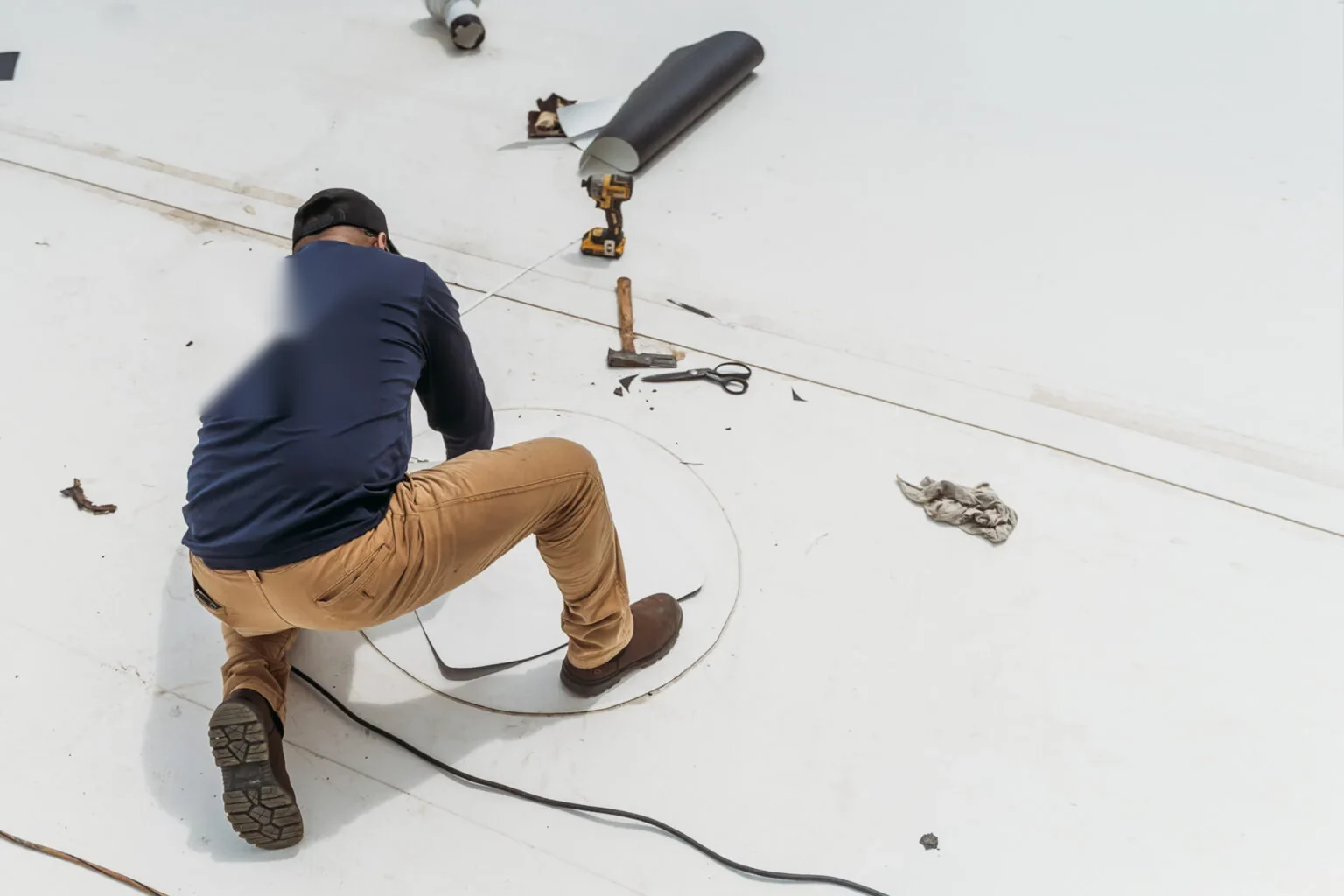
Commercial Roof Repair
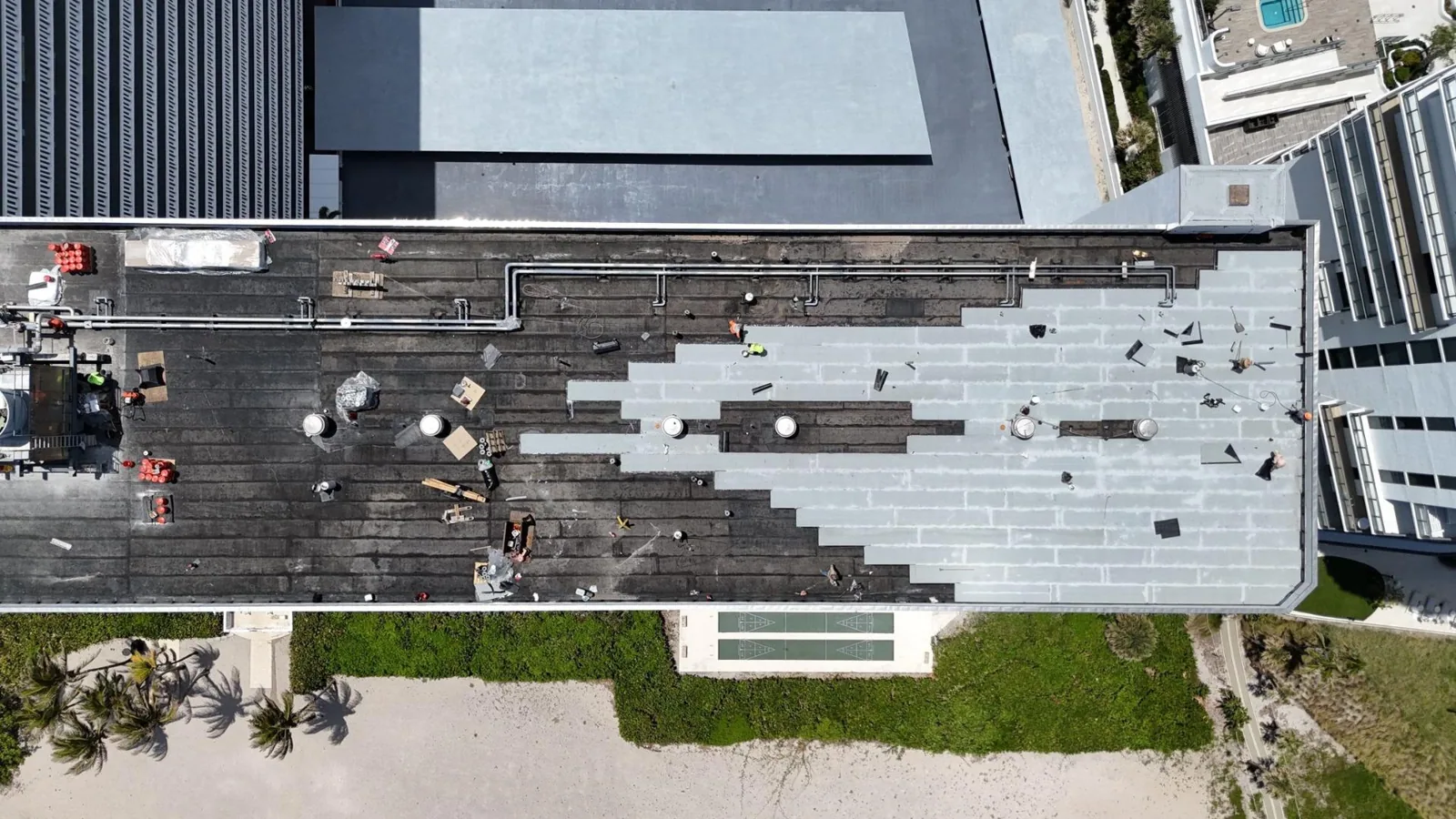
Occupied Commercial Building Reroofing