
Mark the Low Area
Water wraps around a raised curb before it reaches a drain bowl. That path can point to slope or layout, not just debris. We mark the low area, check the outlet, and follow the roof plane toward the high side. The inspection records what the roof shows and whether water remains after the outlet is clear. A drain repair, cricket adjustment, or deck review are different scopes.
Round Rock's March 21, 2022 severe-weather outbreak brought large hail reports and a tornado track through the city. A storm can move debris or damage a roof detail, but the event record does not prove that a drain is blocked at a particular building. The roof walk tests the outlet and drainage path on site.
Send the building address, roof plan, ponding location, drain access details, and any active leak. We will trace the water path and define the correction. Call 555-555-5555 or request a roof assessment.
Trace the Water Path
We inspect the drain bowl, strainer, clamping ring, surrounding membrane, and visible piping connection. A missing strainer or debris can restrict flow. A loose flashing at the bowl can admit water even when the outlet is open. We photograph the components and note whether the outlet is accessible for cleaning. If water remains after cleaning, the report shifts to slope, insulation, or deck questions.
At a scupper, we check the opening, sleeve, membrane transition, and discharge point. The overflow route should remain clear and visible. Debris below a scupper can make an otherwise open outlet appear blocked. We follow the water to where it leaves the building and document any condition that redirects flow toward a wall or edge.
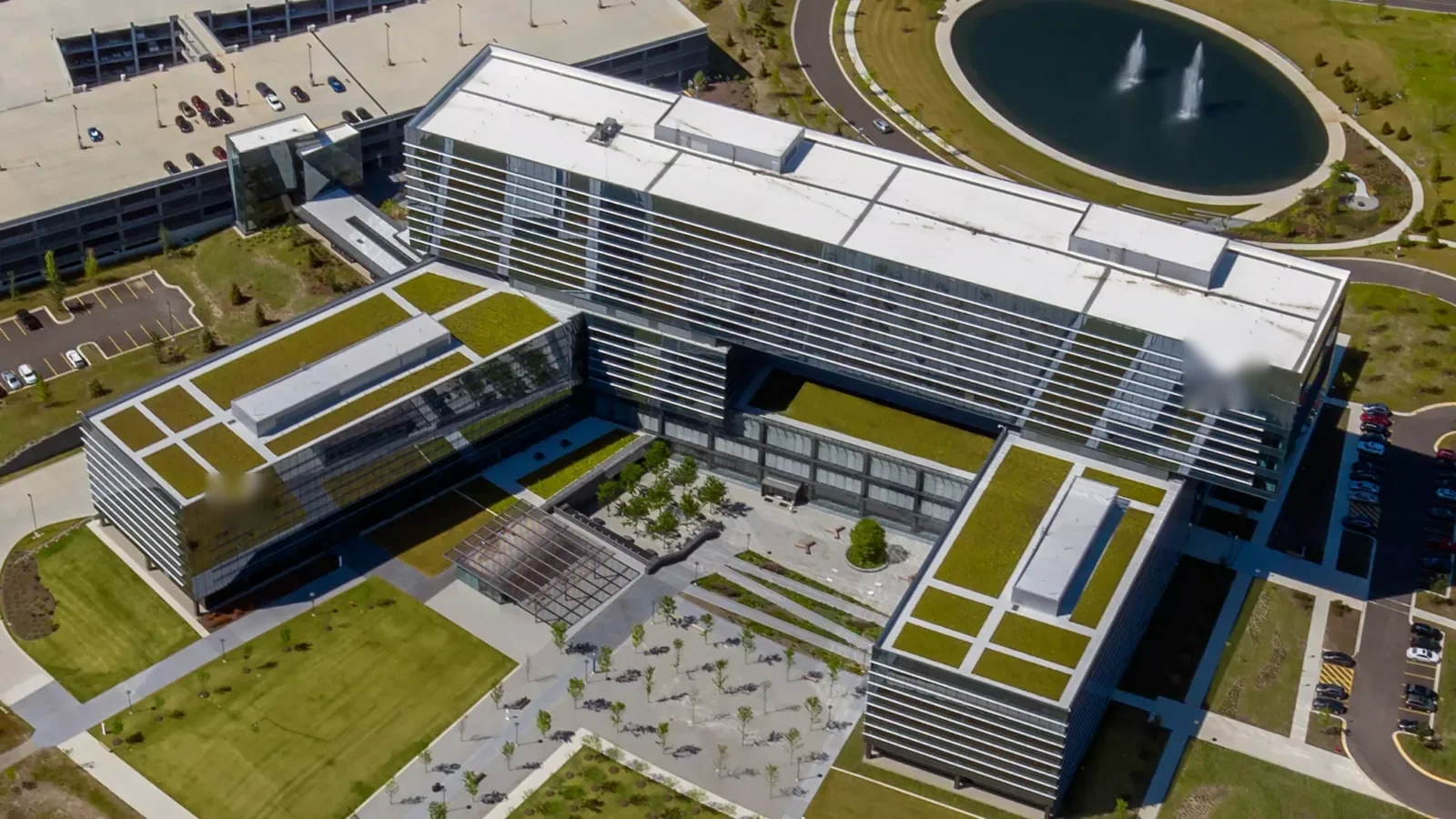
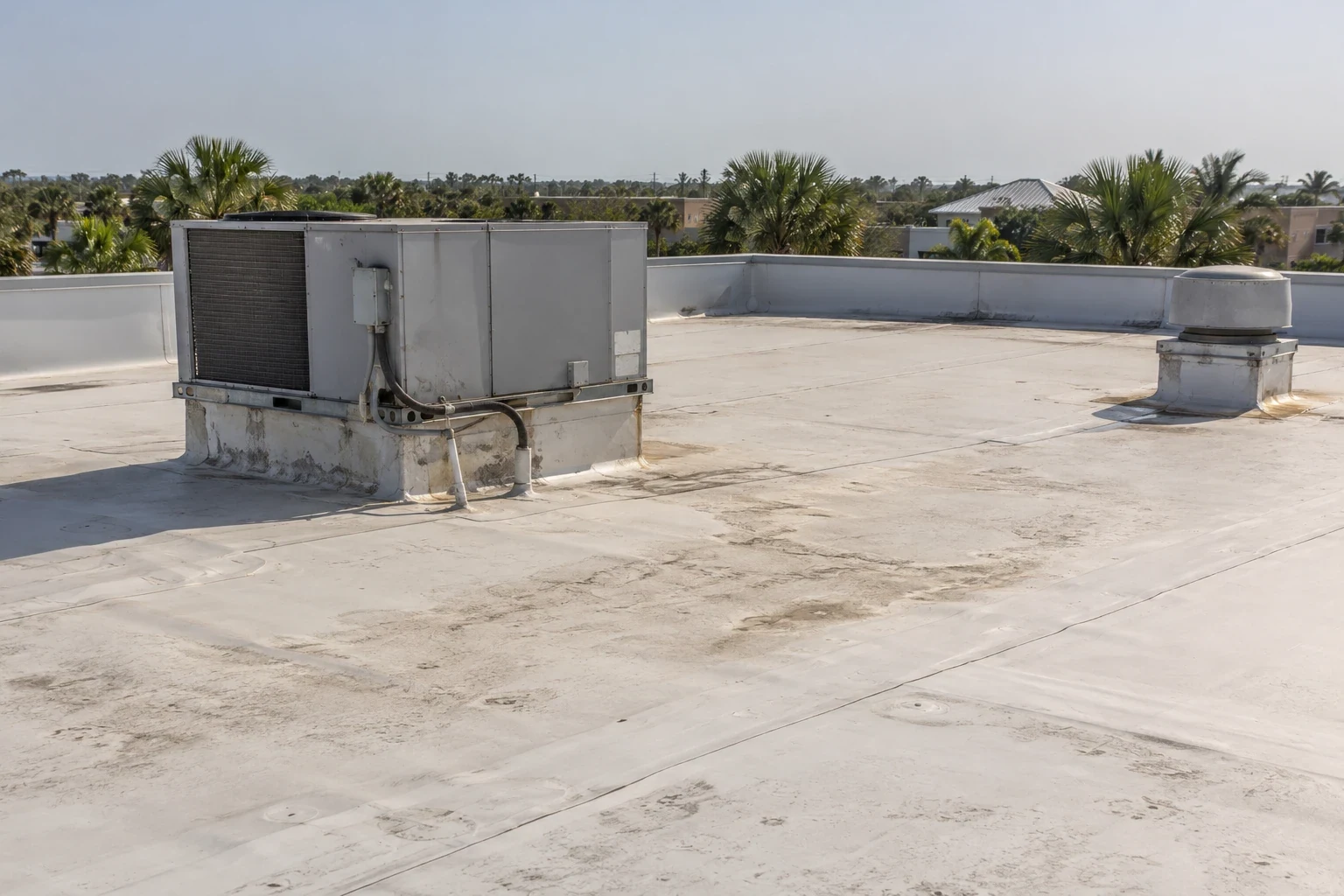
Low areas near equipment can be hard to read. A curb, pipe support, or walkway may interrupt the intended flow. We field-mark the water edge, compare it with drain locations, and take measurements if the scope requires. At a large building such as the Switch Round Rock campus, the facility contact defines access and equipment restrictions before a roof zone is entered.
We also note whether the drain is primary or part of a secondary overflow route. The two openings serve different roles during heavy runoff. A blocked primary drain can raise the water level toward the overflow, while a blocked overflow may leave no visible relief path. Photos show both openings and the distance between the water mark and the overflow lip.
Where several roof zones connect to shared piping, we record which inlet was checked and which connection remains beyond view. A roof inspection cannot confirm concealed pipe capacity without the right access. If water backs up after the bowl is cleared, the next step may involve a plumbing contractor or a controlled flow test approved by the owner.
Check Slope and Crickets
A cricket is a raised, tapered section that directs water around an obstruction or toward an outlet. If its high point or drain connection is wrong, water can collect behind it. We inspect the slope, membrane seams, and tie-in around the feature. A surface patch cannot correct a low area that holds water because the substrate has settled or insulation was installed out of plane.
When a design or construction issue is suspected, we review roof plans, drain layout, and any available elevation notes. If the assembly is concealed, an approved test cut can identify the insulation and deck layers at a sample point. That test does not map the whole roof. We report where it occurred and whether more testing is needed before installing tapered insulation or rebuilding a drain transition.
Round Rock's Building Inspection Division enforces the city's adopted building code and related ordinances. Round Rock’s adopted code set includes the 2024 International Building Code. The project lead confirms which permitting and inspection requirements apply to a drainage alteration. Our roofing scope identifies the work and close-in points for that review.
Choose Cleaning or Correction
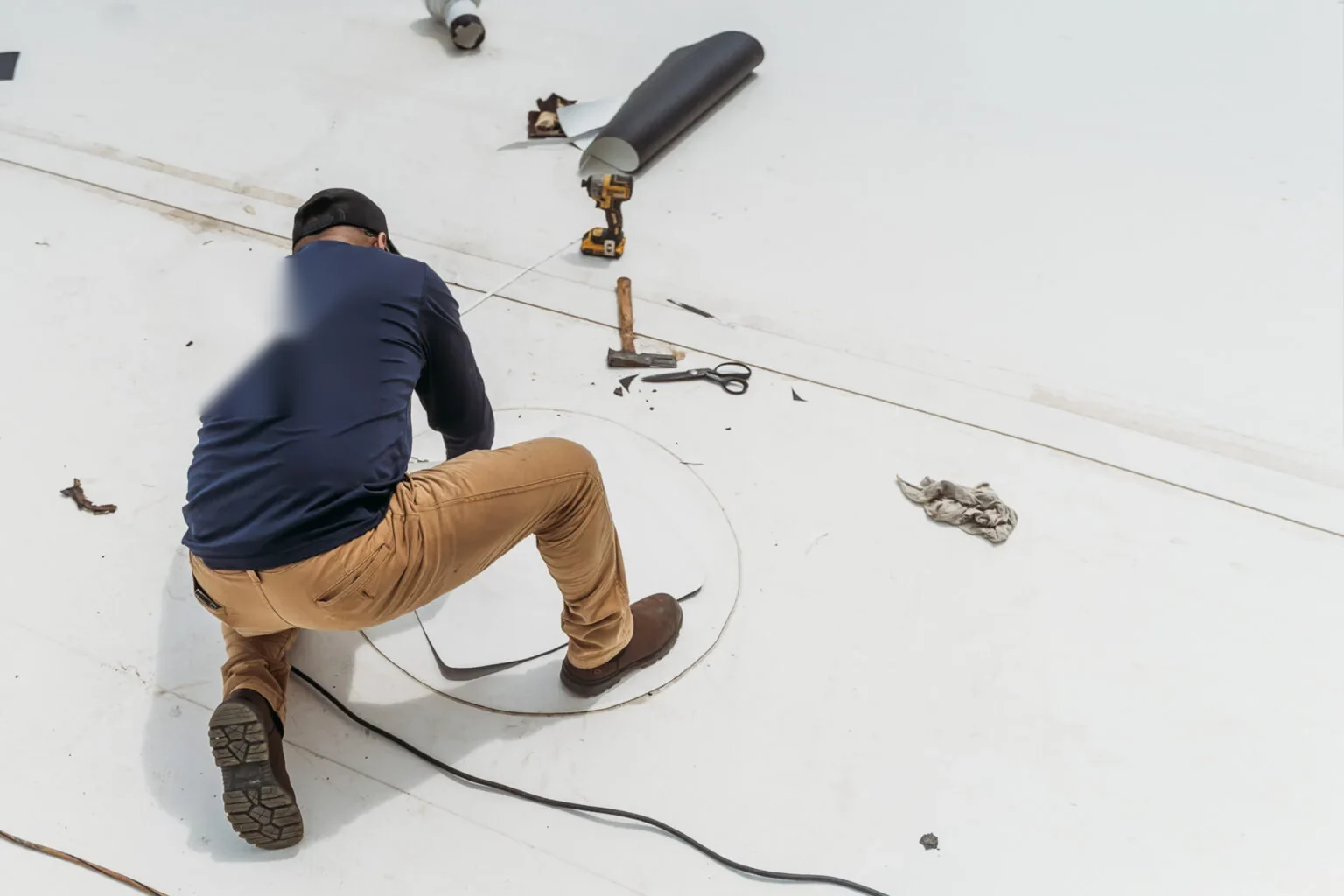
Debris removal may resolve a blocked outlet when the drain and surrounding assembly are sound. A failed bowl detail needs compatible membrane repair. A persistent depression may require tapered insulation, a cricket change, or deck work. We identify the cause supported by inspection and keep the repair boundary visible. If a test cut finds wet insulation, we document the layer before expanding removal.
Estimate factors include roof access, height, outlet count, pipe connection, membrane tie-in, insulation depth, deck condition, and whether another trade must move equipment. Cleaning and repair can often be scheduled separately from a slope correction. Whether the work concerns a warehouse roof in Cedar Park or elsewhere, quantities and access requirements must come from the building being inspected.
The inspection scope records the drainage evidence. A ponding-water repair can define the correction. If wet insulation or cover board needs replacement, the insulation scope identifies material and tie-ins. Broader damage may require a commercial roof repair with a separate closeout.
Document the Drainage Change
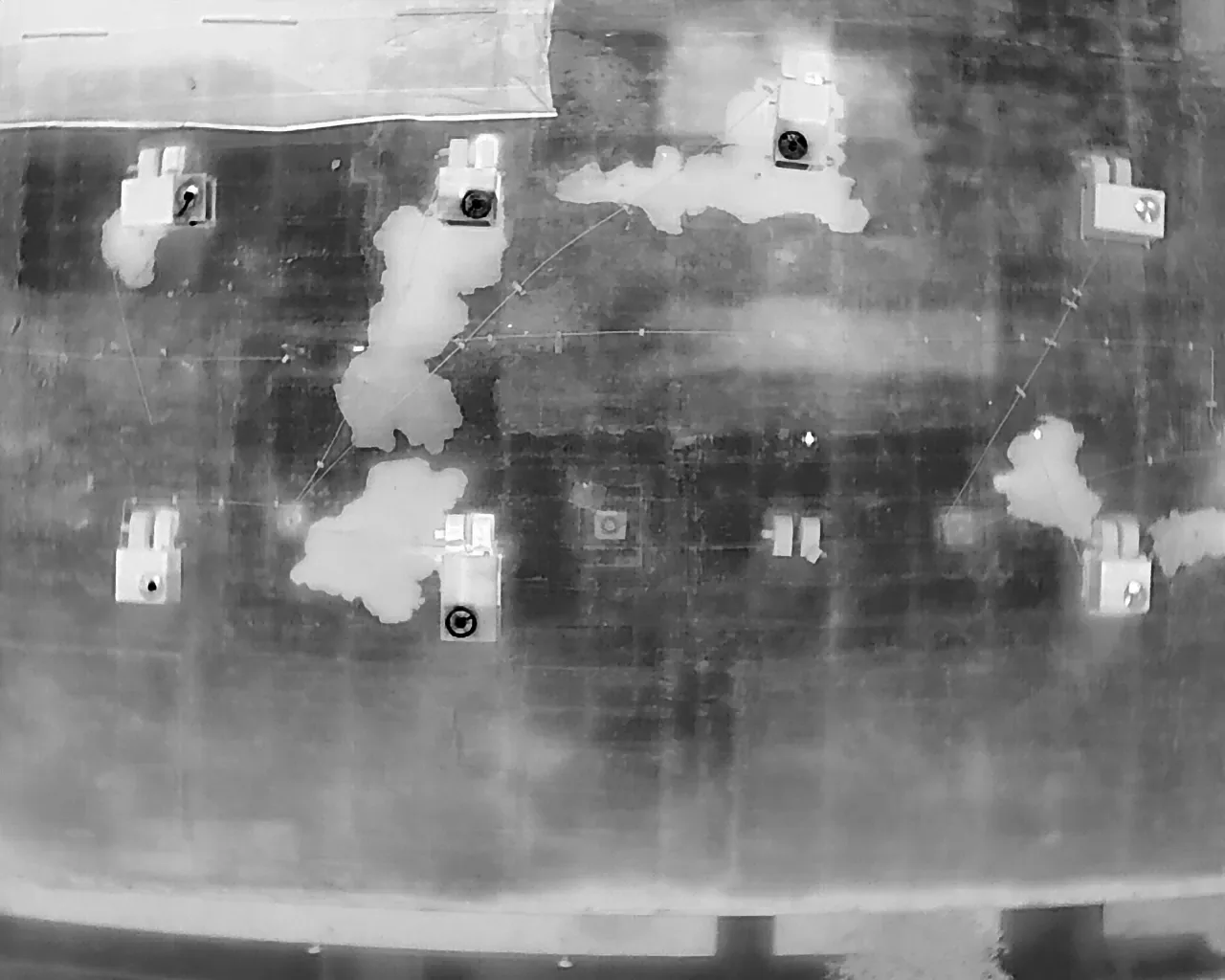
Before work, we photograph the drain or scupper, water line, nearby seams, and relevant roof zone. After correction, the record shows the completed tie-in, outlet condition, and discharge path. If standing water remains, we state its location and the next measurement or test needed. A single clear drain does not establish drainage across the whole roof.
During follow-up, we check the same marked low area and confirm that debris has not returned. If rain has not occurred since repair, the record says so. The owner can provide a later photo after rainfall for comparison, but the next roof walk confirms the physical condition. Each report names open areas and access limitations.
Owners should retain drawings, test-cut photos, drain maintenance notes, and repair dates together. That history helps the next crew see whether the water path changed or the same location returned. The closeout also lists any work assigned to another trade, such as equipment relocation or piping adjustment.
A maintenance log should identify each outlet by roof zone, note the visit date, and record debris or standing water found. That simple map helps staff compare conditions after seasonal leaf fall, nearby construction, or rooftop service work. Cleaning intervals should follow observed loading and the owner's access rules, rather than an assumed schedule that ignores the building's surroundings.
Round Rock's commercial stock includes the Dell Technologies headquarters, the Switch data-center campus, and Round Rock Premium Outlets. Those uses bring different roof layouts and maintenance schedules, so a drain count or debris report from one building cannot stand in for another. For each inspection, mark the outlet, its contributing roof area, nearby curbs, and any overflow route. After cleaning or correction, a follow-up during rainfall can show whether water reaches the outlet as expected. Record the observation before closing the work order.
Drain paths need to be checked building by building. A roof in the University Boulevard higher-education district can have a different layout from one along the East Old Settlers Boulevard corridor. We follow the actual slope, outlet, and overflow route at each building.
Questions About Commercial Roof Drains and Scuppers
Does standing water always mean the roof needs replacement?
No. First check outlet obstruction, slope, drain detail, and moisture below the surface. A local cleaning or repair may address the cause. Replacement is considered only when the assembly condition supports that broader scope.
How do roof drains and scuppers route water off the assembly?
A drain passes water into a bowl and piping connection. A scupper moves water through a wall opening and directs it outside. We inspect the membrane transition and discharge path for each type.
Can you correct ponding with a coating?
A coating does not create slope or correct a settled deck. We identify why water remains and repair the drainage path first. Coating may be considered after the surface and details are sound.
When is a test cut useful near a drain?
Use a test cut when hidden insulation or deck conditions could change the repair. We agree on the sample point, photograph each layer, and report the limits of that location.
How do you know if a drain repair worked?
We compare the repaired detail with the closeout photos and inspect the outlet and surrounding low area. If no rainfall has tested the path since the work, that limit remains in the report.
Related Roofing Work
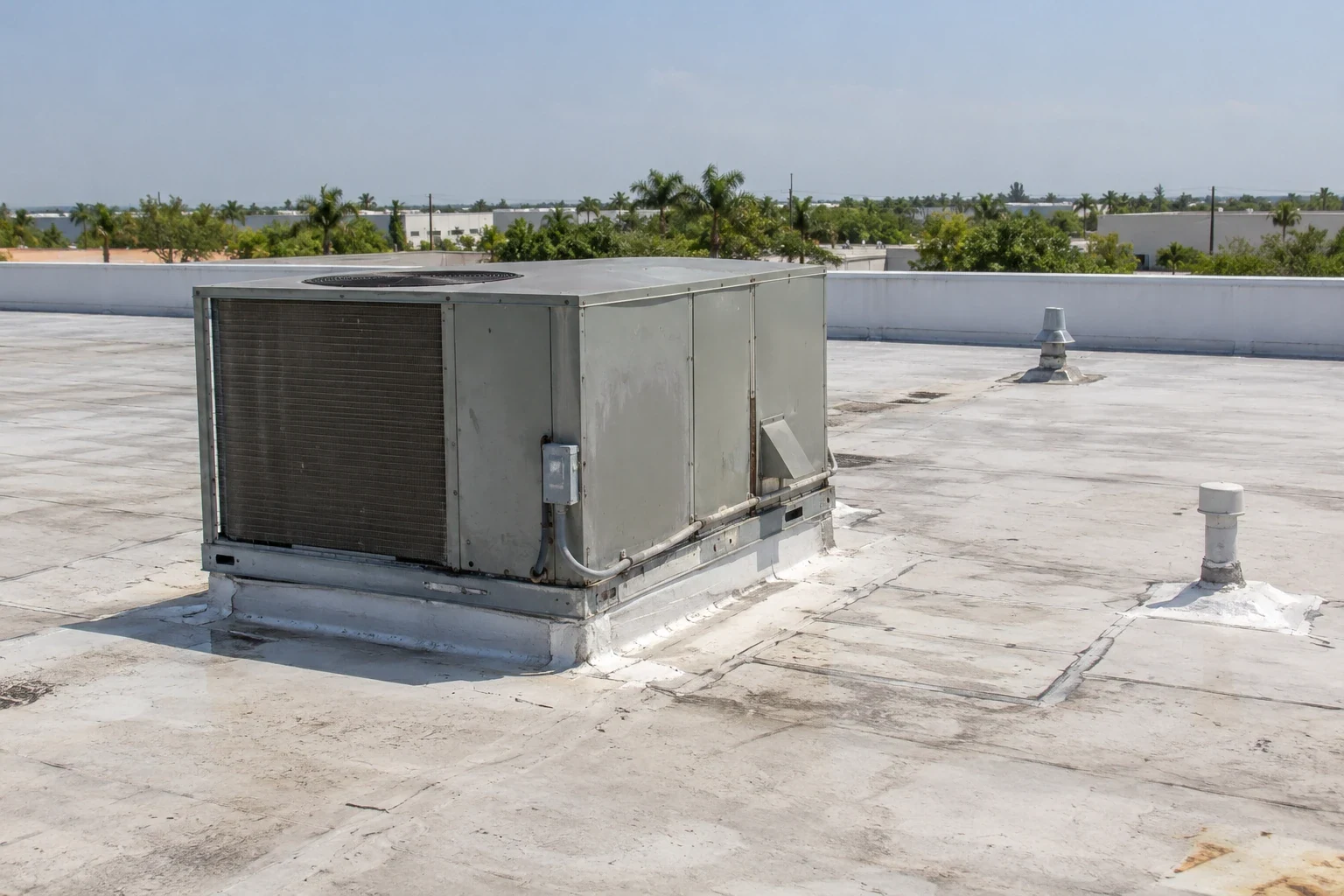
Warehouse Roofing
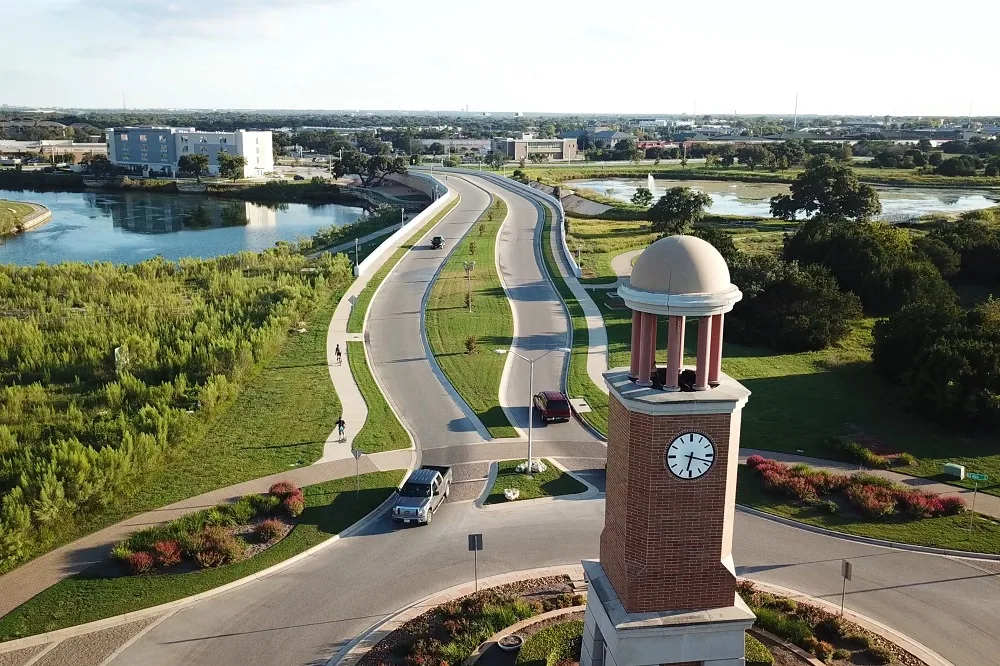
Cedar Park
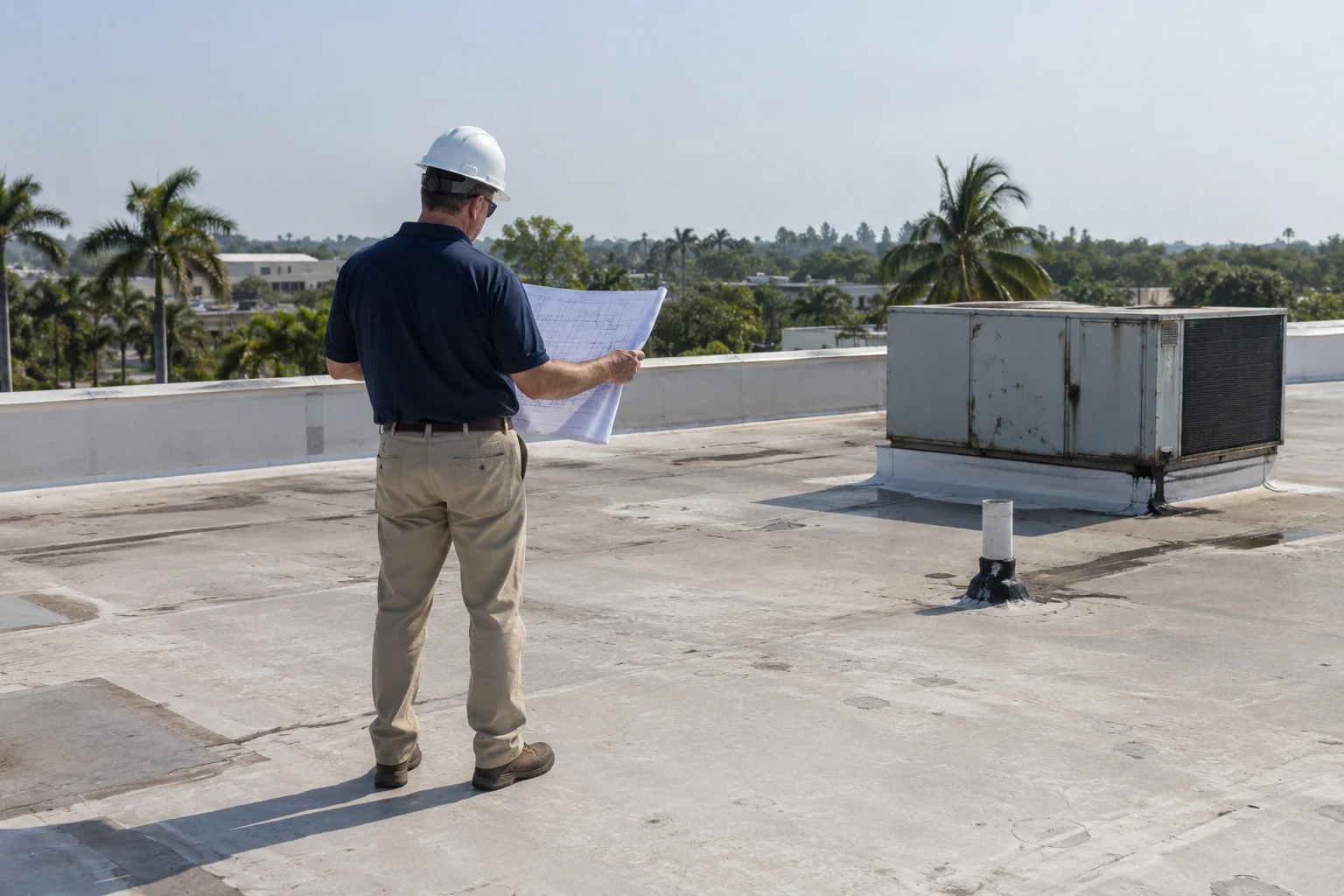
Commercial Roof Inspection
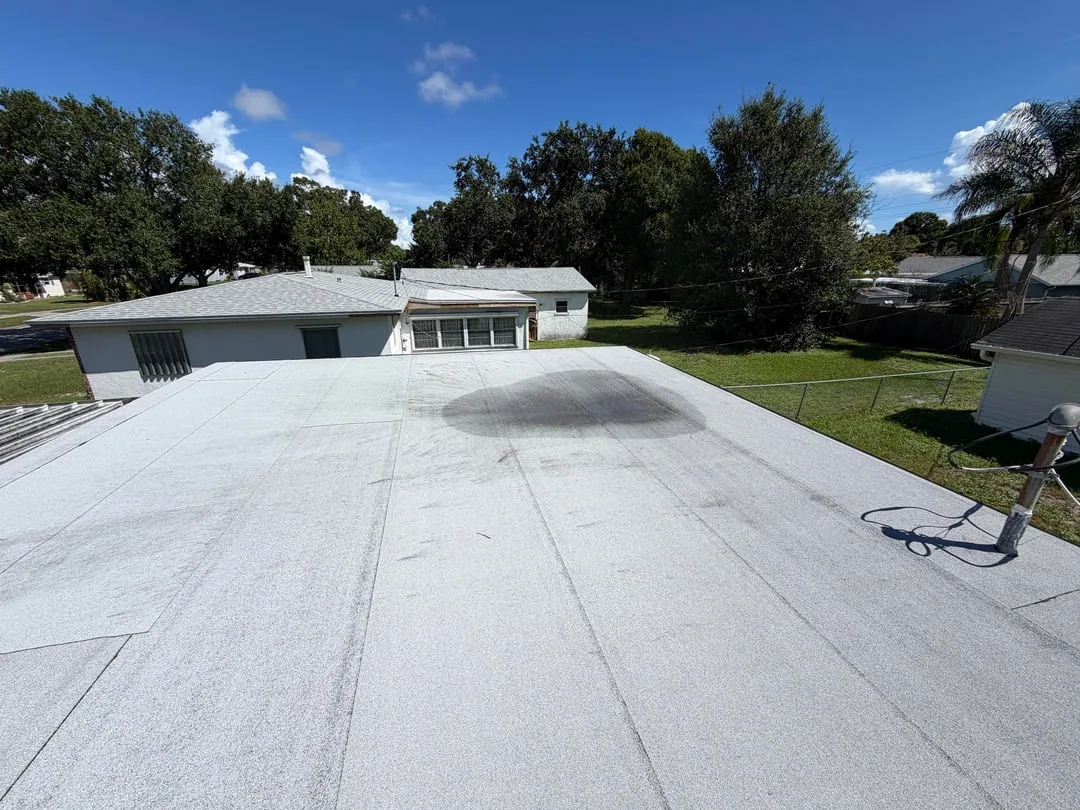
Ponding Water Roof Repair

Commercial Roof Insulation and Cover Board