
Keep Roof Records Useful Across Properties
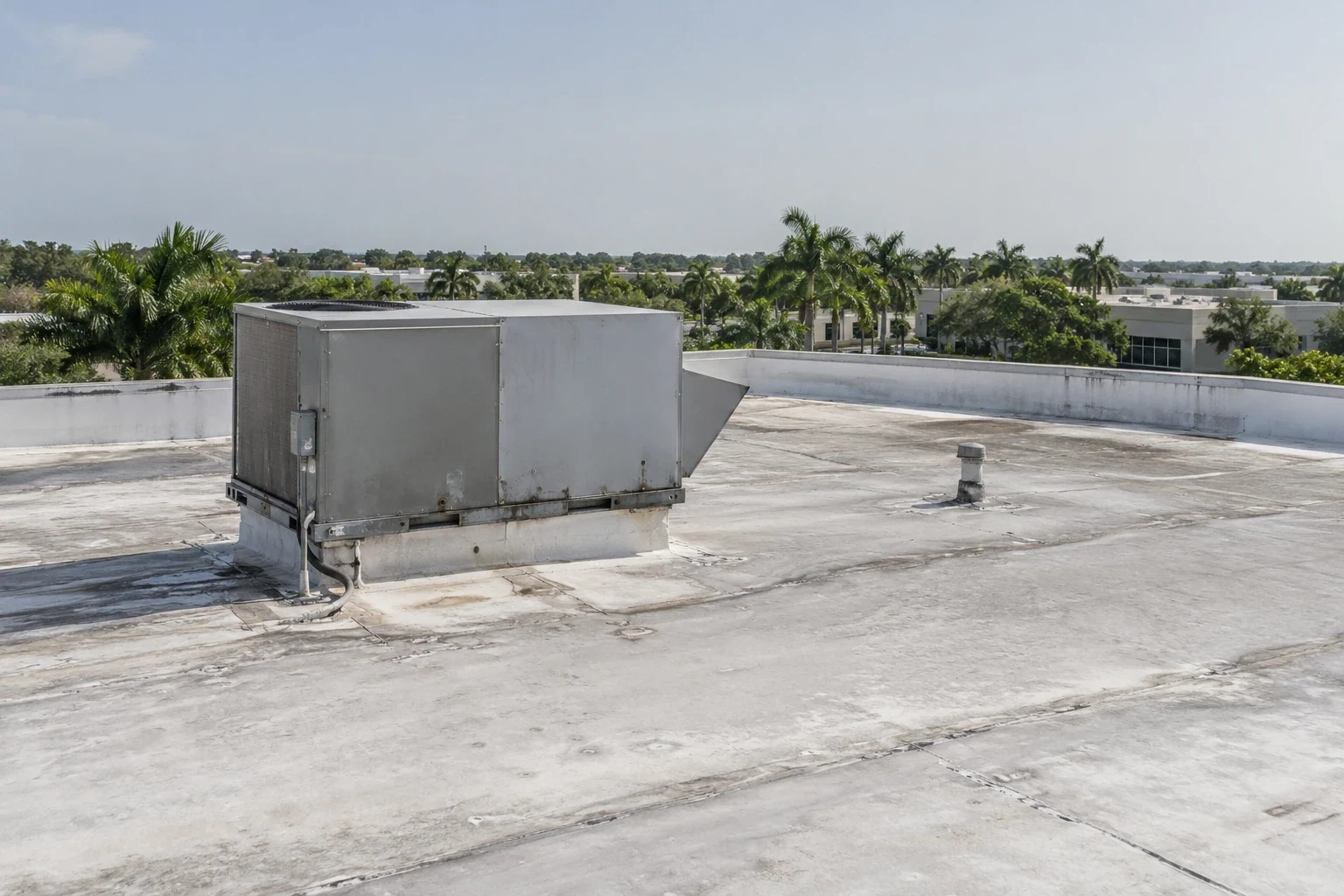
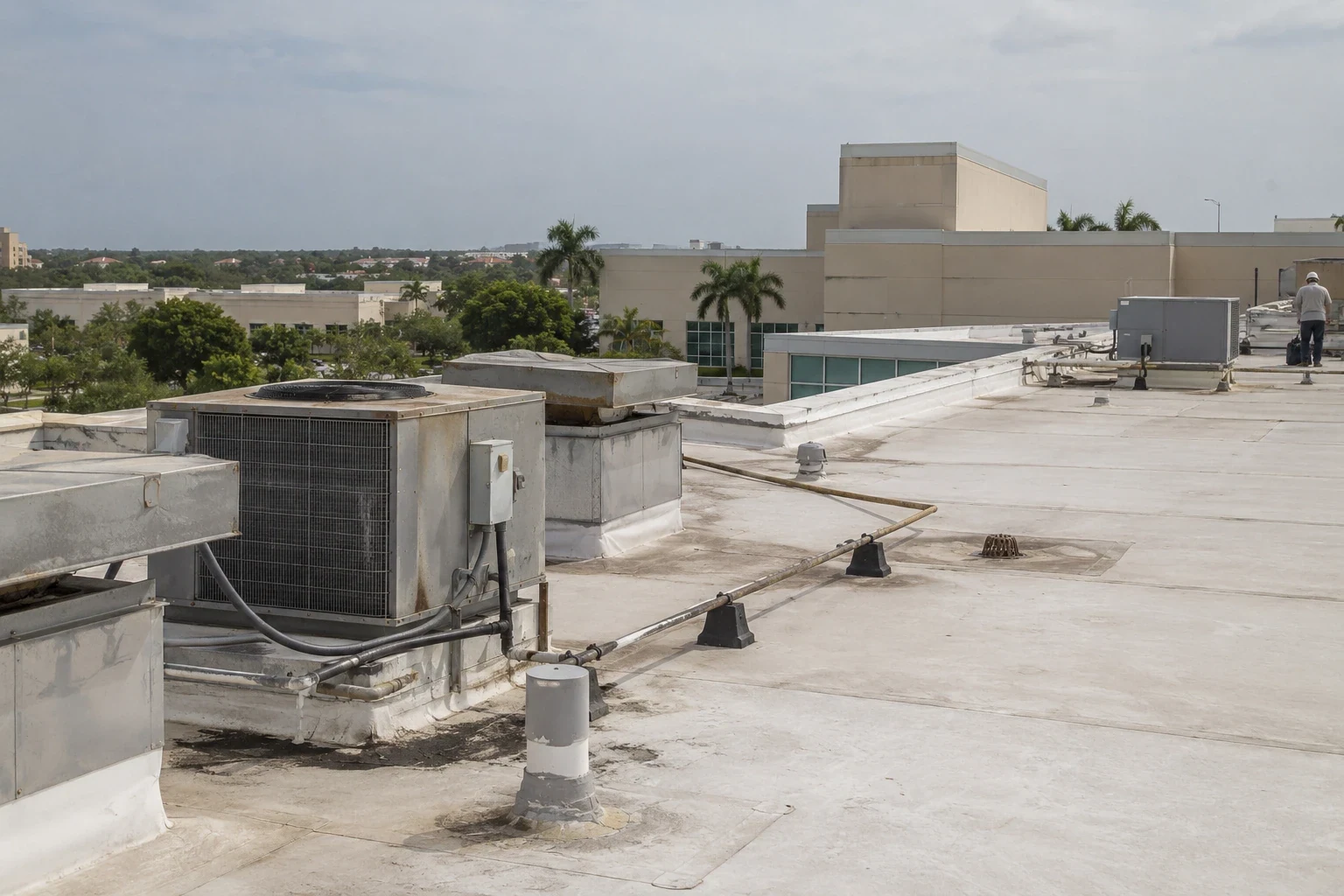
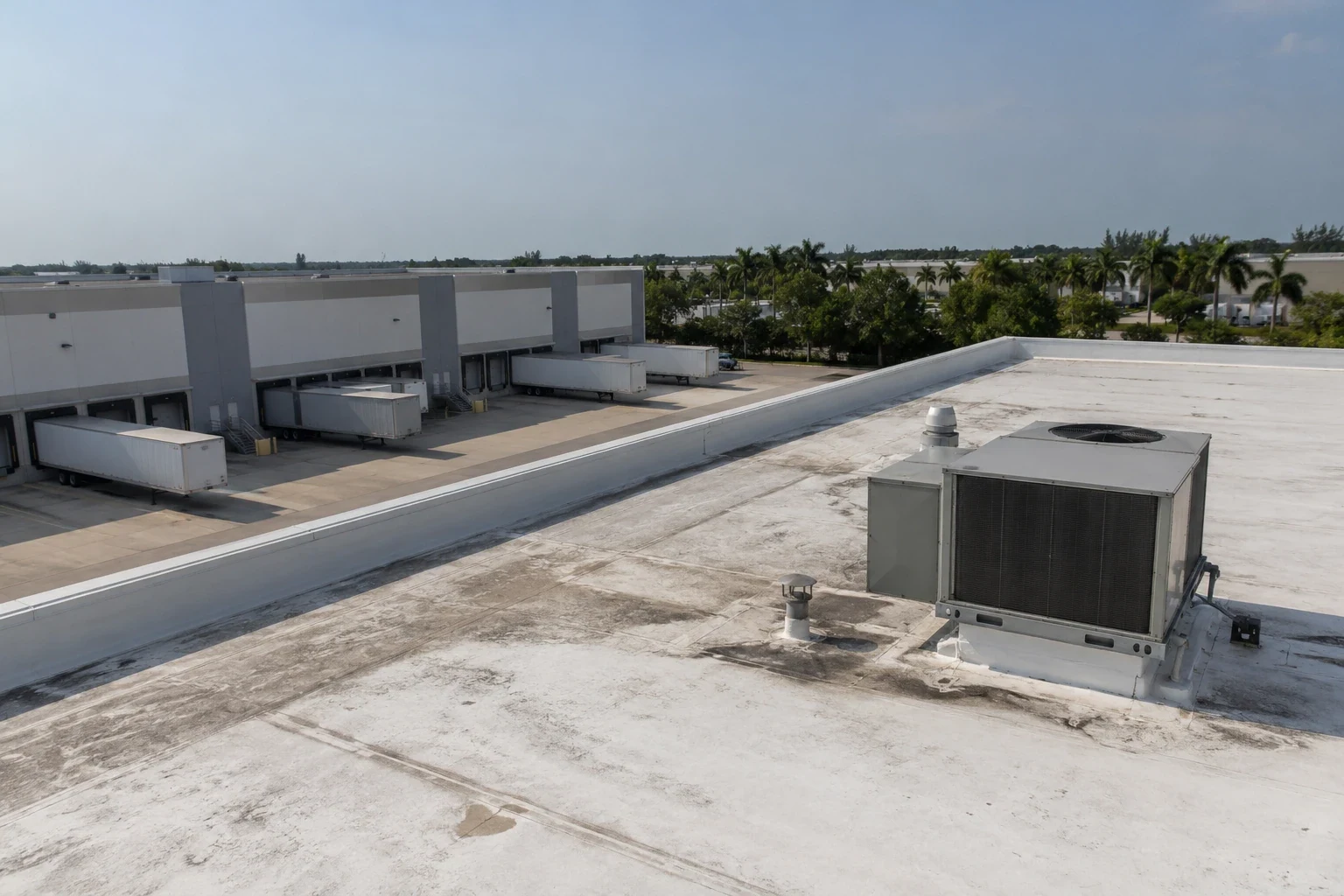
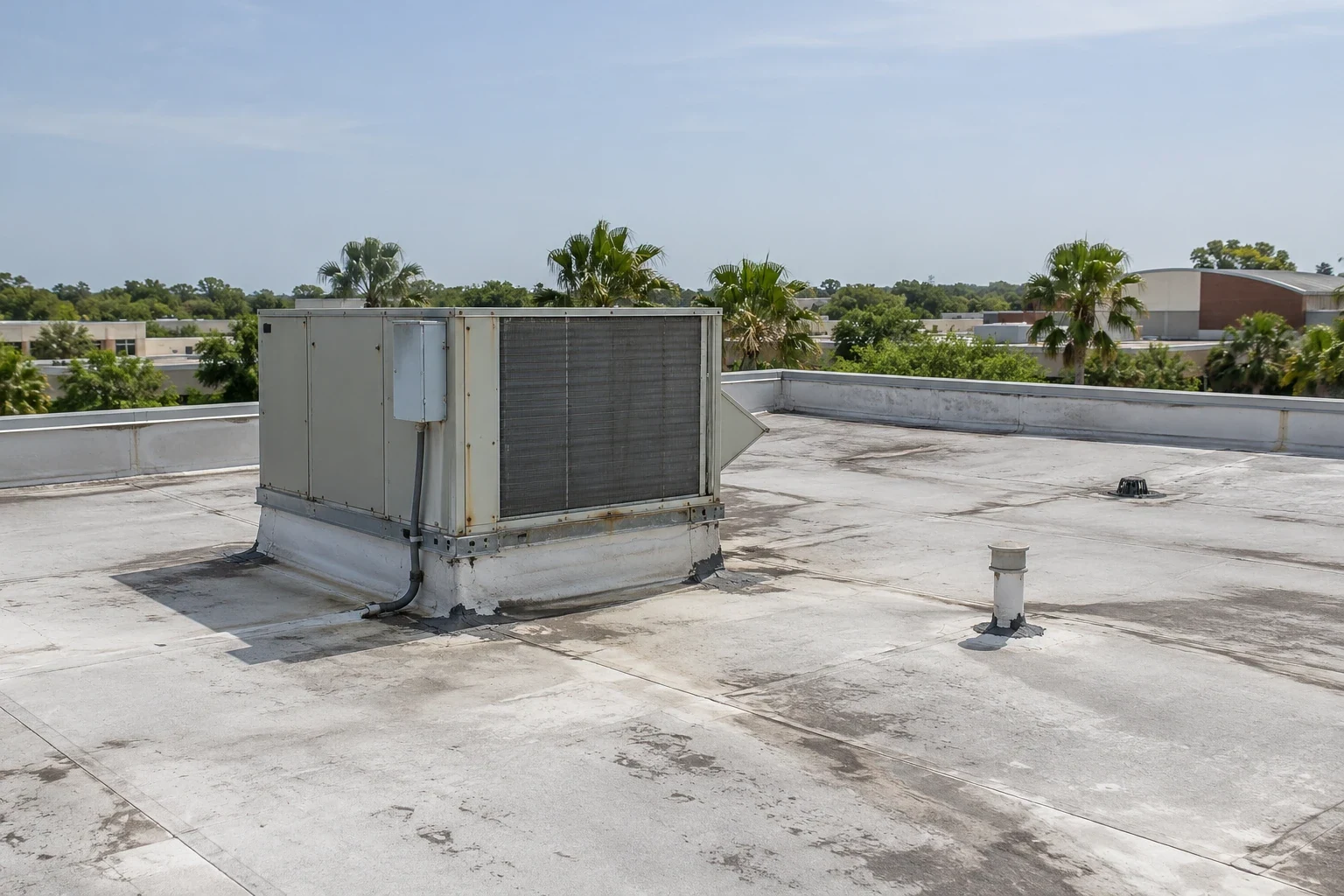
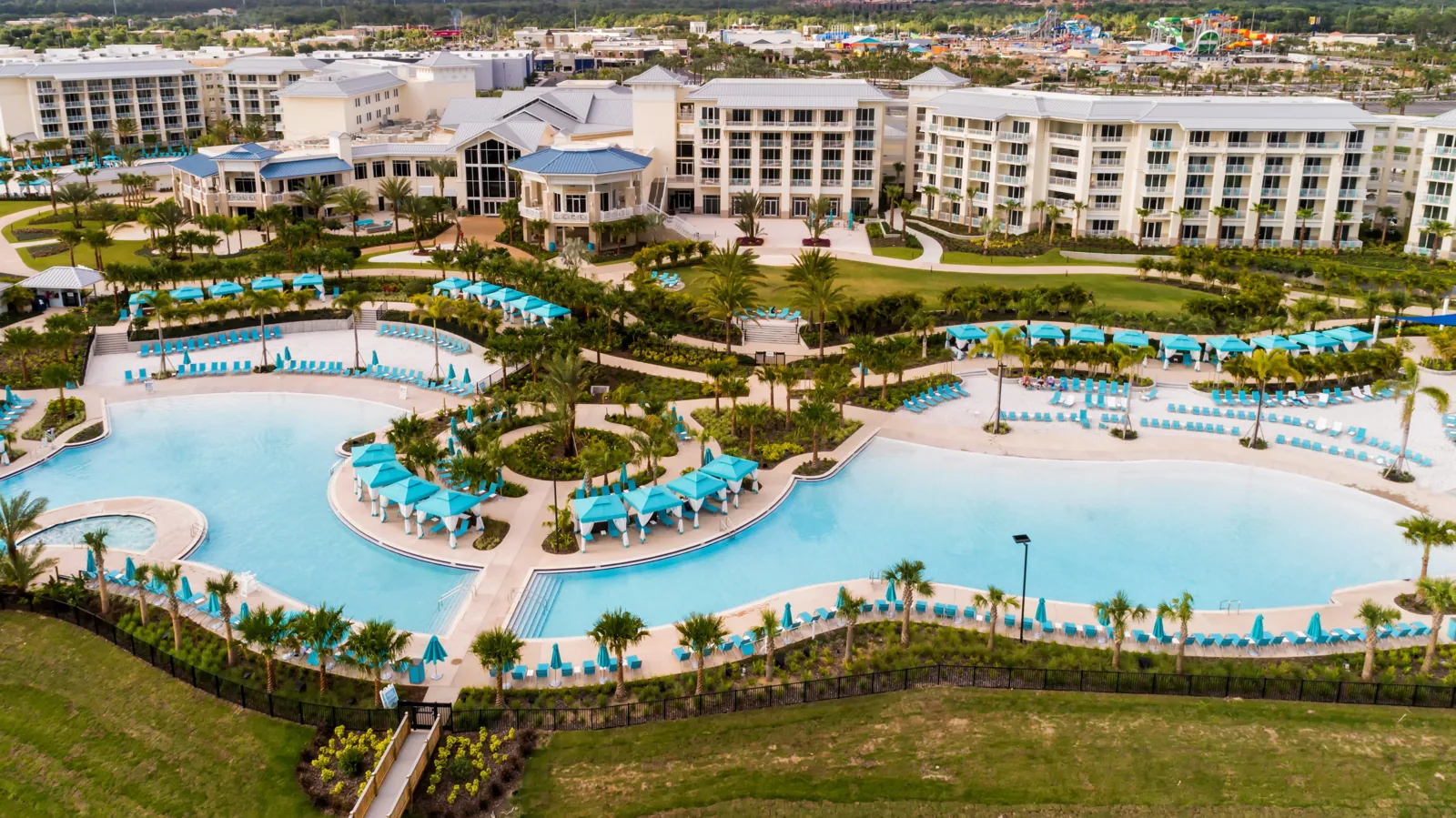
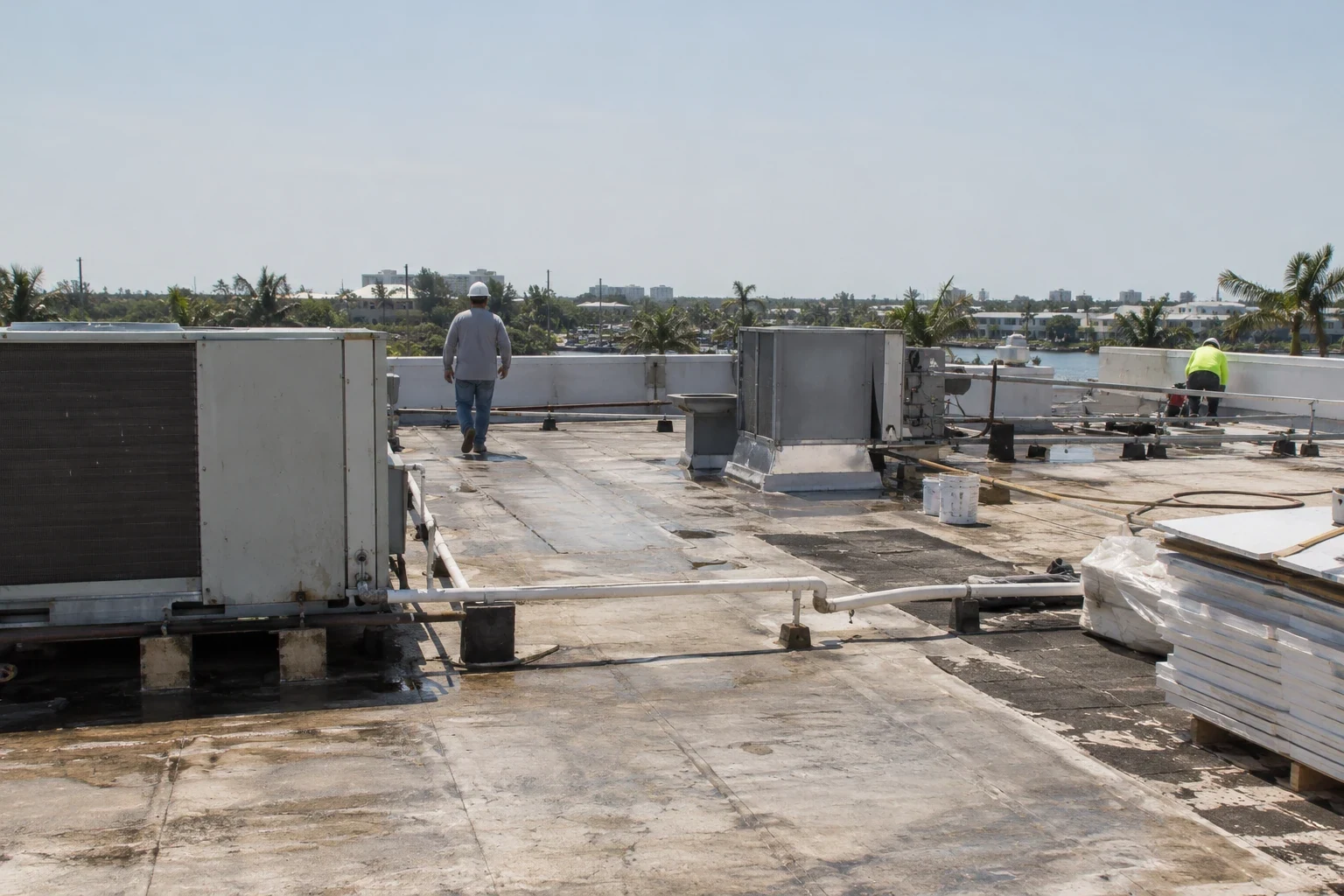
For a multi-building owner, separate addresses and roof zones prevent one repair from being mistaken for a portfolio-wide inspection. We identify the assembly, marked defect, moisture test location, access limits, and work completed. Photos tie to a roof plan or field mark. If a tenant schedule prevents entry to a zone, the record says so. That detail helps an asset manager compare capital needs without treating a partial roof walk as a full assessment.
Round Rock's major employers include Dell Technologies, Emerson Automation Solutions, Toppan Photomasks, and healthcare providers such as Ascension Seton Williamson and Baylor Scott & White. That mix spans several roof and operating environments. The owner or property contact confirms the assembly and work schedule for each address. For building portfolios, property managers, real estate investors, and school districts can use consistent inspection boundaries while keeping findings tied to the actual site.
Connect the Roof Finding to a Decision
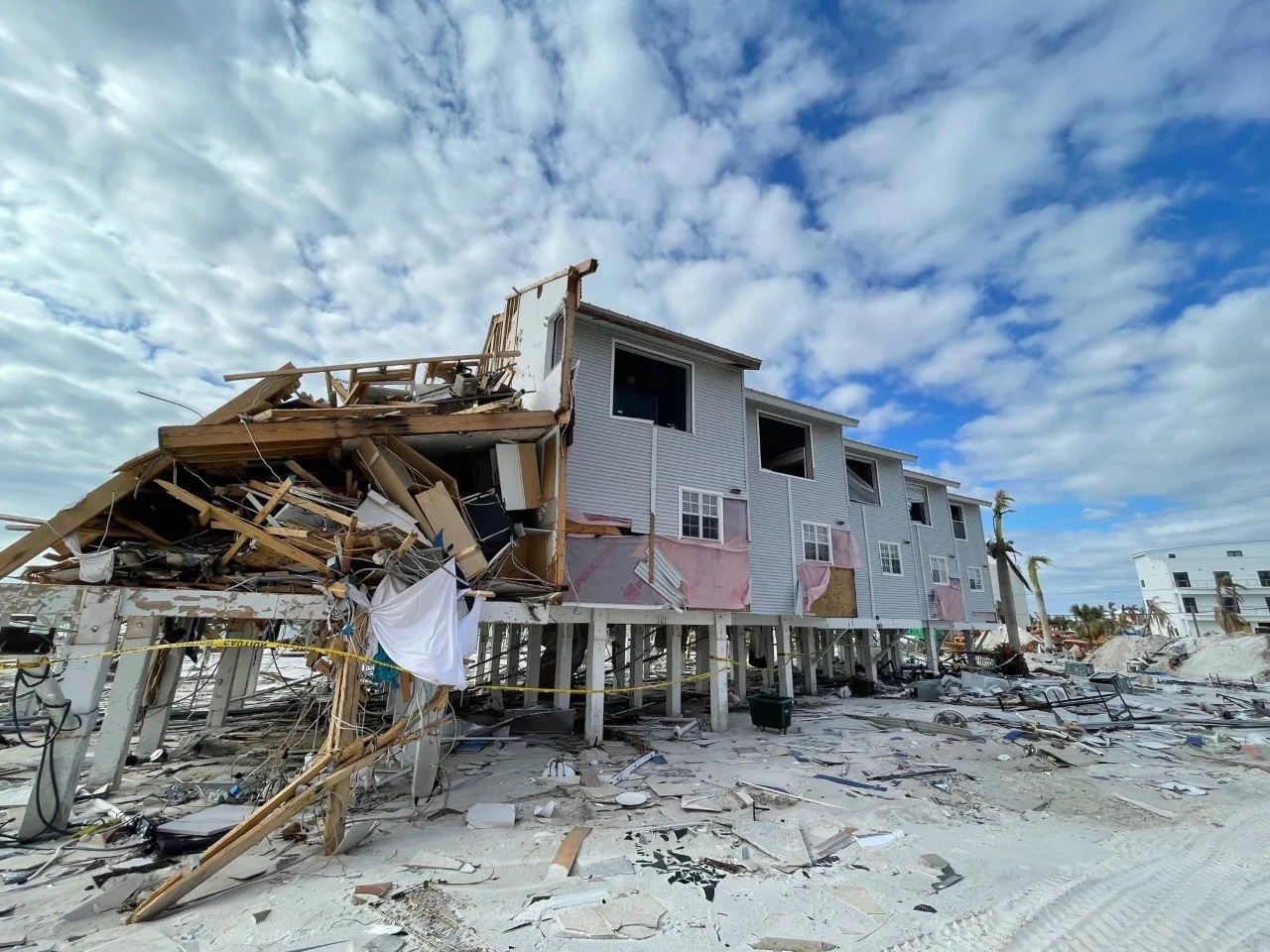
A local seam repair, a replacement phase, and an infrared survey answer different questions. We explain whether the issue appears limited, whether a test is needed, and what remains uncertain. Heat and severe weather shape inspection priorities in Central Texas. Austin Camp Mabry's nearby 1991 to 2020 climate normal includes an August average high of 97.8°F. Round Rock's March 2022 tornado and area hail reports also make post-storm documentation useful, while each repair still depends on observed roof damage.
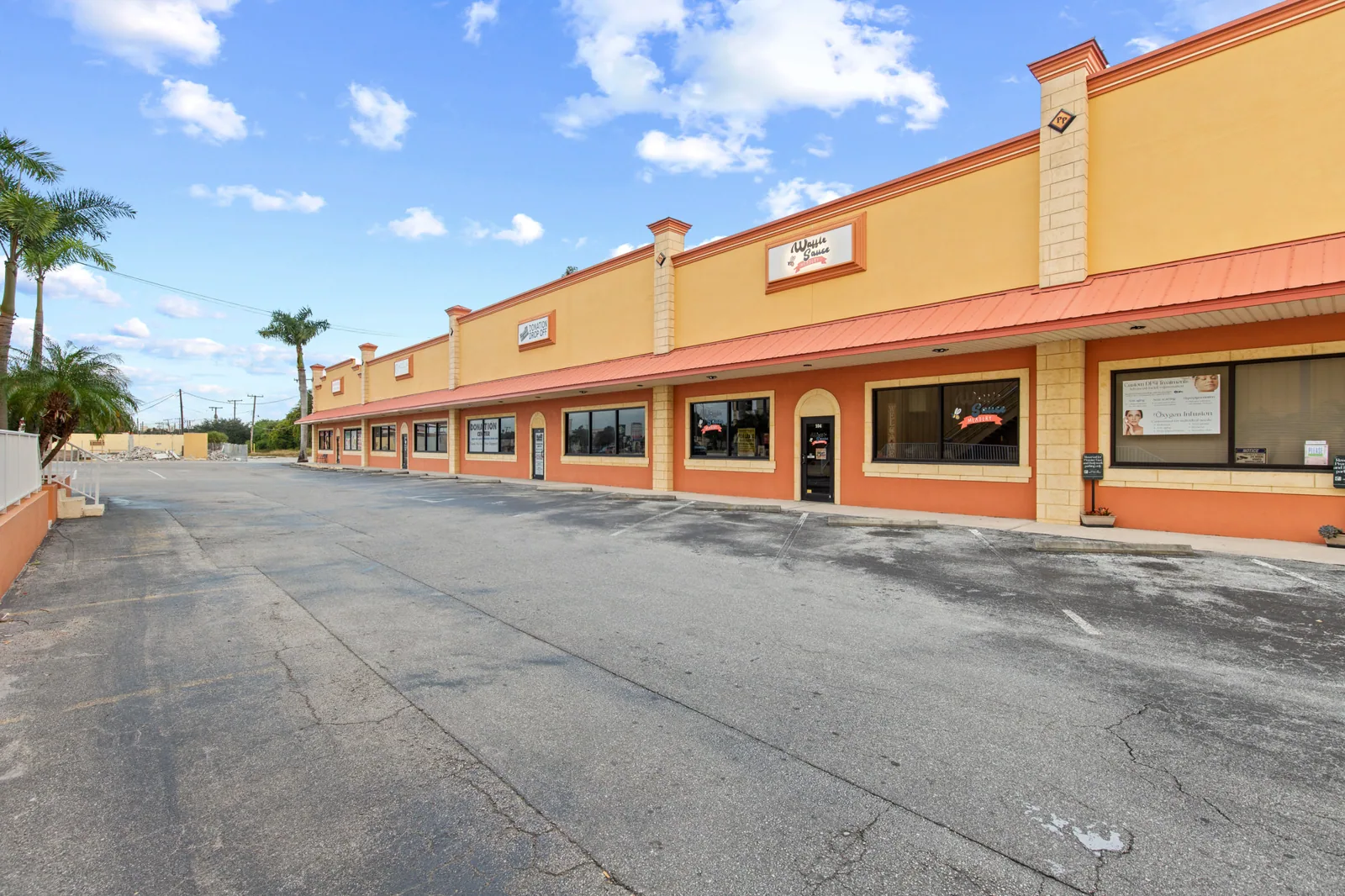
For coordinated support, public agencies can set access and procurement requirements; retail and restaurant operators can identify service hours and customer routes; and hospitality groups can schedule work around room or event availability. Contractors managing active projects can use general-contractor coordination to align roof interfaces and close-in responsibilities. Send the property list, reported conditions, plans, and access contacts through a multi-site roof program or our contact form.
Protect the Work Happening Below
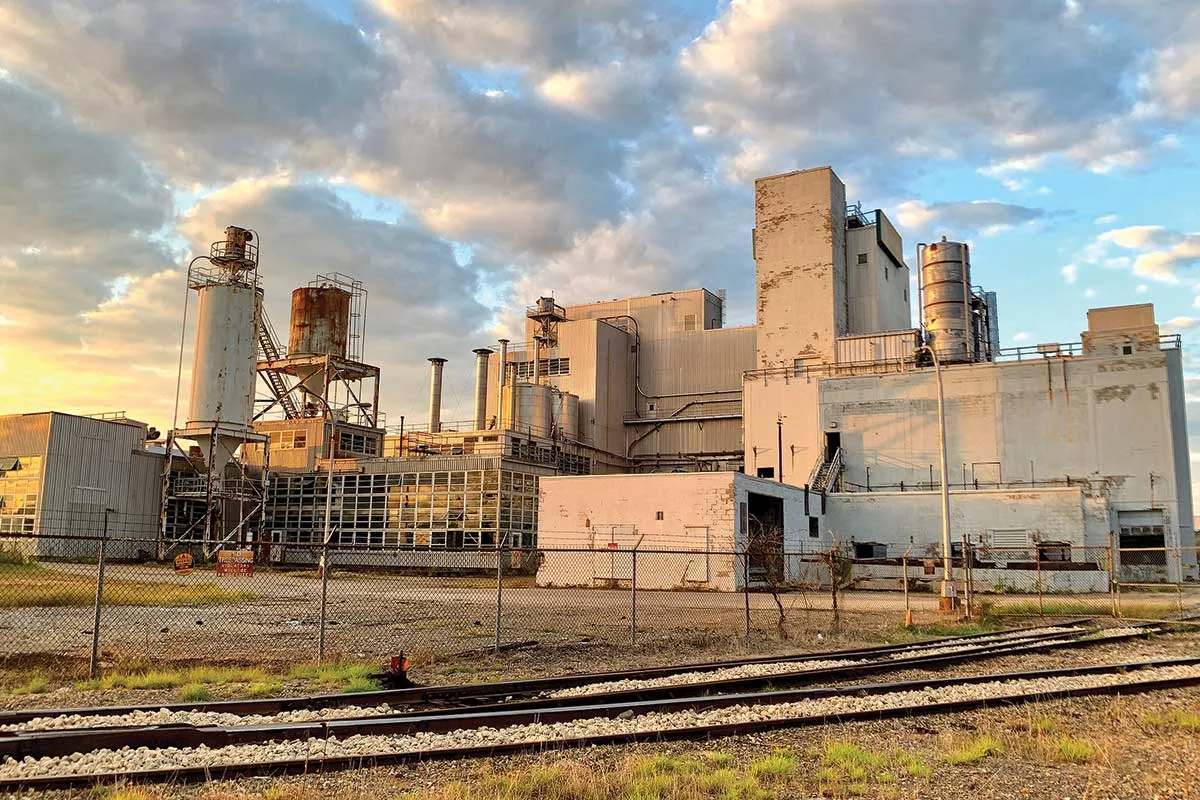
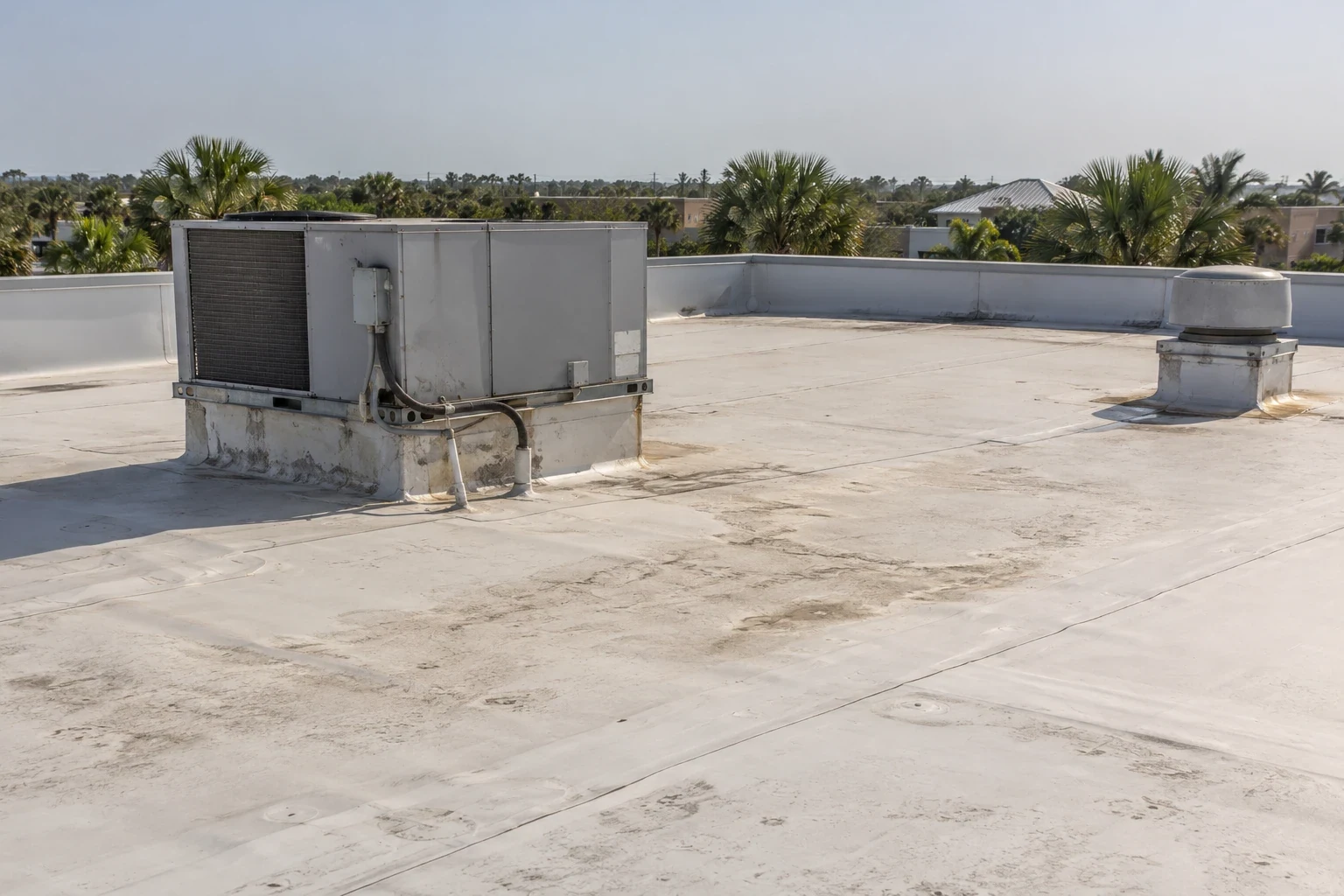
A roof visit over a healthcare, logistics, or technology operation needs an access plan before tools reach the roof. We coordinate entry, equipment shutdowns where required, and temporary protection with the property contact. Round Rock’s local mix of these industries describes the operating context; each site still gets its own sequence and inspection boundary.
Keep Separate Buildings Separate
When one portfolio includes a facility near Dell Technologies or the Seton Parkway healthcare campus, a shared report format can help compare findings, but it should not merge them. We record each address and roof zone independently, then group work by urgency, access, and the evidence supporting the scope.
Industries We Serve: Common Questions
Can an industry-level scope replace a roof inspection?
No. Industry context helps plan access and protection, but we confirm the roof assembly and findings at each property.
What should a portfolio report separate?
List each building, inspected zone, evidence, test location, repair, and area not reached. That keeps decisions tied to the evidence at each site.
Can one roof plan cover a technology campus and a clinic?
A shared schedule can coordinate visits, but each building needs its own system record, access plan, and findings. Equipment rules and interior operations can change the work sequence from one address to another.
How should a facilities team rank work across several buildings?
Compare active water entry, safety exposure, wet materials, failure at critical details, and the time needed to arrange access. The report should show the evidence behind each priority and flag testing that could change it.
Send the building list, roof plans, current concerns, access contacts, and scheduling limits. We will organize inspections and findings by address and roof zone. Call 555-555-5555 or request a roof assessment.