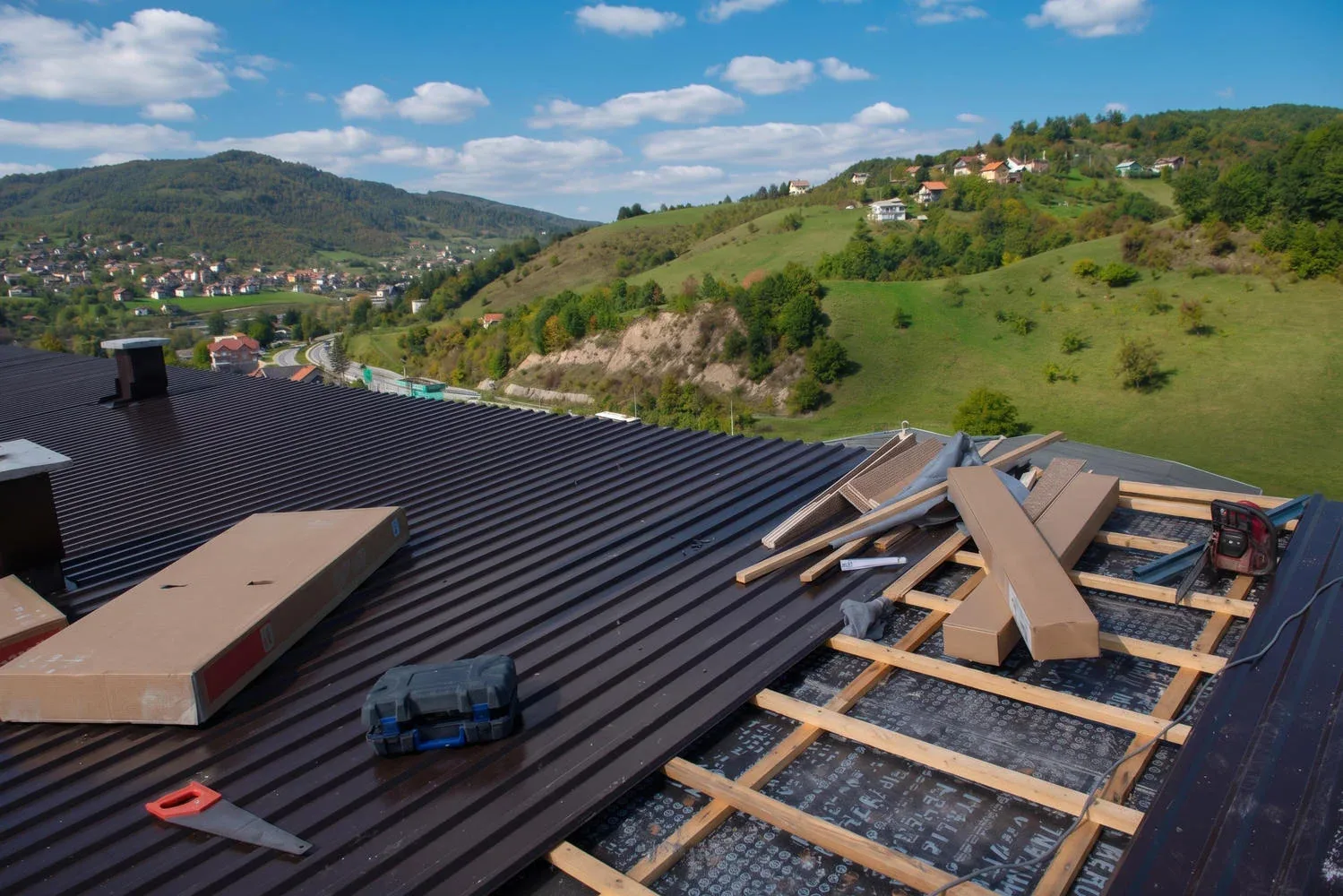
Build the District Roof Work List
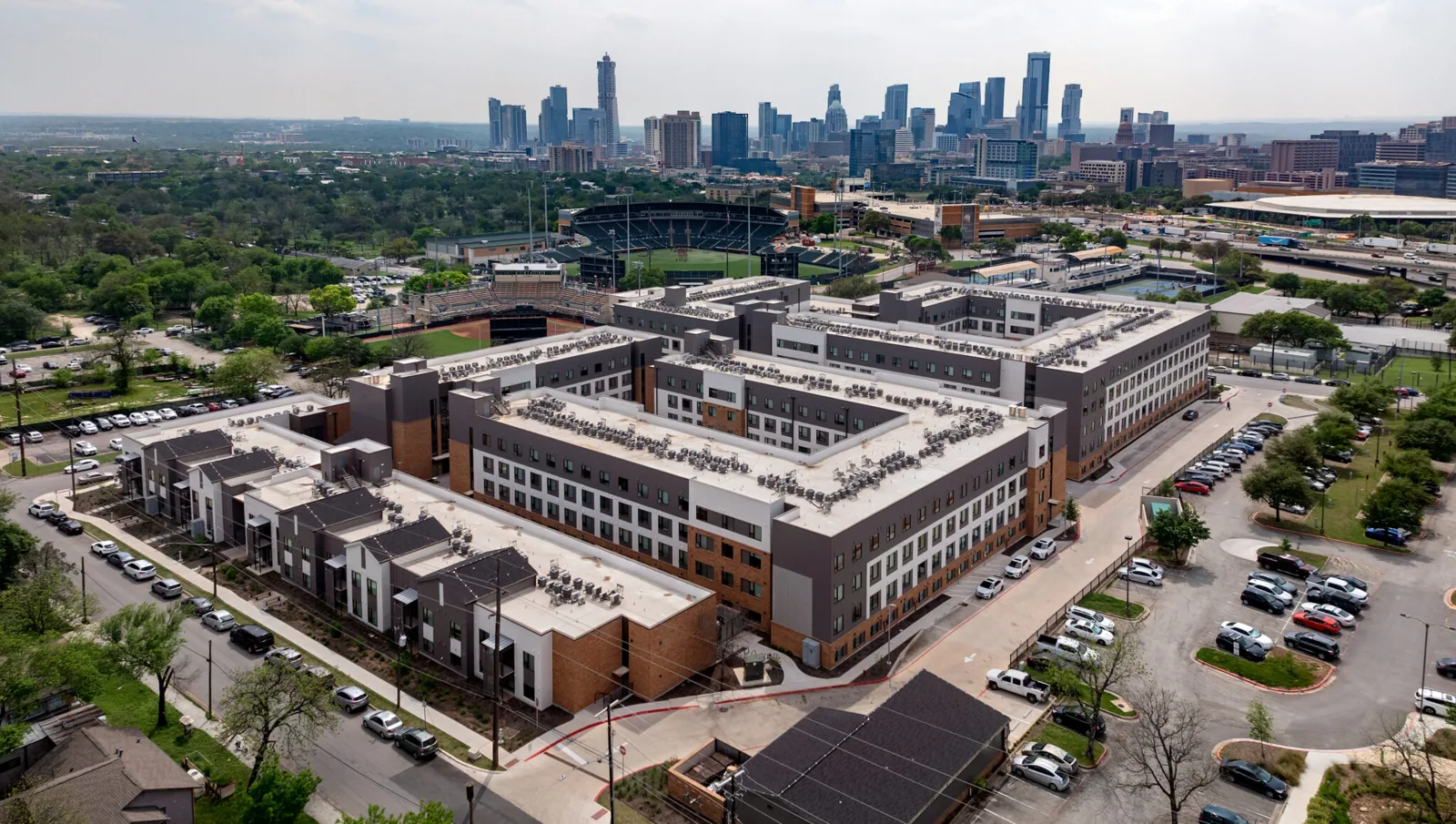
A ceiling tile is wet in one classroom, while students are due back in the adjoining wing. The roof response needs a room location, a safe route, and a decision about the day's schedule. Round Rock has higher-education facilities for ACC and Texas State near University Boulevard. The University Boulevard education corridor gives a local reference for campus operations. A school district's roof inventory still has to be verified building by building.
Classrooms, cafeterias, gyms, offices, and portable buildings may use different assemblies. We map each report to its roof zone and show what needs repair before the campus returns to full activity.
Send the campus list, building and room locations, roof plans, school calendar, access contacts, and open leak reports. We will organize the inspection scope by property. Call 555-555-5555 or request a roof assessment.
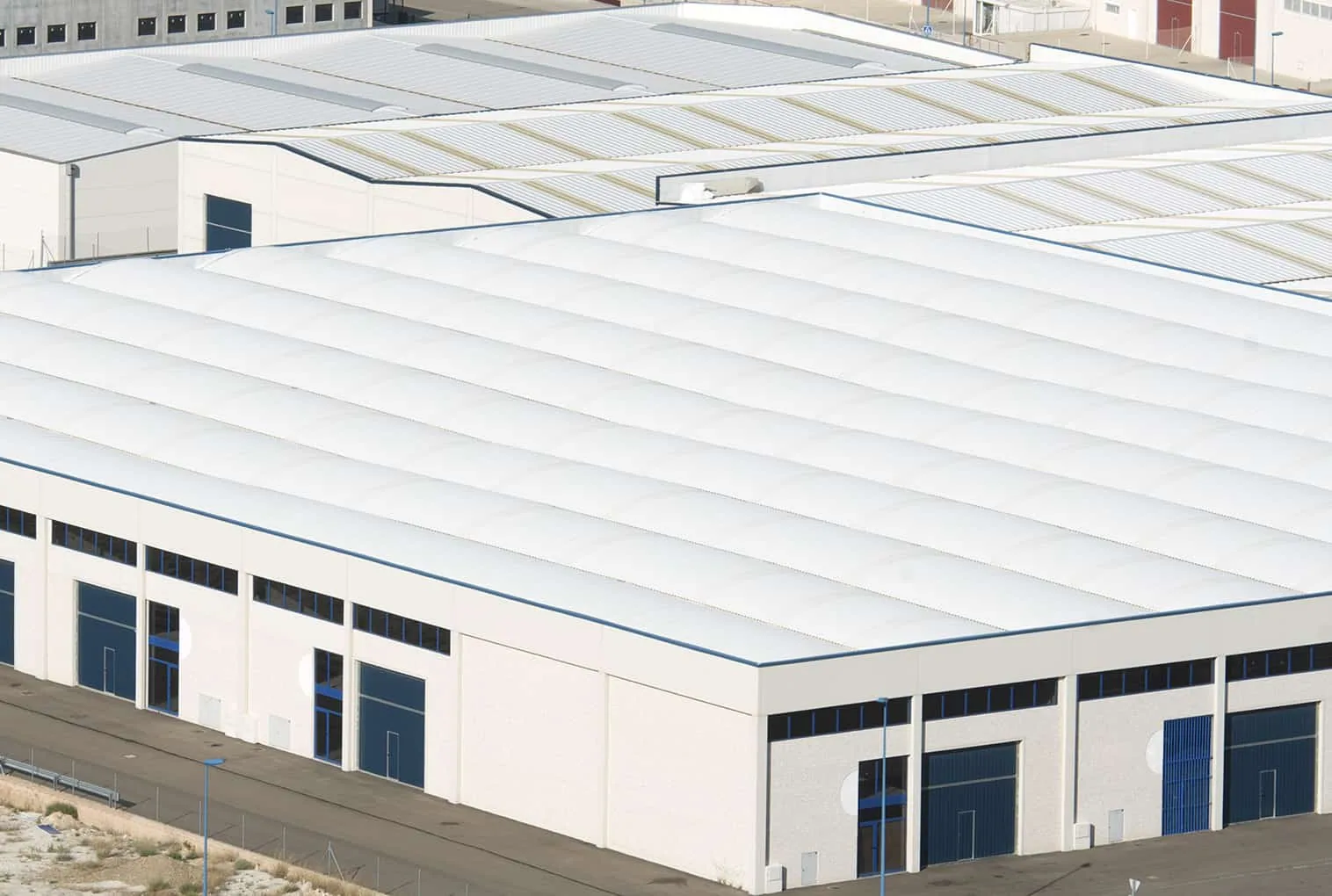
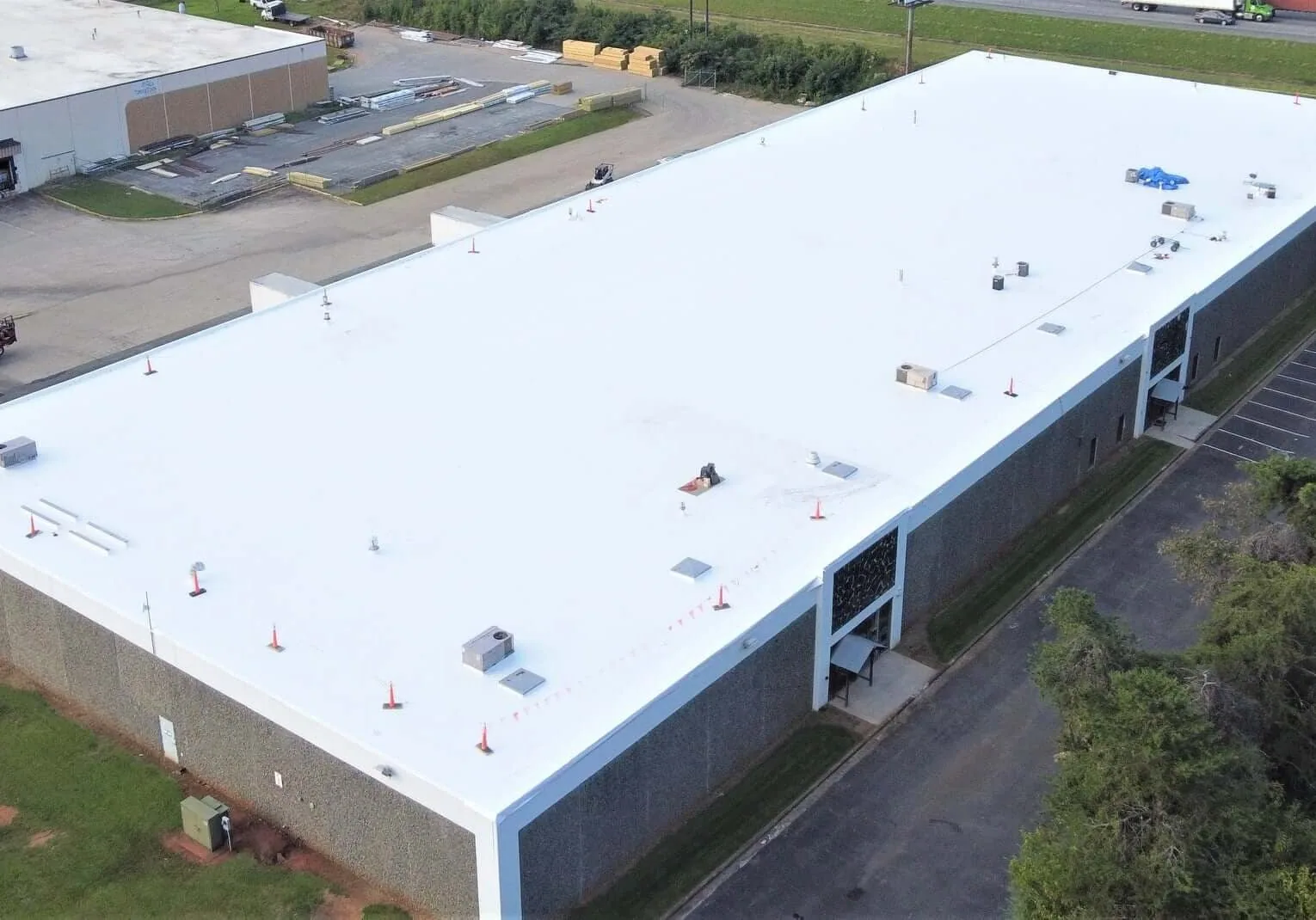
Connect the Ceiling Report to Its Roof Area
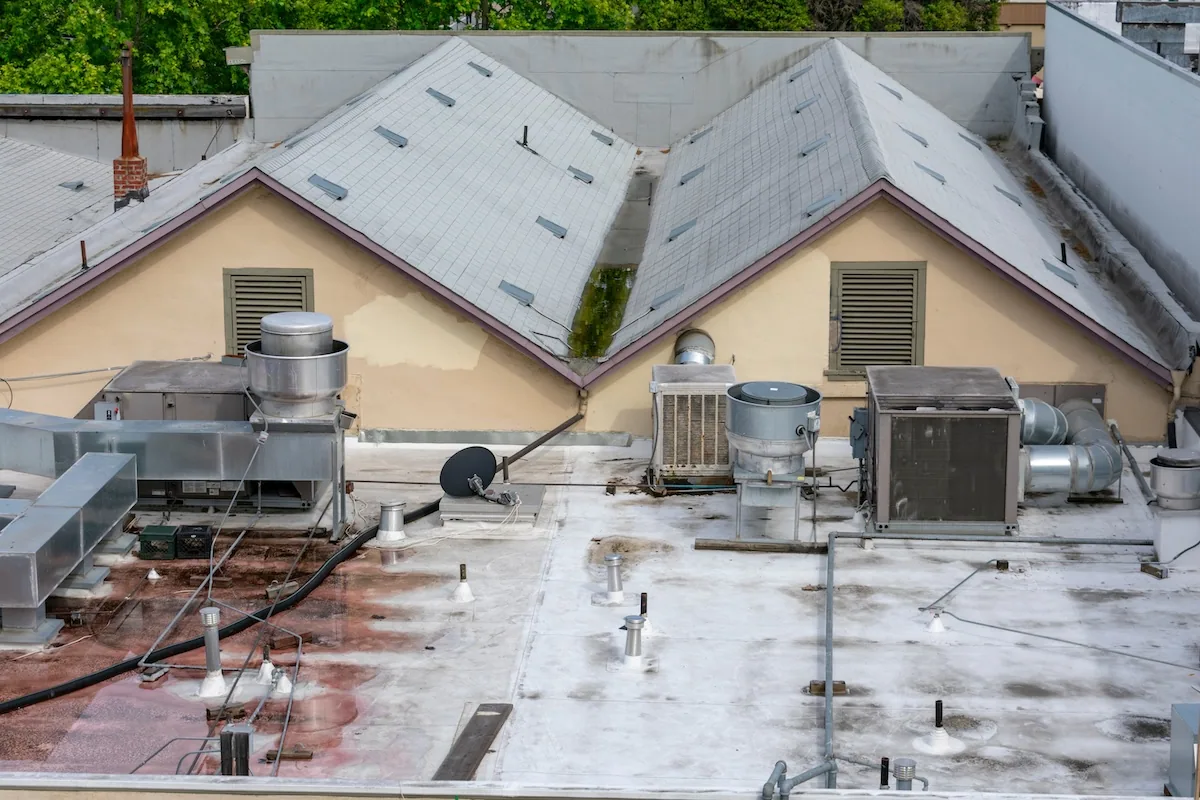
We record the room, ceiling symptom, date, weather, and whether the space was in use. A roof leak can travel across a deck before reaching a light or ceiling tile. The nearest drain may not be the source. We inspect seams, flashing, curbs, skylights, drains, and roof-to-wall transitions along the likely path.
School buildings often have additions, covered walks, and gym or cafeteria wings that meet at different elevations. Those intersections deserve a close look because roof planes and drainage patterns change. We compare drawings with field conditions and mark any area where the plan is incomplete. A test cut can confirm the layers at one approved sample location, not throughout the building.
Round Rock has higher-education campuses associated with ACC and Texas State, while local public schools have their own operating calendars and facility rules. The campus distinction matters to planning. We do not assume the college facilities share a district roof inventory or construction standard. The owner provides the building list and assigns access by property.
Central Texas heat and severe storms can stress exposed membrane, edge metal, and rooftop equipment. The March 2022 event included hail reports and a tornado track through Round Rock. A regional event provides context, not a damage finding. We inspect each roof detail and document evidence before recommending a storm repair.
Use School Breaks Without Rushing the Dry-In
Facilities staff identify exam dates, summer programs, athletics, custodial work, and community use. A school may be quieter during a break, yet maintenance or camps can continue. We confirm room access and work hours before scheduling material deliveries. Lift placement must keep fire lanes, parent drop-off, buses, and accessible routes open.
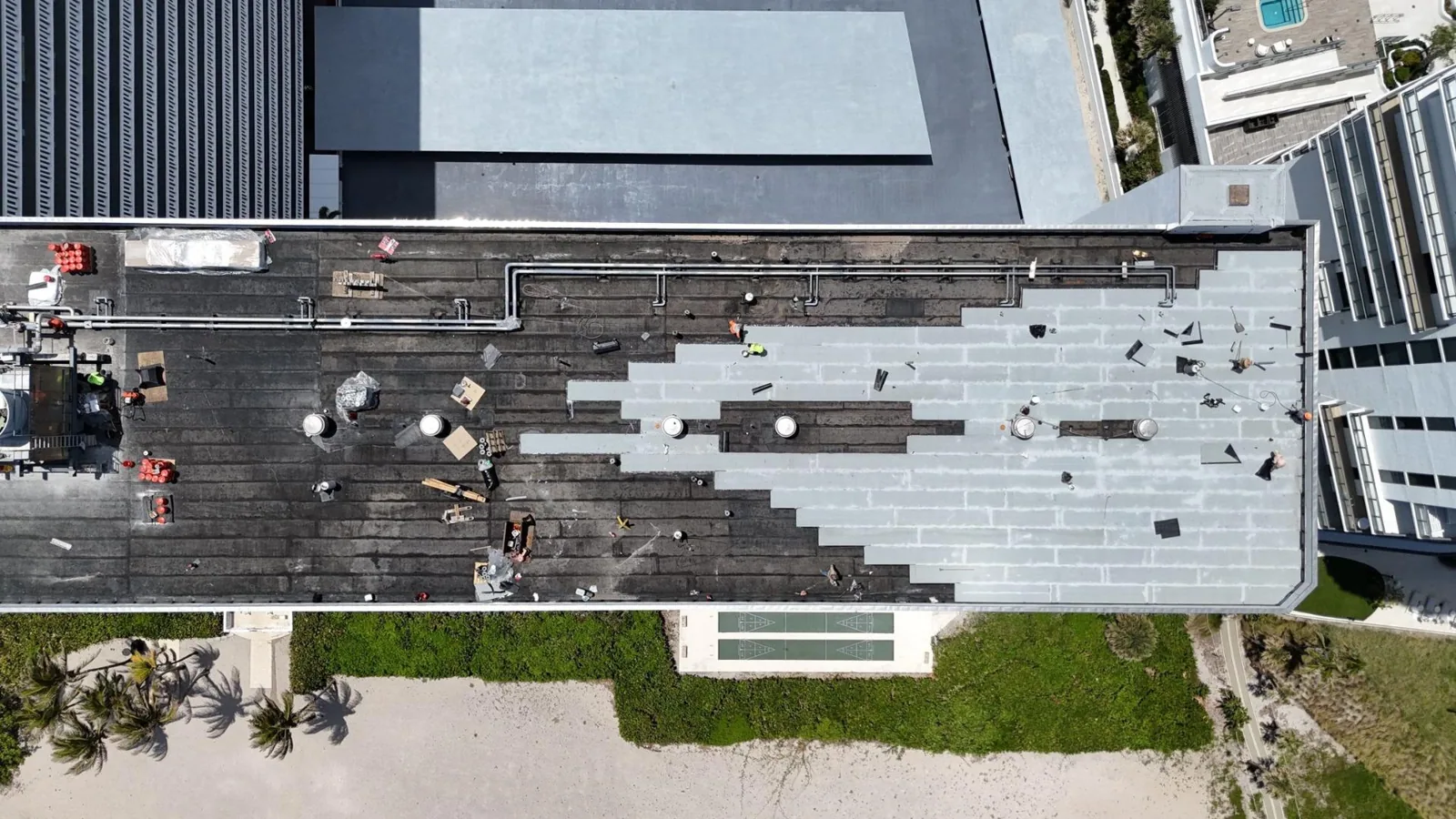
For roof replacement, divide the work into areas that can be closed and dried in during the shift. The plan names which entrances or rooms might be affected and who receives notice. If wet insulation or deteriorated deck appears after tear-off, the crew stops at the agreed limit, documents the area, and asks the district to approve added work before expanding.
A leak during instruction may need temporary containment before a permanent repair. Our emergency crew can respond overnight, on weekends, or on holidays; the district contact directs roof access and any interior closure. The district contact identifies any interior protection needs. Staff can decide whether to relocate a class or close a room; the roofing scope documents the physical condition and work boundary.
Related scopes include commercial roof inspection, occupied-building reroofing, and emergency roof repair. A hail inspection or wind repair should be tied to observed damage. Districts managing healthcare or civic buildings can also coordinate with public agency facility staff and healthcare facilities teams.
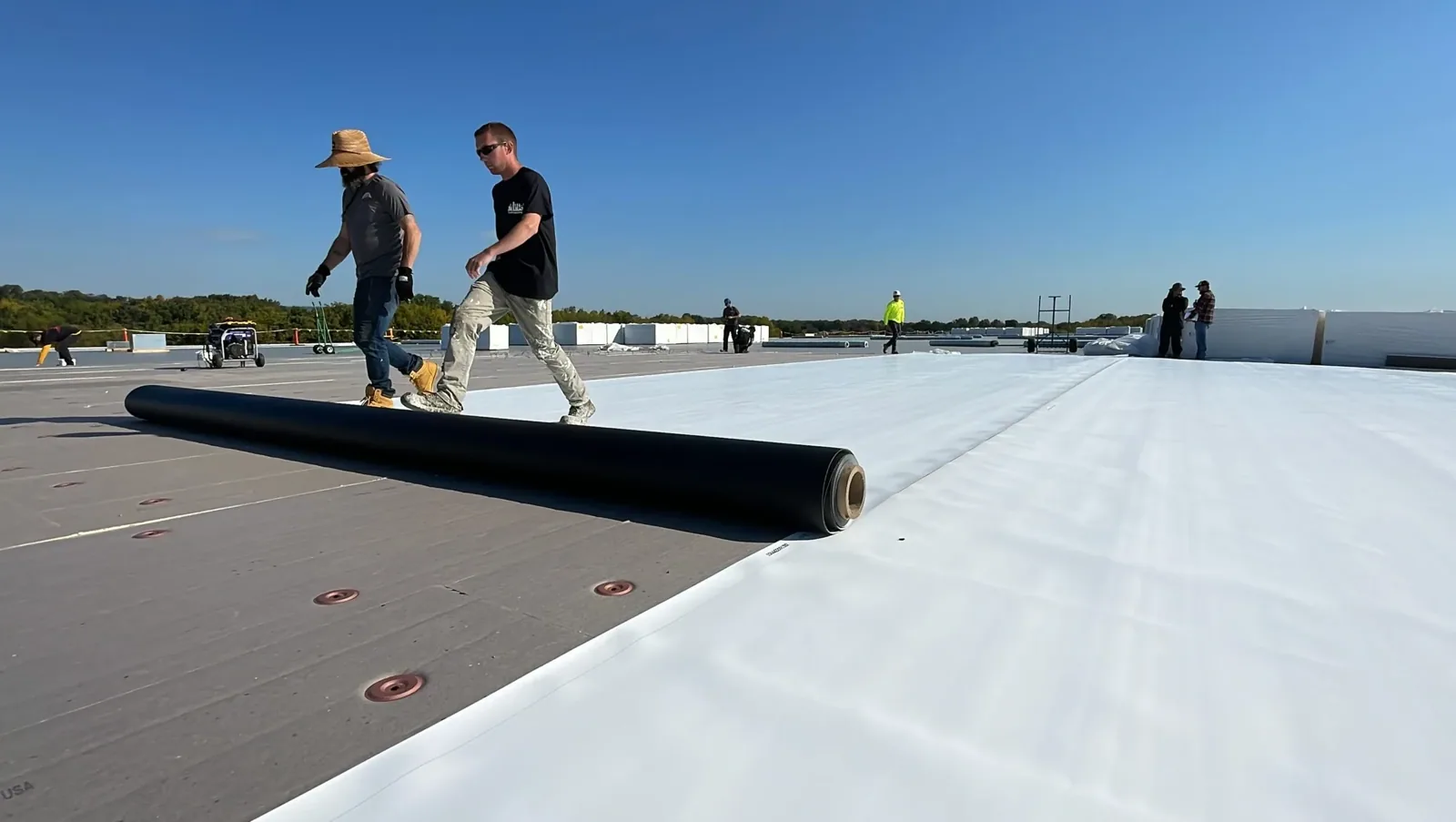
Make Each Capital Request Traceable
A condition report should separate active leaks, localized repairs, routine maintenance, and larger assembly concerns. We map each observation, photograph it where permitted, and state whether a test or access step remains. A district can then connect the recommendation to a building and budget request.
Cost and timing depend on roof system, building height, room use, interior protection, equipment, material access, and how many zones can close each day. The estimate separates roofing from ceiling replacement, electrical work, and classroom contents protection. If a capital request includes multiple schools, each scope stays individually priced and identified.
Recovering an existing roof may suit an assembly that is dry, stable, and compatible with the new layer. Replacement may be needed if the roof has widespread deterioration or wet materials that should be removed. Coating depends on surface condition, drainage, moisture, and product compatibility. The proposal describes preparation and exclusions so staff can compare options.
Round Rock administers its adopted 2024 building and energy codes through the Building Inspection Division. Permit needs depend on the project and governing authority. District staff and design professionals confirm the applicable process. We provide roof-system information and product data for that review.
Prepare the Campus for the Next Service Call
Closeout names the campus, building, roof zone, repair, and material. Photos or marked plans help a facilities technician locate the detail later. If rain has not tested the repair, the record says so. An area blocked by access, weather, or active use is listed as not inspected.
Keep roof plans beside room numbers, equipment schedules, custodial work orders, and prior repair logs. When a new HVAC unit or skylight is planned, review the curb and flashing before installation. If a school is remodeled, record the roof transition at the addition and update the building map. Include the date, contractor scope, membrane patch locations, and any area left for later observation. A future facilities lead can then tell which details were part of the project and which were only inspected.
Use consistent identifiers across the district, but keep findings tied to the actual assembly. A repeated complaint at two schools may have different causes. A property near Downtown Round Rock and a school site along University Boulevard can have different access and staging needs. The district contact supplies current constraints for each visit.
A follow-up inspection can return to a marked seam or drain after a defined weather event. It should name the question being checked and the roof sections included. That makes the next visit useful without suggesting that untouched parts of the campus were reviewed.
District teams benefit from one consistent roof record across schools and support buildings. Use the same fields for building, roof section, condition, urgency, photographs, and recommended next step, while preserving each property's individual history. Plan inspections around student schedules and site access rules. For reported leaks, coordinate with staff to identify timing and affected rooms, then verify likely roof paths. A phased list can help facilities prioritize safety and water-entry concerns first, with routine maintenance and larger capital work evaluated on a separate timeline.
Keep the school contact's access notes with the work order.
Questions About School Districts
Can a district inspect several schools in one visit?
We can group visits, but each building and roof zone gets its own findings. The district identifies access contacts and any school-day restrictions at each stop.
What should staff report during a classroom leak?
Share the room, ceiling location, time, rainfall, and any equipment nearby. The facility contact can also note class schedule and contents needing protection.
Are summer projects always easier to schedule?
Not necessarily. Summer programs, custodial projects, and athletics may continue. The district confirms the actual calendar and safe access windows.
How should storm-related work be documented?
We record observed conditions by building and roof detail. A weather report is context; it does not establish damage on a specific school roof.
Can you phase a reroof across several campuses?
Yes. The plan can name daily roof zones, dry-in limits, school contacts, and approval points for concealed conditions at each building.
Related Roofing Work
University Boulevard Higher-Education District
Commercial Roof Inspection
Occupied Commercial Building Reroofing
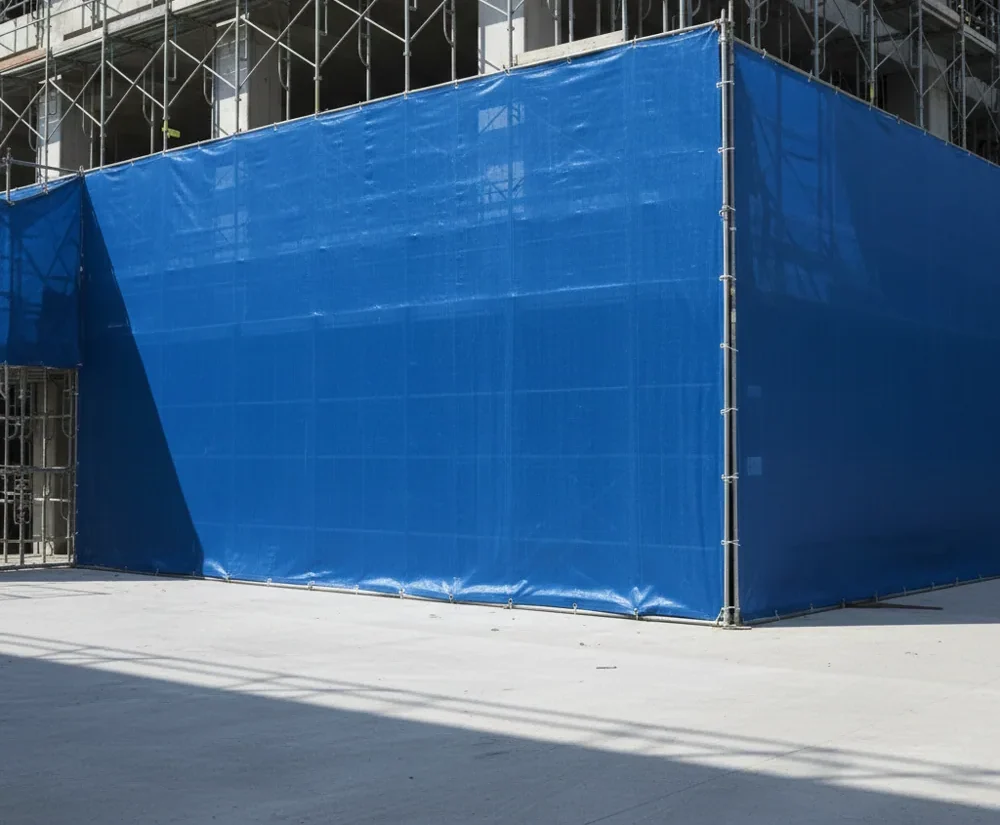
Emergency Commercial Roof Repair
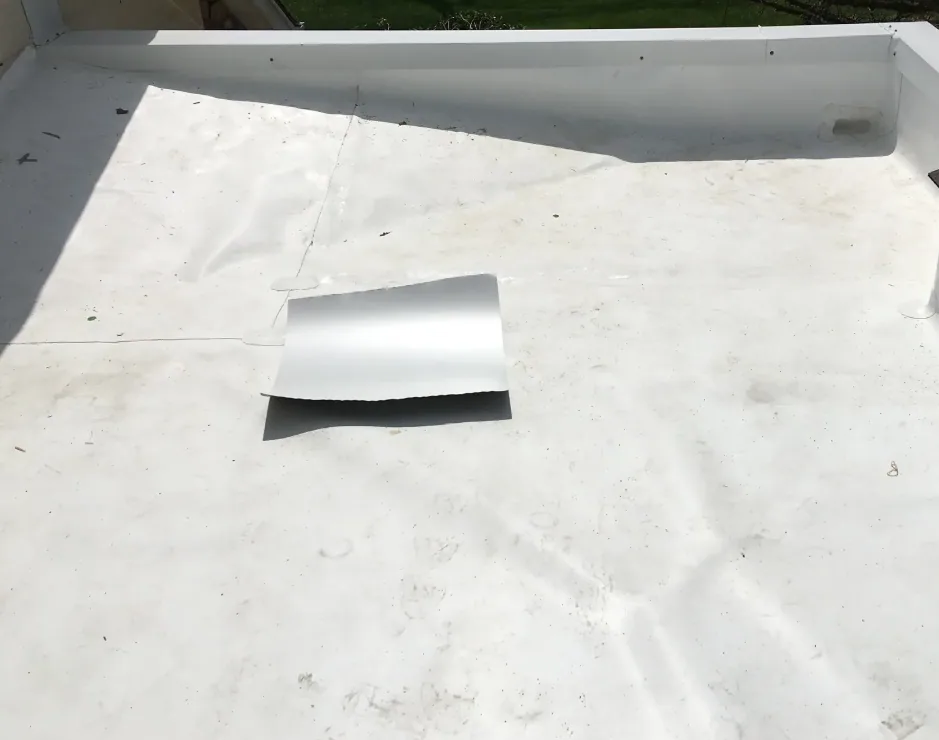
Hail Damage Roof Repair