Coordinate a Plant Roof Inspection
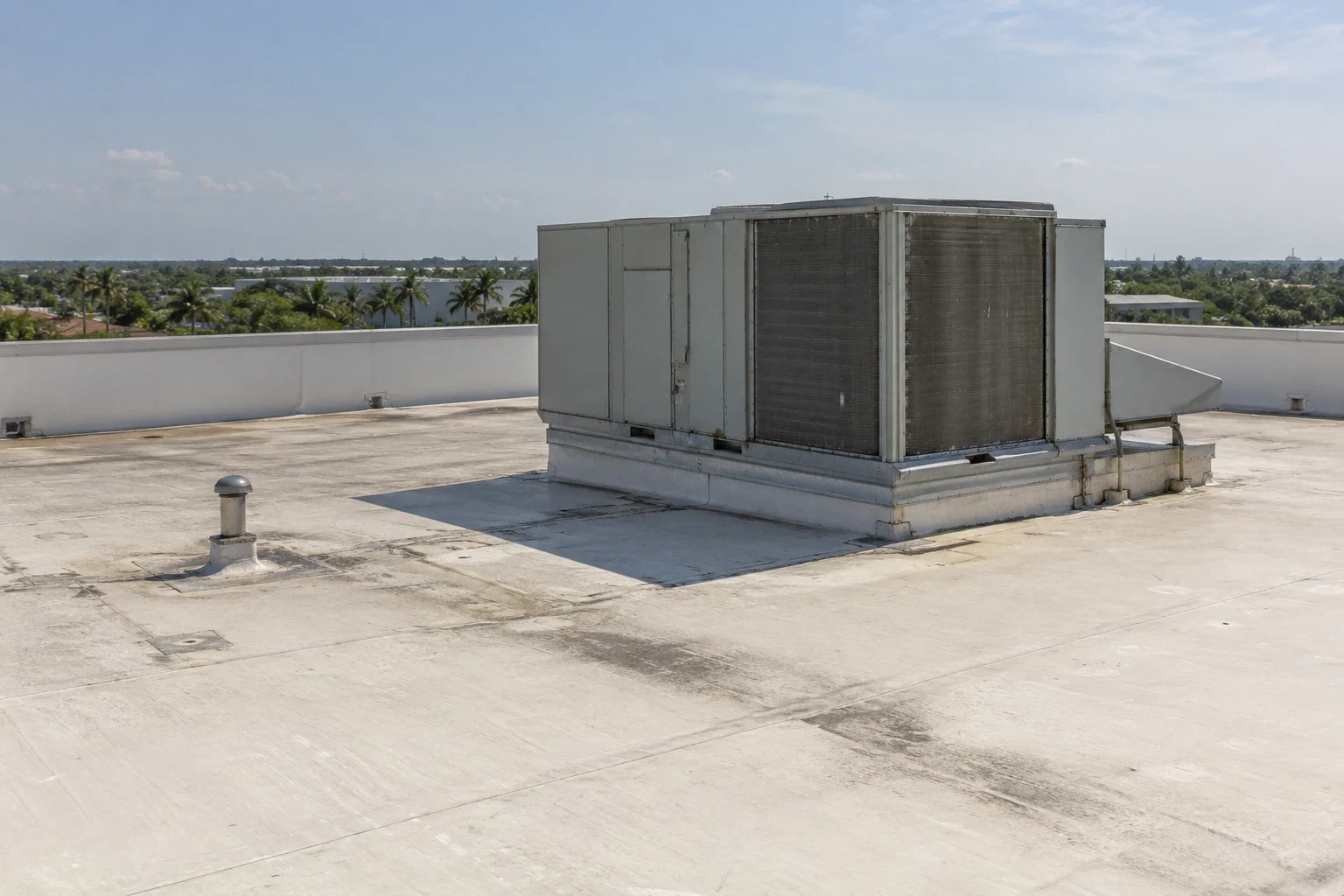
A roof opening above a process line has two boundaries to manage: the damaged material and the operation below it. We identify the reported area, the equipment or room beneath it, and the roof zone that can be reached. Round Rock lists innovative manufacturing among its industry clusters, with Emerson Automation Solutions and Toppan Photomasks among the city's headquarters companies. Those local industries make access coordination relevant; they do not identify the assembly or condition at a specific plant.
Provide the facility address, affected department or roof zone, event date, access contact, production restrictions, and available roof records. We will document findings and the repair limit before work is scheduled. Call 555-555-5555 or request a roof assessment.
Map the Process Area and Roof Detail
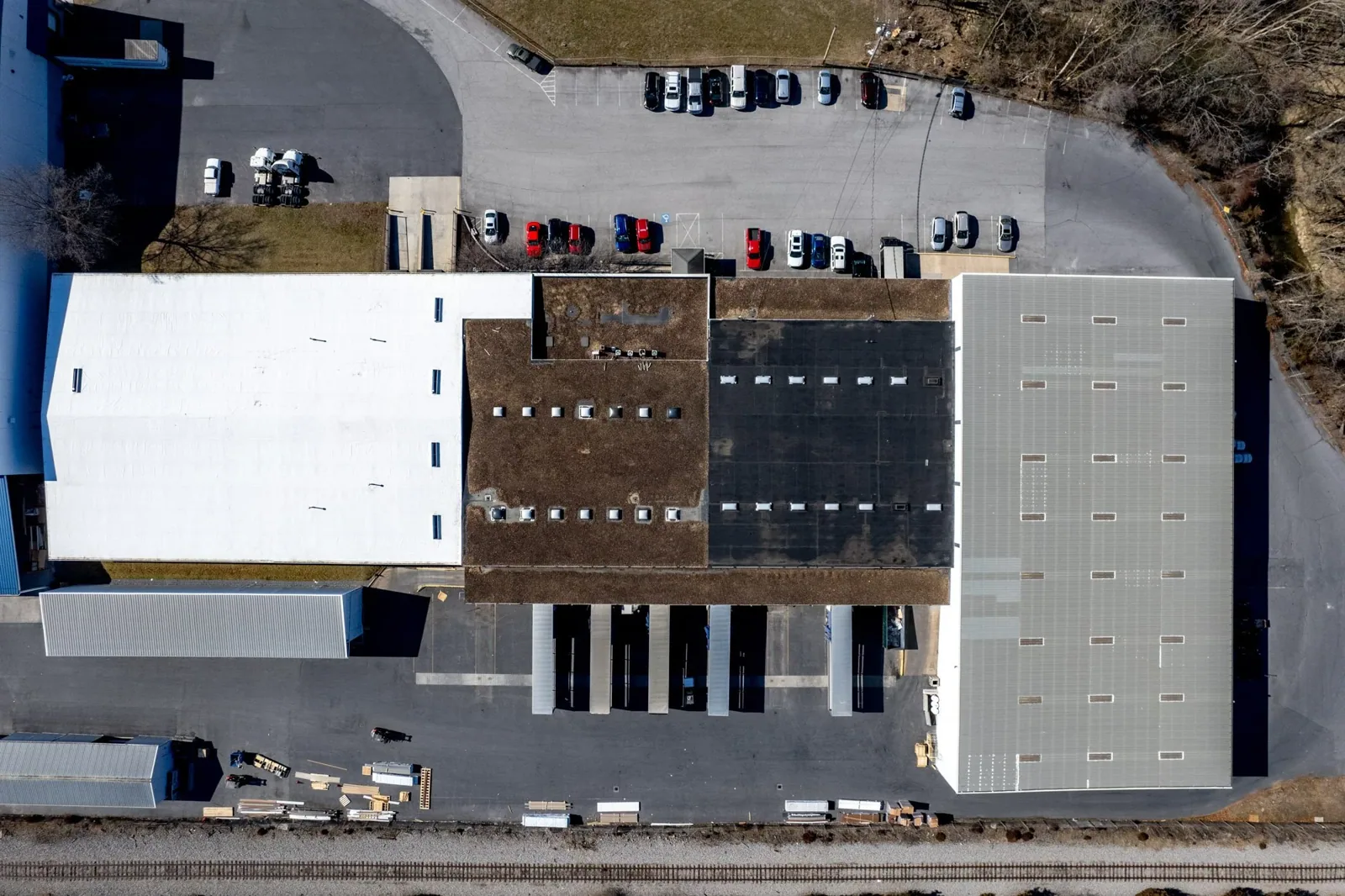
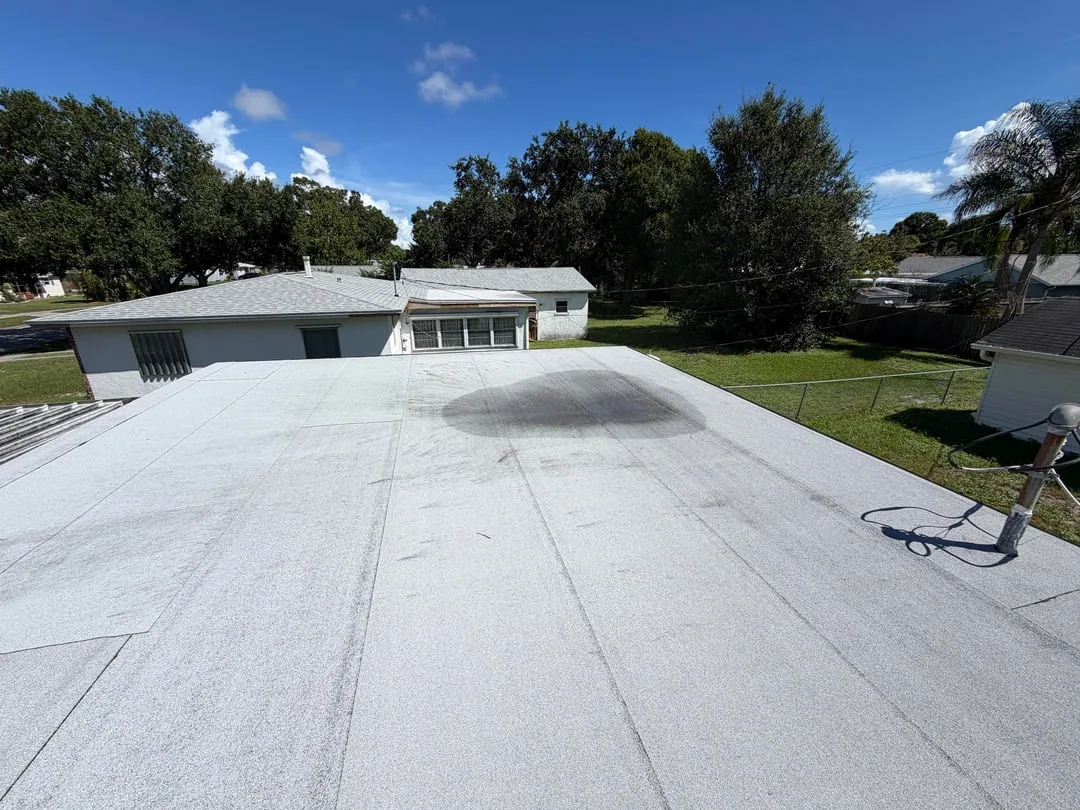
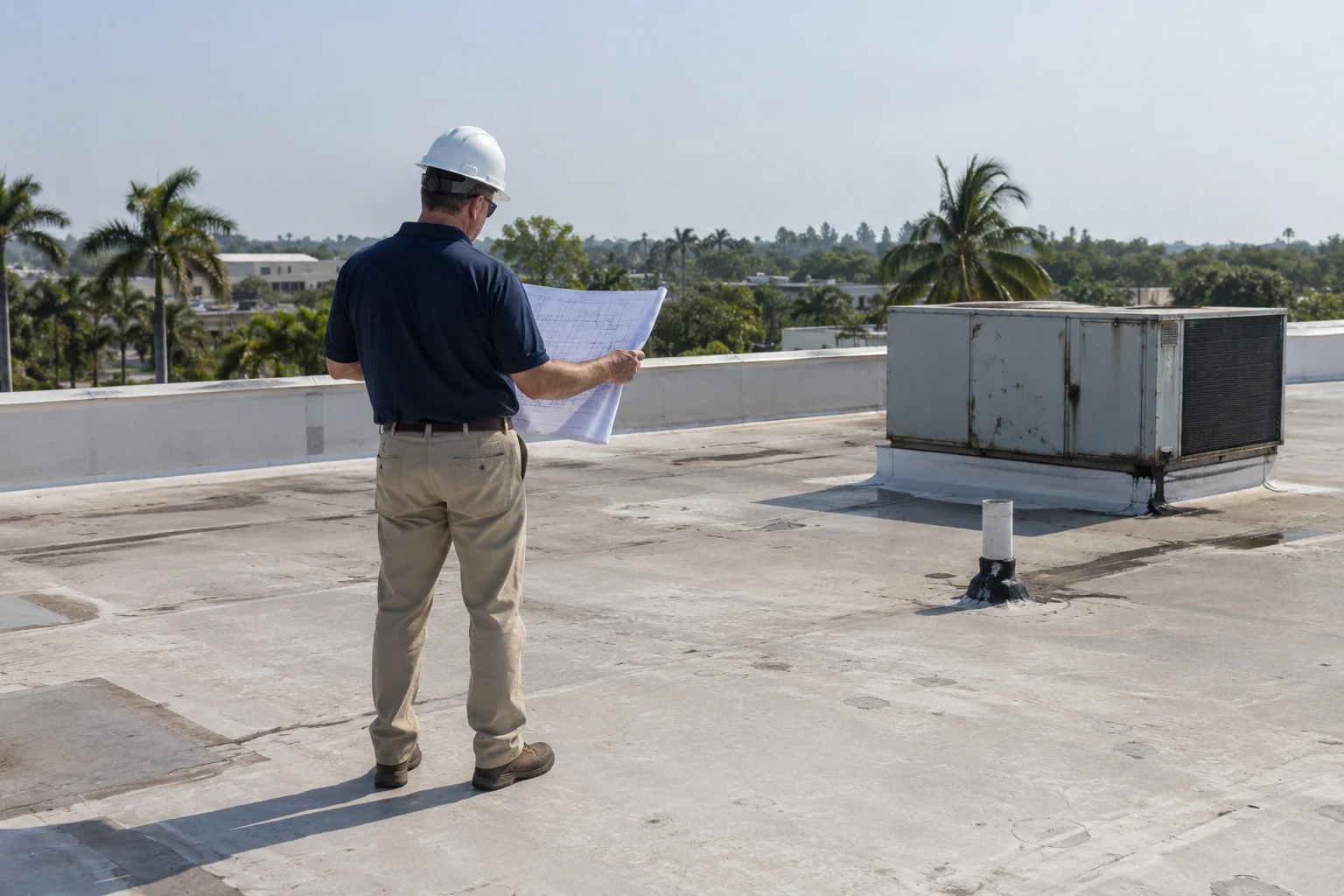
Mark the department, equipment line, service corridor, and roof access point before setting a work boundary. On the roof, inspect curb flashing, penetrations, seams, drains, perimeter metal, and support points that may have changed during equipment service. We compare the reported condition with the visible detail and note the roof zones that were not accessible. A hands-on inspection can tie photographs to the field mark and process contact.
Manufacturing use alone does not tell us what is discharged at a roof penetration. Confirm the source, temperature, operating pattern, residue, and maintenance schedule with plant staff. Inspect the surrounding membrane for staining, softening, corrosion, or open seams. If the contact cannot identify a process source, record the uncertainty and inspect the roof surface rather than assuming chemical exposure.
Check Heat, Exhaust, and Roof Movement
A fan, exhaust stack, or new support can change the roof detail even when the field membrane appears intact. Inspect curb corners, flashing laps, fasteners, welds, and the path water follows around the equipment. A curb and support check can document the membrane interface while the plant's mechanical team handles the equipment itself. Keep any shutdown or restart decision with the authorized operations contact.
Austin's Camp Mabry station has a normal August high of 97.8 degrees. A plant roof can run differently, so check surface conditions at the site and follow material instructions for preparation and installation. Heat can narrow a safe work period or affect how a material is handled, so the schedule needs a planned close-in point rather than a full-day assumption.
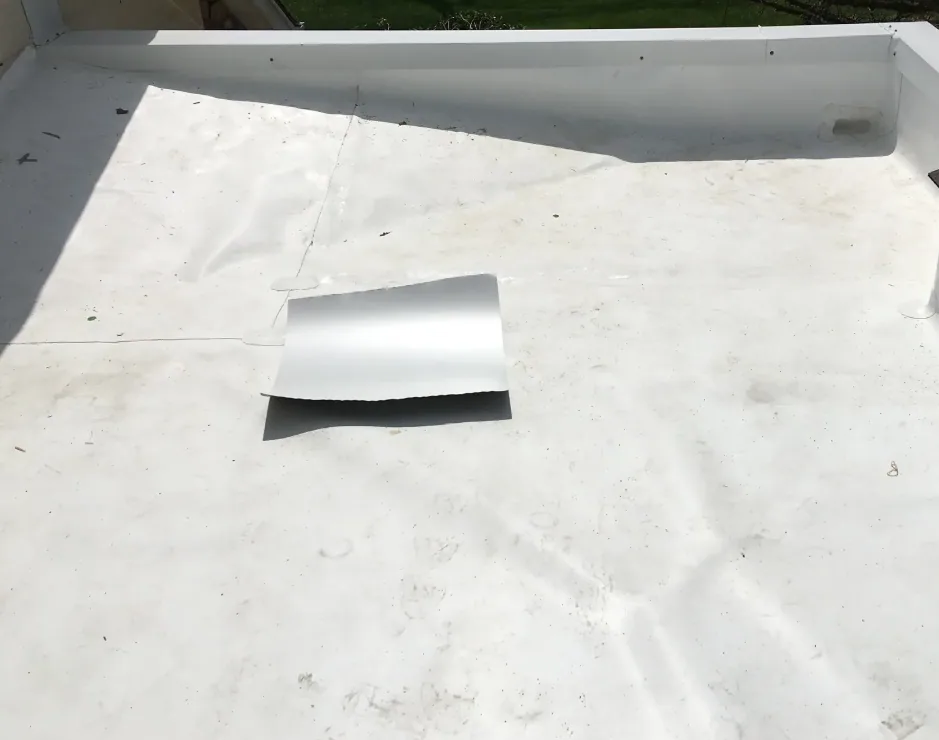
A tornado crossed Round Rock in March 2022, while hail was reported elsewhere across Central Texas. After an owner reports a storm, inspect the stated roof zones for displaced edges, impact indications, open seams, and water entry. The event is context for the inspection request, not proof that a plant was affected. A hail-damage review can record observed impact separately from normal wear.
Follow Drainage and Hidden Moisture
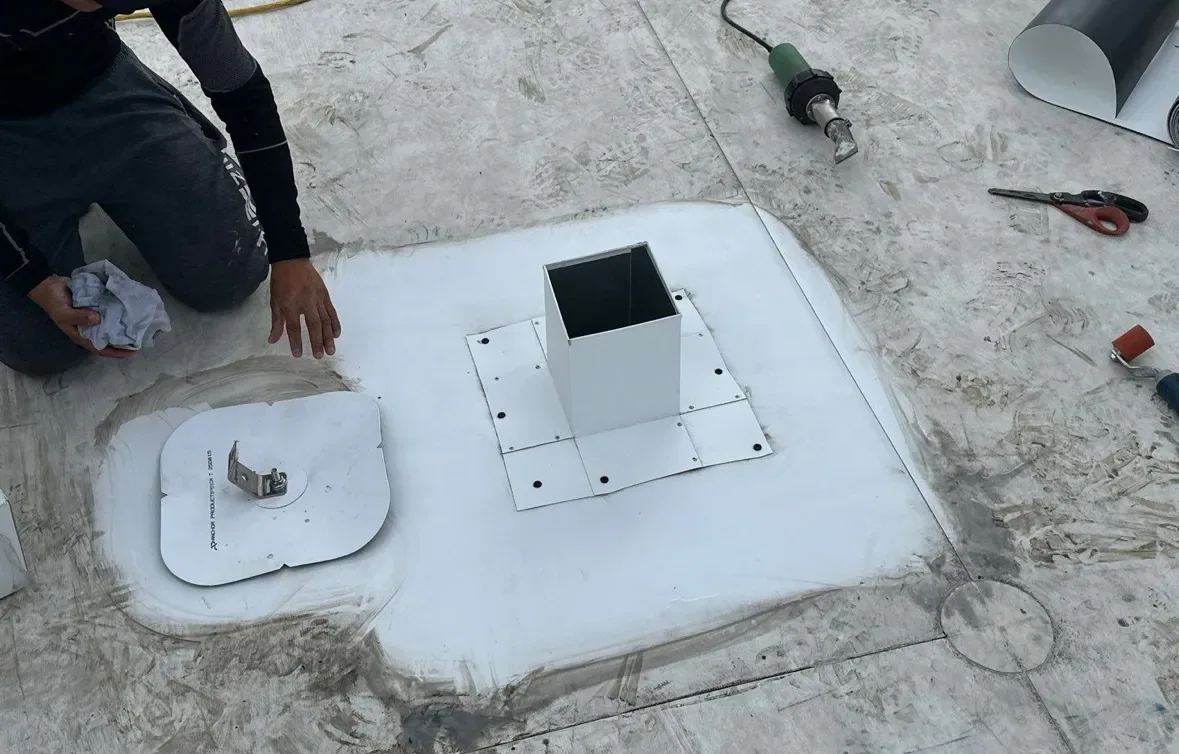
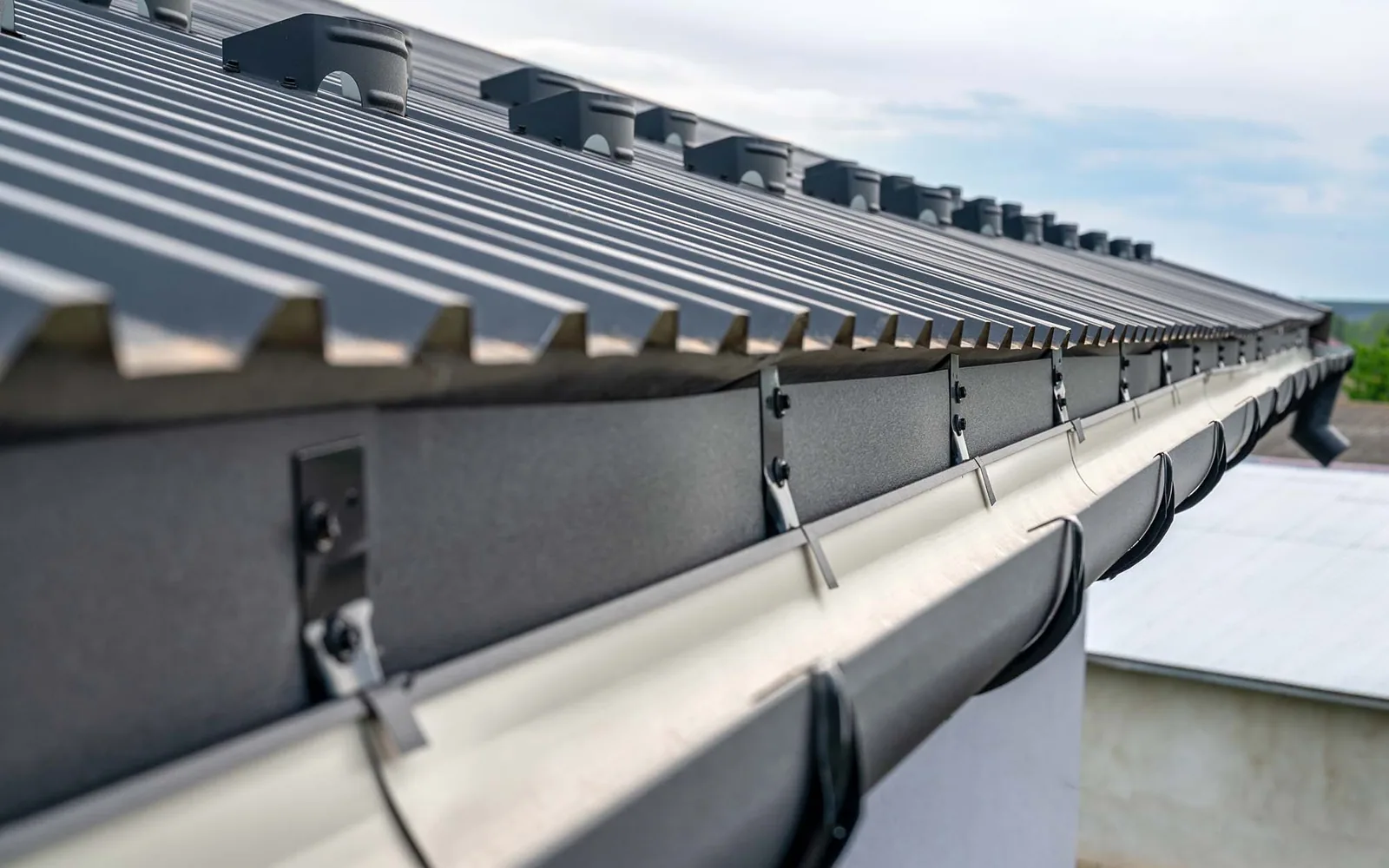
Process roofs may have multiple curbs and service paths that interrupt drainage. Trace the surface to drain bowls, scuppers, overflows, and gutters. Check strainers and clamping rings, then record whether water clears or collects in a low area. A drainage inspection can separate outlet maintenance from a deck or slope question. Do not treat a clear drain as proof that insulation below the membrane is dry.
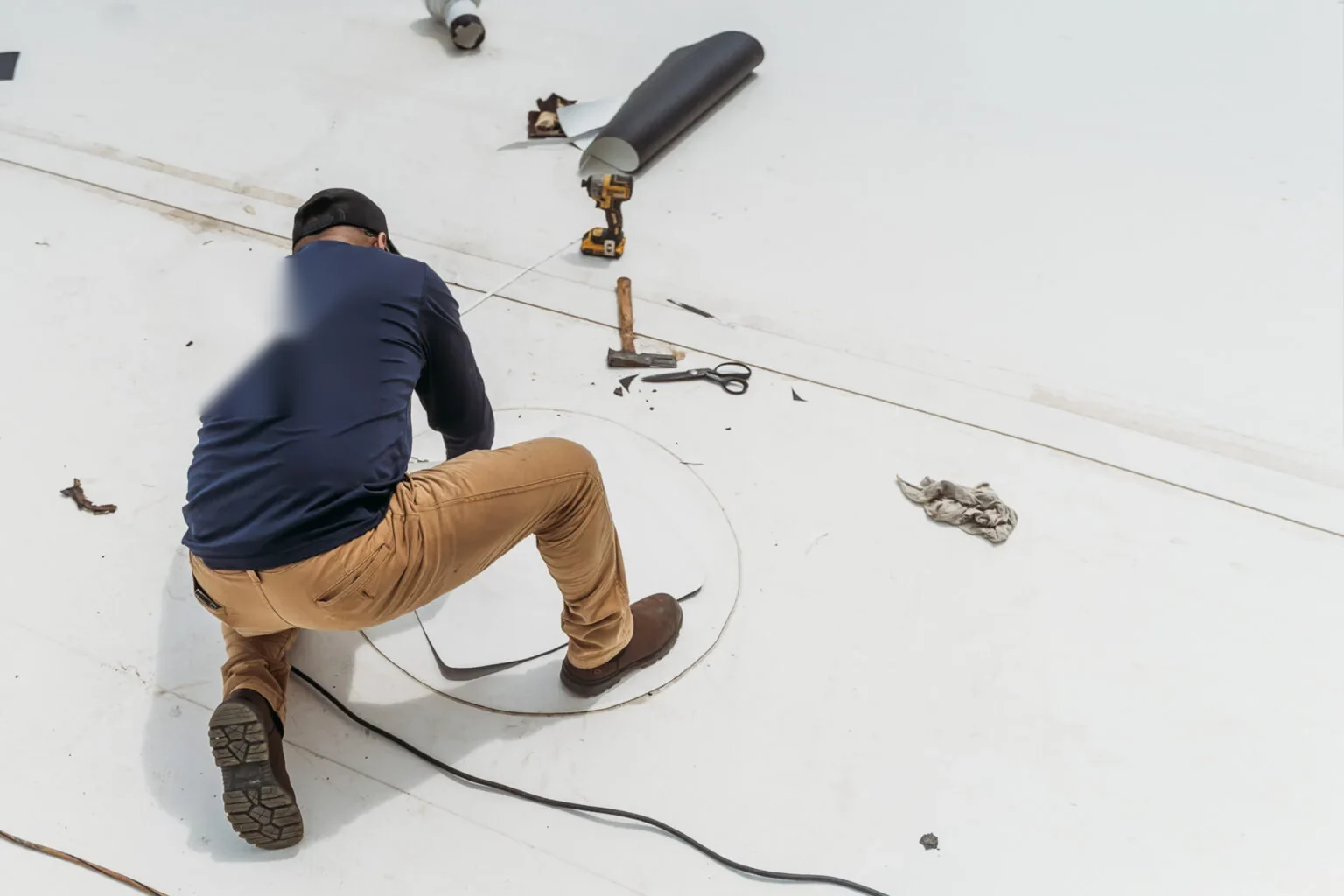
Water can travel away from the visible ceiling mark along deck flutes, insulation joints, or framing. Compare interior reports with roof transitions and prior repairs. If a test cut is needed, choose a location that answers the question, confirm plant approval, and plan how the opening will be restored before cutting. The result applies to that sample point; other zones may need separate review.
At a facility with a sensitive production area, agree on debris control, odor limits, vibration concerns, and equipment protection before staging. The plant contact defines any restricted zone. We identify where work can proceed and where a condition requires a different window. A phased roof sequence can separate day-to-day access from the permanent repair boundary.
Choose the Right Scope for the Assembly
An isolated seam or flashing failure may take a compatible repair when the receiving material is sound and the substrate is stable. Repeated leaks, widespread wet insulation, loose attachment, or a deteriorated deck can call for a larger scope. The repair plan should state the observed defect, preparation, material, roof zone, and limit. If conditions change after opening, pause at the agreed boundary and request direction.
A recover is considered only when the existing roof can remain, drainage elevations work with added layers, and the proposed assembly is suitable. A recover assessment records layer count, moisture findings, attachment, and edge transitions. If the deck or insulation needs broad correction, a replacement evaluation can compare removal, substrate access, and the new roof details.
Round Rock lists Toppan Photomasks and Emerson among its headquarters employers; Taylor's Samsung project is planned between Highway 79 and FM 973. Those facts do not establish a shared roof profile. Measure the actual assembly and assess equipment, drainage, access, and concealed conditions. Compare plant needs with a distribution building or data-center roof, then set scope from the observed system.
Set a Safe Production Window
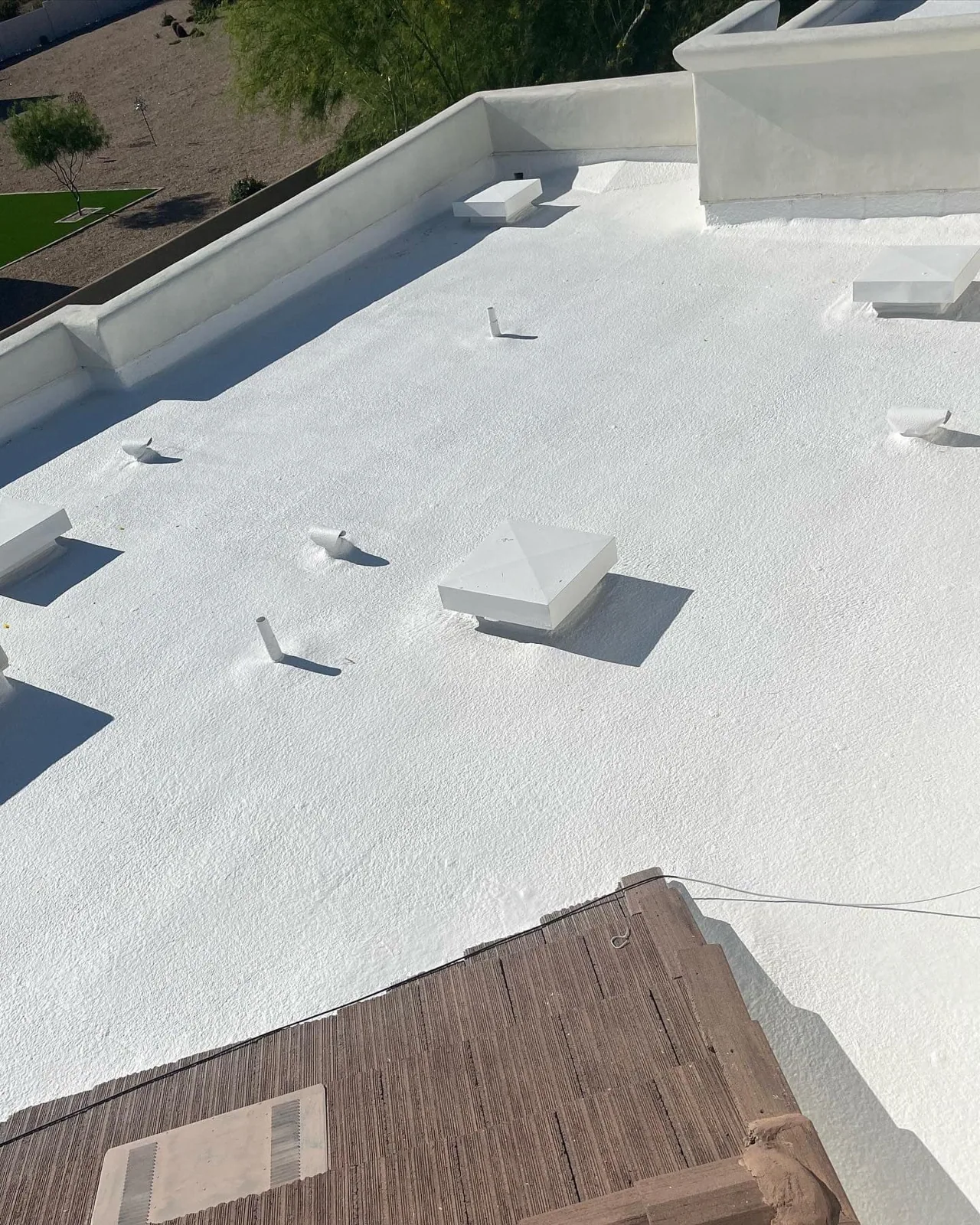
Roof work can affect production through noise, vibration, blocked routes, or interruption to equipment service. The plant identifies quiet periods, sanitation or cleanliness controls, high-risk rooms, and who can authorize a pause. We map staging and debris routes before delivery. If the roof can only be reached through a controlled area, document the escort and tool check as a condition of the work window.
Round Rock has industrial and logistics properties near I-35, SH 45, and SH 130. At Chisholm Trail Trade Center, three buildings occupy an industrial area near I-35 and Old Settlers Boulevard. Those corridors help explain service routing, but the plant manager confirms the actual gate, parking, lift setup, and truck movement rules. A Jarrell still requires site-specific access approval.
Before opening a roof zone, agree on the daily close-in point, forecast check, temporary protection, and communication contact. If the shift stops, the record should identify what was exposed, what was sealed, and who will release the next step. An installation date should not outrun the facility's shutdown plan or product conditions.
Close the Work With a Field Record
Record the plant and building, inspection date, reported event, roof zone, assembly, photographs, test results, work performed, and areas not reached. Note equipment or process conditions that shaped the access window. A useful closeout separates temporary protection from permanent repair and assigns every unresolved item to a person or next check.
East Old Settlers has two speculative buildings totaling 160,000 square feet; Pecan 130's first phase had two light-industrial office buildings. Those floor areas are not roof quantities. Field-measure each assembly and note separate additions.
Send the event date, affected department, active water status, access contact, roof plan, and any equipment restrictions. We will inspect the reported area, mark the repair boundary, and explain what remains uncertain before the plant schedules the next production window.
Questions About Manufacturing Plant Roofing
How do you keep roofing work separate from a production line?
The plant contact identifies the affected department, work hours, equipment constraints, and route to the roof. We mark the roof zone and set barriers, debris controls, and a daily close-in point around those limits. A restricted area stays out of scope until the authorized contact releases access.
Can process exhaust damage a roof membrane?
It can affect some materials, but the process source and installed system have to be identified first. We inspect residue, surface change, flashing, and seams around the discharge. The report distinguishes an observed roof condition from a suspected exposure and notes what remains to be confirmed.
What should happen if a test cut finds wet insulation?
Stop work at the test location, photograph the layers, and keep the opening weather-tight. We define how far investigation or removal should proceed and obtain direction before expanding the repair. The sample does not establish moisture conditions in an untested zone.
Does the Round Rock tornado history prove a plant was damaged?
No. The March 2022 tornado track through Round Rock and regional hail reports explain why an owner may request a roof walk. The inspection must show conditions at the facility, including which details were reached and what access restrictions limited the check.
Which roof work affects the project schedule most?
System compatibility, access controls, process shutdowns, weather, roof preparation, material lead time, and concealed deck or insulation conditions can change the sequence. We identify the approved work window and close-in point before opening each area.
Related Roofing Work
Commercial Roof Inspection
Hail Damage Roof Repair
Commercial Roof Drains and Scuppers
Commercial Roof Repair
Distribution Center Roofing