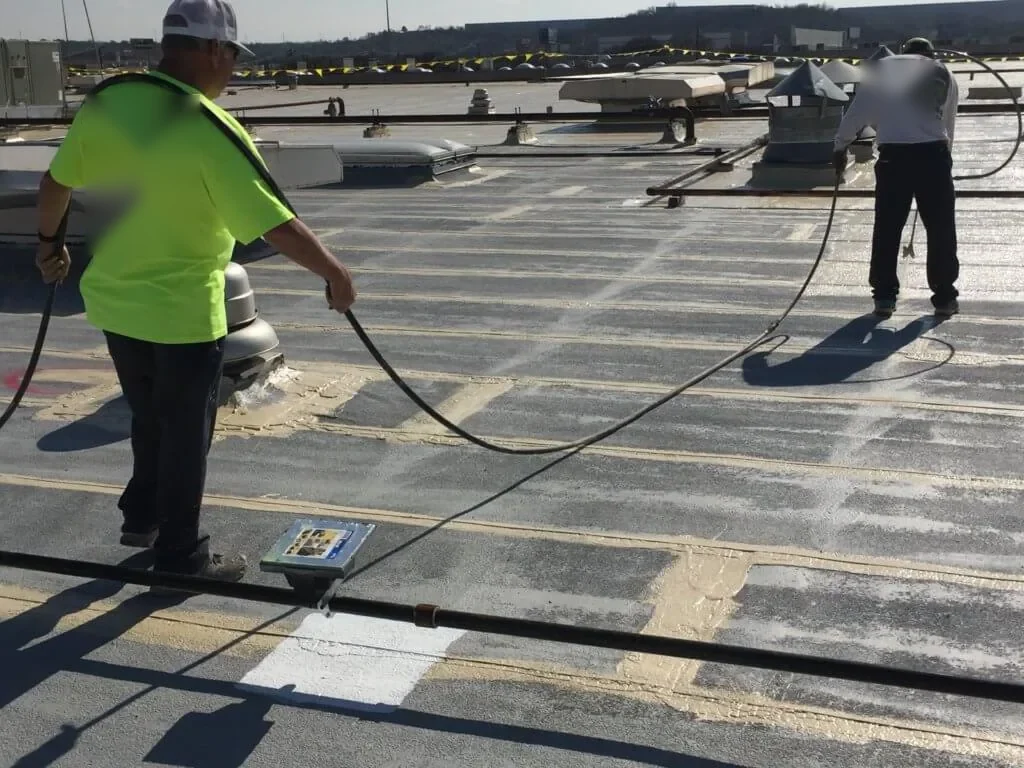
Review the Existing Assembly
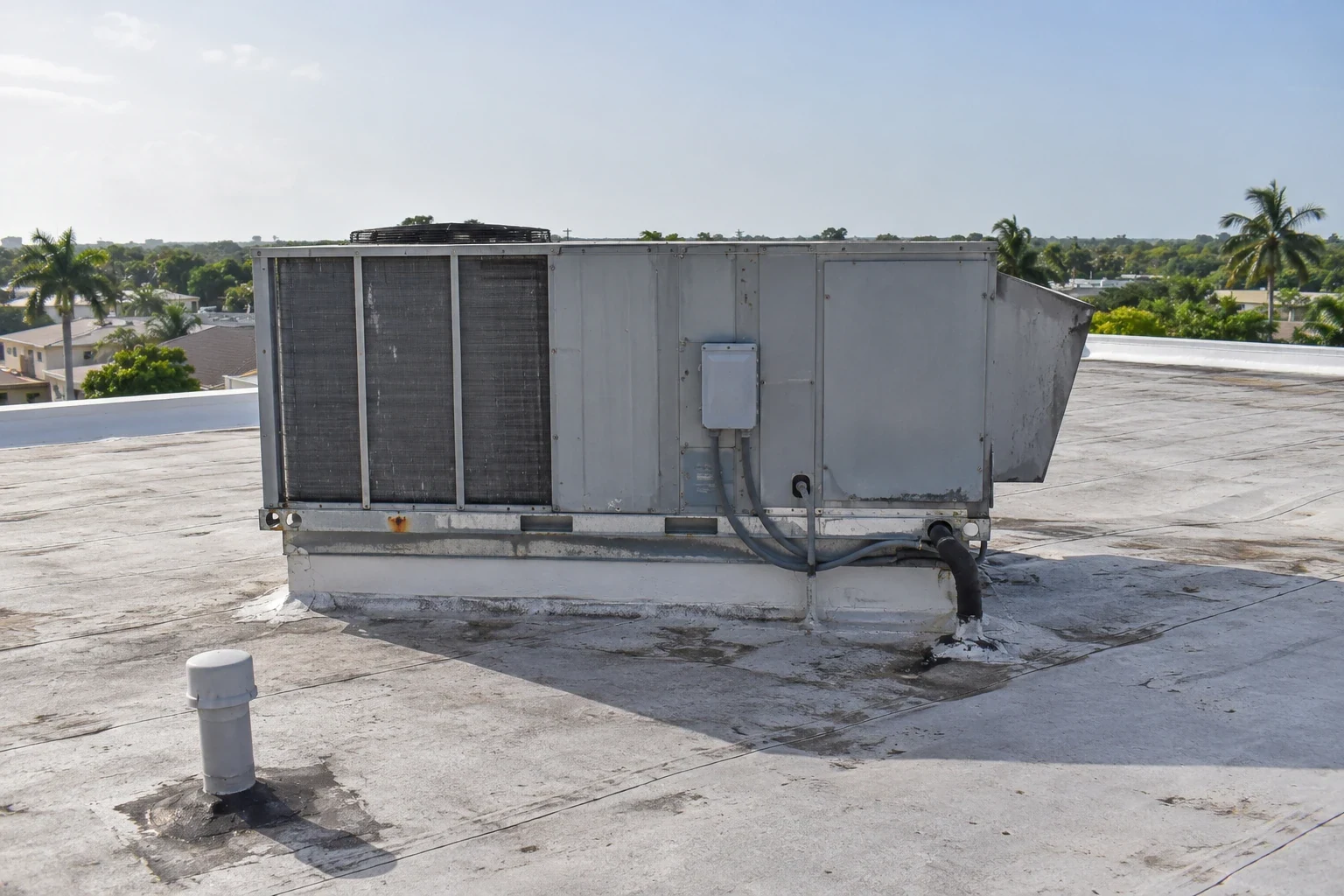
A reflective roof surface can reduce solar heat absorption, but color alone does not tell us whether the roof is ready for installation. We check the existing membrane, insulation, drainage, seams, and rooftop equipment first. If water or loose material sits below a coating, the reflective finish will not correct that condition. The roof walk identifies whether restoration or replacement can support the proposed surface.
Long summer heat is part of roof planning in Round Rock, and nearby Austin Camp Mabry climate normals provide a useful regional reference. Roof exposure still varies by building orientation, shade, equipment, and roof assembly. At retail or hospitality properties near IKEA Round Rock, Kalahari, and Dell Diamond, operating hours and rooftop equipment also affect when crews can prepare and coat an area.
Send the address, roof-system records, current leaks, drainage concerns, equipment restrictions, and any energy or color requirements. We will inspect whether the roof can support a reflective system. Call 555-555-5555 or request a roof assessment.
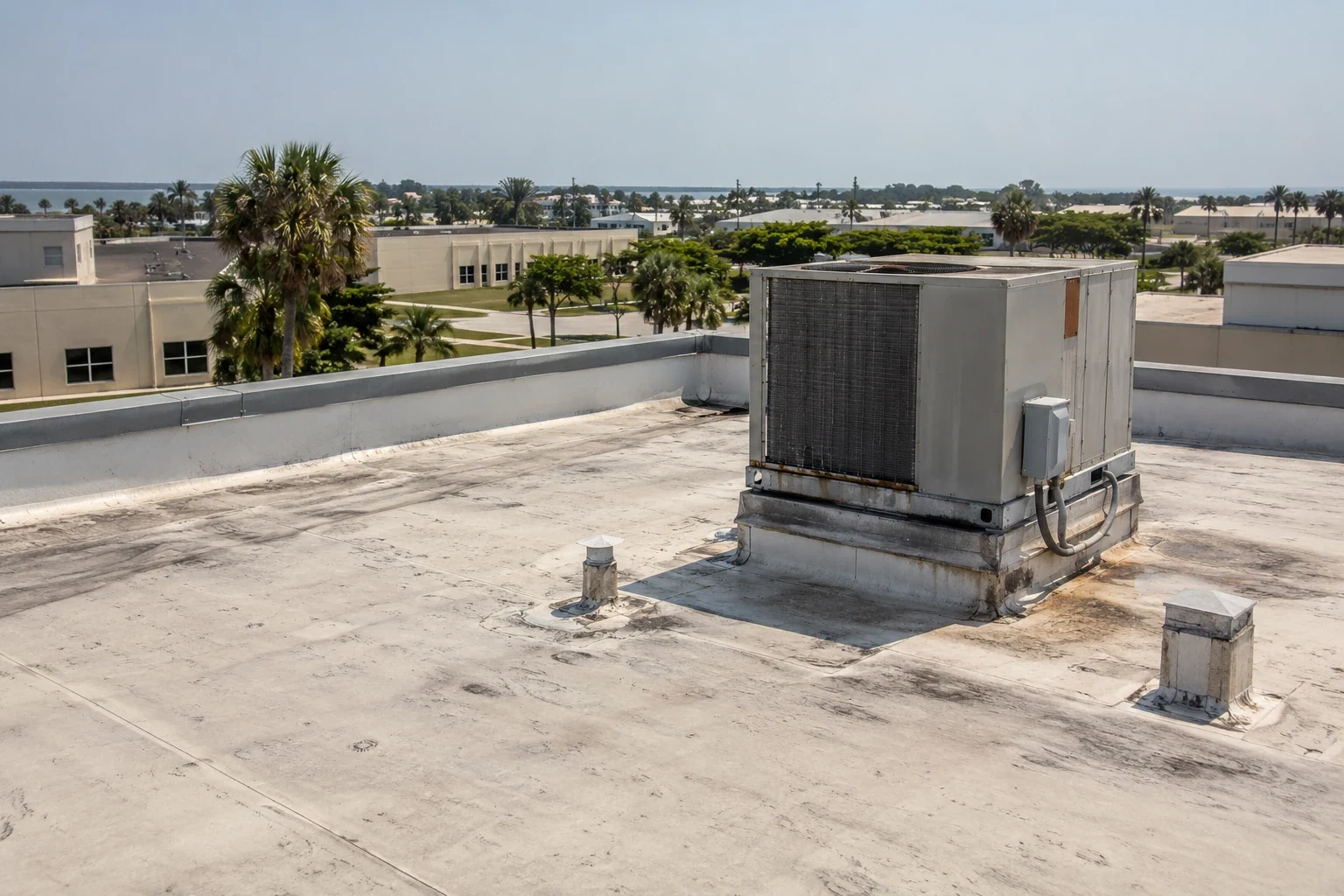
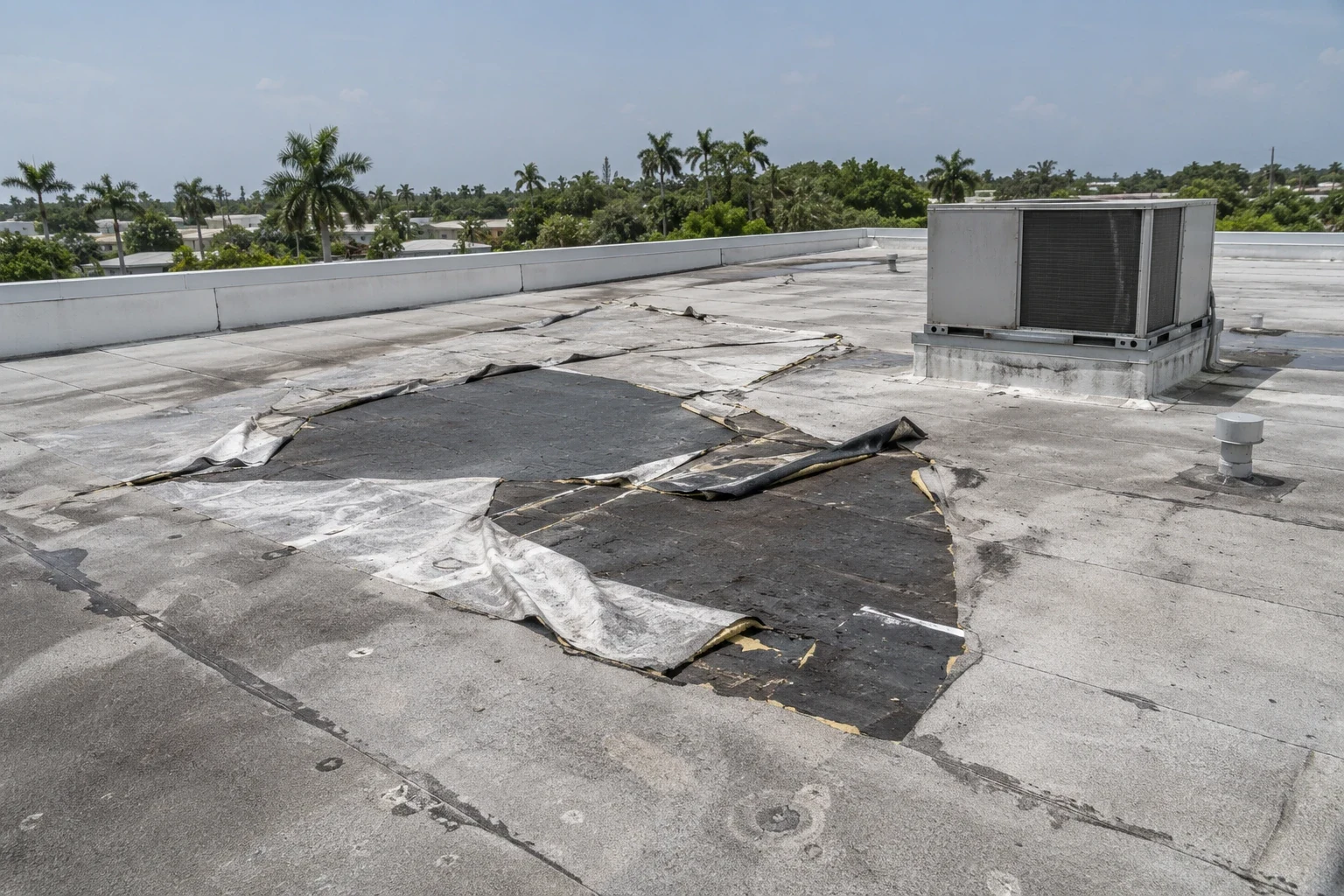
Check What the Existing Roof Can Carry
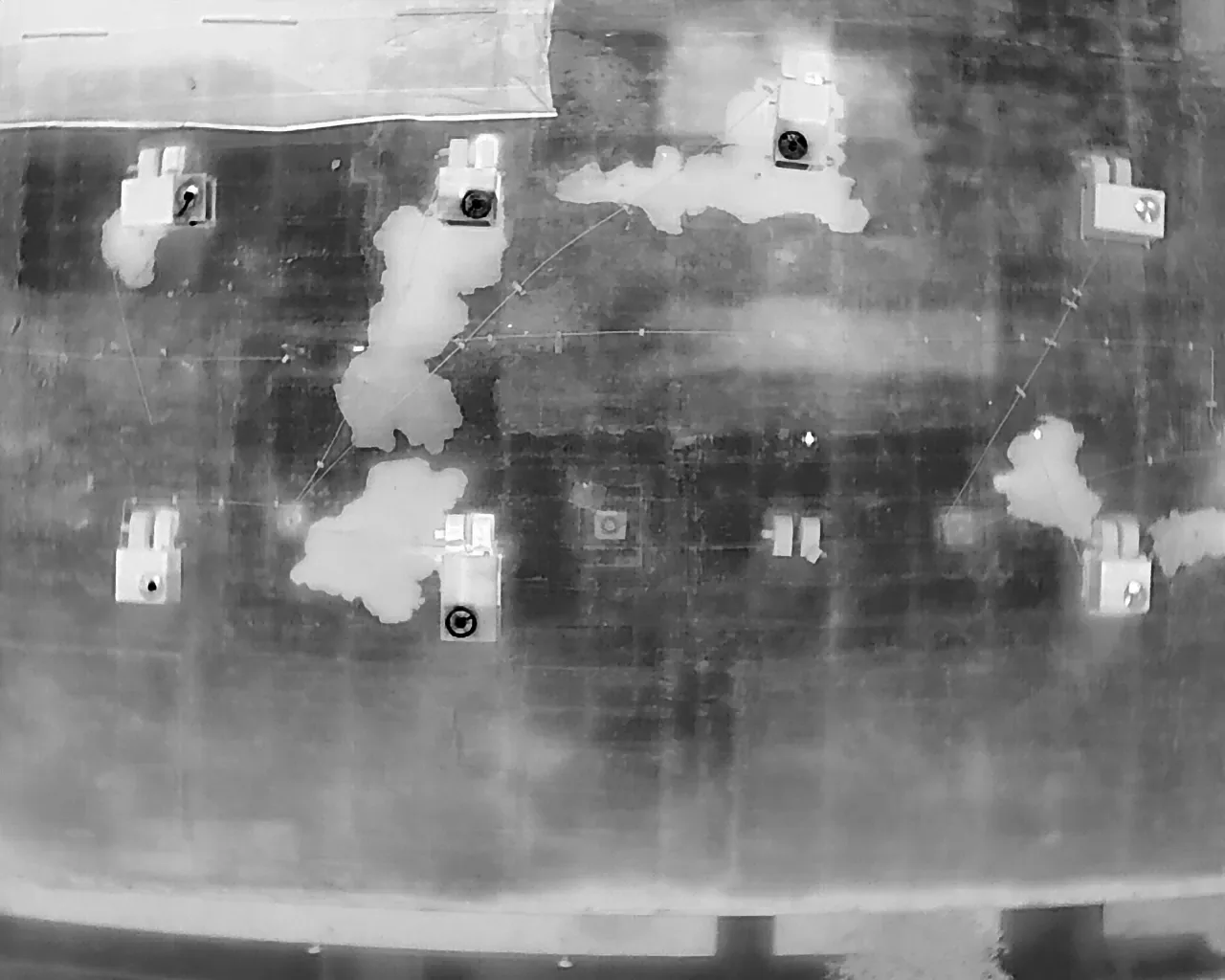
We inspect seams, flashings, penetrations, drains, blisters, and areas where the membrane has lost attachment. The roof assembly must be dry and stable before a reflective coating or new membrane is placed. If readings suggest moisture below the surface, we identify test locations. A sample cut can show the layers at that point, then we map its limits before deciding whether more openings are needed.
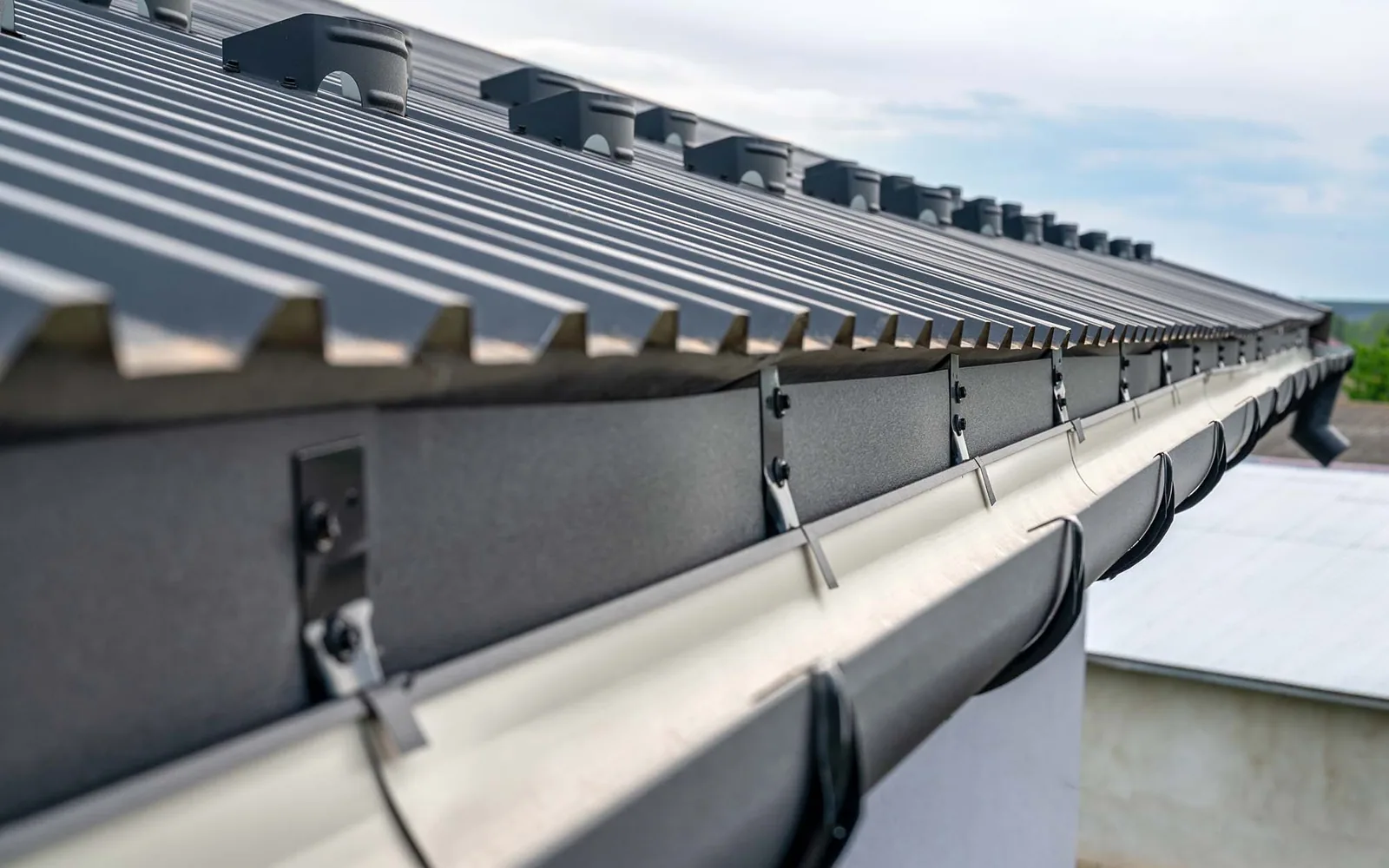
Drainage needs special attention. A reflective layer follows the surface beneath it, so it will not reshape a depression or lift a settled deck. We mark low spots and check whether drain bowls remain accessible after the added layers. If tapered insulation or a cricket correction is needed, the design should account for curbs, door thresholds, and equipment supports before material is selected.
Existing roofing can include prior patches, aged coating, or more than one membrane layer. We identify visible repairs and ask for records where available. Adhesion testing may be useful when the new product must bond to an existing surface. Its result applies to the tested area, so the test location and preparation method stay in the report.
Warm roof areas can also come from equipment exhaust, kitchen vents, or process discharge. We record those sources before comparing surface options. A reflective coating should not be placed where exhaust deposits oil or residue that the specified system cannot tolerate. The building contact can identify units that cycle at night or discharge at a special temperature, which helps us select test areas and plan cleaning.
Compare Reflective System Choices
A coating can restore a compatible surface after cleaning, preparation, and detail repair. A new membrane may be more appropriate when the current assembly is worn, wet, or poorly attached. Some roofs need tear-off or a recover assembly with new insulation and cover board. We compare those paths against the field findings and state which layers remain in place.
System selection depends on the existing membrane, slope, drainage, rooftop traffic, attachment, and manufacturer requirements. A reflective finish can be white or another specified light color, but the product still needs an approved substrate and dry application conditions. A coating is measured by the area and film thickness required; it is not a substitute for flashing reconstruction at a curb or wall.
Where cooling or energy targets guide the project, the owner may need a design professional to evaluate whole-building performance. Roof color is one factor among insulation, ventilation, equipment load, occupancy, and controls. We provide the roofing assembly and product information for review. We do not infer energy savings from a color choice alone.
Owner requirements may include reflectance, color retention, warranty terms from a manufacturer, or compatibility with an existing maintenance program. We put the product and preparation limits in writing. A proposed coating should be checked against roof slope and expected foot traffic, since frequent service paths can wear a film or require walkway pads. If the roof has solar equipment planned, we also consider future attachment points before treating the field.
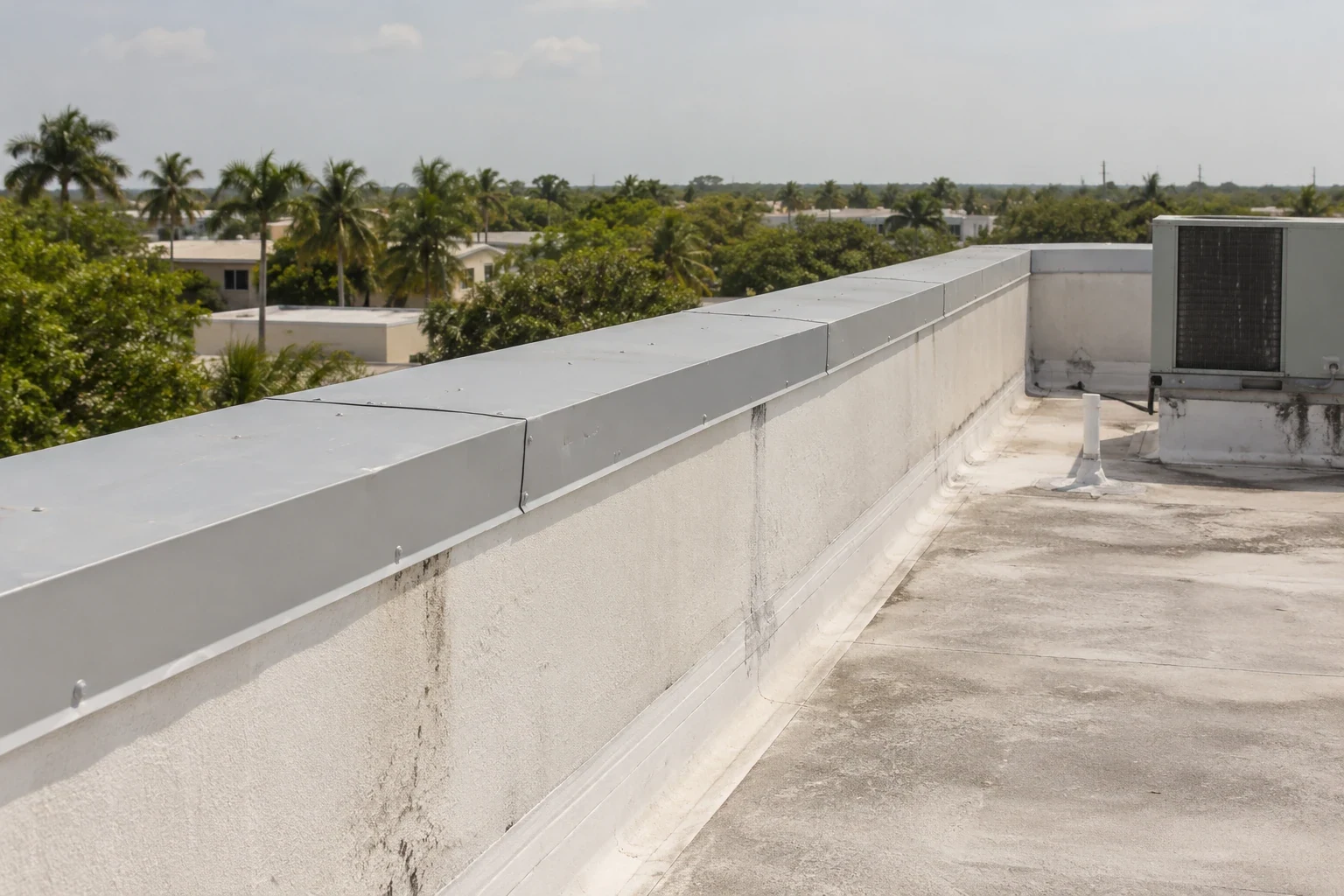
Plan Preparation and Occupancy
Surface preparation takes time and controls adhesion. The crew may need to remove loose coating, clean contaminants, dry the roof, repair seams, and protect drains or equipment. Moisture, wind, and temperature affect when a product can be applied. The work plan identifies the area prepared each day and the point where a new roof zone can be opened safely.
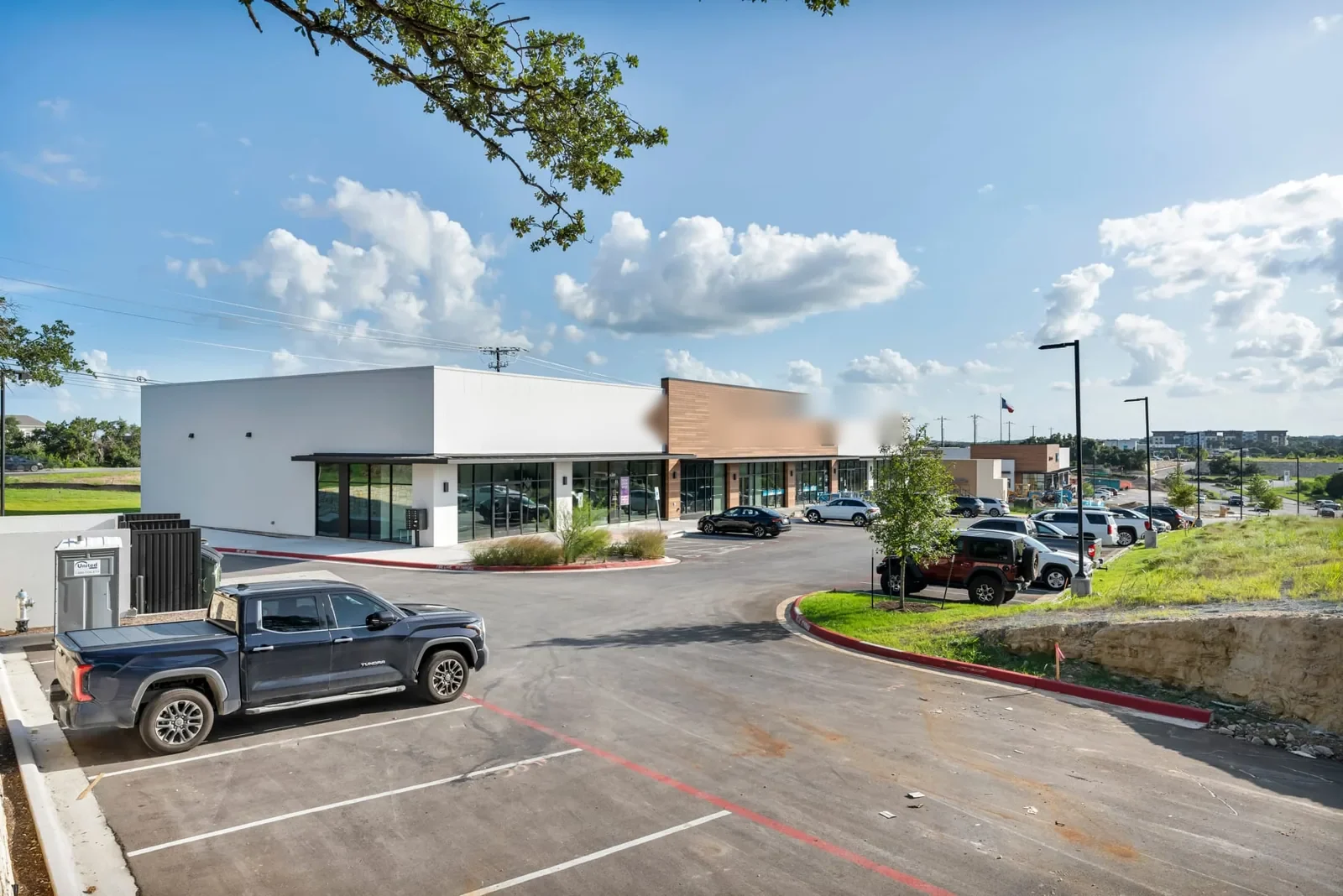
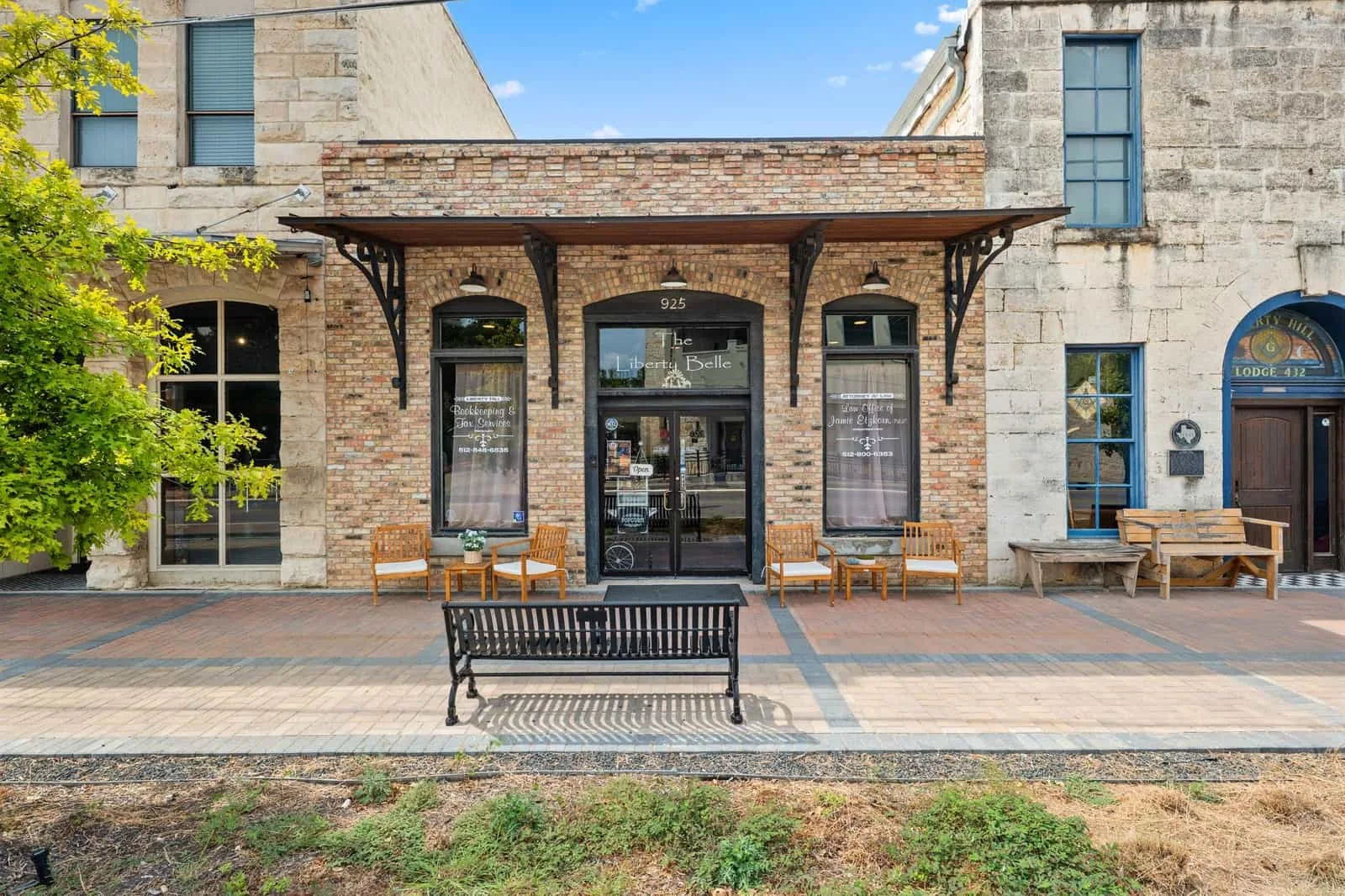
Across Round Rock and nearby Leander and Liberty Hill, occupied retail and hospitality properties may have narrow delivery windows or customer-access limits. We coordinate roof-hatch access, odor-sensitive spaces, and equipment shutdowns with the property contact. Estimate factors include preparation, repair density, roof height, edge conditions, protection, and system thickness.
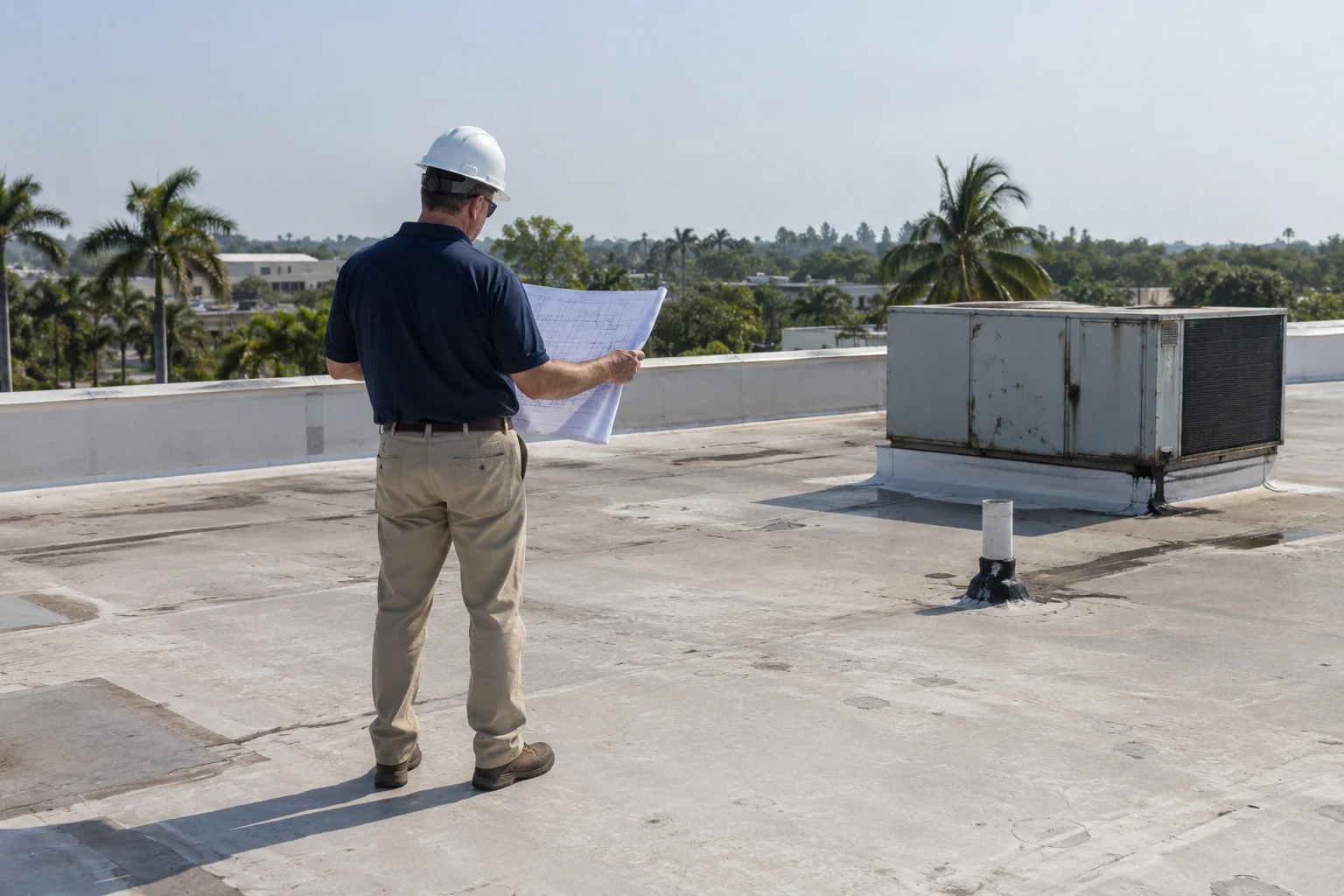
A broader condition review can include commercial roof inspection and a moisture survey where hidden wet areas are suspected. Drainage work may require drain or scupper correction. We can also compare a silicone coating or TPO membrane when those options fit the assembly.
Heat also changes the work sequence. A surface that warms quickly may have a narrower application window for some products, while afternoon storms can interrupt preparation or cure. We set daily limits around the product instructions and forecast conditions. If a section cannot be closed properly before crews leave, that area stays protected and the schedule shows the next safe step.
Verify the Finished Surface
Before installation, we document the roof zones, repairs, drains, and substrate test locations. Product records identify the specified materials and application conditions. During work, photos show preparation, detail repairs, reinforcement, and finished coverage. The closeout lists any areas excluded from the coating or membrane scope and explains why they remain separate.
A final walk checks surface continuity, terminations, seams, and drainage openings. If the system requires a cure period, the owner receives the access limit and the time before rooftop traffic resumes. A reflective finish can appear complete before a concealed detail has been tested by rain, so the report separates visual completion from observed performance.
Keep the roof plan, product data, test results, and service records together. Future repairs should use compatible products and follow the installed system detail. When a leak develops later, the map helps locate the work boundary and determine whether a new opening or a prior transition needs review.
Reflective performance depends on more than a product's color. The substrate must be clean, dry, compatible, and able to drain; rooftop units and parapets can shade portions of the field. We compare existing temperatures and roof use with the proposed assembly, then confirm how walk pads, curbs, and future service access will be handled. A cooler surface does not correct poor insulation or blocked drains by itself. The proposal should identify the system layers and any energy assumptions separately, so the owner can judge the roof work on verified scope as well as projected operating benefits.
Questions About Commercial Cool Roof Installation
Will a white roof lower our energy bill?
Lower roof absorption can help reduce heat transfer, but building savings depend on insulation, equipment, occupancy, controls, and climate. We specify the roof work and leave whole-building projections to the project design team.
Which existing roof conditions can support a reflective coating?
Compatibility comes first. The substrate must be dry and securely attached, and we inspect the assembly before selecting a coating system. Testing may be needed where prior repairs or coatings affect adhesion.
Can a cool roof coating correct a low area that holds water?
A reflective coating follows the existing slope. If the roof holds water, we inspect the low area, drains, and deck before deciding whether slope correction belongs in the project.
How long will the roof be closed during coating?
The schedule depends on preparation, weather, cure time, and the area being treated. The work plan states when each zone is open to crews and when building staff can resume rooftop access.
Can we coat a roof with old repairs?
Previous patches need to be identified and tested for compatibility. We repair unstable details and document any area that should remain outside the new coating boundary.
Related Roofing Work
Leander
Liberty Hill
Commercial Roof Inspection
Infrared Roof Moisture Survey
Commercial Roof Drains and Scuppers