
Inspect the TPO Seam
A TPO seam should fuse into a continuous sheet when the welder settings and membrane surface are right. A weak pass may look closed but separate under a probe. We check the seam, lap direction, flashing, and attachment as part of the installed assembly. Round Rock buildings range from the Dell Technologies campus to logistics space near Chisholm Trail Trade Center, so access and roof details vary by property.
Heat and severe storms are part of the Central Texas setting. The membrane selection still depends on the roof design, drainage, and building use. A roof walk documents the field condition; regional weather alone does not show whether a TPO sheet or seam has failed.
Send the building address, roof plan, membrane records, leak location, and access rules. We will inspect the seam or flashing and mark the repair boundary. Call 555-555-5555 or request a roof assessment.
Check Welds and Sheet Layout
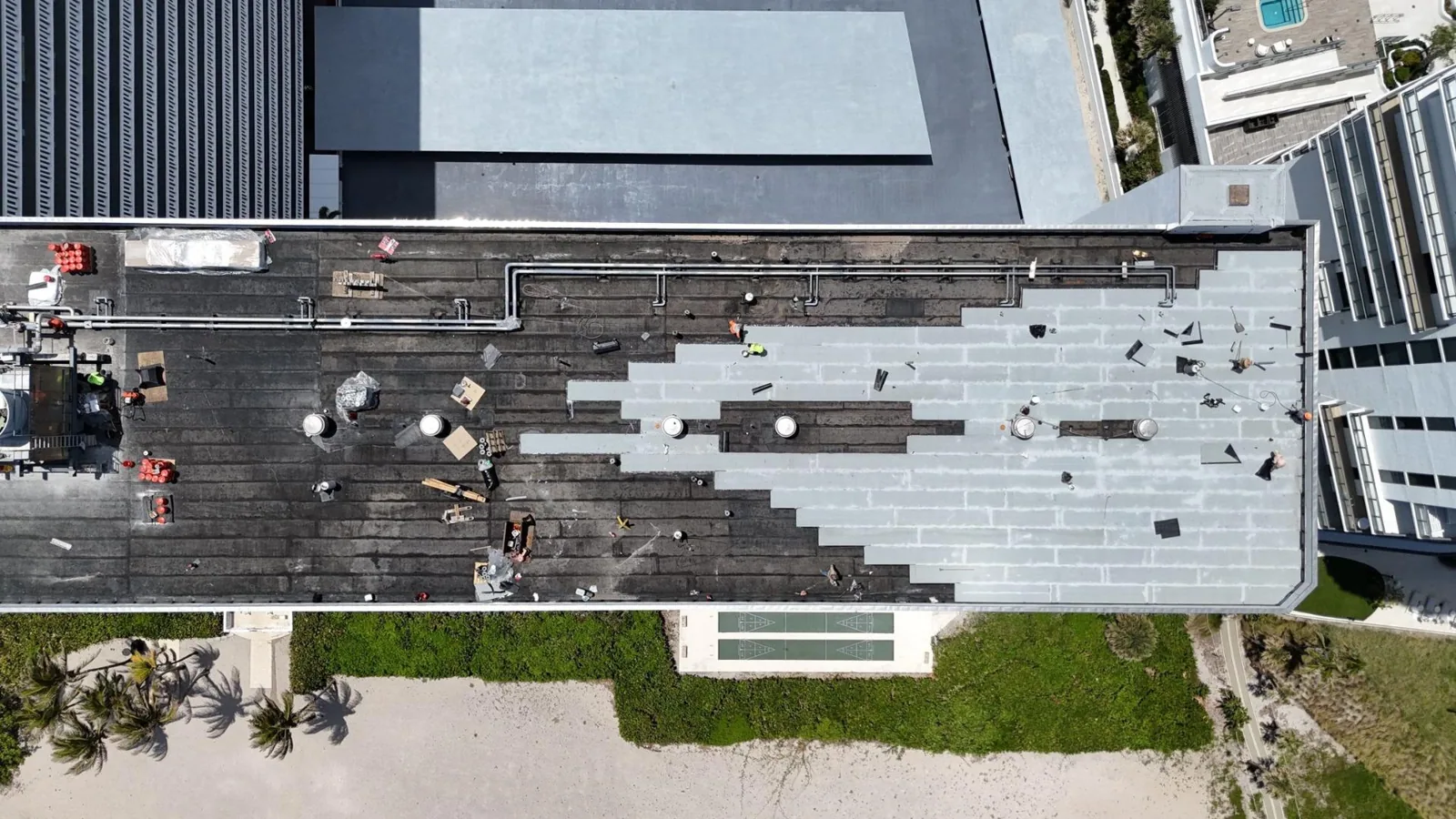
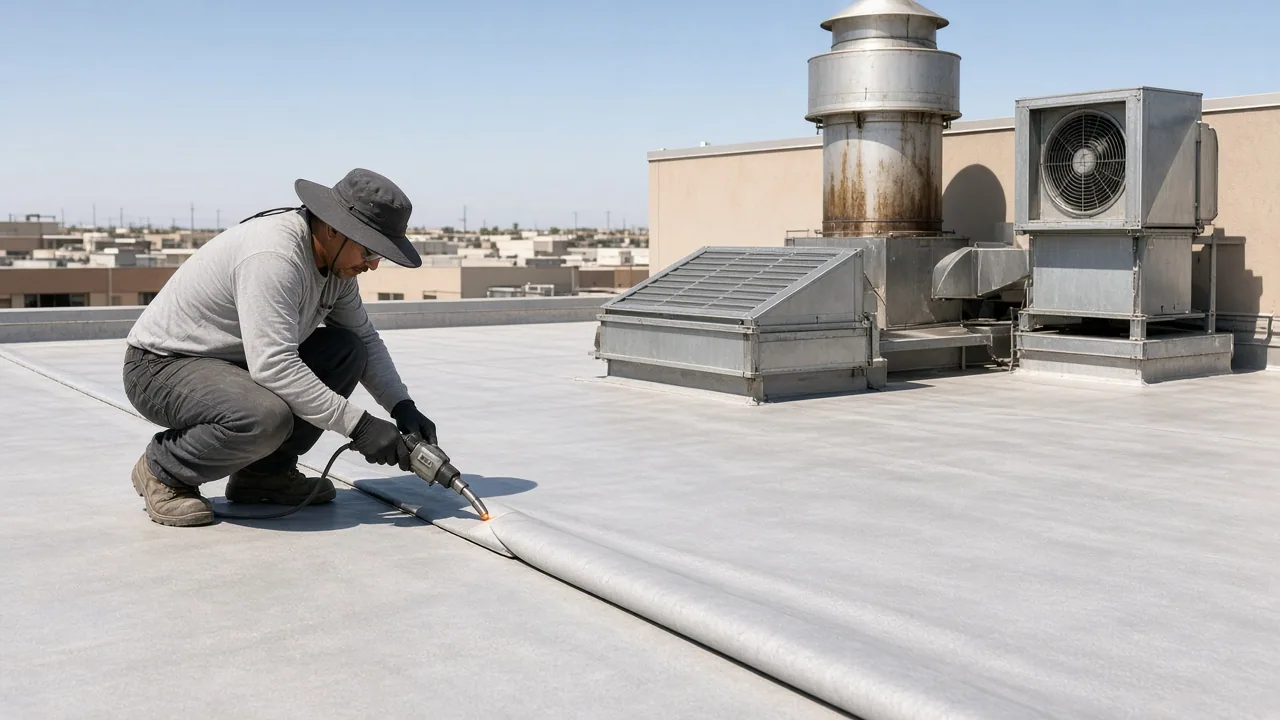
TPO is a thermoplastic single-ply membrane. Its field seams are heat welded, and flashing pieces are welded or otherwise detailed to the system requirements. We inspect the width of the lap, alignment at intersections, patches, and changes in plane. A probe can find an open edge, but it cannot test every inch of a large roof. We map sampled areas and note conditions that need a closer pass.
Sheet layout affects how seams meet drains, curbs, and roof edges. A patch that crosses several details may create unnecessary weld intersections. We review the repair location and plan the replacement piece so the new weld has sound membrane on both sides. At a curb, the vertical flashing and corners must remain tight where movement and water collect.
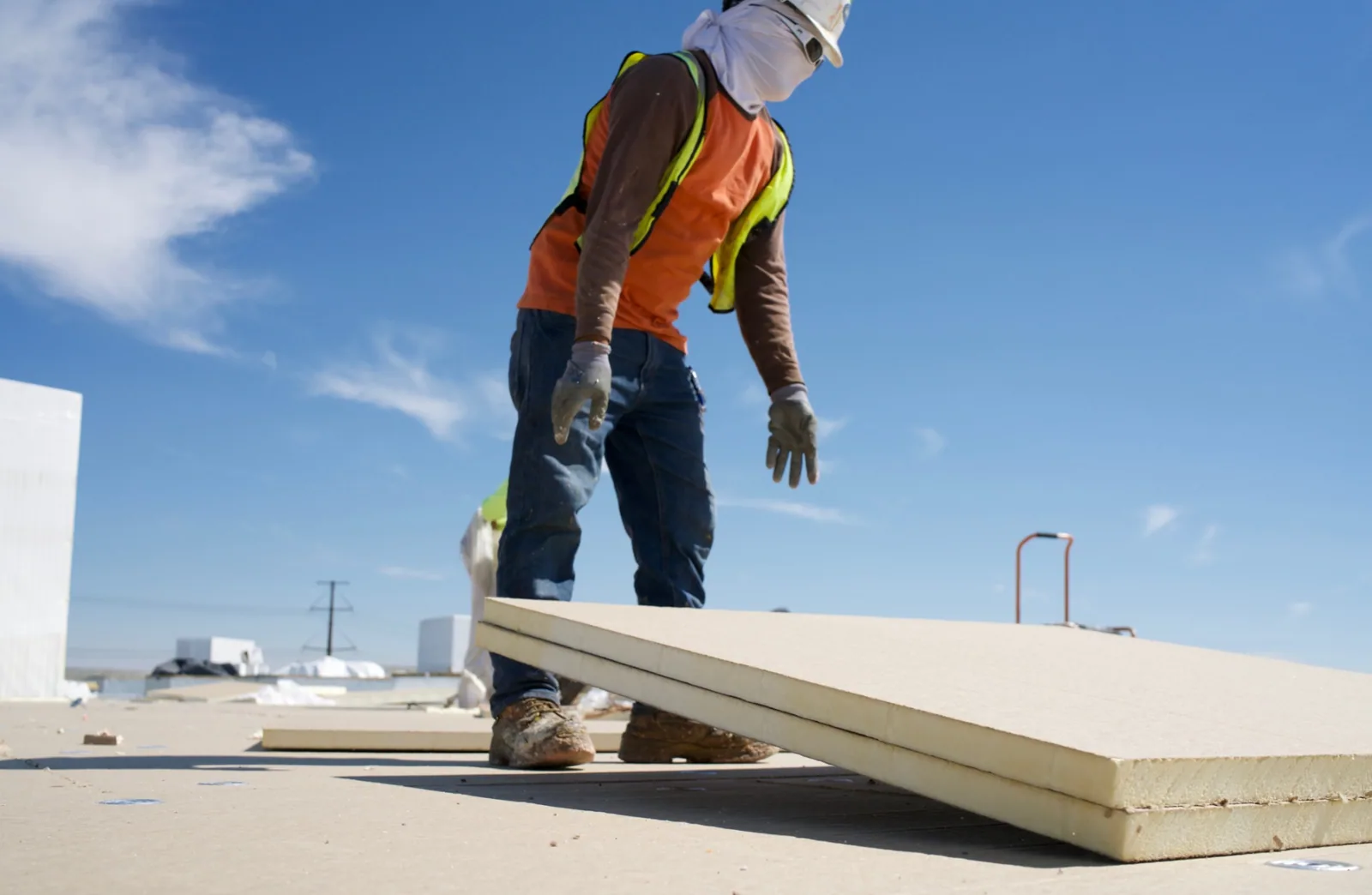
Attachment can be mechanically fastened, adhered, or part of another approved assembly. We identify visible fastening rows, plate locations, perimeter securement, and any lifted area. If the deck or insulation is concealed, drawings or an approved test cut may be needed before selecting the repair. The report separates observed membrane damage from suspected conditions below it.
Seam intersections deserve careful layout. A field lap that meets a curb corner, drain flange, or prior patch can leave several layers of material at one point. We check the weld at those transitions and look for fishmouths, wrinkles, or dirt trapped beneath the sheet. If water can enter at an intersection, we draw the repair so each edge can be welded and inspected instead of burying the defect under a broad cover patch.
Attachment also changes how a TPO roof responds to movement. Mechanically fastened rows transfer load through plates and fasteners; adhered systems rely on bond across the substrate. A lifted section may point to a local bond issue or a larger attachment condition. We document what is visible and identify whether a test opening is needed before extending the work area.
Restore the TPO Transition
For an open seam, repair begins with cleaning and preparing the membrane surface. The crew uses compatible material and verifies the weld with a probe after the sheet cools. At penetrations, we check the boot, field wrap, curb corners, and termination. A surface patch should extend onto sound membrane and avoid trapping moisture beneath the repair.
Heat aging, dirt, prior coating, and repeated repairs can affect weldability. A test weld helps confirm that the selected procedure can bond to the existing sheet. If the surface cannot be prepared to a reliable condition, a larger section may need replacement. We document the test location and result before extending the repair boundary.
For a major replacement, the project lead checks Round Rock's permit process and the currently adopted construction and energy codes. We list the roof layers and close-in points so the building team can coordinate its review before work starts.
Field welding is sensitive to surface condition and equipment setup. The installer checks the welder on a test strip, adjusts speed and temperature for the material, then verifies the cooled seam. Dust, moisture, wind, and surface temperature can affect that process. A daily quality record lists test-weld locations and corrections made, giving the owner a traceable record for each work zone.
Compare Repair and Replacement
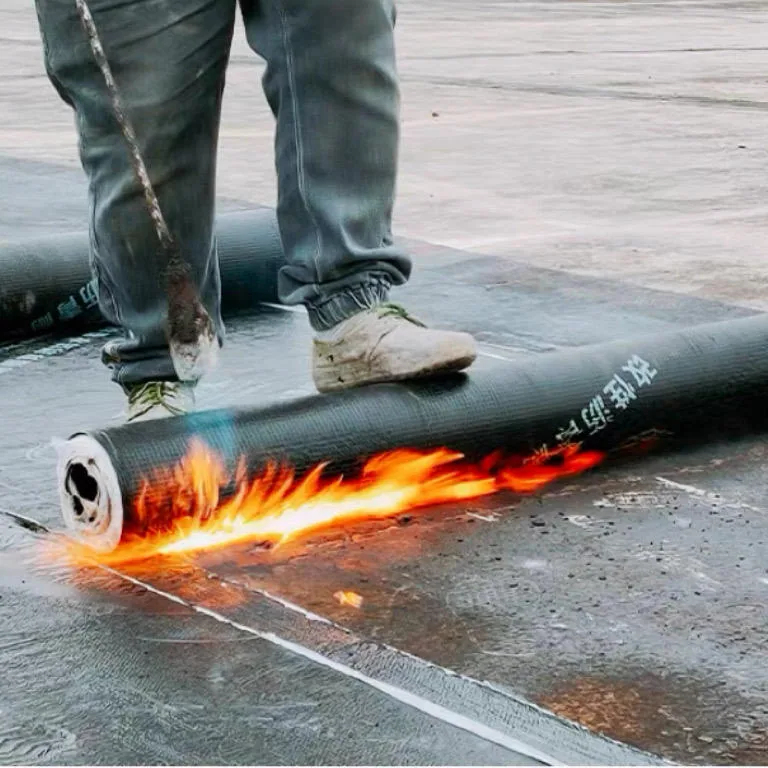
A localized weld repair may address one split seam or puncture when the surrounding sheet remains secure. Multiple failed laps, brittle membrane, wet insulation, or widespread attachment concerns can point to broader replacement. We mark the areas supporting each option and keep the estimate quantities tied to that map. If a test cut finds wet layers, the owner sees the sample before the removal limit expands.
Cost drivers include roof height, sheet width, attachment type, perimeter detail, insulation, deck condition, drain count, and rooftop equipment. At a commercial property in Pflugerville or the Chisholm Trail Road and Old Settlers Boulevard corridor area, site access and delivery rules can affect staging. The roof plan and facility contact define those conditions.
Related scopes include a roof inspection, drainage work, or insulation and cover-board replacement. If a coating is under consideration, compatibility must be checked against the membrane. We can compare a PVC assembly or EPDM system when the project design supports those options. A data-center roof may also need controlled rooftop access.
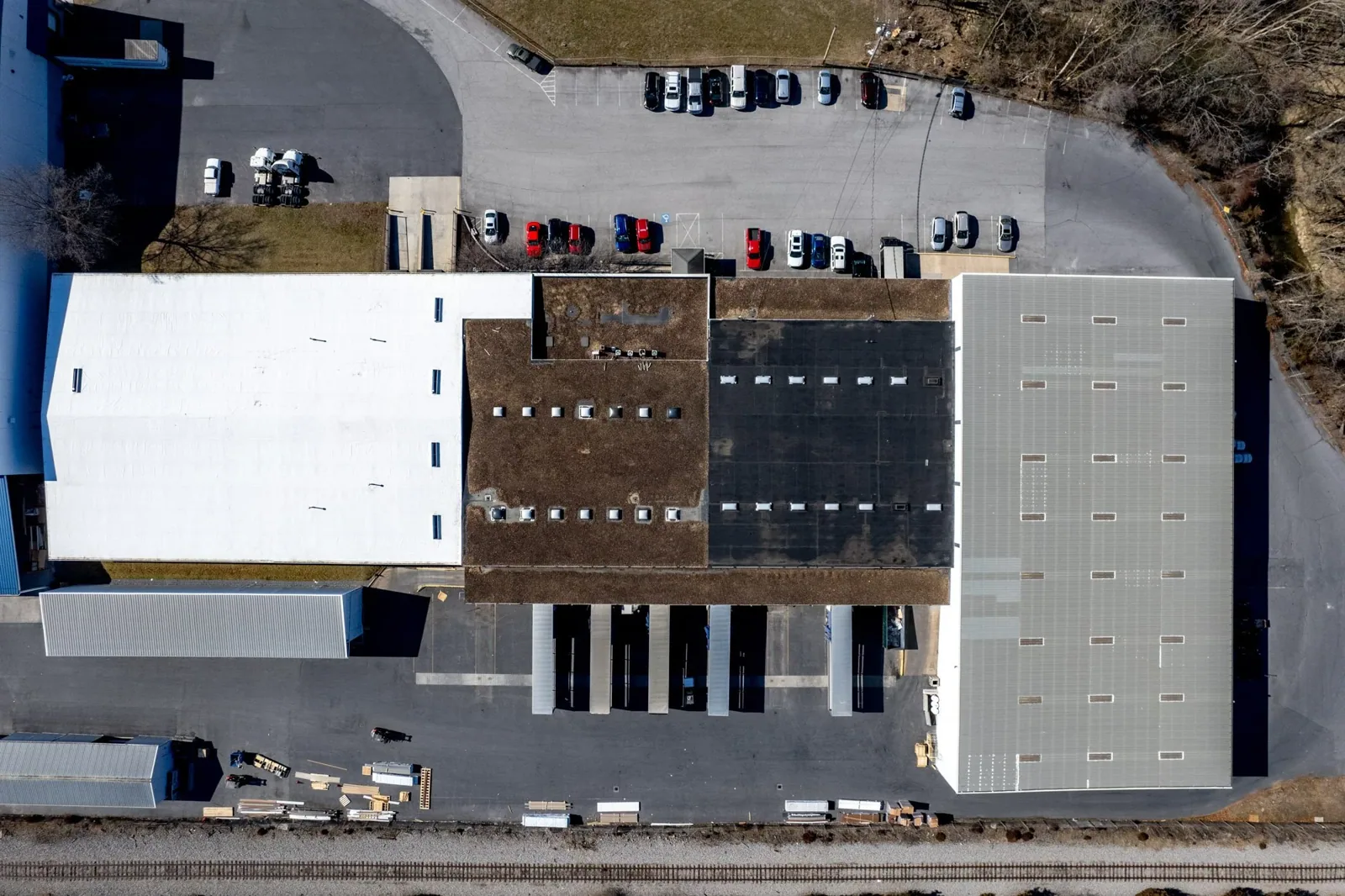
For a phased reroof, we review each roof zone for sheet direction, equipment access, and a safe closure line. The map shows where new material meets existing TPO and where a temporary tie-in will be needed. That detail can control how much area is removed during one shift.
Test and Photograph the Repair
Before repair, photos show the roof zone, open seam, adjacent detail, and any interior leak marker supplied by the owner. During work, images record surface preparation and the completed weld before it is covered. Closeout identifies the membrane product, repaired seams, test points, and any portion left for monitoring. It does not imply that uninspected roof areas have the same condition.
After rainfall, staff can report whether the same interior symptom appears. The closeout records whether the repair has experienced rainfall. A later roof walk compares the seam edge and adjacent details with the saved photos.
Keep TPO product data, test-weld notes, roof plans, and repair photos together. That history helps a future crew avoid incompatible material or a patch that lands across an old repair. When equipment is replaced, tell the roofing contact before the curb or pipe flashing is disturbed.
Before authorizing a TPO repair, compare the proposed patch with the sheet layout and the condition of nearby welds. A localized seam repair may be enough when the membrane remains flexible and the surrounding attachment is sound. Where repeated patches, brittle material, or concealed moisture change that picture, expand the inspection before pricing a larger replacement. The written scope should distinguish verified defects from conditions that still need testing.
Questions About Commercial TPO Roofing
How do you check a TPO seam?
We inspect the lap and use a probe at accessible edges after checking the surface condition. The report identifies sampled locations and any seam that needs repair.
Can an older TPO roof be rewelded?
A test weld can show whether the prepared sheet will accept a new bond. Age, dirt, prior coating, and surface damage affect that result.
What does one open TPO seam tell you about the rest of the assembly?
One open lap can be local if the surrounding membrane and attachment remain sound. We map related failures before recommending a larger scope.
What affects TPO roof installation timing?
Roof area, attachment, insulation, edge details, equipment access, weather, and required close-in review all affect the sequence.
Can you repair a TPO curb leak?
Yes, when the membrane and curb can accept a compatible flashing repair. If the curb moves or concealed layers are wet, the scope may need another trade or test cut.
Related Roofing Work
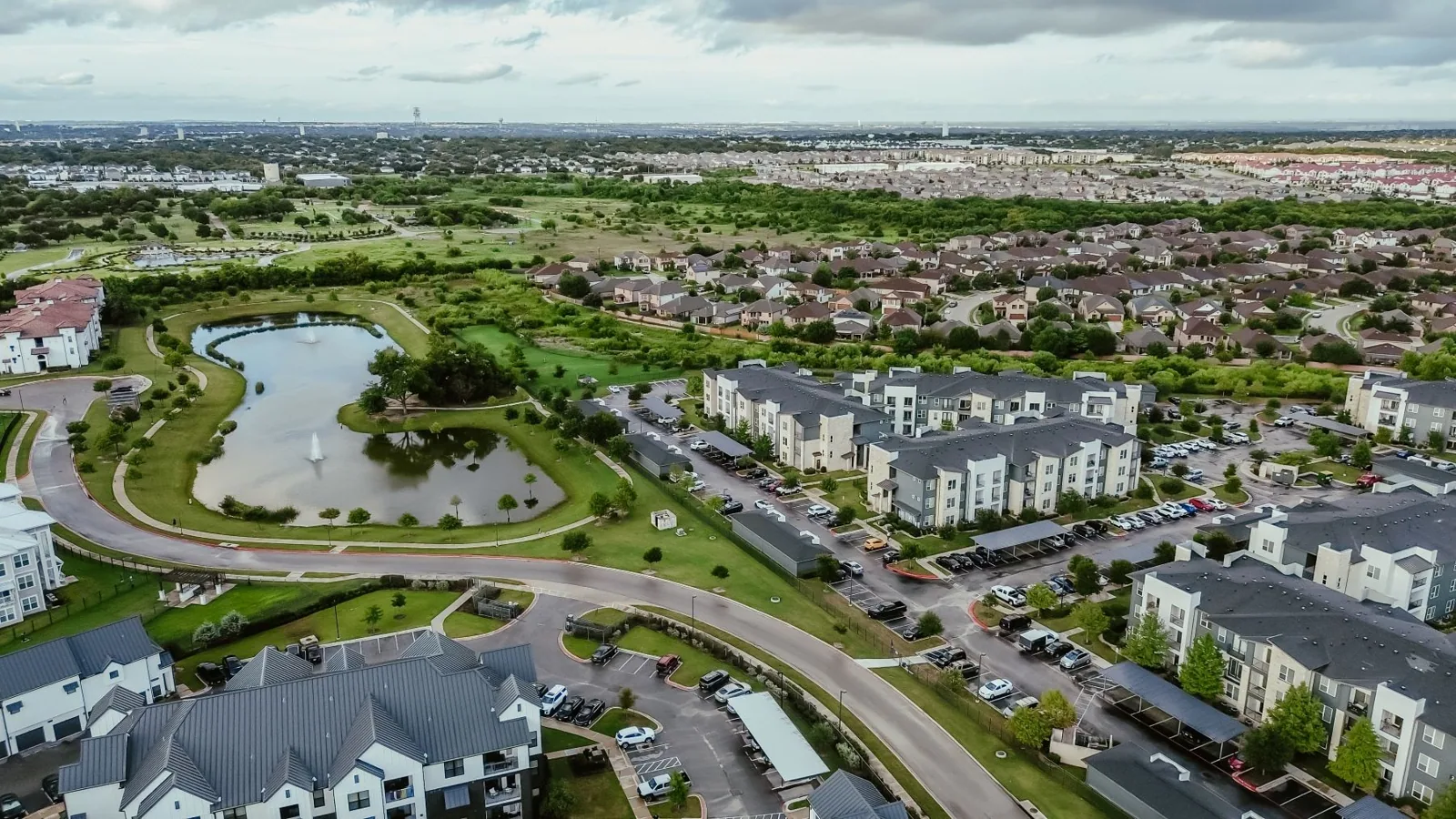
Pflugerville
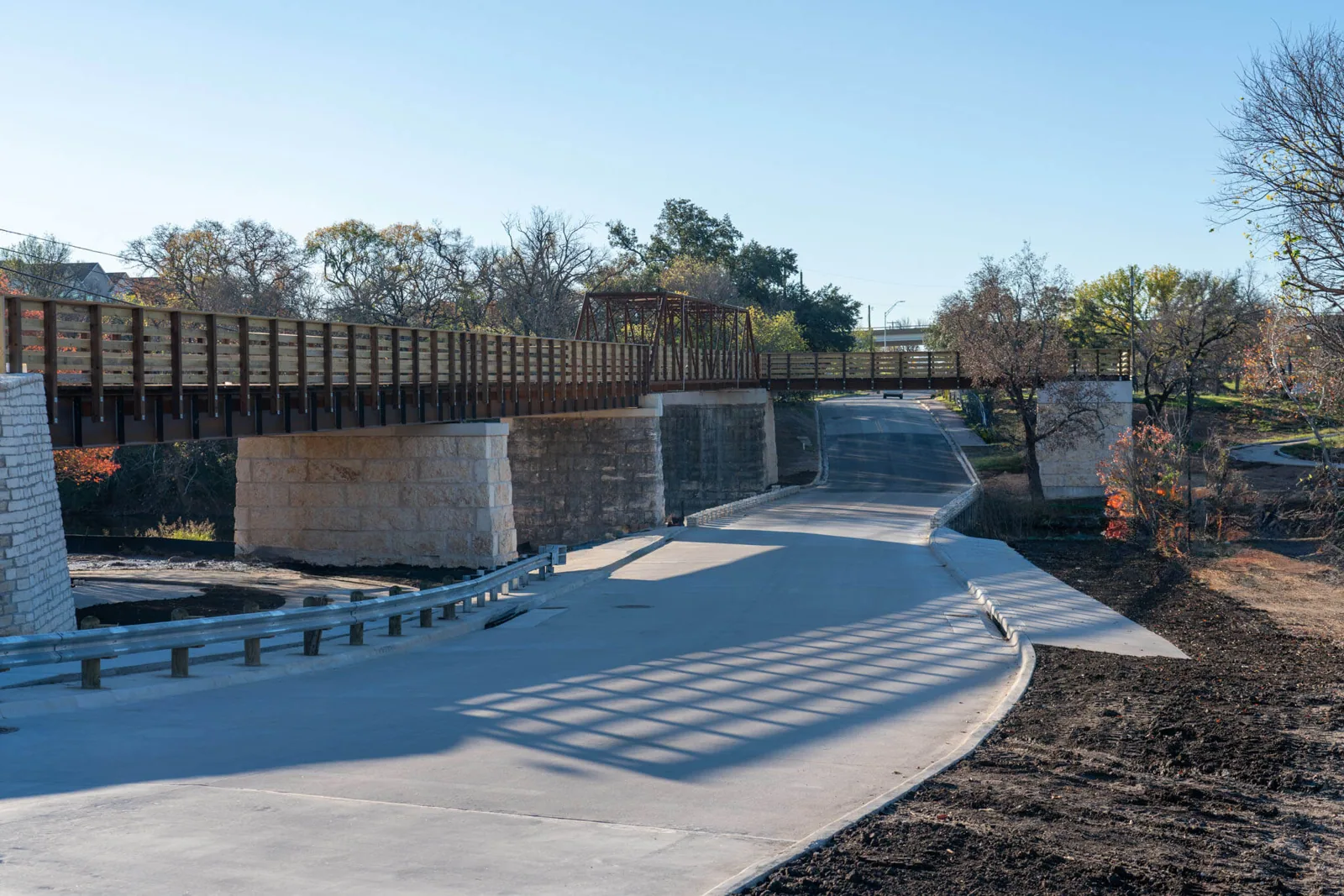
Chisholm Trail Road and Old Settlers Boulevard
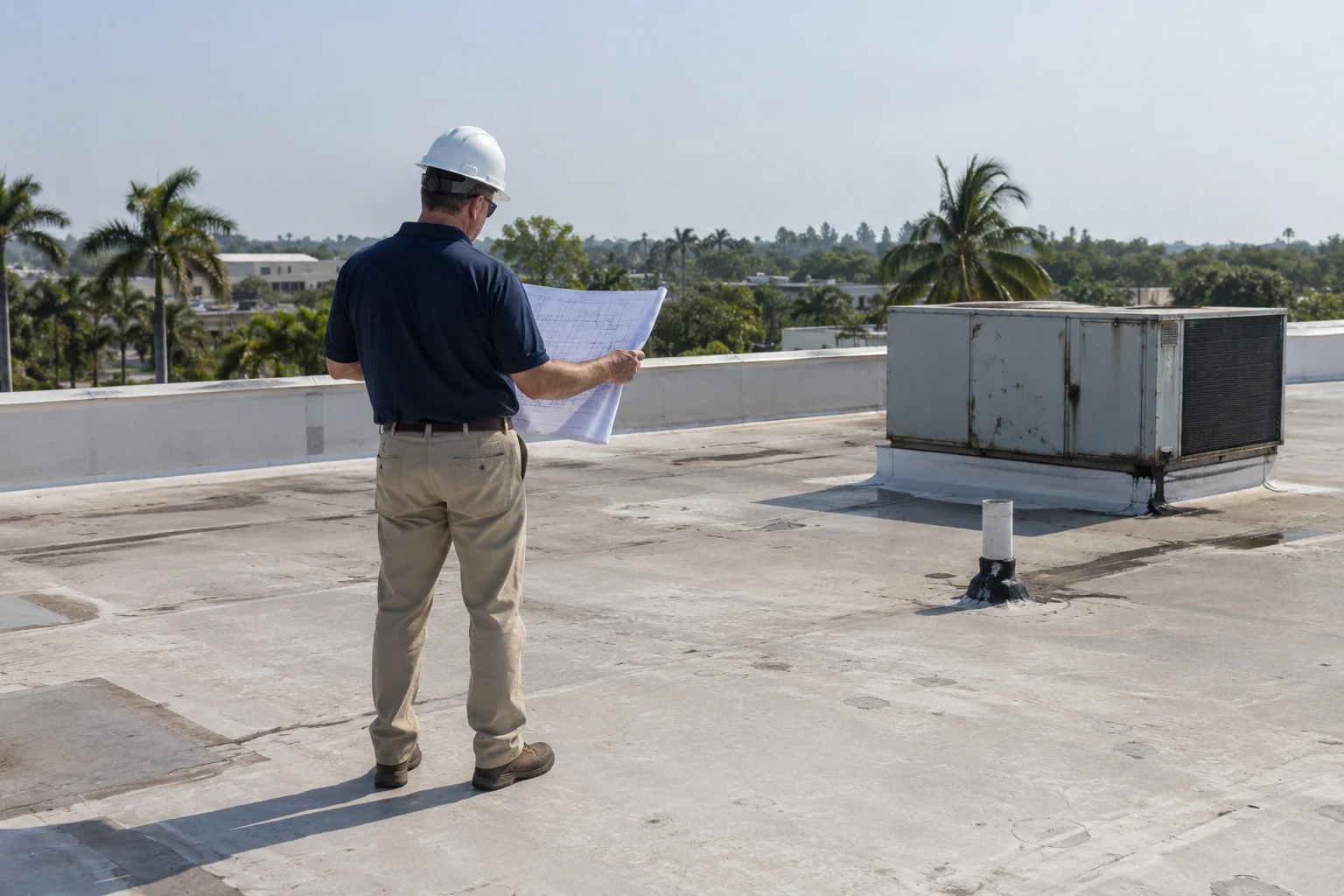
Commercial Roof Inspection
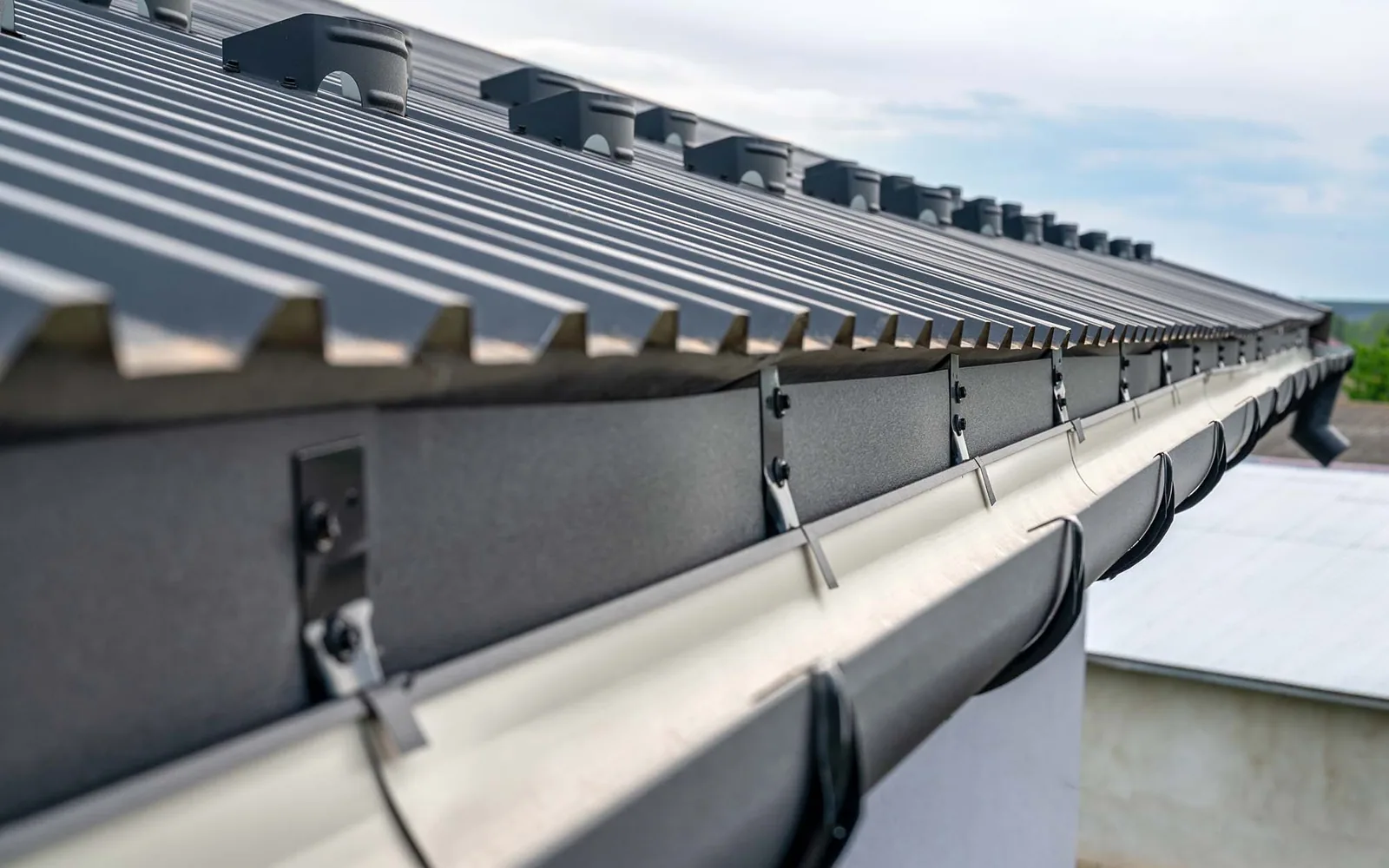
Commercial Roof Drains and Scuppers
Commercial Roof Insulation and Cover Board