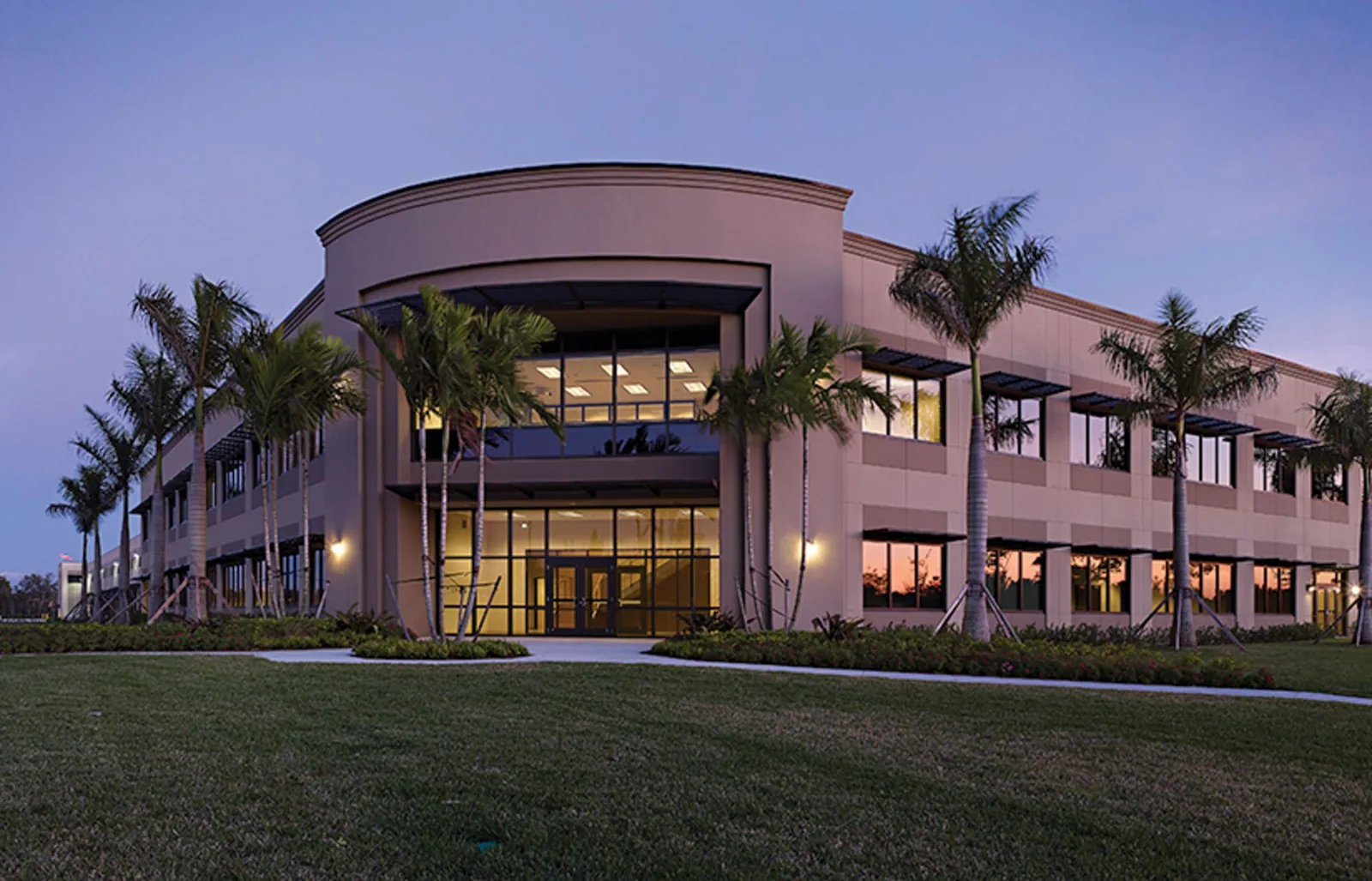
Mark the Warehouse Roof Zone
A split at a warehouse roof curb can send water along the deck before it reaches a rack aisle or loading bay. Start with the interior report, then trace the likely path across the roof and mark the zone that can be inspected. Round Rock's industrial and logistics properties include areas near I-35 and Old Settlers Boulevard. Those corridors frame the market; the warehouse roof assembly and access plan set the repair.
Send the property address, interior leak or damage location, loading schedule, roof access details, and prior repair records. We will inspect the relevant roof zone and document the repair boundary. Call 555-555-5555 or request a roof assessment.
Map the Loading and Roof Zones
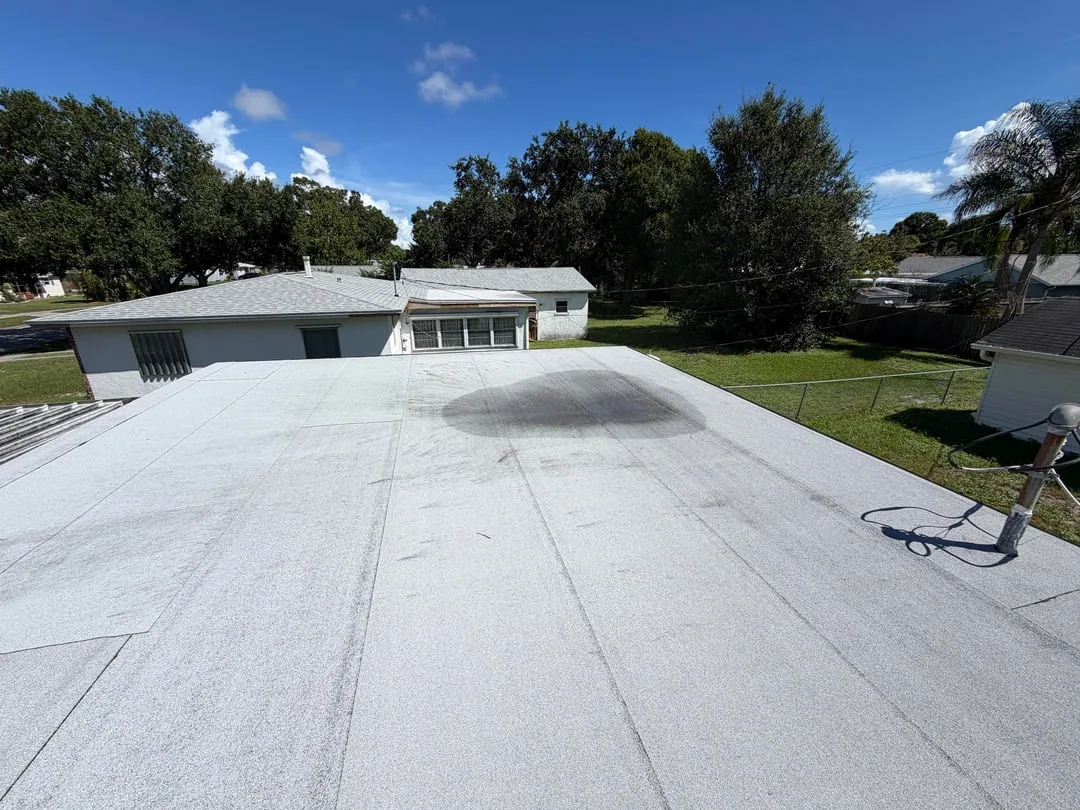
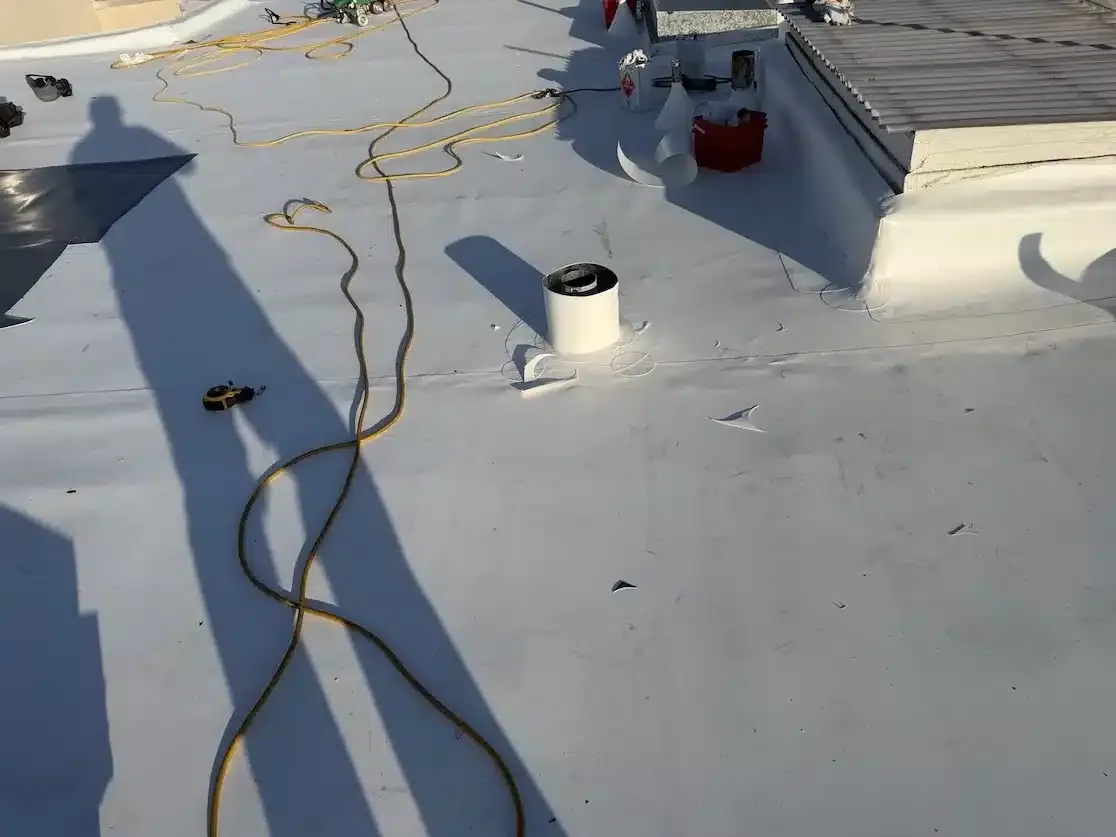
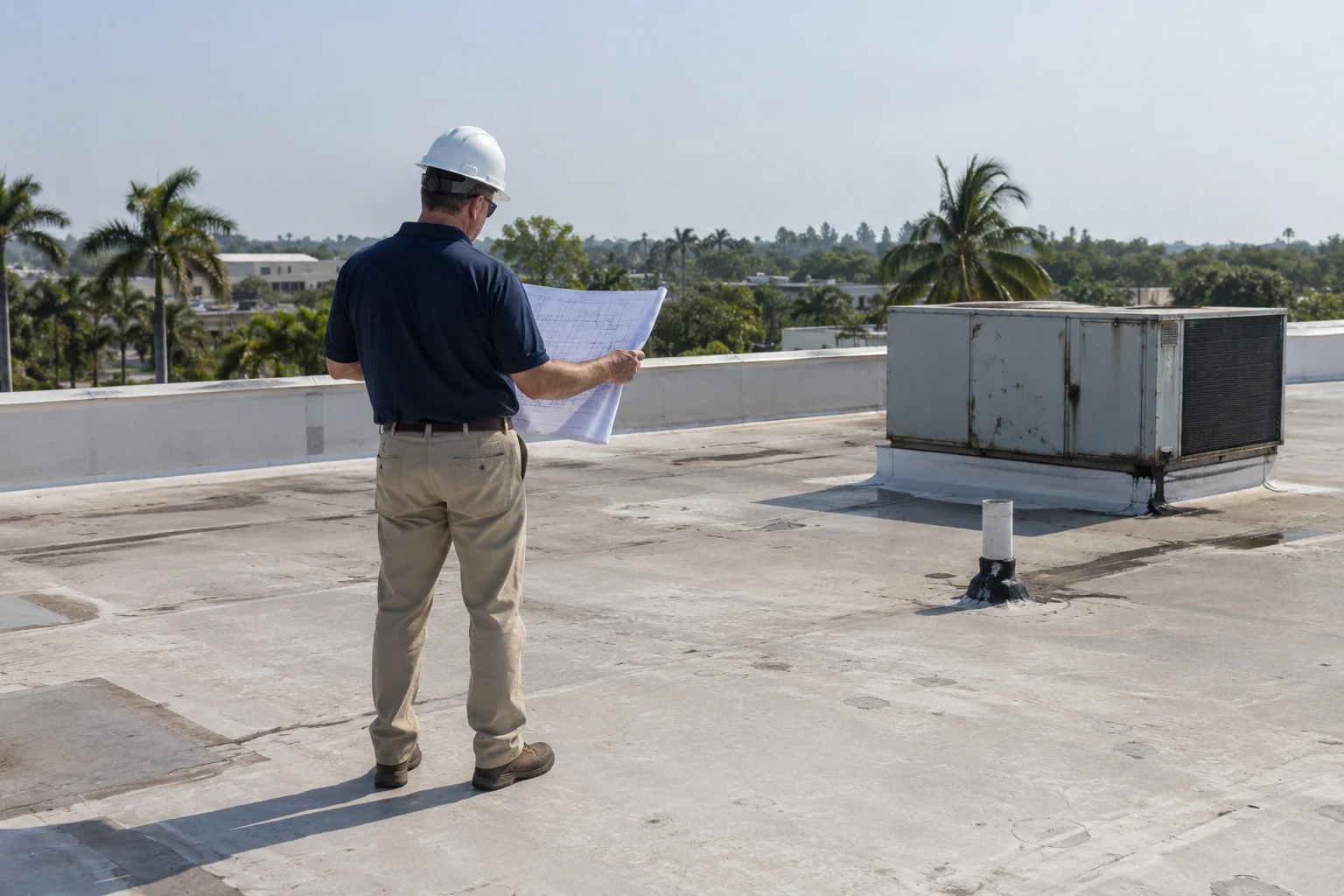
Loading doors, conveyors, exhaust fans, skylights, and rooftop units can concentrate roof traffic near a few details. Before a roof walk, note which dock or aisle has an active report and identify the matching roof area. Check curb flashing, seams, pipe supports, edge metal, drains, and prior patches. A hands-on roof inspection can photograph each finding and show which areas could not be reached.
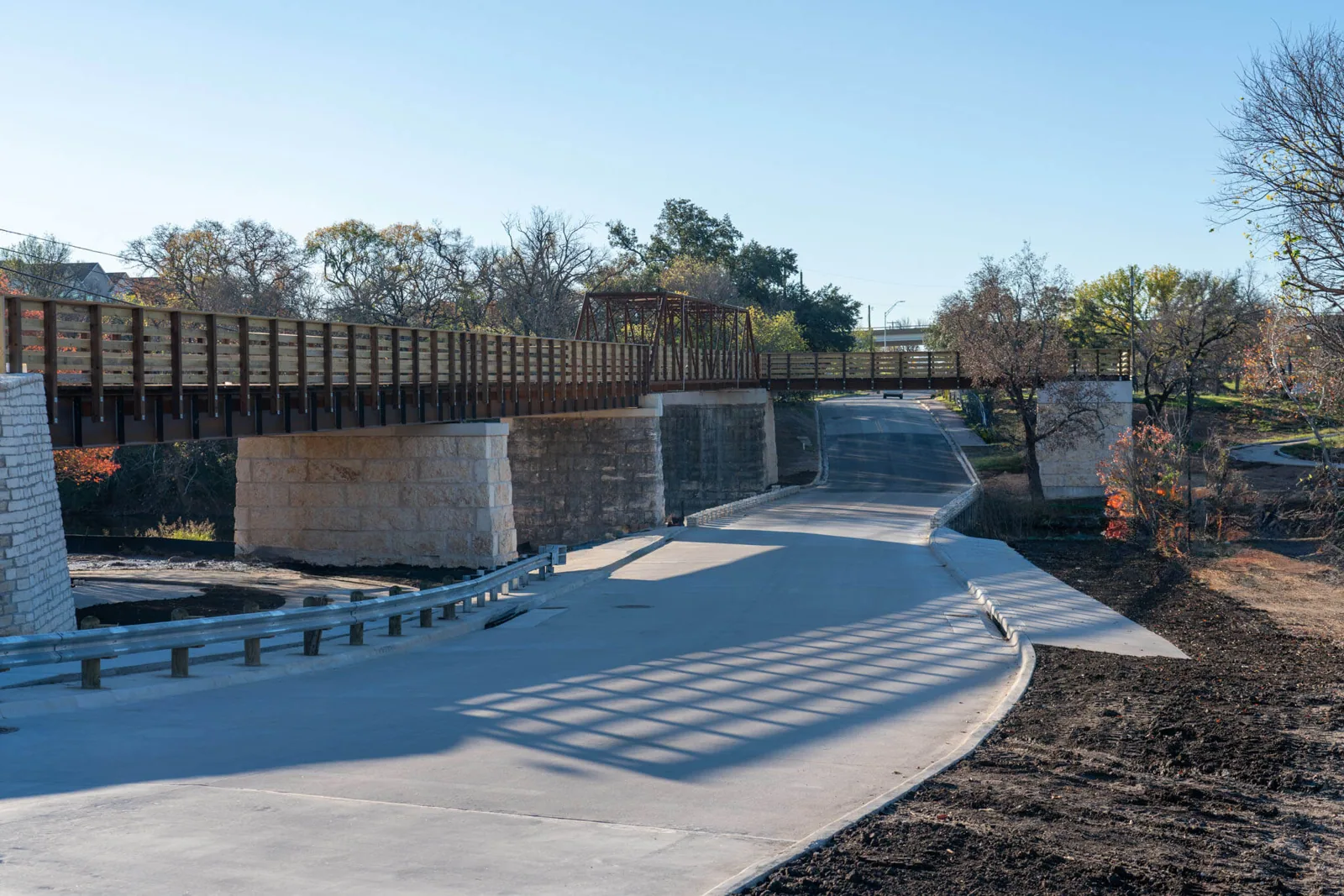
For a warehouse in the Chisholm Trail and Old Settlers corridor, confirm gate instructions, truck circulation, and loading schedules with the property contact. The roof plan, not the corridor name, sets the access point for inspection.
Do not assume a ceiling mark points straight up to the entry. Water can move across a deck, along framing, or around insulation before it appears inside. Compare the time of the report with rain, equipment service, and any recent roof work. Keep interior photos and exterior observations separate until the likely path has evidence on both sides.
Follow Water Toward the Outlets
A warehouse roof needs a working path from the high field to a drain, scupper, or gutter. Check the drain bowl, strainer, clamping ring, overflow, and the surface around each outlet. Debris can restrict flow; a low area may still hold water after the drain is clear. A drain and scupper assessment records whether the issue is maintenance, a damaged detail, or a slope question that needs further review.
A tornado crossed Round Rock during the March 2022 outbreak, while hail was reported elsewhere across the region. That history can prompt a post-storm check, but it does not establish damage at this warehouse. Inspect the reported roof zones for displaced edge metal, punctures, open seams, and impact marks. Record the event date supplied by the owner and the conditions the crew can actually see.
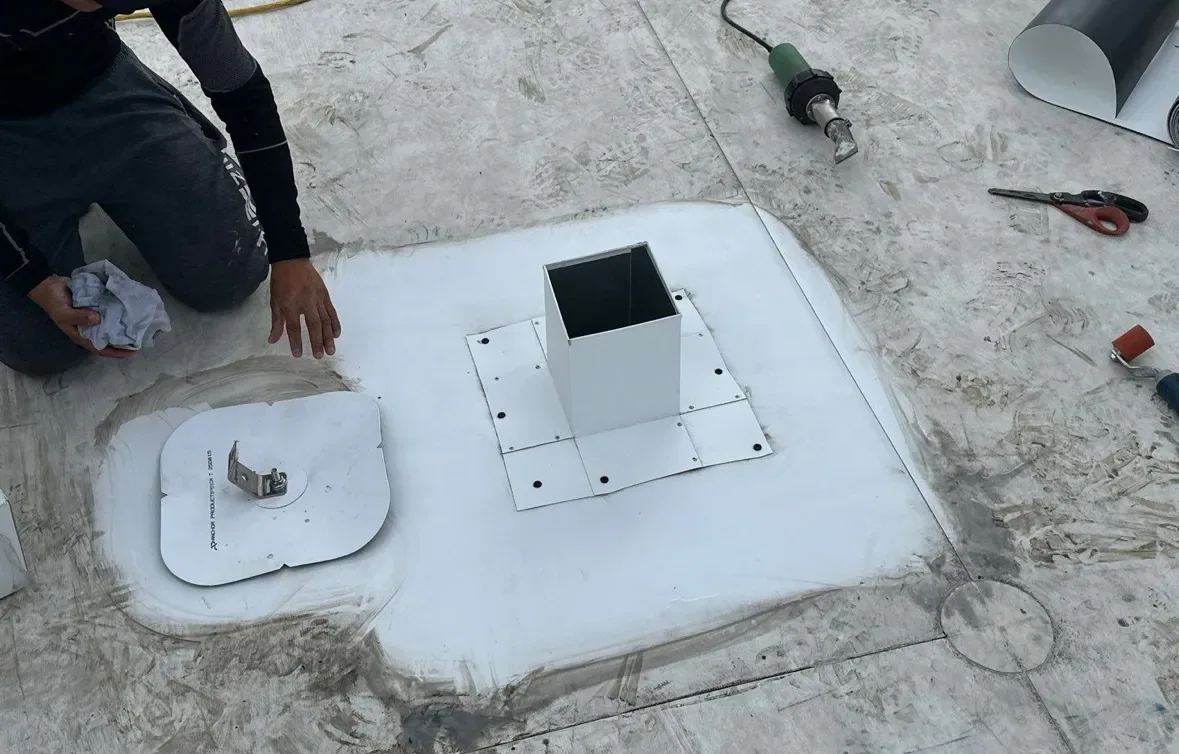
Where the roof carries several equipment curbs, examine each transition rather than treating the whole field as one detail. Service work can disturb flashing or leave new supports without a complete seal. A curb and support inspection can identify the roof interface and separate it from the mechanical equipment issue. If the apparent source remains uncertain, mark a test location before cutting into the assembly.
Set a Boundary Around the Repair
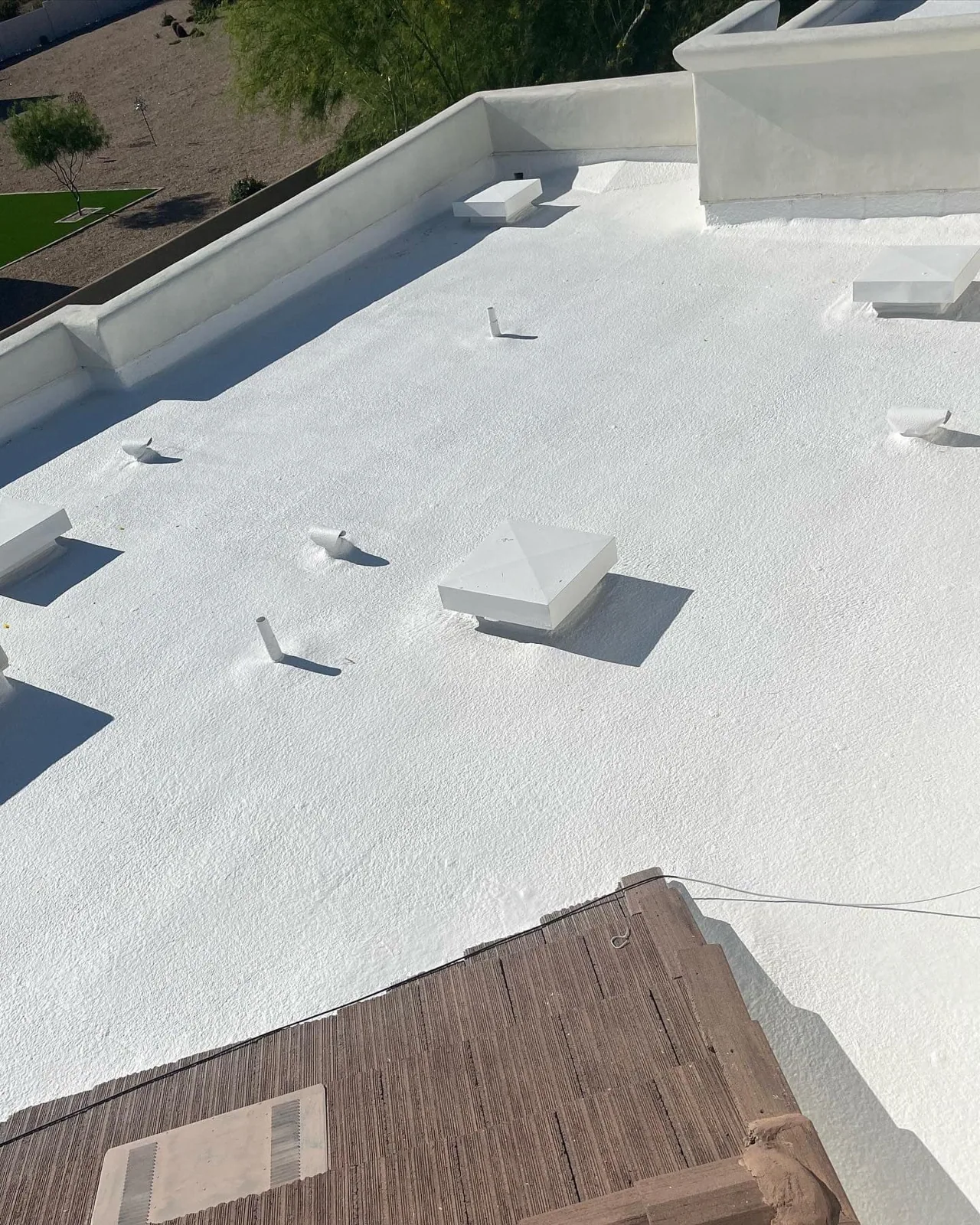
A localized patch is appropriate only when sound material remains around the defect and can receive a compatible tie-in. The scope names the roof zone, preparation, material, and repair limit. If a test cut exposes wet insulation or damaged deck, stop at that location, photograph the layers, and get direction before expanding removal. One sample explains one point; it does not certify another bay or building.
Compare repair, recover, and replacement against the current assembly, number of layers, drainage, attachment, deck condition, and future equipment changes. A commercial repair scope can separate confirmed defects from potential extensions. A recover assessment is useful only if retained materials are suitable and the new assembly can preserve drains and perimeter transitions.
Cost and timing turn on access height, lift placement, dock use, materials, preparation, and concealed conditions. Industrial development near East Old Settlers adds warehouse and logistics settings to the market. That context does not determine roof quantity; inspect the specific assembly before estimating removal or edge work.
A distribution-center roof plan considers continuous vehicle movement; a manufacturing-plant roof review may include process-area controls. The warehouse scope still follows this building's assembly and access limits.
Keep Warehouse Traffic Moving
Roof access can conflict with truck movement, inventory staging, and a shift change. Confirm the entry point, delivery window, lift location, and area below the work before material arrives. Identify who can pause a dock or redirect a vehicle. A daily work boundary should show what is open, what is protected, and when the route returns to warehouse use.
Austin's Camp Mabry station reports a 97.8-degree normal high for August. Use it as regional heat context; inspect the warehouse roof under the conditions present at the site. Check current conditions and product limits before starting. If heat, wind, or storms interrupt the shift, close the active zone and set a safe return step.
For a building that stays in service, a phased occupied-building plan can set notices, protection, access controls, and daily close-in points. The owner or manager confirms whether receiving, shipping, or production must remain available. Keep any interior ceiling protection distinct from the roof repair so the closeout shows which action addressed the exterior source.
Compare Repair and Replacement
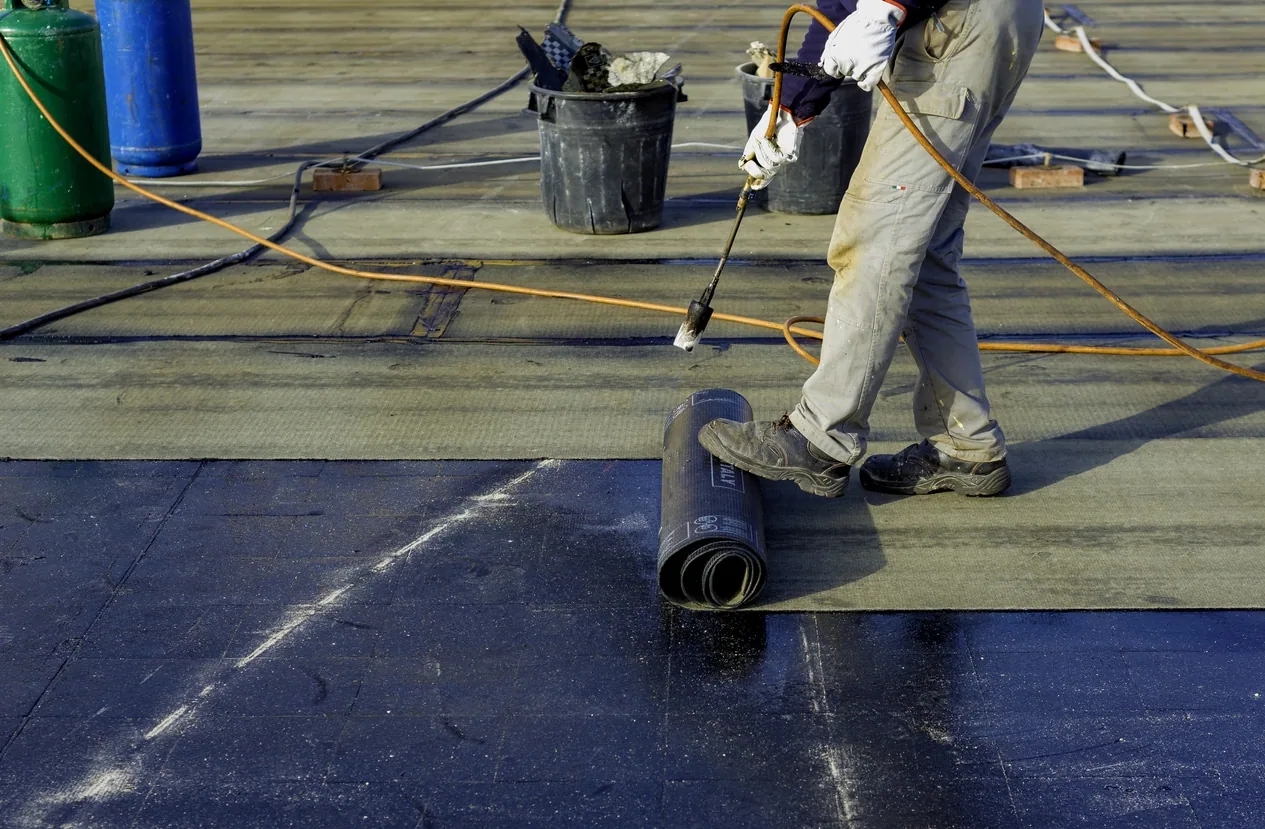
Repeated leaks at separate bays, wet insulation across broad areas, loose attachment, or deck deterioration can move the decision beyond a patch. We compare the observed condition with repair history and the planned use of the building. A replacement evaluation should state tear-off limits, new assembly, edge details, drainage work, and how active operations will be protected. A roof-wide conclusion needs roof-wide evidence.
Where a recover is possible, verify layer count, moisture, attachment, drain height, and perimeter transitions first. Where removal is necessary, set the sequence so each open area can be made weather-tight before crews leave. Material orders, lift access, disposal, and operating windows influence the schedule. List those assumptions so an owner can compare a smaller repair with a larger project on equal terms.
Keep the Next Check Useful
Closeout should include the building, date, reported event, roof-zone map, photographs, observed defect, repair material, and the boundary completed. List areas that were inaccessible and any conditions left open. If temporary protection was installed, state where it sits and when it needs a follow-up visit.
Owners can provide the address, interior leak location, access contact, equipment restrictions, and previous roof records before a visit. We inspect the reported area and explain what the visible evidence supports, what a test can confirm, and what remains concealed. Site access comes from the property's manager.
Send the active leak status and the next available access window. We will mark the roof zone, identify the water path under review, and document the repair limit and next check.
Questions About Warehouse Roofing
How do you trace a leak above a warehouse aisle?
Start with the aisle, time, and active-water status, then inspect the roof zone above and nearby transitions. Water can travel through the assembly before appearing indoors. We compare curbs, seams, drains, and edge details, and mark any area that access prevented us from checking.
Can roof work continue while trucks use the loading doors?
The site contact sets safe routes and delivery windows. We identify the lift position, materials path, and any dock that needs a temporary restriction. If operations cannot provide a protected work area, the crew shifts the sequence before opening the roof.
Does the 2022 Round Rock tornado mean my roof needs replacement?
No. The tornado track and regional hail reports provide weather context, not a condition report for this building. Inspect the roof for observed movement, impact, open seams, and water entry. A replacement decision depends on the inspected assembly and its repair history.
What changes the cost of repairing a warehouse roof?
Roof system, access height, work area, material compatibility, edge and curb details, and the amount of preparation affect the scope. Wet insulation or damaged deck can change removal limits. We state confirmed work and approval points for concealed conditions separately.
What should be in the roof closeout?
Keep dated photographs, roof zone, repair material, completed boundary, access limits, and open findings with the building record. Note any temporary protection and its return date. The marked building plan gives the next inspection a known route through the same roof zone.
Related Roofing Work
Commercial Roof Inspection
Chisholm Trail Road and Old Settlers Boulevard
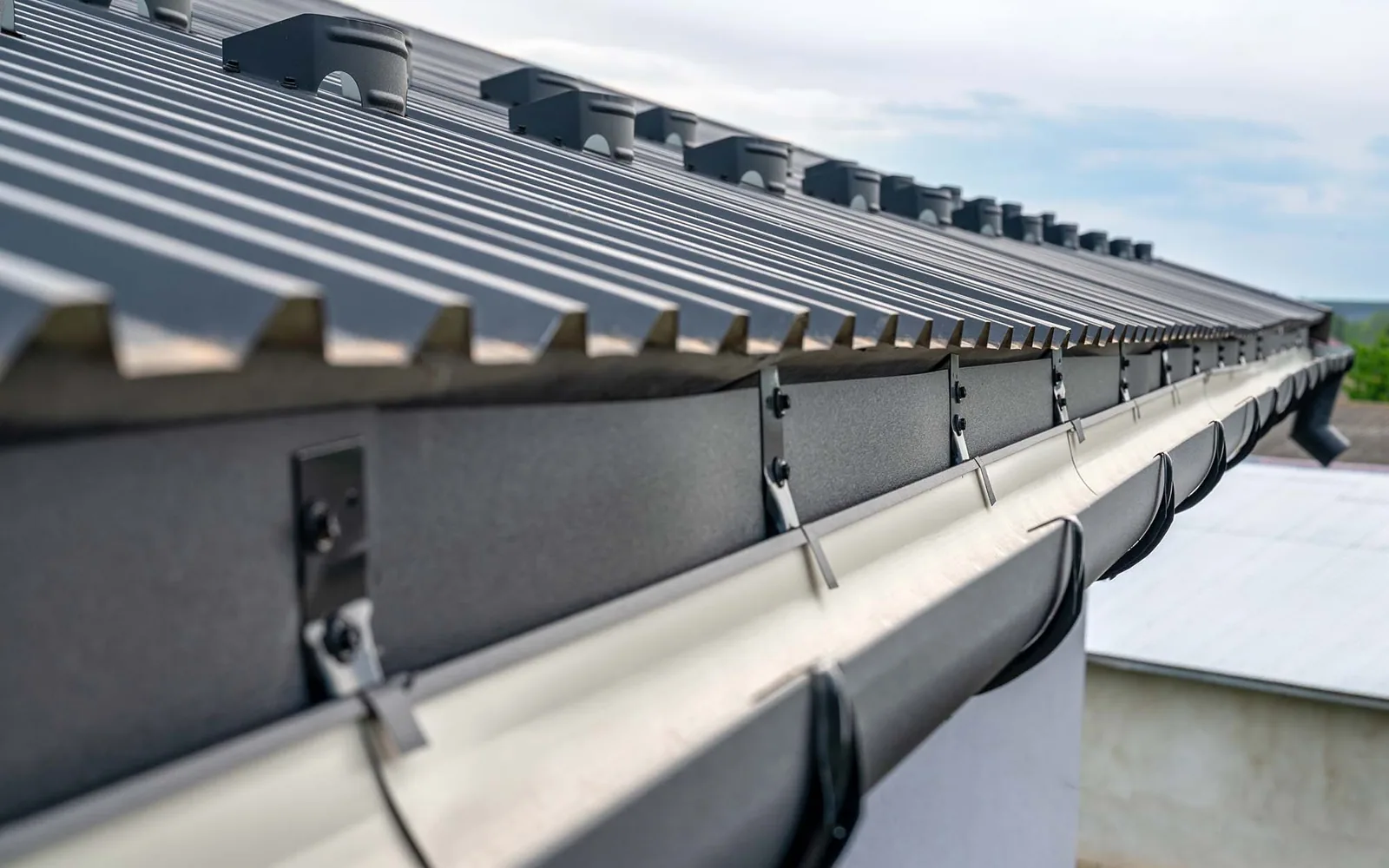
Commercial Roof Drains and Scuppers
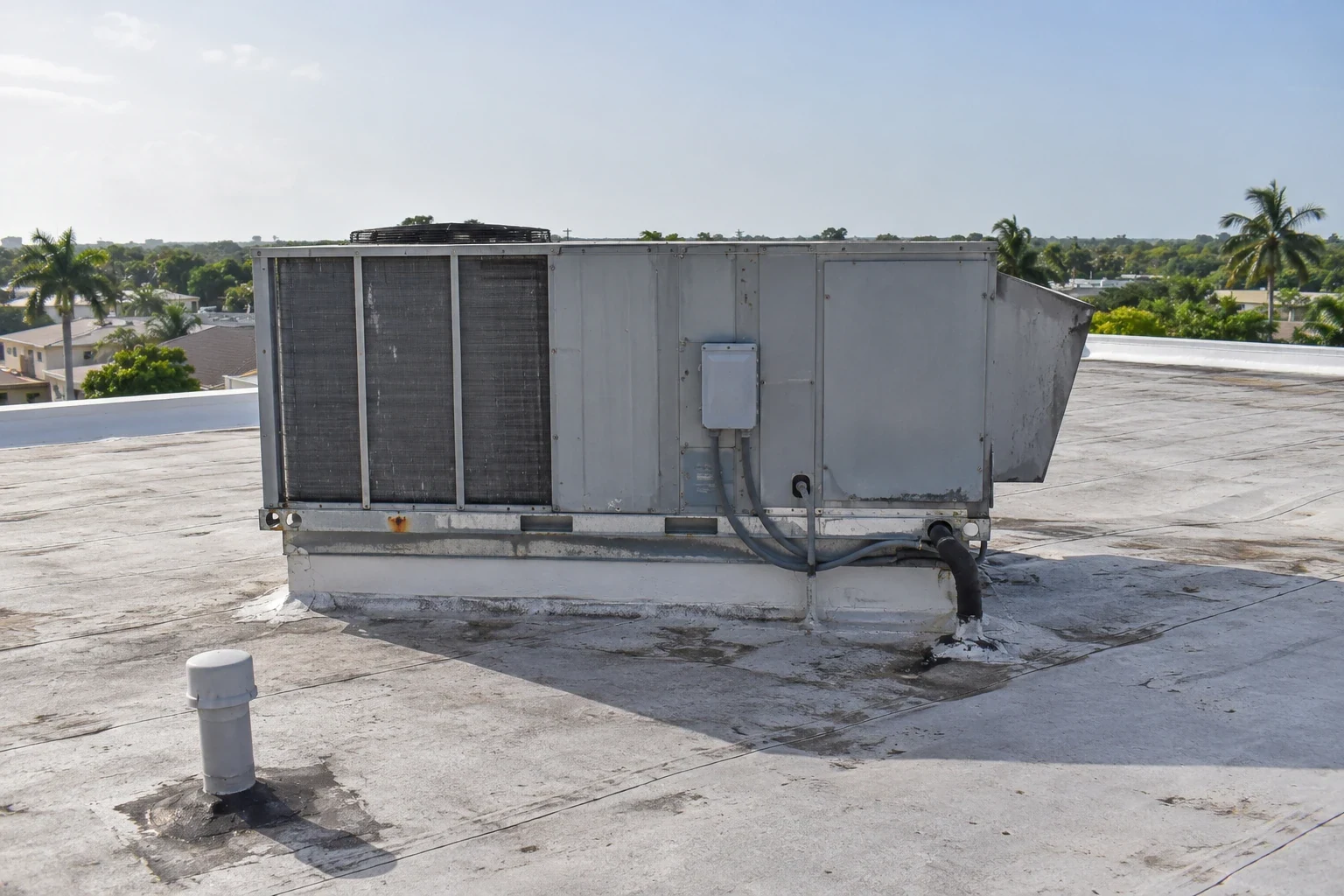
Commercial Rooftop Equipment Curbs and Supports
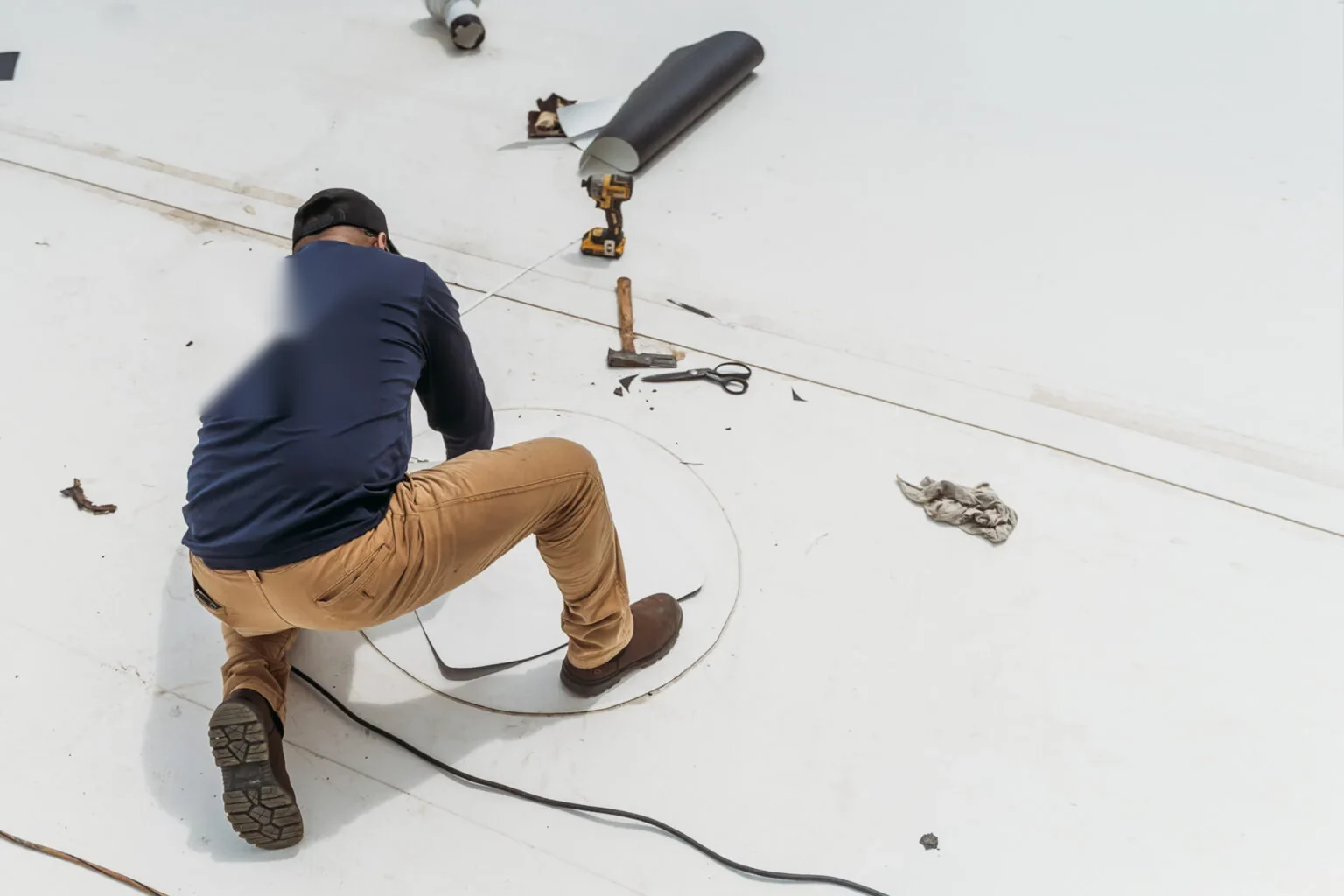
Commercial Roof Repair