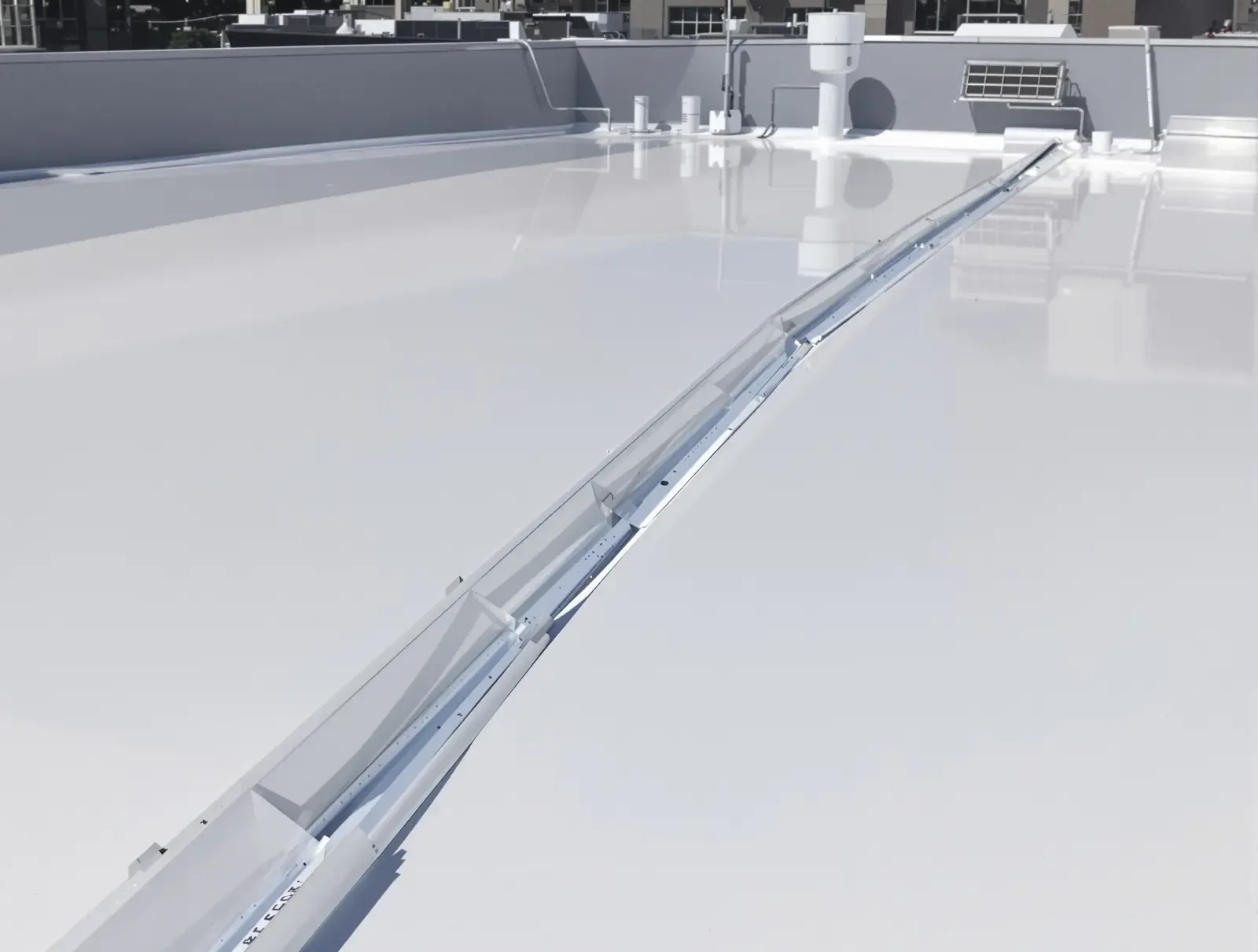
Identify the PVC Membrane
A PVC membrane weld can be checked after it cools, but the lap must be clean before heat is applied. Dirt, old coating, or a weak edge can interrupt the bond. We inspect field seams, corners, penetrations, and drain transitions as separate roof details. In Round Rock, office properties near La Frontera and healthcare buildings bring different access and equipment constraints to the roof walk.
PVC is a thermoplastic sheet system. Its formulation and reinforcement vary by product, so repair material must match the installed assembly. We record the label or project documents where available and avoid assuming that two white membranes are interchangeable.
Send the roof plan, product records, leak location, exhaust or process exposure, and access rules. We will check the sheet and define a compatible repair. Call 555-555-5555 or request a roof assessment.
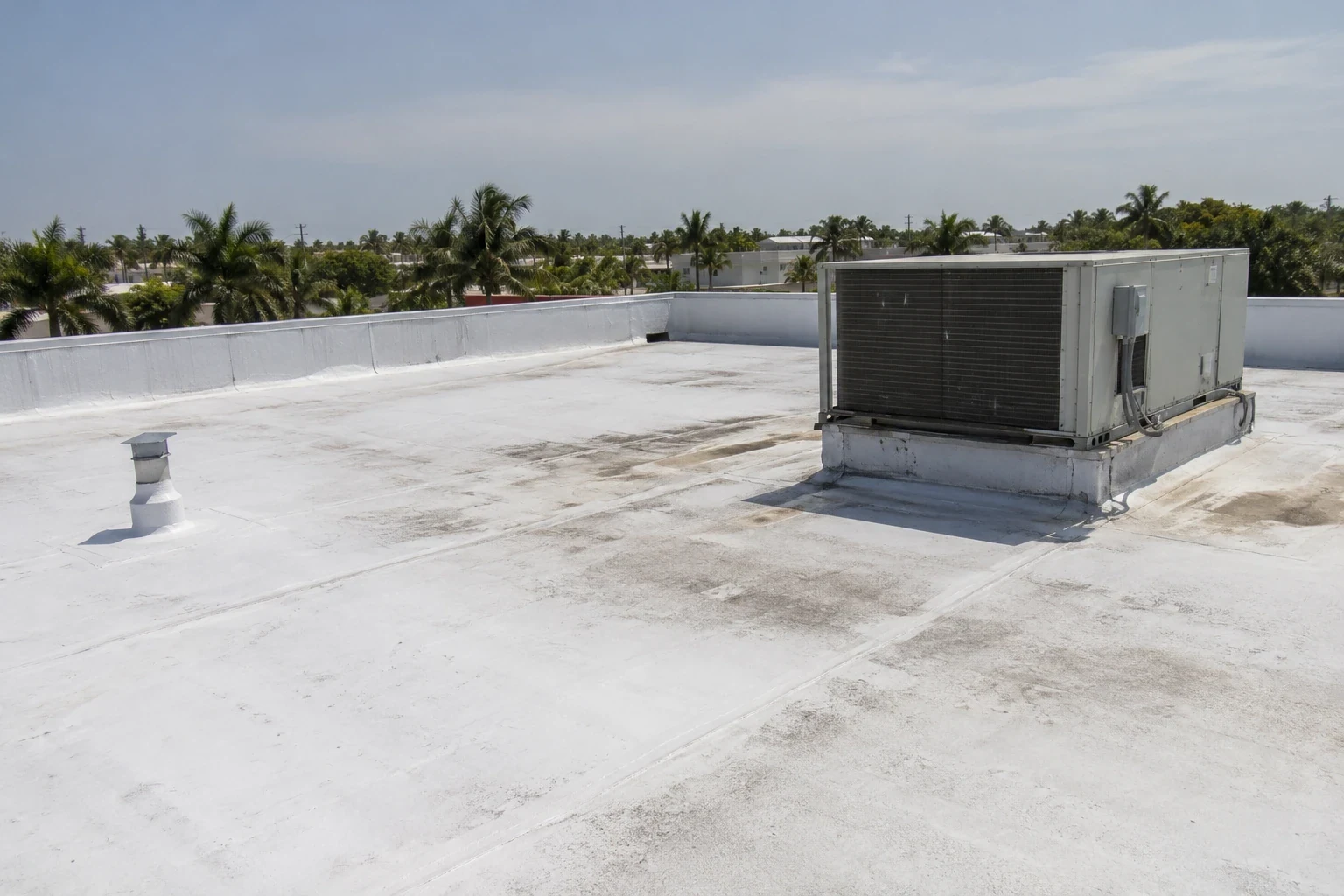
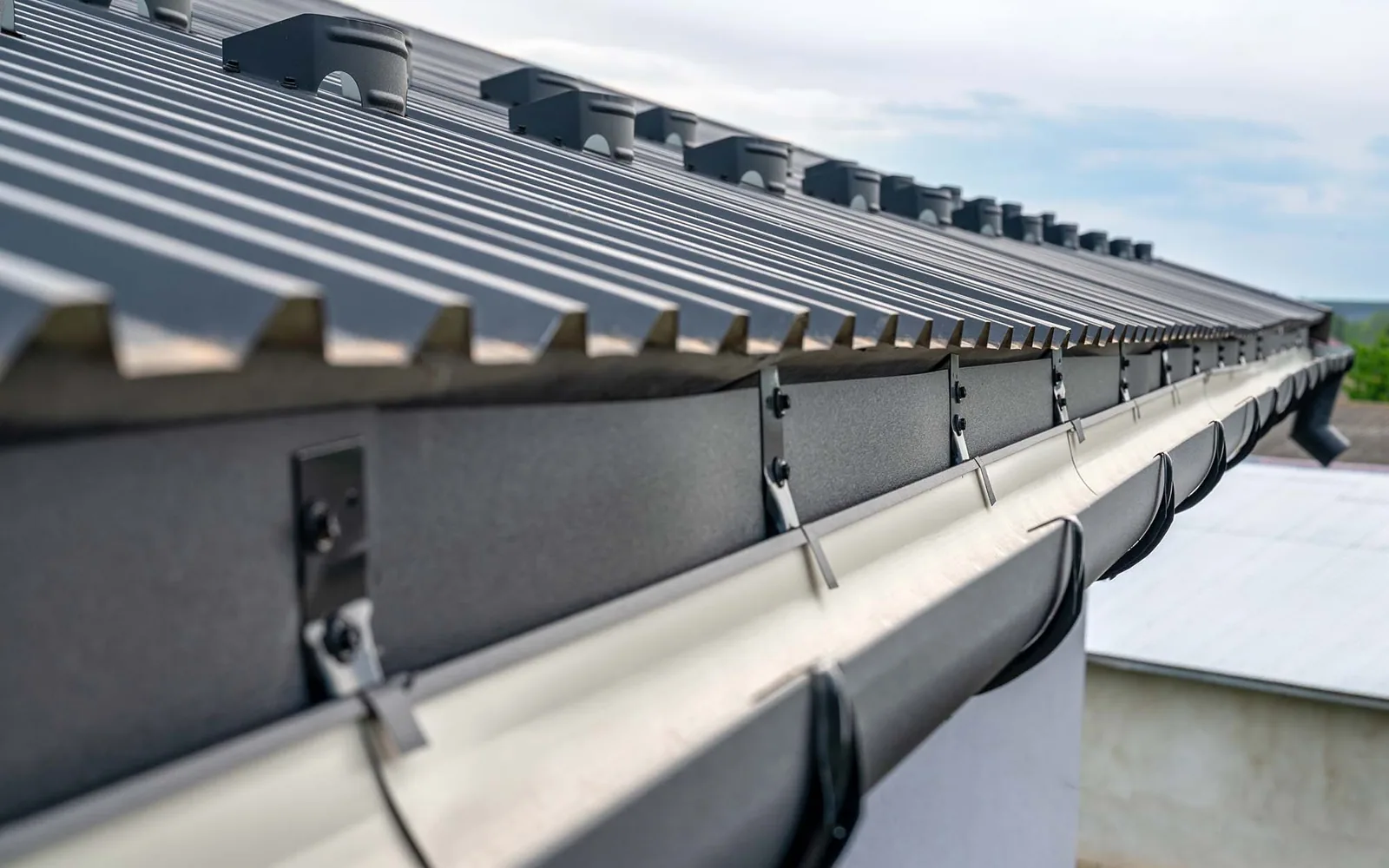
Identify the Installed PVC Sheet
We look for manufacturer markings, project submittals, roll labels, and prior repair records. The membrane thickness, reinforcement, surface condition, and age affect how a repair should be prepared. If the records are missing, a field sample or test weld may help identify a suitable method. We document what was checked and whether the product remains uncertain.
PVC seams are generally heat welded. At a repair, the crew removes loose contamination, prepares the surface, tests the welder setting, and checks the cooled lap. A probe can find a loose edge at an accessible seam. It does not confirm the bond below a cover strip or establish the condition of untested laps elsewhere on the roof.
We examine corners, pipe boots, equipment curbs, drains, and roof edges where the sheet changes direction. These details can stretch or wrinkle as the building and rooftop equipment move. At kitchen exhaust or process areas, deposits may affect adhesion or the membrane surface. The inspection records the exposure and checks whether the proposed product and cleaning method are compatible.
Field verification matters where a sheet meets a metal transition. The membrane may terminate under a counterflashing, at a parapet, or behind a coping piece. We check the termination for movement and confirm that the new PVC can be joined to the existing material at the chosen location. A patch should not bridge a loose edge and transfer movement to the next seam.
Repairs near rooftop exhaust require the owner to identify the equipment service history and any cleaning chemicals used. We photograph residue before cleaning and use a method approved for the membrane. Removing residue aggressively can thin or damage the surface. If the condition is uncertain, the crew tests a small area and waits for the owner to review the result.
Rebuild the Detail Without Mixing Systems
A localized PVC repair uses compatible membrane and flashing material. We cut back to a sound surface, prepare the lap, and form the patch so water sheds across it rather than into an exposed edge. At a drain, the bowl and clamping ring need a clean transition. At a curb, the vertical flashing and corners should remain secure above the roof plane.
Repeated patches, embrittlement, surface loss, or multiple open seams can make spot repair unreliable. We map each condition and compare localized repairs with replacement. If concealed insulation appears wet, an approved test cut identifies the layers at one point. The owner reviews those findings before the repair boundary expands.
Round Rock's hospital and office buildings often have equipment that must remain available. Along the Hutto growth corridors, delivery access can shape staging; around La Frontera, office occupancy can shape service hours. The facility manager sets access rules for the specific building.
At an occupied property, temporary protection may be needed below the repair zone. We agree on ceiling or equipment coverage before cutting the membrane. If the opening reveals wet material, the crew measures the boundary and keeps the area protected while the owner reviews the additional work. The close-in plan states how the assembly will be kept watertight if the repair cannot be completed in the same shift.
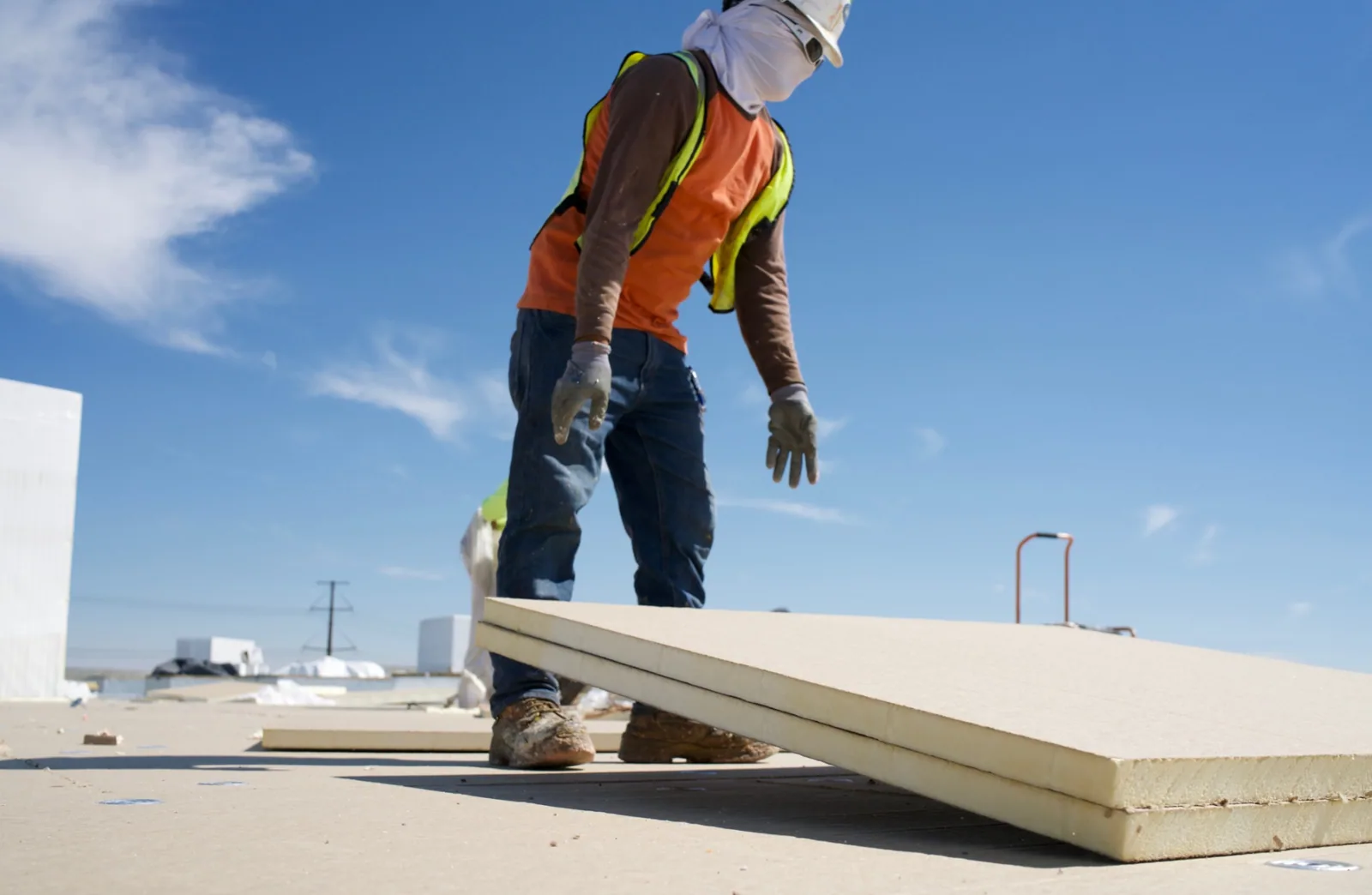
Choose Repair or Replacement
Estimate drivers include sheet type, seam length, drain detail, curb count, roof height, attachment, insulation, and any residue that needs removal. If a roof has chemical or grease exposure, the product documents and field condition guide material selection. We do not infer resistance from the membrane color. A test or manufacturer review may be needed before coating, cleaning, or installing new material.
Owners can compare a localized repair, recover assembly, or tear-off based on the condition of the existing sheet and layers below it. A recover may leave existing material in place only when attachment, moisture, and design allow. Replacement removes layers to the approved boundary and exposes the deck for review. The proposal states what remains and what would trigger a field change.
Related work may include roof inspection, drain repairs, or insulation replacement. We can compare the membrane with a TPO system or KEE membrane when design and use support the change. A hospital roof or office building may need a phased access plan.
Surface preparation and weld time affect the daily production area. The crew needs dry conditions, a stable substrate, and access to both sides of the repair. Rooftop units or stored materials can narrow that work space. A site contact can clear a route in advance, which reduces the chance that a completed seam is disturbed by later equipment service.
Keep the Material Record
Before work, photos show the existing PVC sheet, open seam, nearby penetrations, and roof zone. During repair, images capture preparation, test weld, patch layout, and finished seams. The closeout lists products and locations, notes any incompatible area left untouched, and identifies follow-up tests that remain due.
After a rainfall, the owner can compare the same interior symptom with the repaired location. If weather has not tested the area, the report says that performance remains unobserved. A later inspection checks the weld edge and neighboring details against the repair photos.
Store membrane records, product data, and repair images with the building file. If a contractor later cleans the roof or works on nearby exhaust equipment, share the installed system information first. That step helps avoid an incompatible solvent, sealant, or patch material that could damage the sheet.
For PVC, compatibility at repairs and adjacent materials deserves attention alongside seam quality. The inspector records the membrane condition, welded transitions, flashings, and any products that may have contacted the surface. If a repair crosses a prior coating or patch, verify that the planned preparation and material are suitable for that assembly. The closeout should identify the repair limits and any areas that need observation after weather exposure.
Questions About Commercial PVC Roofing
Can PVC seams be repaired with a patch?
A patch can work when the existing sheet is sound and the prepared surface will accept a compatible weld. We test where conditions are uncertain and mark the repair limit.
Is PVC the same as TPO?
Both are thermoplastic single-ply membranes, but their formulations and repair materials differ. We identify the installed product before specifying a weld or flashing.
Can a PVC roof be coated?
A coating needs documented compatibility with the membrane and any surface treatment. We inspect and test the proposed area before including a coating scope.
What if grease or exhaust reaches the roof?
We record the exposure and inspect for deposits, softening, or surface damage. The product documents and an approved test guide the material choice.
Can you repair PVC around a rooftop unit?
Yes, if the curb is stable and the roof transition can be reached. Equipment lifting or vibration correction may require the mechanical trade.
Related Roofing Work
Hutto
La Frontera
Commercial Roof Inspection
Commercial Roof Drains and Scuppers
Commercial Roof Insulation and Cover Board