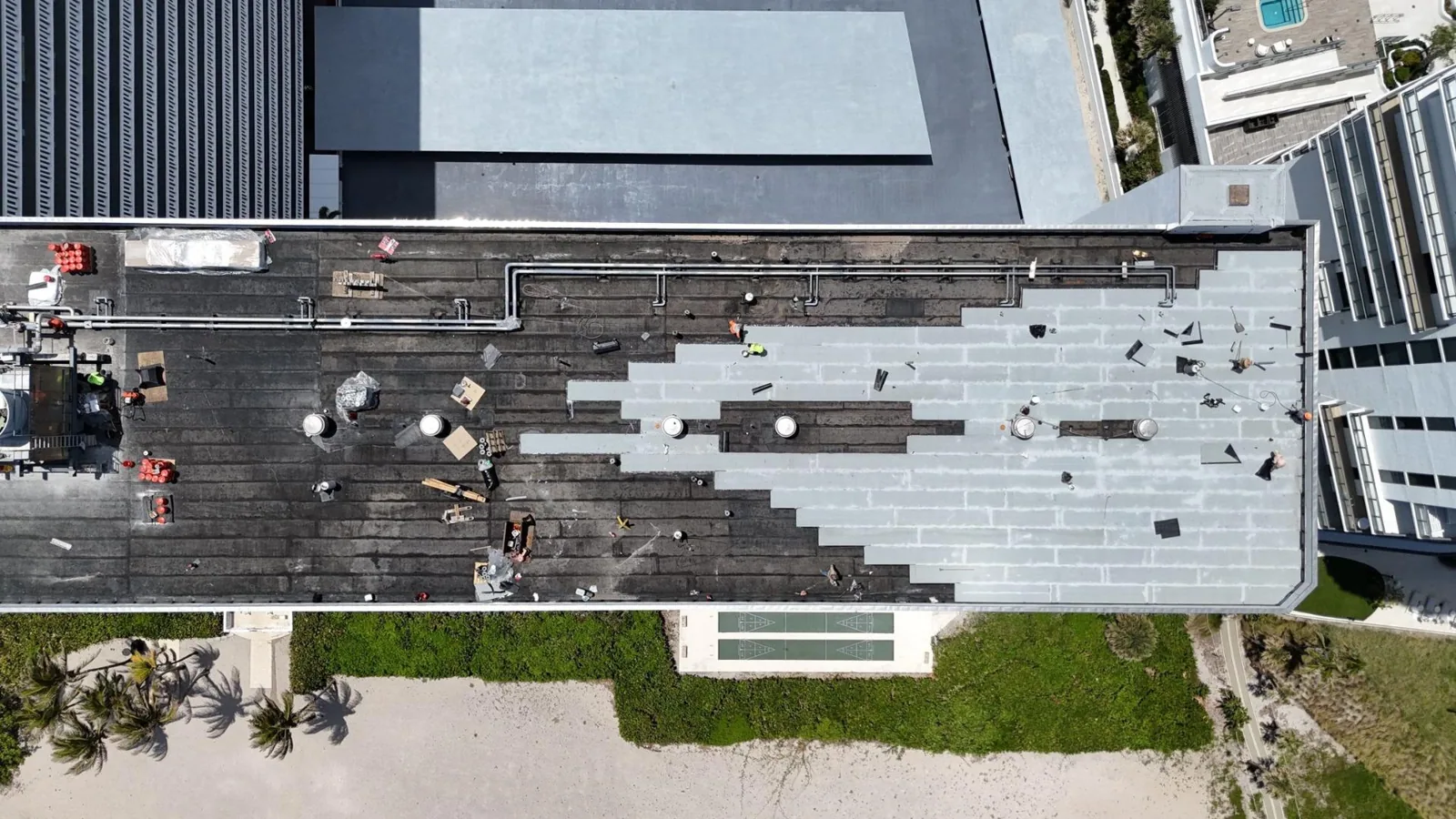
Check the Roof before Selecting a Coating
A coating can seal a prepared roof surface, but it cannot make a wet or unstable assembly sound. We inspect attachment, seams, flashings, drains, and prior repairs before recommending restoration. The coating must match the existing membrane and the conditions the roof can support. Austin Camp Mabry's climate record gives a normal August average high of 97.8°F for 1991 to 2020. Use the regional heat measure for planning, then check the actual surface and product limits before application.
The City of Round Rock lists the 2024 International Building Code and 2024 International Energy Conservation Code among currently adopted codes. The project team confirms the requirements that apply to its scope. Our proposal identifies the roof condition, preparation, material, details, and close-in boundary so that code and permit questions can be resolved with the proper project contact.
Send the address, roof system or prior coating records, event date, roof access details, and any active leak. We will test the assembly and define a restoration boundary. Call 555-555-5555 or request a roof assessment.
Test the Existing Surface
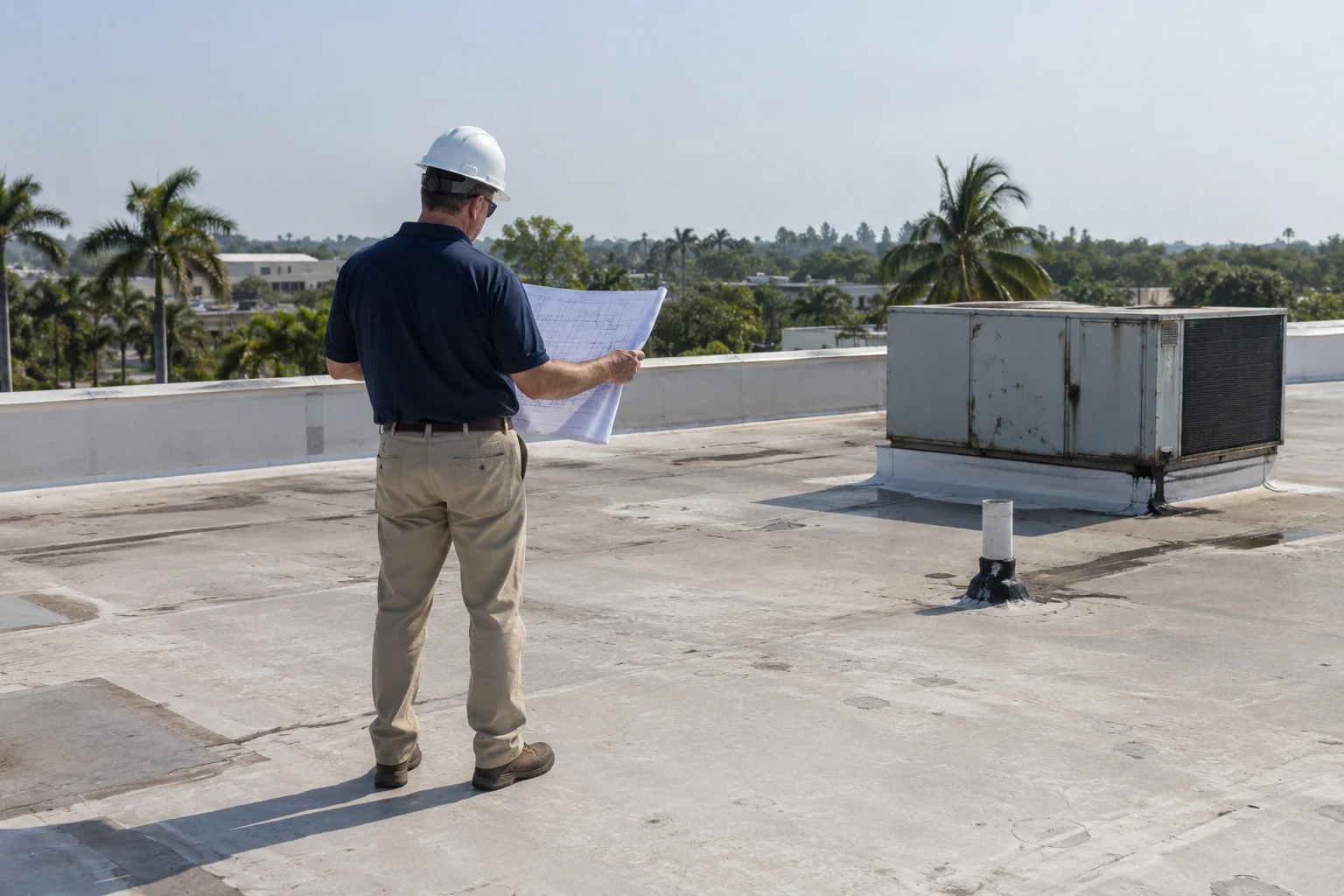
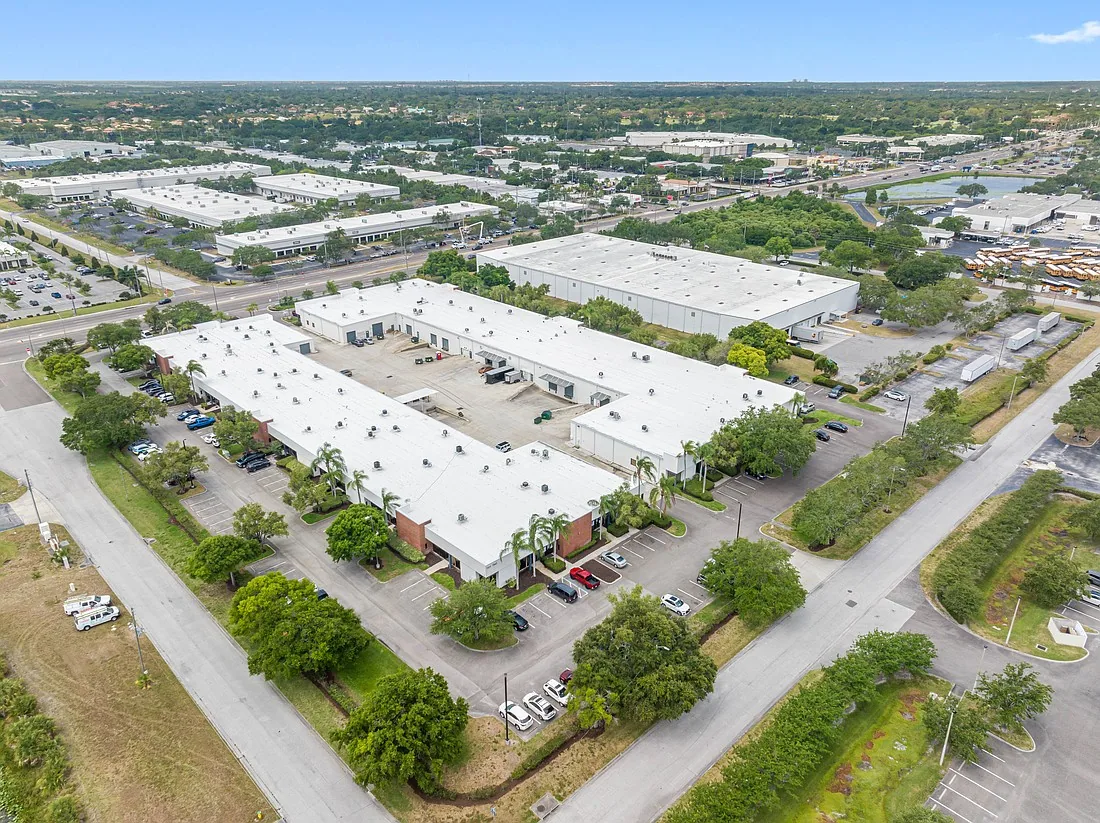
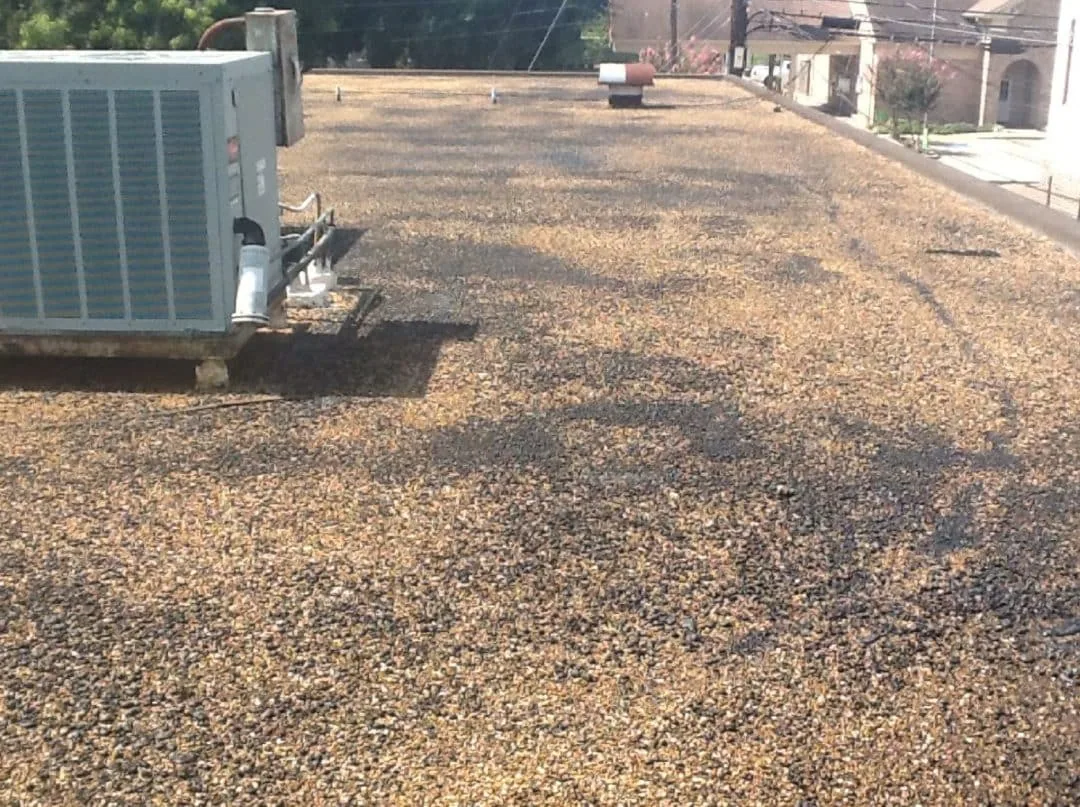
We start by identifying the membrane or metal surface, then check adhesion, seams, punctures, blisters, and areas where the coating has separated. A coating needs a stable base. If moisture appears below the surface, an approved test cut can show whether insulation is wet at that sample point. The field report records the location and what the opening established. It does not extend a test result beyond the area examined.
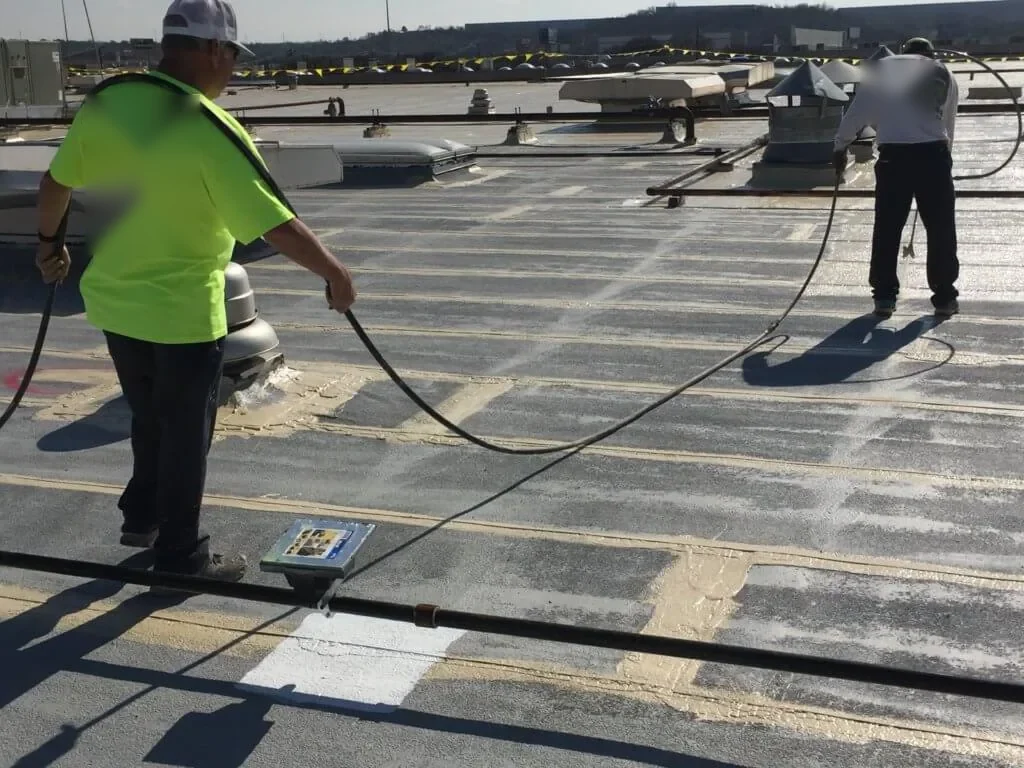
Before applying material, we review the existing coating history and surface contaminants. Cleaning, drying, seam work, and compatible primer may be required. A small test area can confirm adhesion. We photograph the prepared surface and mark where work stops. If attachment or deck concerns remain, the scope changes from coating to a broader repair or replacement review.
Round Rock approved 36.76 acres for the initial Switch data-center phase and another 32.48 acres for expansion. The permit path for a coating project in Cedar Park should be confirmed for that property. For any property, a restoration proposal begins with its address, system documents, and inspection findings.
Repair Details before Coating
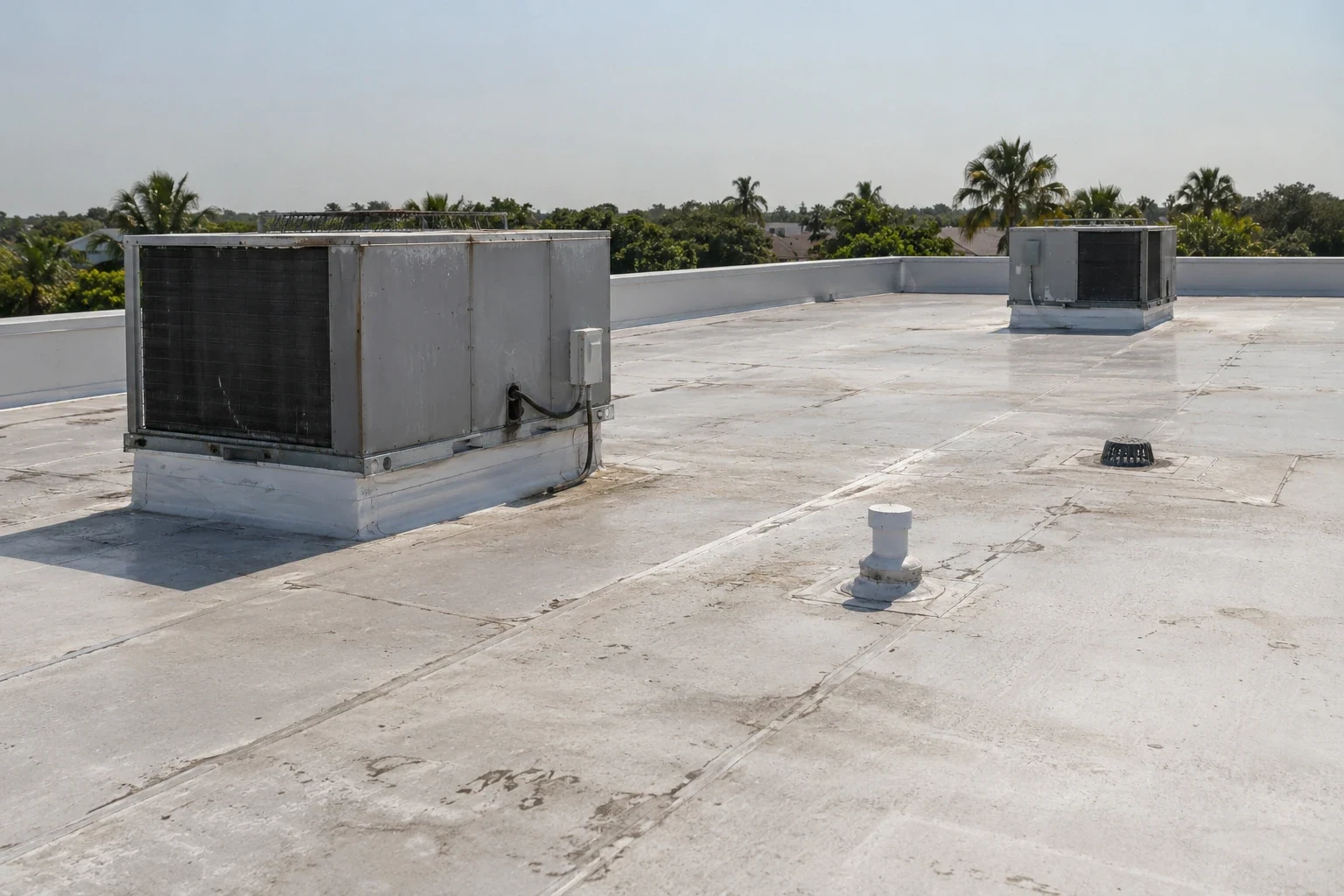
Coating does not replace flashing repair. We inspect curb corners, pipe penetrations, wall transitions, parapets, drain bowls, and perimeter edges first. A seam that is open or a curb that moves needs a compatible detail repair. The penetration and curb flashing scope can address those transitions before a coating is applied. Repairs receive their own photos and boundaries.
Drainage must work after restoration. We check whether strainers are clear, whether overflow paths remain open, and whether low areas hold water. A coating does not correct a depression or blocked drain. If water remains after the outlet is clear, the roof may need slope, insulation, or deck review. The drainage scope defines that work separately from surface coating.
Compatibility matters at transitions between membranes, prior patches, and metal. We confirm the material and test an interface when needed. If the coating system is not compatible with the surface, we document the concern and discuss a different restoration or replacement path. A silicone coating and an acrylic system do not share every installation condition. The work plan identifies the surface preparation, primer, reinforcement, and coating passes required by the selected product. We check coverage as the crew advances and photograph transitions before they are hidden. If the substrate changes from dry to damp, application pauses until the product requirements are met. The daily record names the areas completed and any edge left for the next shift.
Plan for Heat and Close-In
Material installation depends on the product's temperature, moisture, and cure requirements. We check the forecast and surface condition before starting. Heat can shorten working time, while afternoon storms can interrupt open details. The work plan divides the roof into sections that can be prepared and closed safely. If rain approaches, the crew secures the unfinished boundary and records what remains.
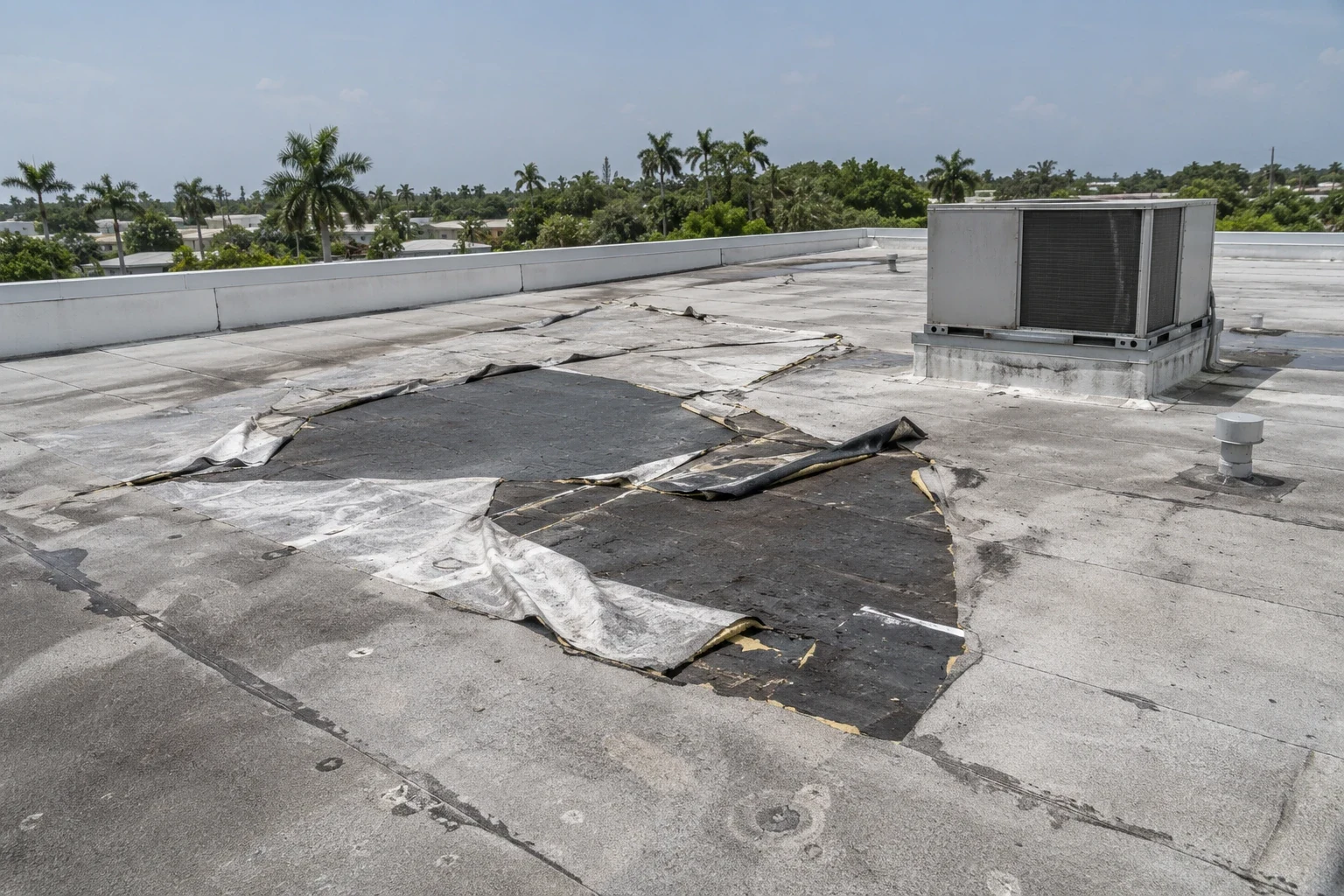
Round Rock's March 21, 2022 storm included large hail reports and a tornado track through the city. After a storm report, we inspect for new punctures, displaced metal, open seams, or coating loss, then compare those observations with dated records. A storm assessment records those findings separately from existing wear. The owner can compare pre-event photos with the inspected condition.
Access and operations affect staging, odors, noise, and protection below the roof. We coordinate with the property contact, identify equipment that cannot be shut down, and set the roof zones for each shift. The contact can also identify sensitive intakes, parked vehicles, or exterior areas that need cover during surface preparation. We confirm protection before cleaning or applying material begins. At the end of a shift, the close-in record shows completed area, material, and any temporary protection. Occupied-building coordination can inform the work sequence when spaces remain in use.
Compare Restoration and Replacement
Coating may fit when the roof is dry, attached, compatible, and structurally sound. Replacement is more appropriate when wet insulation is widespread, the deck is compromised, or details repeatedly fail. Recover may also be considered if the existing assembly and added height work. We compare these routes using inspection evidence, not a surface appearance alone. A roof inspection establishes the observed condition before pricing.
Cost depends on cleaning, preparation, test areas, seam repairs, primer, coating thickness, edge details, access, and weather windows. A proposal identifies the expected coverage and surface preparation, plus conditions that could change the work. We do not price a coating from roof area alone when adhesion, moisture, or drainage remains unknown.
The closeout includes product information, application dates, field photographs, repaired details, and areas excluded from the coating. It also records weather during application, cure checks, and any zone excluded after surface conditions changed. A condition report can preserve baseline findings and the next check. If restoration does not suit the assembly, the replacement scope defines removal, substrate review, and new tie-ins.
Preparation often decides whether a restoration performs as intended. Before coating, the crew checks surface moisture, adhesion, seams, fastener heads, and compatibility with material already present. Loose coating and failed sealant need removal or repair rather than another layer over the top. A test area lets the owner see the prepared surface and verify adhesion before production begins. The work plan should also identify cure conditions, dew risk, and rain protection. If those conditions cannot be controlled, reschedule rather than leave a thin or contaminated film.
Questions About Commercial Roof Coating and Restoration
What conditions must a roof meet before a coating makes sense?
Check attachment, moisture, surface compatibility, drainage, seams, and detail condition. A test area or approved test cut may be needed. We document the evidence and explain any section that cannot support coating.
Will coating fix ponding water?
A coating can protect a suitable surface, but it does not change slope or clear an outlet. We inspect the drain path and low areas first. Persistent ponding may need a separate correction before restoration.
Can the work be done during Round Rock summer heat?
The product's temperature and cure limits guide scheduling. We check surface conditions and weather before applying material. A split shift or smaller work section may be needed if the surface or forecast falls outside the product requirements.
Does a prior storm mean the coating has failed?
The event creates a reason to inspect, not a condition finding. We compare dated photos and look for new punctures, separation, or impact. The report distinguishes storm evidence from earlier coating wear.
What is included in the restoration closeout?
Keep application dates, material details, prepared zones, repair photos, exclusions, and the recommended next check. The file should also state any access limit or surface condition that kept an area outside the work.
Related Roofing Work
Cedar Park
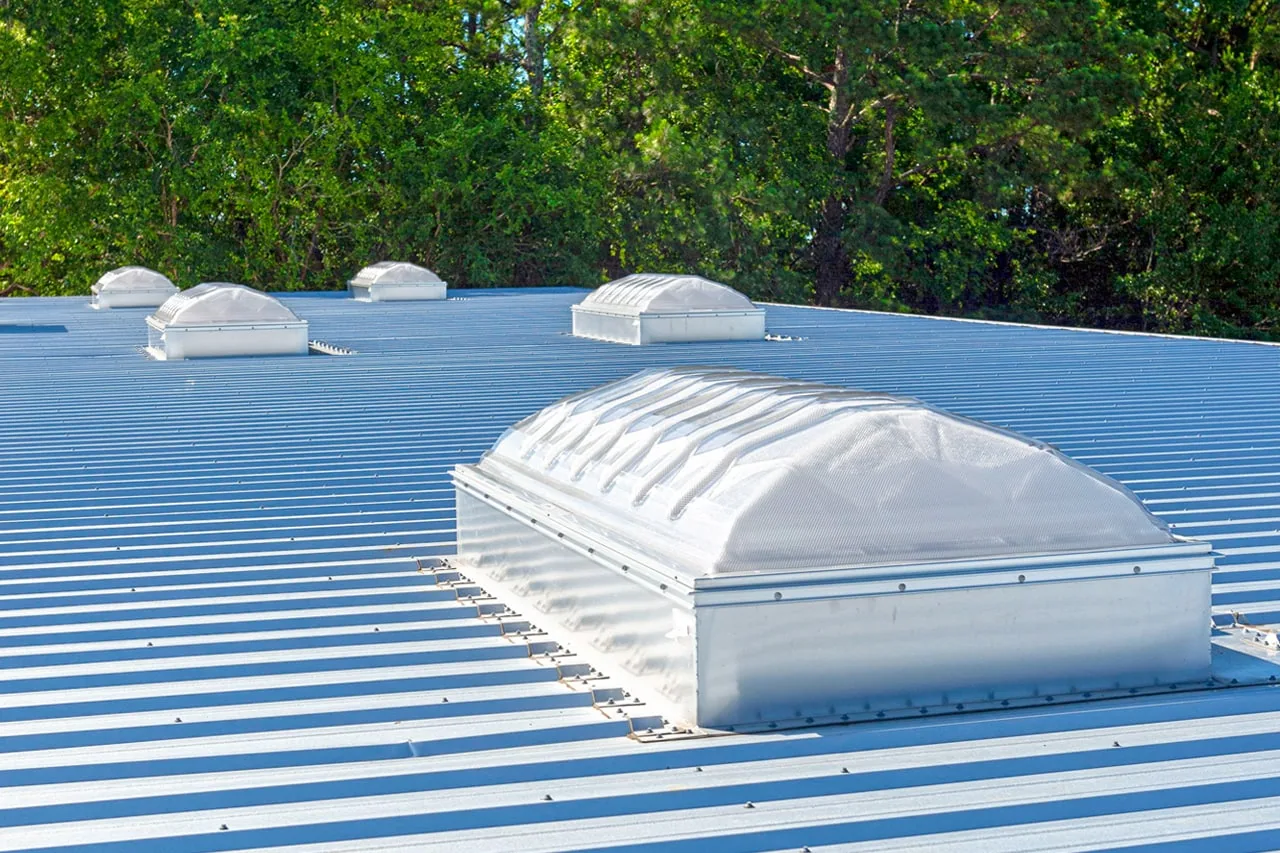
Commercial Skylight and Penetration Flashing
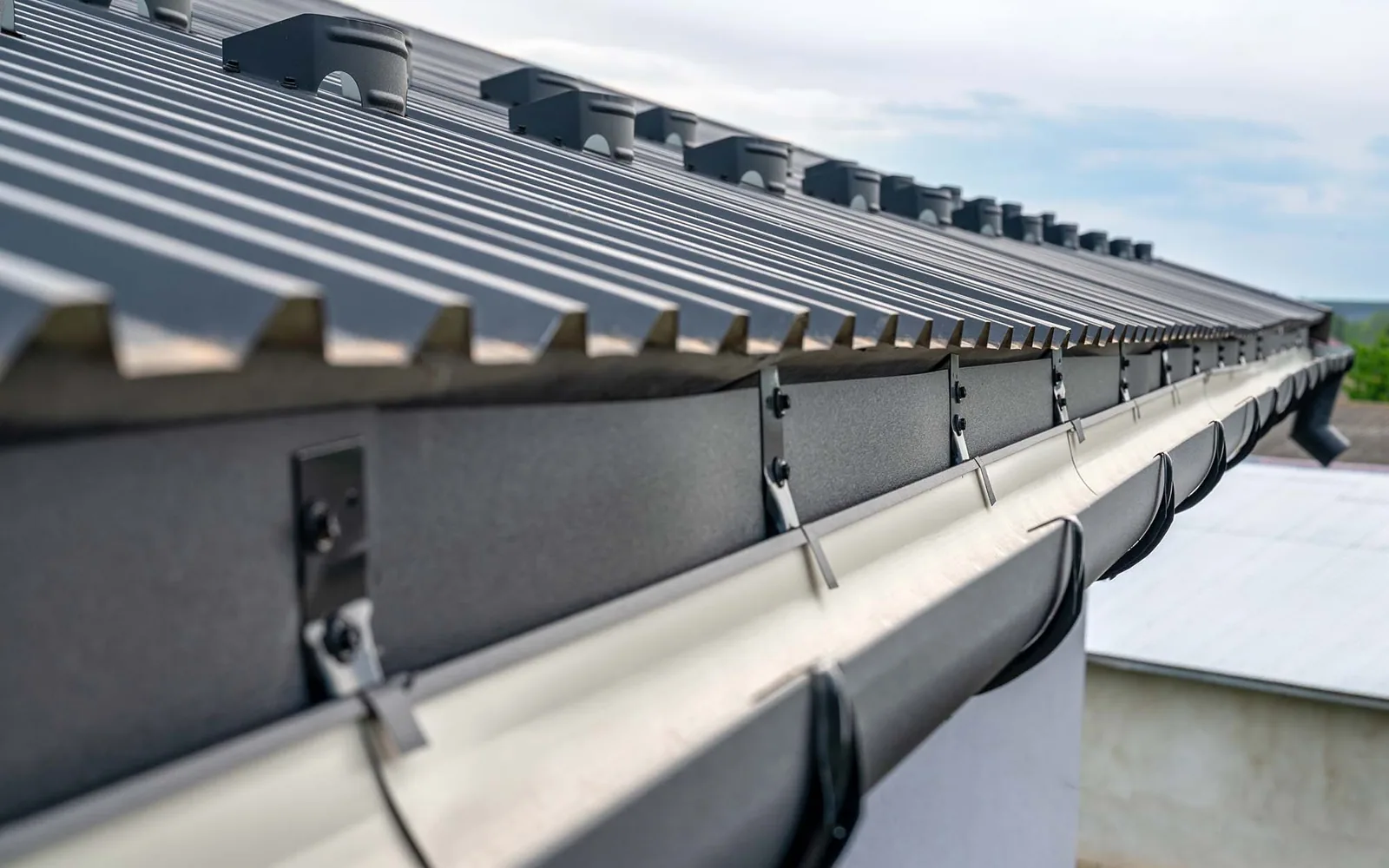
Commercial Roof Drains and Scuppers
Commercial Silicone Roof Coatings
Storm Damage Roof Repair