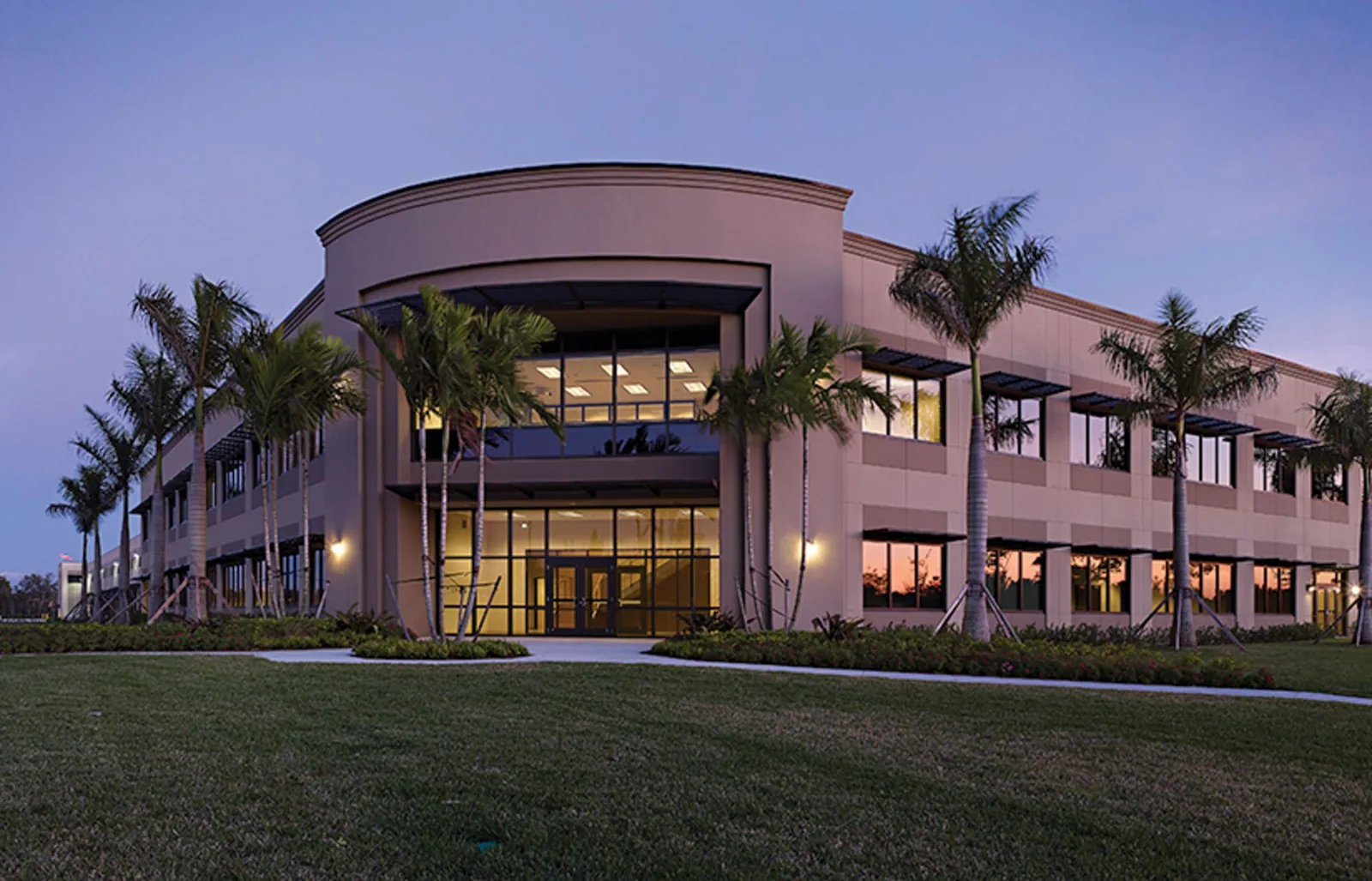
Inspect a Cold-Storage Roof Assembly
A warm, wet ceiling below a freezer room can come from a roof leak, a vapor-control failure, or indoor condensation. Those causes need different checks. Record the room, temperature condition reported, event time, and roof zone before choosing a repair. Round Rock has logistics development near I-35 and Old Settlers Boulevard, along with retail and hospitality destinations such as Round Rock Premium Outlets and Kalahari. A cold-storage roof also needs attention to vapor control, insulation continuity, and the temperature boundary around freezer rooms.
Share the property address, affected room, event date, operating restrictions, access contact, and roof records. We will map the suspected water path and define any test or repair boundary before work begins. Call 555-555-5555 or request a roof assessment.
Read the Interior and Temperature Boundary
Start at the room where water or frost was reported. Ask whether the condition changes with door cycles, a defrost period, equipment operation, or recent weather. Photograph the interior location and note when it appeared. A stain beneath a roof penetration may still reflect water traveling along the deck, but moisture can also form when warm, humid air reaches a colder surface. We compare the report with the roof and the room's operating information.
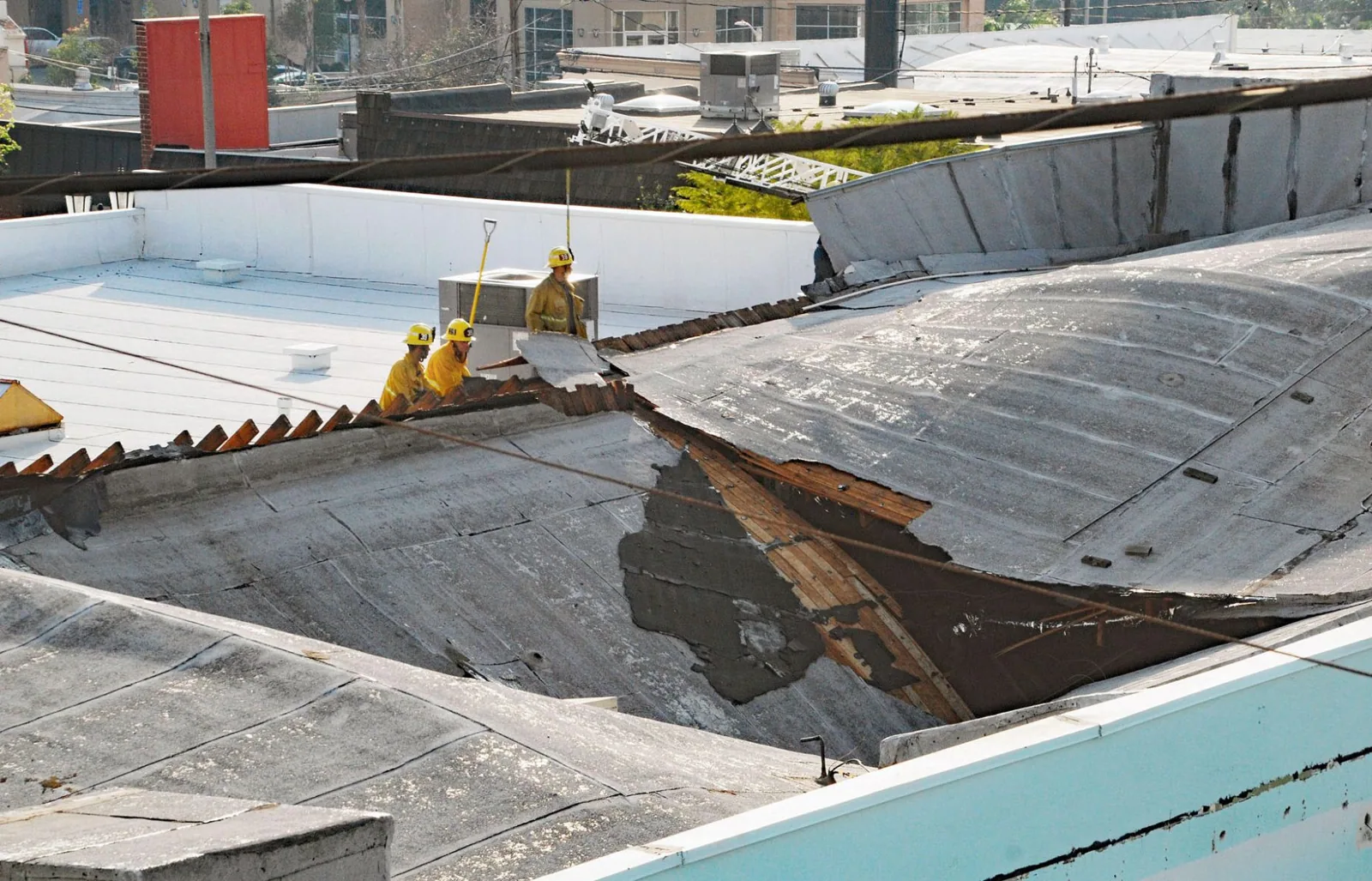
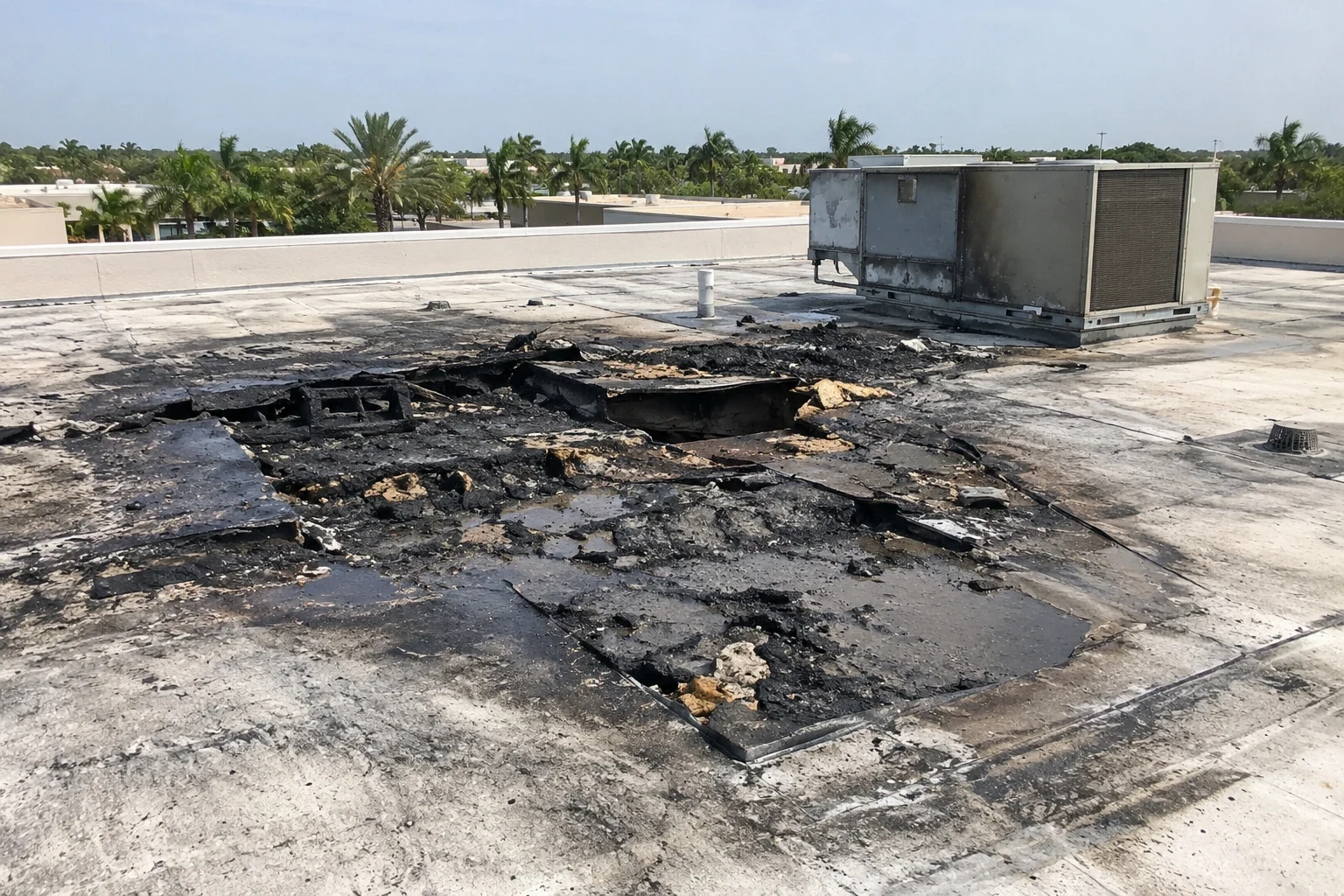
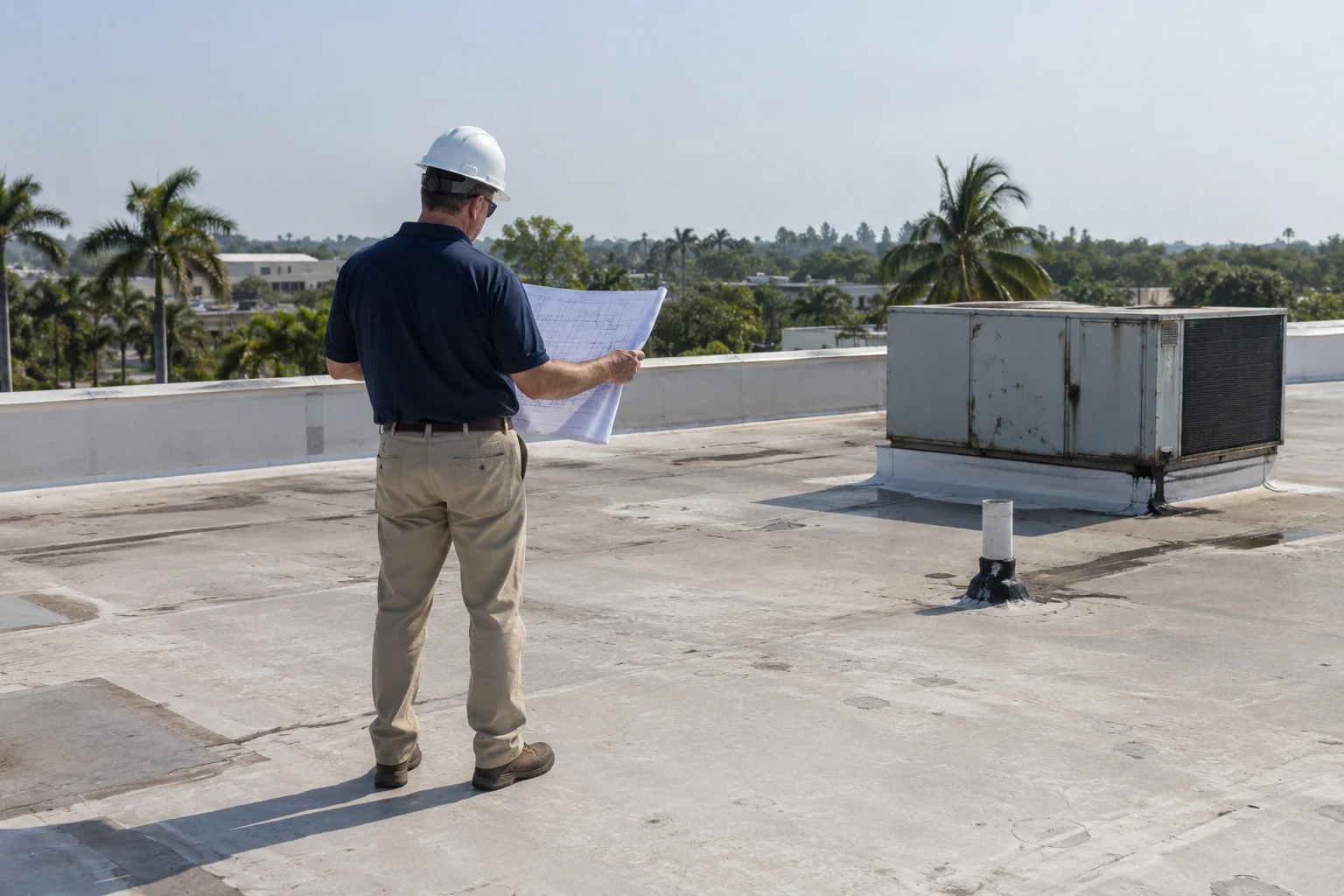
On the exterior, inspect the membrane, seams, curb flashing, wall transitions, penetrations, and roof areas above the reported room. Look for open joints, loose terminations, punctures, water marks, or wet insulation evidence. A roof inspection can tie those findings to a marked zone and state which areas were out of reach. The inspection should not label condensation as a roof leak without evidence of an entry path.
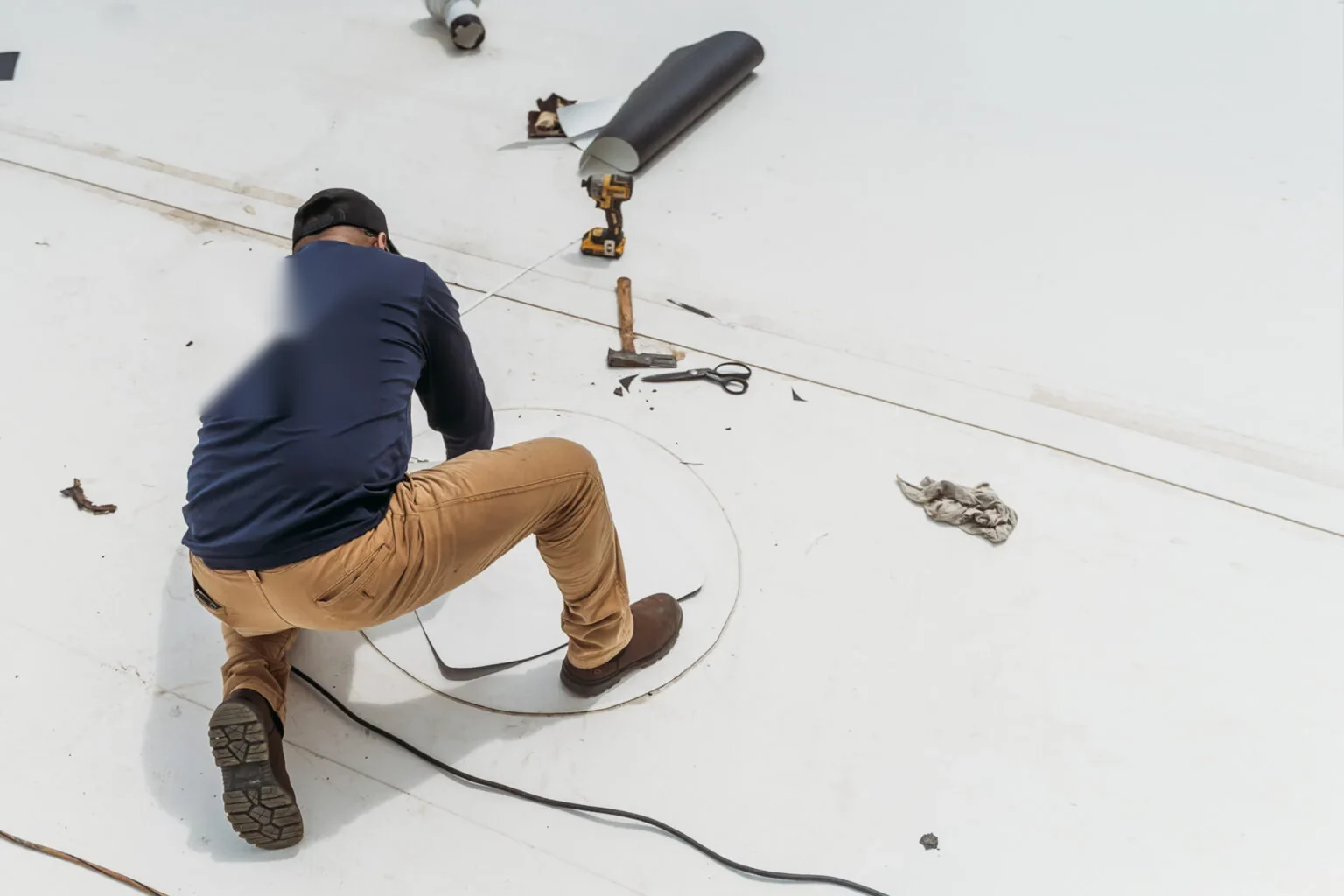
A test cut can identify layers and moisture at a chosen point. Before opening the assembly, confirm the location with the facility contact, protect the space below, and define how the roof will be restored. If the condition is not reproduced during the visit, record that limit rather than treating a dry moment as proof that no problem exists.
Inspect the Vapor and Penetration Details
Temperature-controlled rooms put a premium on continuous transitions at curbs, pipes, exhausts, walls, and rooftop equipment. Review the flashing where the roof meets each penetration and note any movement or prior patch. Inside, confirm which equipment or cold-room boundary is near the reported mark. The roof membrane, insulation, and vapor-control layers must be considered together when the assembly is opened.
Round Rock's local commercial base includes distribution uses at Chisholm Trail Trade Center and light-industrial buildings at Pecan 130. Those facts describe nearby logistics and industrial development, not refrigerated operations or roof materials. For a specific cold-storage facility, confirm the owner, access contact, product-protection rules, and permitted roof work hours directly. A roof insulation review can document the layers exposed at an approved test location.
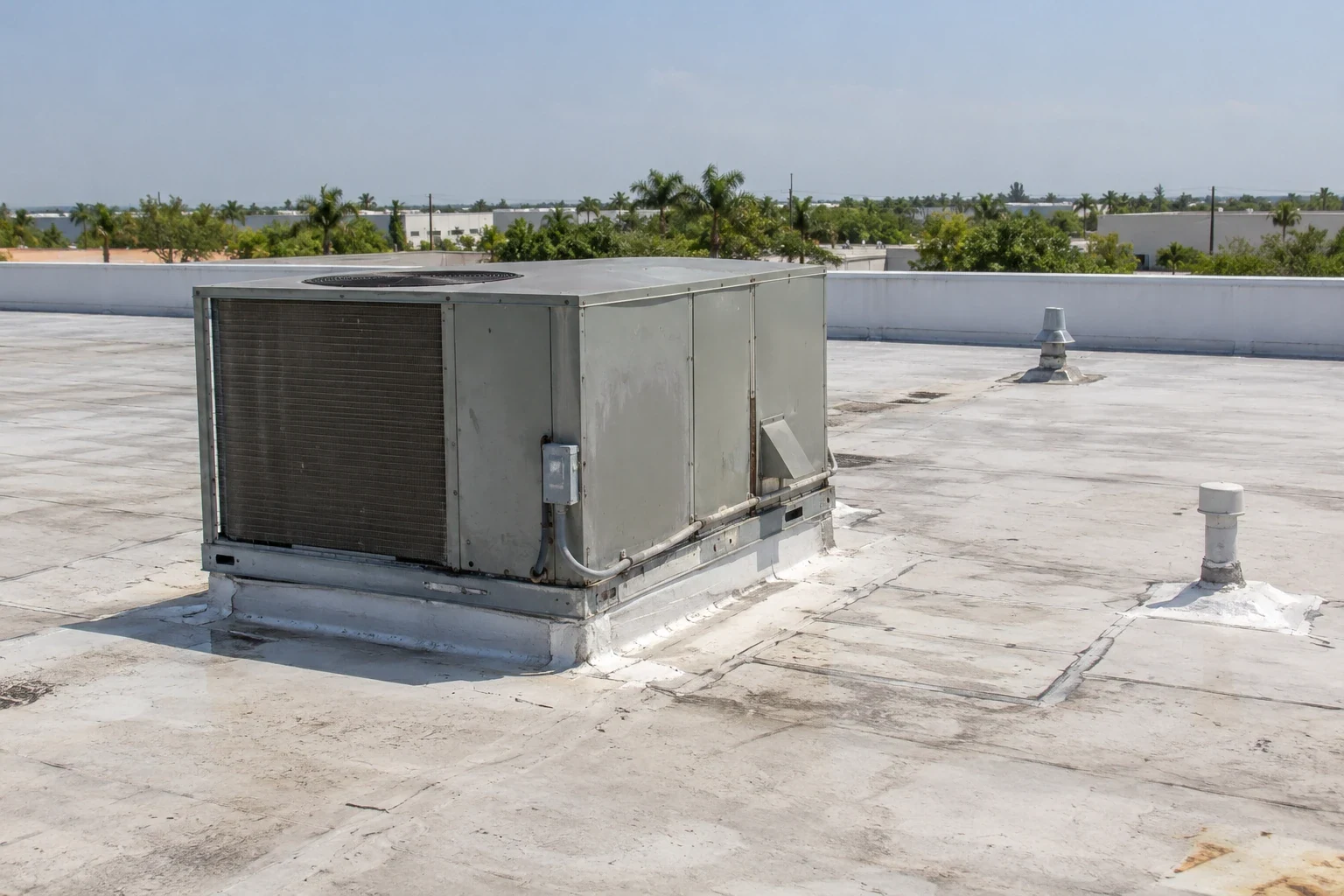
Where the roof has been modified for new equipment, check the curb height, flashing corners, support attachment, and water path around the base. A mechanical contractor may own the equipment, while roof work addresses the weathering surface. Keep those scopes coordinated without treating one trade's signoff as confirmation of the other detail.
Keep Water Out of the Insulation
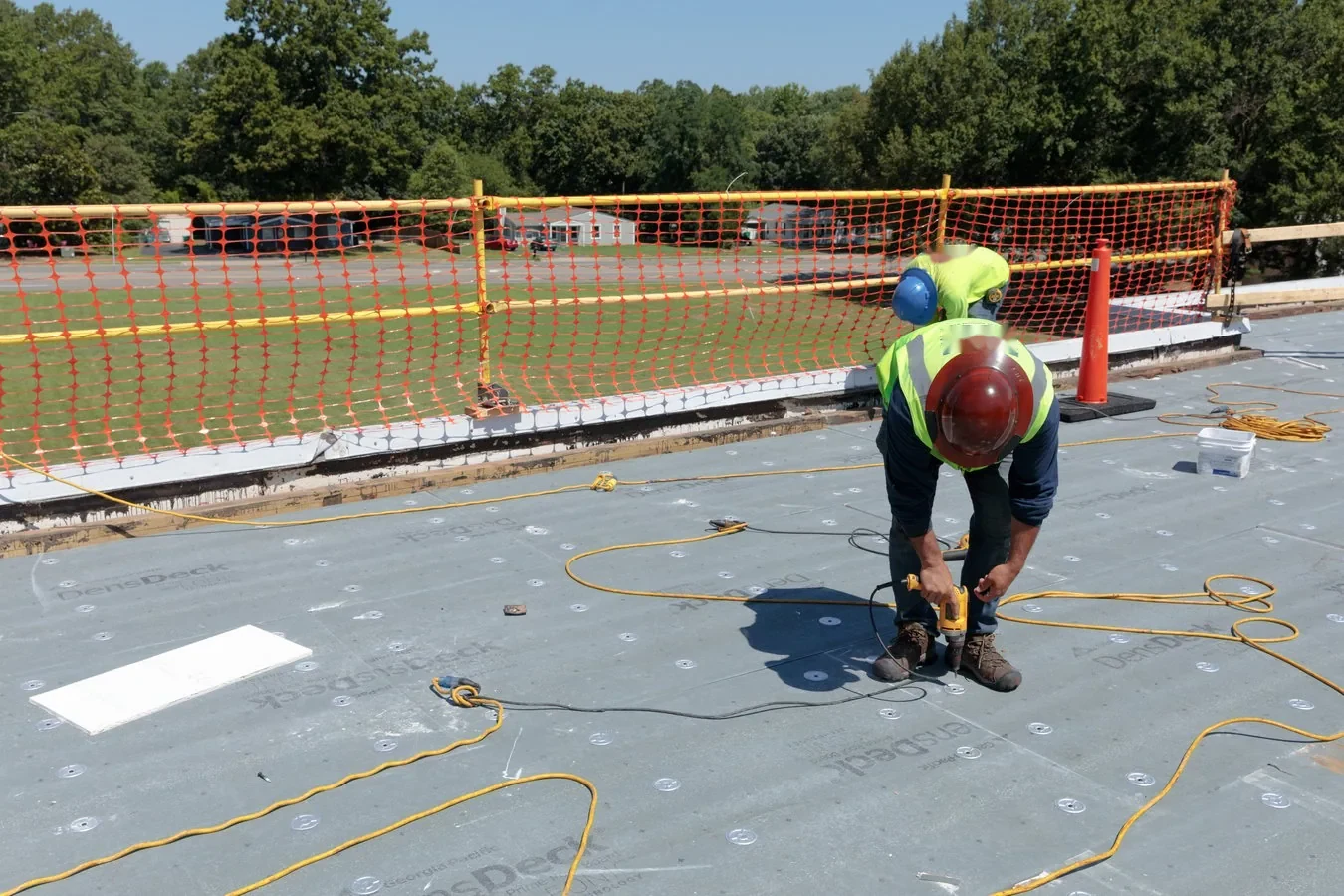
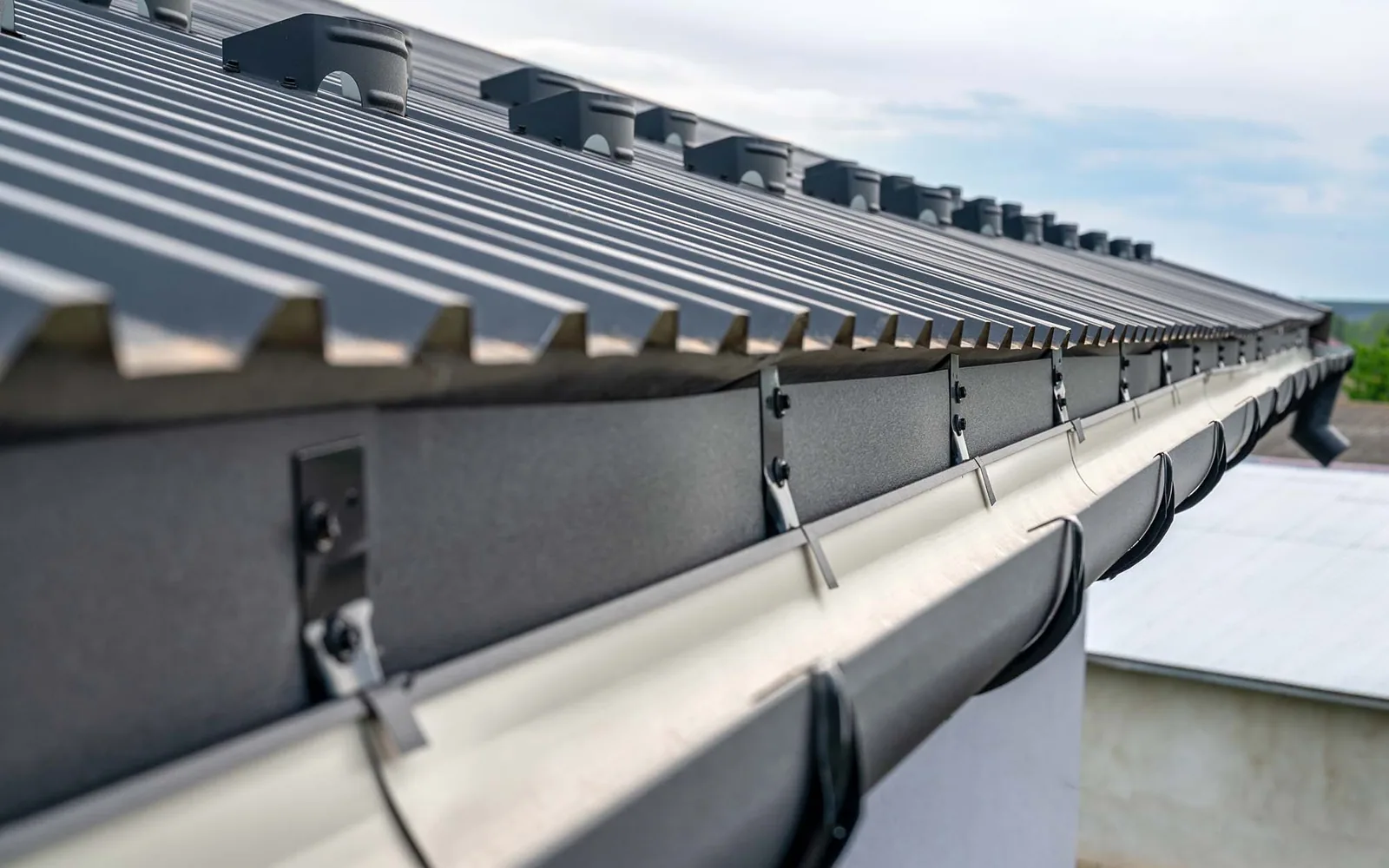
Drainage issues can raise moisture levels in a roof assembly and complicate a cold-room diagnosis. Follow each low area to the drain bowl, scupper, or overflow. Check the strainer, clamping ring, flashing, and surrounding membrane. A drainage check can distinguish a blocked outlet from a low spot or failed roof detail. Water that clears from the surface does not show whether insulation underneath has dried.
Camp Mabry, in Austin, averages 97.8 degrees as its normal August high. That station gives regional climate context. At a refrigerated building, the inspection also needs the measured room and roof conditions that show how warm exterior air meets the cooled interior. That makes inspection timing and safe access relevant, but the roof surface and interior controls must be evaluated at the facility itself.
On March 21, 2022, severe weather brought a tornado through Round Rock, while large hail reports came from elsewhere across the region. For cold storage, inspect the named roof zone for openings, displaced edges, or water entry; the event record guides the check but does not diagnose the assembly.
Choose a Repair That Fits the Exposure
A small membrane puncture may take a compatible patch if surrounding material and insulation are suitable. Repeated wet areas or a failed vapor-control transition may require opening more than the visible stain. The repair scope should identify confirmed materials, the defect, and the limit where sound assembly resumes. If an opening reveals wet insulation, set removal and replacement limits before closing the roof.
Replacement, recover, or coating should be compared only after moisture, attachment, substrate, drainage, and transitions have been reviewed. A recover cannot correct concealed wet materials by covering them. A new system may need changed drain heights, perimeter metal, insulation, and curb details. A warehouse roof review or distribution roof plan addresses similar access and dock coordination, but the temperature-controlled assembly needs its own vapor and cold-side review.
Cost and timing depend on roof type, moisture removal, number of penetrations, access, temperature-control needs, sanitation or product-protection rules, and the time available for close-in. List any shutdown, ceiling protection, or temporary holding procedure as a separate operating decision. The roofing scope can define its work area and weather protection without promising control of the building's refrigeration equipment.
Protect Product and Keep Work Zones Closed
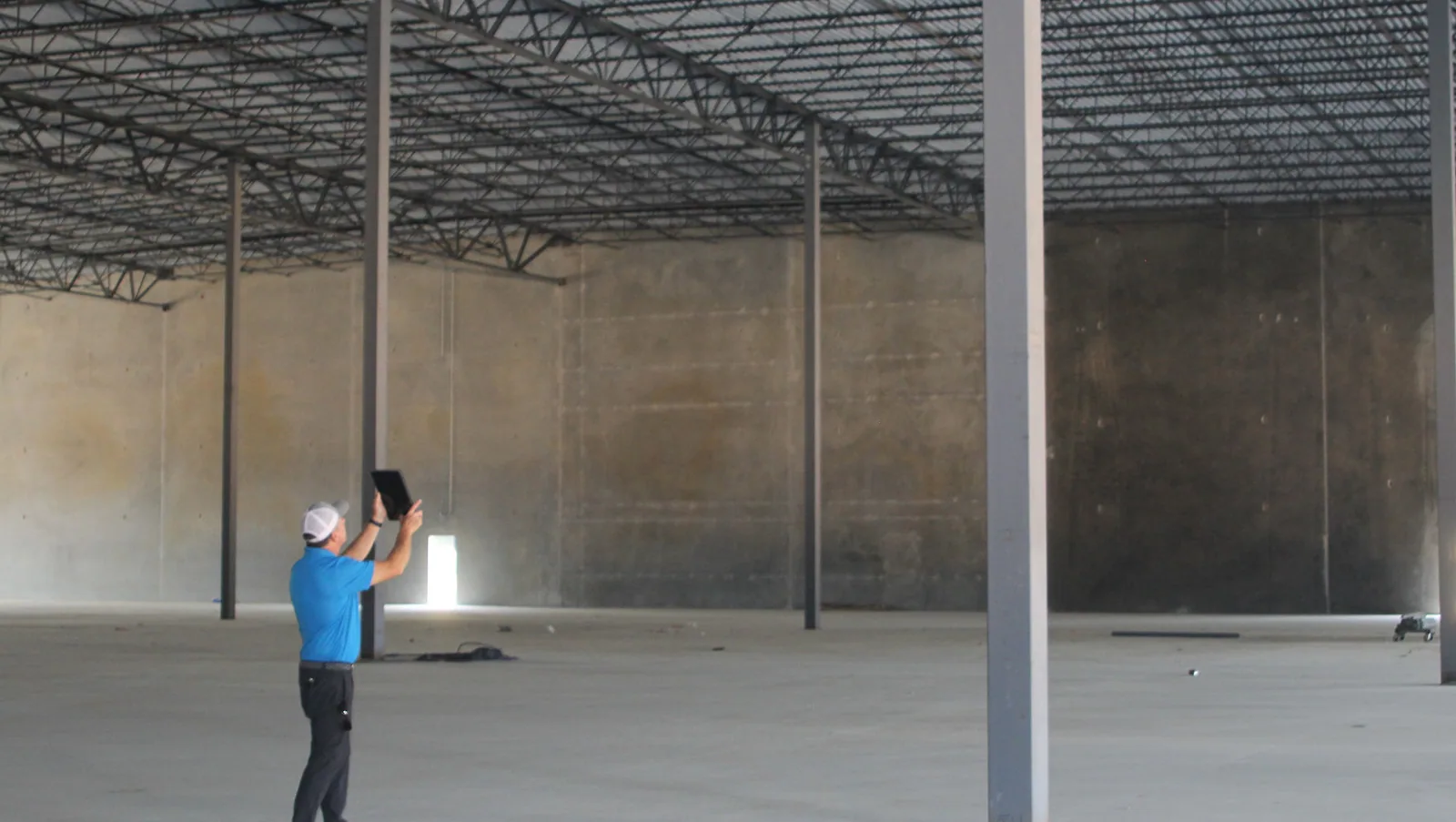
Before staging, confirm whether inventory, cold-room operation, or shipping can be interrupted. Identify the route to the roof, lift or ladder position, debris path, doors that must remain sealed, and person authorized to approve a shutdown. The facility contact determines how product is protected. We set the roof boundary and establish when each area will be weather-tight again.
Round Rock Premium Outlets sits along the I-35 service road and is promoted as a regional shopping destination. The Round Rock area has distinct traffic patterns; the cold-storage site's manager can confirm its gate and delivery controls.
For occupied work, a phased work sequence can set daily start and stop limits, protect the opening, and record the point each shift returns to the facility. If weather interrupts installation, close the active section with the specified temporary detail and communicate the remaining exposure before the crew leaves.
Preserve a Useful Cold-Storage Roof Record
The closeout should identify the facility, room report, roof zone, date, materials, photographs, test location, repair boundary, and operating limits. Keep the interior observation separate from roof findings. If condensation remains a possibility, assign the next check to the responsible building contact. If the roof was opened, record how the assembly was restored and what layer evidence was found.
Send the address, active water status, affected room, roof access details, equipment limits, and available roof records before a visit. We will trace the reported path, inspect the relevant transitions, and distinguish observed damage from unconfirmed conditions. The next inspection can then return to a marked area instead of repeating an undefined search.
Questions About Cold Storage Roofing
How do you tell a roof leak from condensation in a cold room?
Compare when the moisture appears, room operation, surface temperature conditions, and the roof detail above it. Inspect the assembly for a credible entry path and document the interior separately. If evidence is incomplete, state which test or follow-up observation could distinguish the causes.
Can one test cut show whether the full cold-storage roof is wet?
A test cut confirms layers and moisture at its own location. We select a point based on the report and visible roof conditions, then list any other zones that remain untested. A broader conclusion needs additional samples or a survey with a defined coverage area.
What must be checked around freezer-room exhausts and curbs?
Inspect curb flashing, corners, supports, penetrations, seams, and the drainage route nearby. Confirm the equipment's operating and access restrictions with facility staff. Keep mechanical repairs and roof-interface work identified separately in the scope.
Does a Round Rock storm report prove hail damage at my building?
No. The 2022 event supplies regional context. We inspect the named property for observable impact, displacement, open details, or water entry and record which roof areas could be reached. The report should not assign damage from the event alone.
How can roof work avoid putting inventory at risk?
The facility establishes inventory controls and any shutdown or temperature restrictions. We plan the roof access route, work zone, daily weather closure, and communication point around them. If those protections cannot be maintained, adjust the work window before opening the assembly.
Related Roofing Work
Commercial Roof Inspection

Commercial Roof Insulation and Cover Board
Commercial Roof Drains and Scuppers
Commercial Roof Repair
Warehouse Roofing