Coordinate a Campus Roof Assessment
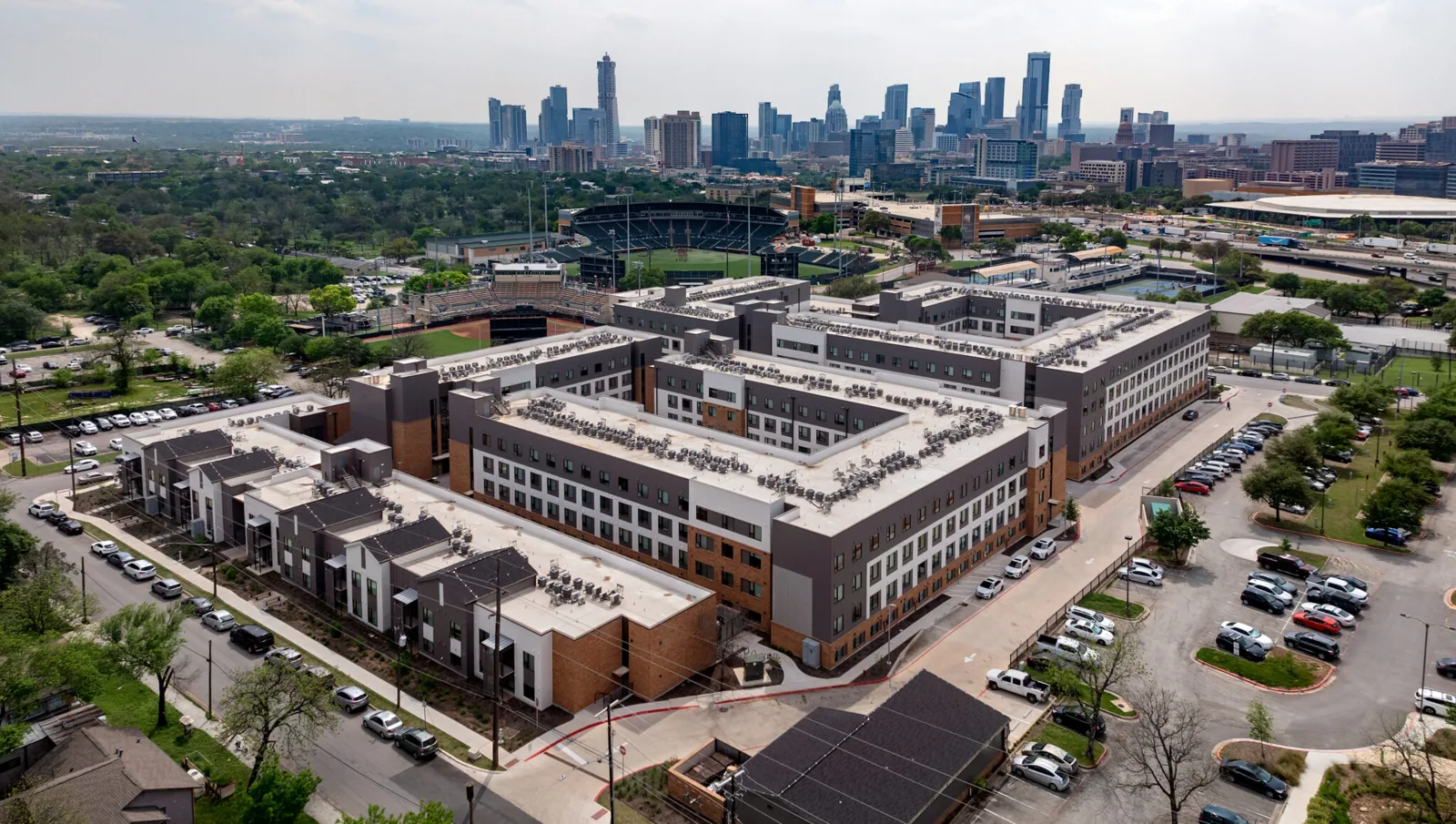
A roof repair near a classroom or lab needs a work boundary that fits the campus calendar. A crew may have to reach one roof zone while keeping nearby entrances and scheduled activity clear. Round Rock's University Boulevard area includes higher-education properties between I-35 and SH 130. That setting affects access planning, but each roof still needs a building-specific inspection.
Commercial roofing in the University Boulevard higher-education district begins with the building name, current roof plan, access lead, and operating calendar. A commercial property in nearby Pflugerville or Georgetown has its own building contact and operating controls.
Provide the institution and building, roof plan, reported rooms, campus access lead, and work calendar. We will define the inspection route and report limits. Call 555-555-5555 or request a roof assessment.
Match the Report to a Roof Zone
A ceiling mark in one room does not identify the roof opening above it. We compare the interior report with seams, drains, perimeter details, curbs, and penetrations on the roof. The Diligence Notes records the building and zone, then explains whether water movement is supported by what we see. If it is not, the next step may be a controlled test or a follow-up after rain.
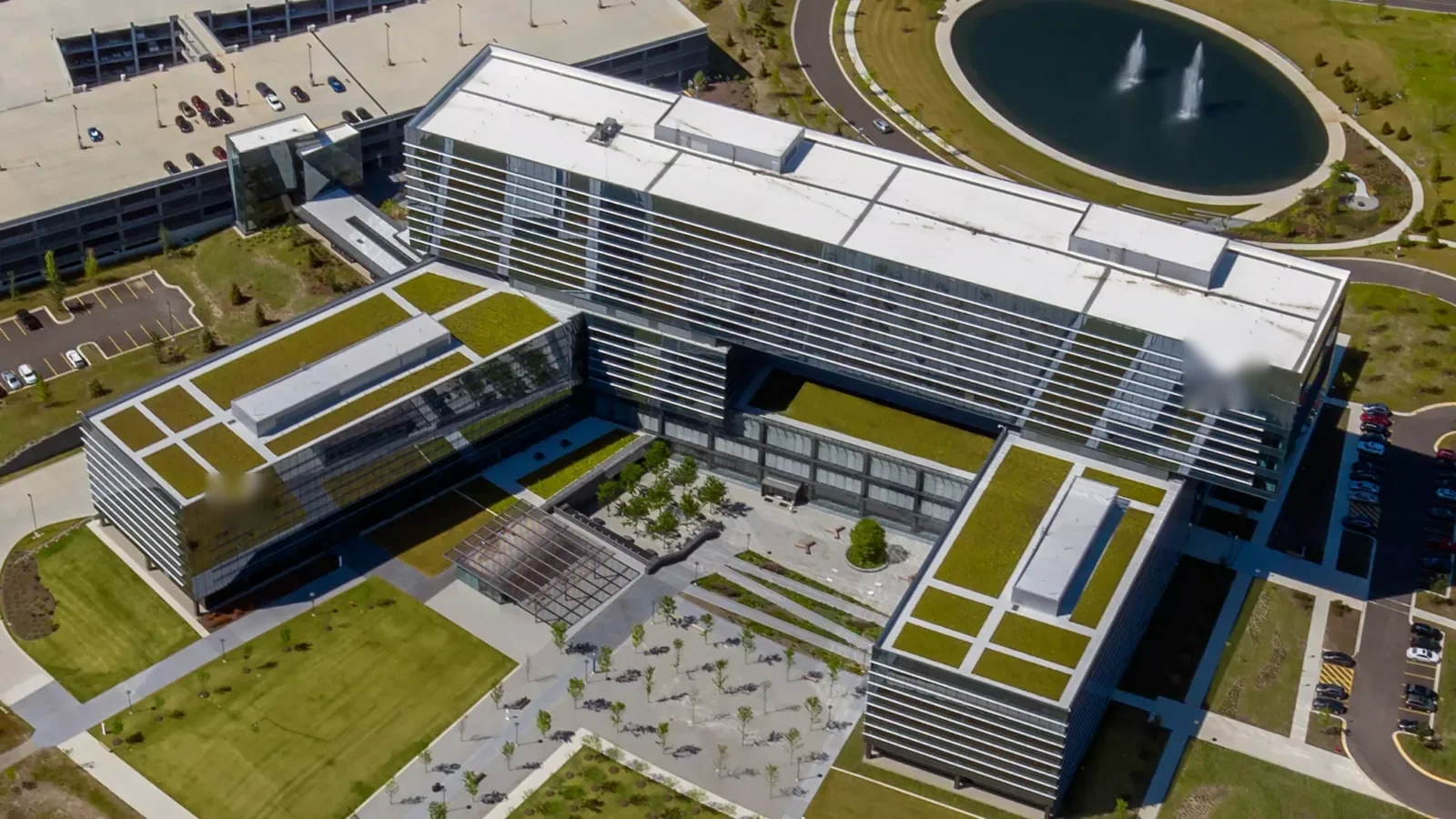
A campus expansion's floor area does not establish its roof dimensions. We use current roof drawings and field conditions, then compare any renovation closeout documents with the assembly before proposing a repair. New construction and existing roof sections can meet at transitions that need separate inspection.
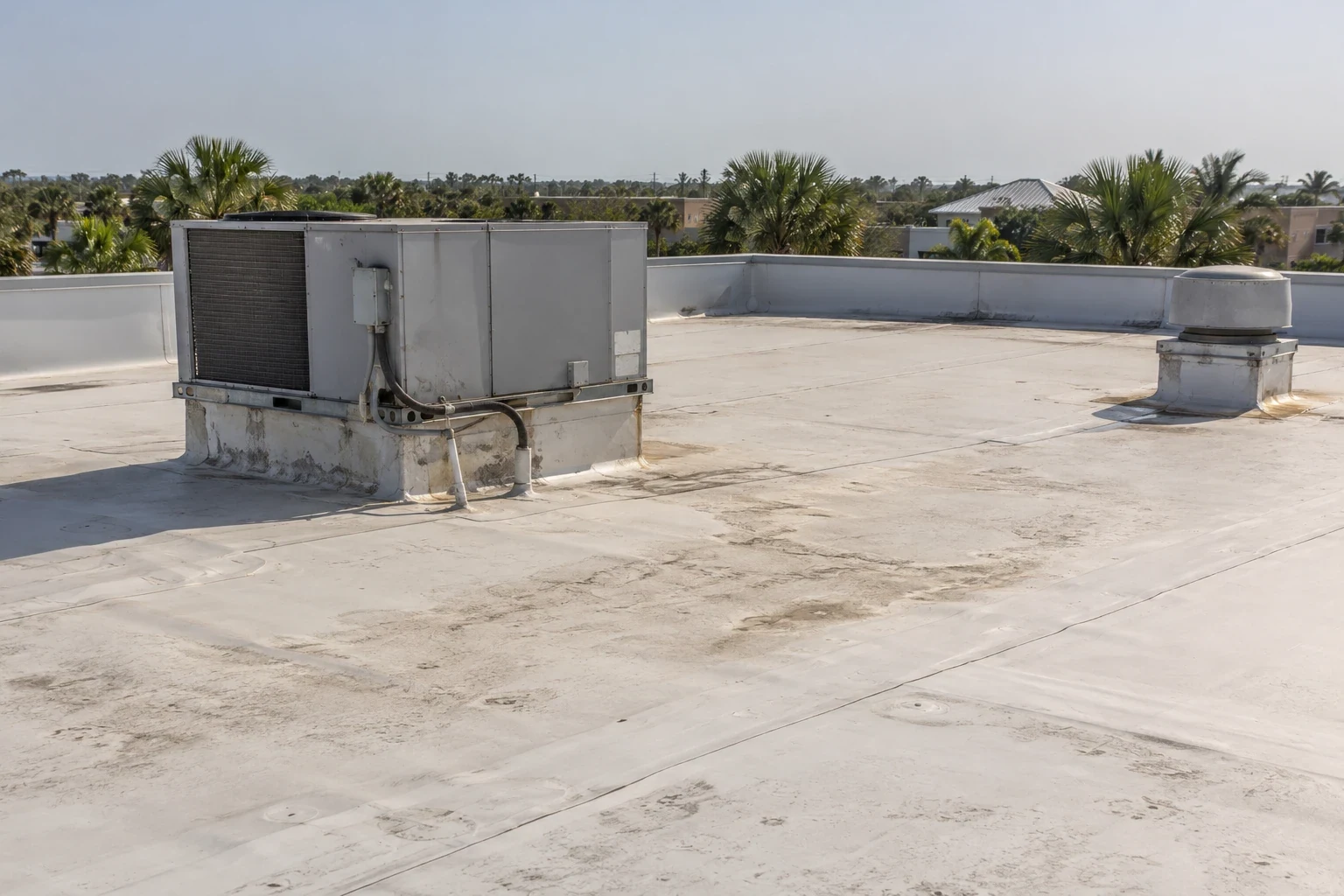
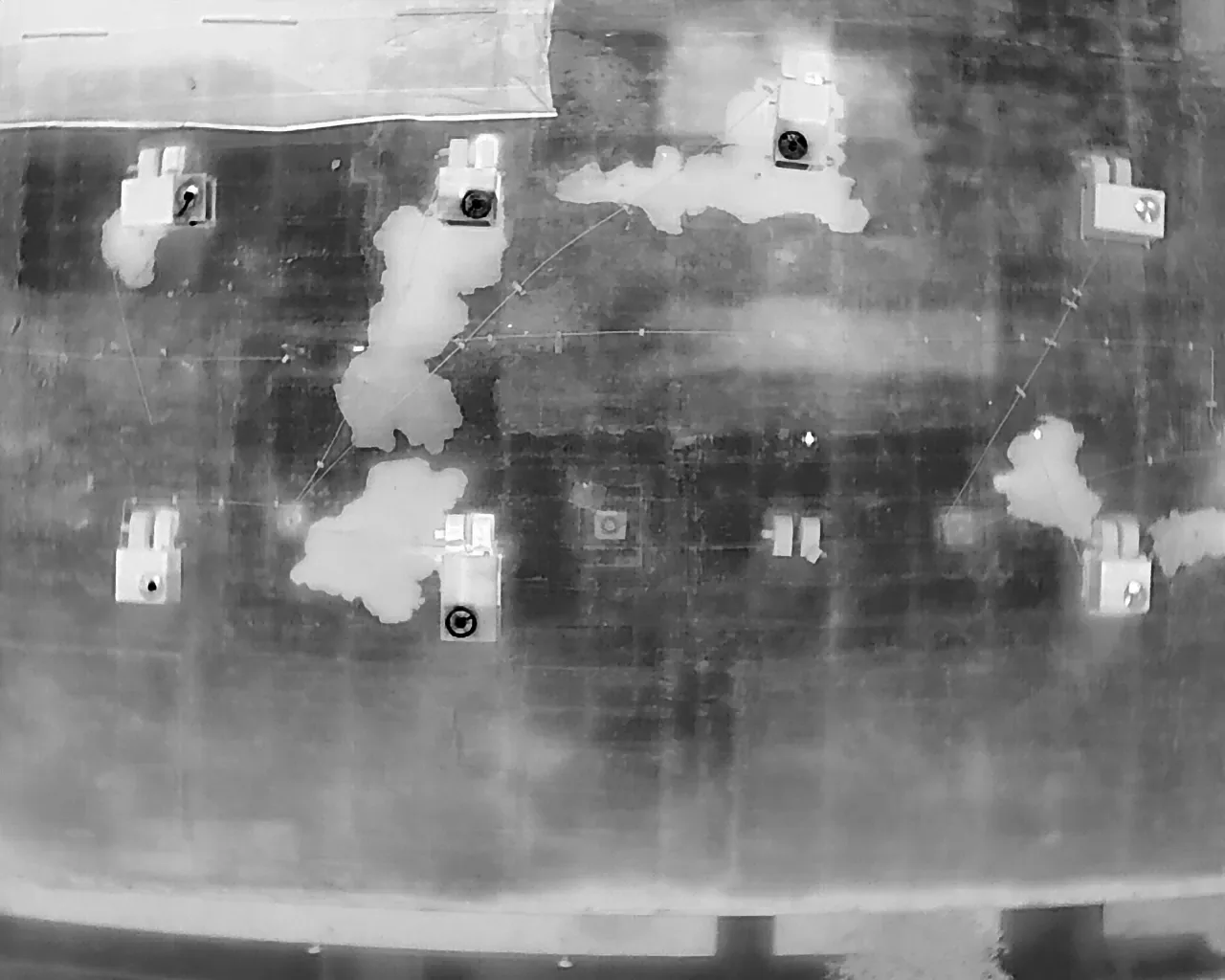
Roof inspection includes visible membrane seams, metal edges, wall transitions, equipment supports, drainage paths, and earlier patch areas. We note ponding only where water is observed and distinguish it from a blocked drain or a low deck. A moisture scan can guide test locations, but a scan result does not replace confirmation at the suspected assembly. The written findings name both evidence and limits.
Austin's Camp Mabry station records a 97.8°F mean August high in its 1991 to 2020 normals. Round Rock’s March 2022 severe-weather record includes a tornado track through the city; hail was reported elsewhere in the surrounding region. For a campus building, the inspection should document its own seams, penetrations, edges, and drainage before any repair is scoped.
Set a Work Window with Campus Staff
Campus staff establish escort rules, roof entry, photography limits, class schedules, and restricted areas. We confirm whether the work sits over an active room and where materials can be staged. The crew keeps tools and debris within the approved boundary and communicates if weather or a concealed condition changes the day plan. If a section cannot be reached, the report says so.
For leaks, emergency response is available at any hour, including holidays. Staff can identify the affected room and any furniture, equipment, or records needing protection. Temporary water control is documented as its own action. A permanent repair follows once the roof-side source, assembly, and access window are confirmed.
Large reroof scopes can be phased by area and by campus schedule. Each shift needs a clear start point, tear-off limit, dry-in method, and weather stop. If removal exposes wet insulation or a damaged deck, the crew covers the opening, measures what is visible, and requests approval before the scope grows. A school calendar can affect mobilization and interior protection, but it does not change the need to close each opened area safely.
Related scopes include occupied-building reroofing, commercial roof inspection, and drain and scupper service. Reports can record a roof map through condition reporting or support longer-range work with multi-site roof planning.
Choose an Option from the Assembly
A local flashing repair can be a reasonable scope when the defect is isolated and adjacent material remains secure. Repeated leaks, moisture across several test points, or widespread seam failure call for a broader review. We describe what was tested, where the sample came from, and what areas remain outside the finding. One roof section does not stand in for every building in a district.
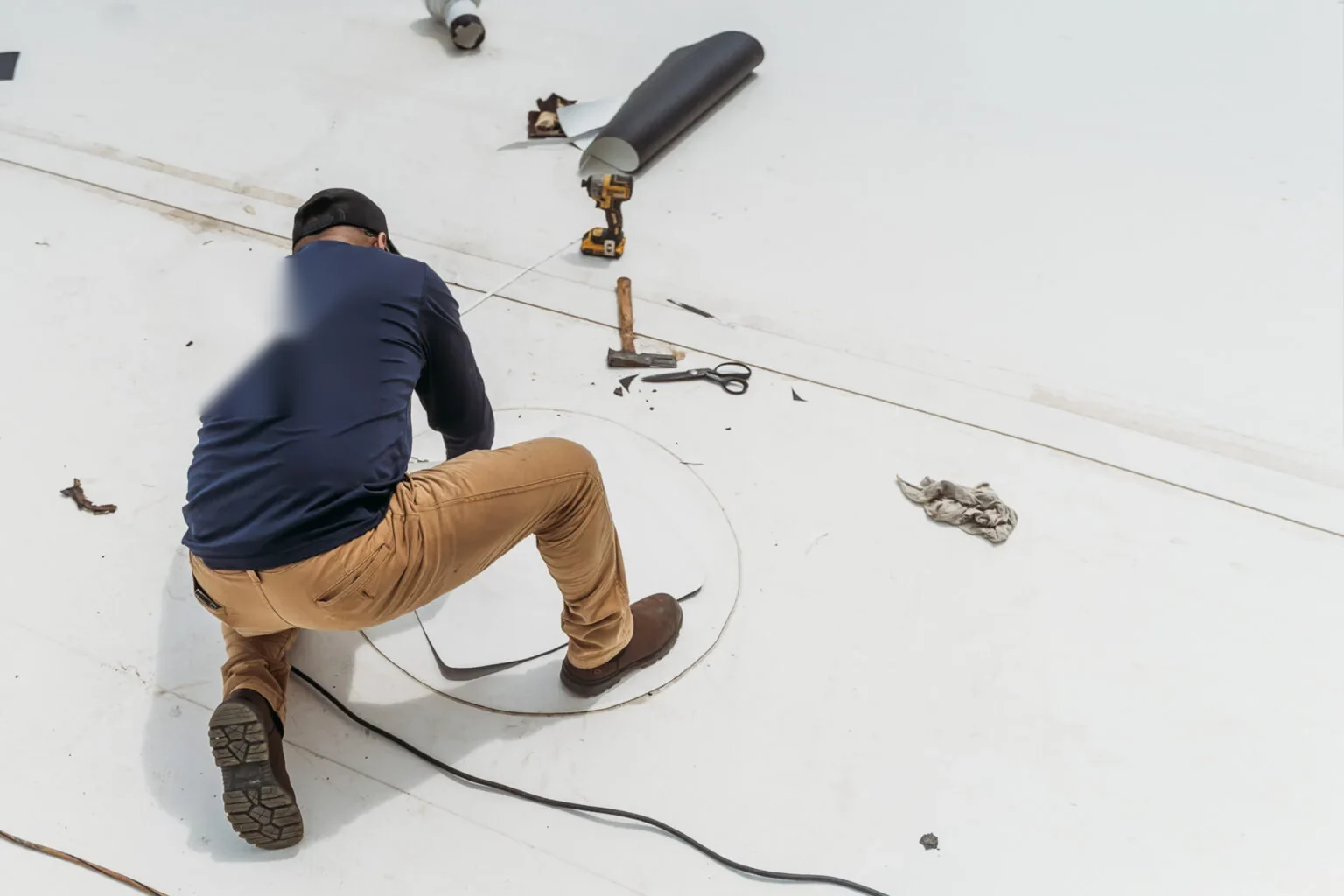
Recover and coating options depend on moisture, surface condition, attachment, compatibility, drainage, and the details that remain beneath a new layer. A coating cannot bridge a failed curb or remove wet insulation. Replacement may expose hidden conditions and can make a more complete assembly change possible, but it requires more access, material handling, and interior planning. Each estimate states what will be removed, what will stay, and how the open area will be protected each day.
Cost and schedule reflect height, roof system, access restrictions, staging, weather, equipment, work hours, and concealed damage. The proposal separates roofing from electrical, mechanical, interior, and campus security work. For projects in Round Rock, Building Inspection handles city code enforcement. The owner and design team confirm permitting and review duties for the specific scope; we supply roofing assembly details when requested.
Deferring a small leak can allow moisture to reach insulation or interior finishes, but the extent needs inspection. We can separate immediate water control from a permanent scope so campus staff can make a decision with clear limits. If the roof is dry on the inspection date, we state that weather has not tested a repair.
Keep Building History with the Roof Plan
Closeout should identify the campus building, inspected roof zone, work performed, materials, and remaining action. When allowed, photos should correspond to a marked roof plan. Record access restrictions and weather at the time of work. This gives facilities staff a useful record for warranty files, capital planning, and the next service call.
Access, lift staging, pedestrian routes, and event schedules can differ by property along the road. Facilities staff identify the approved entrance and work hours before mobilization. The repair record names the roof zone reached, the seams and drainage checked, and any adjacent section left for a later visit. That keeps each finding tied to the building inspected.
Keep roof plans with maintenance tickets, construction closeout, equipment changes, and occupant reports. A later contractor can then locate a prior repair and see whether a new penetration or trade visit changed the detail. If several buildings are included, identify each one separately rather than merging observations under the campus name.
A service request in the University Boulevard area should identify the property, building, and roof zone. That distinction helps route access, approvals, and updates to the right facilities contact, especially when several buildings share one operating calendar.
Higher-education properties along University Boulevard can have different schedules within the same campus or district. Roof work should be planned around occupied classrooms, laboratories, event spaces, and service roads as applicable to the property. The building contact can identify restricted areas, while the roof assessment records the actual membrane zones, penetrations, and drainage details inspected.
For phased repairs, map each area to a building and roof section rather than relying on a general campus label. This keeps estimates, photographs, and closeout notes usable when facilities staff coordinate several buildings or compare future maintenance needs.
Questions About University Boulevard Higher-Education District
Can one inspection cover both Round Rock campuses?
It can cover both only when each property authorizes access. We keep the roof plans, findings, and contacts separate by institution and building.
What does the ACC expansion size tell us about the roof?
It identifies a 65,114-square-foot project. We still measure the roof area and confirm the assembly on site.
How do you schedule work around classes or campus events?
Campus staff set access and operating windows. We define the daily roof boundary and dry-in plan within those limits.
What if a leak appears far from a drain?
A ceiling mark may appear away from the roof-side entry point. We compare the stain with roof details and explain any test still needed.
Can facilities compare bids for repair and replacement?
Yes. We state the observed condition, work limits, included material, access assumptions, and conditions that could change quantity.
Related Roofing Work
University Boulevard Higher-Education District
Pflugerville
Georgetown
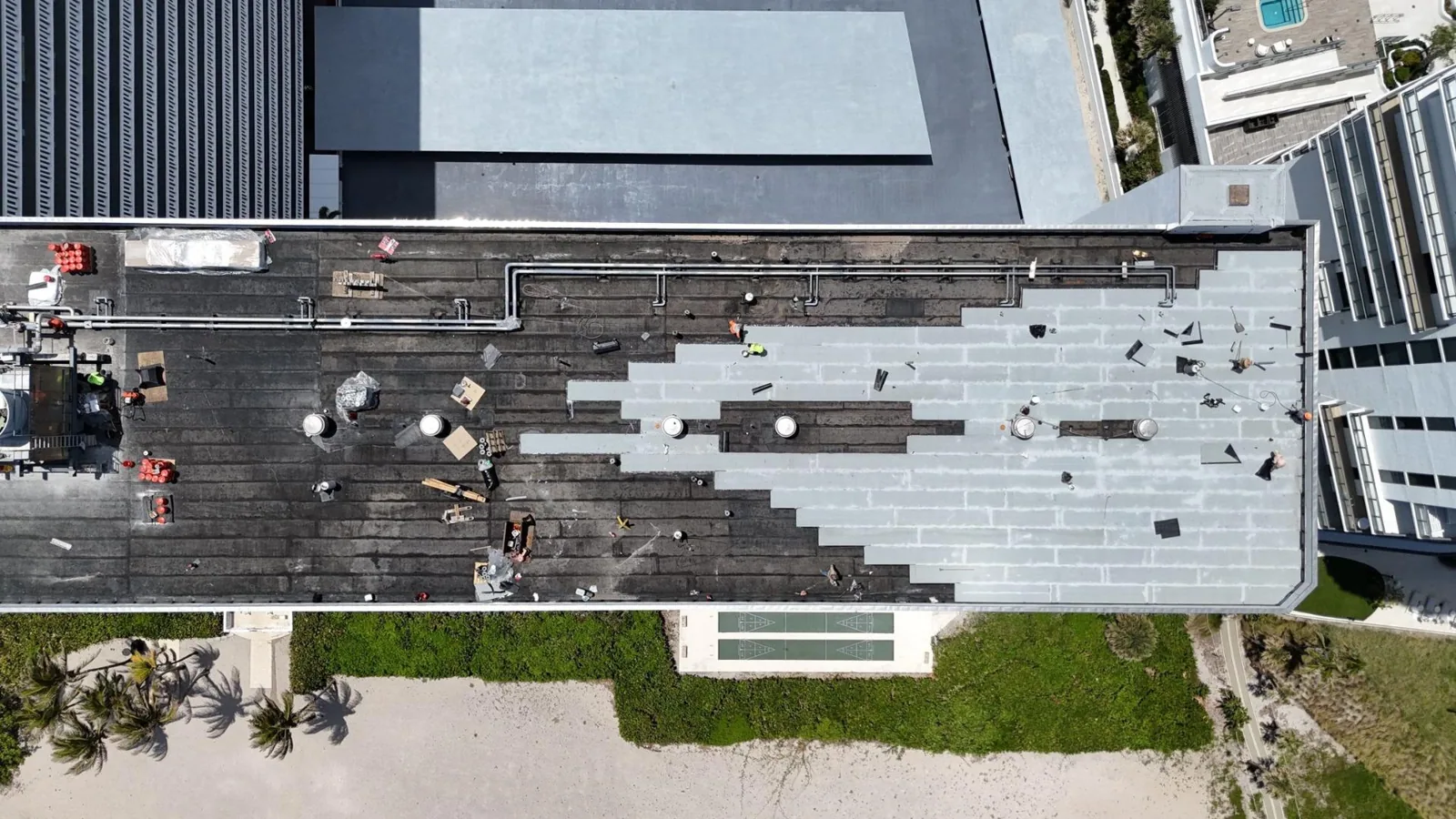
Occupied Commercial Building Reroofing
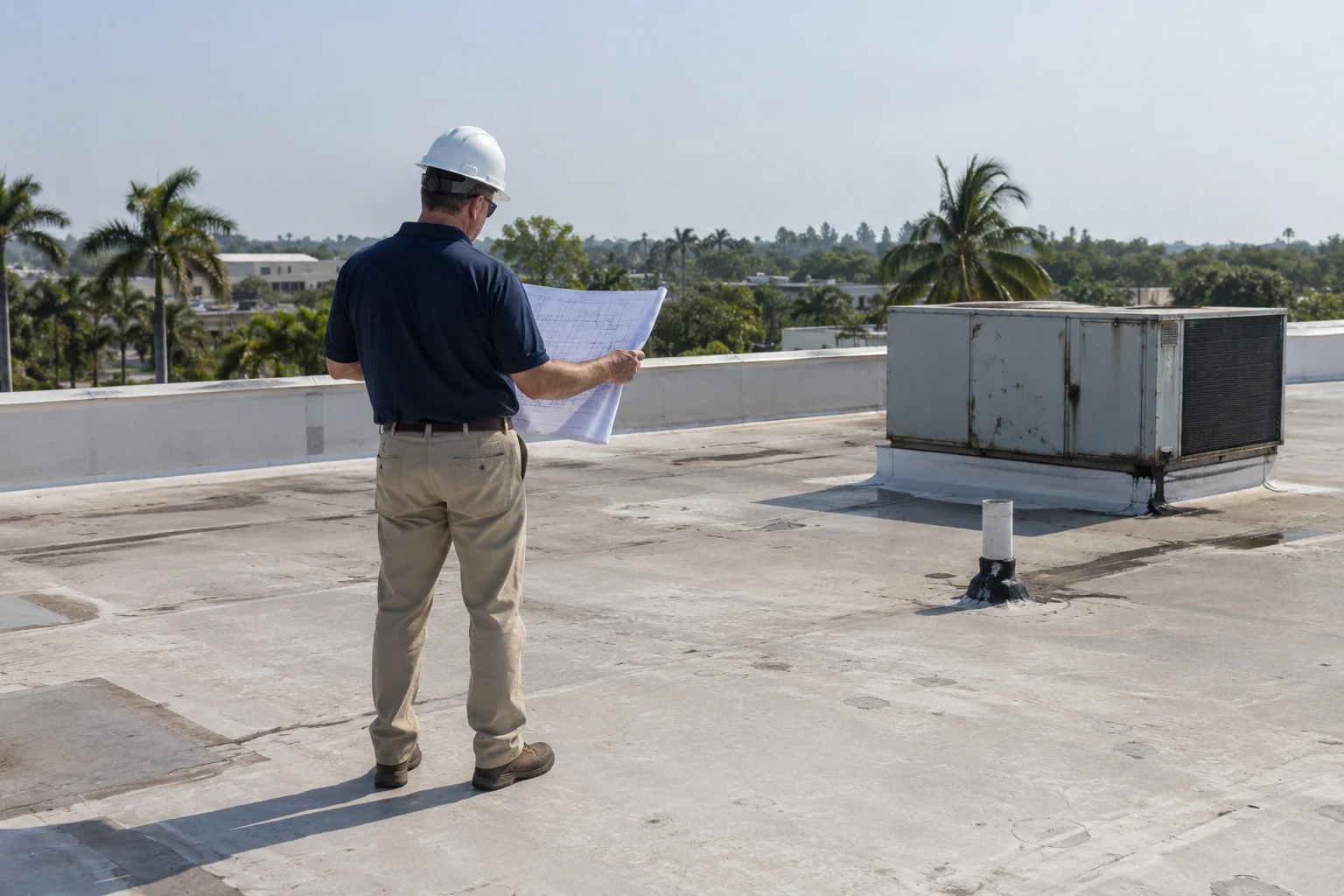
Commercial Roof Inspection