
Confirm the Product Before Specifying the Detail
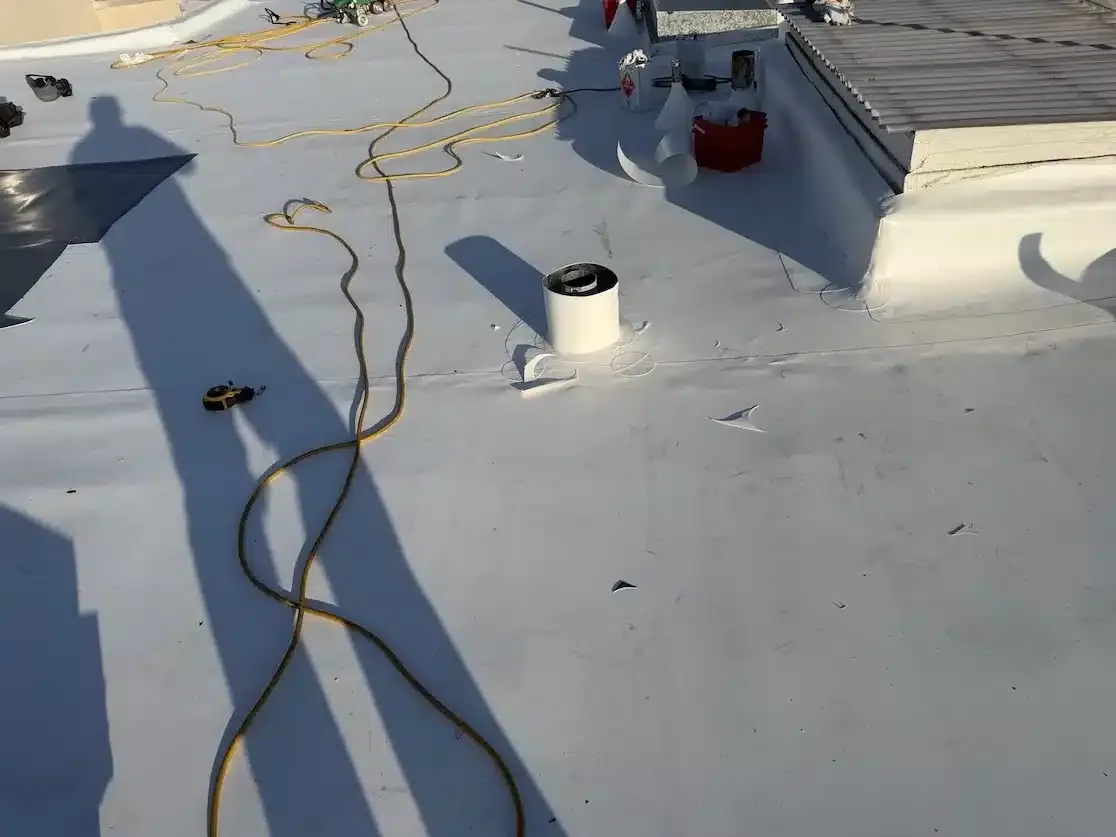
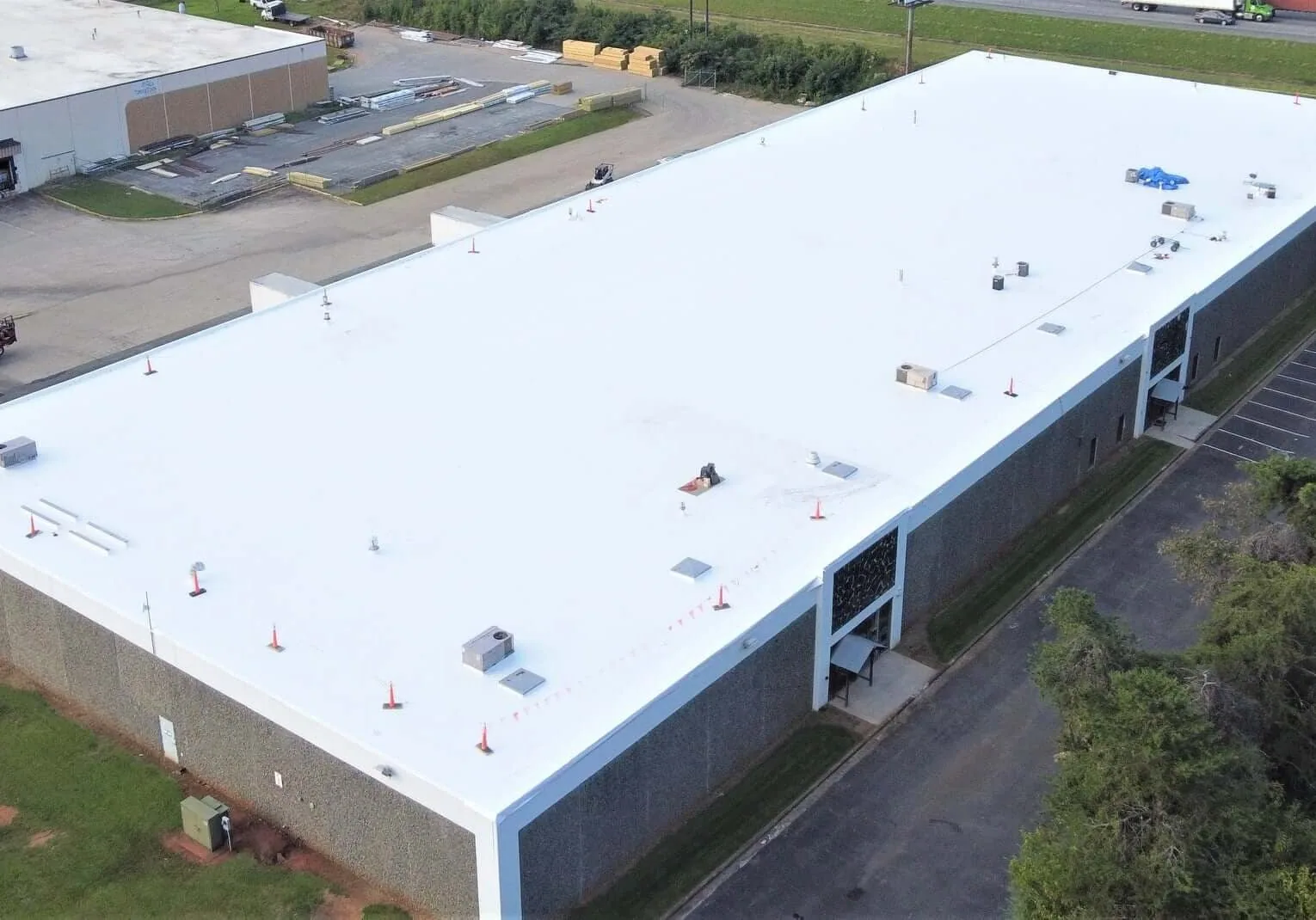
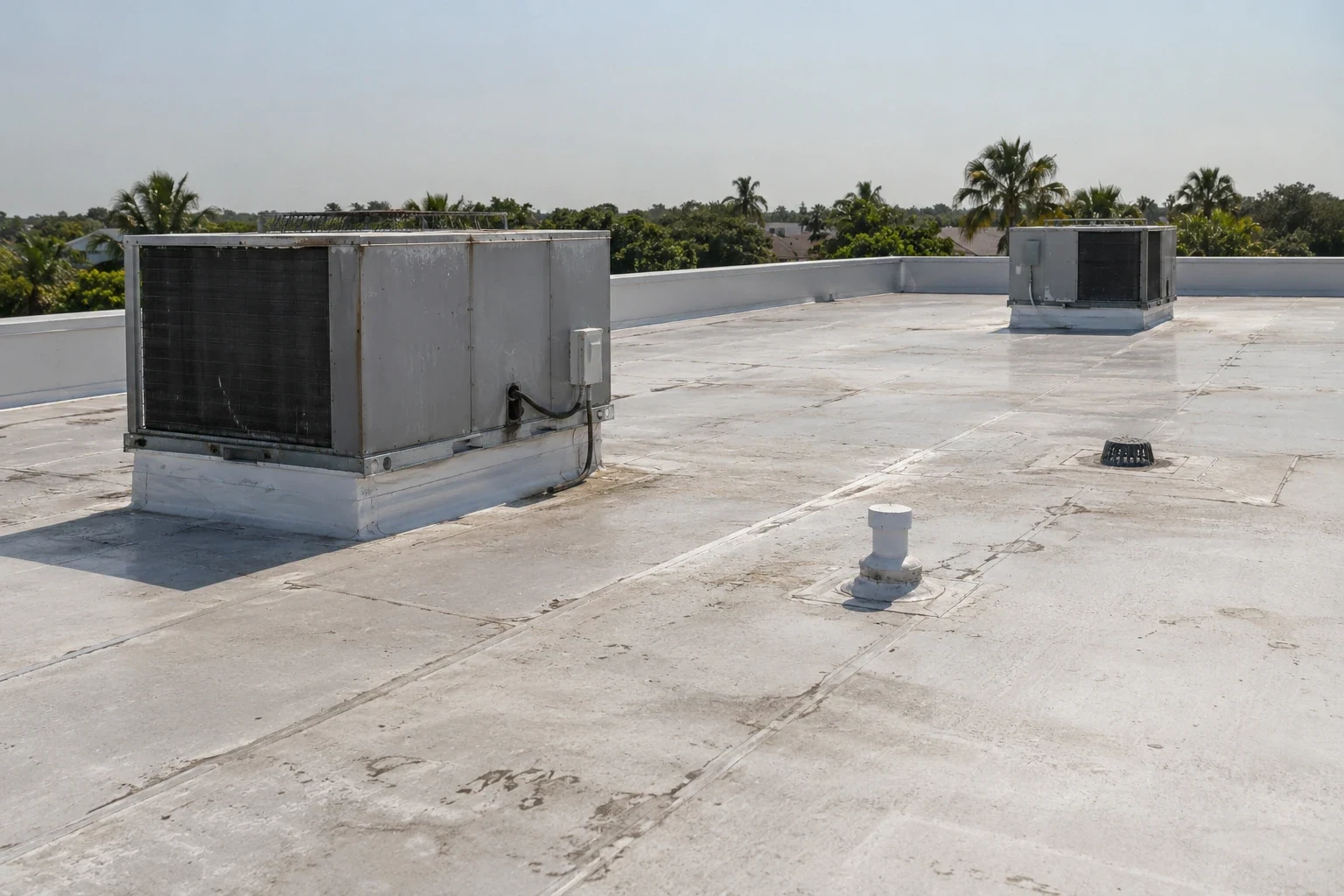
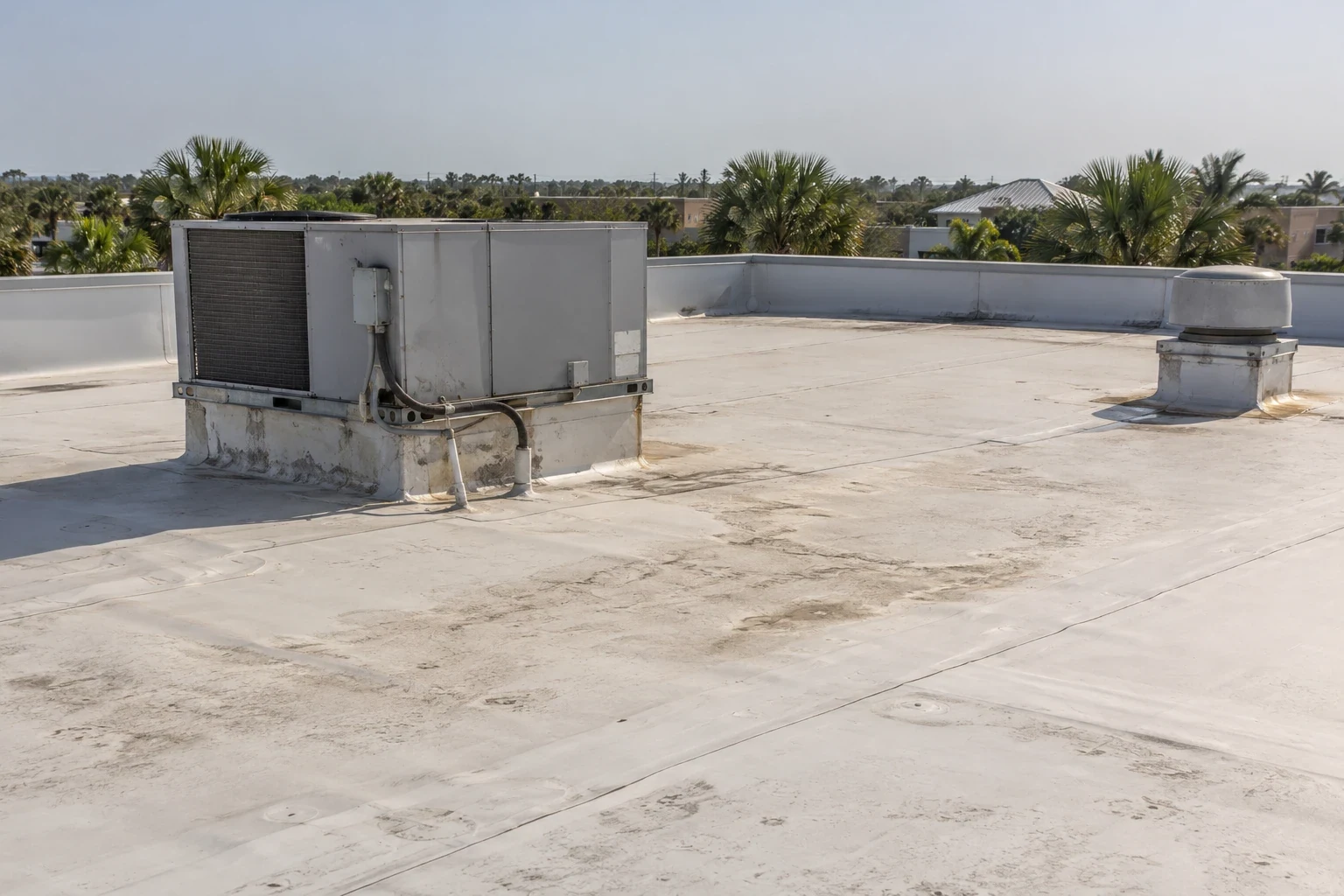
Thermoplastic sheets, EPDM, modified bitumen, metal, foam, and fluid-applied systems each require their own transitions and repair materials. We compare the visible system with available submittals and maintenance history. The goal is a compatible seam, curb, edge, and drain detail, not a product name added to a scope without confirmation. The written record identifies what was seen and any missing documentation that affects the recommendation.
Round Rock's major employers include Dell Technologies, Emerson Automation Solutions, and Toppan Photomasks. Their presence reflects the local mix of technology and manufacturing, not the roofing product on any individual property. The March 2022 tornado that crossed Round Rock and hail reports in the area make post-storm inspection relevant, but the material's condition still needs field evidence. We note punctures, opened laps, lifted edges, or coating loss only where observed.
Keep Manufacturer Requirements with the Work Record
When the system is identified, we can review its repair constraints, accessory requirements, and approved assembly details from available project documents. If those records are missing, we say what remains unconfirmed and avoid assuming a warranty path. A local patch, broad restoration, and full replacement have different scopes; each should say which material and detail are included and what testing remains.
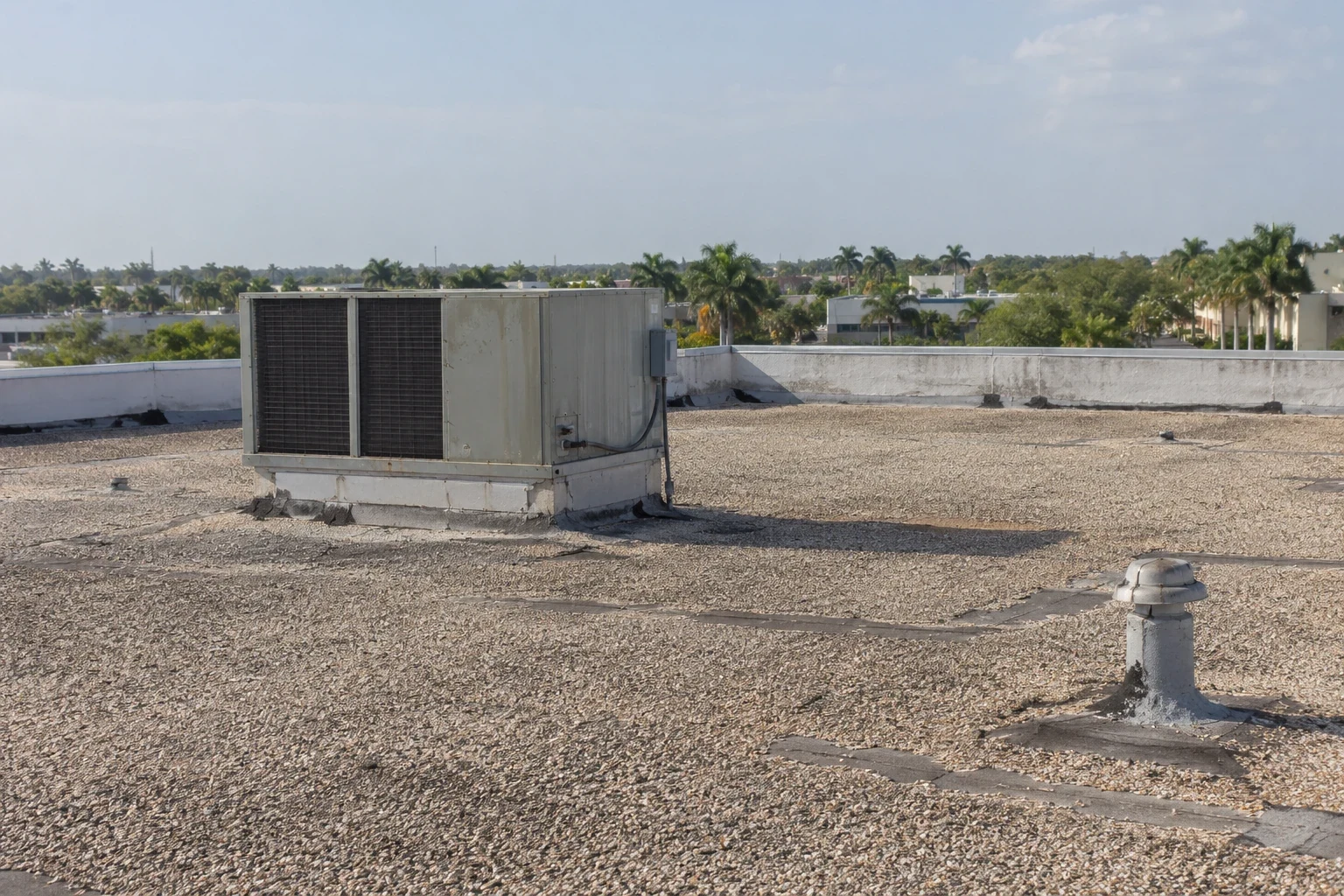
Material records also help separate a system problem from a detail failure. We note whether the field membrane, flashing, and accessory layers appear consistent, then check the water path at the repair area. If a recover or coating is under consideration, moisture, attachment, and surface preparation still govern the choice. Product compatibility does not replace that condition review.
System details differ across GAF, Carlisle SynTec, Johns Manville, Holcim Elevate, Sika Sarnafil, Versico, Soprema, and Duro-Last systems. For any Round Rock roof, we pair system identification with a roof walk, access plan, and current condition. Send existing plans, photos, and repair history through a commercial roof inspection request.
Match weather context to field marks
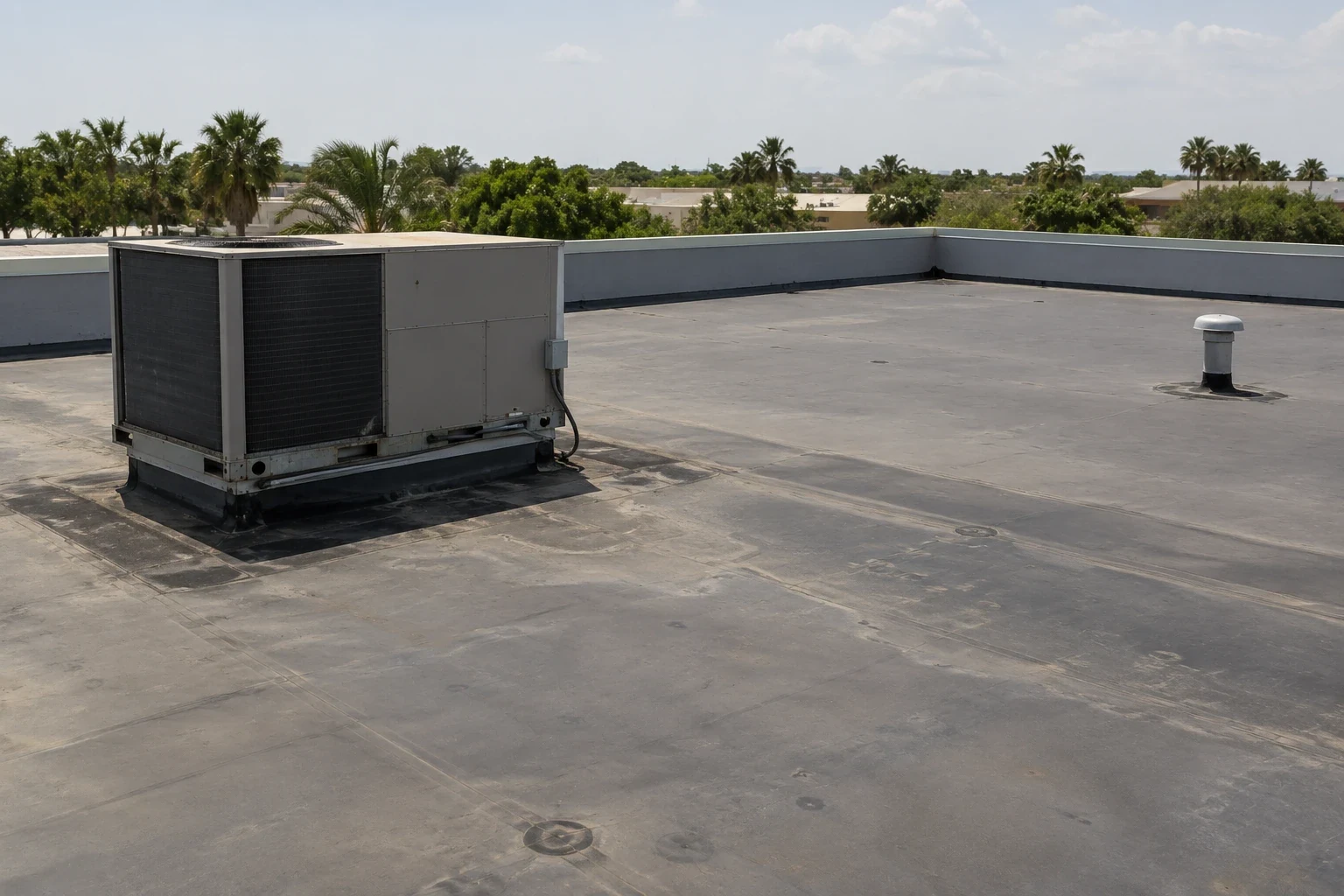
During the March 2022 outbreak, a tornado passed through Round Rock; large hail was reported across the region. Pair the reported date with roof-zone marks such as punctures, opened laps, lifted edges, and changed flashing. At a commercial property in Pflugerville, the contact can set the approved access route and equipment limits before the roof walk.
Compare a patch with a wider assembly plan
A compatible patch is only one option. For repeated failure or broad moisture, compare removal with a recover assessment; the review checks layer count, attachment, drainage, and what would remain concealed. A roof condition report can map the repair boundary and list the next check by roof zone. The owner can compare those findings with installed-system records before authorizing a wider scope.
Roofing Manufacturers: Common Questions
Can a brand name alone identify the installed system?
It is a clue, but we confirm the product from labels, plans, submittals, or field details before selecting a repair material.
Does a manufacturer mention mean we provide a warranty?
No. Warranty status and requirements come from the project records and applicable manufacturer documents. We record what is available and avoid extending a claim beyond it.
What should I send when the roof records name more than one product?
Send the roof plan, prior repair details, and labels or submittals for the affected zone. We compare those records with the exposed assembly and identify any mismatch before choosing a material.
When should a manufacturer-specific repair become a larger project?
Repeated failures, wet layers, or incompatible prior patches can justify testing beyond the visible defect. We mark the evidence and compare a bounded repair with a recover or replacement scope.
Share product labels, roof plans, prior submittals, leak details, and access information. We will verify the assembly and document which system-specific details need attention. Call 555-555-5555 or request a roof assessment.