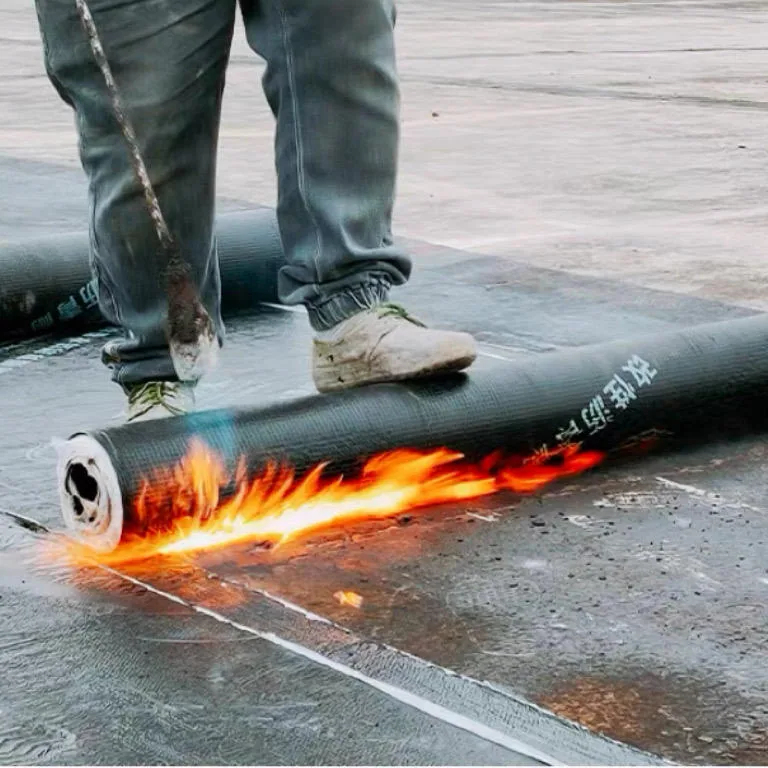
Inspect the Built-Up Layers
A gravel pocket beside a drain can hide a split in the top ply. We inspect the surface, remove loose aggregate where needed, and trace the condition through the built-up layers. The repair depends on how many plies have separated and whether moisture reached the insulation or deck. Round Rock Premium Outlets and Dell Diamond represent retail and sports properties where staging and access need careful coordination.
Built-up roofing, often called BUR, uses multiple bitumen and reinforcing plies beneath a cap sheet or surfacing. The layers work together, so a surface blemish does not always show the full condition below.
Send the roof plan, known BUR layers, leak location, surfacing type, and access limits. We will mark a test point or repair boundary. Call 555-555-5555 or request a roof assessment.
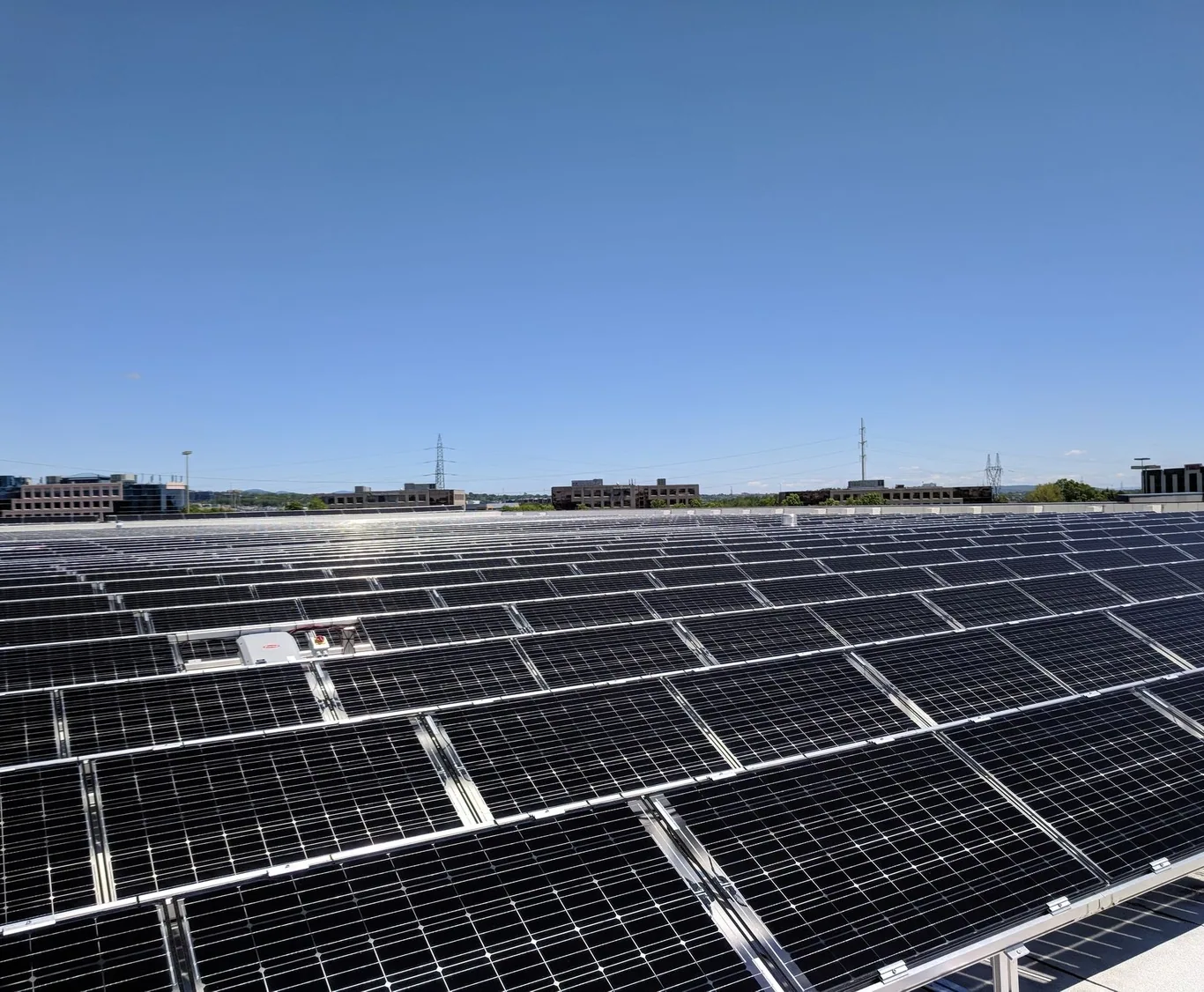
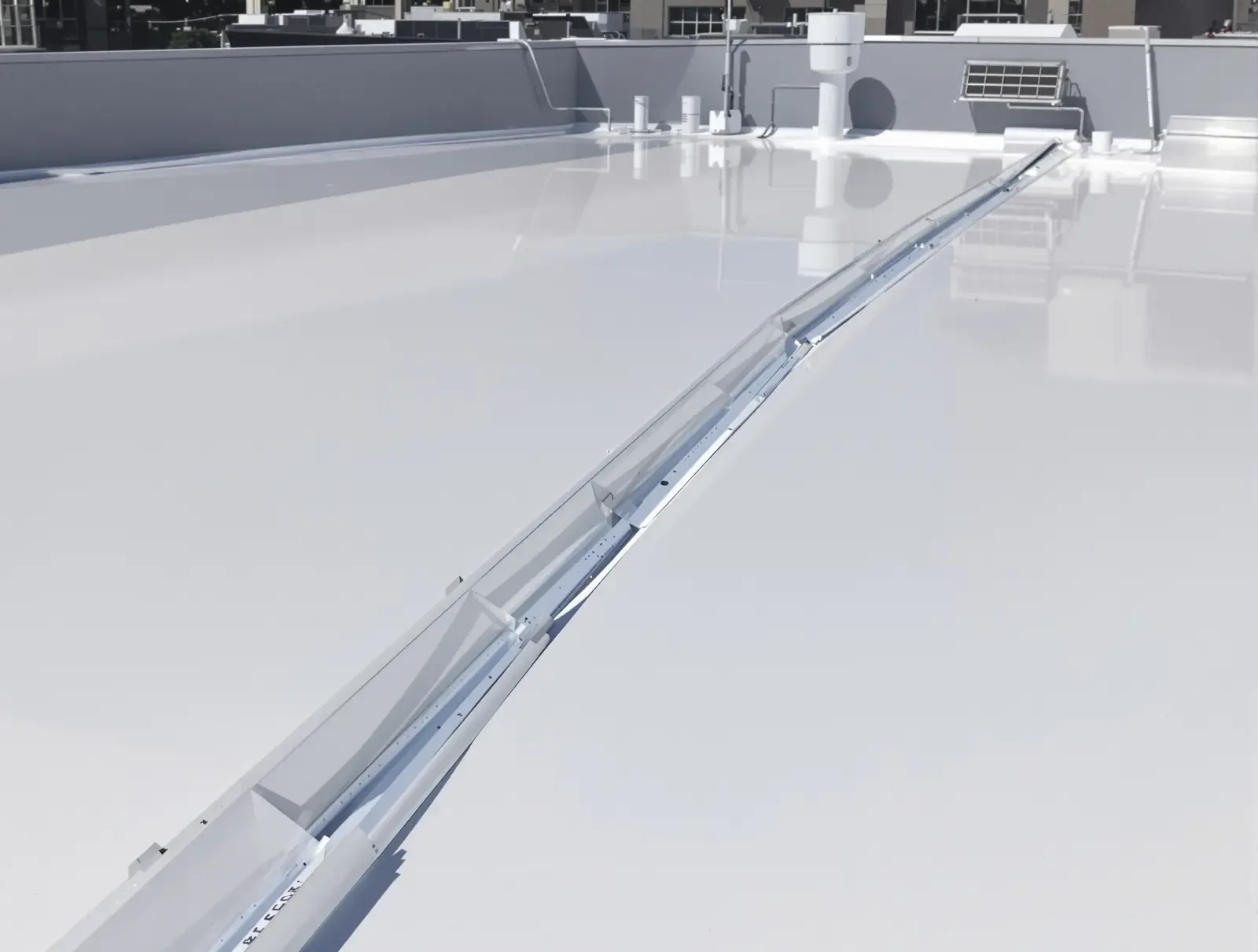
Read the Surface and Ply Edges
We inspect gravel or coating coverage, exposed asphalt, open seams, blisters, cracks, and areas where the cap sheet has shifted. At parapets and curbs, we look for open base flashing and a weak top termination. At drains, we check whether aggregate or debris blocks the bowl. We mark the roof zone and photograph each finding before moving surfacing material.
A blister may form between plies or at the surface. We avoid cutting it until the owner approves a test location and the crew can protect the opening. A test cut shows the layer sequence and moisture at that point. If the deck is wet or corroded, the repair may need to extend beyond the visible blister.
Aggregate surfacing can protect asphalt from direct sun and foot traffic, but displaced gravel leaves a thinner area. We note where gravel has migrated and whether a repair path crosses the ballast. If a coating covers the BUR, we identify that layer and check whether it remains bonded before selecting a patch or new surface treatment.
Granule or gravel loss can reveal a thin surface but does not by itself show how far a leak has traveled. We look for a line from the damaged area toward a drain or wall, then compare it with the interior report. Built-up layers can slow a water path and allow moisture to spread laterally. The visible ceiling mark is a clue; a test opening and roof detail confirm what the assembly shows at a sample point.
At a drain bowl, the plies should tie into the clamping area without loose material or a pocket that holds debris. We check whether the bowl is set low enough to receive runoff and whether aggregate has reduced its opening. If the roof has a depression, a membrane patch will not change the slope. The repair plan may need separate drainage or insulation work before the surface is restored.
Rebuild a Watertight Ply Stack
A BUR repair removes loose or failed material, prepares sound edges, and restores the required plies. The selected bitumen and reinforcement must match the existing system and application method. At a penetration, the base flashing and field plies need a continuous transition. The finished surface is protected with the specified cap sheet, coating, or aggregate where the system requires it.
Heat-applied work calls for a fire-prevention plan and inspection of concealed spaces around the work zone. Cold-applied materials have their own substrate and temperature limits. We state the proposed method and protect nearby equipment or combustible materials. If the site cannot support the required controls, the owner and project lead review another compatible repair method.
A roof with several failed ply areas, recurring water entry, or widespread wet insulation may need a recover or tear-off. We map the observed condition and test sample before presenting that choice. A new layer does not correct weak deck attachment or trapped moisture. The proposal states which layers remain in place and the evidence supporting the proposed limit.
When replacing a section of BUR, the new layers should tie into the existing field without leaving a raised edge that catches water. We taper or step the repair where the assembly detail requires it, then finish the transition with compatible surfacing. If the cut edge is damp or friable, we remove material until the remaining plies are sound and record the actual area for approval.
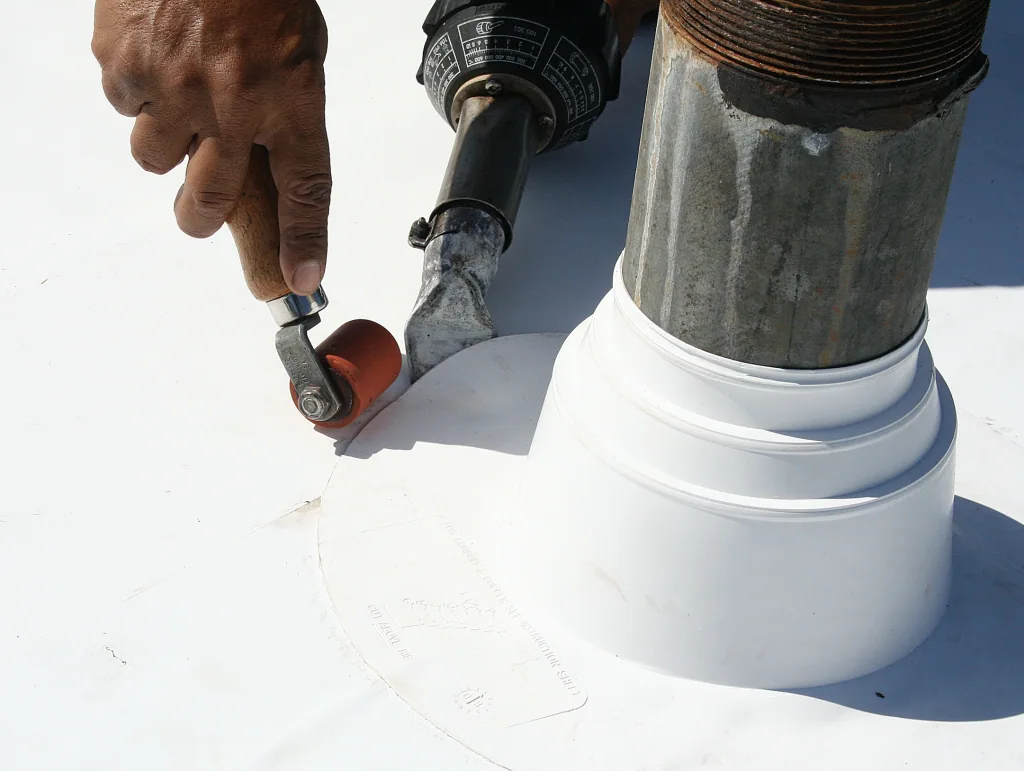
Compare the Repair Paths
Estimate factors include ply count, surfacing, gravel handling, access, parapet height, drain count, and how much material must be removed. At Round Rock, public paths and deliveries can constrain staging. In Liberty Hill, event operations may affect access and work hours. The site contact confirms current restrictions before mobilization.
Related scopes may include roof inspection, drain repair, or insulation replacement. If a single-ply system is considered, compare modified bitumen or TPO based on the building design. A shopping-center roof can require a phased plan around tenants and service routes.
Occupied buildings may need temporary interior protection beneath a test cut or tear-off zone. We coordinate placement with facility staff, identify sensitive equipment, and close the opening the same shift when the work allows. If access to the room is not available, that limitation goes in the work plan before material is removed. The report should distinguish roof-side repair from any ceiling or finish work assigned to the building team.
Document Each Layer
Before repair, we record the surface and mark the planned opening. During work, photos show the exposed plies, substrate, and replacement layer sequence. The closeout notes the application method, surfacing, repair location, and any area that could not be tested. If the opening reveals wet material, the owner reviews the field evidence before removal continues.
After repair, the crew checks visible laps, flashing, drains, and transitions. If rainfall has not occurred, water performance remains unobserved and the record says so. A later inspection can compare the same marked area and check whether gravel or coating has shifted.
Keep repair details, material data, roof plans, and test-cut photos together. A future crew can then identify how many plies were installed and where the repair ended. Without that record, a new surface patch can cover a prior weak edge and make later diagnosis harder.
On a built-up roof, visible surface wear does not always reveal the condition of the underlying plies. The review should map blisters, open laps, exposed felts, and drainage concerns, then identify whether moisture testing or a controlled opening is warranted. Repair details need to account for the existing surfacing and layer sequence. Documenting those observations helps avoid covering a wet assembly with a surface-only patch.
At drains and scuppers, check that surfacing has not bridged the opening or redirected water toward a seam. Note debris separately from membrane defects, since maintenance may resolve one condition while the other needs repair. If a wet area remains after drainage clears, document its size and location and consider moisture testing before covering it. The repair record should also show how new material ties into the existing built-up layers and how the finished surface was checked for continuity.
Round Rock's commercial inventory includes industrial settings such as Pecan Street and SH 130 corridor in Pflugerville and the East Old Settlers Boulevard corridor. Those contexts help describe where roof service may be needed; only the inspected assembly can establish whether it is built-up roofing.
Questions About Commercial Built-Up Roofing
Can you repair BUR without removing the gravel?
A localized repair may need the loose aggregate cleared around the defect so the underlying ply can be inspected and prepared. We restore the specified surfacing after the repair.
How many layers does a built-up roof have?
The layer count varies by project. A test cut or reliable roof document can show the assembly at the location being evaluated.
Does a blister mean the BUR is leaking?
Not by itself. We inspect the blister, adjacent plies, and moisture condition before deciding whether it needs a repair.
Can BUR be recovered with another membrane?
The assembly, moisture, deck condition, drainage, and elevation limits determine whether another layer can remain. We map the layers before recommending a recover.
What affects a BUR repair schedule?
Ply count, application method, fire controls, material handling, access, and weather set the work sequence.
Related Roofing Work
Round Rock
Liberty Hill
Commercial Roof Inspection
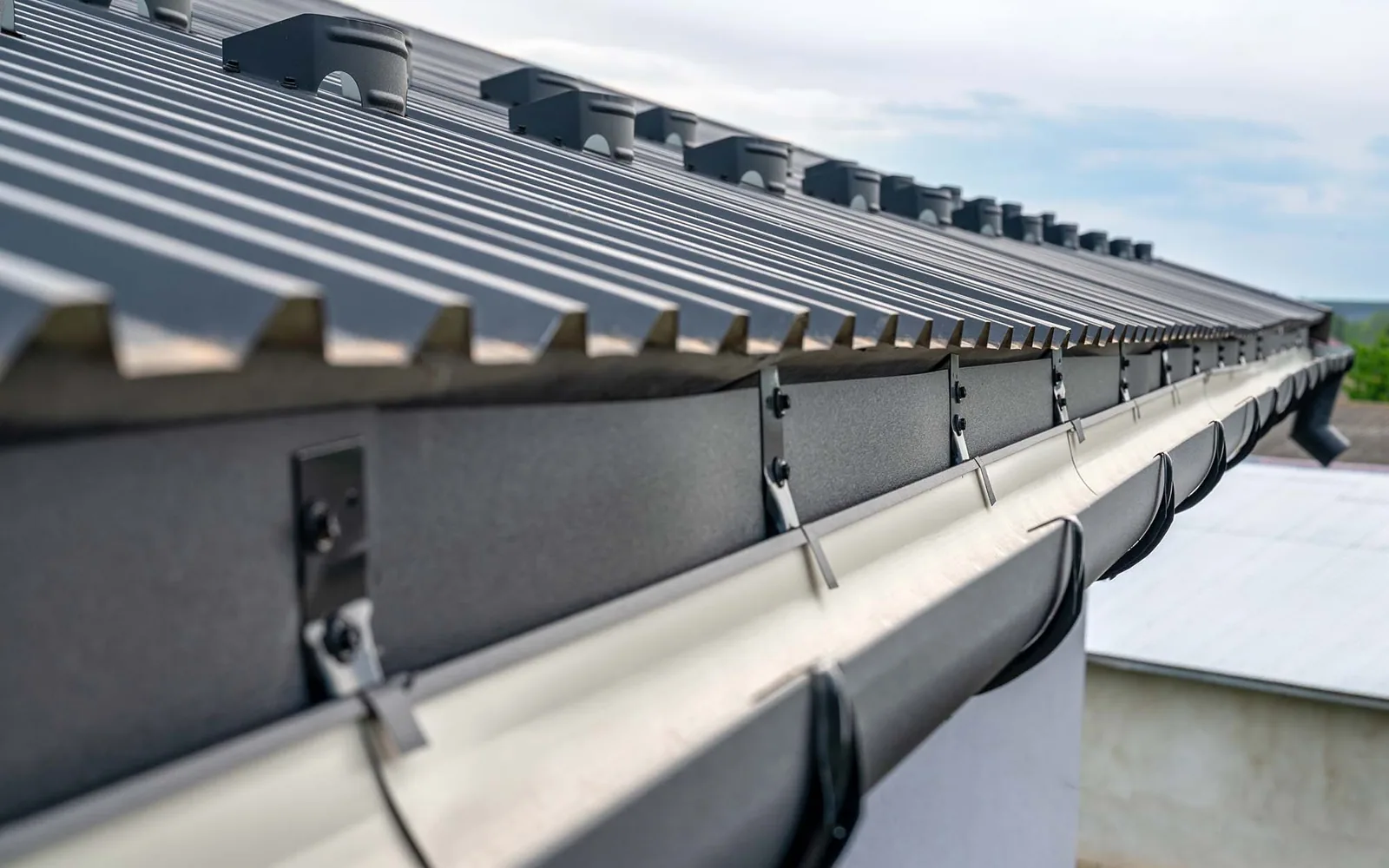
Commercial Roof Drains and Scuppers
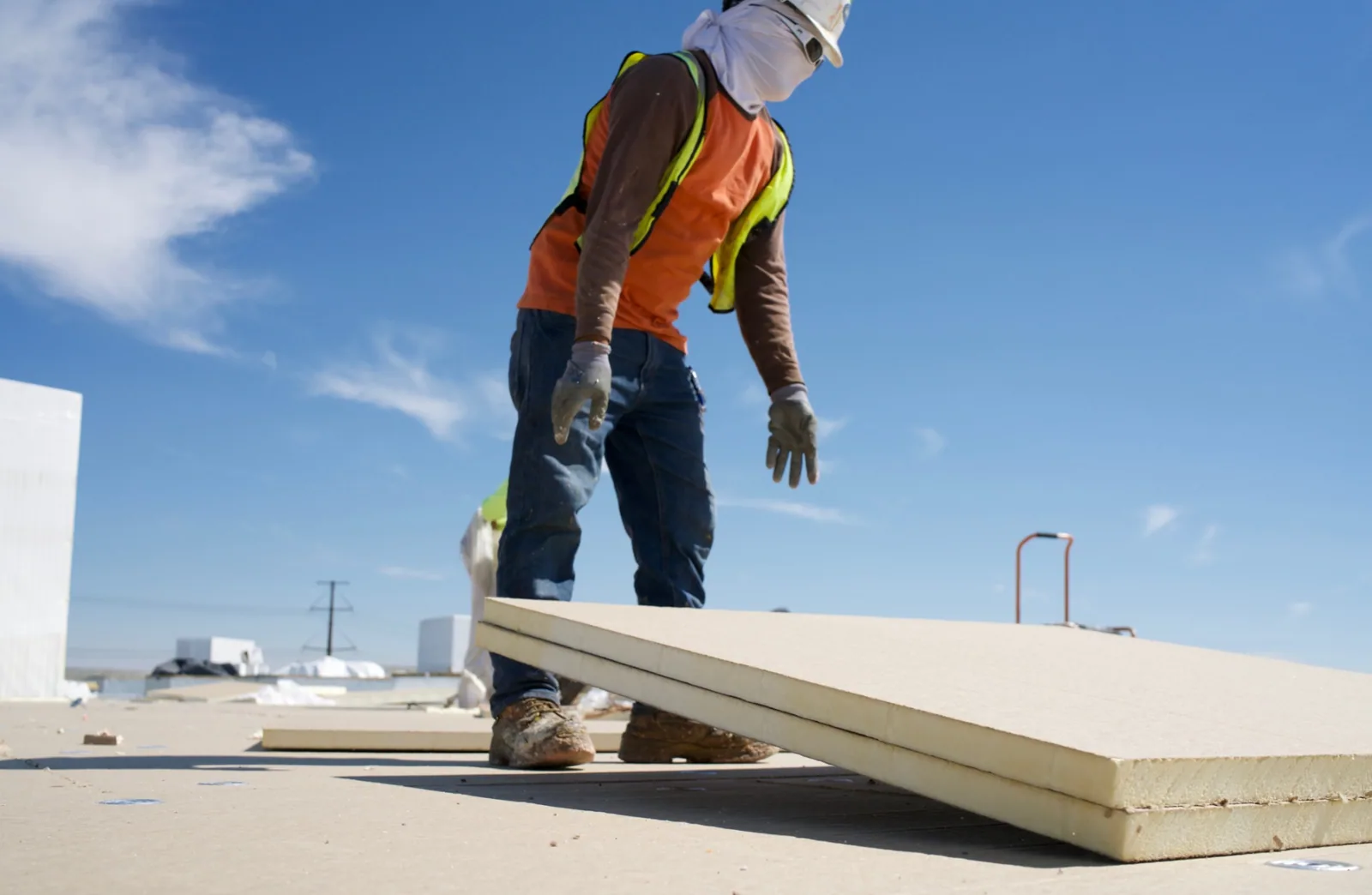
Commercial Roof Insulation and Cover Board