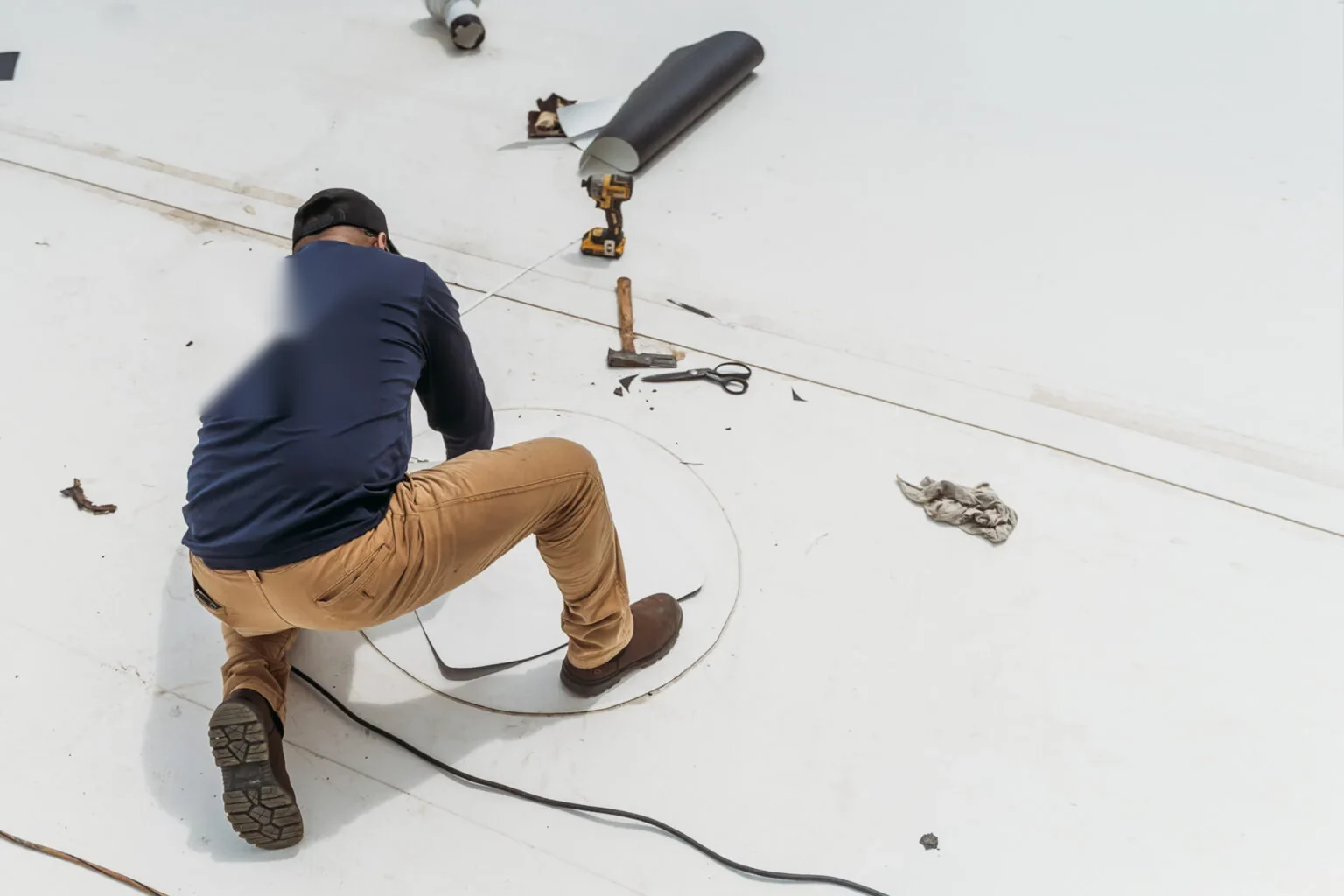
Request emergency roof help
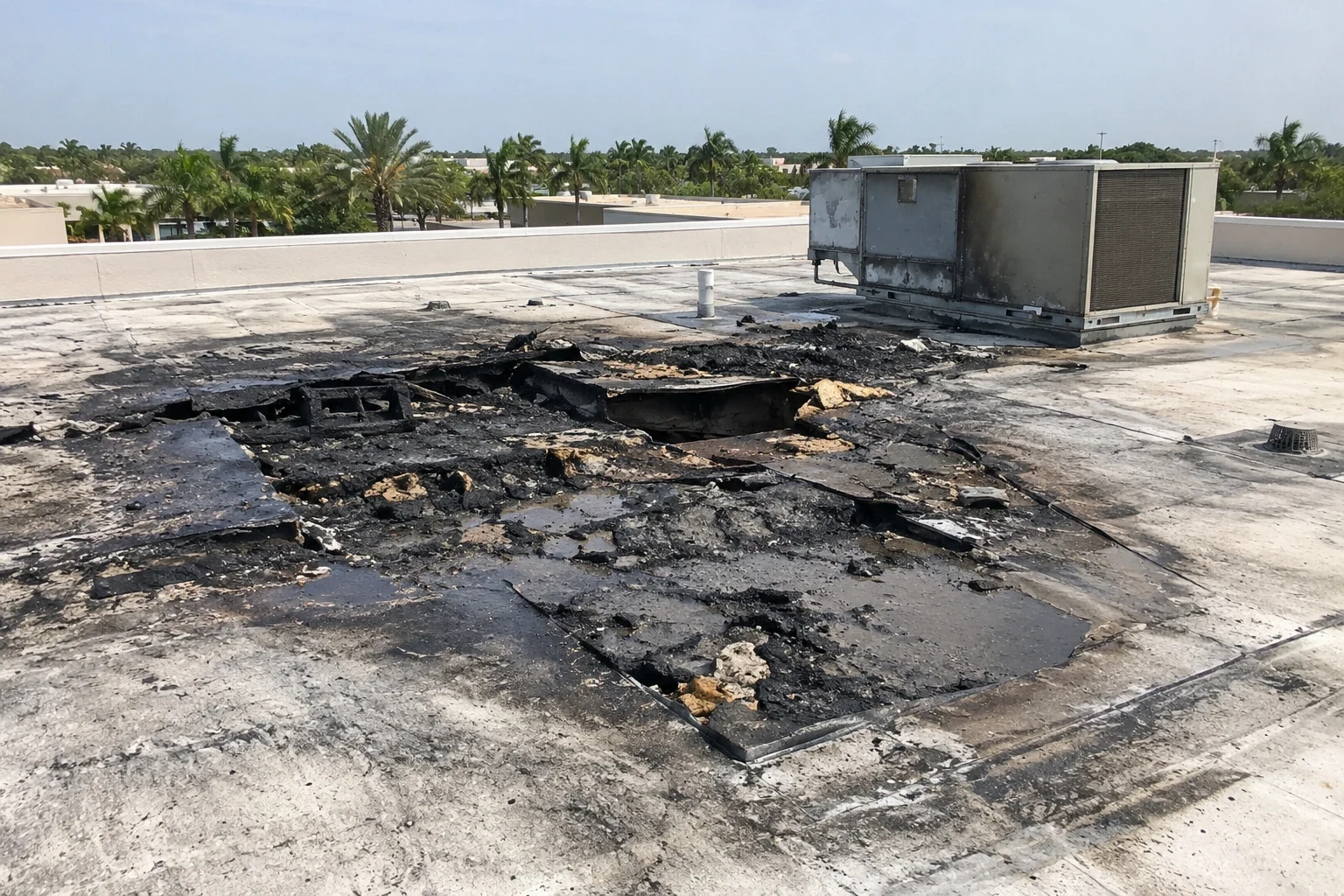
A roof opening during rain creates an immediate exposure to manage. We limit water entry safely, then define the permanent repair boundary. We answer urgent roof calls on any shift, including weekends and holidays. We assess the access route, locate active water entry, and use temporary cover or dry-in where conditions allow. Then we record what was protected and what needs a permanent repair. Round Rock's March 2022 severe-weather outbreak provides regional context; inspection findings determine the work at this building.
The March 21, 2022 severe-weather outbreak included large hail reports across the area and a tornado track through Round Rock. Those regional facts do not show damage to an individual building. We inspect the affected roof zone, compare it with the owner’s report, and mark displaced membrane, broken flashing or punctures that can be observed. Sites such as Retail and healthcare properties require different operating plans, and each needs its own inspection.
Share the property address, interior leak location, roof access instructions, storm timing and site safety limits. We will coordinate a response and document temporary protection and the permanent repair path. Call 555-555-5555 or request a roof assessment.
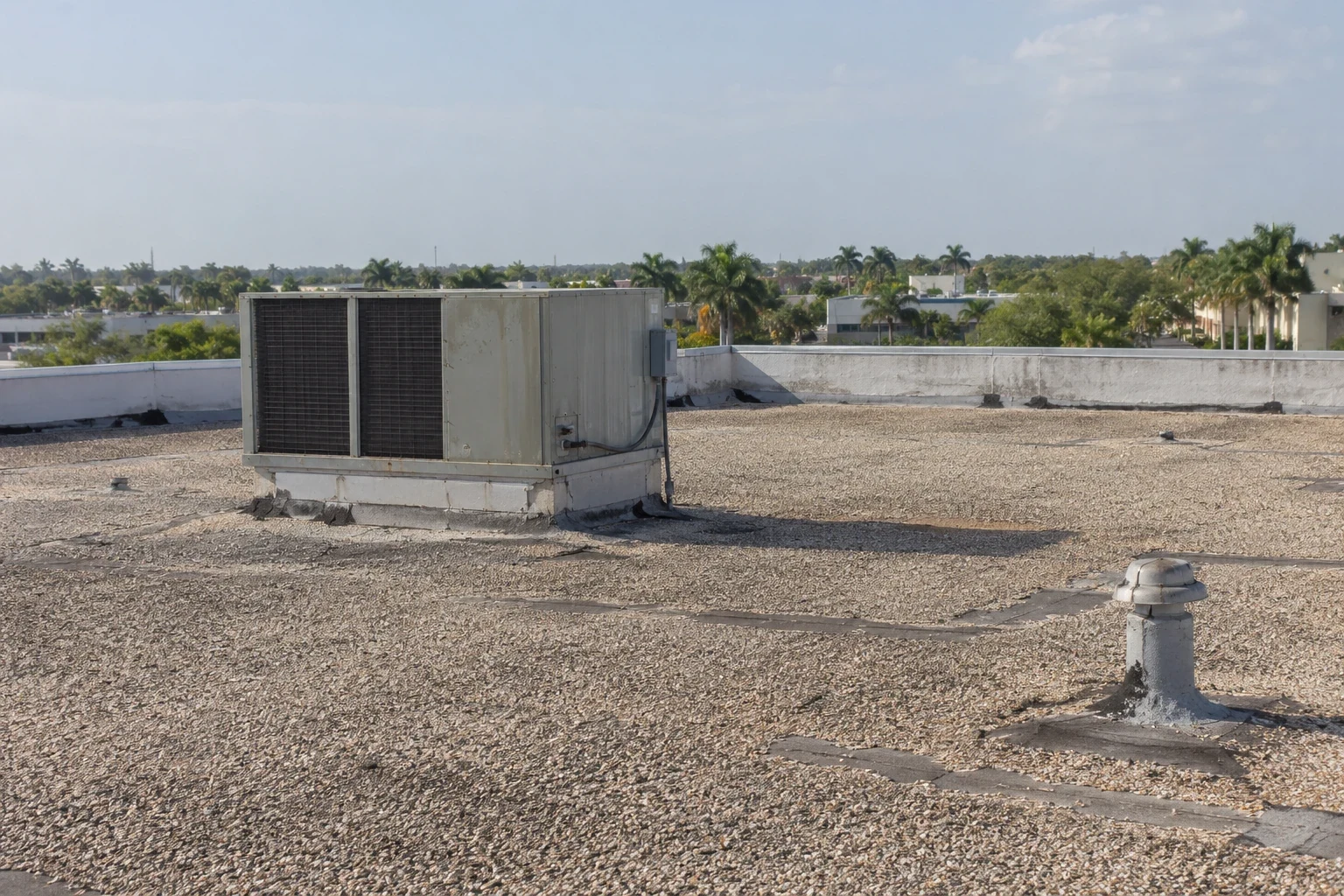
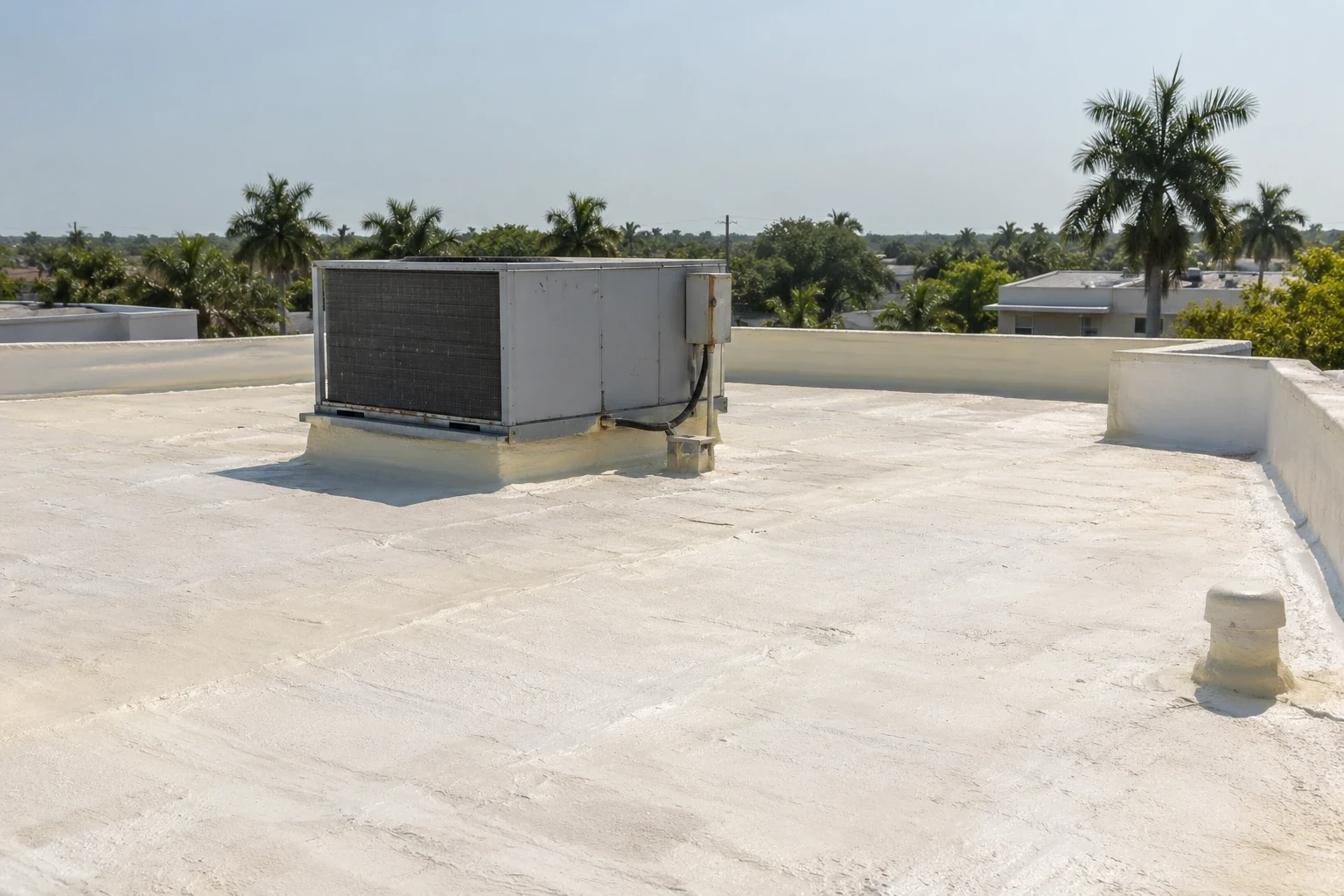
Make the area safe and stop active entry
We begin by confirming the building address, reported interior location, roof access and any immediate safety concern. Water near electrical equipment, patient spaces or active work areas changes how the site contact manages the interior while roof access is arranged. The crew follows the approved route, identifies the likely entry and avoids walking unstable or unsafe sections.
Temporary protection can include a tarp, secured membrane cover or another dry-in method suited to the roof and weather. It is a protective measure, not the final repair. We keep the covered area limited to the verified exposure and secure edges against wind. If current conditions do not allow safe roof access, we explain what can be done from the available position and when a full roof walk can proceed.
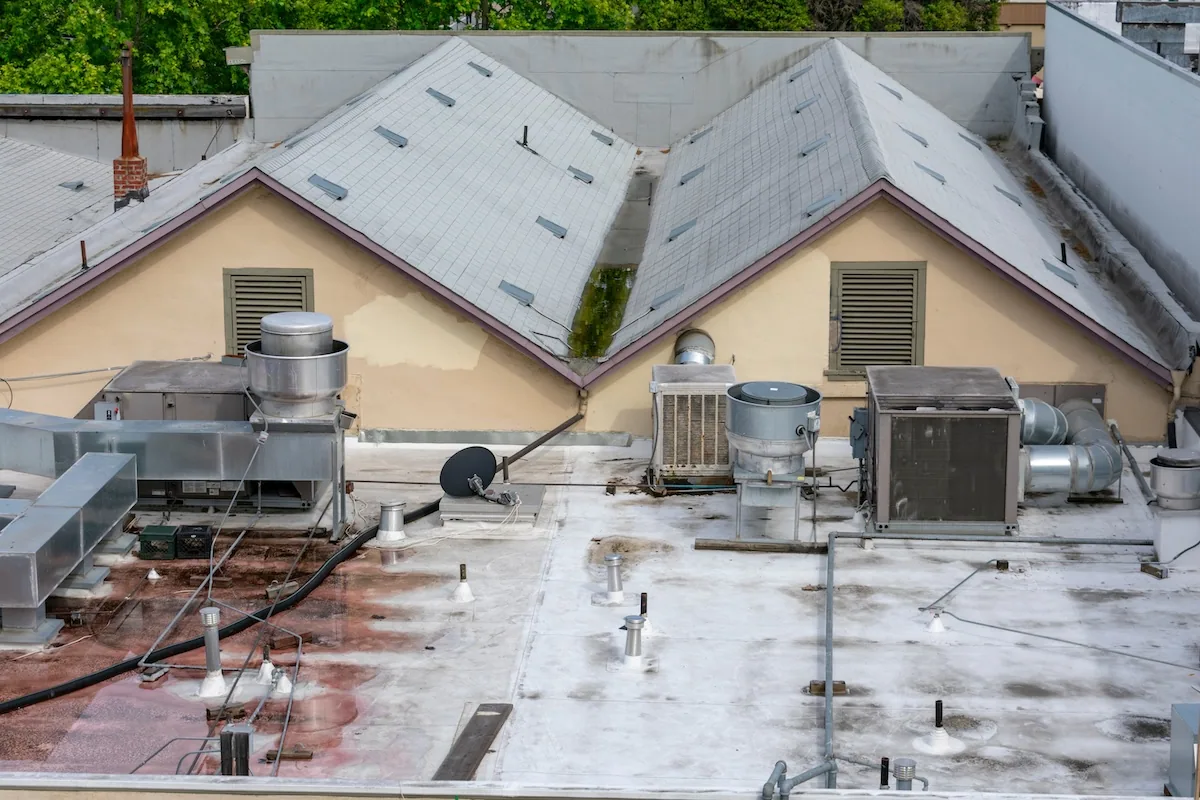
Our leak repair inspection traces water beyond the visible ceiling mark. We check nearby seams, curbs, penetrations and drains, then document whether the apparent issue is local or may extend further. If the roof is too wet or the source is concealed, a second visit or test may be needed after the immediate hazard is controlled.
Separate emergency protection from permanent work
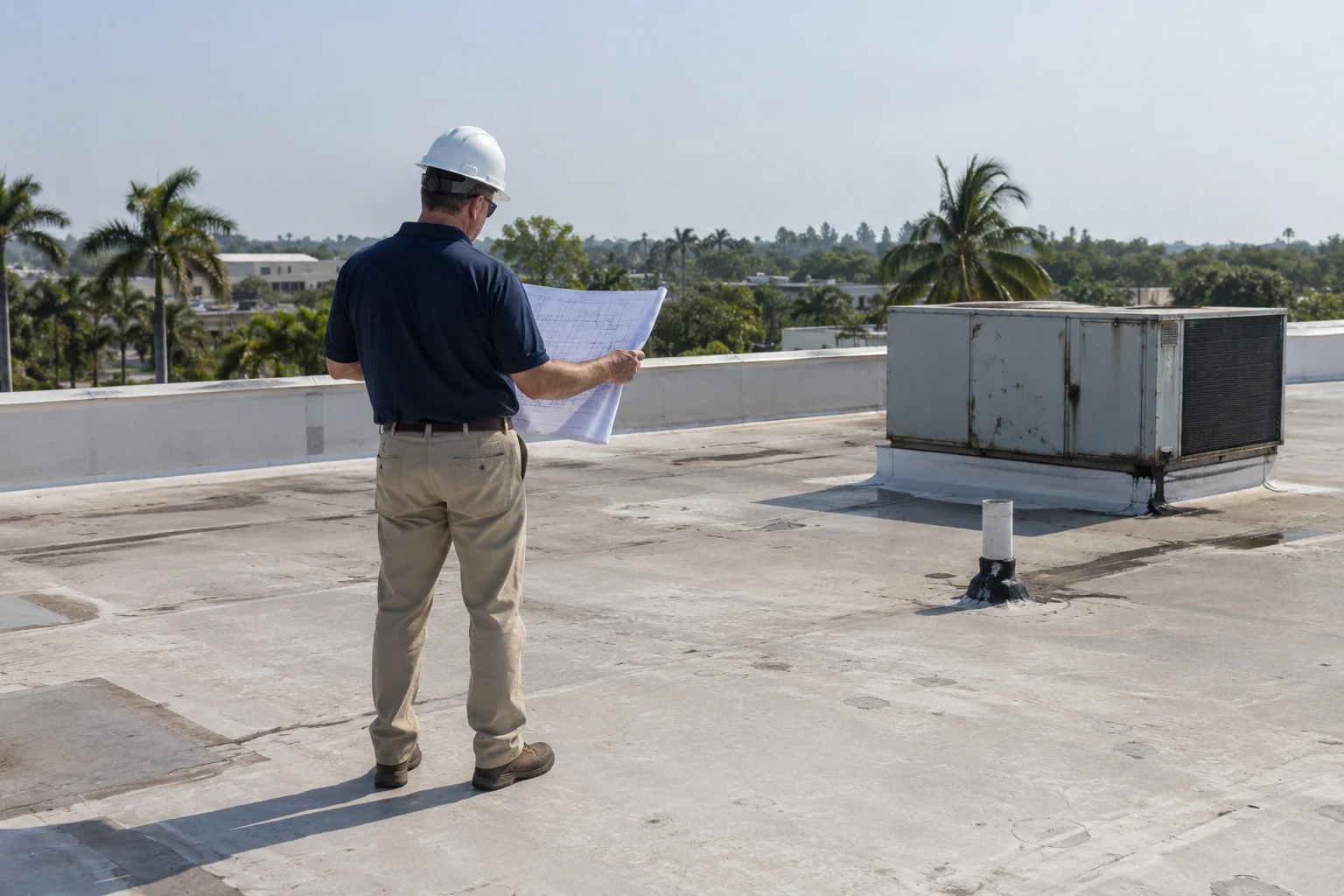
After dry-in, we inspect the roof assembly around the opening. A torn membrane, displaced edge detail, failed curb flashing and puncture call for different repairs. We photograph the failure and mark the work boundary, then check for wet insulation or deck damage that the surface cannot show. A documented roof inspection can establish the permanent scope and identify which parts remain uncertain.
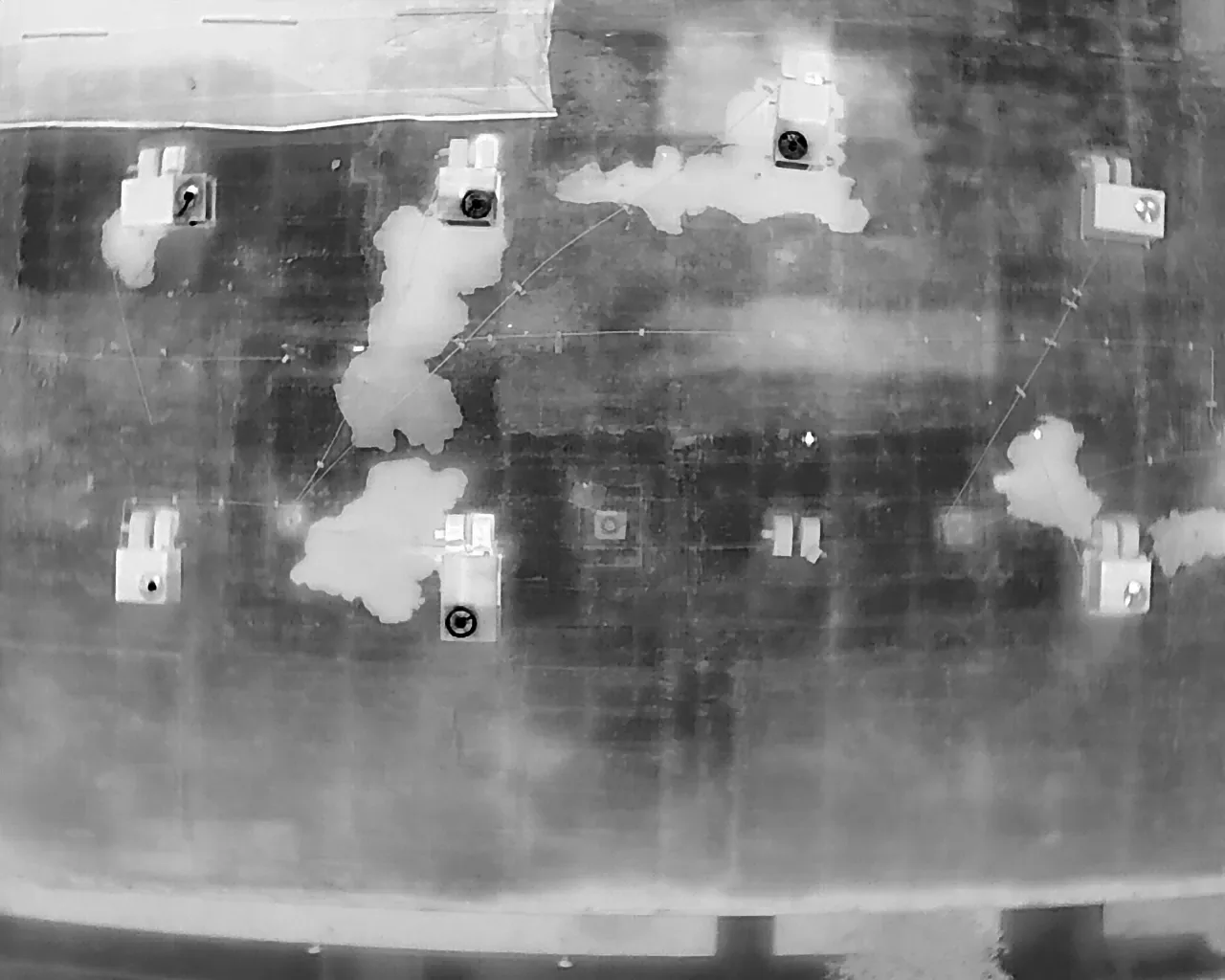
If moisture is suspected under the roof, an infrared survey may identify areas for follow-up. A test cut confirms the layers and moisture at the sample location; it does not determine every roof zone. The permanent repair may require removing wet material and rebuilding the detail. If the damage spans a broad area or the roof has recurring failures, we compare repair with a replacement assessment.
The emergency visit and permanent project can have separate scopes. The first protects the interior and stabilizes the roof; the second corrects the failure and any related assembly condition. We document what was installed temporarily, what was observed and what remains for approval. That record keeps a temporary tarp from being mistaken for a completed repair.
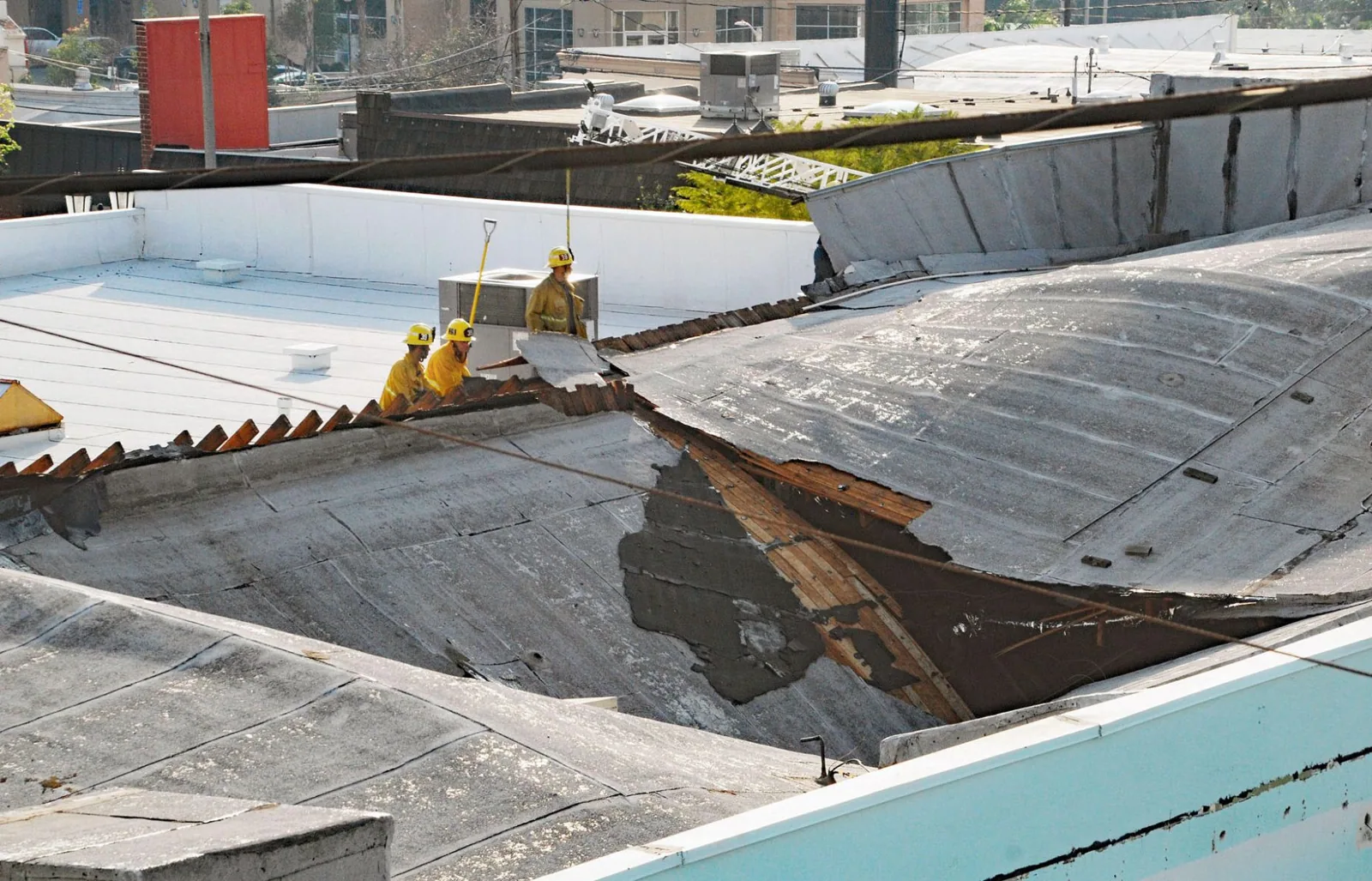
Read the weather record carefully
After a regional storm, we examine visible membrane, metal edges, penetrations, and equipment for displacement, impact, or water entry. The inspection findings establish conditions at the property.
Austin Camp Mabry's long-run normal August high is 97.8°F. Roof-surface conditions at the property determine material handling, so we check them before applying adhesive or closing a membrane.
Round Rock’s Building Inspection Division enforces local permitting and inspection requirements. The city’s adopted building and energy codes include 2024 editions. We verify whether permanent work requires review; temporary dry-in and a permitted assembly repair are separate scopes.
Coordinate a response at an operating site
Emergency access still needs a property contact. We confirm where to park, which gate or hatch to use, whether an escort is required and which interior areas are affected. A healthcare building may have controlled routes; a data-center property may have equipment and access restrictions. We follow the site instructions and avoid interrupting operations beyond the approved work area.
Once the crew reaches the roof, the contact can keep occupants away from the work zone and direct water containment inside. If an area must remain open, we set barriers and explain where materials or tools will move. A building-operations plan is useful when the emergency becomes a larger roof project, defining access hours, notices and close-in for each shift.
If severe weather continues, we may need to secure the roof temporarily and return after conditions improve. We tell the contact what has been protected, what risk remains and when the next inspection can be completed. If a second storm is forecast, that timing can matter as much as the permanent material selection.
Turn the response into a repair plan
The return scope lists the materials and dry-in boundary, any removal of wet material, and whether the repair needs another test or broader review. At the next visit, we check the temporary cover's attachment and the underlying detail before removing it. The owner approves the transition to permanent work.
After temporary work, we review photos and field marks with the owner or manager. The report identifies the entry point, dry-in area, related roof details and any testing needed to confirm concealed moisture. A repair scope can address a bounded failure; widespread deterioration may require a different plan. The owner receives a clear distinction between emergency work completed and permanent work still awaiting approval.
Cost and duration depend on access, weather, material availability, repair area, wet insulation and whether operations require work in separate windows. If the deck is damaged, the scope may change after removal exposes it. We document that finding before expanding the work. For follow-up, a maintenance inspection can track the repaired detail and nearby drains.
To request an emergency response, share the property address, interior leak location, access instructions, storm timing and any site safety restrictions. For an emergency roof call in Round Rock or Hutto, the property team provides current access instructions. The response record ties each finding to the affected building, roof zone, and approved access route.
Questions About Emergency Commercial Roof Repair
What should I do while waiting for emergency roof response?
Move people away from active water and protect interior contents only where it is safe to do so. Share the address, leak location and access instructions. Do not enter a roof area that may be unstable or exposed to severe weather.
Does emergency dry-in complete the roof repair?
No. A tarp or temporary cover limits immediate exposure. We document its location and return to inspect the assembly, identify concealed conditions and propose the permanent repair separately.
Can you respond during a storm?
We can coordinate an after-hours response, but crews access the roof only when conditions are safe. If wind, lightning or surface conditions make access unsafe, we explain the limit and arrange the earliest safe inspection.
Will insurance cover the emergency work?
Coverage is settled by the policy and claim review. We can document observed conditions, temporary protection and completed repairs with photos and records, but the insurer makes its own determination.
How quickly can permanent repairs follow a tarp?
Weather, access, material condition and findings below the temporary cover shape the follow-up timing. We coordinate another roof walk, then provide a permanent scope tied to confirmed conditions.
Related Roofing Work
Commercial Roof Leak Repair
Commercial Roof Inspection
Infrared Roof Moisture Survey
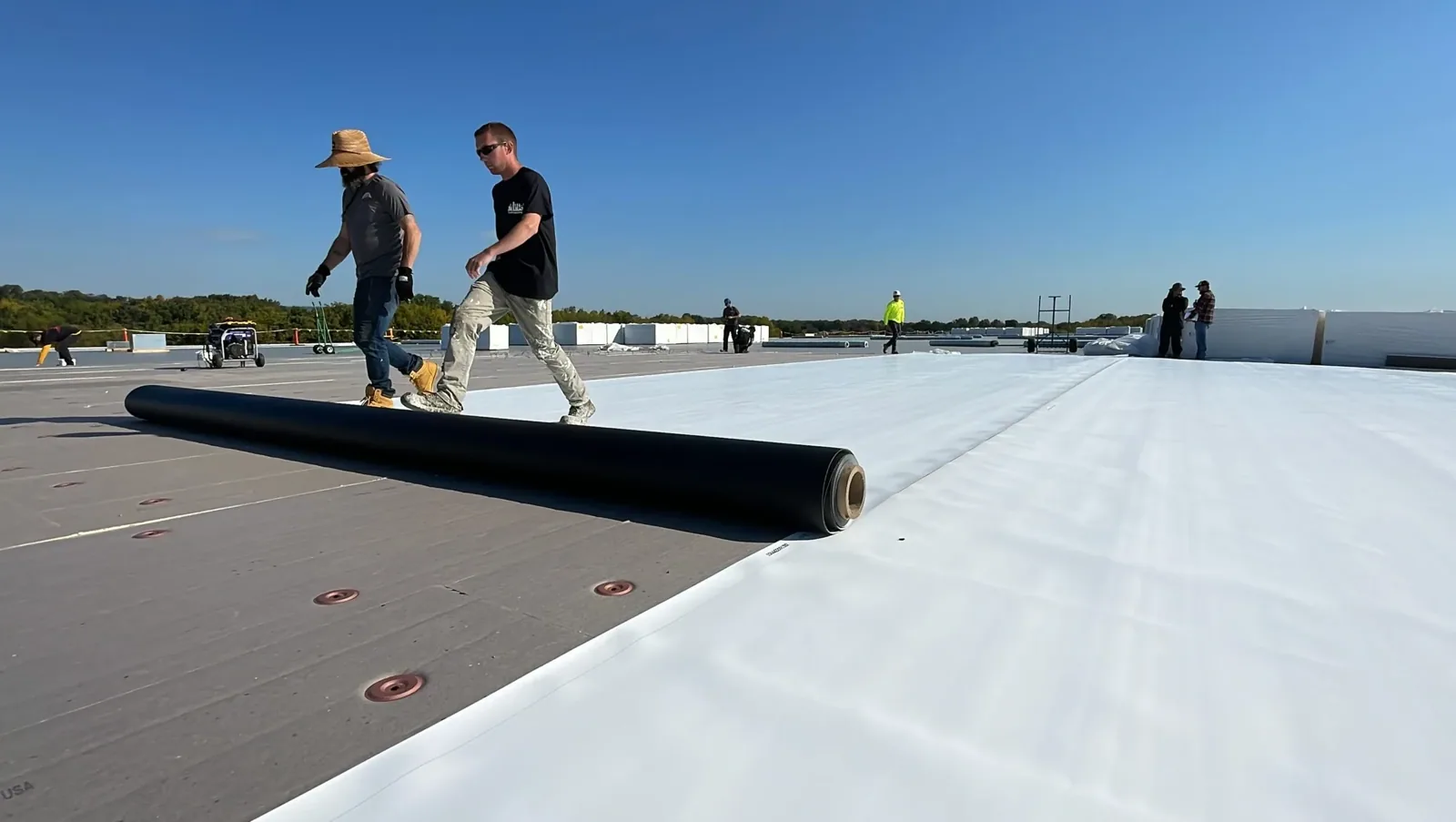
Commercial Roof Replacement
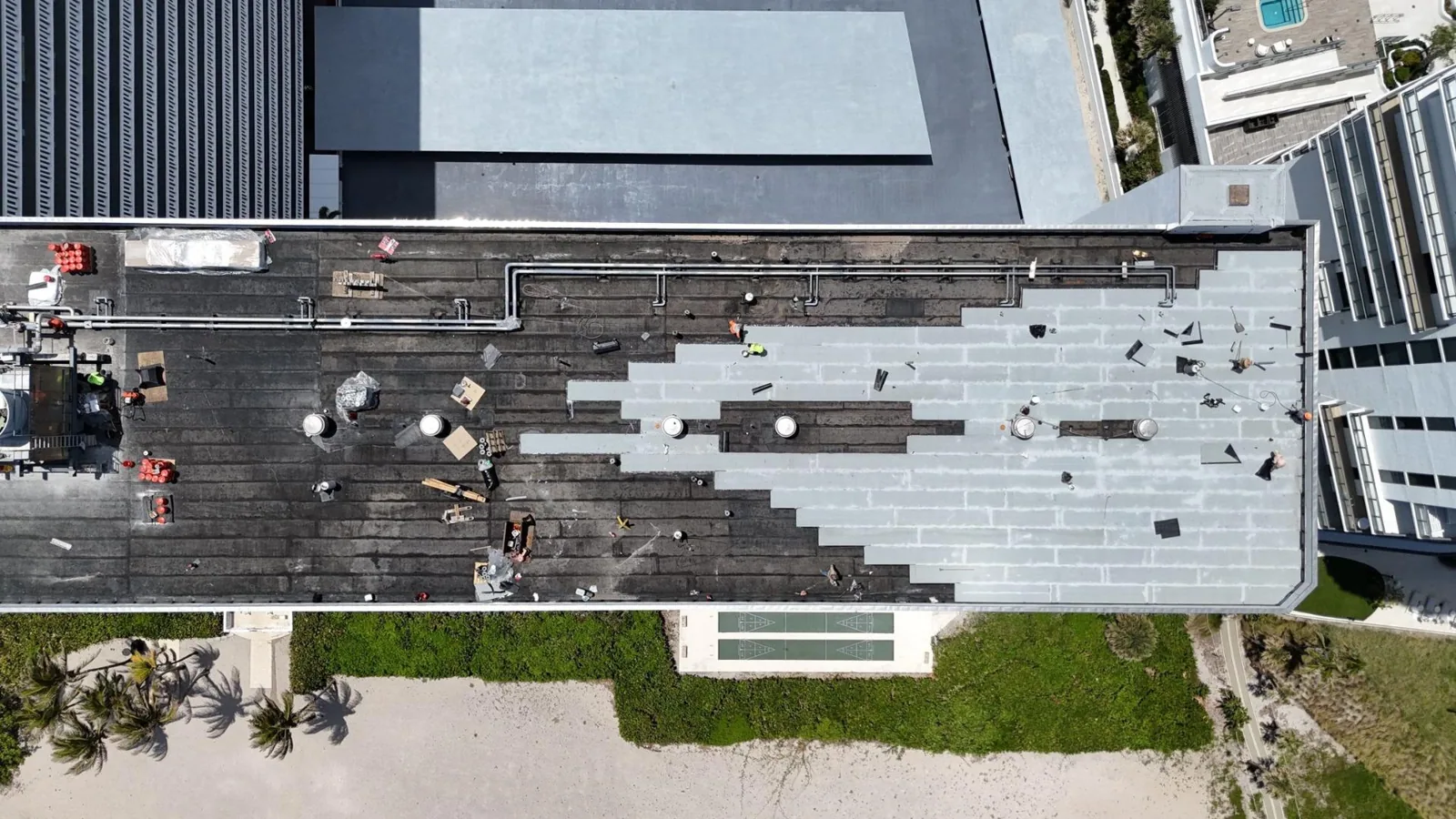
Occupied Commercial Building Reroofing