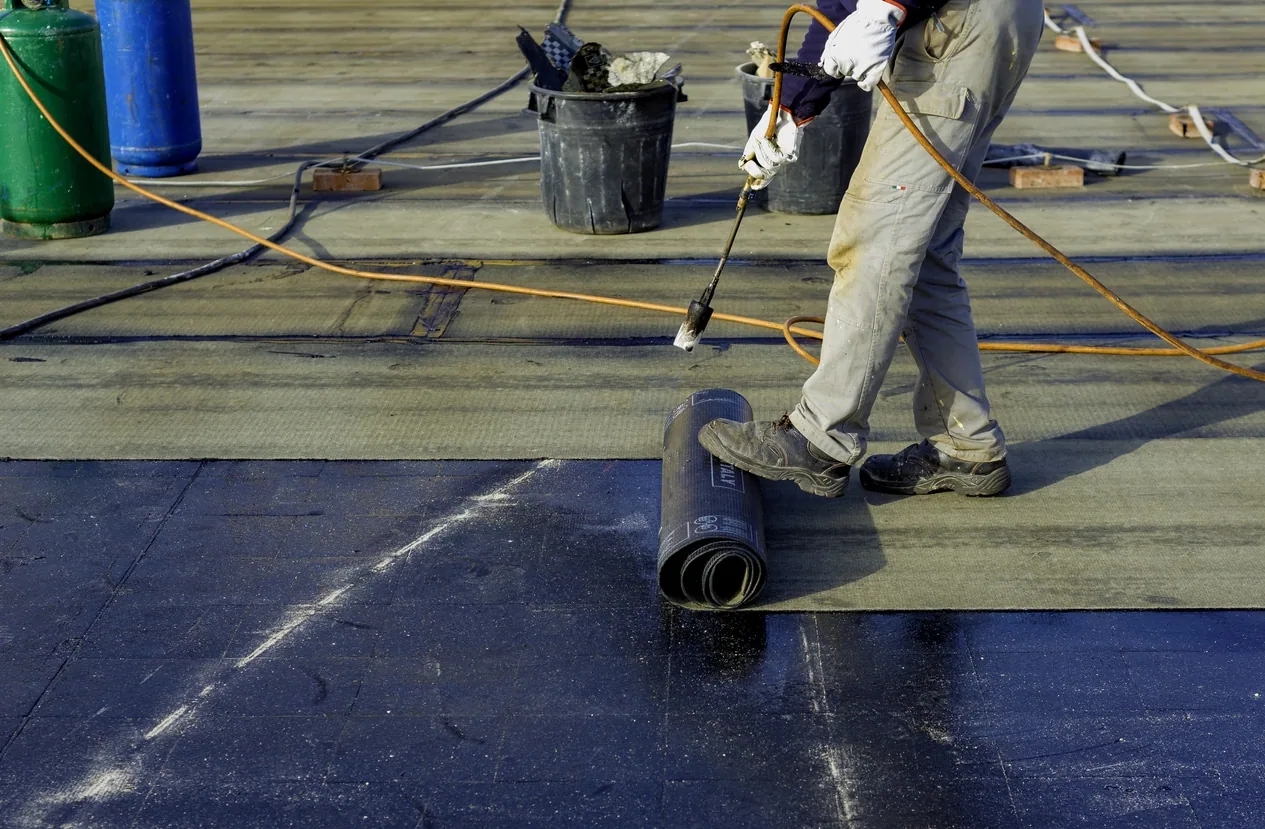
Request a Property-Specific Roof Review
An acquisition file lists a roof as serviceable, but it does not show where the last repair ended or which areas were opened. Investors need a condition record that connects field observations with a building, roof section, and decision date. Round Rock includes major technology campuses such as Dell Technologies and the Switch data center campus. Those assets sit within a wider mix of offices, industrial buildings, retail, and healthcare. Commercial buildings in Cedar Park and Pflugerville vary in use, while industrial operators may need roof timing coordinated with logistics tenants. Portfolio strategy starts with the actual assembly at each address.
We inspect the roof, distinguish visible conditions from untested areas, and present repair or replacement options with clear limits. The report supports diligence and capital planning by tying each recommendation to inspected roof conditions.
Send the address, transaction timing, roof records, tenant contacts, access rules, and the decision the inspection should answer. We will define the roof zones and limits. Call 555-555-5555 or request a roof assessment.
Test the Roof Record Against the Field
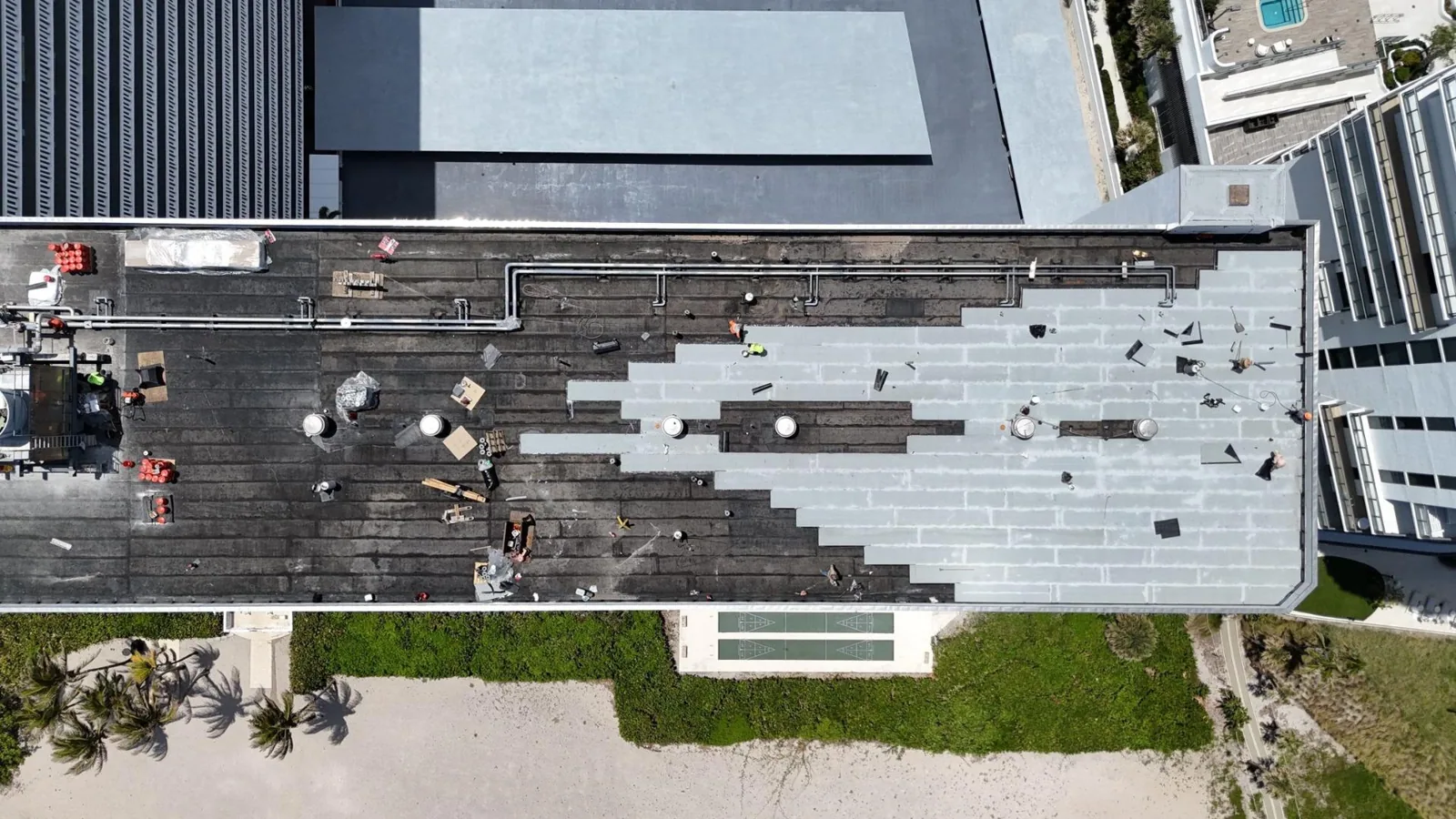
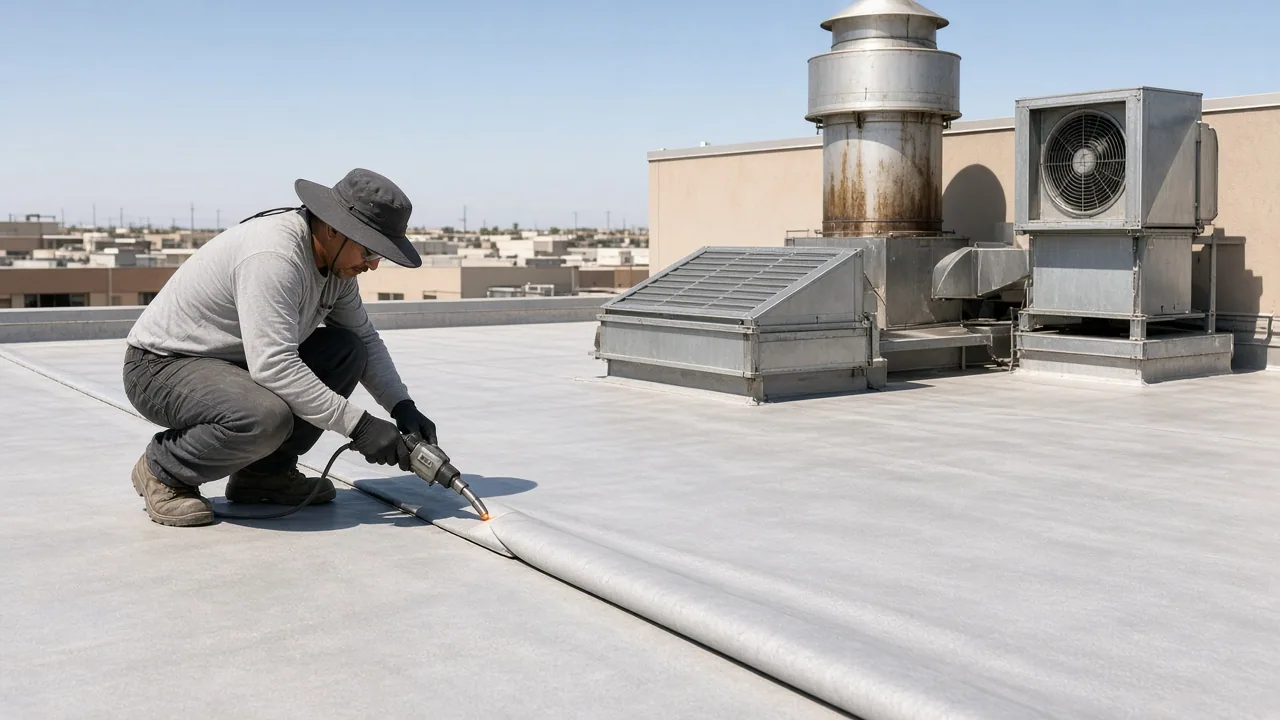
A due-diligence inspection begins with available roof plans, invoices, warranties, prior reports, and tenant notes. We compare their labels with the field layout. A roof may have more than one membrane or insulation assembly after additions and repairs. If drawings are incomplete, the report identifies what could be verified during the visit.
More than 1.5 million square feet of Tier-5 data-center space has approval at the Switch campus. That is the site's approved capacity, not a roof measurement or assembly description. A diligence review starts with the property address, system records, and access to the roof zones in scope.
We map punctures, open seams, flashing transitions, ponding areas, drains, edge conditions, and visible movement. A water stain inside can be separated from the roof entry point by deck or framing. We note the interior report and follow the most plausible route. When concealed moisture matters to the decision, a test cut can verify layers at one authorized sample point.
Investors should see inspection limits alongside findings. Equipment, access, operations, and weather can limit the roof area reached. We list each inaccessible section and distinguish record-based conclusions from direct observations. That allows a buyer to decide whether another visit or destructive testing is warranted. For each asset, preserve the inspection scope as its own record. Note the roof area reached, sections concealed by equipment, and the reason a sample was taken. A portfolio model should not turn one checked bay into a condition grade for the whole building. Keep that limit beside the recommendation.
Compare Repair, Recover, and Replacement
A localized repair may be sufficient when the membrane and insulation around a defect remain stable. Recurring leaks, wet areas, or widespread seam separation can support a larger scope. We mark the failed detail and any test sample on the roof plan, then explain how that evidence affects the repair boundary. If a condition continues beyond one sample, another test point may be needed before a portfolio-wide decision.
Recovering an existing assembly depends on its condition, attachment, moisture, and compatibility with the proposed system. If wet materials remain, covering them can leave an unresolved issue below the new layer. Replacement allows more of the assembly to be opened, but it requires a dry-in plan and work phasing that matches tenant operations. We explain what each option reveals and leaves in place.
For a portfolio, consistent condition labels make properties easier to compare. Separate immediate water entry, near-term repair, routine maintenance, and future capital work. An investor can compare those categories with the hold period, tenant obligations, reserve policy, and transaction timing.
Useful scopes include due-diligence roof surveys, commercial roof inspections, and roof condition reports. For ongoing tracking, use roof capital planning and multi-site roof programs. A property manager coordinating a building can also review property management roof records.
Account for Tenant and Equipment Constraints
Timing depends on occupancy, roof access, system type, height, mechanical equipment, staging, and weather. A medical office may have restricted rooms; an industrial tenant may need dock lanes open. I-35, US 79, SH 45, and SH 130 serve Round Rock properties. The owner provides the site arrival point and operating rules.
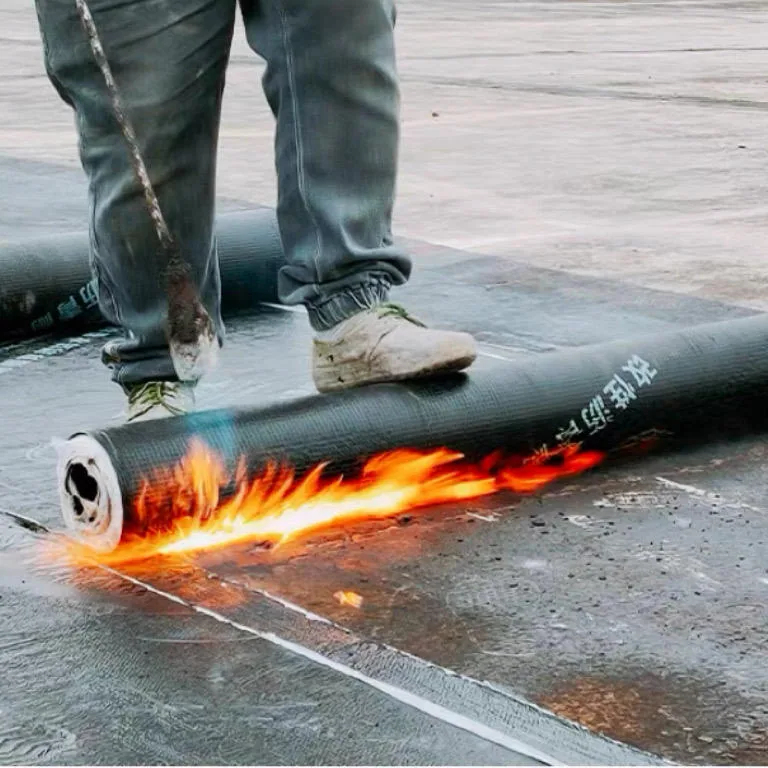
For an occupied reroof, divide work into areas that can be closed and made weather-tight during the shift. The property team confirms notices and interior protection. If hidden wet insulation or deck damage changes quantities, the crew documents location and extent before expanding the work. That creates an approval point for the asset manager.
Round Rock's March 2022 outbreak included a tornado track through the city and large hail reports across the area. Treat that date as inspection context, then record what the roof walk shows at seams, edges, penetrations, or equipment supports. Map any test to its roof zone before attributing cause, and compare the finding with repair records or later weather exposure.
When roof work depends on a unit replacement or new penetration, coordinate the curb and flashing design before the opening is cut. Roofing scope and mechanical scope should name their respective responsibilities. A completed transition is inspected and photographed where access permits.
Keep the Investment File Decision-Ready
The final report identifies the property, assembly where known, roof zones reached, findings, photographs, recommended actions, and limitations. Repair closeout adds material, date, and the detail completed. If rain has not tested the work, the record says that. A later inspection can compare the same marked locations and note changes.
Store roof drawings with tenant plans, equipment schedules, warranty documents, and service history. Keep each report version dated and tied to the inspection scope. A new acquisition review can then distinguish a recent field observation from a prior owner's estimate. At portfolio level, use common labels while preserving the detail for each property.
Round Rock’s Building Inspection Division enforces City building regulations. Applicable permit and design requirements depend on the specific scope and authority having jurisdiction. The owner and project team determine those requirements. We provide the roof conditions and product details requested for their review.
Investors can request a focused reinspection before disposition or after a major repair. The scope should state the new decision question, such as whether a marked seam remains open or whether the drainage correction changed water retention. Clear questions keep the visit useful and avoid implying an inspection of areas outside the assignment.
For a real-estate portfolio, roof data is most useful when condition, remaining uncertainty, and recommended action stay separate. A survey can identify visible defects, likely near-term repairs, and questions that need testing or records. Tie findings to an asset and roof zone so acquisitions, property management, and capital planning use the same reference. Do not treat an estimated service life as a certainty; exposure, workmanship, drainage, and maintenance all affect performance. A concise summary should state inspection limits and distinguish field observations from assumptions.
Questions About Real Estate Investors and REITs
Can a roof report support acquisition diligence?
Yes. We document observed conditions, available records, access limits, and areas needing further testing. The buyer uses that evidence with the rest of the property review.
Does a large technology campus mean the roof has a particular system?
No. Local campus facts provide market context only. We identify the assembly on the property being inspected.
How should a portfolio compare roof conditions?
Use consistent condition labels, then retain the detail by address and roof zone. Similar labels do not mean every roof needs the same work.
Can you estimate remaining roof life?
We can describe visible wear and observed repairs, but a remaining-life estimate depends on assembly, exposure, moisture, maintenance, and inspection limits.
What if the roof is partly inaccessible during diligence?
The report names the zones not reached and the reason. The buyer can decide whether to arrange access or another inspection.
Related Roofing Work
Cedar Park
Pflugerville
Logistics and 3PL Operators
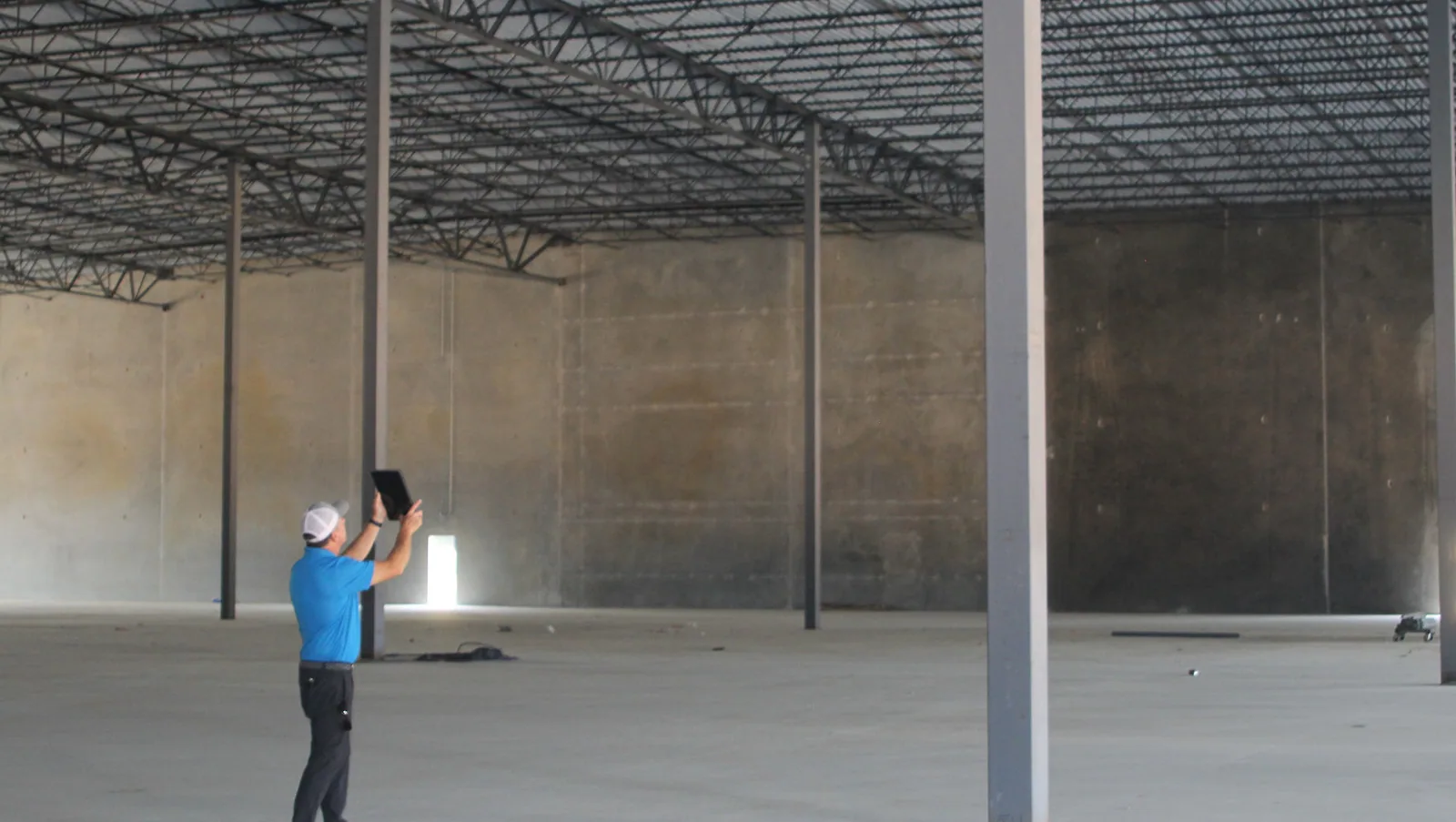
Commercial Roof Due-Diligence Surveys
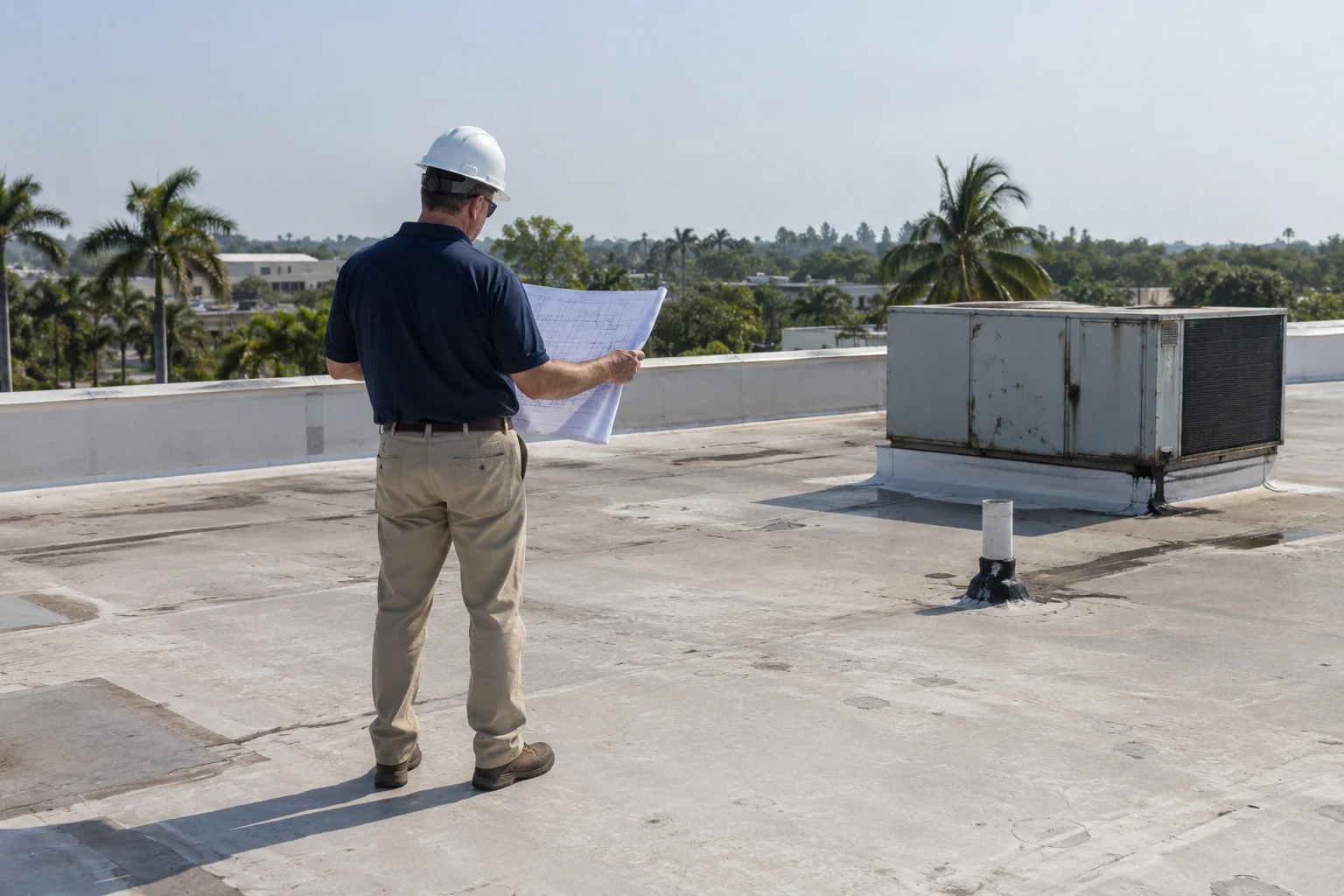
Commercial Roof Inspection