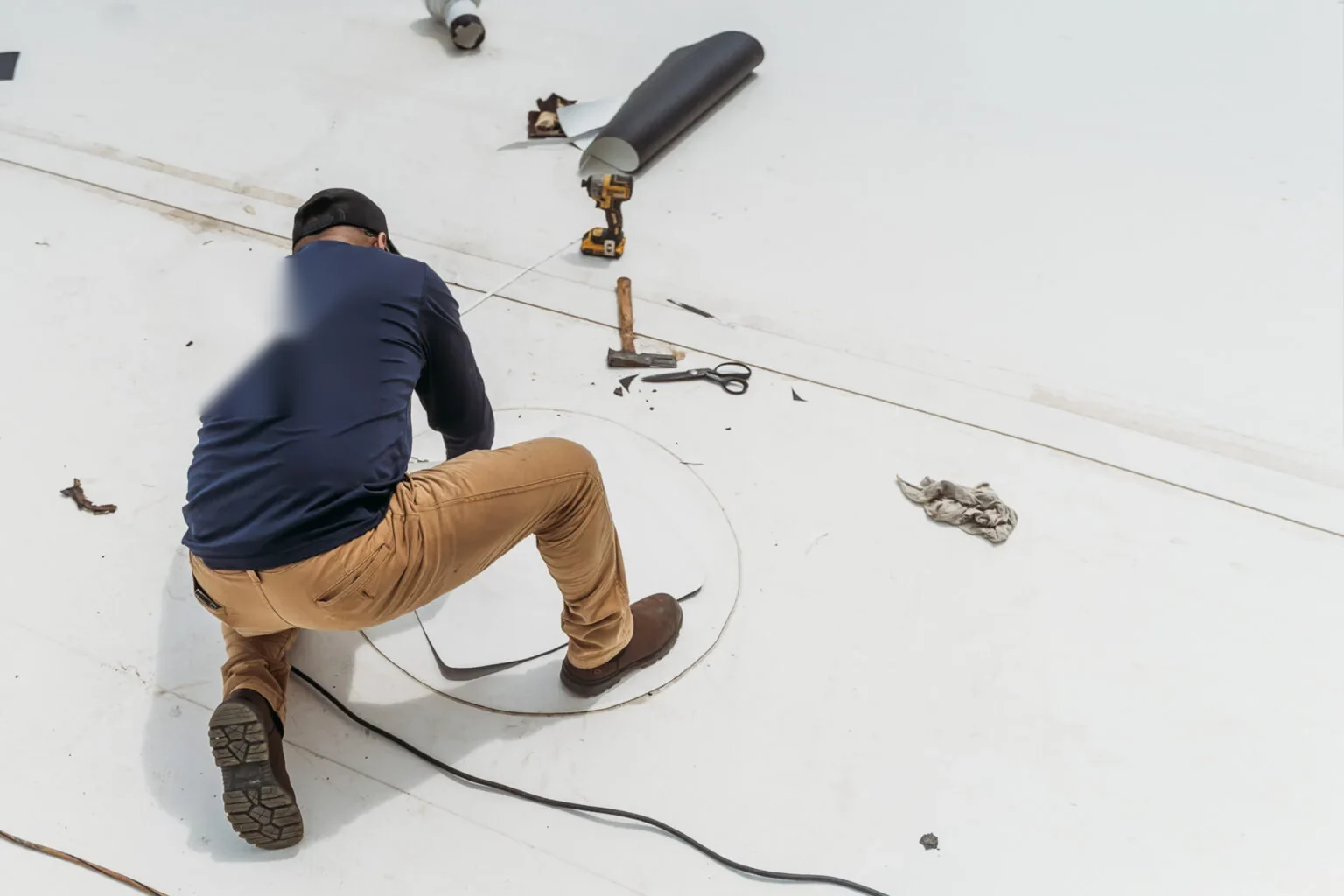
Coordinate a Distribution Roof Walk
A leak above a sorter or staging lane can interrupt more than the room below it. The first roof walk should connect the report to a building, bay, equipment line, and access route. Round Rock's Chisholm Trail Trade Center includes three industrial buildings near I-35 and Old Settlers Boulevard, and a 32-acre site there was leased for an Amazon delivery station. Those are local logistics markers, not roof-condition reports. The work plan follows the specific property and roof assembly.
Share the property address, reported bay or equipment area, event date, access contact, and dispatch restrictions. We will mark the roof zone and identify a work sequence that keeps approved routes clear. Call 555-555-5555 or request a roof assessment.
Trace the Vehicle-to-Roof Route
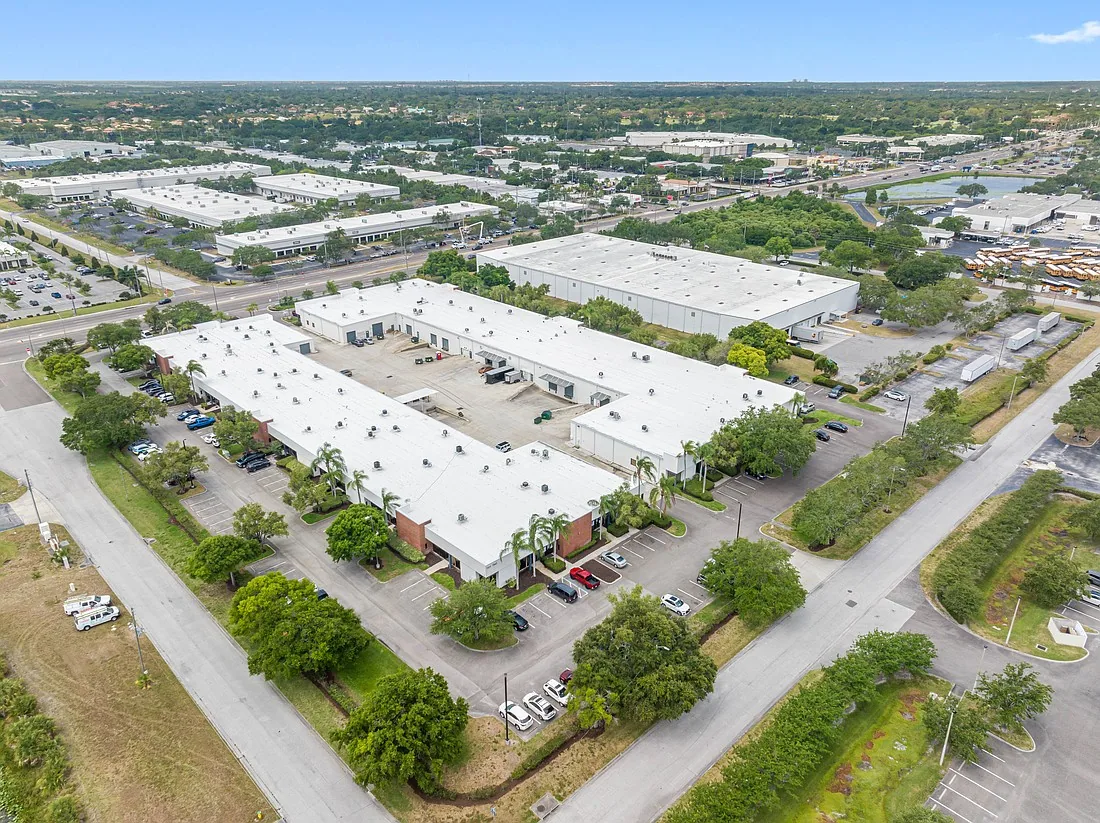
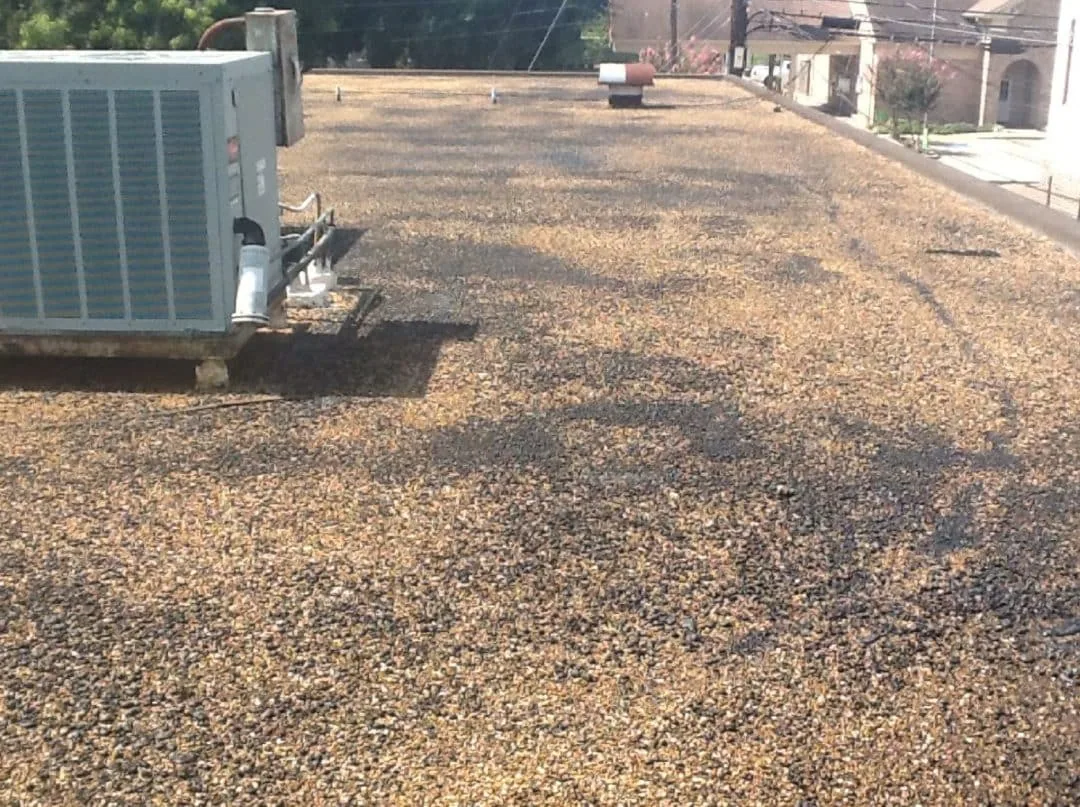
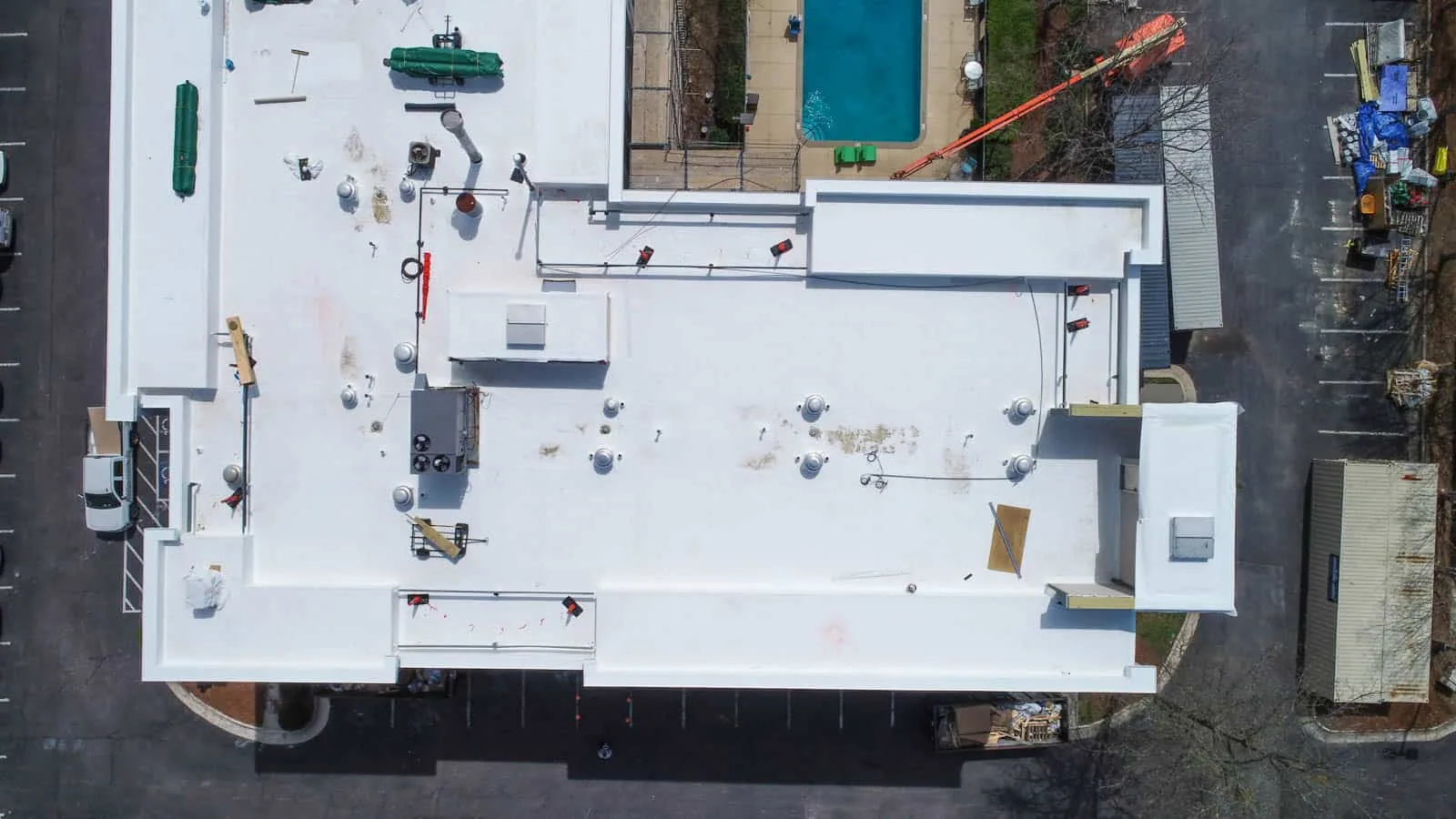
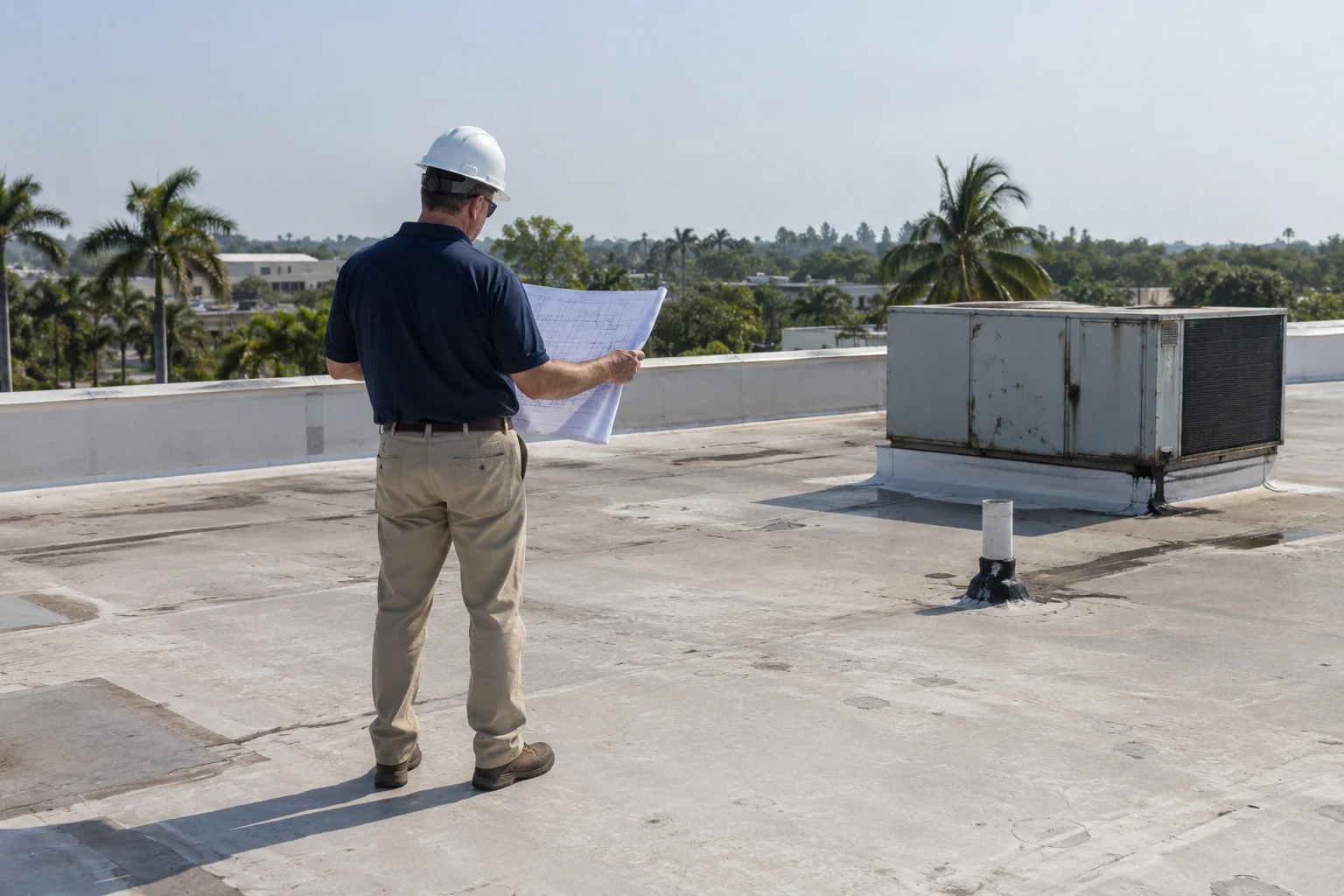
Start with the interior location and the time water appeared. Then map the nearest roof zone, curb, seam, drain, and wall transition. A distribution building can have several long work areas, but the roof may not follow the same division as the warehouse floor. Photograph the entry point and the suspected roof detail separately. A roof inspection can record what was visible and mark any portion blocked by equipment or access limits.
Truck courts, dock doors, conveyors, and rooftop units shape where a crew can stage. Confirm gate procedures, delivery peaks, lift placement, and routes that must remain clear. Chisholm Trail Trade Center sits near I-35 and Old Settlers Boulevard. For a distribution property in that area, the building manager controls entry and operating windows, and the roof walk confirms the assembly at the actual address.
Water does not always travel vertically. It can follow a deck, insulation joint, or structural member before appearing inside. We compare the leak report with drains, penetrations, laps, and previous repairs along a plausible path. If the path remains uncertain, a test cut or other survey can answer a defined question. Record the tested point and do not extend its result to other zones.
Protect the Flow Through the Building
Distribution operations rely on dependable access around receiving and dispatch. Divide a repair into roof zones that can be prepared, worked, and closed without leaving an exposed transition over active areas. The manager identifies restricted docks and any hours when a lift, delivery, or debris route cannot cross the yard. We list the crew's path, material location, and daily close-in limit before work starts.
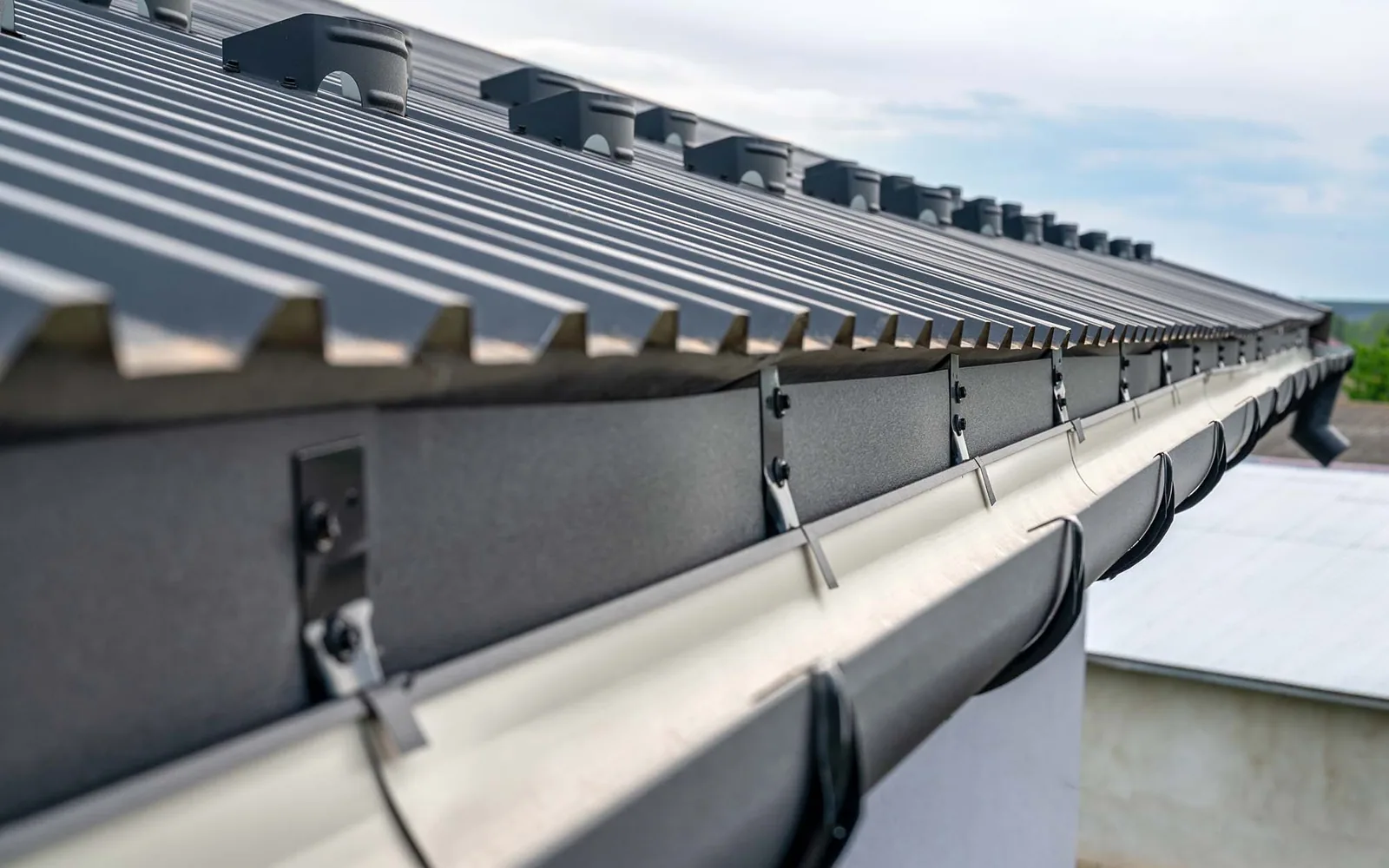
Drainage deserves a route of its own. Follow the roof slope toward drain bowls, scuppers, overflows, and gutters, then inspect strainers, clamping rings, and flashing. A drainage review can separate a blocked outlet from a low area or damaged membrane detail. Clear water flow does not prove the roof is dry below the surface; the report records both drainage observations and any moisture test.
Use Storm History Carefully
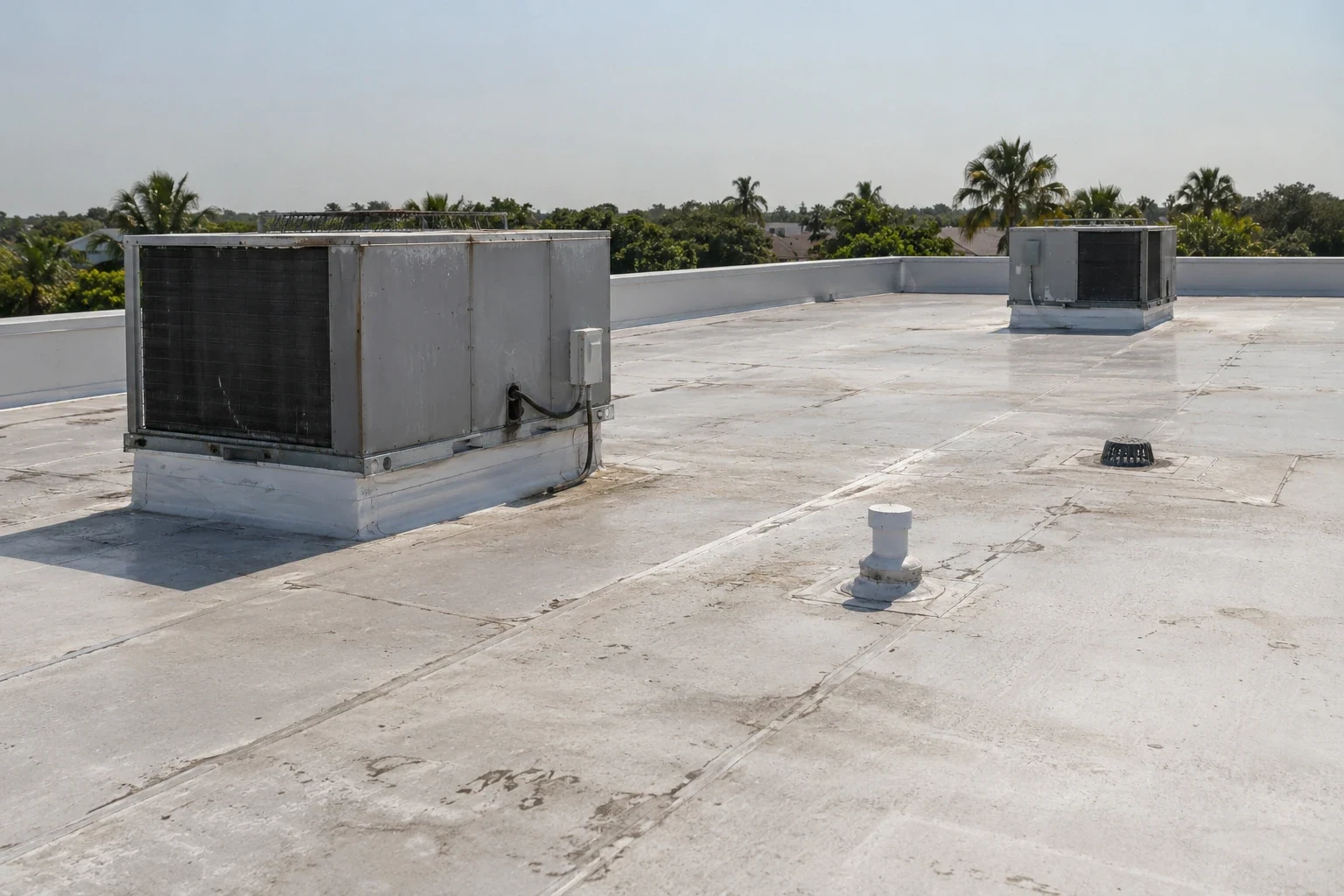
The March 2022 storm sequence sent a tornado through Round Rock and brought hail reports elsewhere in the area. A distribution operator may use that event to set an inspection date, but only the roof walk can establish impact, movement, or water entry at this building. Record the owner's reported event date, then inspect accessible roof zones for displaced edge metal, punctures, lifted laps, and drainage debris.
At Austin's Camp Mabry station, the August normal high is 97.8 degrees. That seasonal figure offers regional context, while surface temperature and material handling need a same-day check at the distribution facility. Check the actual site conditions and product instructions before starting. If wind, heat, or a storm changes the work window, protect the open area and update dispatch before shifting crews to another zone.
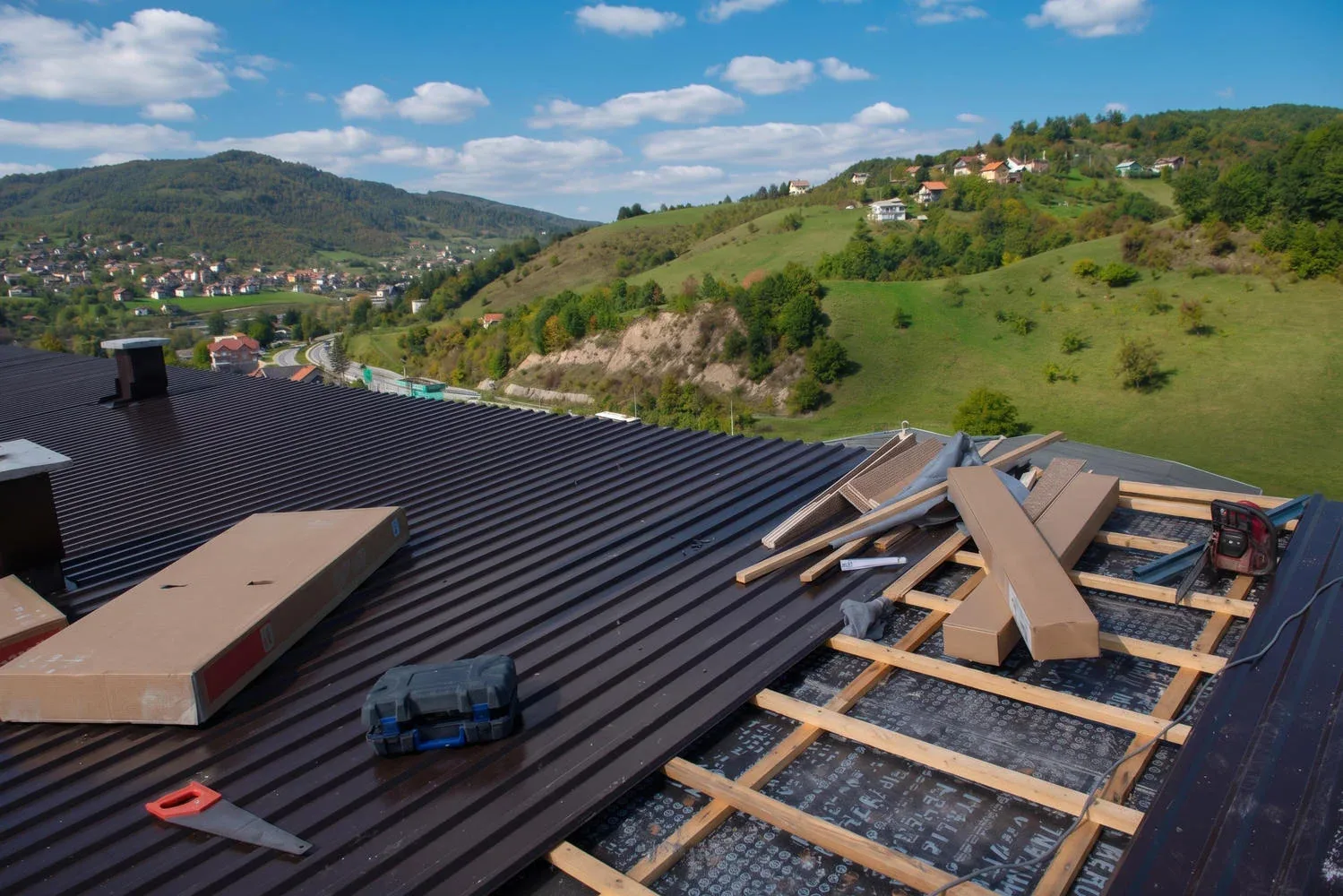
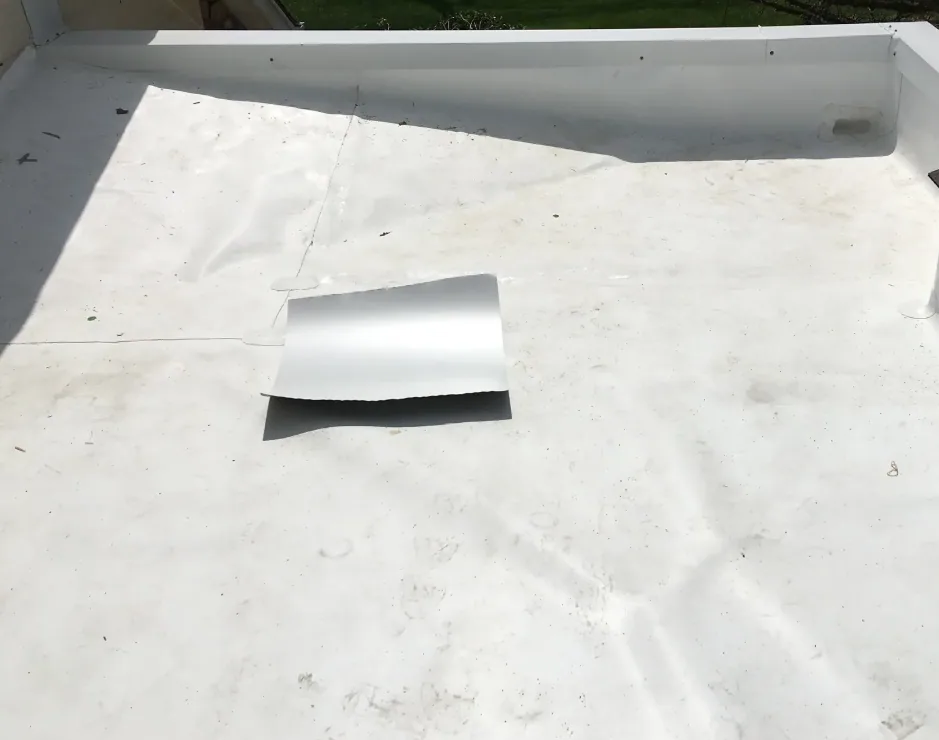
The wind-damage inspection can document observed movement, while a hail assessment can map impact indications and distinguish them from wear or older repairs. Neither label substitutes for inspection evidence. A closeout should show which zones were reached, what was observed, and where access prevented a conclusion.
Compare Repair, Recover, and Replacement
A localized defect may accept a compatible repair when surrounding material, attachment, and substrate are sound. A failed seam across multiple bays, wet insulation, or deteriorated deck can call for broader work. The repair scope states the confirmed boundary and any test still needed. If the issue spans separate sections, map each one rather than pricing an assumed roof-wide condition from a single leak.
A recover can reduce removal only when the existing layers are stable, dry, and suitable for another assembly. Check the drain elevations, perimeter height, curb clearances, and attachment method before specifying new insulation or membrane. A recover evaluation should include what remains in place and which concealed conditions could change the work. If removal is needed, show the tear-off area, deck review, disposal, and weather closure in the sequence.
Round Rock includes speculative industrial buildings along Old Settlers Boulevard and major distribution operations. Pecan 130's first phase comprised two 120,000-square-foot light-industrial office buildings. Those floor areas do not define roof area. Measure the assembly under review. A warehouse roof plan may focus on shipping lanes; a manufacturing-plant roof review can account for process controls. Timing depends on system, lift access, shipments, repairs, and concealed conditions.
Plan Around Dispatch and Crew Access
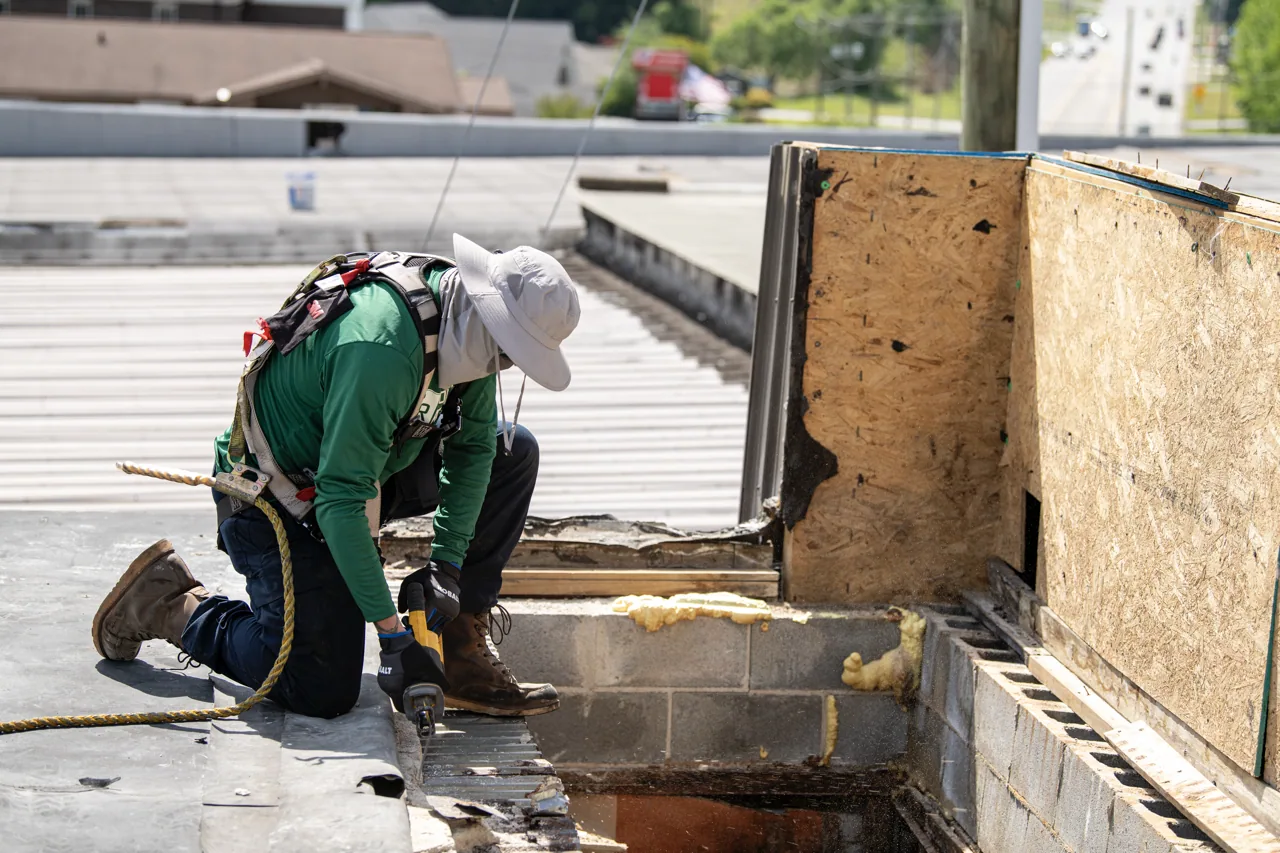
Before mobilization, confirm the building contact, dock schedule, gate access, roof hatch, staging zone, and emergency route. If work occurs above inventory, identify the protection and who can authorize a temporary aisle restriction. A phased work plan can assign each shift a start zone, completion limit, and weather closure. The crew should know who accepts the roof area when the shift ends.
Round Rock's adopted code list includes the 2024 International Building Code and International Energy Conservation Code, and the city's Building Inspection Division enforces related requirements. The permit path depends on the proposed scope and assembly change. Confirm it before ordering material or scheduling a tear-off. Keep permit questions separate from field findings, since an approved scope still depends on the conditions exposed during work.
Carry a Usable Roof Record
Closeout ties the work to a building, roof zone, date, event report, photos, material, repair limit, and access restriction. Include the drains and nearby details checked, any test-cut location, and the area restored. List unresolved conditions and the person responsible for the next step. Temporary protection needs a removal or return date that does not get buried in the permanent repair description.
Owners can send the address, roof plan, interior report, previous service records, and dispatch restrictions before a visit. We will inspect the reported path and show what the evidence confirms. A dated condition report can keep photos and open items together for facilities review. The next check should revisit the marked area or the unresolved detail, not presume that every bay shares its condition.
To set the first work window, share the active leak status, access contact, and delivery periods that cannot move. We will map the affected roof zone and state the protection and repair boundary before staging.
Questions About Distribution Center Roofing
How can we keep receiving open during roof work?
The site contact sets the dock and truck routes that must stay active. We choose roof zones, lift positions, and material paths around those limits, then close each work area against weather before the shift ends. If a safe boundary cannot fit the dispatch window, schedule another period before opening the assembly.
Does one test cut establish moisture across the whole distribution roof?
A cut shows the layers and moisture at its own location. We select it to answer a specific question, photograph the result, and state which other zones remain untested. Broader conclusions need additional evidence or a survey that covers the relevant roof areas.
When is a recover reasonable for a distribution building?
The retained roof needs to be dry, stable, properly attached, and compatible with the proposed system. Drain height, edge details, existing layers, and code review also matter. If wet insulation or deck damage is widespread, removal may be the clearer scope.
What should be checked after hail or a tornado warning?
Record the event date as reported and inspect accessible edges, seams, penetrations, and drains for observable changes. The 2022 event is regional context, not proof of damage at a specific property. The report should identify findings and access limits by roof zone.
What details affect the schedule most?
Roof access, dock use, delivery timing, weather, equipment restrictions, system materials, and concealed conditions can change the sequence. We confirm the property rules first and identify where opening the roof requires same-shift close-in.
Related Roofing Work
Commercial Roof Inspection
Chisholm Trail Road and Old Settlers Boulevard
Commercial Roof Drains and Scuppers
Wind Damage Roof Repair
Hail Damage Roof Repair