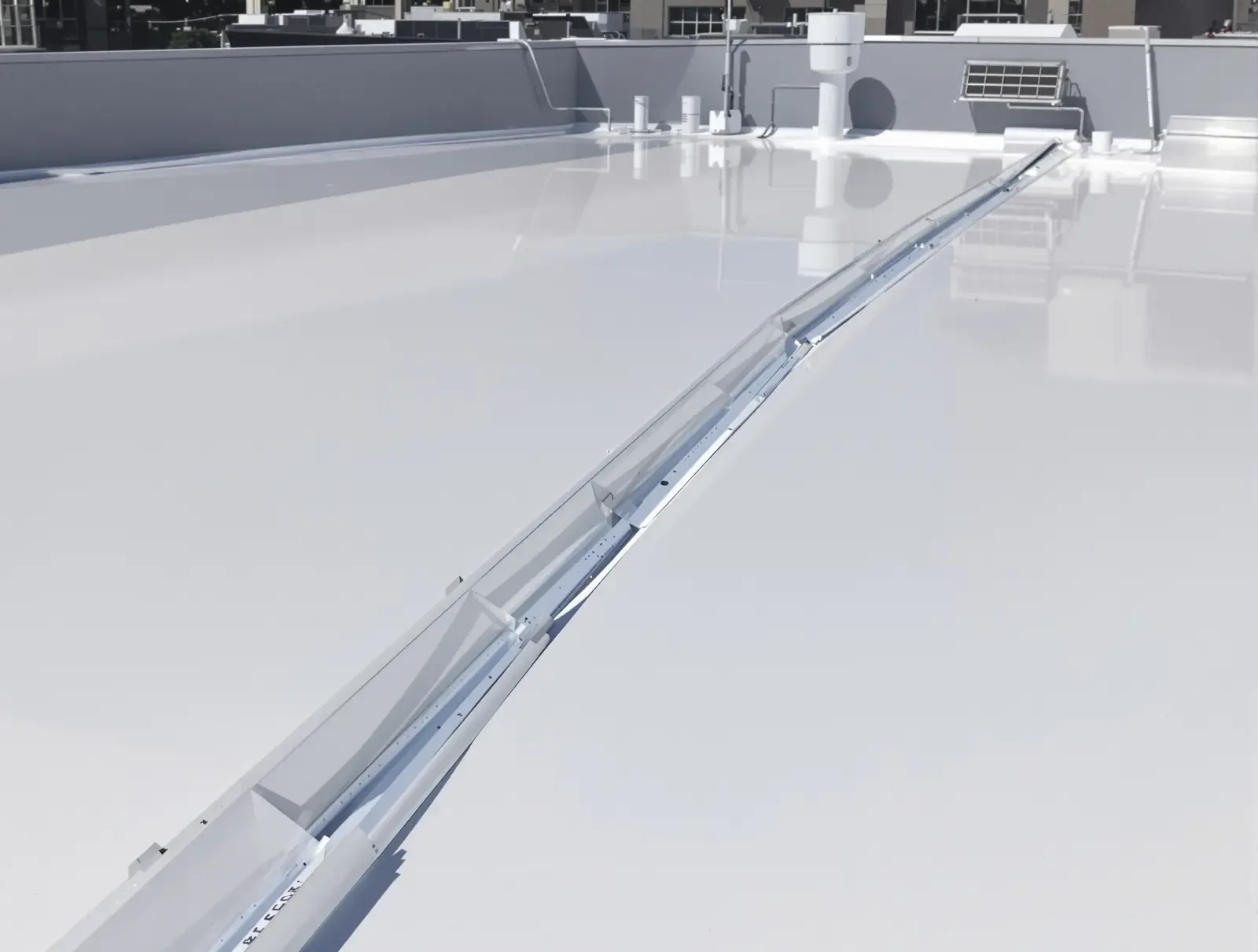
Identify the Loose Edge
A coping cap shifts when a fastener line loosens. At the parapet below, the membrane may still be intact, or it may have pulled away at the edge. We inspect the metal, attachment, laps, corners, and roof transition as one assembly. The repair depends on what moved and where water can enter. A surface seal alone may hide an open joint without restoring the edge connection.
At a property with several roof elevations, the exposed side and protected courtyard may show different wear. We inspect the coping and gutters where the building team has reported water entry or movement, then compare those details with adjacent roof zones. A local stain or loose cap guides the inspection but does not establish that every edge shares the same defect.
Send the building address, affected elevation, roof access notes, and photos of the coping, gutter, or edge detail. We will define the assembly and repair boundary. Call 555-555-5555 or request a roof assessment.
Inspect the Edge Assembly
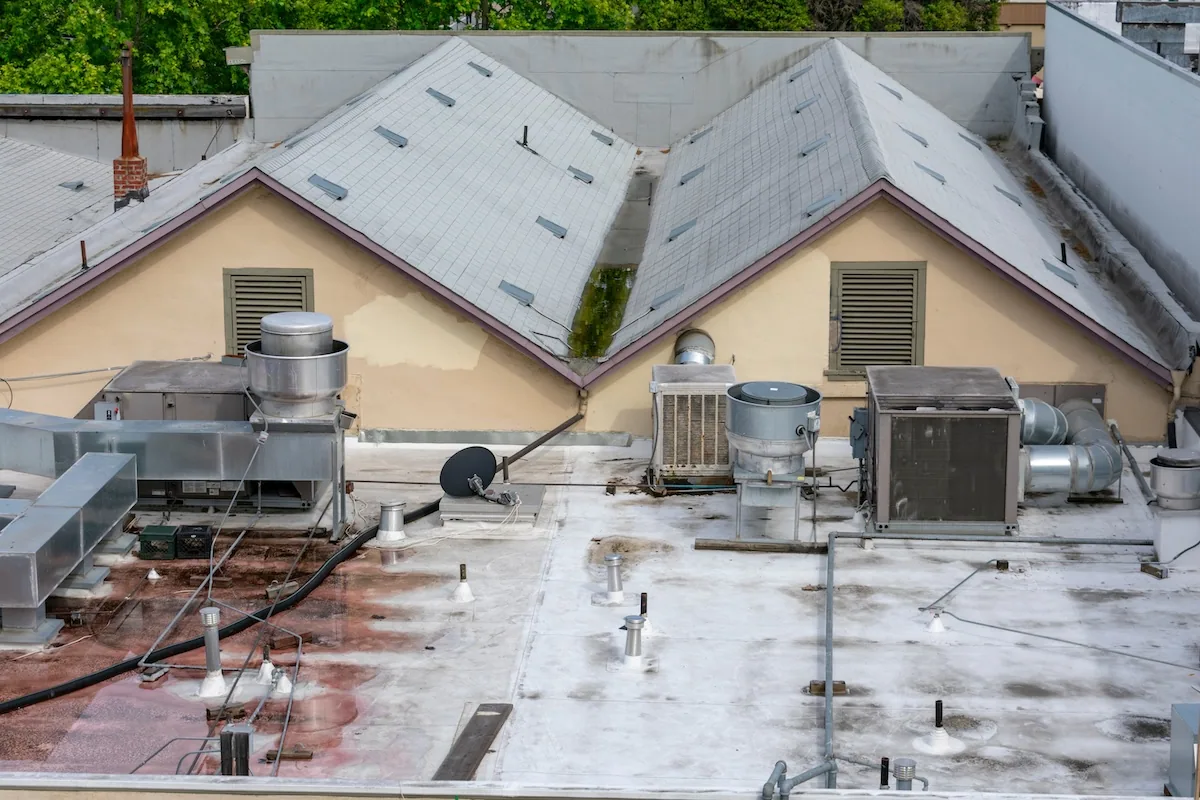
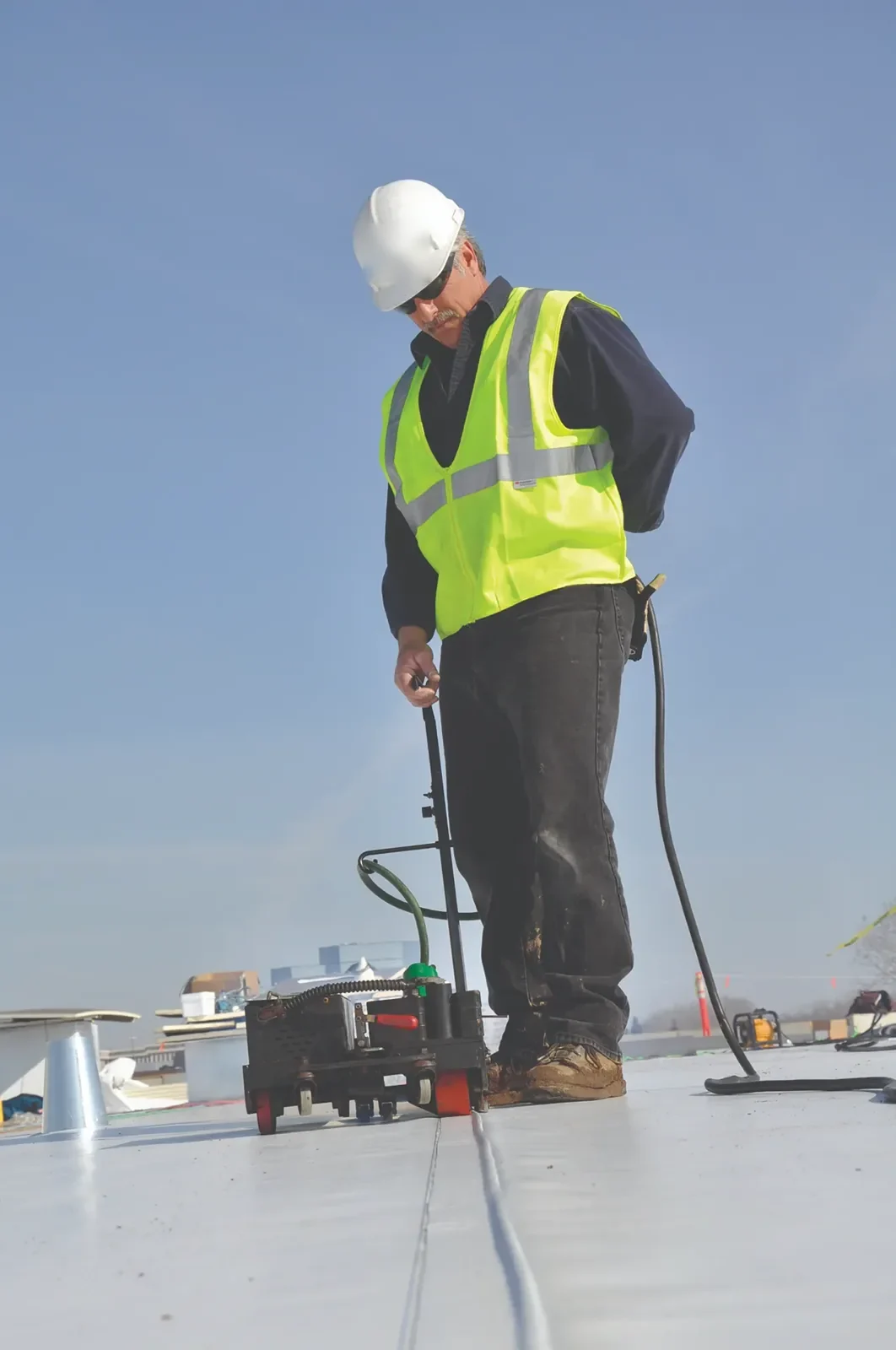
At a parapet, we check the coping profile, splice plates, end dams, cleats, fastener spacing, and movement at each joint. We look for oil-canning, open seams, corrosion, loose sections, and sealant that has separated from one surface. Photographs show the full run and close views of each defect. A corner deserves separate attention because adjoining metal sections can move in different directions.
At a low-slope roof edge, the metal may clamp the membrane or cover a termination bar. We inspect that relationship before removing material. If the edge metal lifts, we check whether the membrane has adequate extension and securement below it. A gutter connection, fascia, and drip edge can form a continuous path, so a repair should identify where the roofing assembly stops and sheet metal work begins.
Gutters and downspouts need a clear outlet path. We note standing debris, separated seams, loose hangers, overflow staining, and discharge that returns toward the wall or foundation. The roof walk can identify an outlet concern, but underground leaders remain outside visual inspection unless the owner authorizes another trade to test them.
On a multi-building property, we label each elevation before measuring. A marked plan can separate a loading side with frequent impact risk from a sheltered courtyard edge. For campuses such as Dell Technologies Global Headquarters, the property contact can also identify delivery routes, occupied entrances, and restricted roof zones. Those details affect lift placement and safe material handling, while the metal condition still controls the repair specification.
Restore Attachment and Water Control
A secure repair may require new cleats, compatible fasteners, replacement coping, or a formed splice. The selected detail depends on the metal profile, substrate, wind exposure, and how the roof membrane terminates. We record the existing dimensions and attachment points before ordering fabricated material. Where the substrate is damaged, the scope states how access and reconstruction will be handled.
At a membrane termination, the repair must preserve the roof system's approved edge detail. We identify the membrane type, thickness when known, and existing fastening method. A liquid sealant bead cannot replace mechanical attachment where the assembly depends on a cleat or termination bar. The closeout should show the tie-in, fasteners, laps, and finished edge.
For a substantial perimeter alteration, the project lead checks with Round Rock Building Inspection about permit and close-in review requirements. The city publishes adopted construction codes and enforces related ordinances. The proposal defines which edge sections will be opened so the owner can coordinate any required review before concealed attachment is covered.
Set the Repair Boundary
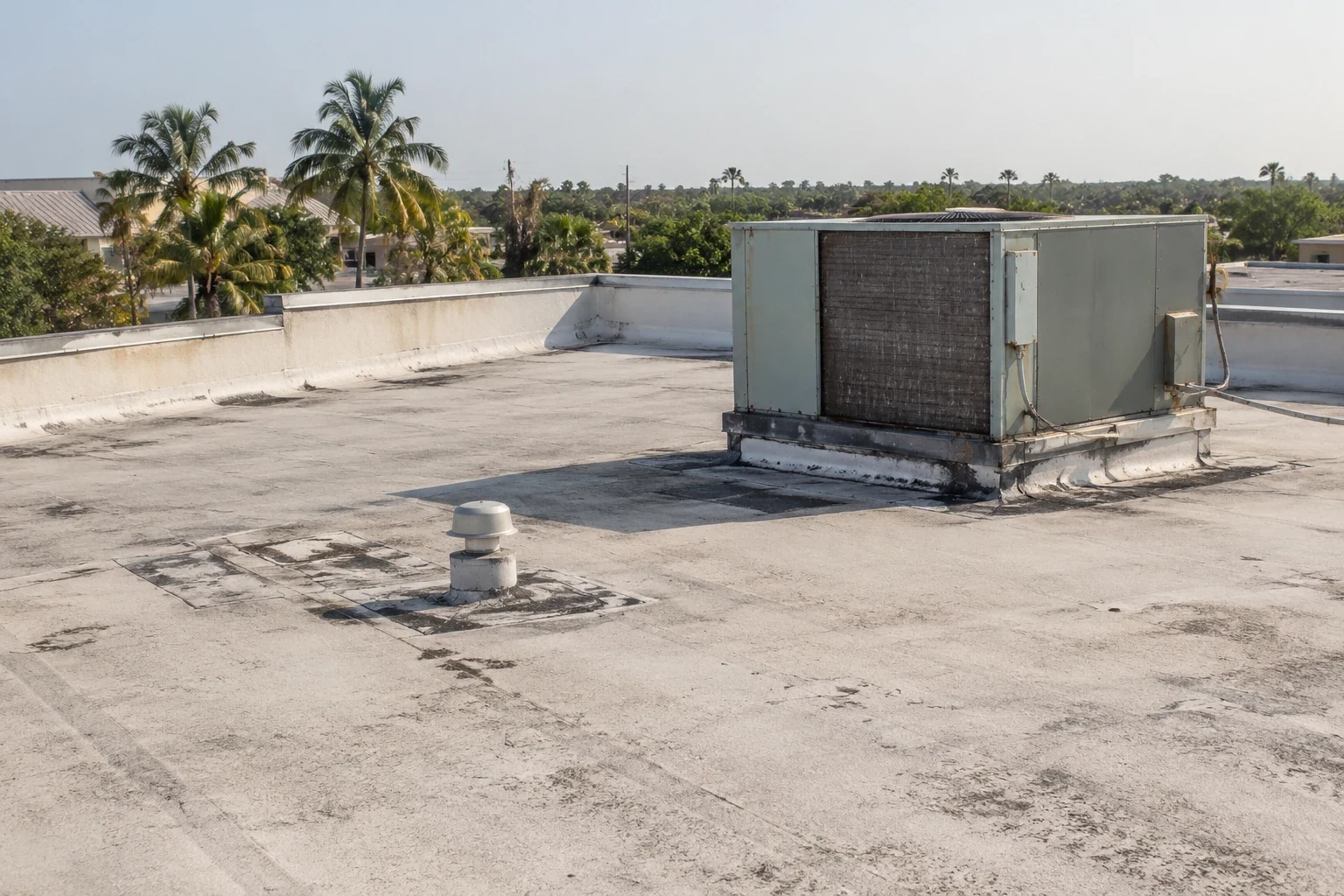
Some defects are isolated to one coping joint. Others continue across a long parapet because attachment or fabrication is inconsistent. We map each affected run and separate immediate water entry from deferred metal replacement. If a temporary seal is needed to protect an occupied space, we label it as temporary and state what permanent work remains.
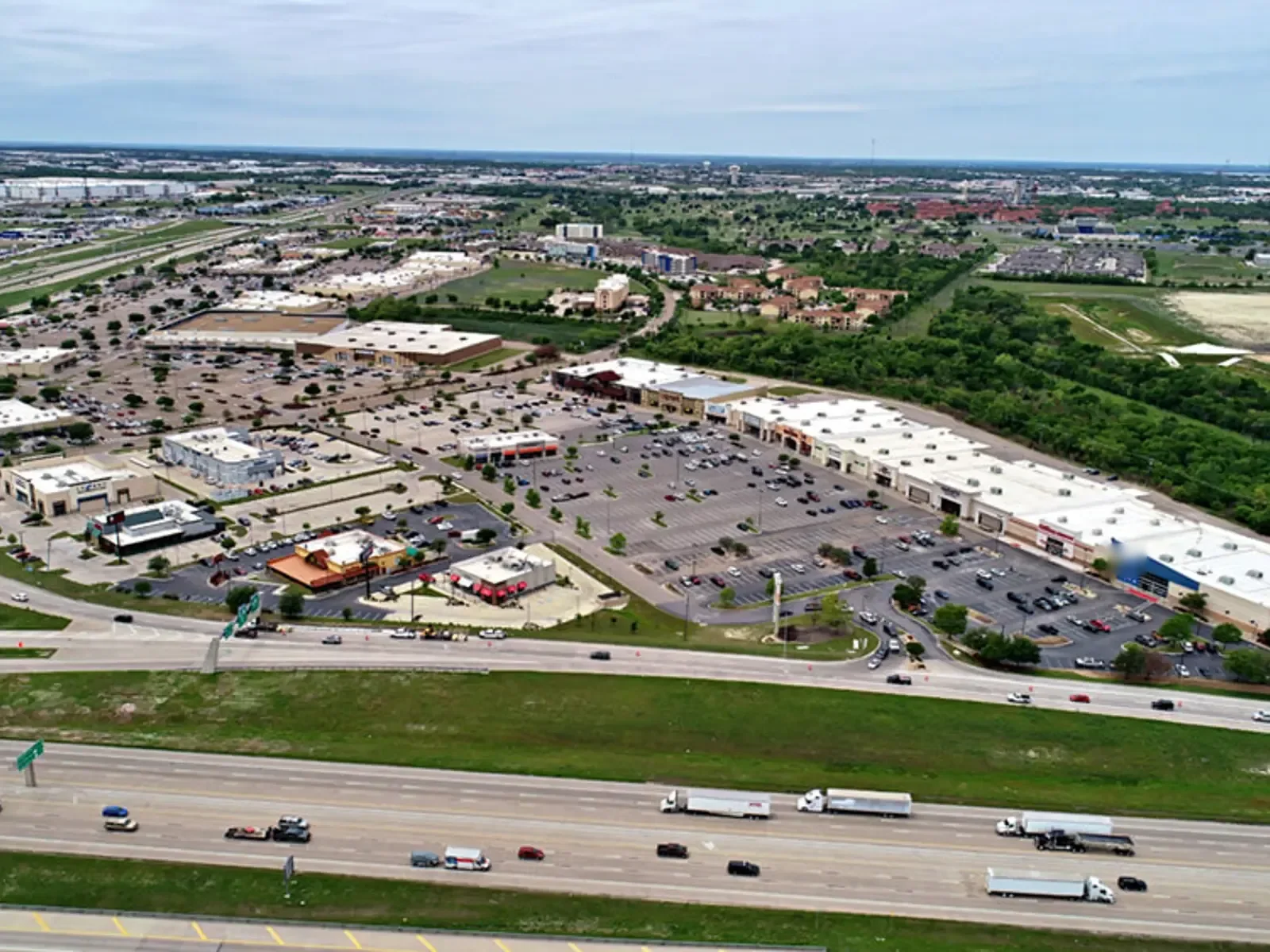
Cost drivers include metal gauge and finish, profile availability, corner count, parapet height, access equipment, substrate repair, and how much membrane must be detached. A gutter scope also depends on length, outlet size, hanger condition, and discharge routing. For an owner comparing a shopping-center roof with a Round Rock, the actual edge geometry and access control determine quantities.
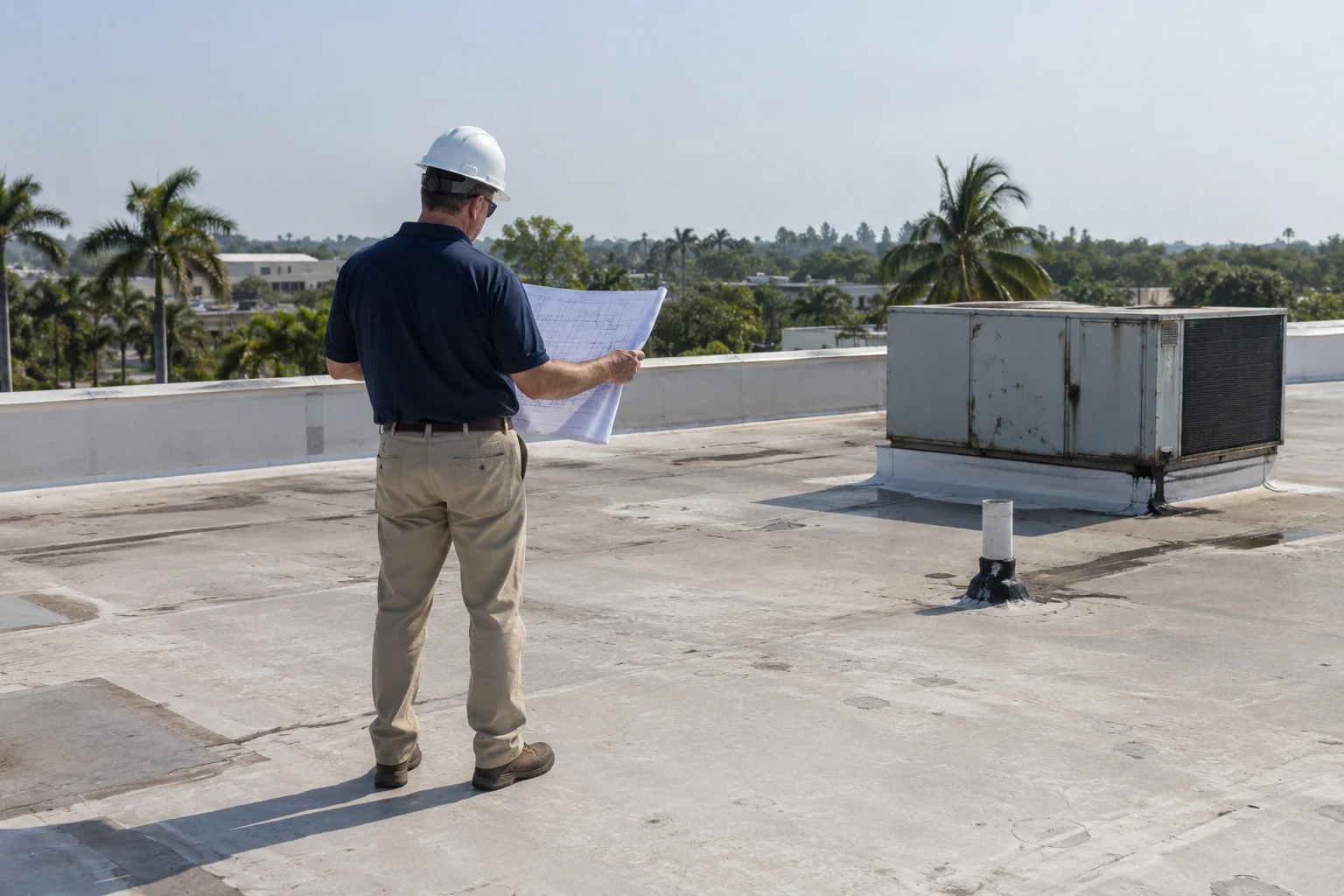
Related work may include roof inspection to map the assembly, commercial roof repair at an active leak, or drainage correction where a gutter overflow is part of a larger water path. A TPO system needs compatible details at the termination. We list each connection in the proposal so the owner can compare equivalent scopes.
New edge metal should be measured after the existing assembly is opened when concealed dimensions affect the profile. We note whether a fascia return, parapet cap, or gutter apron can be formed from standard material or requires a custom shape. Color and finish selection also need owner approval. A proposal should state the assumed profile, measured footage, corner count, and substrate repair allowance so a change in field dimensions can be reviewed clearly.
When a leak appears inside, we compare its location with the edge above but do not assume the nearest seam is the source. Water can travel along a deck flute or insulation joint before it becomes visible. The inspection marks the entry candidate, the observed interior symptom, and any additional test needed to connect them. That evidence helps keep perimeter repair separate from unrelated roof work.
Verify the Completed Run
Before work, the crew records the affected edge and adjacent roof surface. During installation, photos capture concealed cleats, fasteners, membrane attachment, and splice treatment before metal covers them. Final images show the completed coping or gutter line, corners, end conditions, and any repaired membrane transition. The record identifies where original material remains.
After a heavy rain, the owner can compare any new staining with the documented edge locations. If the roof has not experienced rainfall since repair, the closeout says that performance under rain remains unobserved. A later review checks for movement or separated sealant at the repaired joint. It does not infer that every edge on the building has the same condition.
Maintenance staff can report a loose cap, displaced gutter, or fresh stain by marking the exact elevation and roof zone. Keeping those observations with the repair record helps distinguish a new defect from a prior joint. For taller buildings, the access plan should identify who can safely view the exterior face.
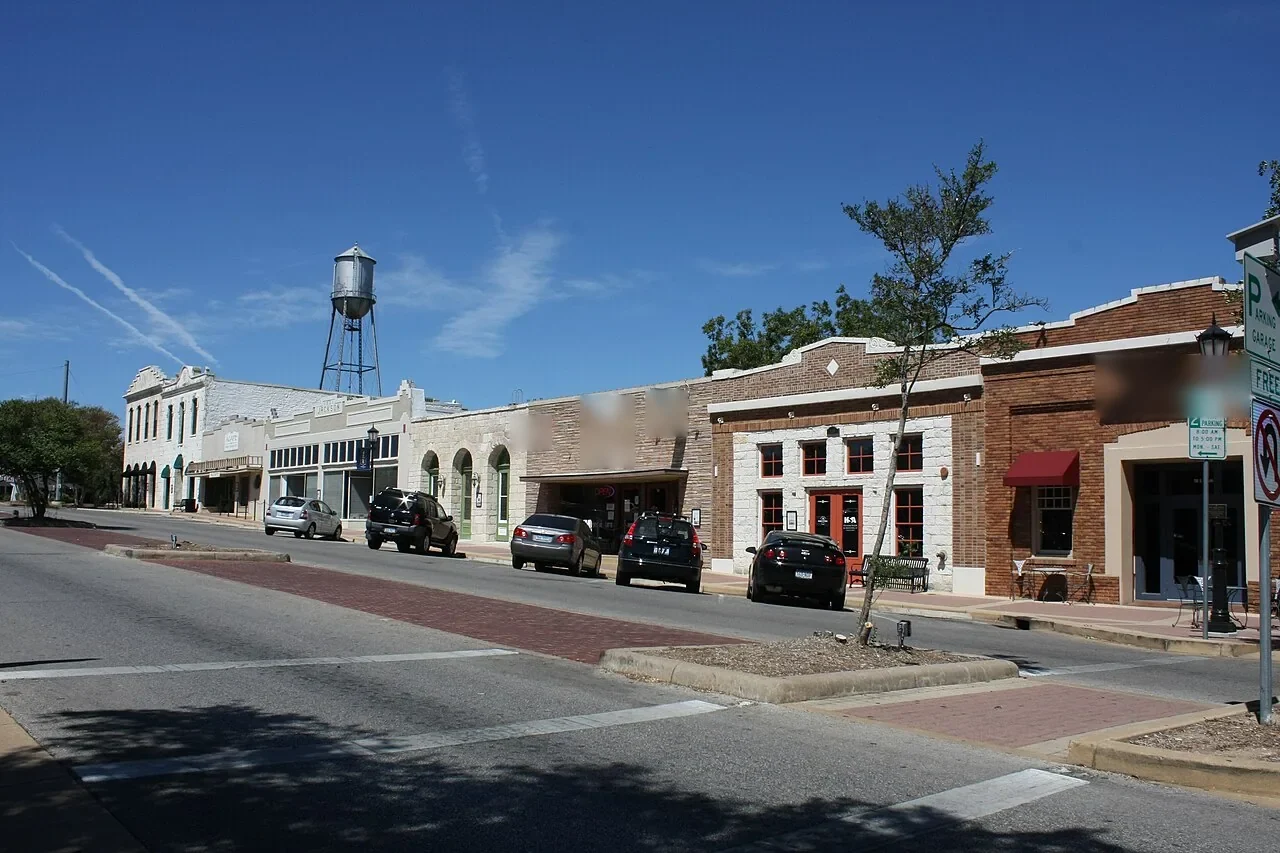
Round Rock combines major technology employers such as Dell Technologies with retail properties such as Round Rock Premium Outlets. A facilities team at either type of property benefits from a roof-edge record that identifies each elevation, corner, splice, and drainage outlet. After movement or storm exposure, compare the affected edge with adjacent runs and check whether fasteners have loosened beyond the visible gap. Photograph the termination before resecuring it, then verify the membrane transition is still continuous. The repair should protect both the metal and the roof assembly below it.
Edge details vary across Round Rock properties, including the industrial buildings around Chisholm Trail Road and Old Settlers Boulevard corridor and commercial activity near the Pecan Street and SH 130 corridor in Pflugerville. The area name does not identify the roof assembly; we inspect the edge and its attachment at the property.
Questions About Commercial Roof Edge Metal, Coping, and Gutters
Can coping be sealed instead of replaced?
A sound, securely attached joint may need a localized compatible seal repair. Loose metal, failed cleats, damaged substrate, or repeated open laps call for a broader correction. We document the condition before choosing the repair.
Do you repair commercial gutters and downspouts?
Yes. We inspect visible gutters, hangers, seams, outlets, and discharge points. Concealed or underground piping may require a plumbing contractor or a separate test.
Will replacing coping affect the roof membrane?
It can, depending on how the membrane terminates beneath the metal. The scope identifies the attachment and tie-in so removal does not leave an unsupported edge.
How do you price custom edge metal?
The estimate depends on measured length, profile, finish, corners, access, attachment, and substrate condition. Fabrication details must be confirmed before material is ordered.
What photos should we send for a loose coping cap?
Send a wide view that identifies the elevation and closer images of the joint, corner, and roof side if safely accessible. Include the building address and any interior leak location.
Related Roofing Work
Shopping Center Roofing
Round Rock
Commercial Roof Inspection
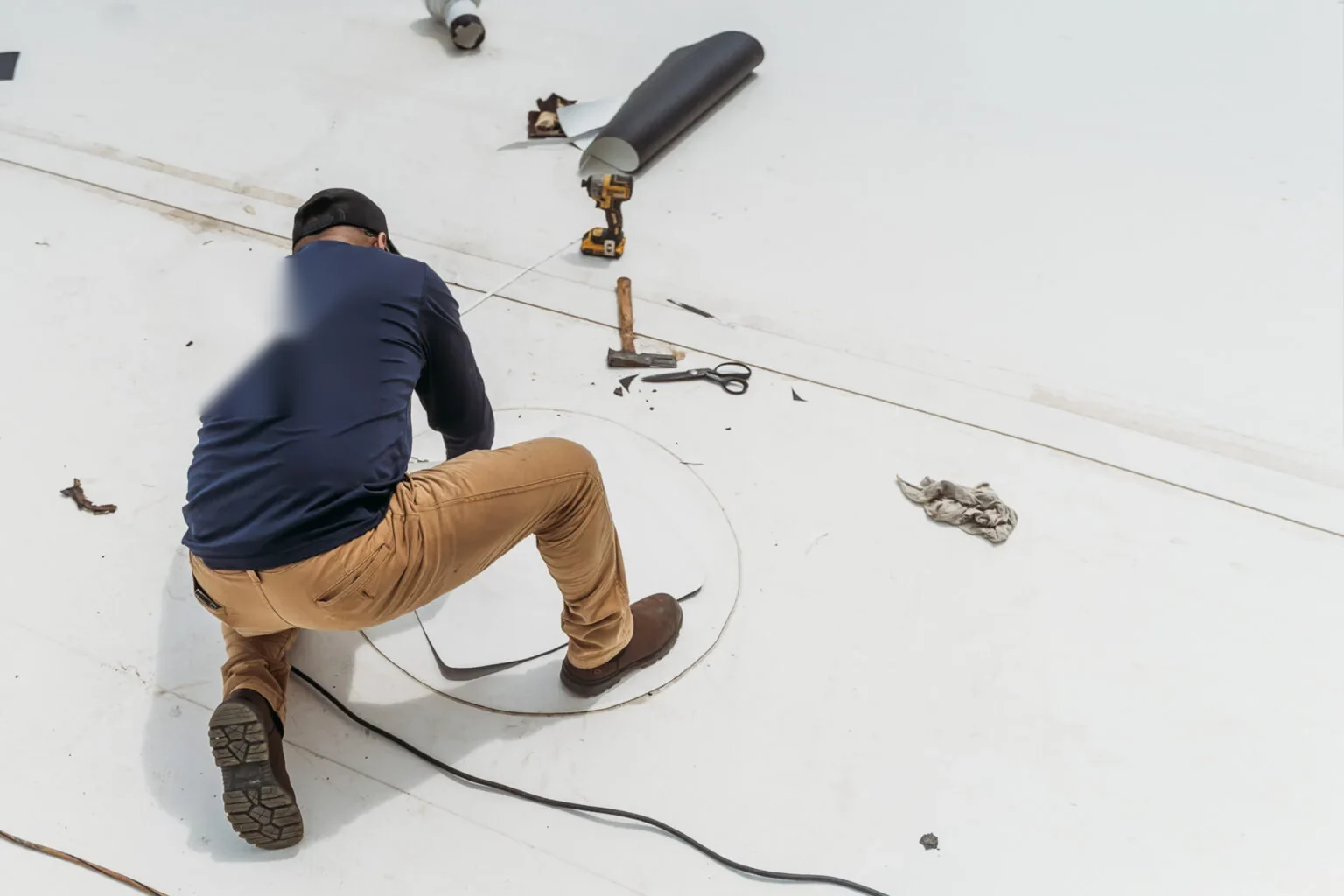
Commercial Roof Repair
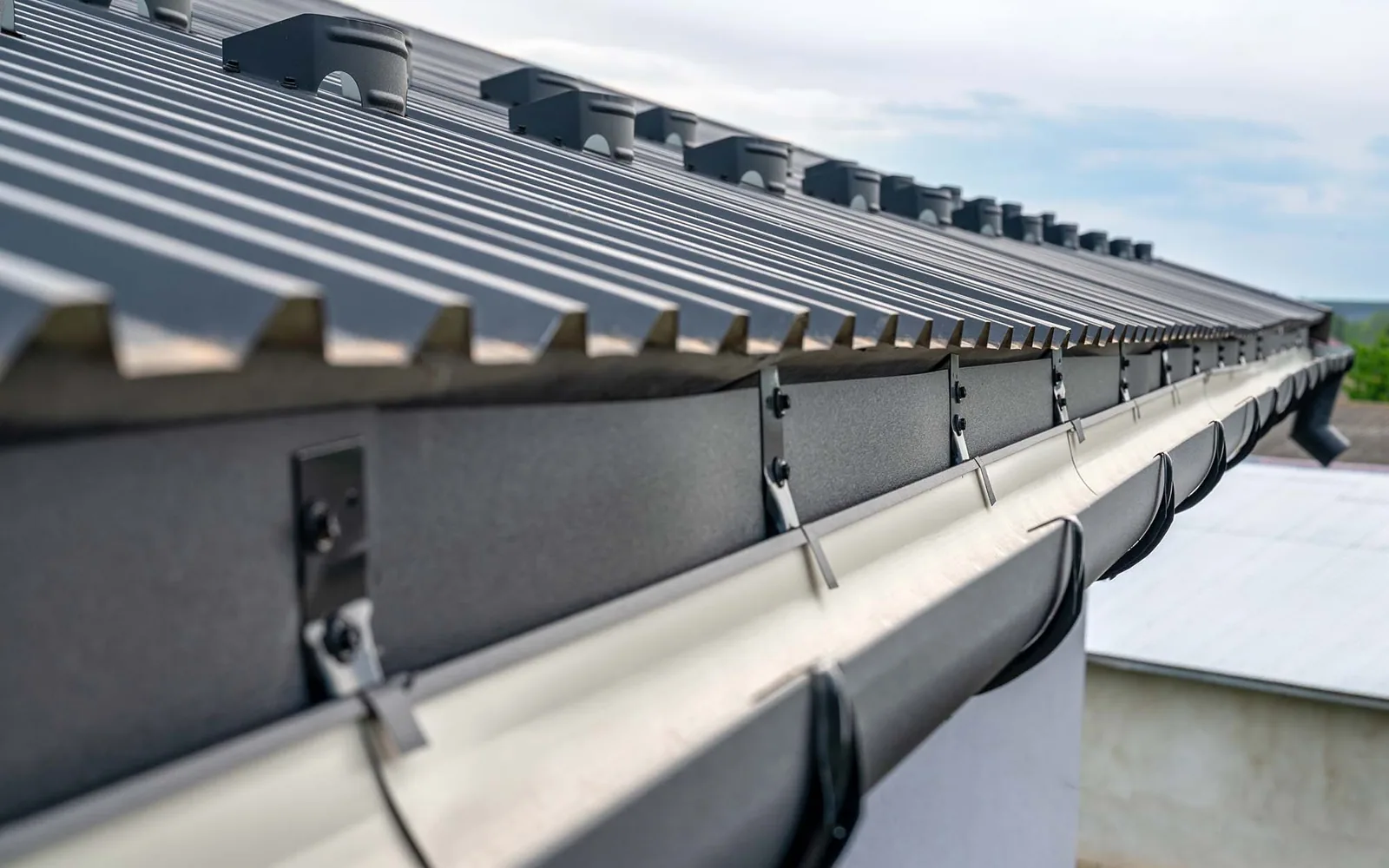
Commercial Roof Drains and Scuppers