

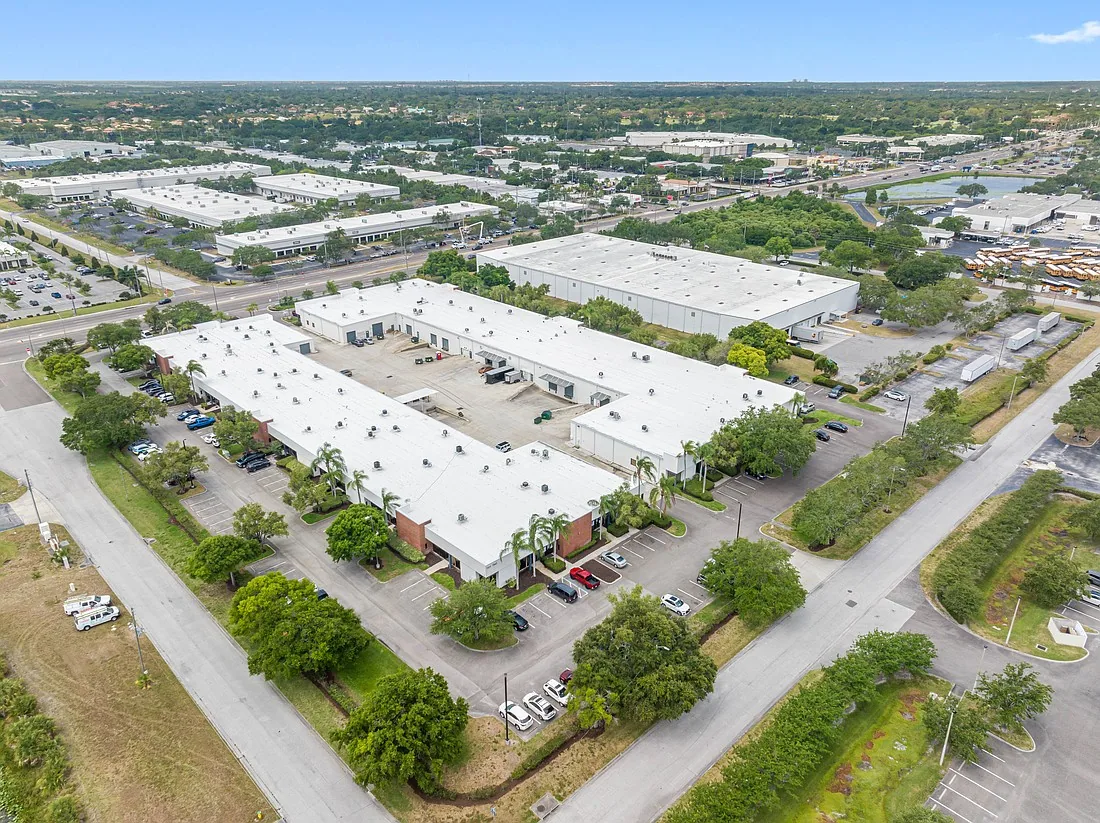
Tie Every Finding to a Location and Test
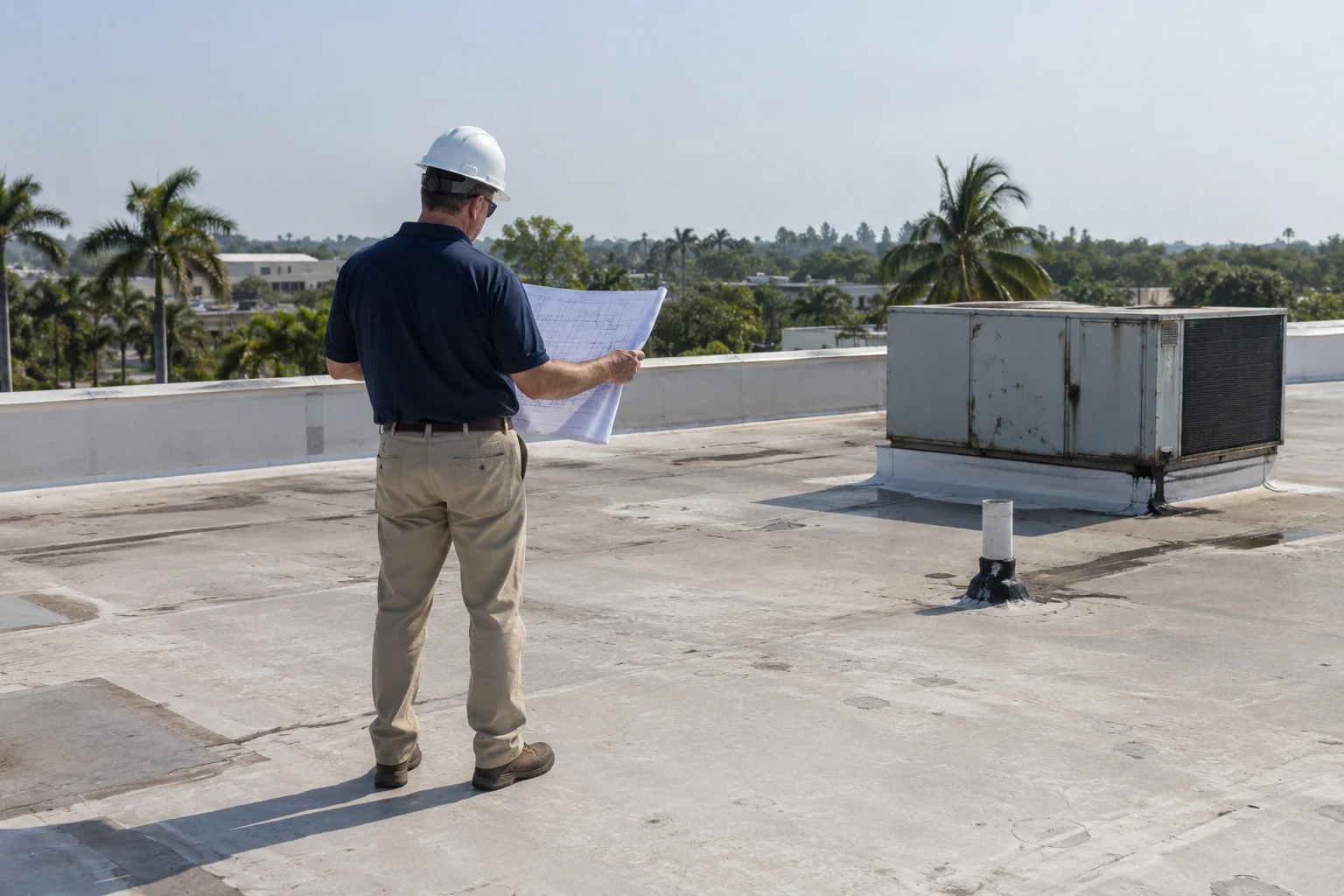
A good record distinguishes a leak report from a confirmed entry point. We mark the room or roof zone, inspect the water path, and identify whether the conclusion comes from visual review, infrared screening, or a test cut. The test location stays explicit. If access or weather prevents a full walk, the report names the area not reached. This makes the next inspection comparable instead of implying that a partial review covers every roof section.
Round Rock's named employers include Dell Technologies, Emerson Automation Solutions, and Toppan Photomasks. A property contact at any facility can identify equipment or operating rules that affect access. We record those limits alongside the roof condition rather than assuming all sites use the same schedule. For a purchase, due-diligence roof surveys can document visible conditions and questions for further evaluation; warranty management keeps repair records and relevant system requirements together.
Turn Condition into a Work Sequence
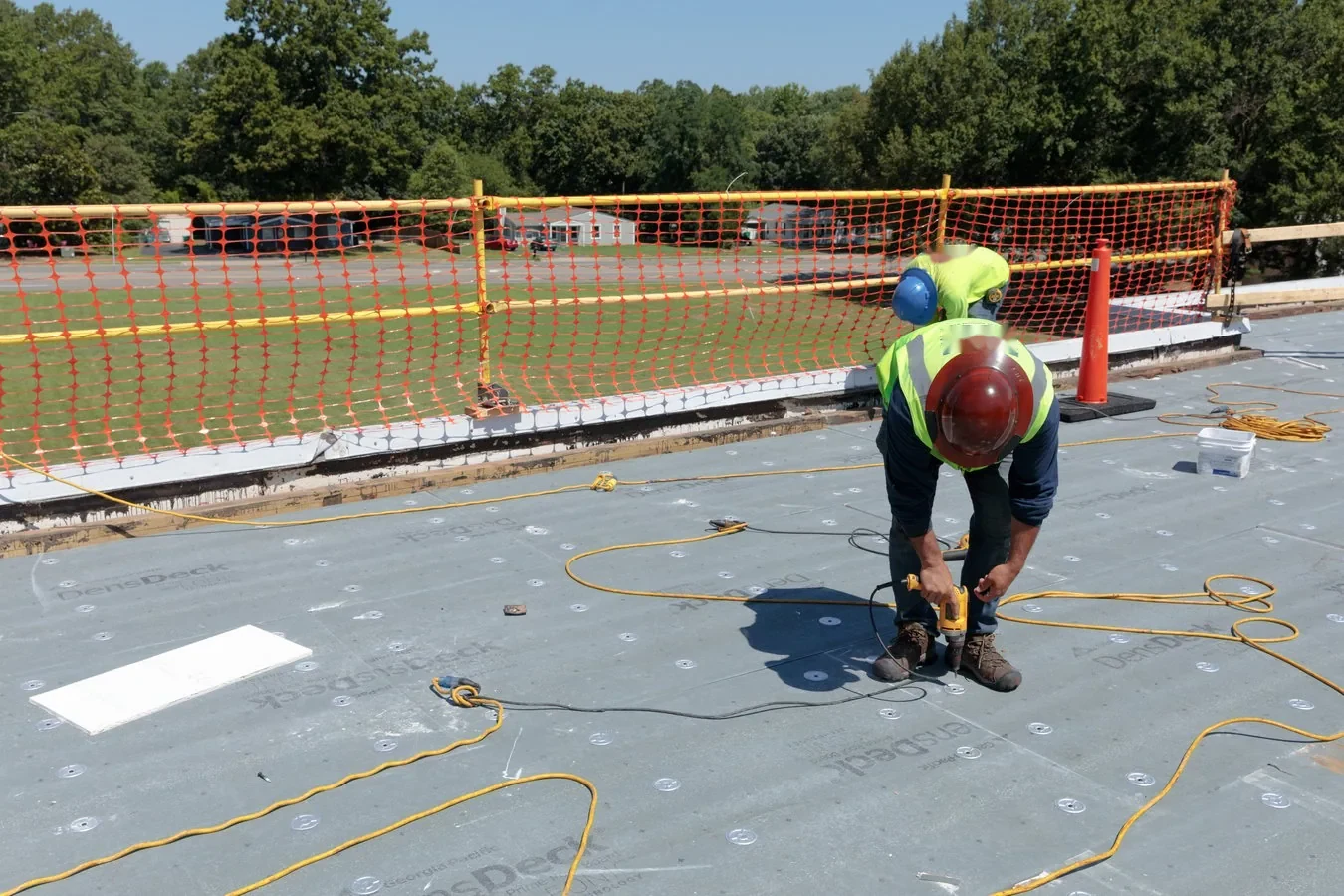
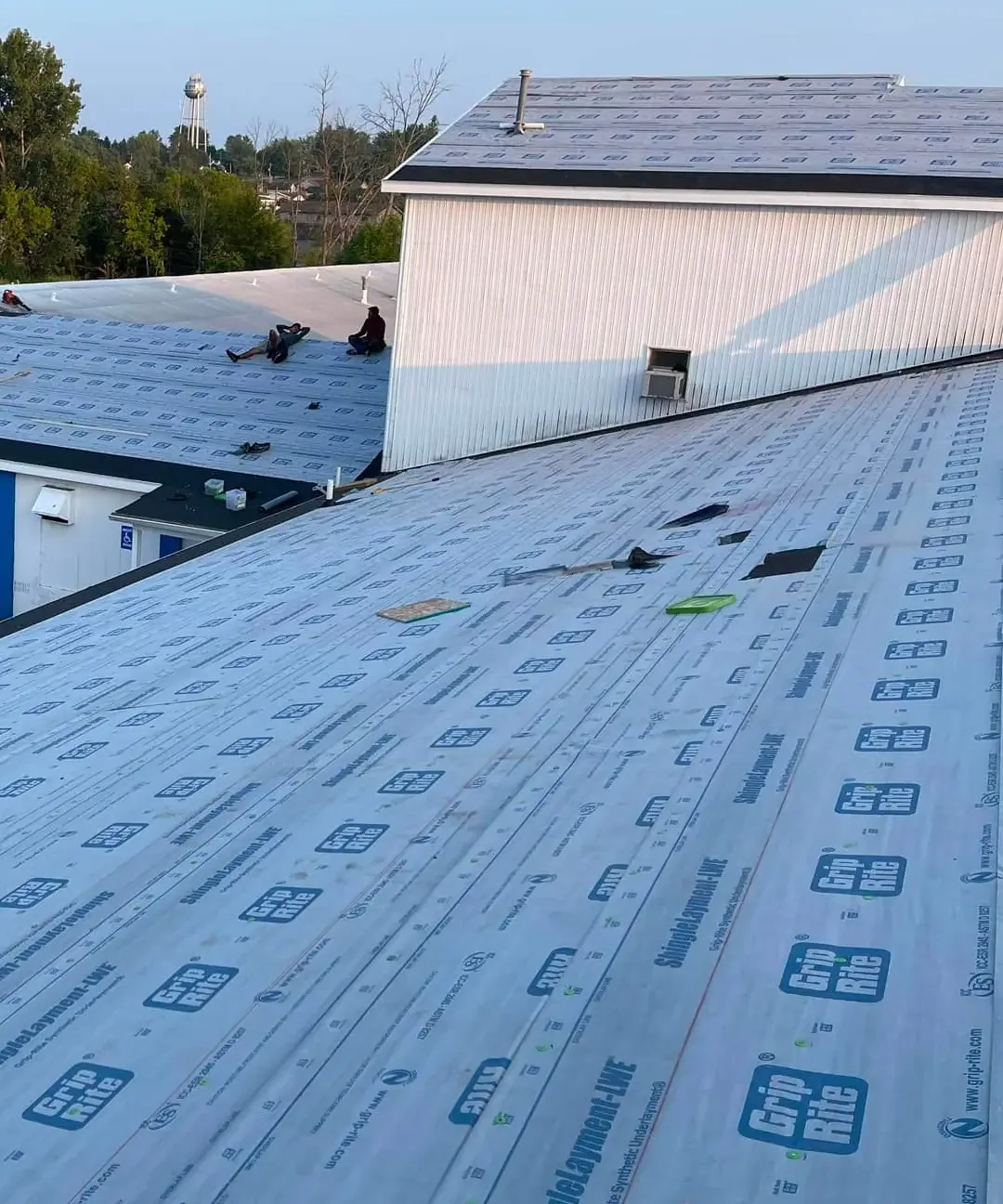
Round Rock's March 2022 tornado and regional hail reports provide reason to ask about storm inspections, but the capital decision still follows the roof findings. The nearby Austin Camp Mabry August normal of 97.8°F, averaged from 1991 to 2020, gives heat context for the market. After regional weather, we inspect for displaced edge metal, punctures, open seams, and flashing movement. We separate active leak protection, localized repair, monitoring, and replacement planning so the owner can set priorities from observed conditions.
Across more than one address, multi-site roof programs can use consistent fields while preserving each property's repair boundary. Owners can also connect findings to preventive maintenance, moisture surveys, and replacement scopes. A service request for a commercial roof in Pflugerville or Liberty Hill should include the property's access contact and current roof records. To set the next roof review, share the portfolio list and roof records with the access contact and decision timeline.
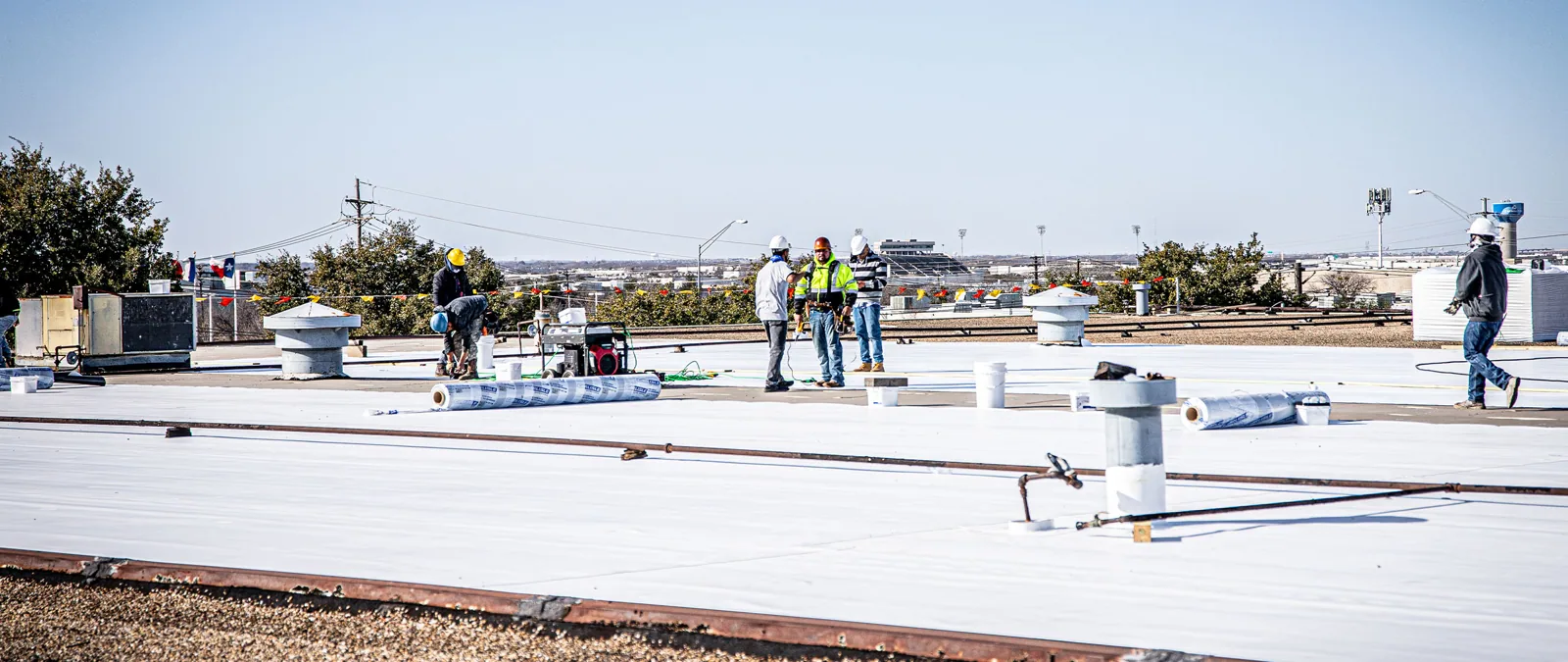
Test Before You Set the Budget
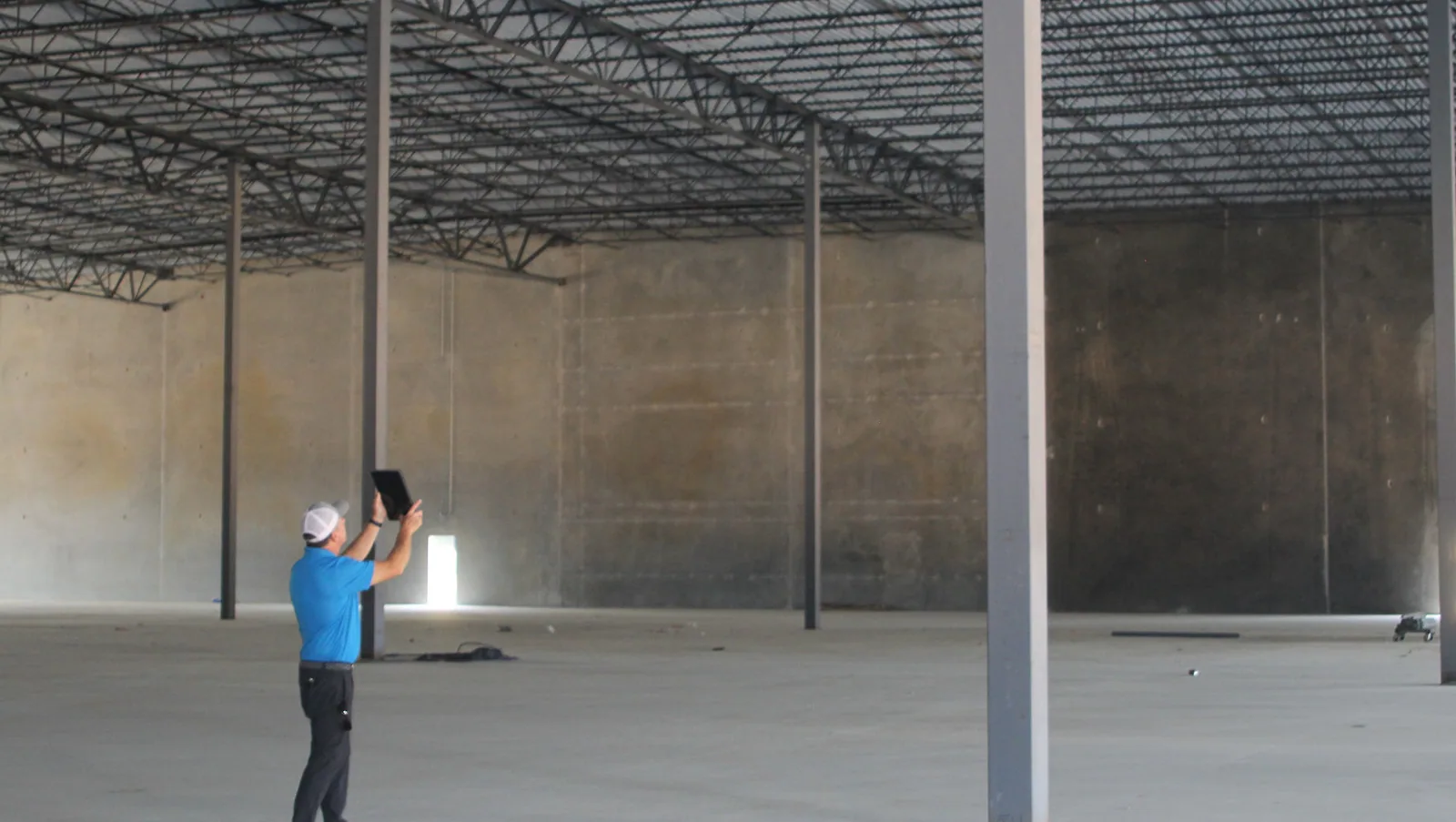
A moisture survey or test cut answers a different question than a visual roof walk. Infrared scanning can flag temperature patterns for follow-up; a test cut shows the layers at one sample point. We map each result to its roof zone, then state what the test can establish and where another sample would be needed.
Keep the Record Useful at the Next Review
On a property such as the Dell Technologies campus or the Kalahari area, the work record should identify the building, roof zone, access limit, and next decision. Those place names do not tell us what a roof contains. Field marks and the inspection record do. That distinction keeps a portfolio plan tied to observed conditions.
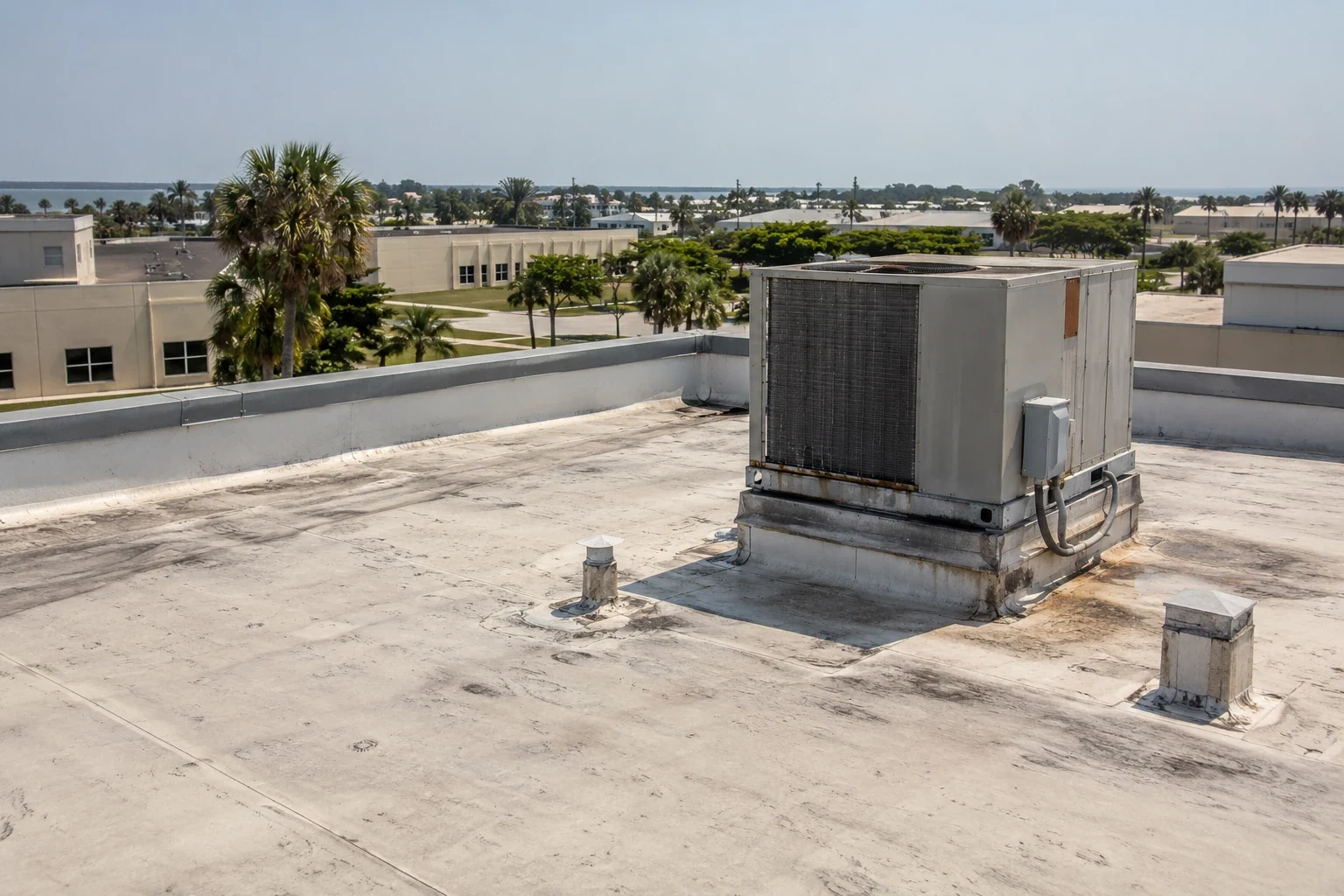
Roofing Capabilities: Common Questions
Can a capital plan set a replacement date from one inspection?
It can record a planning assumption, but concealed conditions, testing, and budget priorities may change the sequence. We show what the recommendation depends on.
Do records include roof areas that were not accessed?
Yes. We state the inspection boundary, any blocked zone, and the access or testing needed to complete that part of the review.
What does a roof condition report need to support a capital decision?
The report ties each finding to a roof zone, photo, test result, repair boundary, and next action. It also states where access ended, so a budget decision does not treat an unchecked area as sound.
When is infrared surveying useful for a commercial roof?
Infrared scanning can identify temperature patterns that warrant closer inspection under suitable conditions. We confirm selected areas with field checks or test cuts before treating a pattern as wet insulation.
Share the building list, roof plans, prior repairs, current leak reports, and access contacts. We will connect field findings to a clear work or monitoring sequence. Call 555-555-5555 or request a roof assessment.