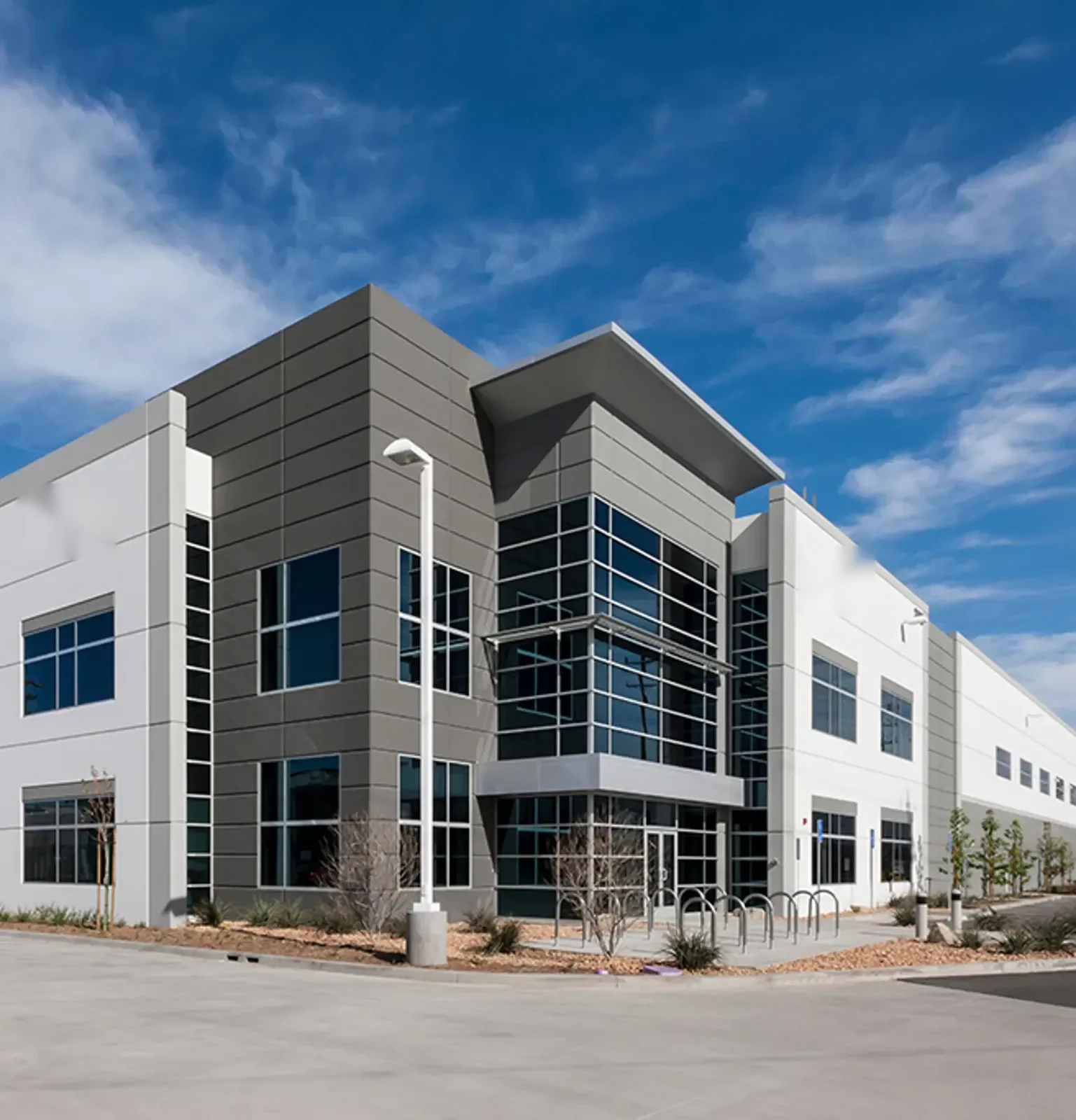
Map the Production Roof Zone
A production supervisor reports moisture near a line, but the roof opening may sit above a different bay. We map the room, equipment, and roof zone before proposing a repair. Round Rock's industry base includes innovative manufacturing and headquarters such as Emerson Automation Solutions and Toppan Photomasks. The manufacturing and technology activity described in Jarrell and Manor shows the variety of nearby operating settings. They do not tell us what roof system is installed at another facility.
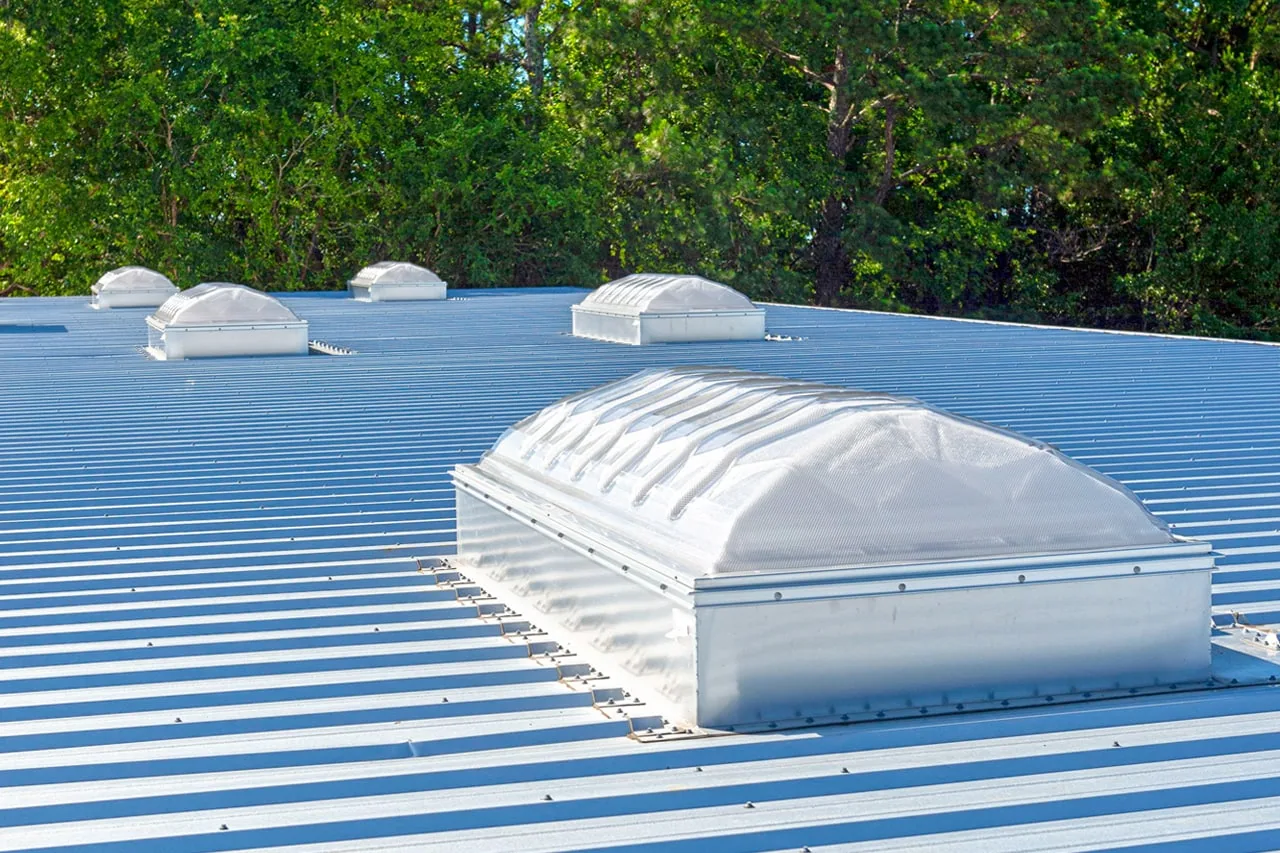
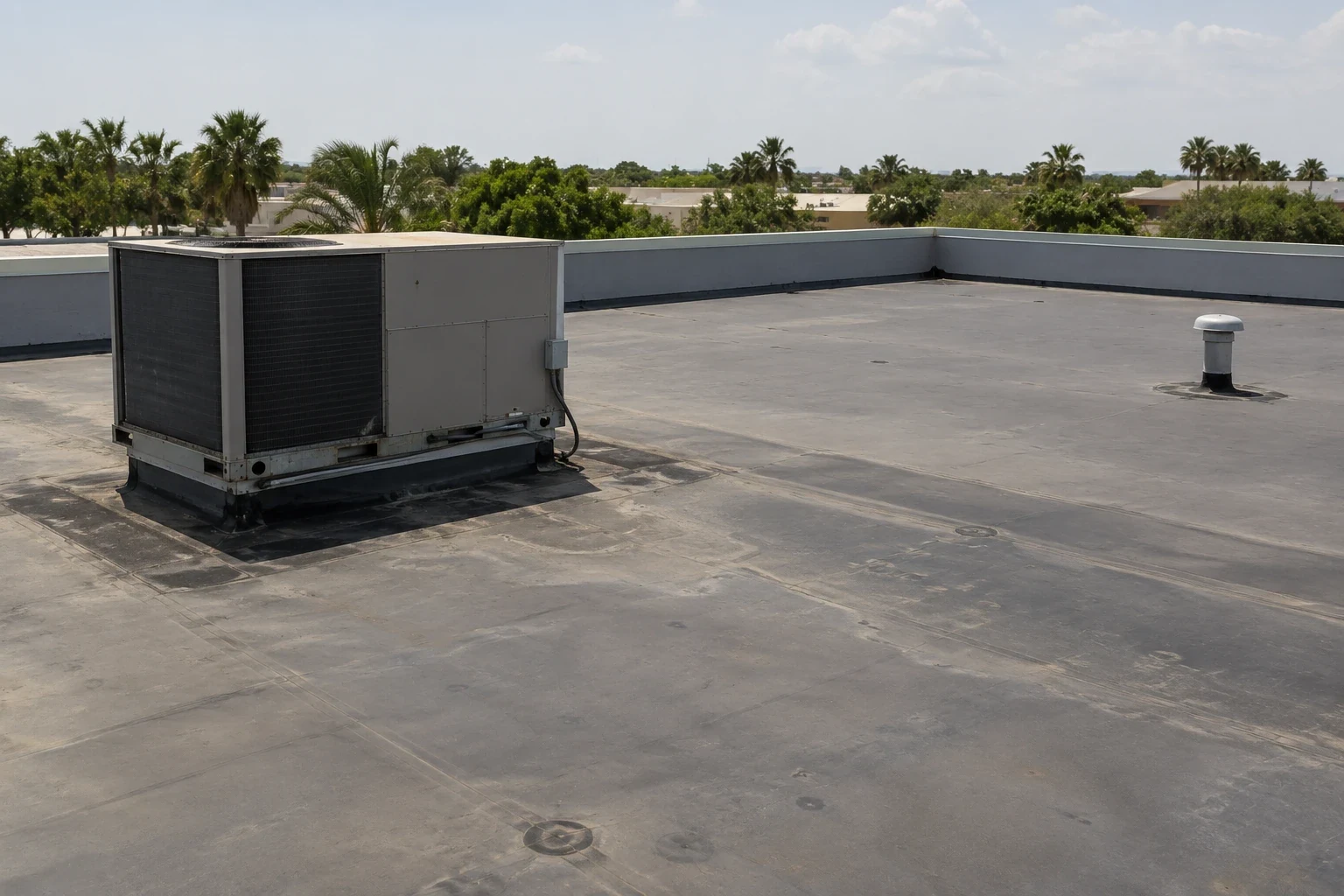
Manufacturing roofs can carry exhaust, make-up air, process piping, skylights, and equipment supports. A missed curb detail can affect production through a leak or unplanned shutdown. We inspect the roof assembly and coordinate the work boundary with the facility team.
Send the affected line or room, roof plan, equipment changes, shift limits, access instructions, and facility contact. We will define the inspection and work boundary. Call 555-555-5555 or request a roof assessment.
Trace the Condition to the Production Area
We record the affected line, room, shift, and time of the report. Water can travel along deck or framing before reaching a machine or electrical enclosure. The roof walk checks the likely route, nearby seams, drains, curbs, and wall transitions. If a moisture sample is needed, the facility approves the test location and the report limits its conclusion to that point.
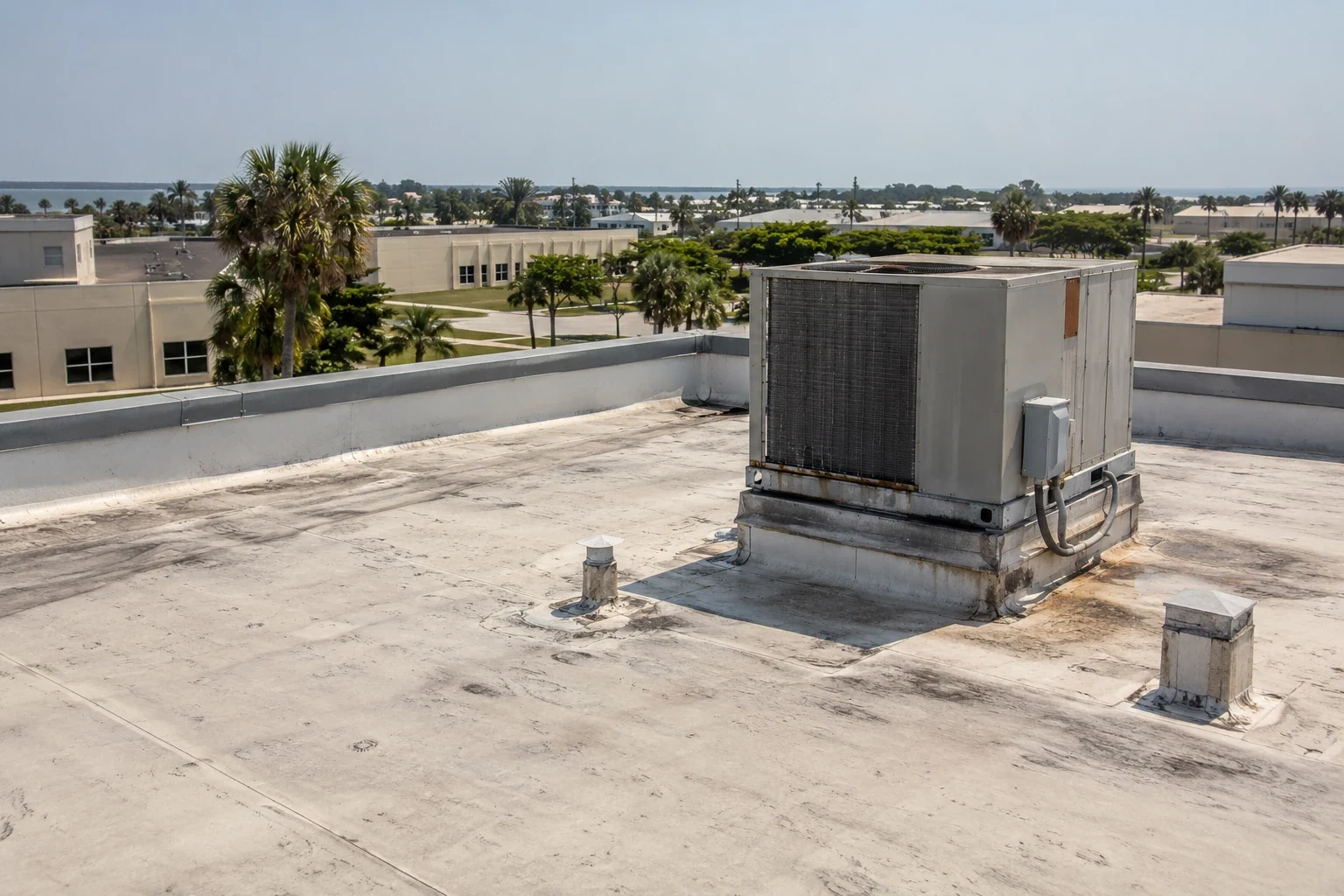
Exhaust stacks and process vents expose flashing to heat, vibration, and service traffic. We look for separated seals, loose metal, damaged membrane, and residue that could affect adhesion. The maintenance team can identify units that recently changed or equipment that should not be shut down. Roofing staff do not adjust production machinery or process controls.
Round Rock's industry mix includes manufacturing, life sciences, healthcare, professional services, and technology. Taylor's Samsung semiconductor fabrication project and Toppan's photomask operation illustrate the region's advanced manufacturing presence. That industrial mix makes roof access and operating limits important, but it does not establish a particular building's roof design or process requirements.
Different bays may have separate roof assemblies after expansions. We check transitions between older and newer construction and note where a roof plan needs field correction. If the facility has a maintenance map, we can use its labels for access and work notices. Otherwise, the inspection record assigns a consistent zone name for future service.
Schedule Around Production and Material Flow
The plant contact identifies production shifts, forklift lanes, receiving hours, fire routes, and any room requiring controlled entry. Staging cannot block a dock or emergency path. A lift route may need a spotter and a defined exclusion zone. We confirm these details before deliveries arrive and update the crew if a production schedule changes.
For a repair, we determine whether the affected area can be reached without interrupting the line below. Interior protection may be needed where a roof opening sits over equipment, finished goods, or electrical components. If the facility must pause a process, its operations lead makes that decision and confirms the release time.
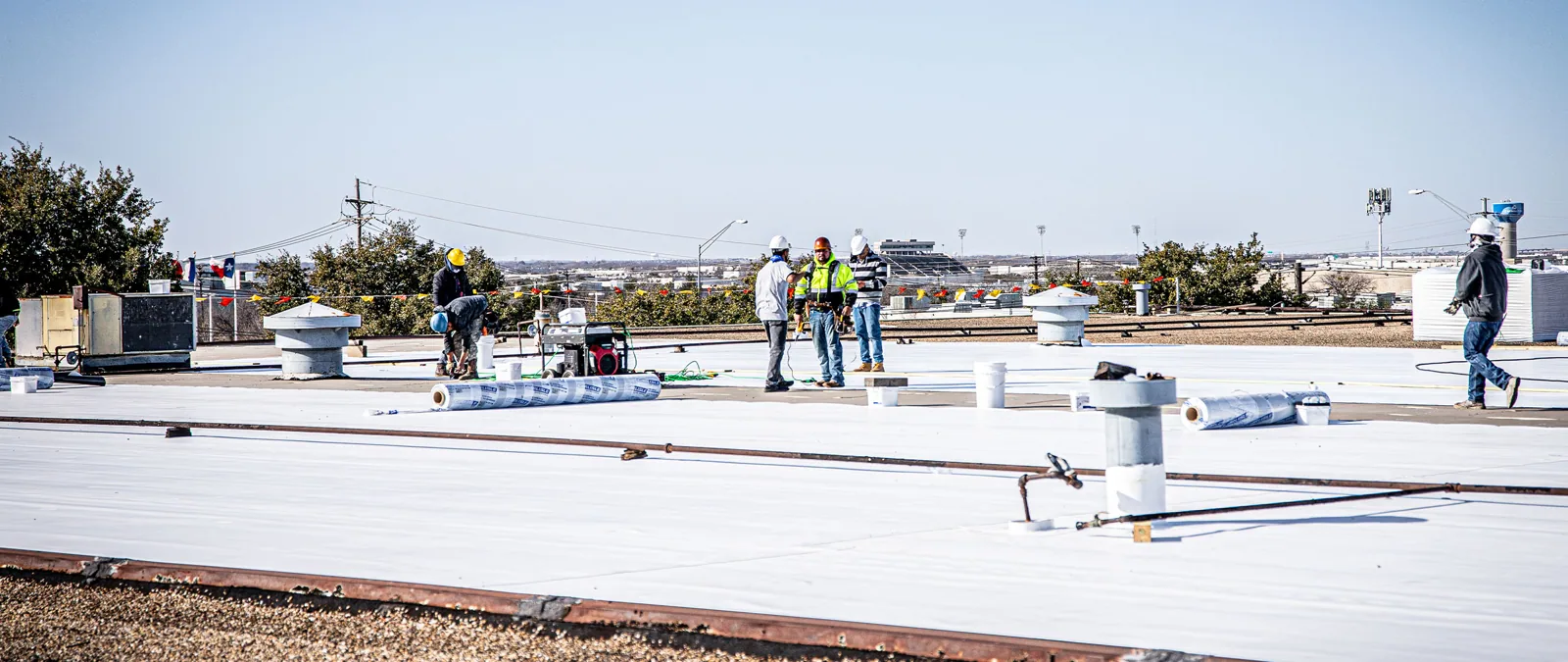
For reroofing, divide the roof into fields that can be opened and closed within a shift. Each workday has a dry-in target. If hidden wet insulation or deck damage appears, the crew secures the opening and sends the location and quantity for review. The owner can approve an expanded repair before it affects the next production window.
Emergency response is available around the clock, including holidays. During active water entry, the manager directs roof access and the crew protects only the approved work area. Temporary containment can reduce immediate exposure; permanent work follows after the assembly and cause are checked.
Useful scopes include commercial roof inspection, insulation and cover-board work, and curb and support repairs. A broader manufacturing plant roof plan can separate production bays. Coordination with general contractors and logistics operators can help align access and deliveries during a larger project.
Select Repairs That Fit the Assembly
A local flashing repair can work when the membrane, insulation, and nearby seams remain sound. Repeated leaks near several penetrations may point to a broader detail problem. Ponding, seam movement, or wet materials may call for a separate investigation. The written recommendation identifies the observed evidence and the limits of the inspection.
Recover or coating options require a compatible, dry, well-attached base. Process residue, grease, or dust can affect preparation and adhesion. We inspect the surface and identify cleaning, patching, and detail work included in the proposal. If the existing assembly has moisture beneath it, the scope should address that condition before covering the roof.
Estimate and timing drivers include roof height, equipment density, operating windows, interior protection, material staging, access controls, and the amount of membrane to remove. The proposal separates roofing from electrical, mechanical, process, and production work. A line shutdown or equipment move is not assumed.
Round Rock currently applies 2024 building and energy codes through local inspection. Permit or design requirements depend on the facility and project scope. The owner, engineer, and authority having jurisdiction determine which standards apply. We supply product and roof-assembly information for their review.
Close the Loop with Maintenance Staff
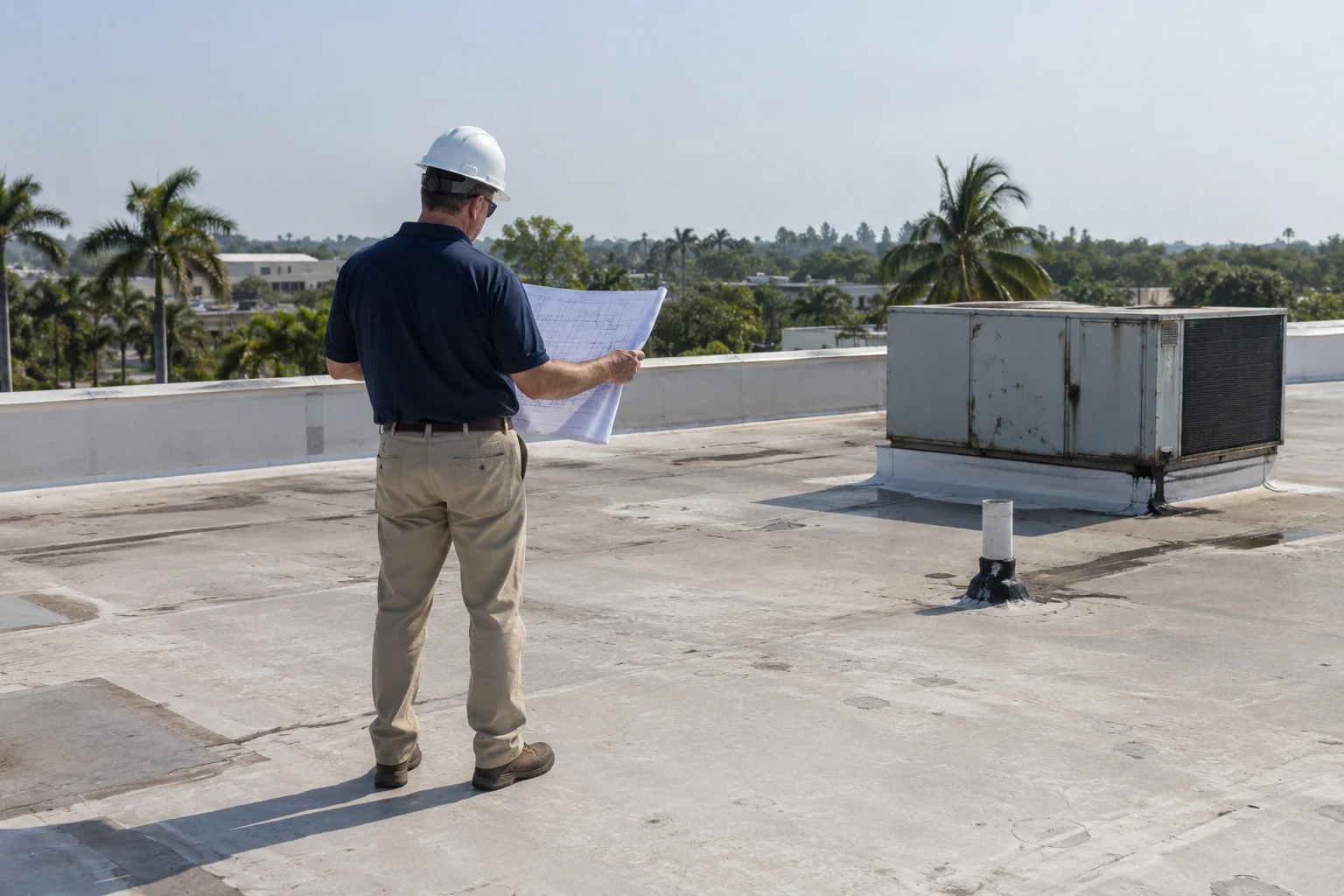
Closeout names the roof field, repair material, penetration or seam addressed, and any remaining check. Approved photos can connect the roof detail with the production bay below. If an area could not be reached, the report identifies the limit. It does not state that an uninspected production area is clear.
Keep roof plans with equipment maps, exhaust schedules, shift contacts, and prior maintenance tickets. When a new exhaust or process unit is planned, review the curb and service clearance before the membrane is cut. The maintenance team can include roof restoration in the equipment work order and verify the completed transition.
Round Rock is connected by I-35, US 79, SH 45, and SH 130. Those routes support regional movement, while each plant sets its own receiving and security rules. A planned roof visit should name the gate, onsite contact, and delivery window. That avoids confusion between site access and highway routing.
After rain, operators can report whether moisture returned and identify the line, room, and time. If weather has not tested a repair, the closeout makes that clear. A follow-up walk can revisit the recorded detail before more roof material is added.
Manufacturing sites often depend on predictable access and uninterrupted production. Before a roof walk, confirm site safety orientation, escort requirements, and restrictions near process equipment. Inspect the roof system, drainage, penetrations, and visible service damage by zone, while avoiding assumptions about concealed conditions. A repair plan should state whether temporary protection is needed and how open work will be secured if weather changes. Closeout records help maintenance teams coordinate roofing work with equipment service and document any conditions that need a later shutdown.
Keep photographs tied to the production building and roof zone in the site record.
Questions About Manufacturers
Can repairs happen while production continues?
Sometimes. The plant contact decides whether the work zone, lift route, noise, and interior protection fit the active shift. We document any required pause.
What helps identify a leak near a production line?
Share the bay, line, time, weather, and recent equipment work. The roof plan helps connect the report with the right roof field.
Will you move a process exhaust or rooftop unit?
No. The facility assigns qualified mechanical staff for equipment changes. We inspect and repair the roofing transition within the approved scope.
Can a coating be applied over a manufacturing roof?
Only if the existing assembly, moisture condition, and surface preparation support that option. We identify those factors before proposing a coating.
What happens when tear-off reveals a damaged deck?
The crew secures the opened area, records its location and extent, then waits for approval before expanding the repair boundary.
Related Roofing Work
Jarrell
Manor
Commercial Roof Inspection
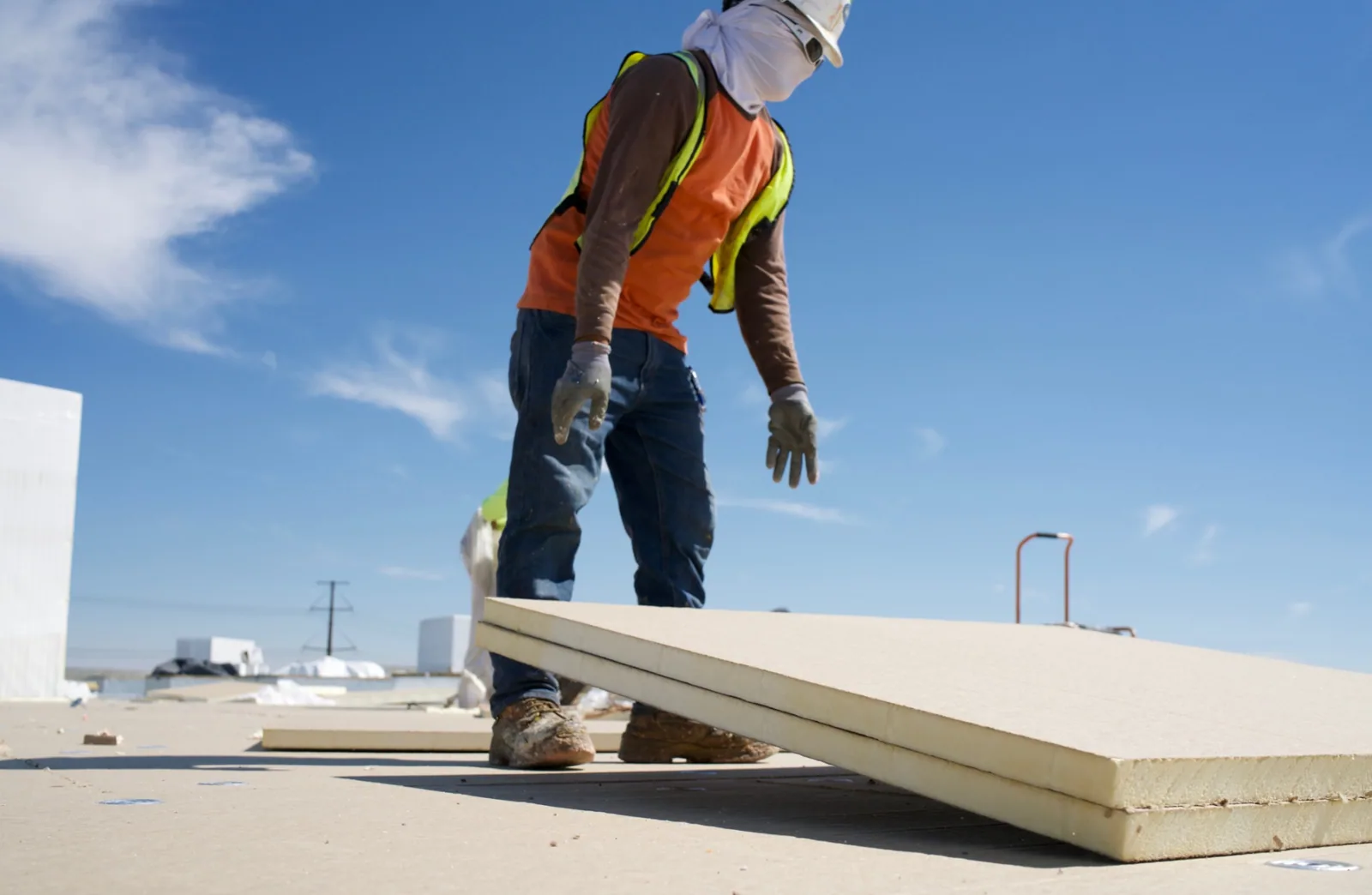
Commercial Roof Insulation and Cover Board
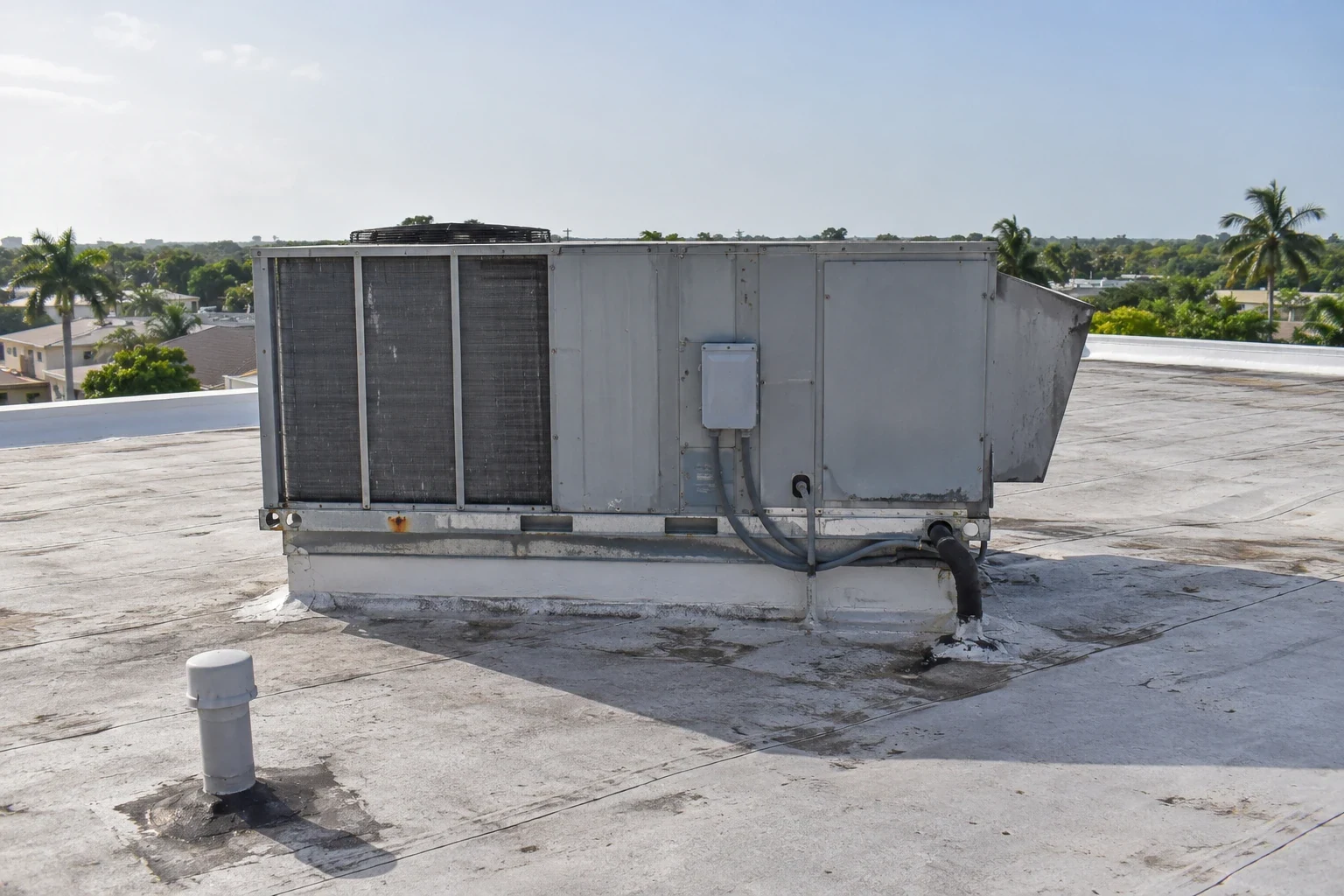
Commercial Rooftop Equipment Curbs and Supports