Set Up a Pflugerville Roof Assessment
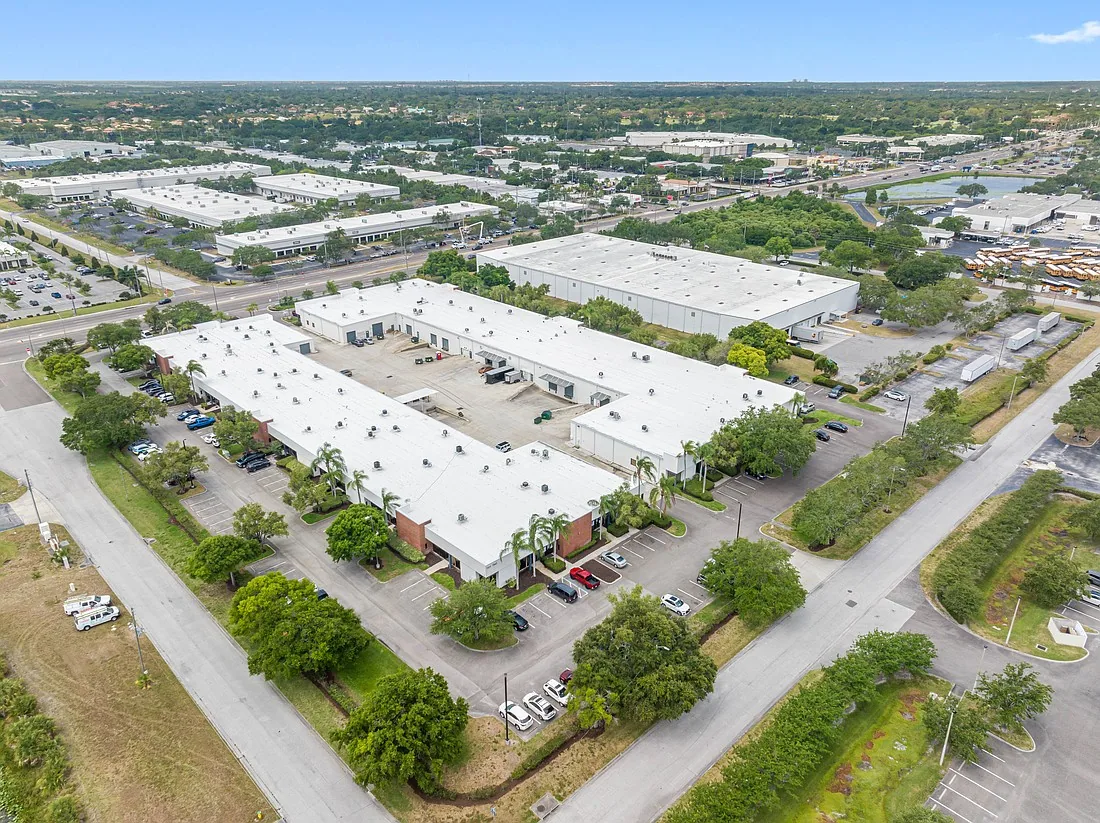
Pflugerville's commercial and industrial areas connect to major regional routes. The City identifies SH 130, SH 45, and I-35 among its major highway connections, while its development corporation tracks employment areas across the municipality. For a roof owner, those facts make access and traffic windows part of the job plan. The roof condition still has to be established on the building itself.
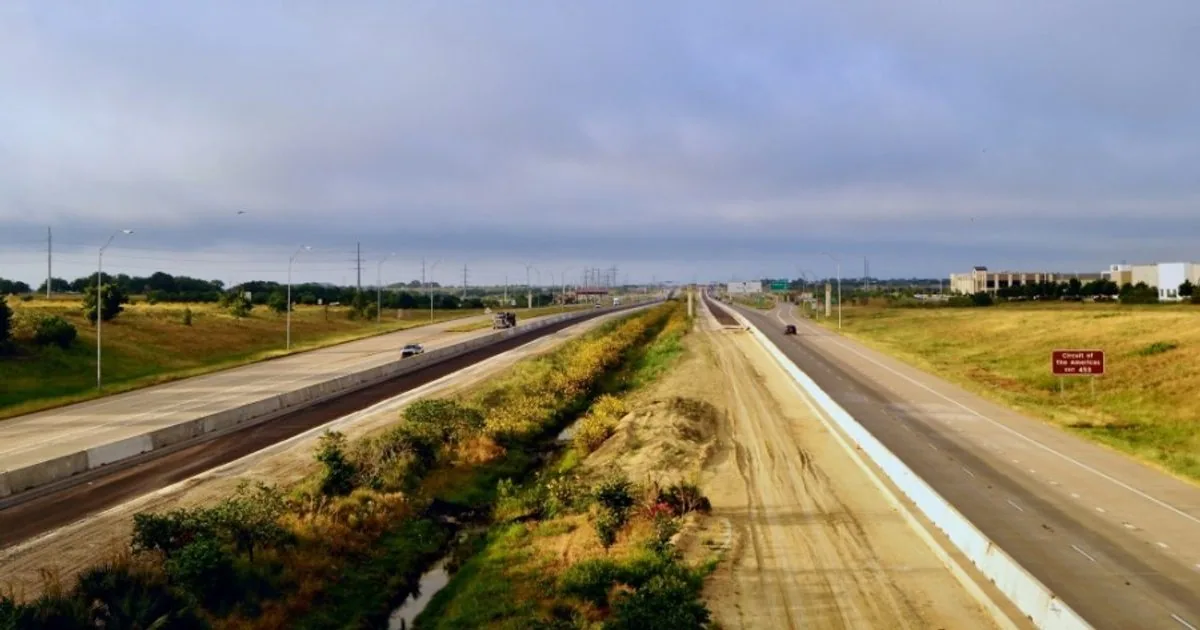
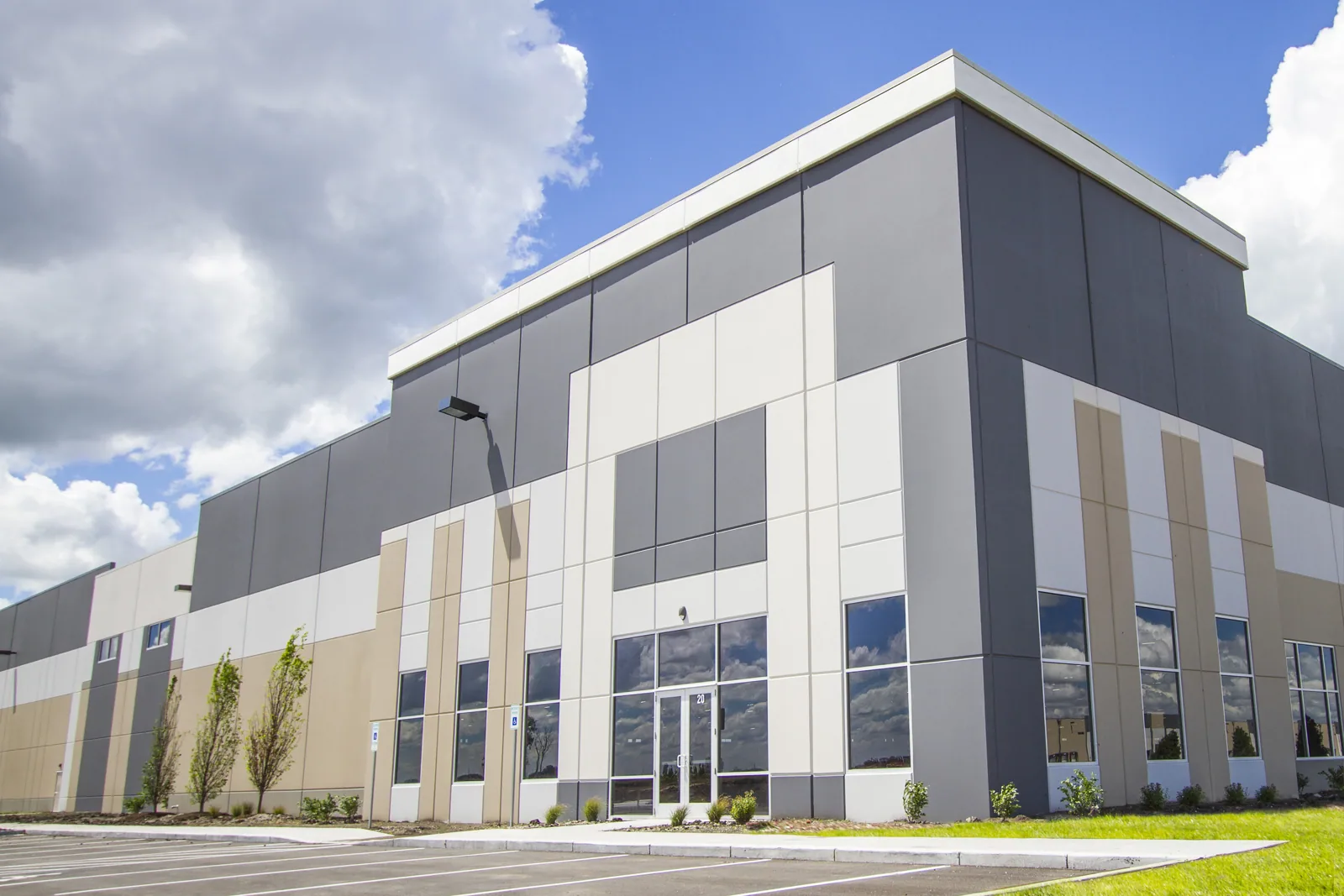
The wider city route includes the Pecan Street and SH 130 corridor and Pecan 130 Business Park areas; each property still receives a building-specific roof review.
Send the leak location, access contact, roof sketch, and operating window so we can identify the affected zone. Call 555-555-5555 or request a roof assessment.
Start with the water path
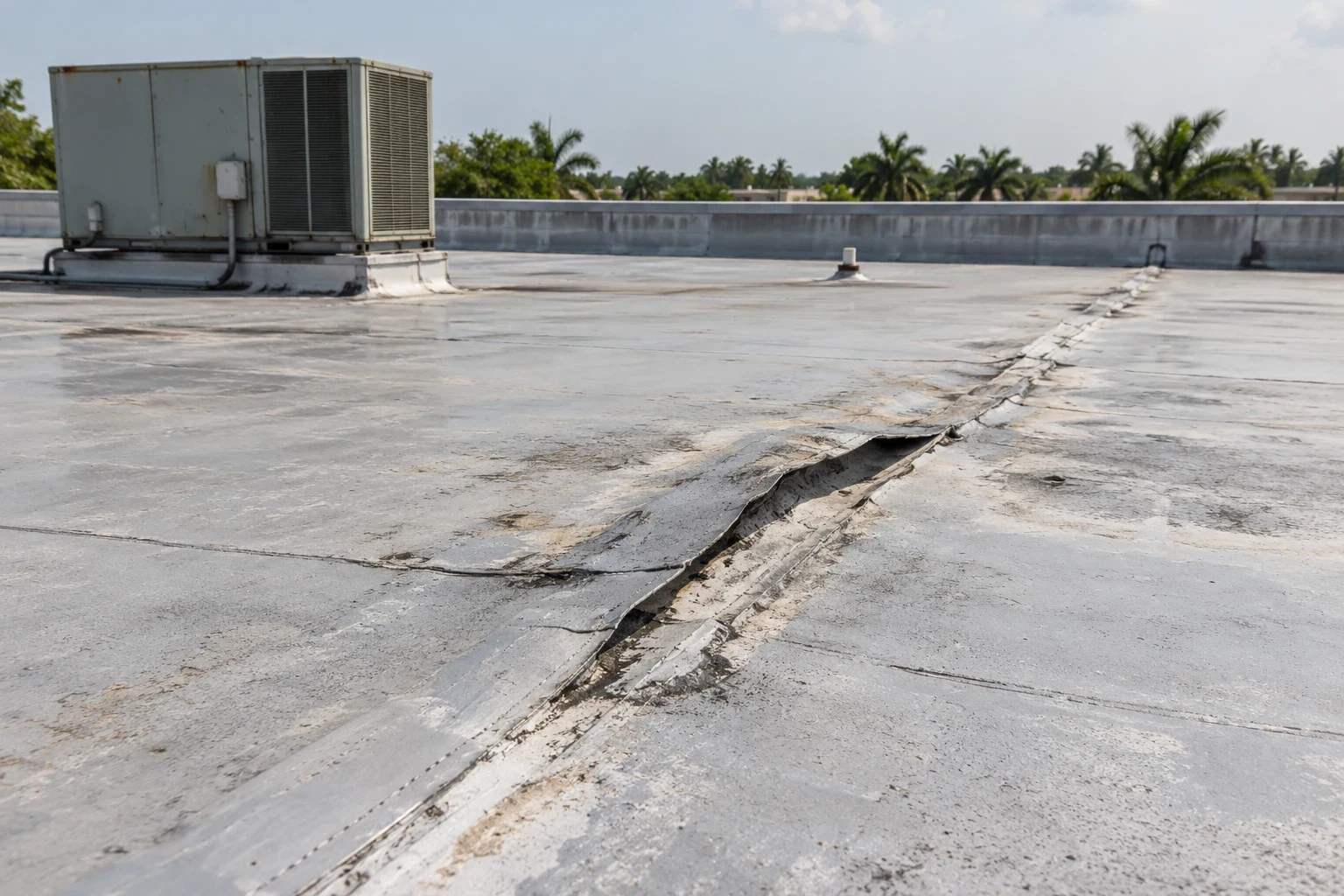
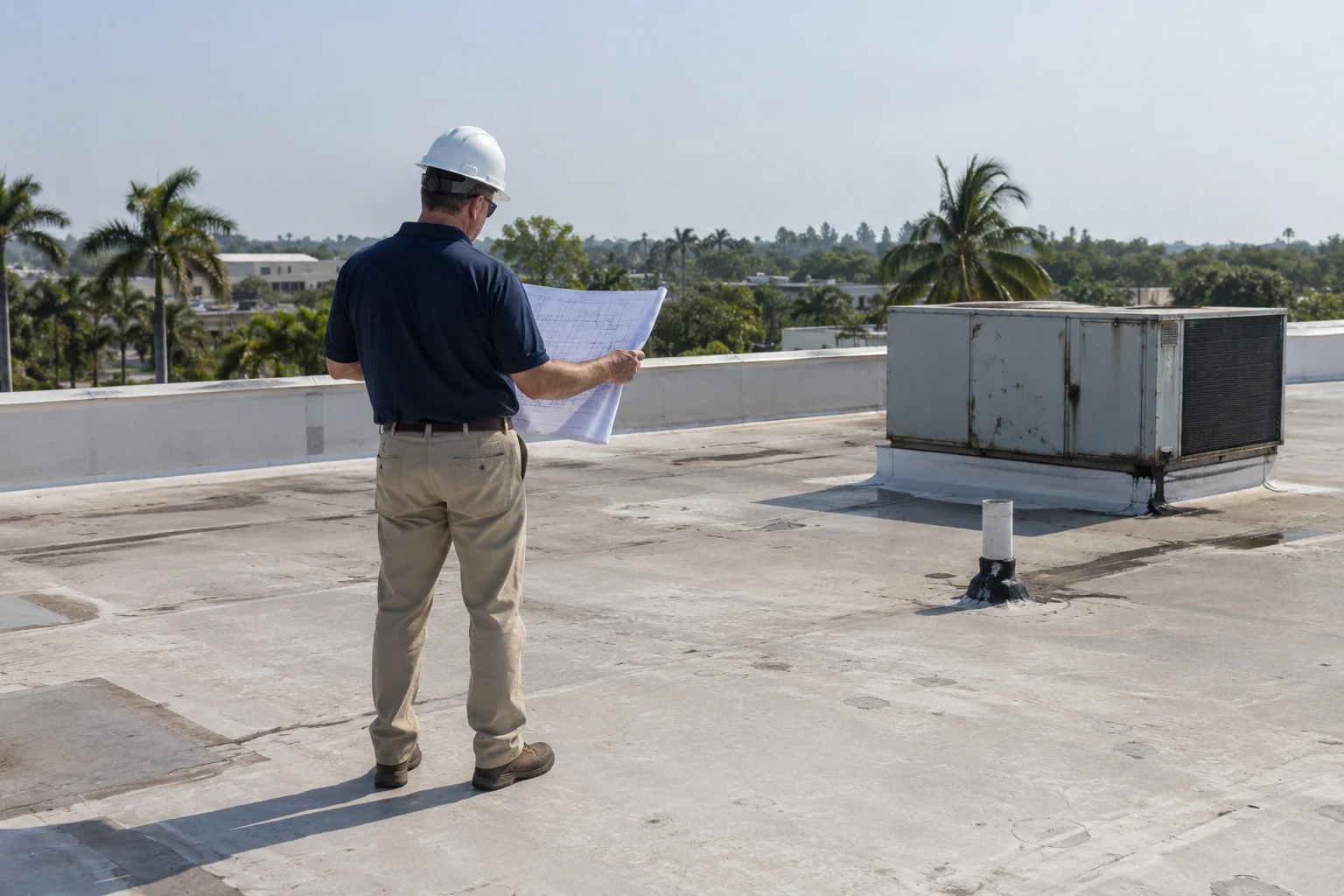
A ceiling stain narrows the search; the roof walk has to find the entry detail. Water can travel along a deck flute, framing member, or conduit before it appears indoors. On the roof, the first pass follows seams, drain bowls, curbs, wall transitions, and the uphill edge of the affected room. A marked plan helps the owner and technician compare what they can see above with the stain below. If the two do not line up, the inspection traces likely paths before a repair area is chosen. The inspection record for this property begins with a commercial roof inspection tied to a marked zone.
The City and business-development materials describe a municipality connected by several regional highways. That network can shape crew arrival, material delivery, and the hours available around active tenants. Before a roof walk, confirm the actual property entrance, escort rules, loading area, and lift path. We use the site contact’s directions because a corridor name alone does not identify a roof or authorize access. A useful inspection ends with a clear boundary, not a guess based on the nearest road.
Separate the assembly from the symptom
A commercial roof is a layered assembly. The visible membrane or metal panel is only one part; insulation, cover board, air barrier, deck, edge securement, and penetrations affect how it performs. A patch can stop a leak where the material is sound around a small opening. It will not correct wet insulation, poor drainage, loose perimeter details, or a failed seam that continues beyond the patch. If testing confirms a field defect, a roof repair can be written to the measured boundary.
During an inspection, we record what is observable and what needs a test. A moisture scan can help map suspected wet areas, while a test cut confirms conditions at that sample point. We photograph the cut before it is repaired and note how far the finding can reasonably be extended. That distinction matters when an owner compares a local repair with a larger replacement. A measured quantity is more useful than an estimate built from a ceiling stain alone.
Plan around occupied buildings
Many commercial properties remain open while roof work is underway. The project plan should identify which rooms sit below the work, how occupants will be notified, and who can approve temporary protection if rain threatens. Staging, ladders, dumpsters, and lifts should be placed so routine deliveries and emergency routes stay available. In a multi-tenant property, a simple daily notice can prevent a scheduled roof opening from surprising the people below it. After a severe-weather report, a hail review should follow the impact evidence at the building.
When a roof section is opened, close-in is the day’s finish line. The crew removes only the area that can be made watertight during the shift, keeps materials dry, and protects unfinished transitions. If the deck or insulation differs from the expected assembly, photographs and measurements support a scope decision before the boundary expands. The owner should know what remains exposed, how it is protected, and which weather condition would change the sequence. This is especially important when traffic windows or tenant hours constrain the workday.
Read drains and edges as one system
A drain bowl can be clear while water still ponds nearby. The roof may have a low spot, a compressed insulation area, or a transition that blocks the path. We check the bowl, strainer, sump, and nearby membrane, then follow the slope outward. At the perimeter, the same visit checks edge metal, terminations, corners, and transitions to walls. The goal is to find whether water is entering at a detail or remaining because the assembly does not direct it away. An older assembly may call for comparison with a modified-bitumen roof system before the scope is set.
Debris removal is useful when it restores flow, but repeated ponding calls for a closer look at slope and drainage capacity. Adding sealant to a drain flange does not repair a separated membrane beyond it. We distinguish maintenance from repair and show the owner the evidence for each. A drainage correction can require design or plumbing input; the roofing scope should identify that handoff instead of treating every standing-water condition as a coating opportunity. A next-check date after rain helps confirm whether the water path changed.
Choose a repair boundary that holds
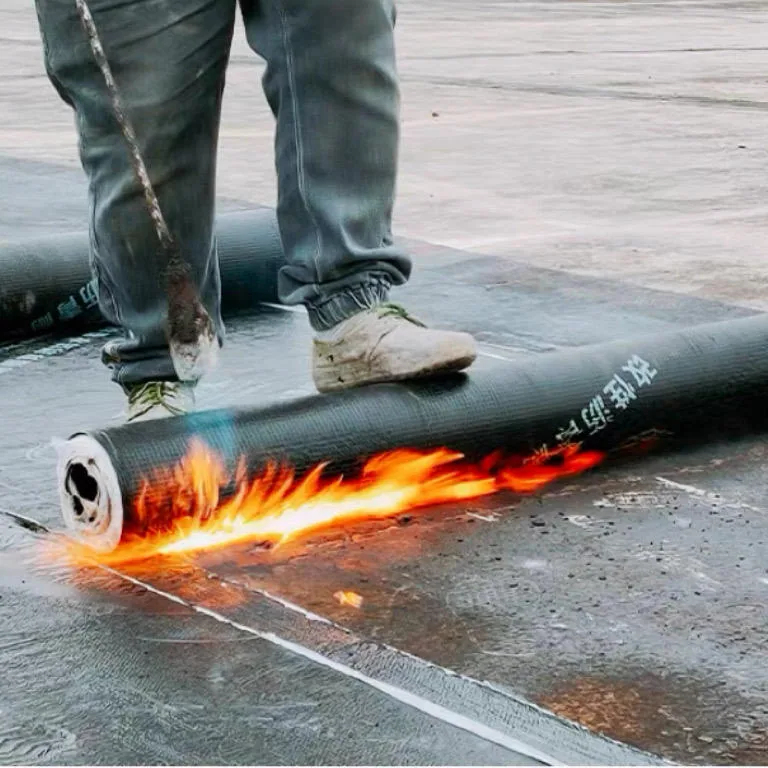
For an isolated puncture or open lap, a targeted repair may be appropriate if the surrounding roof is dry, attached, and compatible with the repair material. If the same defect appears across multiple zones, the problem may involve installation, movement, or aging beyond one spot. The scope should state what is removed, what remains, how the transition is sealed, and what the repair does not include. That lets an owner compare proposals line by line. The proposal can identify the replacement sequence through a commercial roof replacement plan.
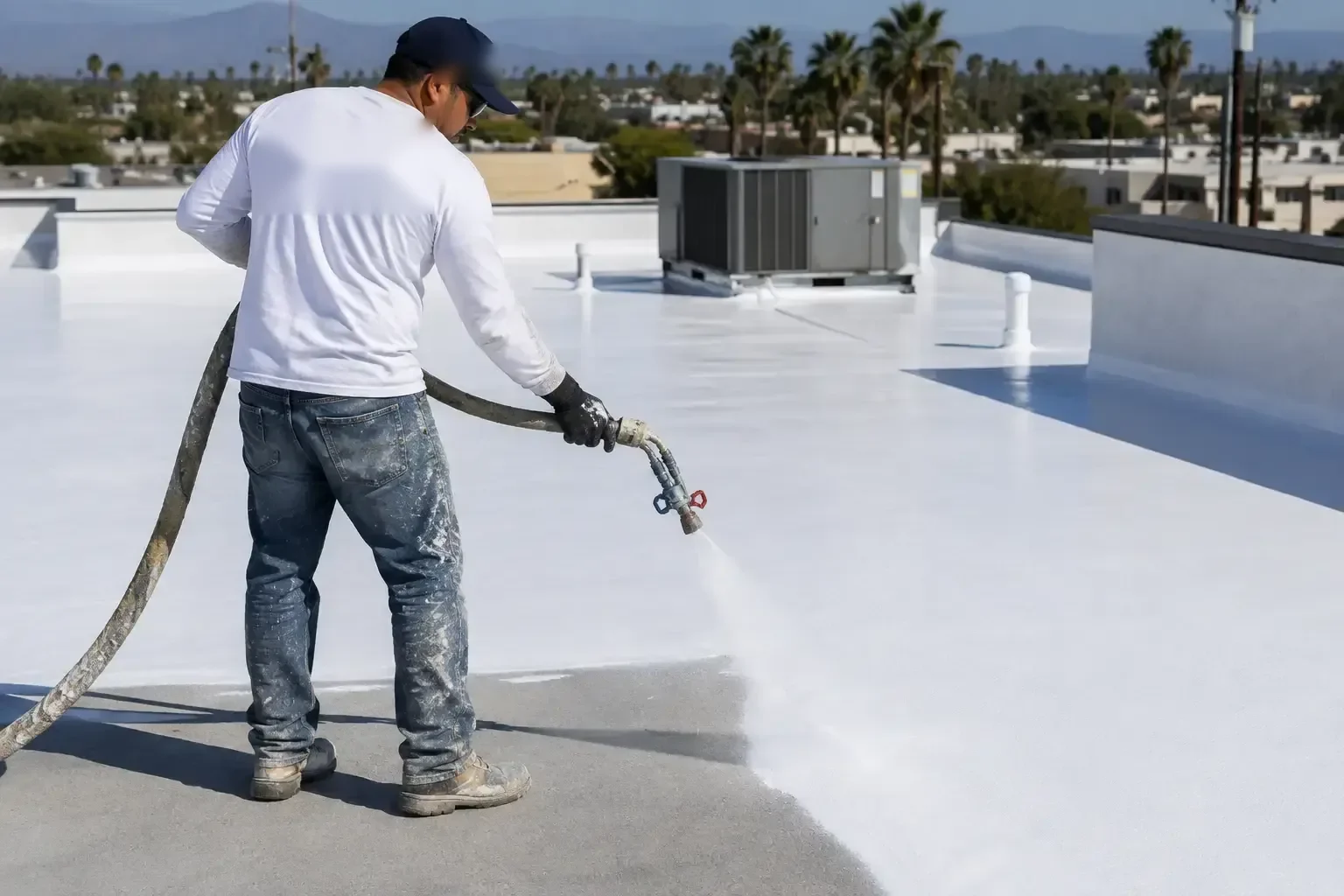
Coatings and recover systems depend on adhesion, moisture, drainage, and manufacturer requirements. A coating can renew a suitable surface; it cannot make wet insulation dry or flatten a low area. Replacement planning considers tear-off, edge height, rooftop equipment, occupant access, and disposal. The system choice should follow the inspection findings and the building’s operating needs. When several options are technically viable, we explain the tradeoff in service life, disruption, and future inspection access without presenting one system as right for every roof.
Keep the roof record usable
A roof record is easiest to act on when each photograph points to a marked zone and each finding has a next step. We note the membrane type when it can be verified, repairs observed, drains checked, inaccessible areas, and any open question. After work, the completion record identifies the repaired location and materials used. The facility team can then connect the roof file to work orders, tenant reports, and mechanical service logs. For recurring service, a roof maintenance visit records the items to revisit next time.
A recurring inspection schedule is more useful when it follows the roof’s condition and use rather than a generic calendar alone. High foot traffic, frequent equipment service, repeated water reports, and recent severe weather can justify a closer review. A new roof may need a baseline record before equipment or rooftop access changes. For an older assembly, a maintenance plan can rank small repairs before they become interior disruptions. Share the leak location, roof plans, access details, and prior reports to set a useful first visit.
Questions About Pflugerville
What information helps you price a Pflugerville roof visit?
Send the building name, leak location, available plan, access contact, and any limits on lifts, deliveries, or work hours.
Can the crew work around normal business hours?
The owner chooses access windows. We plan noisy work, staging, and each close-in around those operating conditions.
How do you know if water is trapped below the membrane?
A roof walk identifies visible signs; an agreed moisture scan or test cut can check selected areas and is recorded by location.
Can you inspect more than one property in the city?
Yes. Each roof gets its own work order, marked zones, findings, and repair boundary so conditions stay property-specific.
What happens if tear-off shows a different assembly?
We document the layers and condition, protect the opening, and bring the measured finding to the owner before scope expands.
Related Roofing Work
Pecan Street and SH 130 Corridor
Pecan 130 Business Park
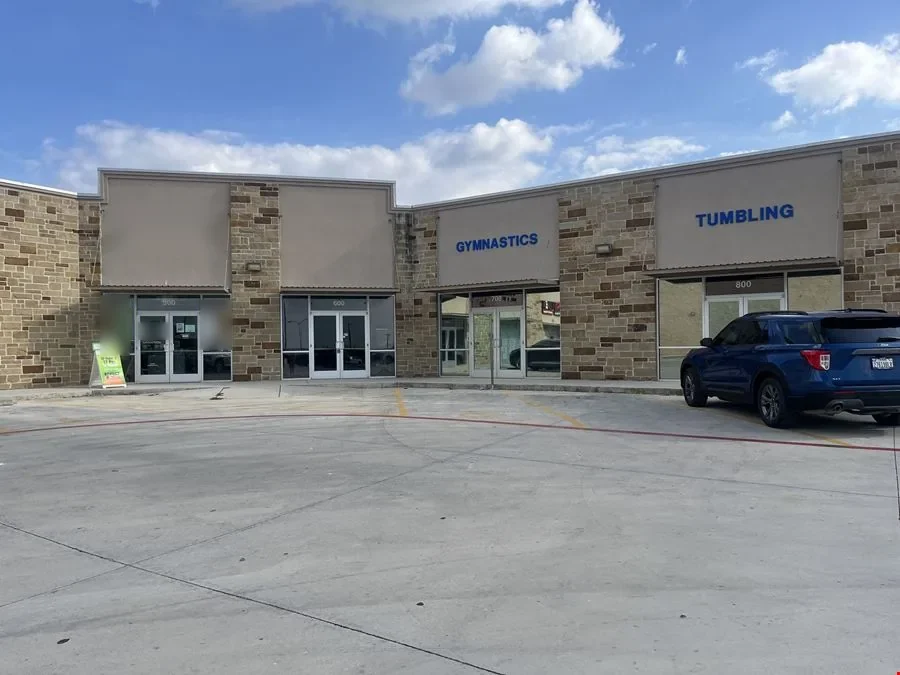
Commercial Roof Inspection
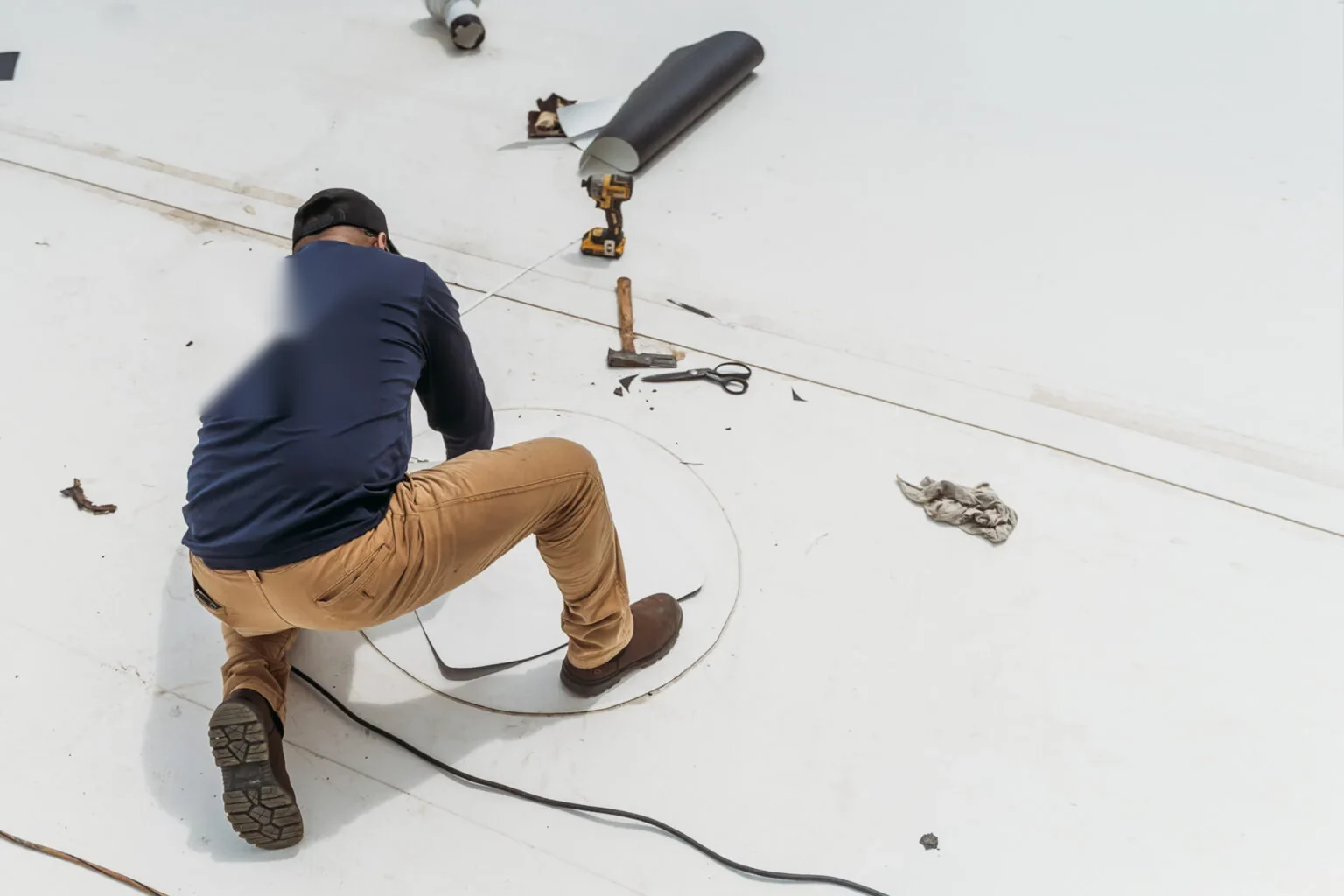
Commercial Roof Repair
Hail Damage Roof Repair