Identify the KEE Product
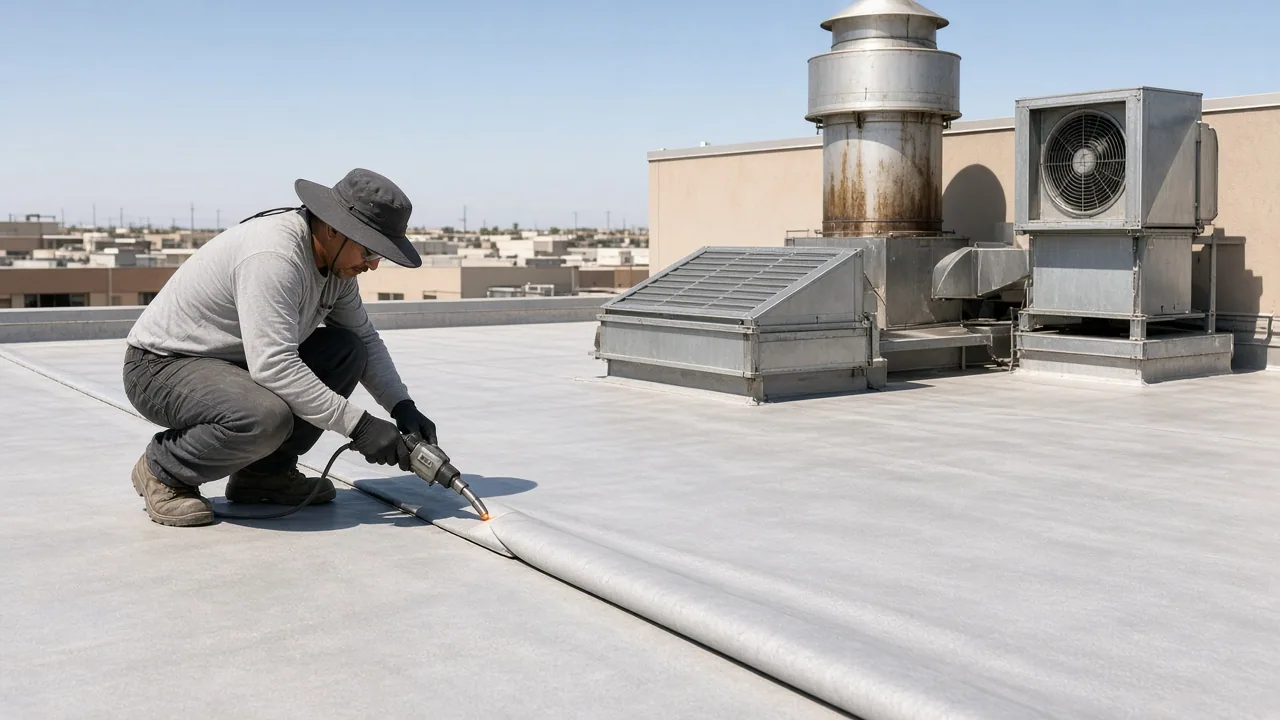
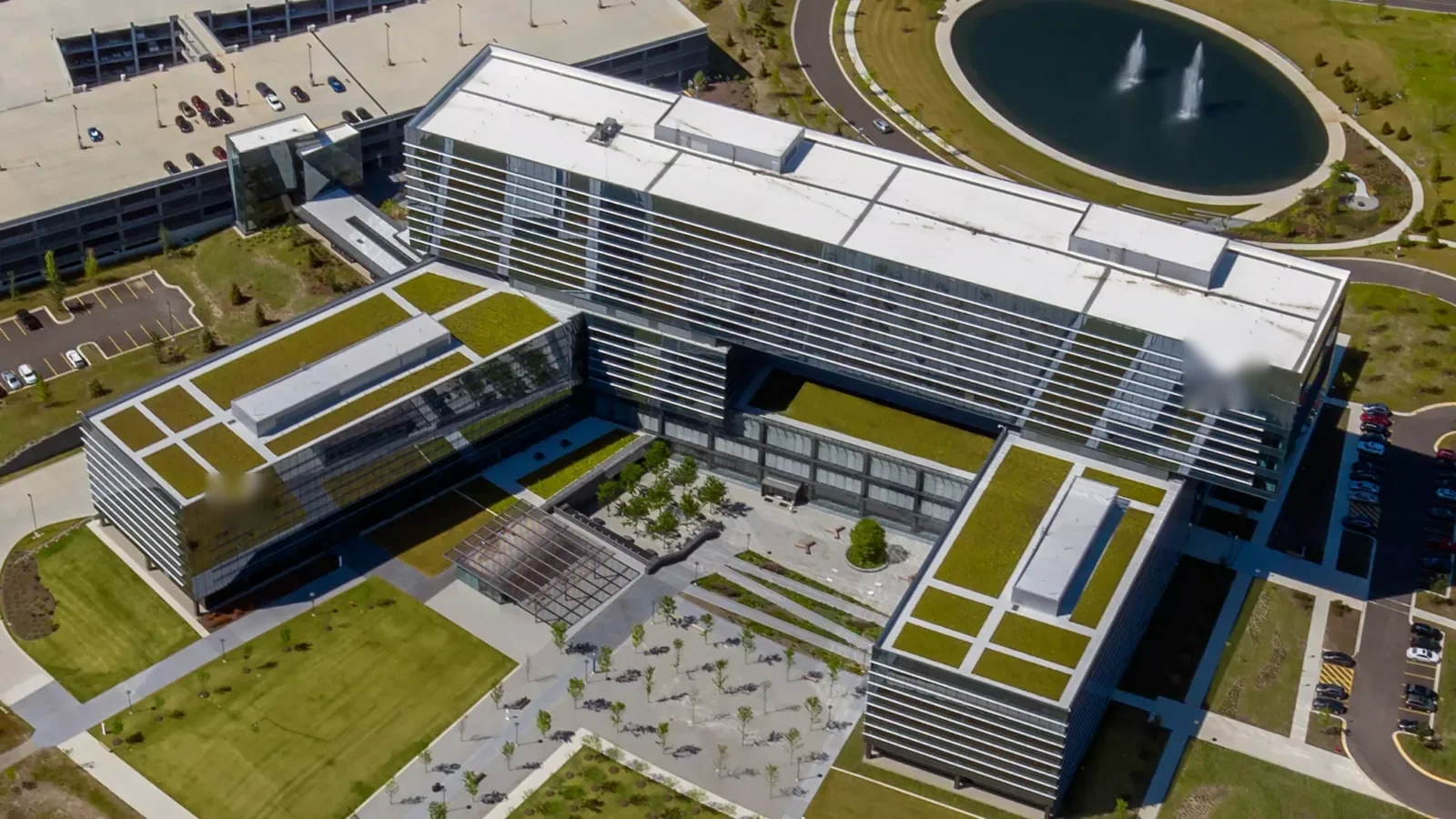
A KEE membrane can resemble other white thermoplastic sheets, but its repair material must match the installed product. We check the label, project records, weld quality, and flashing before deciding how to patch a seam. On properties near Dell Technologies Global Headquarters or The District at SH 45 and Greenlawn, rooftop access may also need to fit campus or tenant operations.
KEE refers to a PVC-alloy roofing formulation. Product composition and reinforcement differ by system. We identify the roof first, then use compatible materials and preparation instructions for the repair.
Send the membrane records, roof plan, leak location, service history, and access rules. We will identify the sheet and test the proposed repair material. Call 555-555-5555 or request a roof assessment.
Confirm the Membrane and Detail
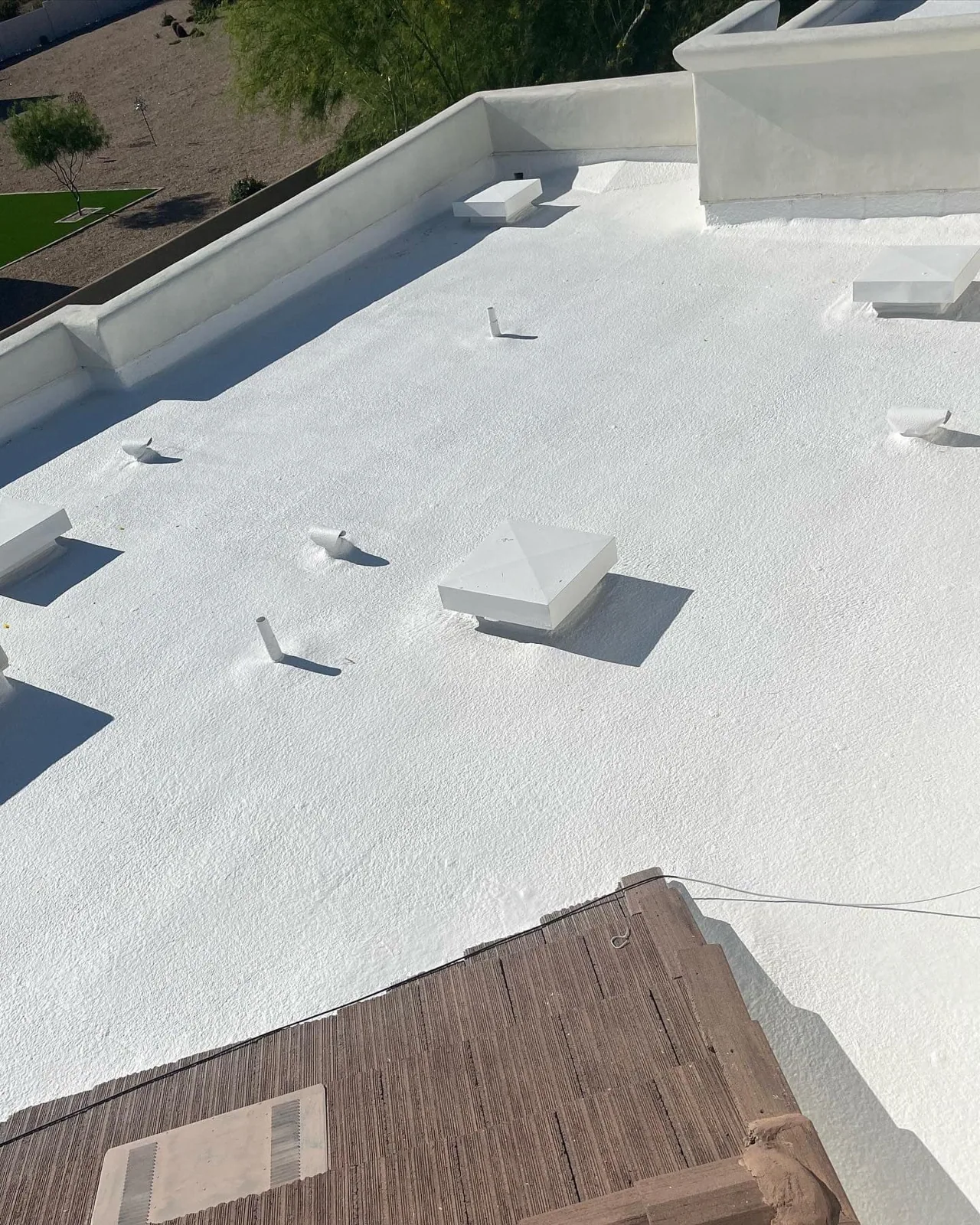
We review submittals, roll labels, repair records, and any field markings that identify the membrane. A white sheet alone does not establish that it is KEE. Where the documentation is missing, a test weld can help determine whether the existing surface will accept the proposed material. The test location and result become part of the roof record.
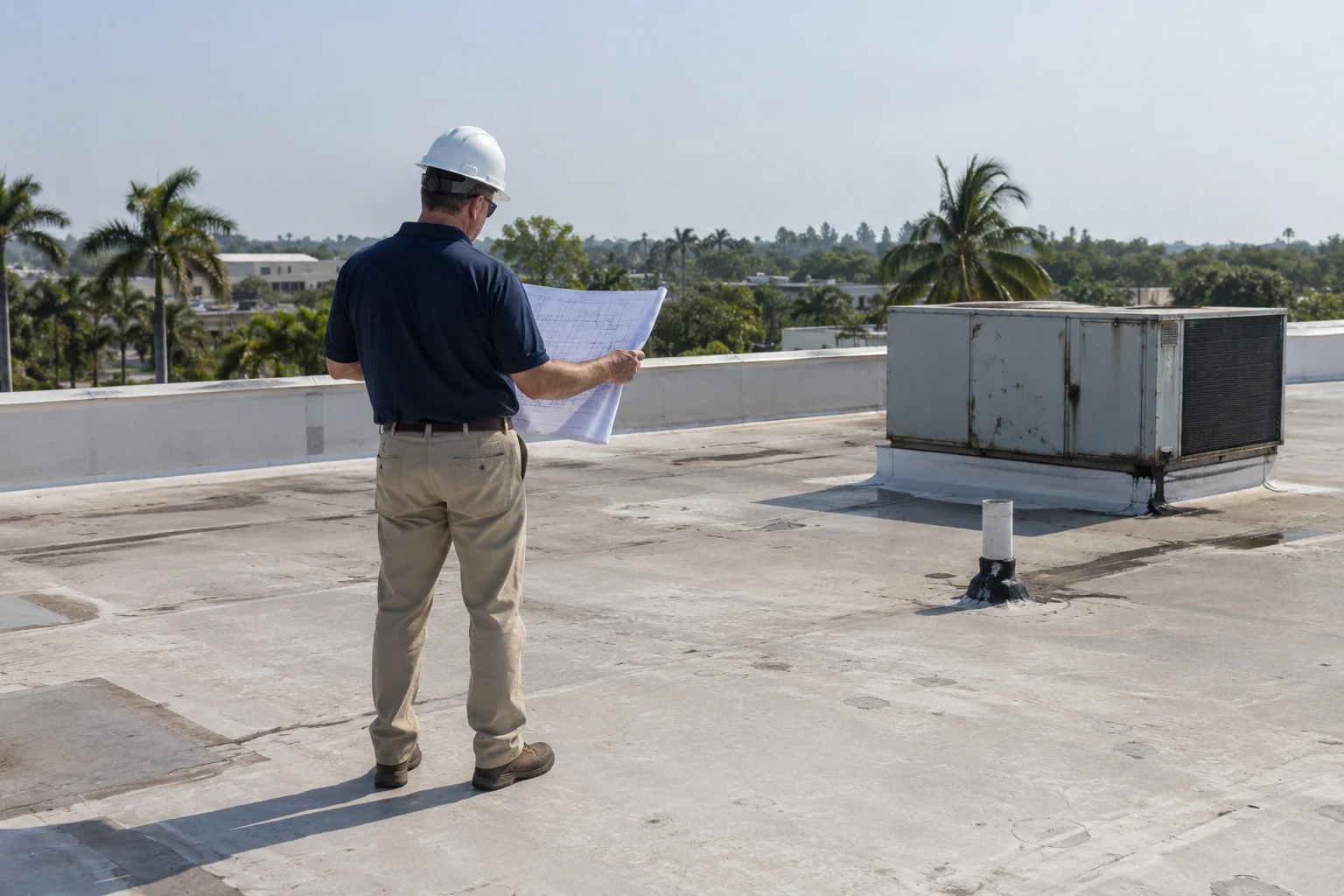
At a straight seam, we inspect the lap width, weld edge, wrinkles, and any separation around prior patches. At a drain, curb, or parapet, the membrane turns and receives added stress. We check corners and terminations for loose flashing, exposed reinforcement, or a bond edge that has lifted. A probe tests accessible seams but does not evaluate every buried lap.
Equipment service can affect the surface. Foot traffic, hot discharge, oil, and cleaning chemicals may alter the sheet or complicate welding. The building team can identify recent service work and products used for cleaning. We inspect the affected area before choosing a cleaner or weld method, then record any limit where exposure remains uncertain.
KEE sheet dimensions and reinforcement affect how the repair piece is cut. The crew checks whether the damaged material can be removed without leaving a narrow strip that is difficult to weld. At a seam intersection, a replacement patch should avoid stacking layers in a way that traps a void. We inspect the result at each corner and along each accessible edge after the membrane cools.
When a roof has equipment traffic, a walkway or protection pad can reduce contact damage. The added material needs to be secured and detailed without blocking drains or hiding a vulnerable seam. We note the intended service route and show any new protection on the roof plan. That record helps future technicians reach the unit without dragging tools across the membrane.
Use the Right Weld and Flashing
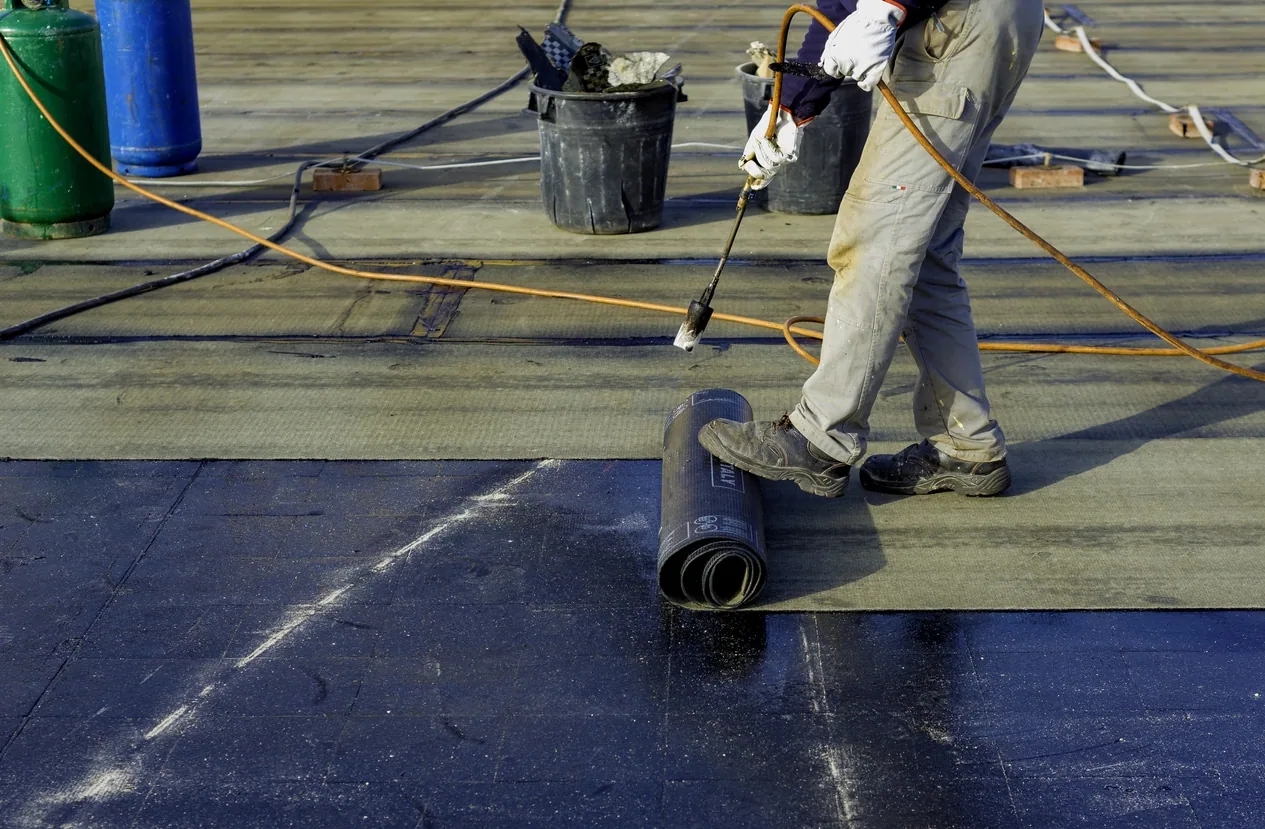
KEE is a thermoplastic membrane, so compatible seams are generally heat welded. The surface is cleaned and prepared, a test pass confirms the welder setting, and the repair is checked after cooling. A patch should lie flat and extend onto sound sheet. At a curb or pipe, formed flashing has to address the corners and top termination as well as the visible leak point.
Repairs can fail if a patch is placed over contamination, a weak substrate, or a sheet that has lost its surface condition. We identify that limit and may recommend replacing a larger piece or testing a separate area. A broad cover strip should not conceal a seam separation that continues beneath it. The repair boundary follows the membrane condition and the owner's approved scope.
For a major KEE alteration, the project lead confirms review requirements with the Round Rock building department and checks the currently adopted code editions. The roofing proposal lists its materials and close-in points for that coordination.
Choose a Repair Extent
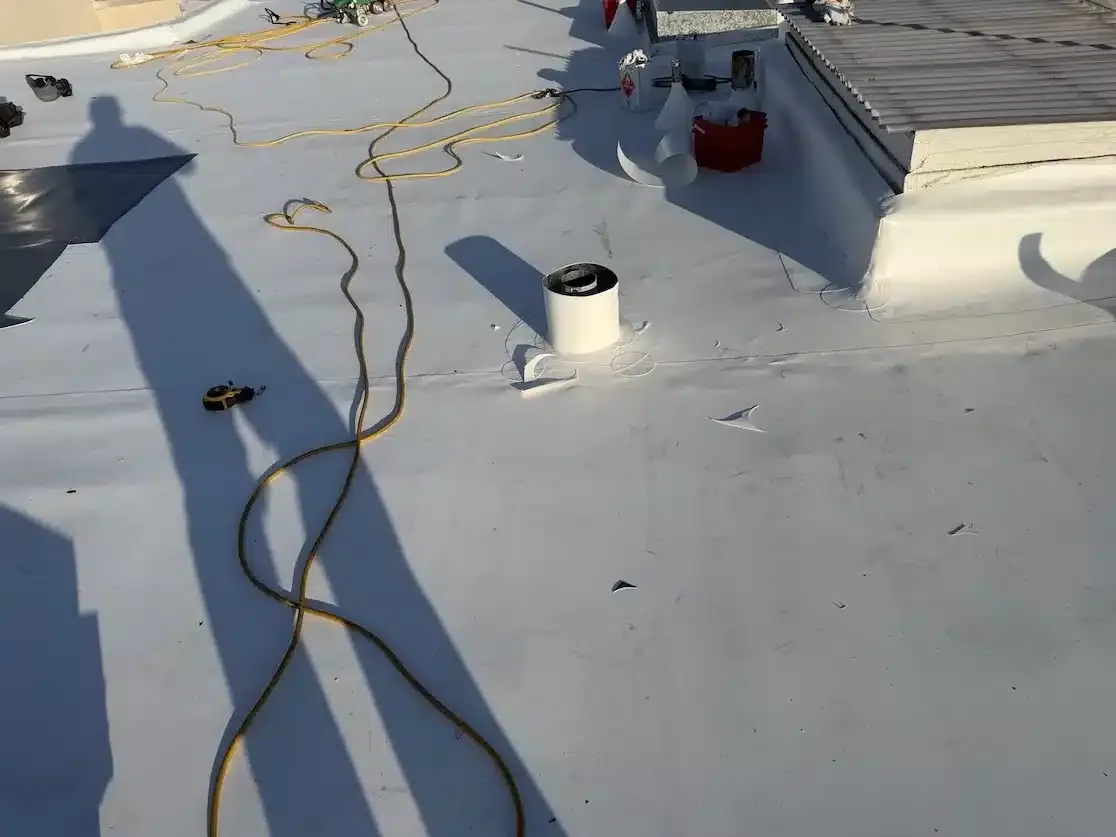
A single puncture or open weld may allow a local repair where surrounding material remains stable. Multiple seams, exposed scrim, or widespread wet insulation can point to a larger replacement. We map defects and separate verified damage from areas that need testing. If a sample opening shows wet layers, the owner reviews its location and dimensions before tear-off expands.
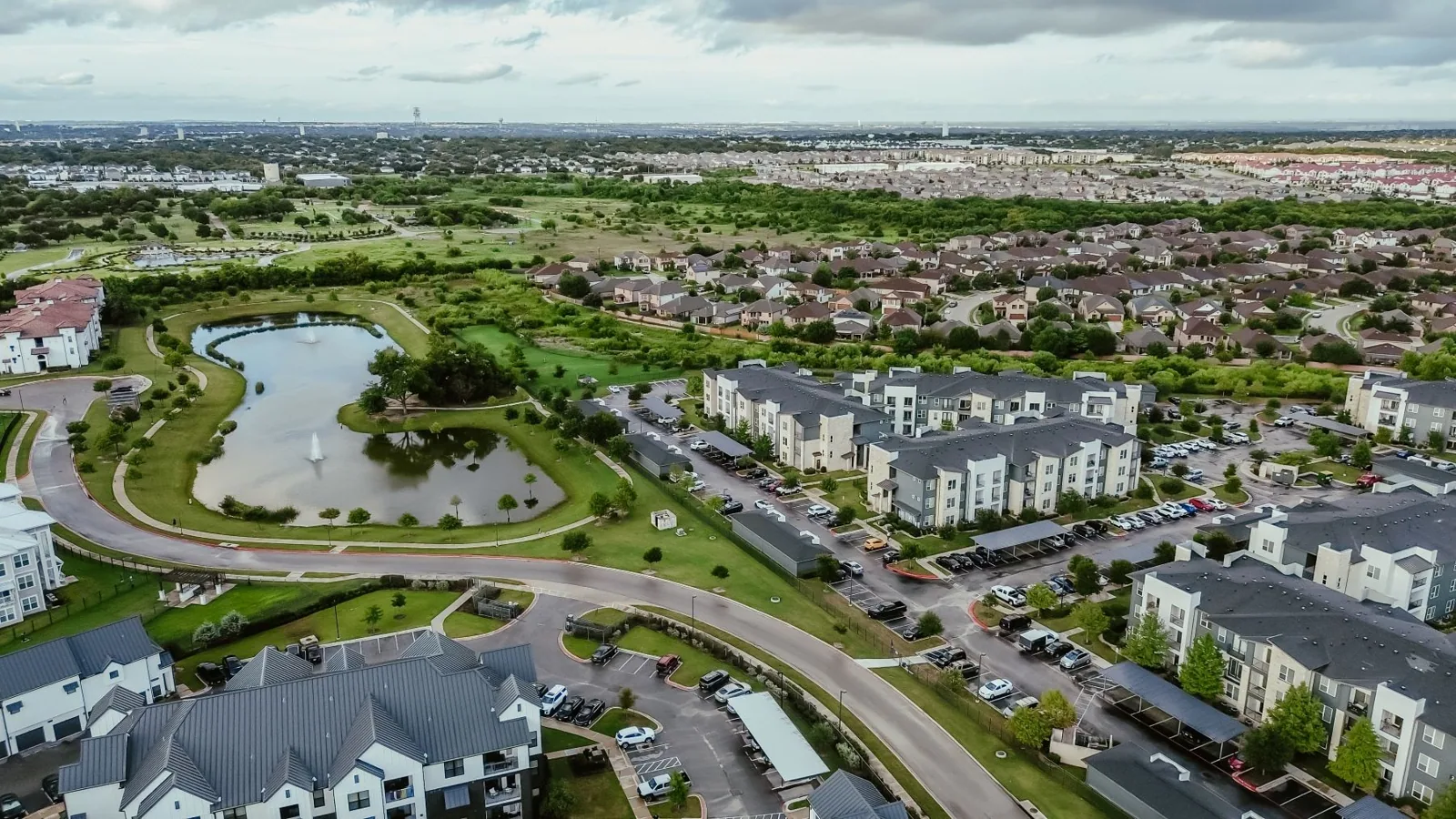
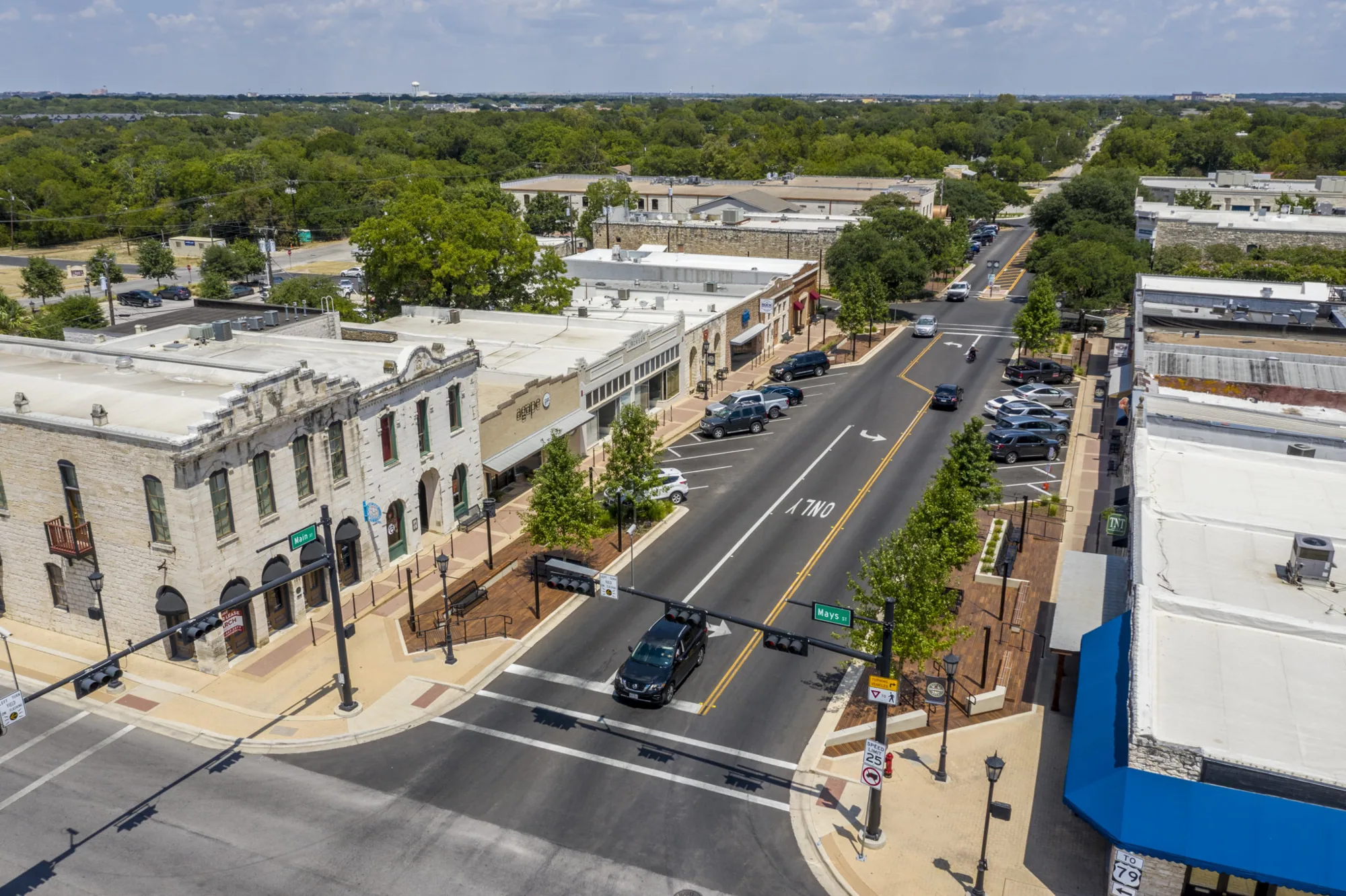
Cost and timing depend on product type, weld length, flashing complexity, roof height, access, insulation, and whether rooftop equipment must be protected. At a commercial roof in Pflugerville, secure routes and service windows can affect staging. Near The District at SH 45 and Greenlawn, active retail or construction access may require deliveries to be coordinated with the property contact.
Related work might include a roof inspection, drain detailing, or cover-board work. A KEE assembly can be compared with PVC roofing or TPO roofing when the owner is planning replacement. A shopping-center roof may need a phased work schedule.
Where several product generations are present, we mark each zone before preparing a repair. A previous reroof may have left one KEE field beside an older PVC section or a different flashing product. The installer should verify transitions and keep each weld within the compatible material. The estimate can separate each zone so the owner understands why one repair method cannot automatically be used everywhere.
Keep the KEE Repair Identifiable
Before work, photos show the membrane marking if present, the damaged seam, and nearby details. During work, the crew records preparation, test welding, flashing formation, and finished welds. The closeout lists the product and repair zone, then names any area left outside the boundary. The file should make it possible to identify the material again without relying on surface color.
Future work should use the same system records. A cleaning contractor or equipment technician may disturb a weld or apply an incompatible product. Share the repair photos and product details before work starts near the patch. A later inspection can compare the edge and surrounding sheet with the original record.
If rain has not occurred after repair, the closeout states that the roof has not yet experienced a rainfall test. If a leak appears again, we check whether it follows the same seam or enters through a nearby penetration. The original map guides the next inspection but does not predetermine its result.
Keep a small piece of removed sheet when the owner approves, together with the product label and repair submittal. A future test can compare the exposed membrane with the installed replacement material. That physical reference helps distinguish a KEE field from another thermoplastic product after markings and packaging are gone.
When reviewing a KEE roof, confirm the product identity and assembly before specifying a repair. Similar-looking membranes can require different preparation and compatible accessories. Record seams, corners, penetrations, and the condition of any exposed reinforcement, then check whether prior repairs or coatings affect adhesion. If product records are unavailable, state the uncertainty and verify compatibility with the manufacturer or approved system documentation before work proceeds.
Also note whether field seams remain accessible for inspection and whether rooftop equipment limits a complete view. If an area is blocked, list it for follow-up rather than implying that it passed review.
Questions About Commercial KEE Roofing
How is KEE different from PVC?
KEE is a PVC-alloy formulation. Products can differ in composition, thickness, and reinforcement, so we identify the installed sheet before selecting repair materials.
Can KEE seams be welded?
Compatible KEE seams are typically heat welded. We test the prepared surface and inspect the cooled weld at accessible edges.
Can you coat over a KEE roof?
A coating needs product-specific compatibility and a suitable roof surface. We inspect and test the proposed area before including coating work.
Does a KEE membrane resist every rooftop chemical?
No single material should be assumed compatible with every exposure. We review the product data and identify what has contacted the roof before choosing a repair.
When should a KEE roof be replaced?
Replacement becomes a consideration when seam, surface, attachment, or concealed-layer findings extend beyond isolated repair. We map the evidence and state where testing remains needed.
Related Roofing Work
Pflugerville
Commercial Roofing Along Greenlawn Boulevard
Commercial Roof Inspection
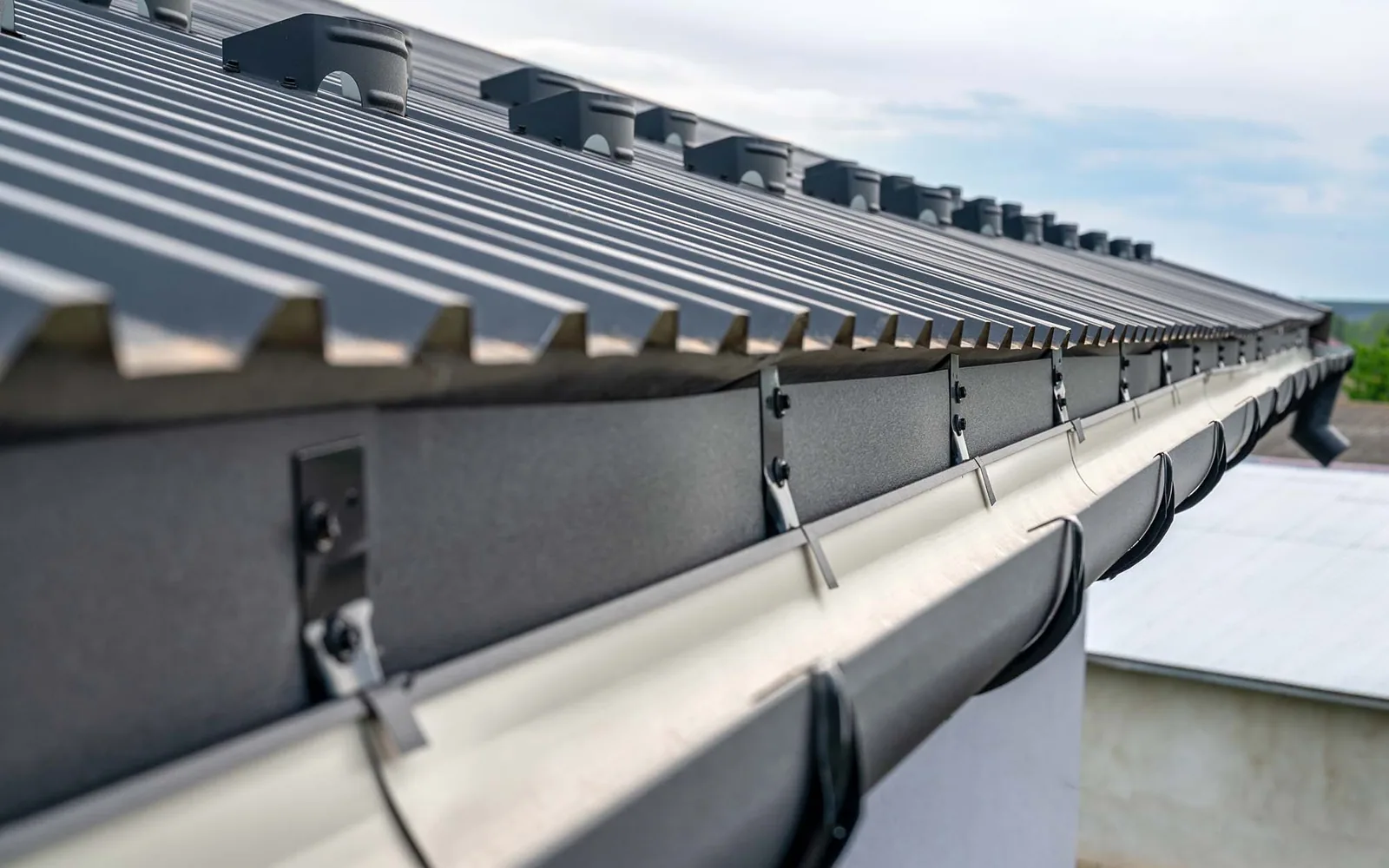
Commercial Roof Drains and Scuppers
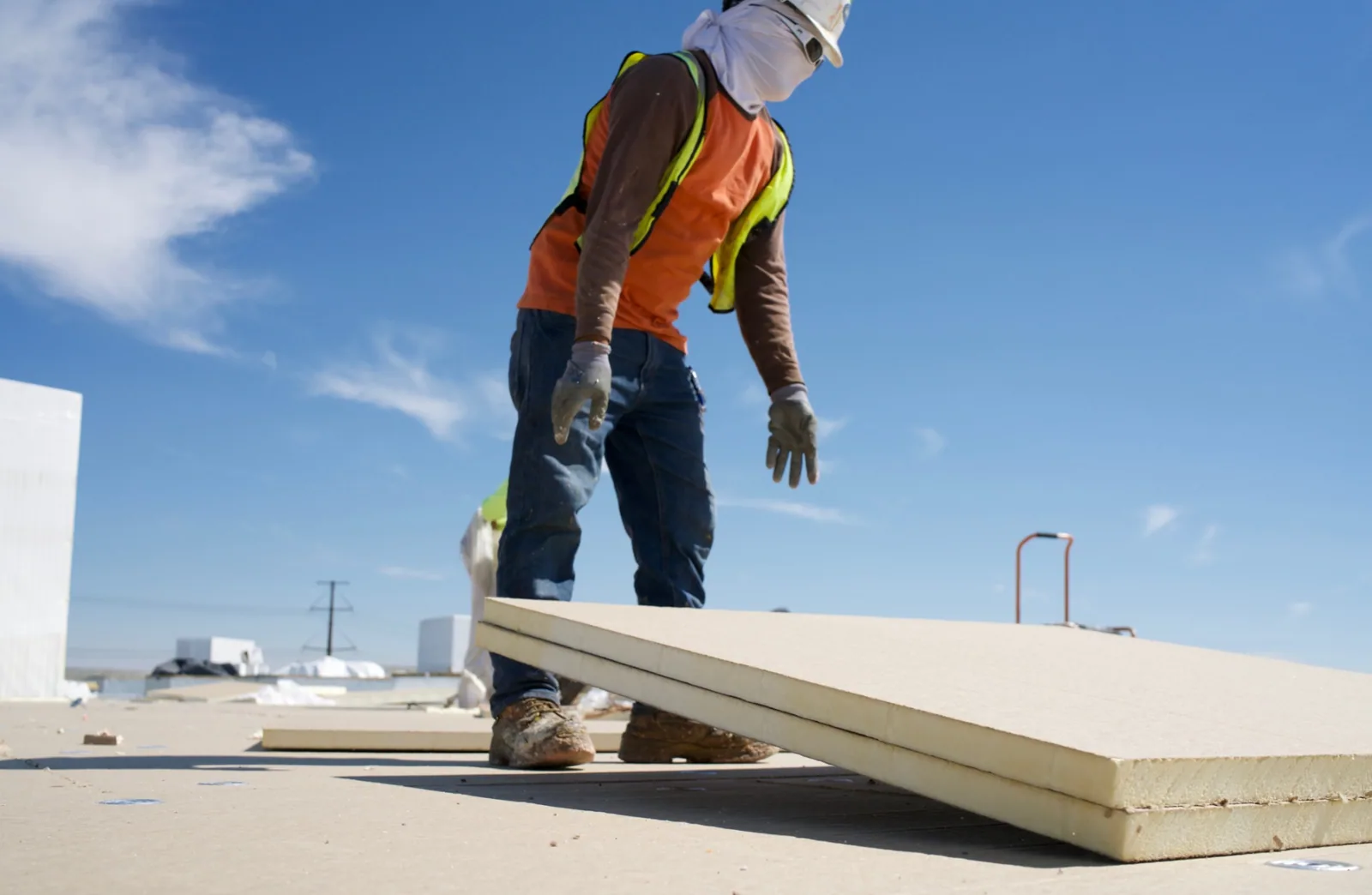
Commercial Roof Insulation and Cover Board