
Read the Existing Assembly Before Changing It
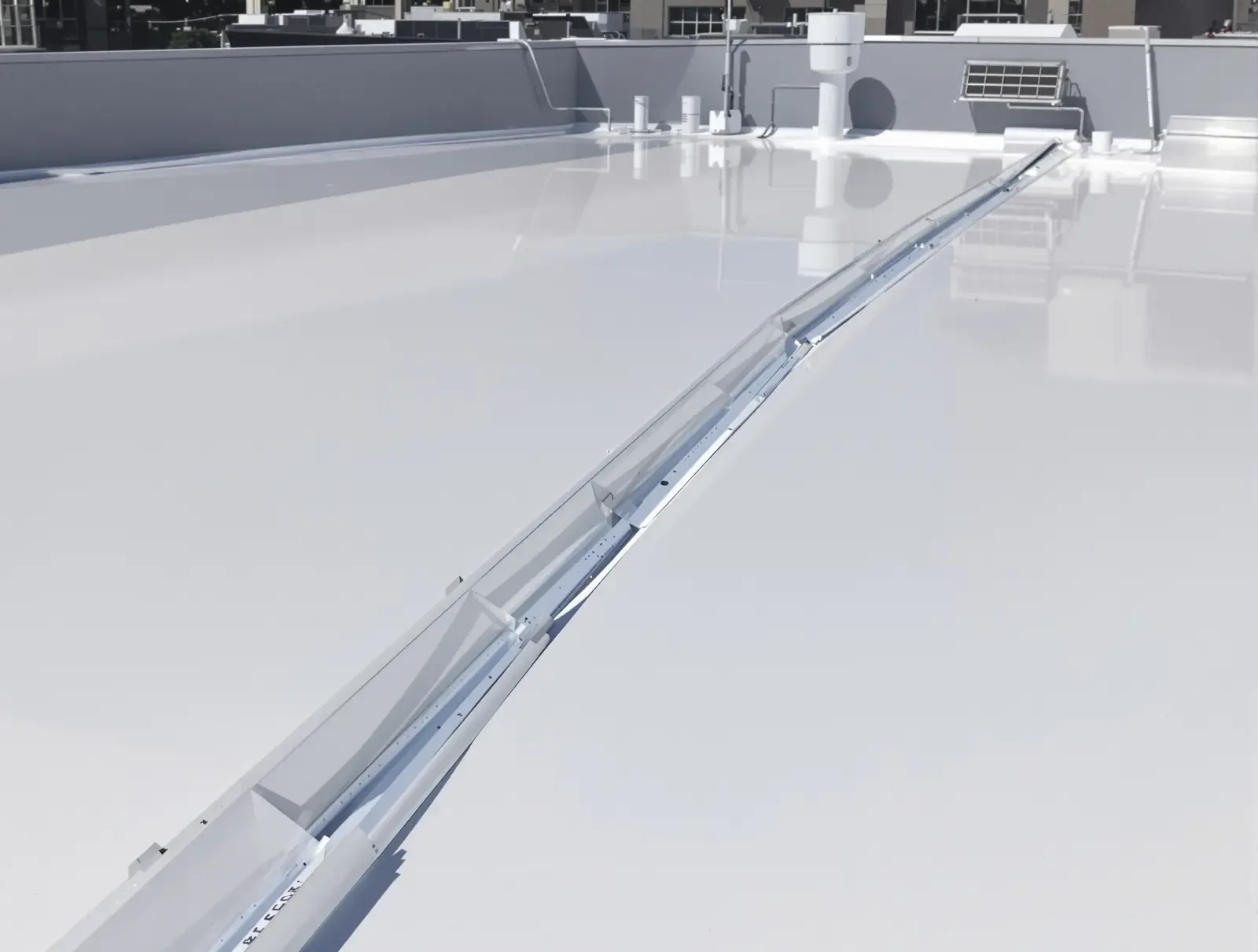
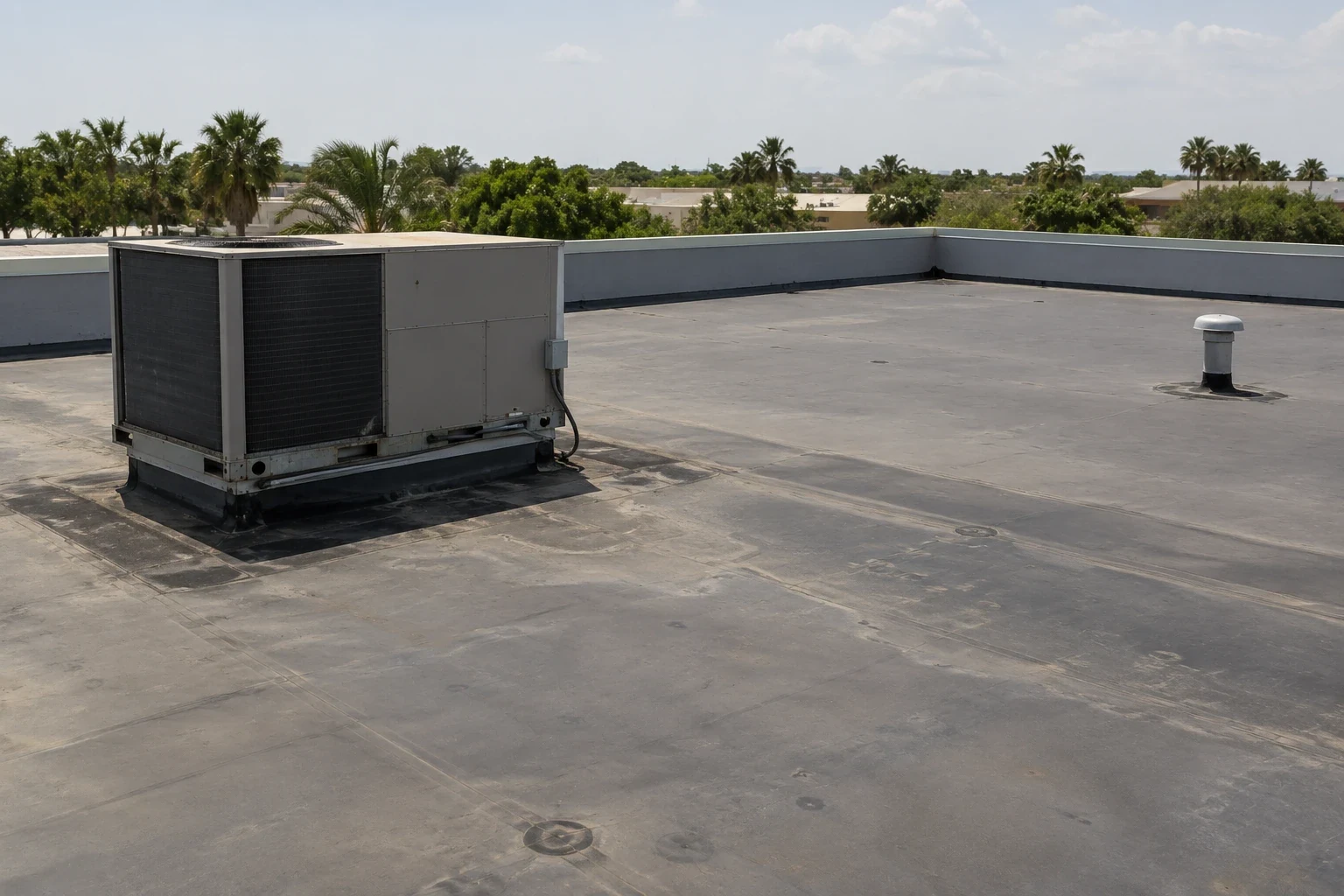
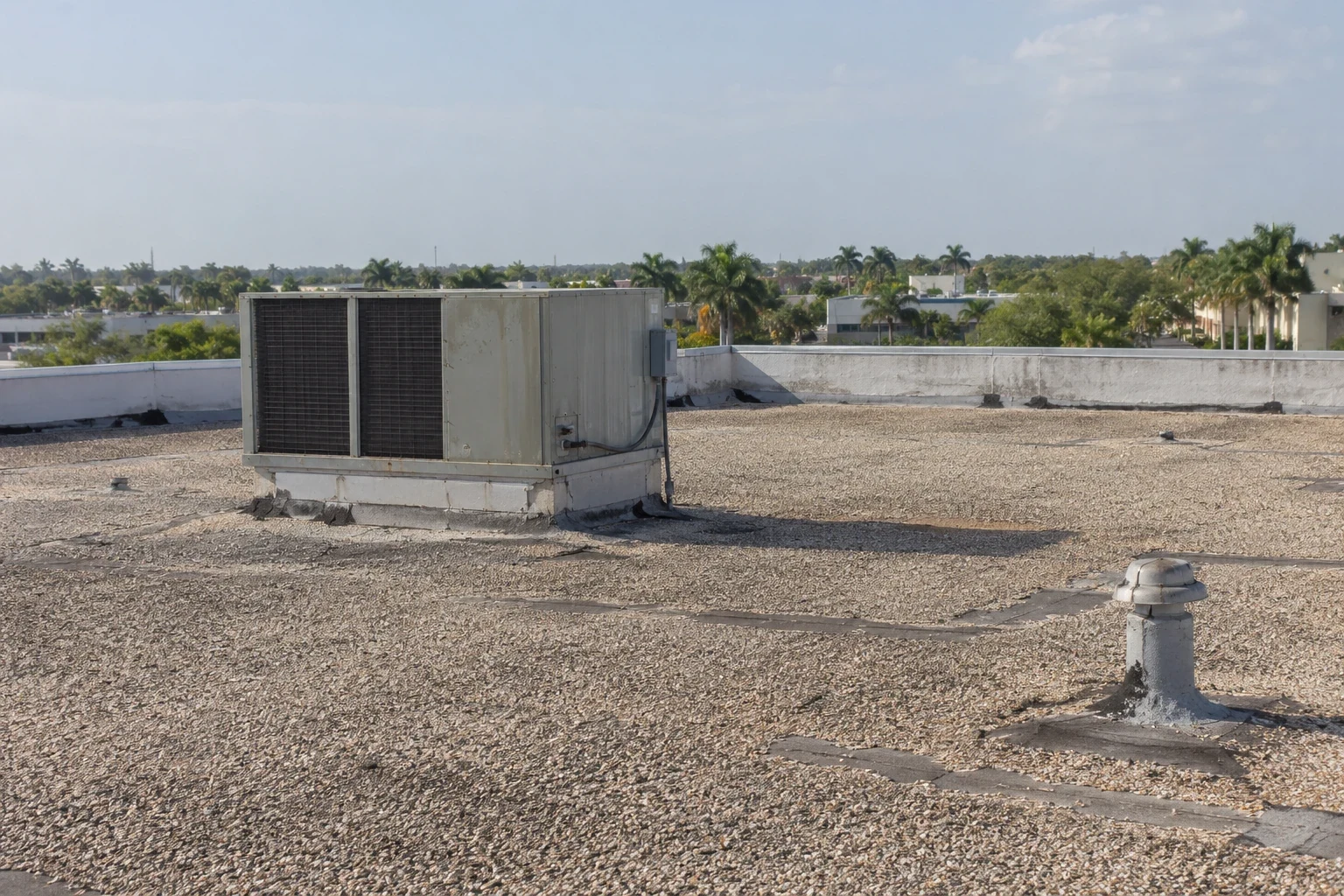
On a low-slope roof, water follows the slope and the interruptions in it. We check seams, drain bowls, scuppers, curbs, parapets, and edge metal, then compare those details with plans and prior repairs. Moisture below the membrane can change what options make sense. Infrared scanning may help choose a test location; a test cut confirms conditions only at the sample point. The report keeps that limit visible so a small sample does not become a roof-wide claim.
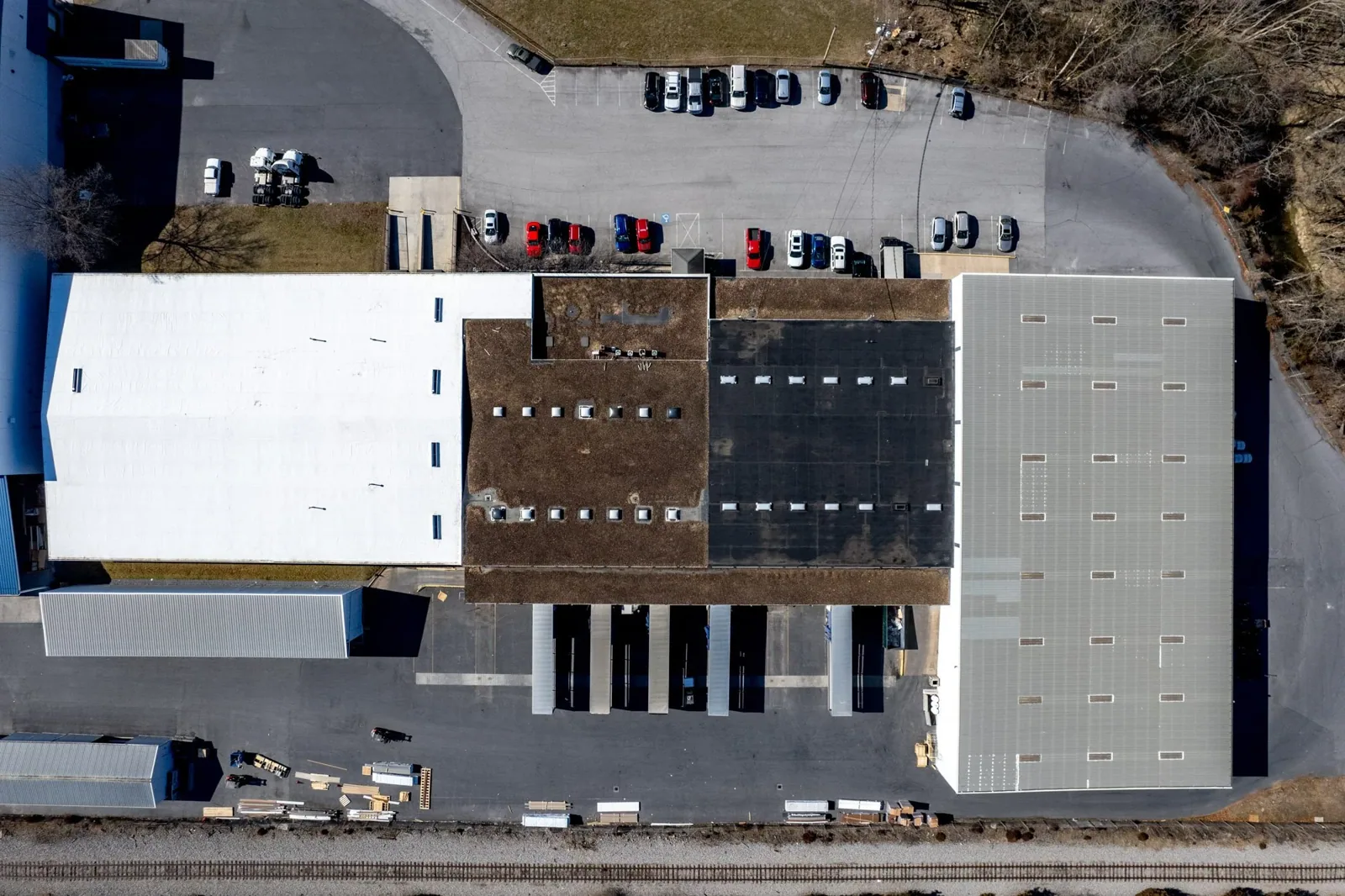
Round Rock includes data-center and technology campuses, healthcare, industrial, retail, hospitality, and education properties. A service decision over a Switch facility may need different equipment-access planning than work near Dell Diamond or University Boulevard retail. We confirm the actual building schedule and roof access with the property contact. The March 2022 tornado through Round Rock and area hail reports explain why owners request inspections after severe weather, but the system condition comes from field evidence, not from a storm record.
Match the New Layer to the Roof Details
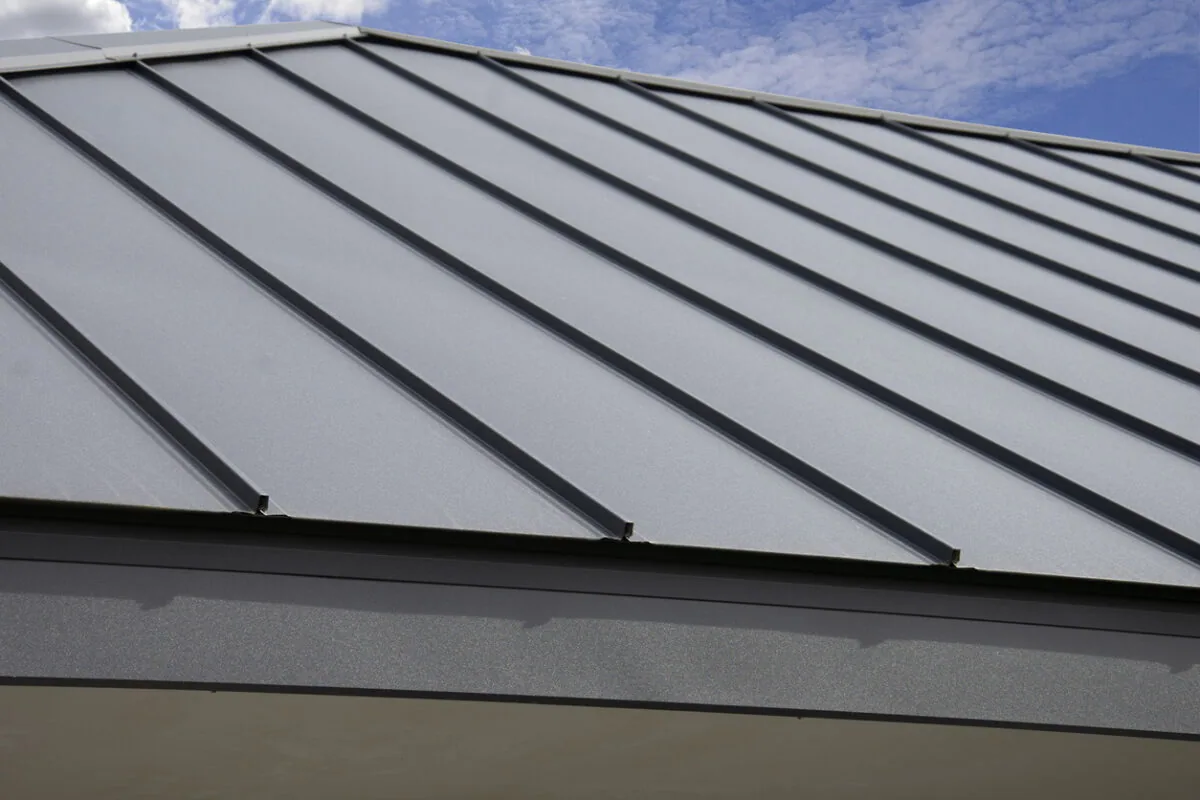
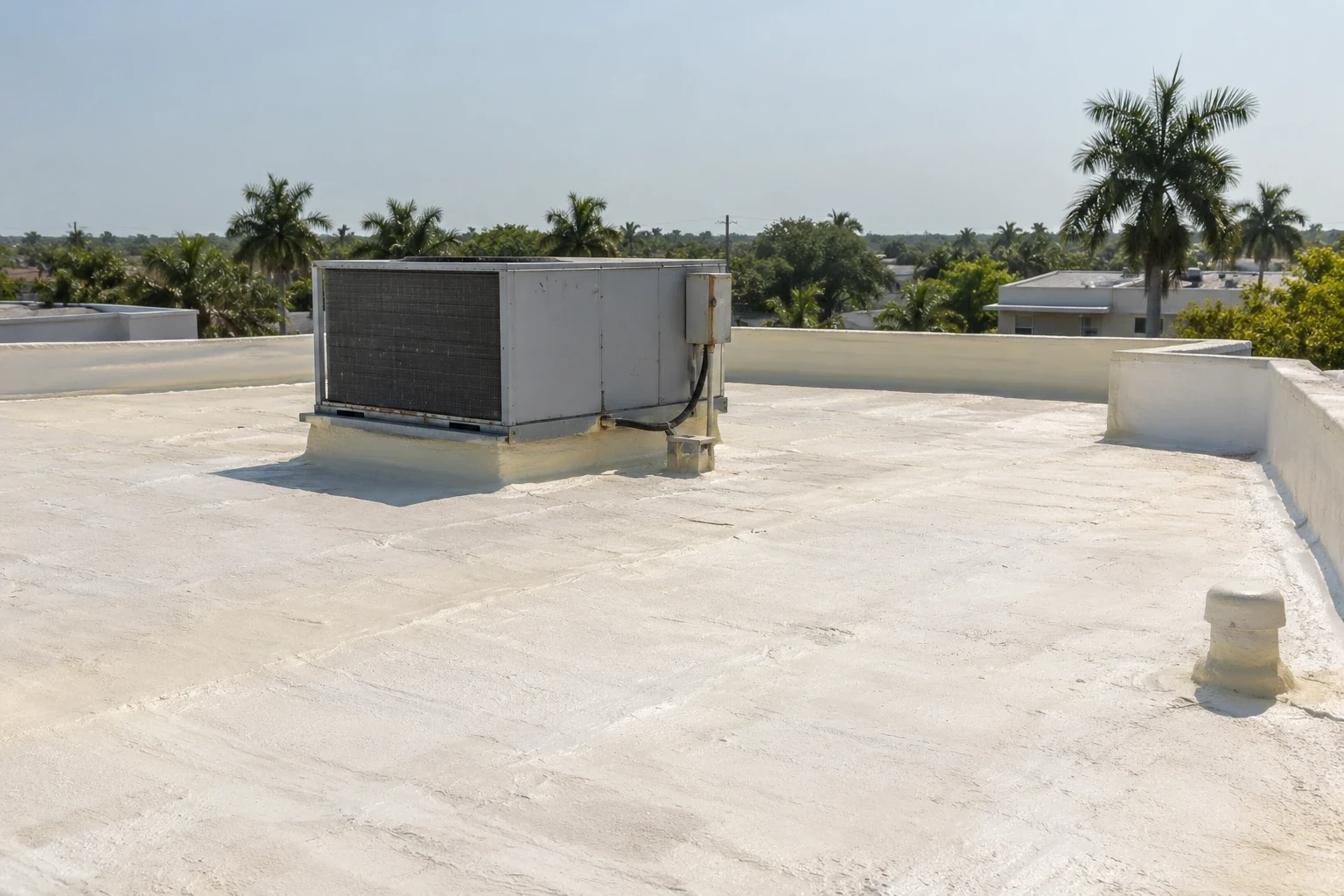
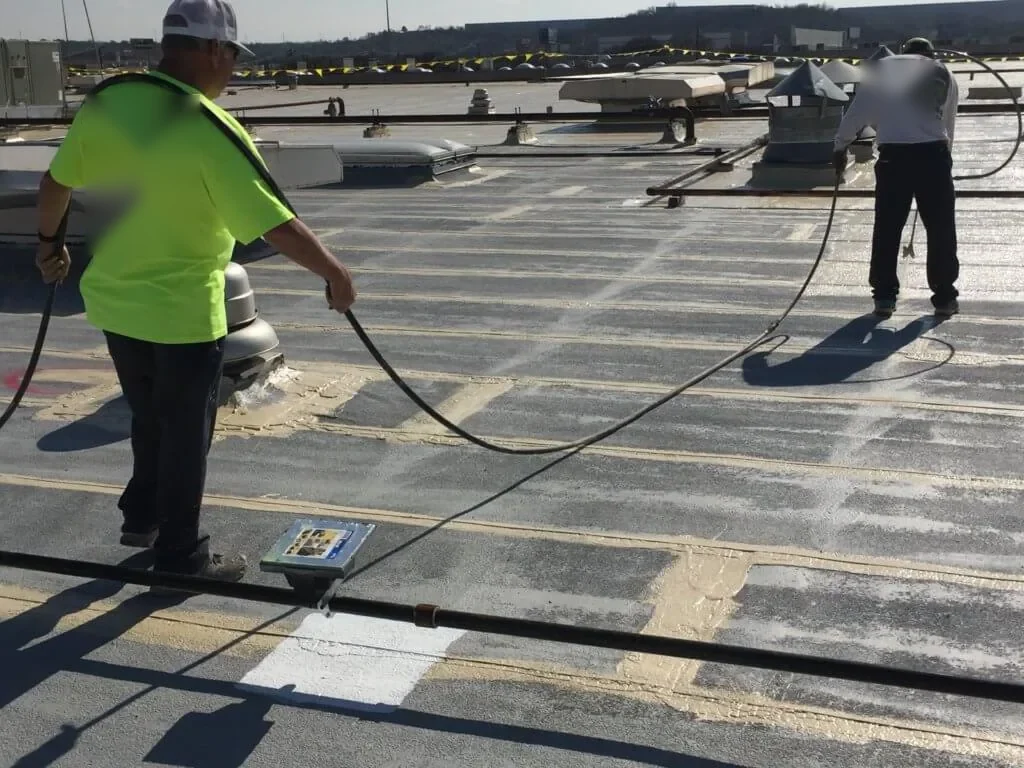
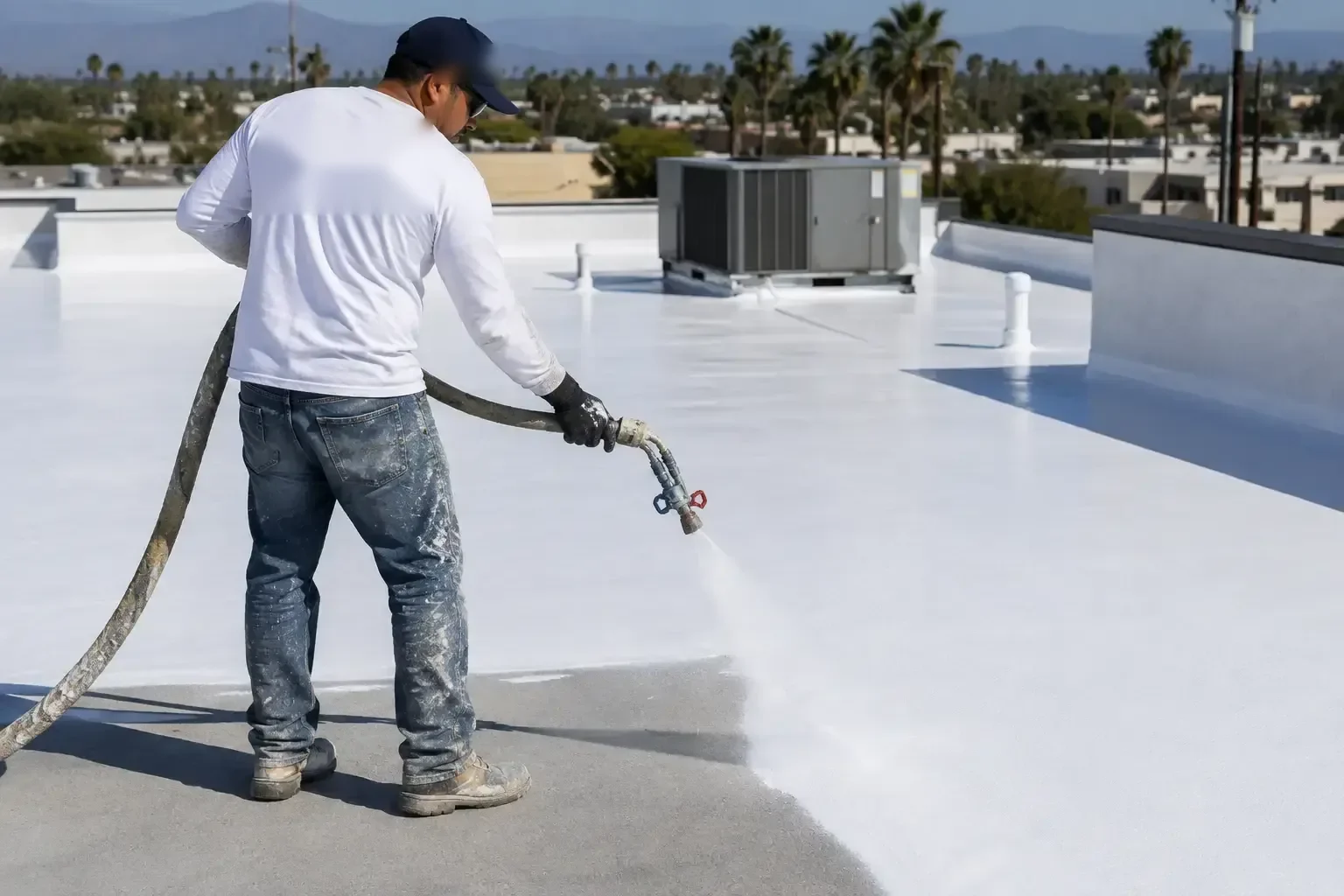
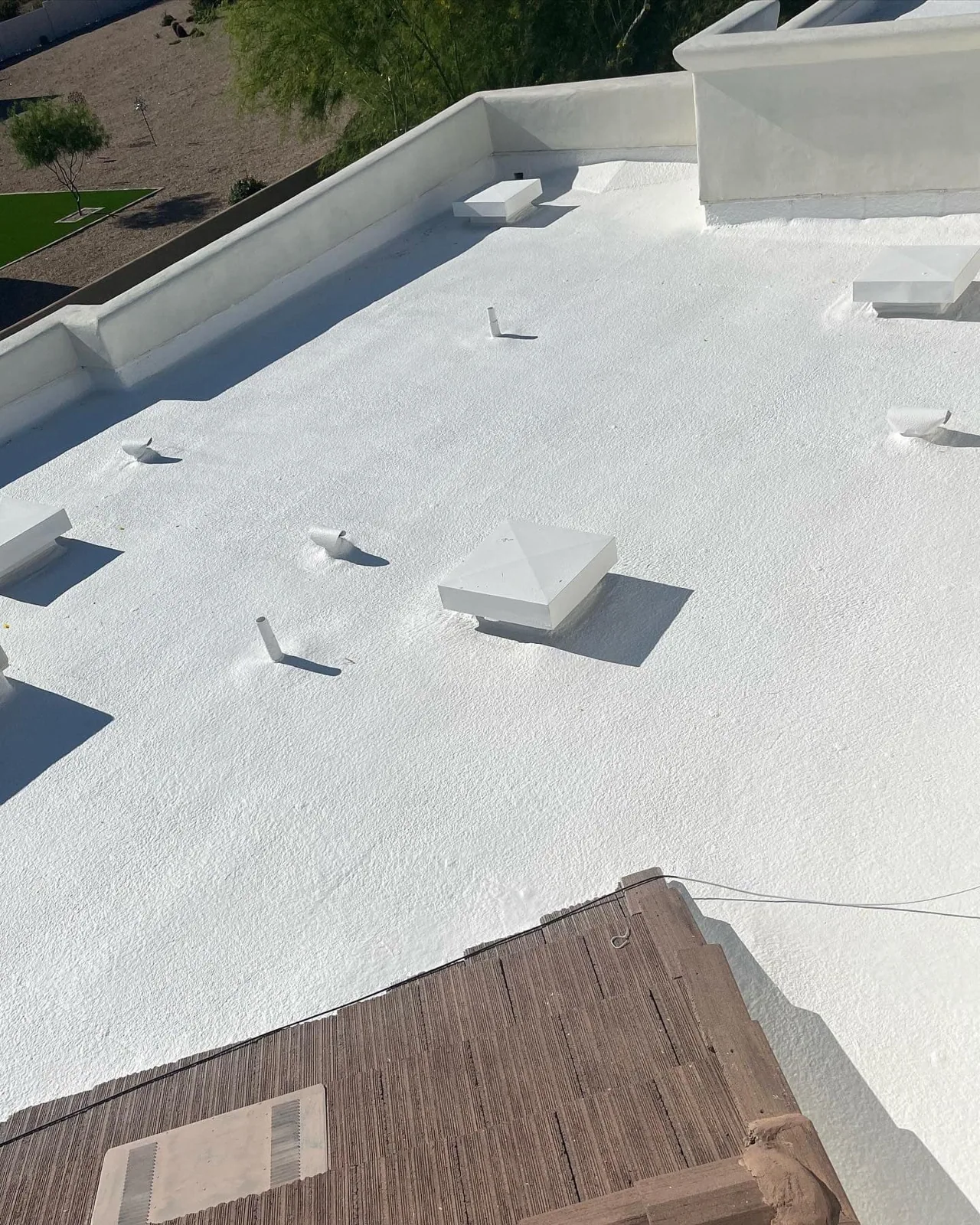
A recover may keep serviceable layers in place when moisture, attachment, and compatibility support that choice. A coating depends on surface preparation, drainage, and sound transitions. Neither option corrects trapped water or a failed drain by itself. Silicone coatings and spray foam systems have specific preparation and detail requirements; metal retrofit begins with the existing panel and support condition.
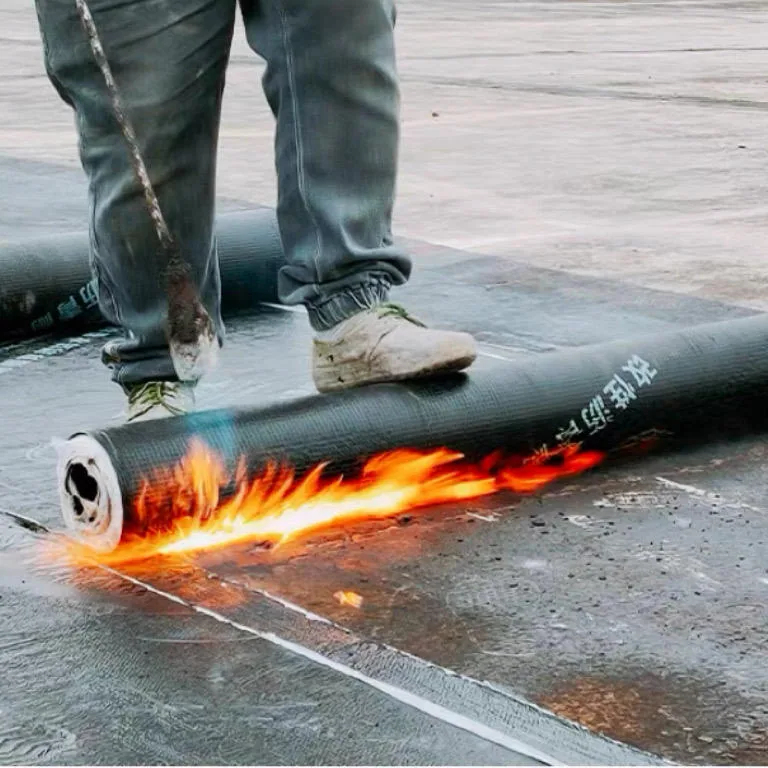
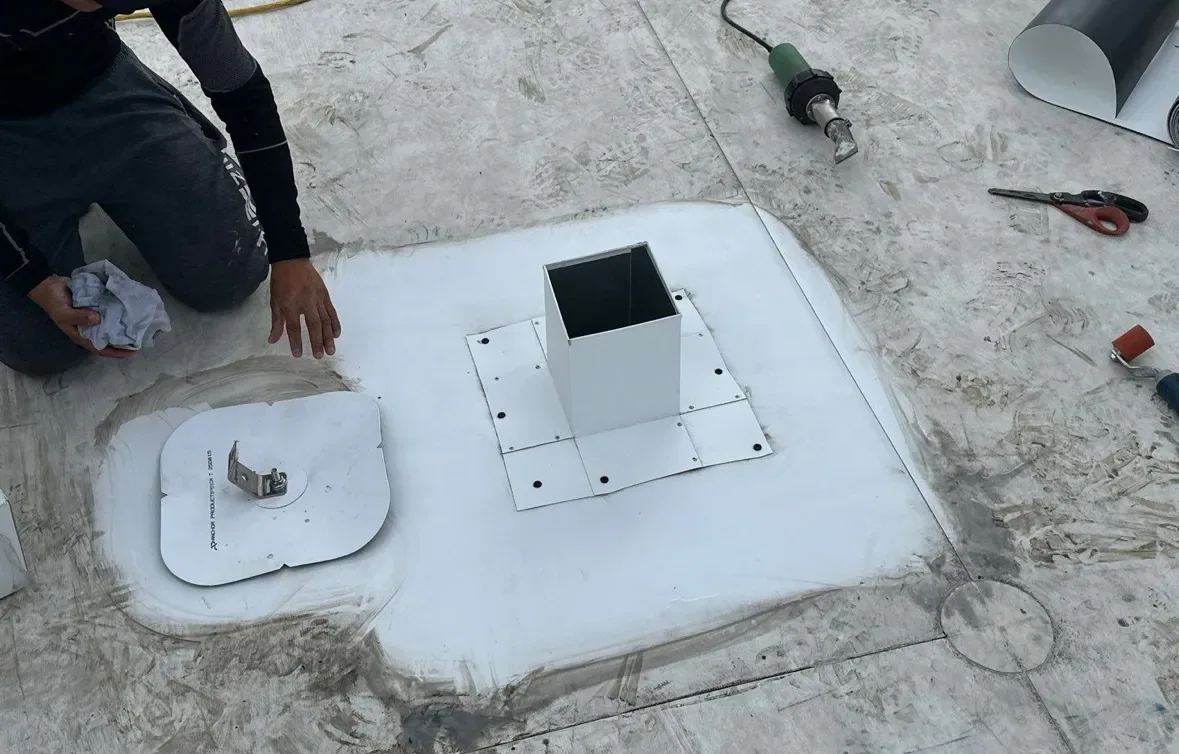
Replacement changes more of the assembly. The scope states what comes off, insulation or cover board changes, new perimeter and curb flashing, how each seam is made, and the daily dry-in limit. Cost and schedule reflect roof height, access, system, weather, material handling, and hidden deck or insulation repairs. Share existing plans, reported leaks, roof access, and maintenance history when you reach our team. We will identify the next check before recommending a system change.
Test the Layers Before Covering Them
A recover adds a new roof layer over an existing assembly, so wet insulation or weak attachment below can remain a problem. We review repair history, check drainage, and use infrared survey or test cuts where appropriate before recommending an overlay. The results determine whether a limited repair, recover, coating, or tear-off merits comparison.
Watch How Details Move
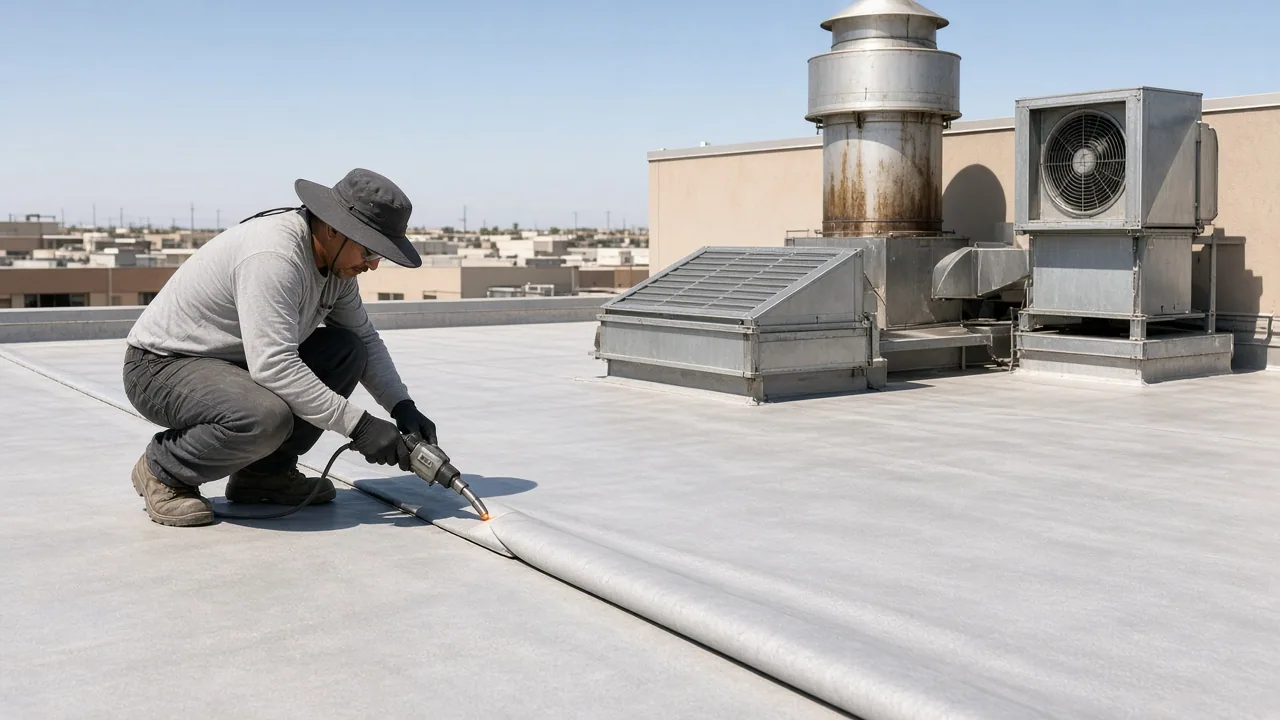
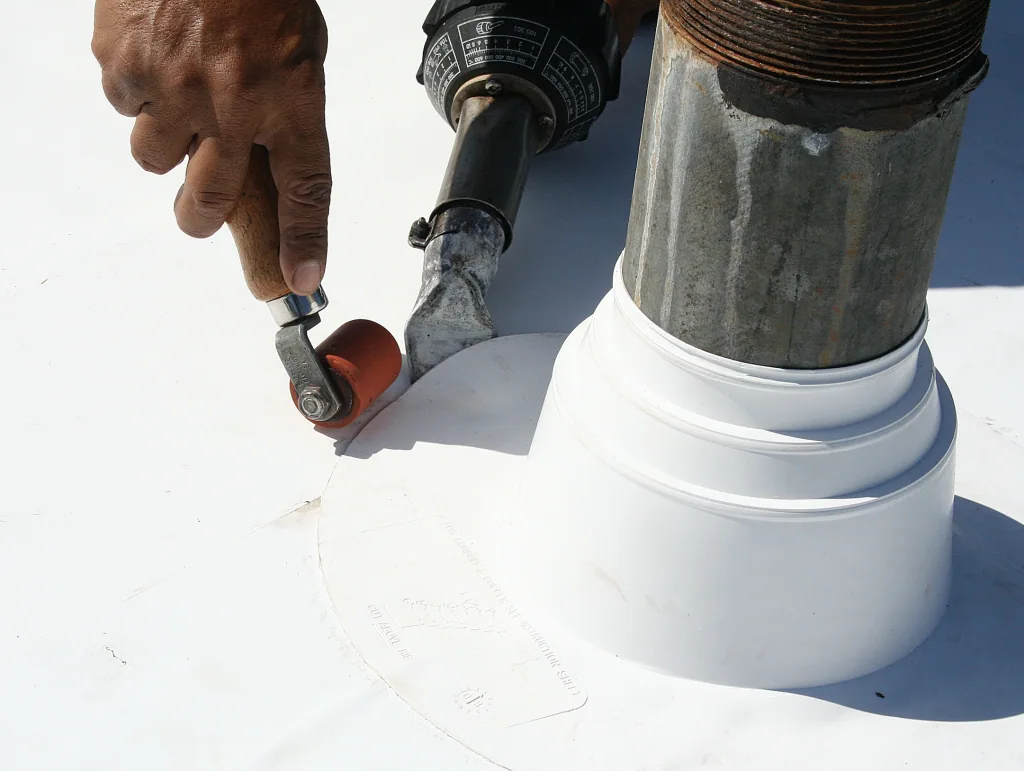
Heat changes membrane dimensions, and the roof details must tolerate that movement. We inspect seam edges, curb flashing, perimeter attachment, and transitions where one material meets another. A Round Rock roof sees the region’s sustained summer heat, but that climate context is not a diagnosis. The actual assembly and field condition guide the repair.
Roof Systems: Common Questions
Can a coating fix a recurring leak?
Only if the cause and existing assembly support that approach. We check moisture, attachment, drainage, and detail condition before considering a coating.
Does one membrane type fit every roof?
The right system depends on the existing assembly, building use, roof details, and the scope the owner needs. We compare those conditions before specifying work.
What roof conditions guide a coating recommendation?
We first check adhesion, moisture, drainage, seams, and the condition of existing flashing. Coating is worth comparing only when the substrate and details can support it; it cannot correct every leak or hidden wet layer.
What does a test cut tell me before a recover?
A test cut shows the layers and moisture condition at that sample point. We document the location and repair the opening, then consider whether additional samples are needed before drawing a conclusion about the full roof.
Send the roof plan, leak locations, prior repair record, and access details. We will identify the assembly and explain which tests or options fit the observed condition. Call 555-555-5555 or request a roof assessment.