
Map moisture before choosing a repair
A membrane can look intact while insulation below it holds water. An infrared survey looks for surface-temperature patterns that may point to a moisture question, then marks where a closer check can confirm the layers. It is a screening method, not a direct moisture reading. We interpret the image alongside roof construction, weather, drains and any reported leak before recommending a test cut or repair boundary.
Round Rock properties include the Switch data-center campus, Dell Technologies headquarters, healthcare buildings such as Baylor Scott & White, and logistics sites at Chisholm Trail Trade Center. Their roofs and operations differ. We identify the actual assembly and access requirements before setting survey conditions. A regional storm report may be a reason to inspect, but only property-specific evidence can show whether insulation is wet.
Send the address, leak locations, recent weather, roof access details and any roof plan. We will confirm survey conditions, identify test points and explain what the results can establish. Call 555-555-5555 or request a roof assessment.
Use temperature patterns to choose test locations
Infrared imaging records surface temperature differences across the accessible roof. Wet insulation may retain heat differently from dry material under suitable conditions, creating a pattern for further review. Surface moisture, shade, recent rain, wind, roof color and equipment can also change temperatures. We inspect the image in context and mark areas that warrant confirmation rather than label every contrast as wet.
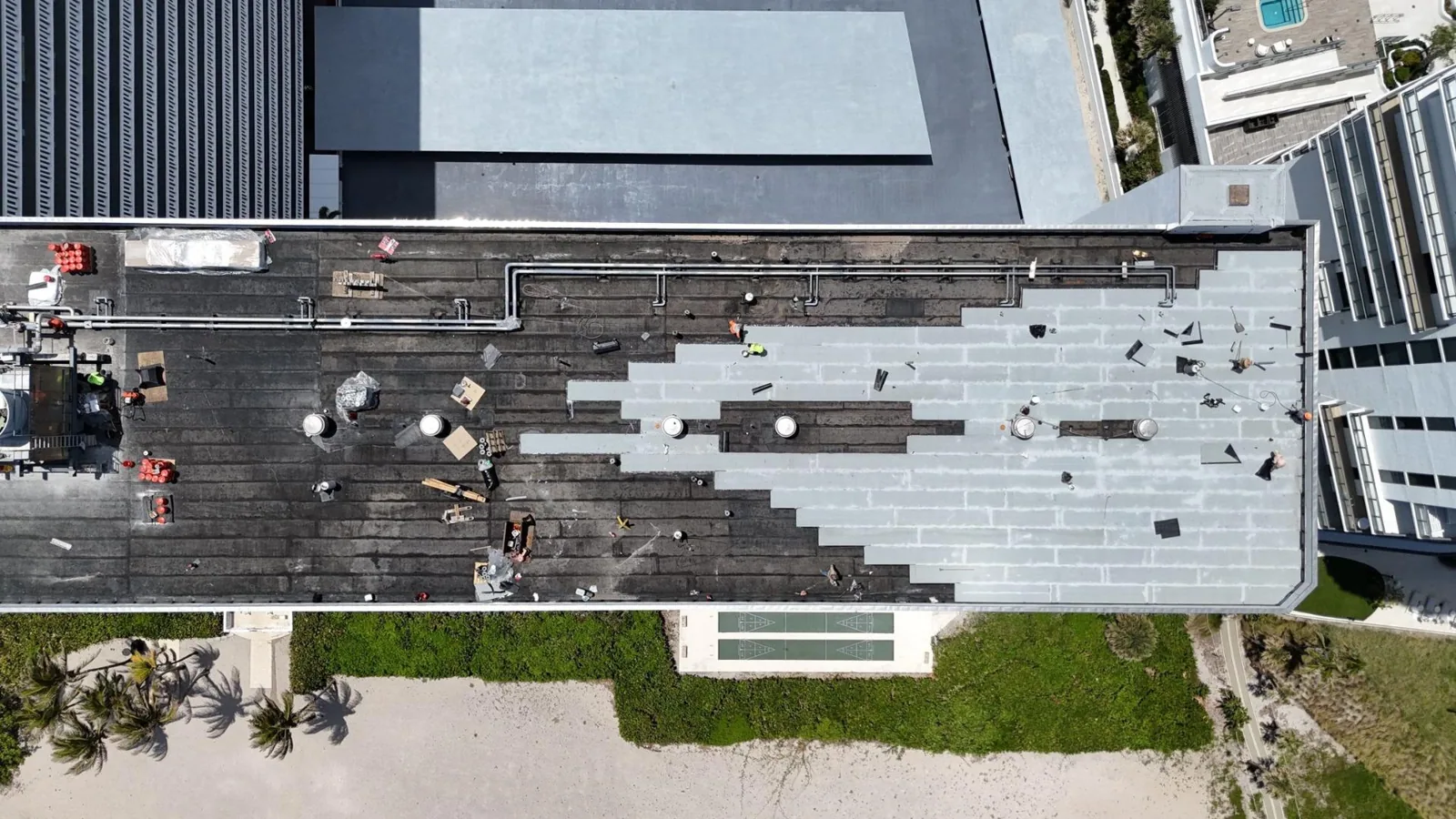
Before imaging, we review the roof layout and identify drains, curbs, penetrations, repairs and areas that have reported leaks. The survey is most useful when the surface and weather conditions support clear comparison. If the roof has multiple membrane types or a coating, those differences are recorded because materials can respond differently. A drone overview may help map a large roof, but it does not replace the infrared interpretation or close-up roof walk.
We select test-cut points based on image patterns and field observations. A cut reveals the assembly and moisture at that exact sample location. It does not establish conditions across every roof zone. We photograph and mark each opening, then repair it with compatible material. If access or weather prevents a reliable scan, we explain the limitation and use another method where possible.
Confirm the layers before setting the repair boundary
A test cut helps answer whether insulation is wet and what layers are present at a selected point. We remove a small sample carefully, note membrane, cover board, insulation and deck condition, and document moisture or deterioration observed. We then close the opening with a compatible repair. The owner receives the sample location, photos and limits of what that sample can tell us.
When a survey identifies several areas, we do not assume all patterns have the same cause. One may reflect equipment shade, another a material transition and another concealed moisture. We compare locations with leak reports, drainage and visible details. A hands-on roof inspection checks the seams and flashings around those marks. The combined findings support a targeted repair, moisture removal or broader roof evaluation.
If wet insulation is confirmed, it must be addressed before a new system covers it. The scope shows whether removal is local or extends into adjacent roof zones. A repair proposal can treat an isolated area; a replacement review may be more practical where moisture and attachment issues are widespread.
Account for heat, shade and recent weather
Timing matters because infrared imaging compares surface temperatures. Recent rainfall, clouds, wind, shade and equipment can change the pattern. We ask about the weather and inspect roof materials before interpreting a contrast. If the conditions will not support a useful comparison, we state the limit and arrange another method or time.
Round Rock’s summers are hot. Austin Camp Mabry is a nearby climate station used for regional norms, not a roof-level sensor in Round Rock. We consider current temperature and the time of scan because surface heating can influence the pattern. Different roof colors and assemblies also respond differently, so image contrast is interpreted with the construction in view.
The 2022 severe-weather outbreak included hail reports and a tornado through Round Rock. That record may motivate an inspection, but it does not prove trapped moisture. We look for roof evidence and use imaging to select test points. Round Rock’s permit office enforces the city’s adopted building and energy codes; infrared results can inform physical assessment but do not establish code approval.
Turn survey results into owner decisions
The deliverable maps observed patterns and test locations, describes the roof layers confirmed by cuts, and identifies areas that remain uncertain. We do not turn an infrared color into a repair quantity without confirmation. A roof condition report can gather images, test results and recommended next checks. For capital budgeting, a capital planning review can distinguish urgent wet areas from sections that remain serviceable.
Cost and schedule depend on roof access, number of survey zones, test cuts, repair of sample openings, material types and the amount of follow-up needed. If the property is occupied, we confirm where equipment can be staged and which areas require escort. Facilities such as the Switch campus, Baylor Scott & White or Round Rock Premium Outlets each have separate access requirements; the contact must confirm the current route.
After moisture is removed or repaired, later checks can compare the same marks with the earlier record. A maintenance check can review drains and repaired transitions. We keep the map tied to the roof inspected, not to a nearby property with a similar roof profile.
Record both the finding and its limits
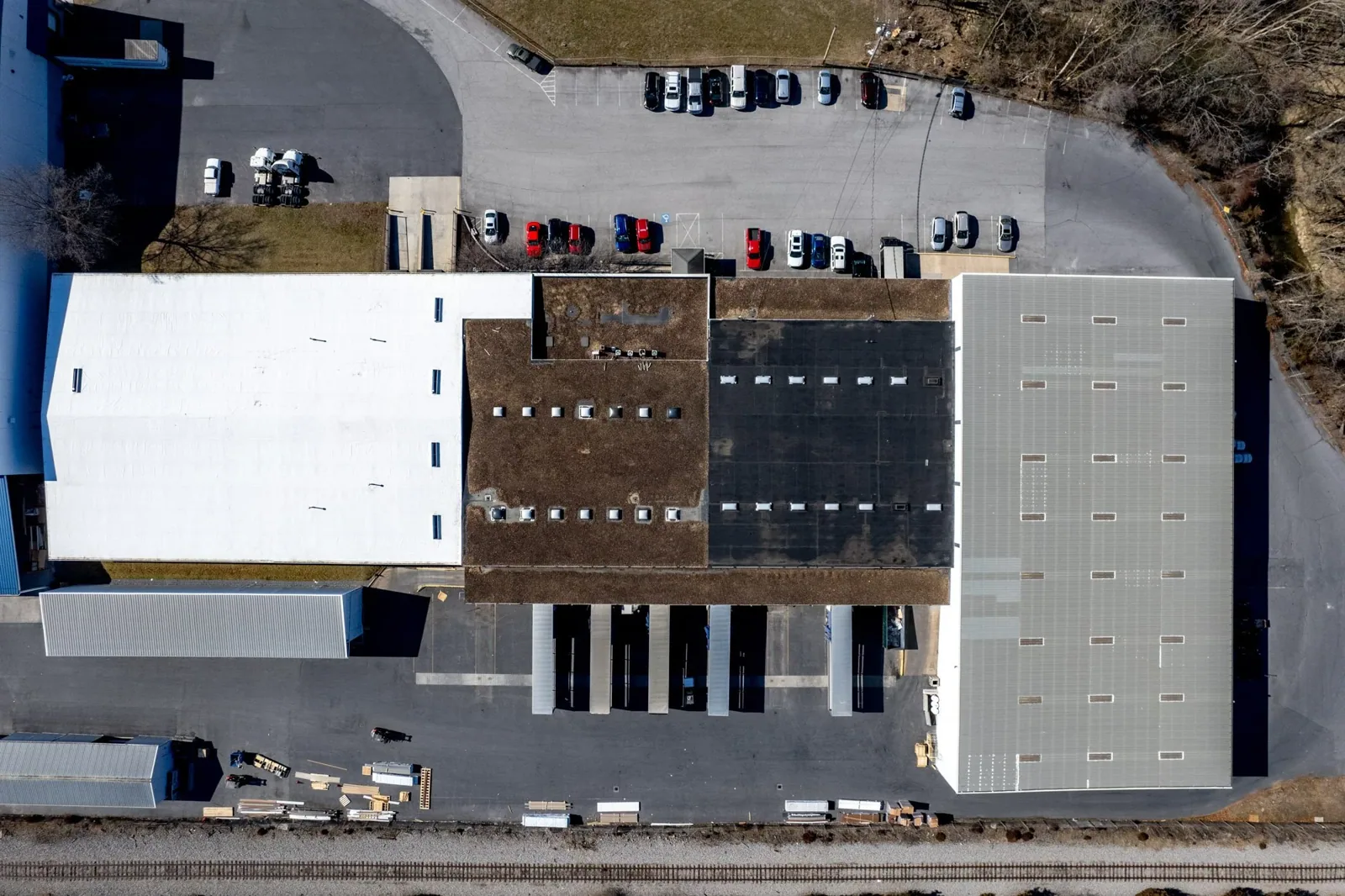
Each survey image and test cut is tied to a roof zone, date and observation. The report distinguishes a suspected pattern from confirmed wet material and identifies areas not scanned or sampled. That matters when repair decisions rely on the difference between a small localized issue and moisture across a wider assembly.
To plan a survey, share the property address, leak locations, roof plan if available, recent rain or storm timing, roof access and any operating restrictions. We will confirm whether infrared conditions are suitable, explain where samples may be useful and return a record that supports the next decision. At a commercial building in Cedar Park or the Chisholm Trail Road and Old Settlers Boulevard corridor area, findings remain specific to the inspected assembly.
Infrared interpretation depends on a stable temperature difference and a roof surface that can be read clearly. We note recent rain, shade, rooftop exhaust, ballast, and equipment heat because each can alter the image. The scan is a screening map, not a moisture verdict. A small set of marked test cuts can confirm whether the insulation is wet at selected points. If those checks disagree with the image, we expand the sample before assigning a repair quantity. That keeps a thermal pattern from becoming an unsupported removal scope.
Questions About Infrared Roof Moisture Survey
Does an infrared image prove an area is wet?
No. Temperature patterns identify locations that may need confirmation. Shade, recent rain, surface material and equipment can affect the image. We interpret those conditions and use a test cut when direct confirmation is needed.
What does a test cut tell me?
It shows the layers and moisture at the sample point. It cannot speak for the full roof. We choose locations from the image and roof observations, photograph the sample and close the opening with compatible material.
Can the survey be done after rain?
Recent rain can change surface temperature and interfere with comparison. We review the conditions and may reschedule if the pattern would be unreliable. The report states weather context and any limits on interpretation.
How many test cuts will the roof need?
The number depends on roof size, material changes, image patterns and the decision the owner needs to make. We identify useful sample locations rather than assuming one cut describes every roof zone.
Will the survey include repair recommendations?
It can identify areas that need repair, removal or further testing. The recommendation is tied to confirmed layers and moisture, with uncertain areas called out. A repair scope follows once the work boundary is clear.
Related Roofing Work
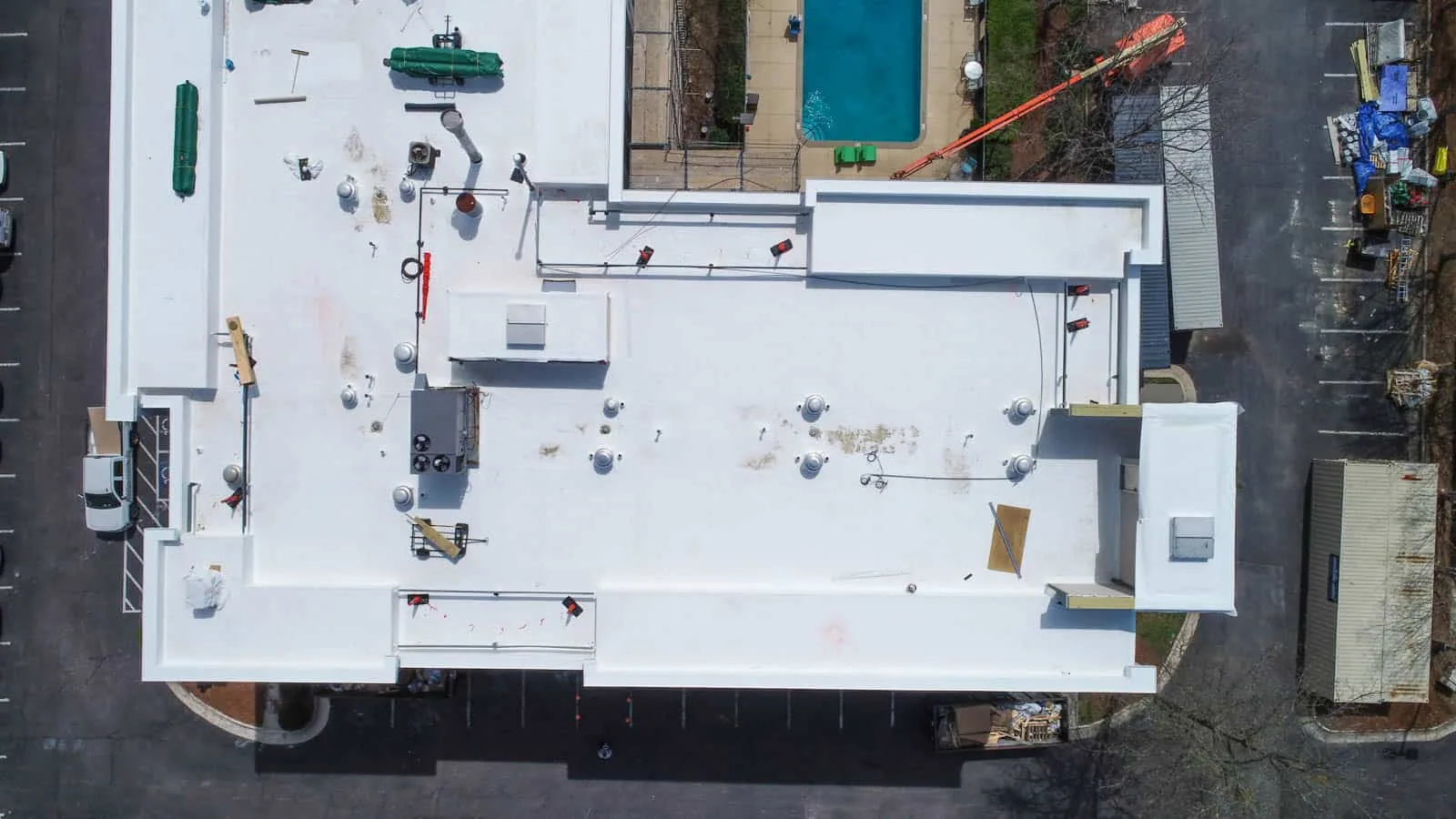
Drone Roof Inspection
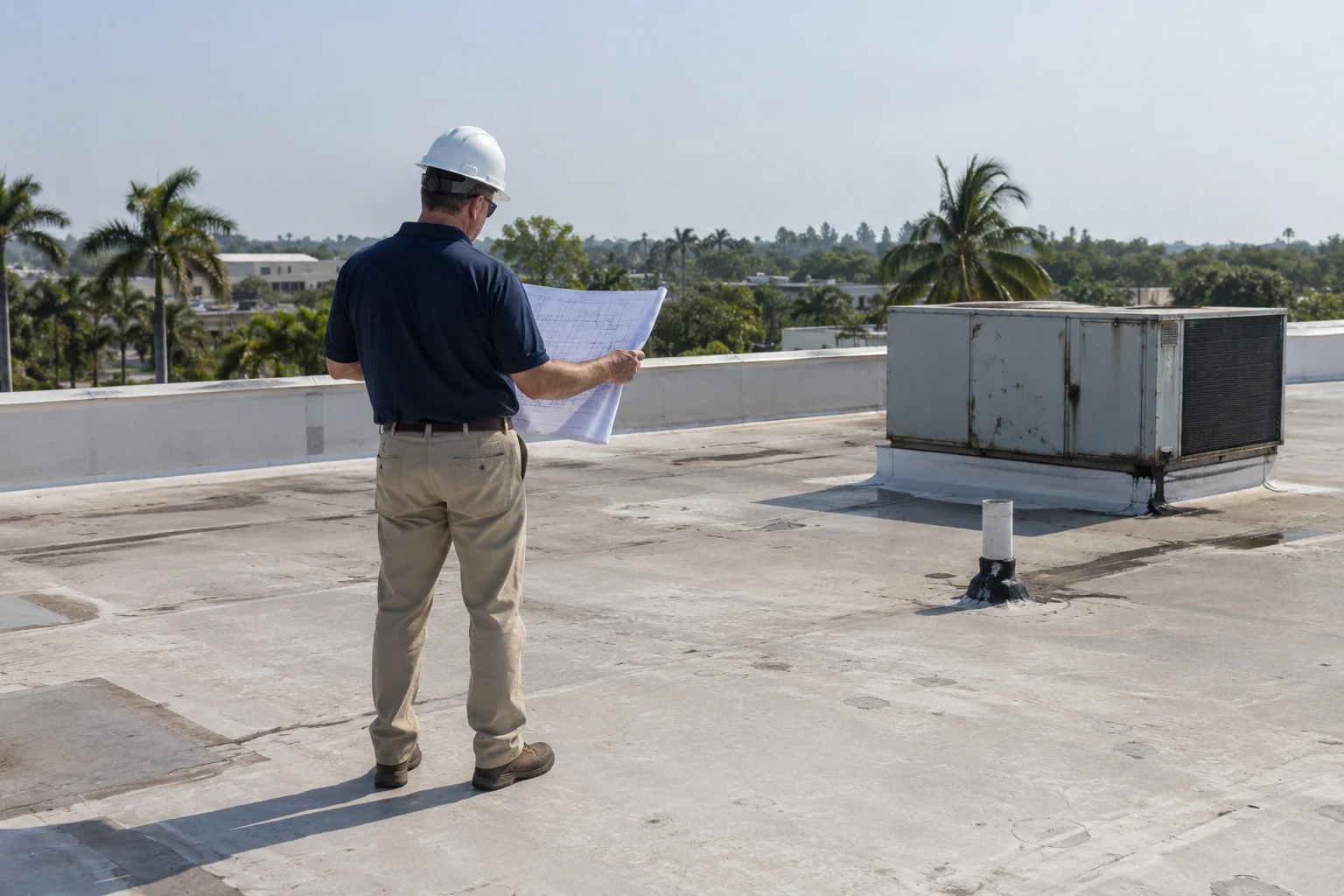
Commercial Roof Inspection
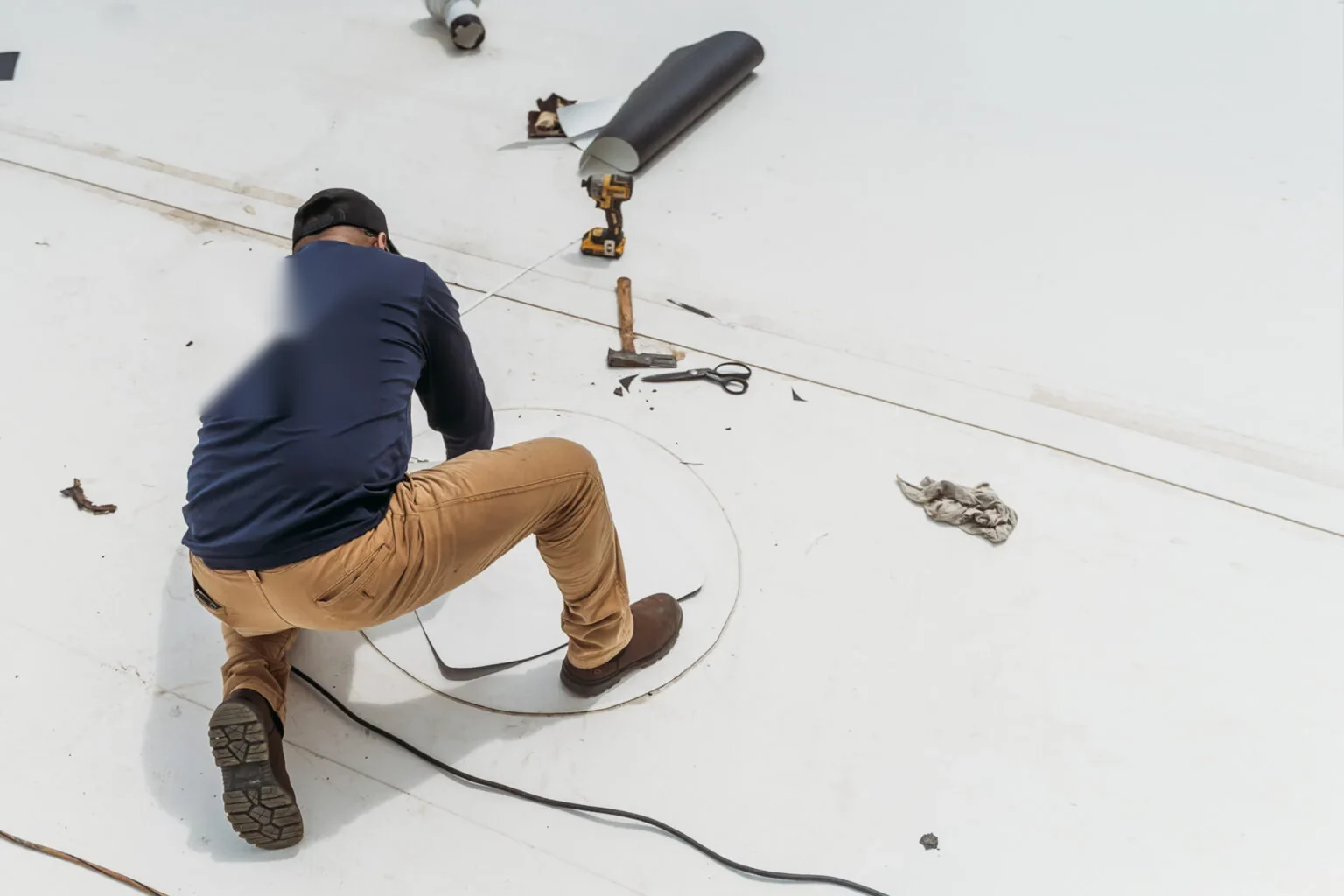
Commercial Roof Repair
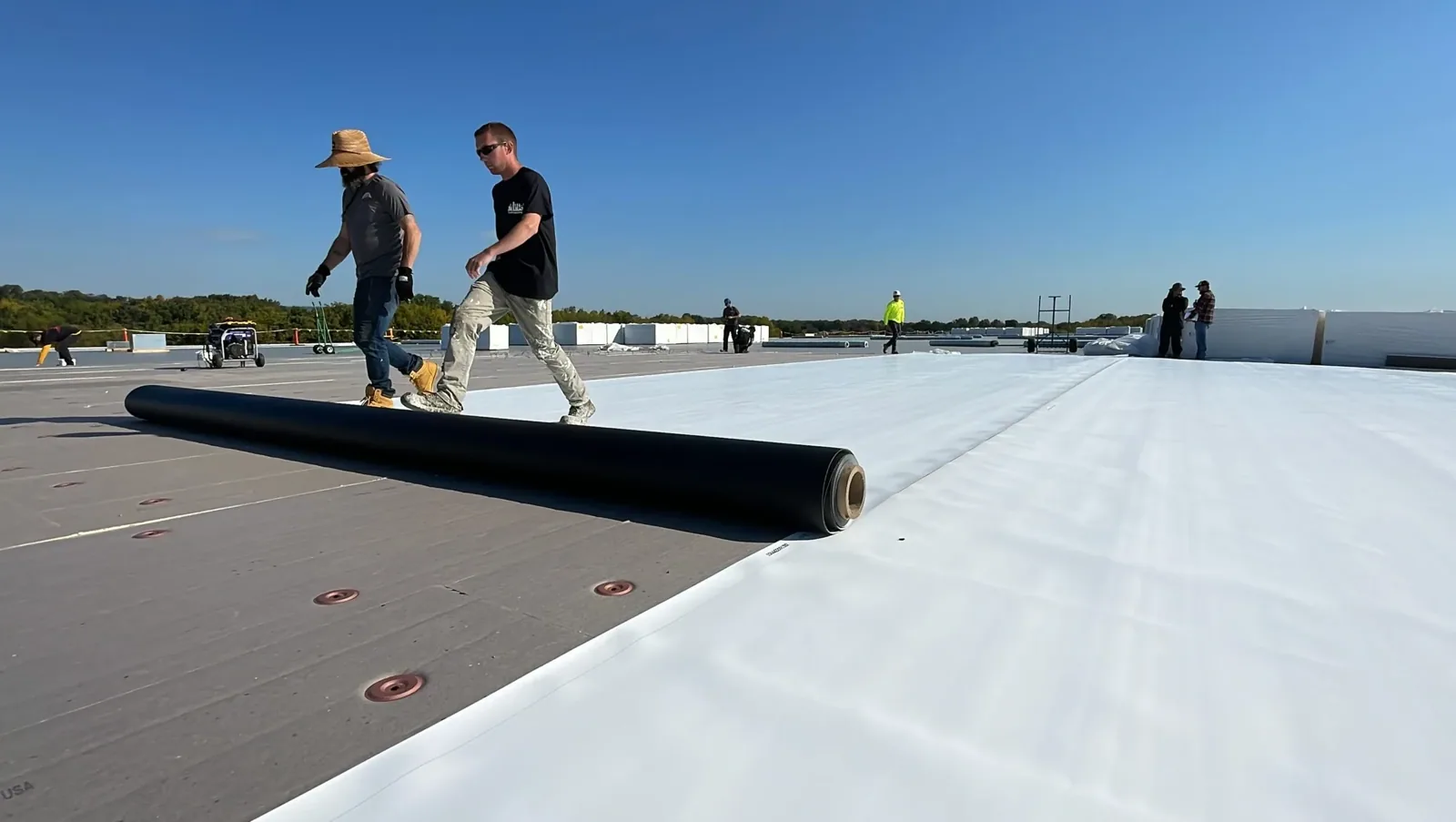
Commercial Roof Replacement
Commercial Roof Condition Reports