Plan the Next Roof Visit in Taylor
A roof leak in Taylor can interrupt a shop, a warehouse, or a public-facing business long before it becomes a large repair. Taylor offers city programs for commercial, industrial, and manufacturing business development. Planning materials describe the city’s historical growth around US 79, SH 95, and rail access. Those transportation corridors shape when crews can arrive and where deliveries may stage; they do not establish a roof’s condition. We map the roof zone first, then choose a repair that fits the assembly and the owner’s operating schedule.
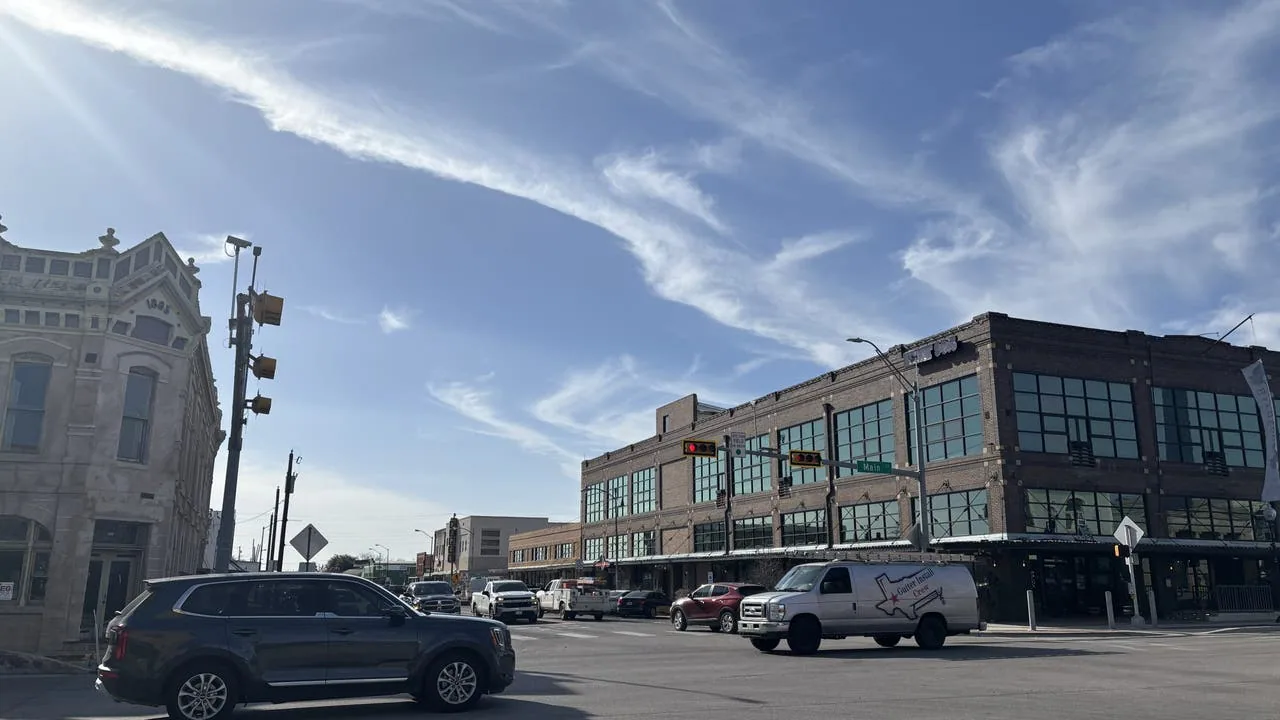
Commercial work in Taylor includes the Taylor Industrial District and the planned Special Employment District North, as well as properties throughout the city. We keep every repair record tied to the inspected building, even when an owner manages more than one site.
Tell us where water appeared, how the building operates, and which roof records are available. Call 555-555-5555 or request a roof assessment.
Use the stain to choose a roof zone
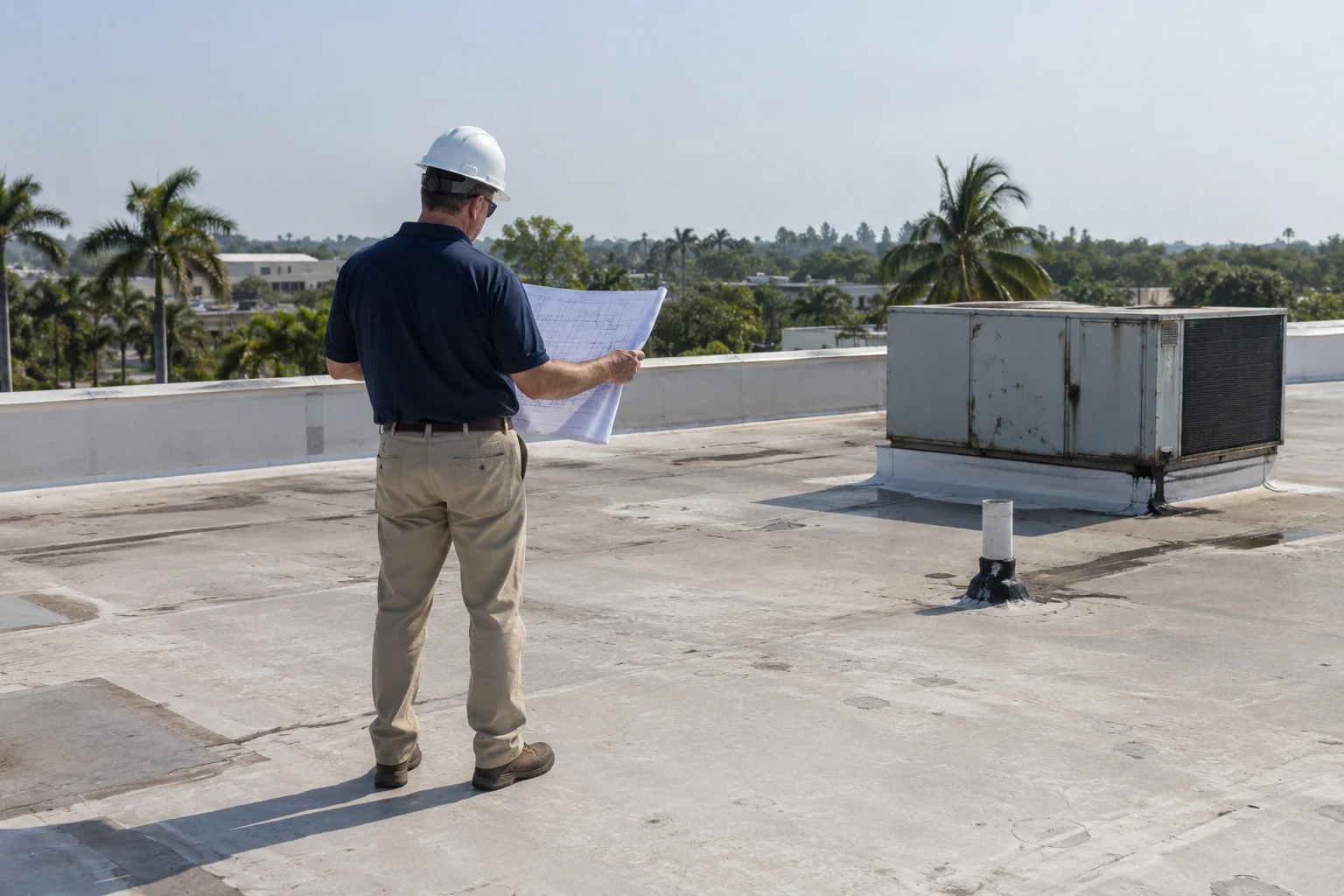
An interior stain is a useful clue, but water can travel before it drops through a ceiling. We start with the room, its framing direction, and any equipment or penetrations above. On the roof, the walk checks nearby seams, drain bowls, curb flashings, walls, and previous patches. If the stain is offset, we follow the likely water path rather than cutting directly above it. A marked zone lets the owner compare photos with the interior report. An owner can begin with a roof inspection that connects interior reports to roof zones.
Inspection notes should distinguish evidence from assumptions. We state which surfaces were reached, whether the membrane was wet, and whether a seam or penetration showed a visible opening. If the source remains unclear, we identify the next test or access step. That may include a moisture scan or limited test cut, with its scope and sample point recorded. The result should guide a repair decision, not turn one small sample into a claim about every roof section.
Review the full detail at each transition
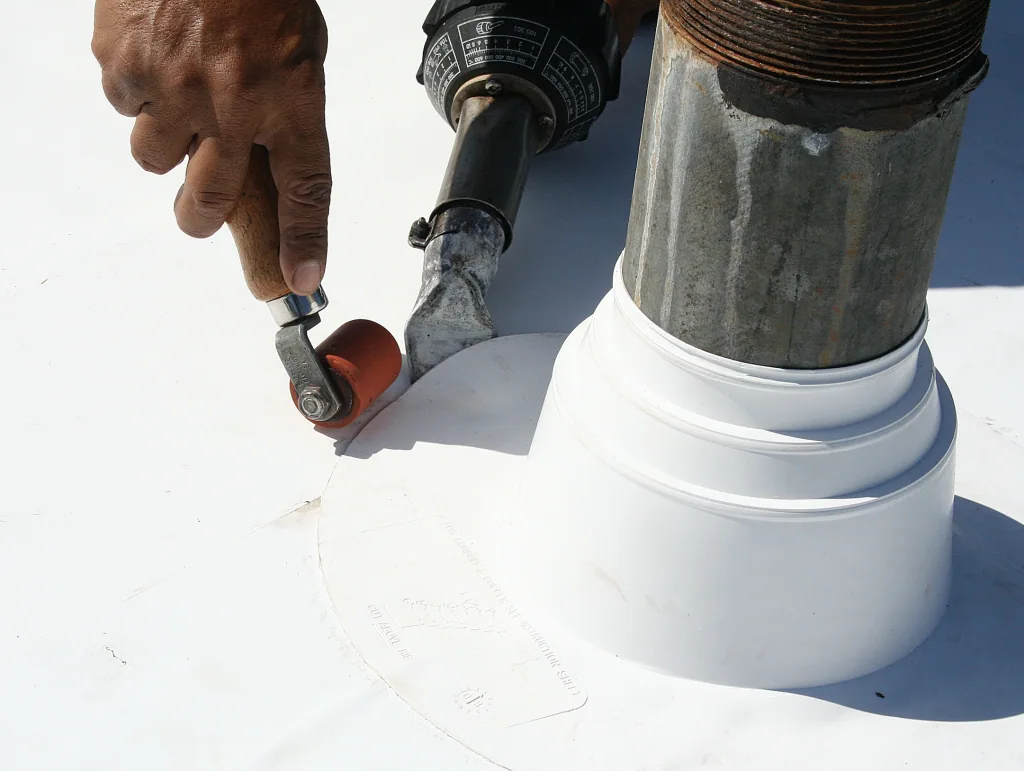
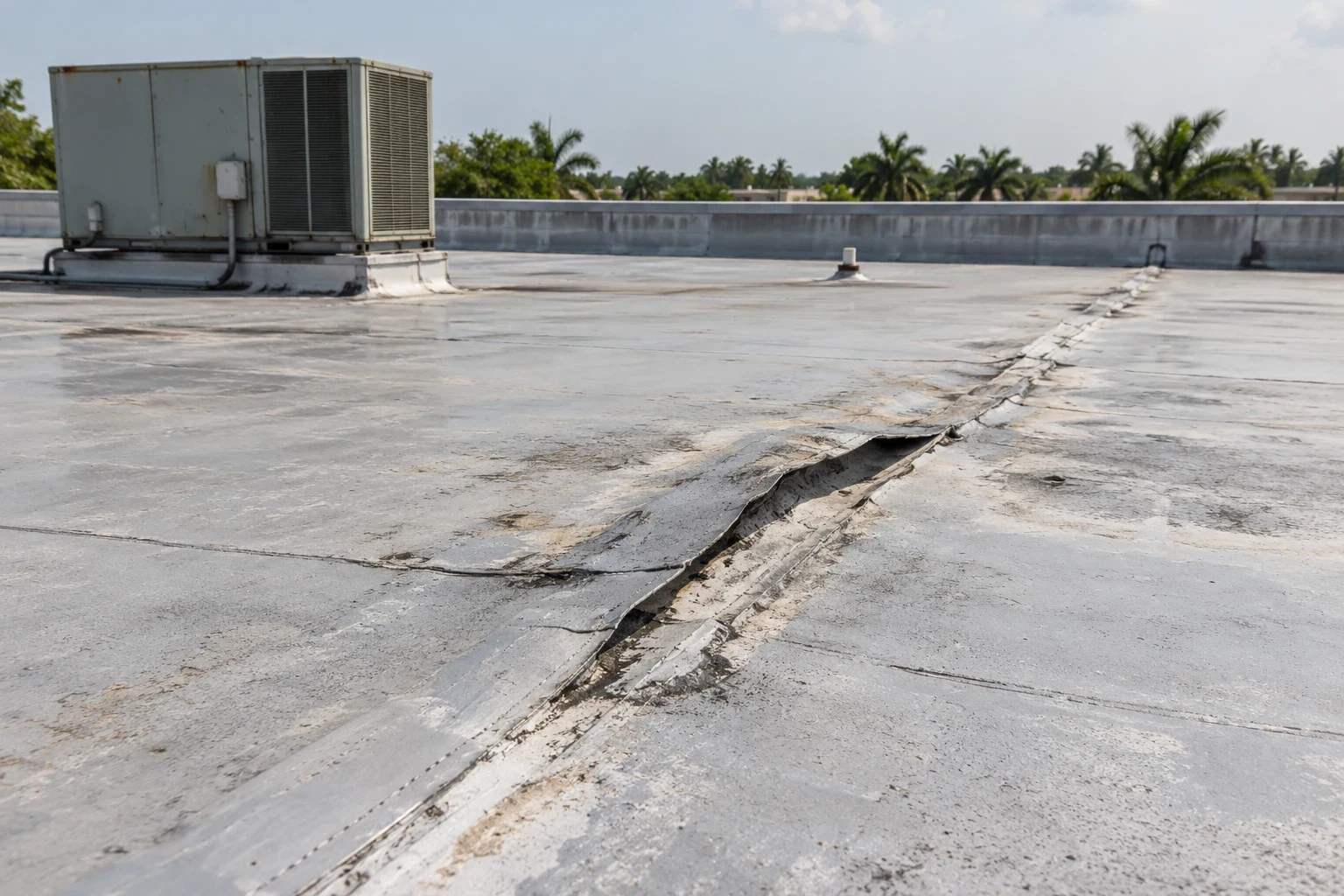
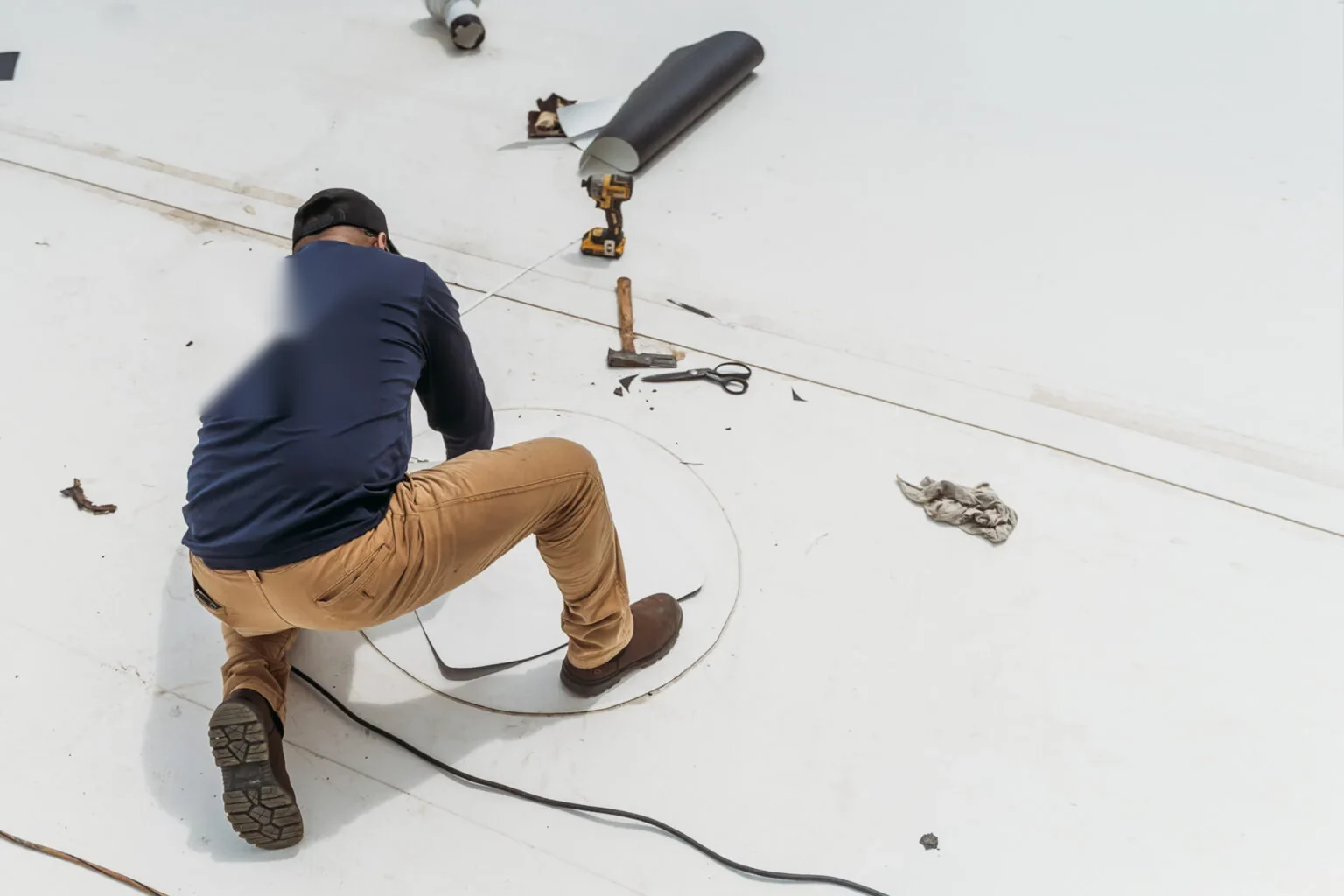
Water often enters where one material meets another: a membrane at a curb, flashing at a wall, metal at an edge, or sealant around a pipe. We check whether the flashing rises high enough, the termination remains secure, and the field membrane ties in without an open lap. At rooftop units, vibration and repeated maintenance can stress supports. At the perimeter, wind can lift loose metal or expose fasteners. Where the evidence is localized, a commercial repair can address the failed seam or flashing.
The repair must restore the transition, not merely cover the visible opening. We identify the existing roof system, substrate condition, and materials before selecting a patch. If the membrane is brittle or several repairs overlap, a small tie-in may not hold. A scope can include removal to sound material, substrate replacement where needed, new flashing, and a defined test or observation. The owner should know which adjacent mechanical work is excluded and who is responsible for resetting equipment.
Schedule around daily operations
A commercial building may have deliveries, customer hours, production shifts, or security rules that affect the roof sequence. The owner provides a contact, a safe access path, any escort requirement, and the hours that can tolerate noise or lifting. We can then position ladders, lifts, and materials without crossing active loading or public entrances. Before work begins, identify the space below each planned roof opening. After hail, a storm inspection can document which details were affected.
Daily close-in is the boundary that keeps the building protected. The crew opens only the amount it can complete within the approved window, keeps insulation dry, and finishes perimeter transitions before leaving. If tear-off exposes wet material or deck deterioration, we photograph and measure it, protect the opening, and request approval before expanding. A short daily record tells the facility what is watertight, what remains, and how weather could change tomorrow’s sequence.
Check drainage and roof movement
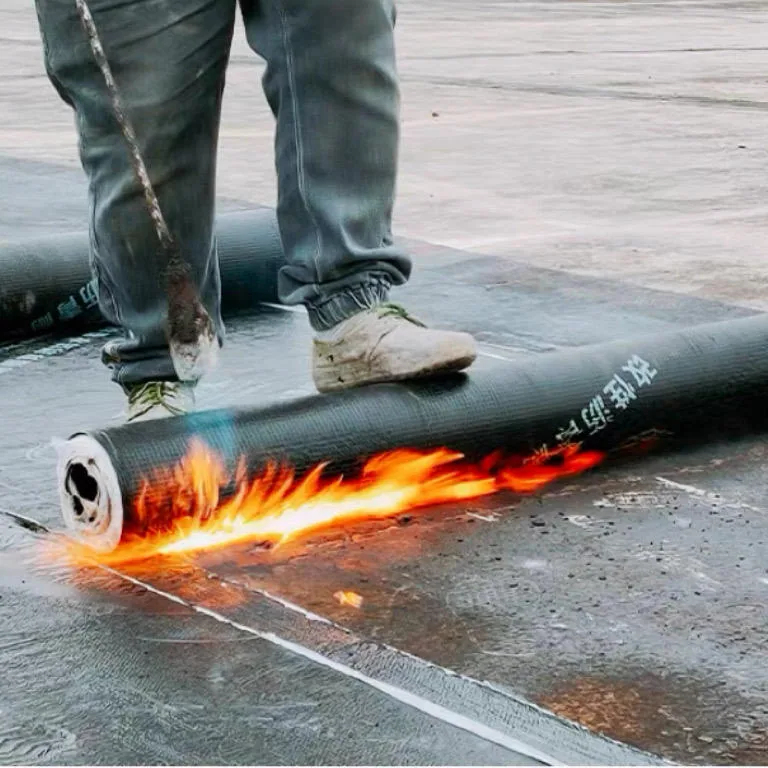
Standing water can point to a blocked outlet, a low spot, insulation compression, or a deck that has moved. We check the drain bowl and strainer, but also the slope feeding them. Scuppers, overflow drains, and roof edges deserve attention because water needs a safe route if the primary outlet slows. We note ponding depth and extent, then compare the condition after drainage or rain when possible. Before renewal, compare the condition with a modified-bitumen roof system if compatible with the existing assembly.
Clearing a drain is maintenance; correcting slope or a depressed deck is a different scope. A coating may bridge a surface but will not correct the underlying geometry. The owner may need a roofer, plumber, or structural professional depending on what the inspection reveals. We identify the trade boundary rather than offering a surface treatment for every drainage issue. A documented drainage repair includes the outlet, the water path, and the next check after weather.
Choose between repair and replacement
For one puncture, a targeted repair can be sensible if the surrounding material is dry, well attached, and compatible. When defects repeat across a roof, the assessment should map their pattern and test whether insulation or attachment has failed more broadly. A report that lists locations and quantities is easier to price than a narrative saying the roof is generally worn. Each estimate should keep immediate leak response separate from long-term renewal. A phased replacement project should identify close-in limits for every shift.
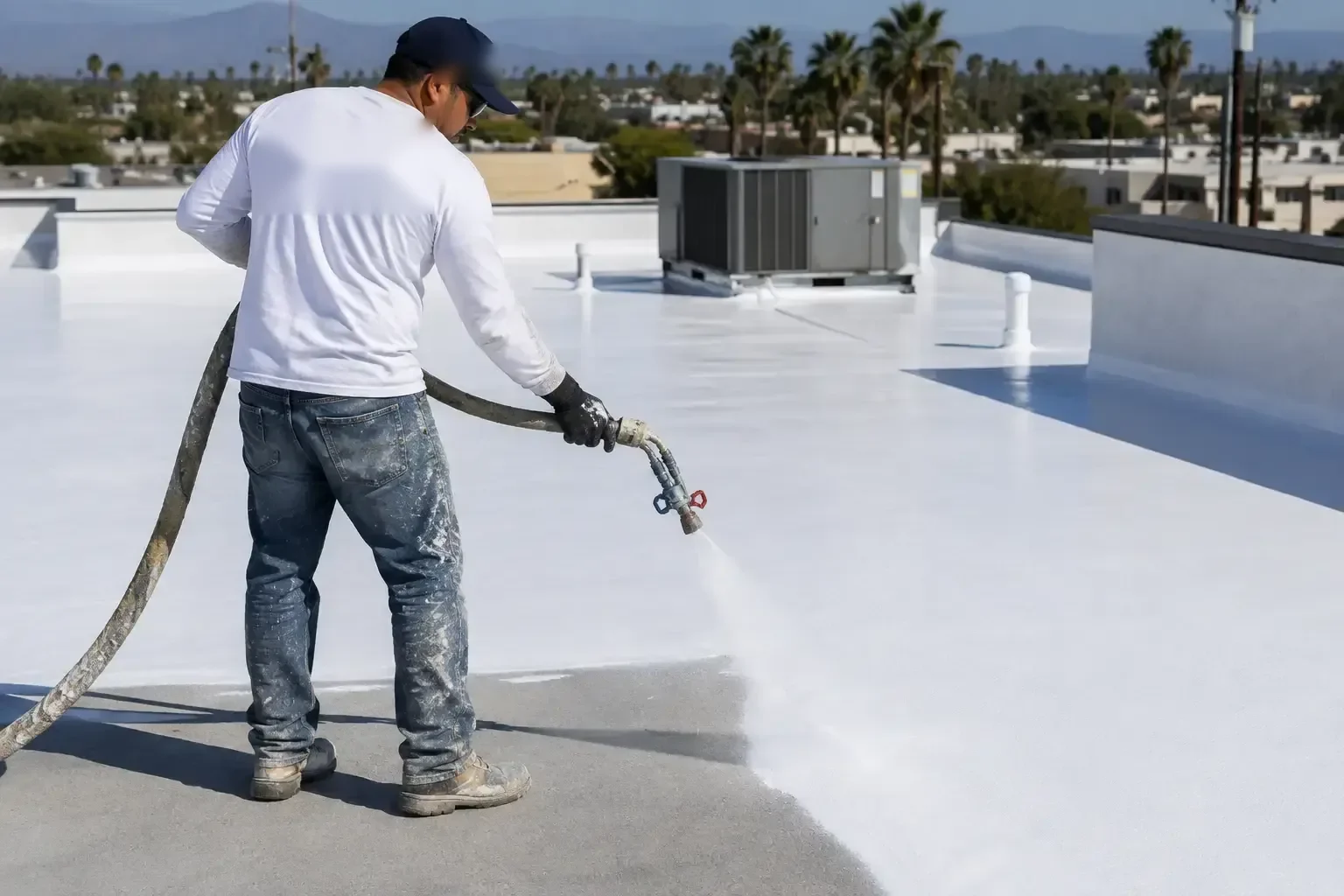
Coating and recover options depend on adhesion, moisture, drainage, assembly compatibility, and manufacturer requirements. Replacement may be preferable when the existing roof cannot support a reliable repair strategy. We describe tear-off, substrate allowance, equipment handling, edge work, and daily close-in so an owner can compare proposals fairly. The schedule should allow for weather and include how the building will remain protected between shifts. A chosen system should match operating conditions and documented roof findings, not a label or trend.
Make the next roof walk easier
Good records preserve the location of a repair and the reason it was made. We use a roof plan to mark zones, drains, penetrations, and test points, then pair photographs with those marks. The report records materials, access limits, weather at inspection, and any unresolved route from interior stain to roof defect. Keep it beside warranty documents and records of equipment work or tenant improvements. An ongoing maintenance program can prioritize repeat leaks and exposed transitions. Keep the last inspection date beside each repair so the facilities lead can see which observations are new, which were corrected, and which need another review after rainfall.
Maintenance priorities can shift with the roof’s age, traffic, repeated service calls, and storm exposure. After severe weather, inspect edges, corners, penetrations, and earlier repairs before assuming damage is uniform. For a newer roof, establish a baseline and record future changes. For an older one, separate immediate water control from planned capital work. Send the leak location, roof plan, access contact, and prior service notes so the first visit can focus on the right zone.
Questions About Taylor
What makes a roof repair estimate dependable?
It defines the assembly, measured work area, substrate assumptions, flashing details, access plan, and close-in sequence.
Can you separate emergency work from planned renewal?
Yes. Temporary water control, permanent repair, and capital replacement can be listed as distinct scopes.
What if equipment blocks part of the inspection?
The report marks that area as inaccessible and identifies an escort, shutdown, or equipment move needed for another look.
How do you handle an occupied building reroof?
The plan sets daily openings, occupant notices, interior protection, staging, and weather-tight limits before tear-off begins.
When should we schedule the next roof walk?
Use the roof’s condition, recurring service calls, equipment work, and storm exposure to set the review interval.
Related Roofing Work
Taylor Industrial and Downtown Commercial District
Taylor's Special Employment District North
Commercial Roof Inspection
Commercial Roof Repair
Hail Damage Roof Repair