
Organize the Roof Evidence
For claim review, we assemble dated roof observations and connect them to the property and affected roof zone. We document the reported event date, interior location, roof zone, visible damage, and access limits. Round Rock's March 21, 2022 severe-weather event included hail reports and a tornado track through the city. That record may explain why a property owner requests inspection. It does not establish that a particular roof was damaged or that an insurer will cover a repair.
Our role is to inspect and describe the roof conditions within the agreed scope. We photograph observed details, note temporary protection, and prepare a repair boundary. The owner or claim representative uses those records with the policy and claim process. We do not promise an approval or coverage outcome.
Share the event date, claim contact, property address, affected interior location, roof access details, and active water status. We will document the observed condition and repair boundary. Call 555-555-5555 or request a roof assessment.
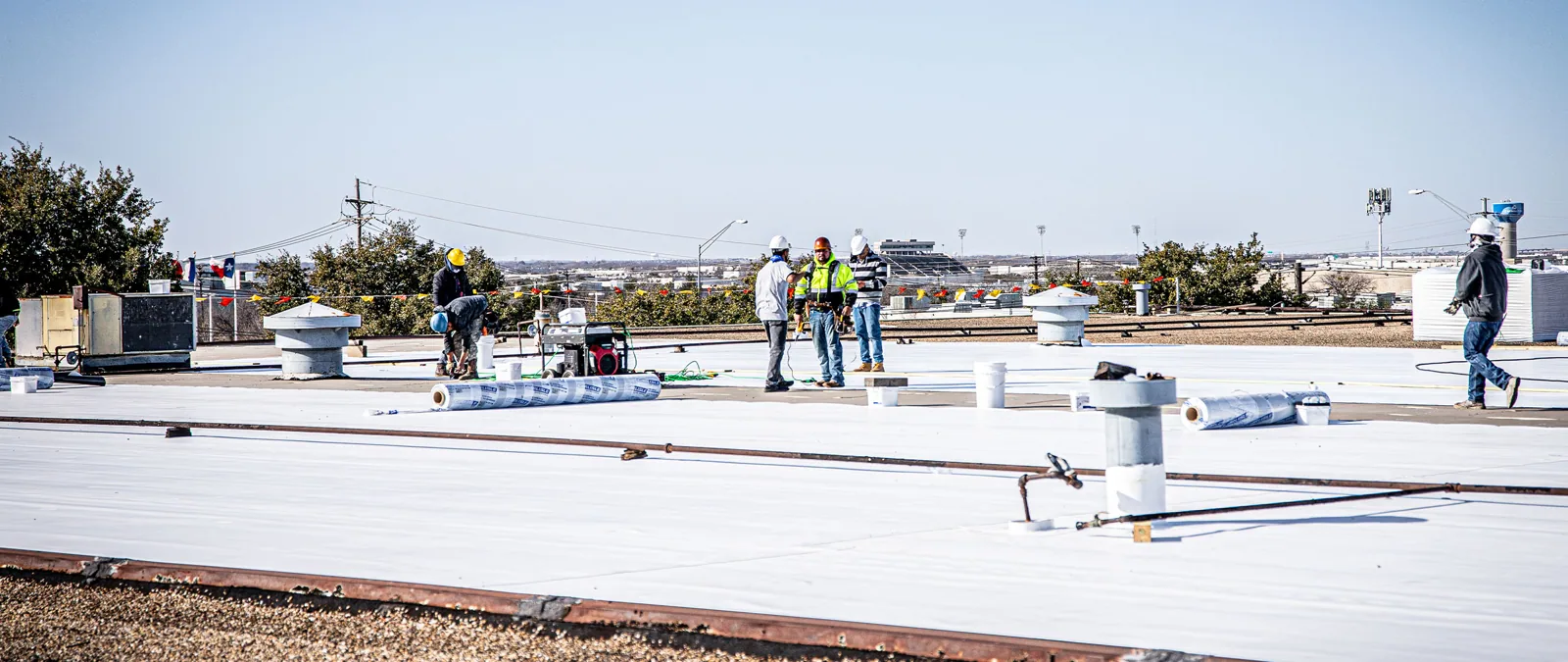
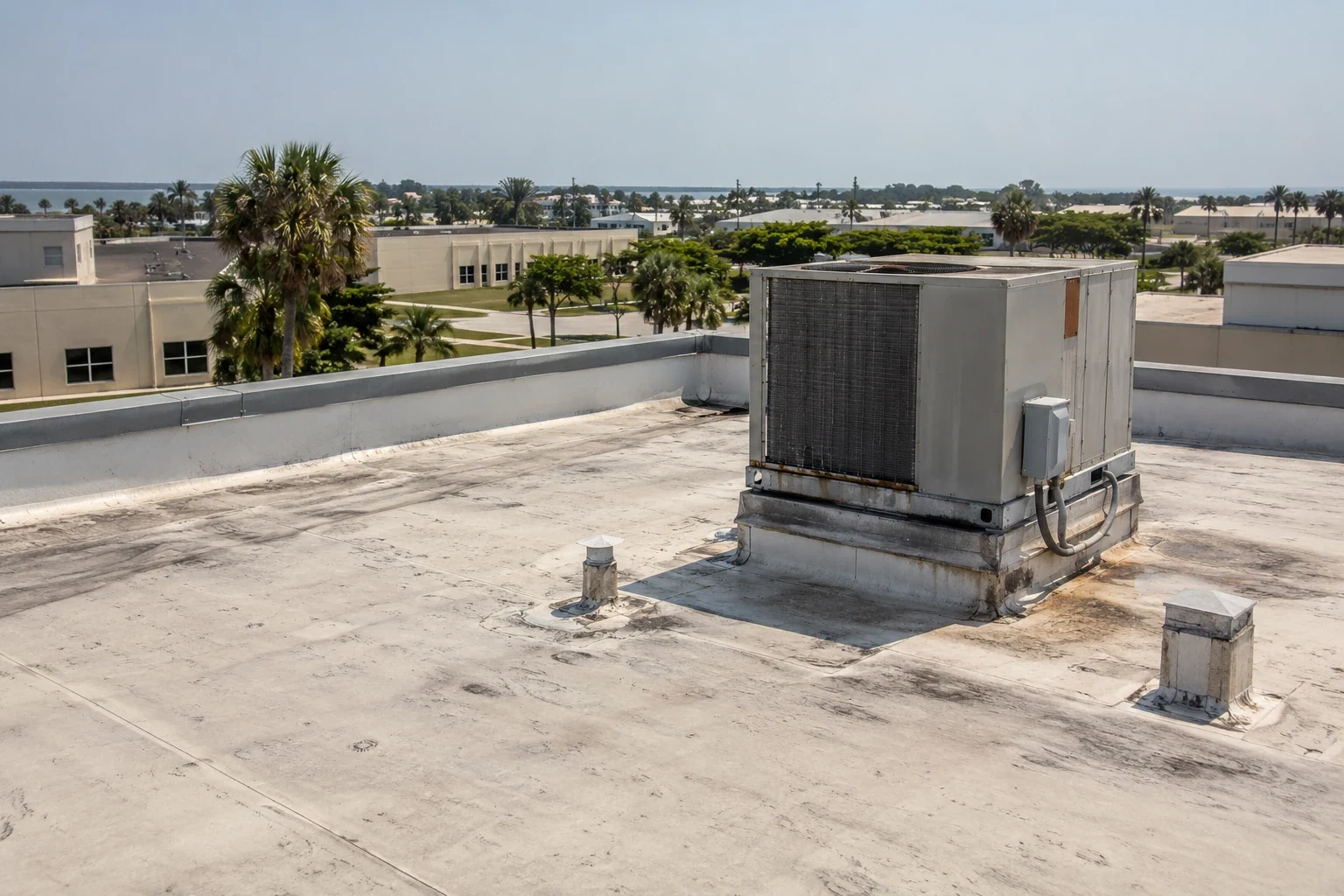
Build the Event Timeline
We begin with the event date, time if known, weather report, first interior symptom, and any temporary action already taken. The owner can provide maintenance records, prior work orders, roof plans, and earlier photographs. That history helps identify an old patch or recurring leak. We keep the reported condition separate from the roof findings until the walk shows whether they connect.
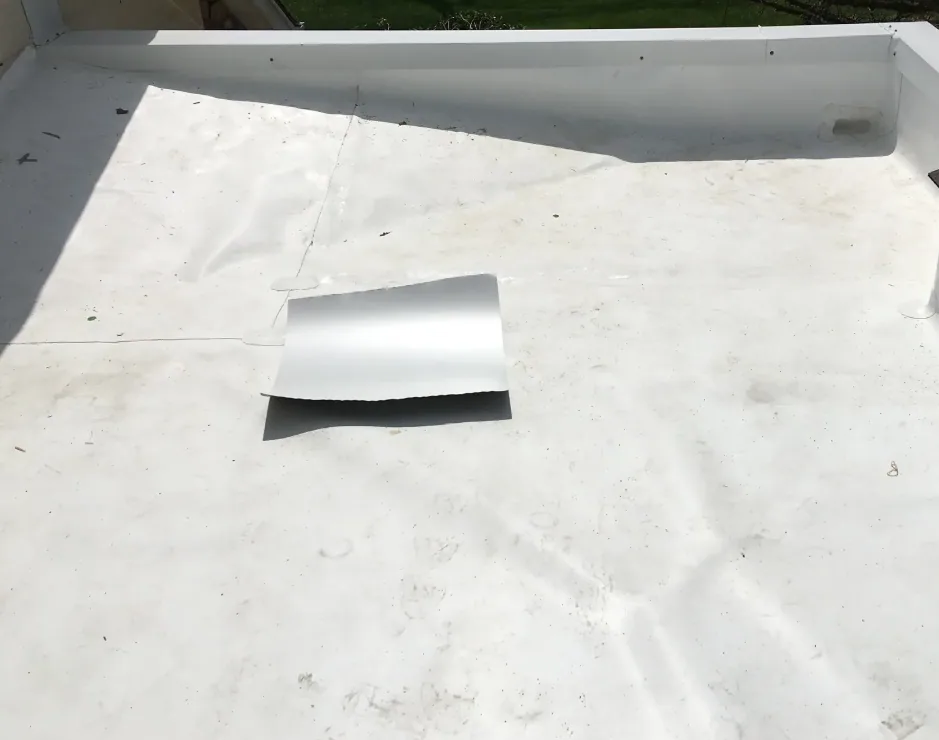
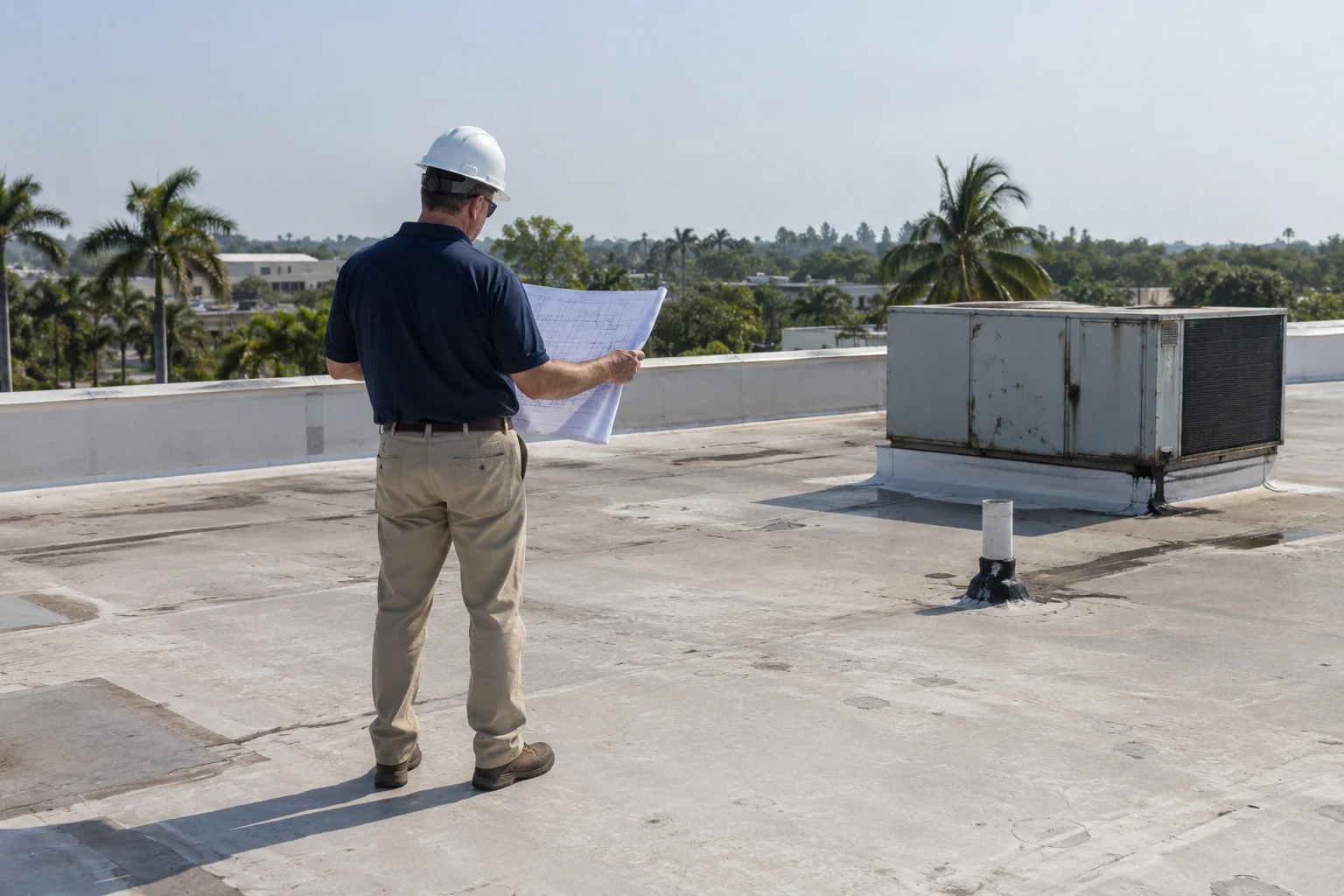
On the roof, we inspect seams, penetrations, curbs, wall flashings, drains, edge metal, and previous repairs. Each photo is tied to a roof zone and captioned with what it shows. A mark in metal may be cosmetic or functional; the record explains the visible condition and any additional test needed. If the assembly is concealed, an approved test cut may identify the layers at one location.
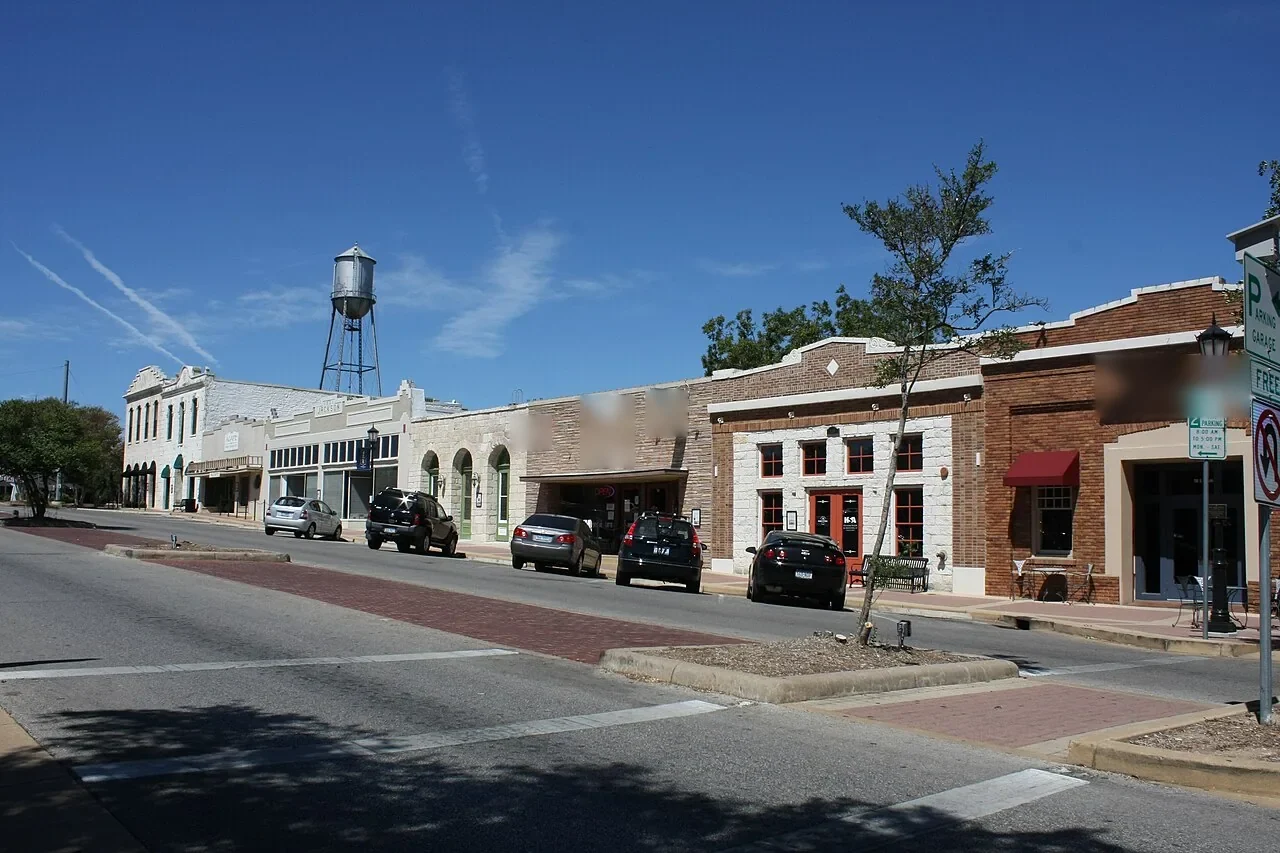
Round Rock Premium Outlets is an open-air retail center along the I-35 service road. A property there needs its own event record, access contact, and roof inspection. For businesses across Round Rock, each claim file should tie photographs and findings to the inspected address and roof zones.
Separate Damage from Prior Wear
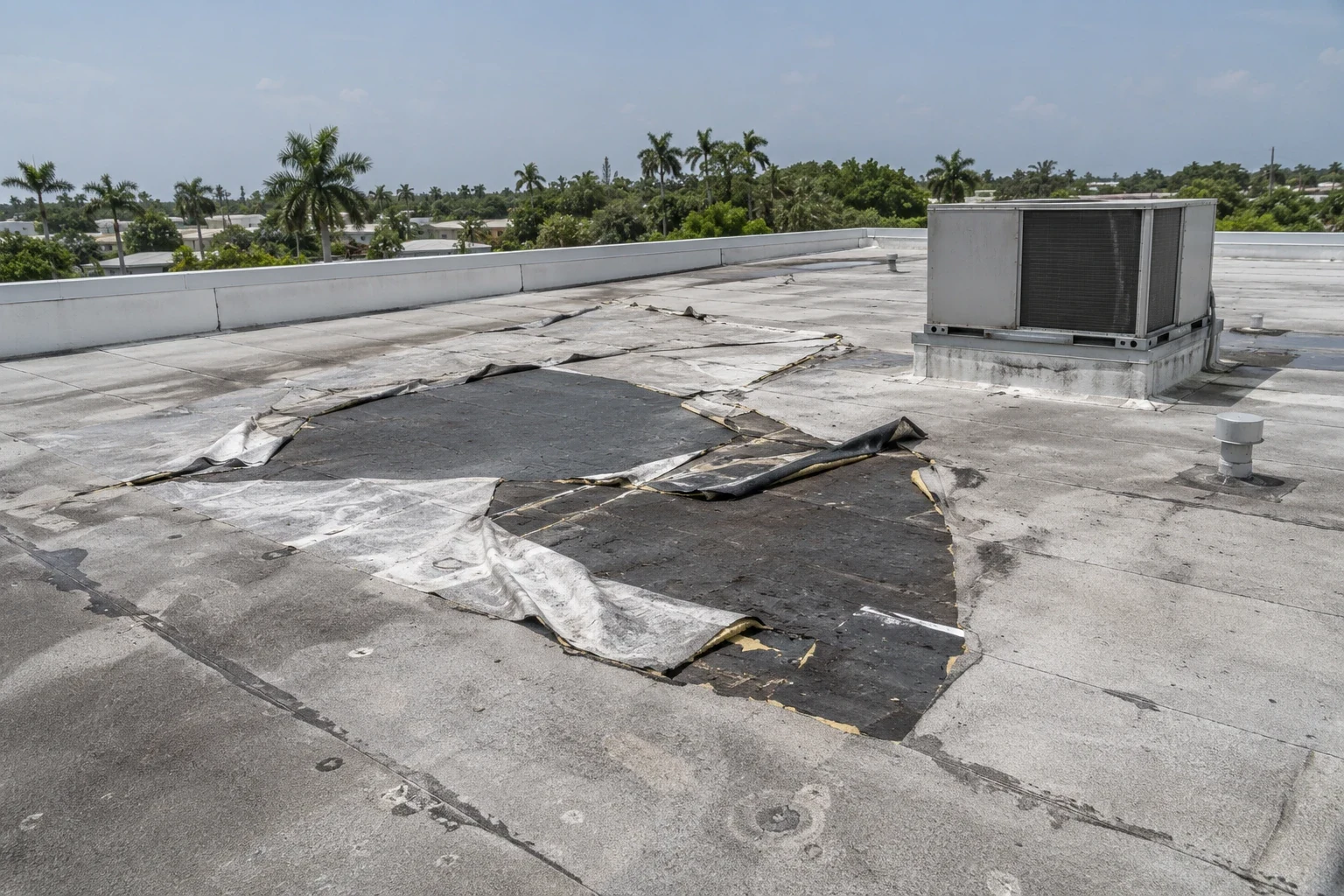
A claim scope should distinguish event-related change from wear documented before the event. We compare available photographs, repair dates, and field conditions. A lifted seam, puncture, displaced edge, or wet ceiling can point to different paths. Water may travel under a membrane before appearing indoors. We record the likely path, the evidence observed, and any area the crew could not reach. We can measure the repair area, identify the material removed, and attach photos that show the surrounding field. If a claim representative requests a second visit, we use the same roof-zone labels so both records refer to matching locations. Where access or weather limited the first visit, the limitation is stated with the conditions still needing review.
Hail or wind reports are useful context. NWS records for March 21, 2022 describe large hail across the area and a tornado through Round Rock. Those event reports do not establish hail size or wind damage at every property. A hail inspection and a storm damage assessment document the roof evidence by location.
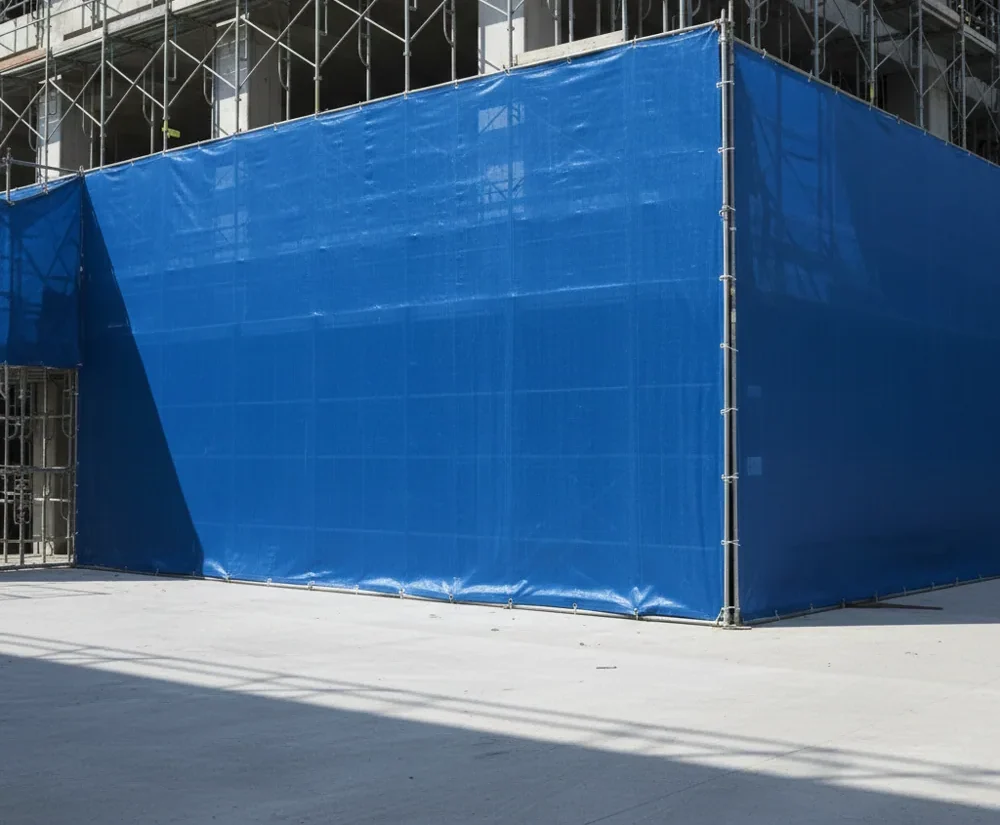
If water remains active, a temporary response can protect the opening before permanent work is scoped. We photograph the protection and identify the return plan. Temporary measures are not represented as completed repair. The closeout notes which roof zone remains open or under cover.
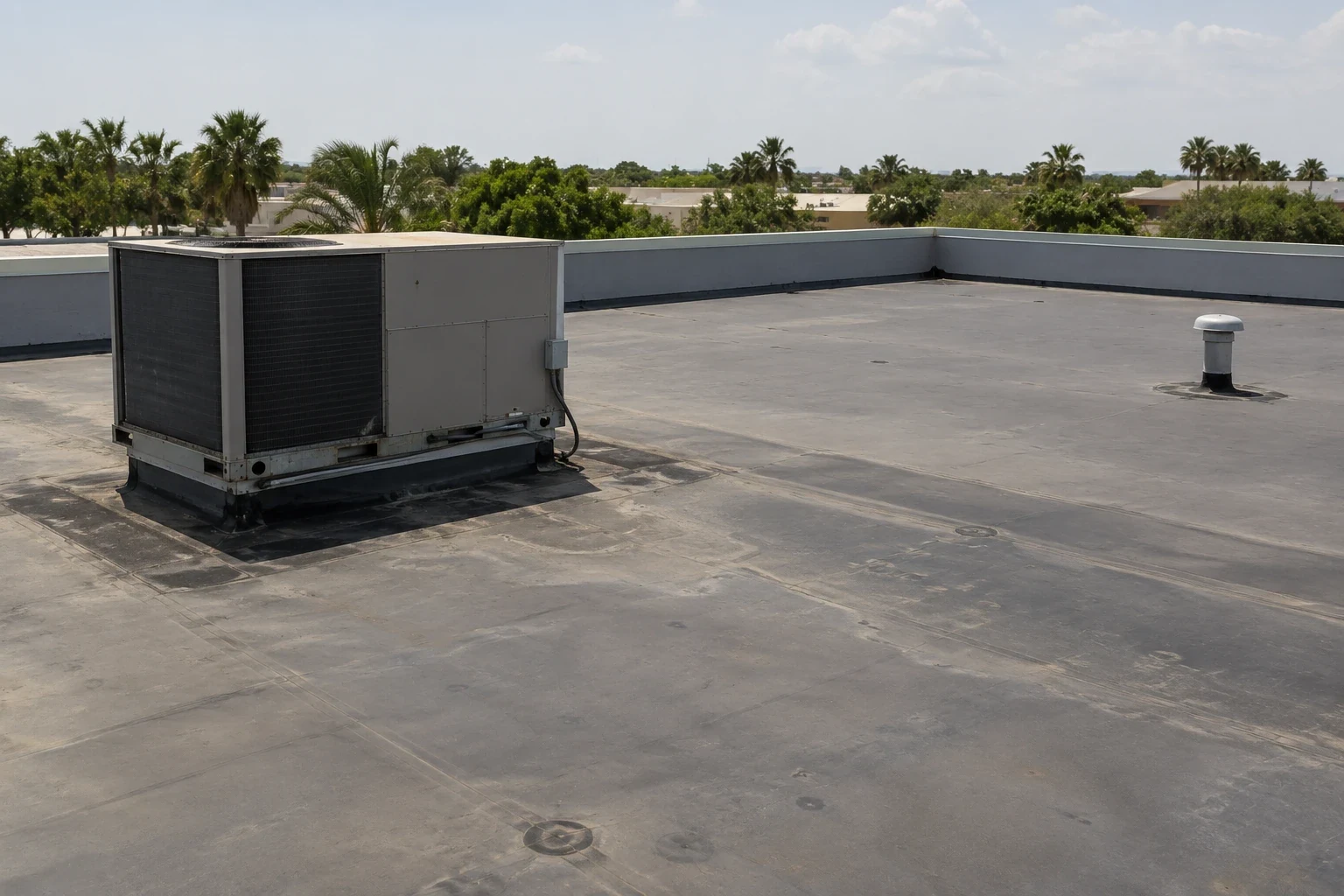
Describe the Repair Boundary
The estimate identifies the observed defect, material, preparation, repair extent, and work excluded. If a test cut finds wet insulation, we document the sample location and layers before expanding removal. A single test does not describe the entire roof. The owner receives the supporting photos and any unresolved condition so the claim file does not overstate what was confirmed.
Repair may be sufficient when damage is isolated and surrounding material is sound. Recover or replacement can be considered if moisture, deck issues, or repeated failures extend across zones. We state the basis for each option and the cost drivers, including access, tear-off, insulation, metal details, and equipment protection. Emergency stabilization, permanent repair, and optional broader work can be listed separately. A repair line names material and boundary. A replacement line identifies removal and substrate review. This lets the owner compare scopes without treating every alternative as work already performed. A roof inspection record can serve as the condition baseline.
For a larger asset decision, a condition report may organize findings and recommended next steps. It does not replace policy terms, claim review, or the owner's decision. The work scope remains focused on roofing conditions and the labor and materials needed to address them.
Ask the adjuster which documents are needed before a site visit. A dated roof plan and clear labels help connect field photographs with the reported damage locations. We can list the inspected zones and preserve original image files so the owner can share a consistent record with the carrier and any consultant.
Keep the Claim File Traceable
The final record includes the address, event date, reported room, roof zone, field photographs, observed damage, temporary protection, repair material, boundary, and follow-up. Any inaccessible area stays on the open list. If the repair changed after testing, the report explains which layer or condition changed the work. The claim representative can connect each cost item to its corresponding roof detail.
Round Rock's major employers and campuses include healthcare, data centers, technology headquarters, and distribution operations. The access and documentation needs differ by property. A medical center may set work hours around patient care; a logistics facility may control loading access. We confirm those limits with the owner and identify them in the service record.
Before the next visit, share the claim contact, approved work area, event file, and any new leak report. We can confirm completed repairs and photograph open items. The closeout identifies the next check and any condition that remains unresolved. It gives each party a dated record of what the crew saw and did.
A clear claim file links every roof observation to a location, date, and image. We distinguish what was visible before the event, what changed afterward, what was repaired for immediate protection, and what still needs testing. The estimate can separate temporary dry-in from permanent work, with quantities and material assumptions stated plainly. If the adjuster or consultant requests another inspection, use the same zone marks so everyone is discussing the same area. That record supports a scope review without promising a coverage decision that belongs to the carrier.
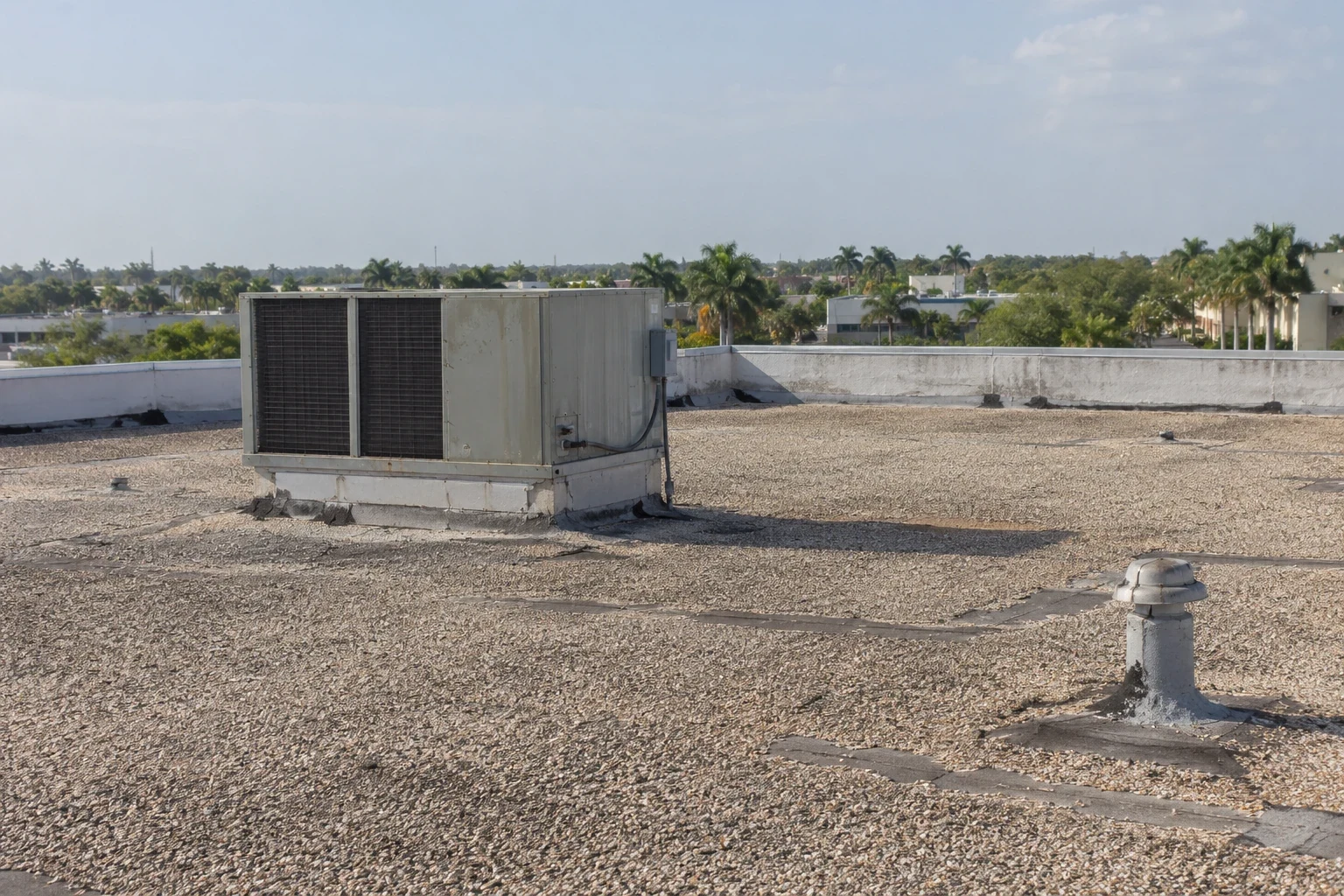
Questions About Commercial Roof Insurance Claim Assistance
Can the roof inspection decide my claim?
No. We document roof conditions and repair needs. The insurer and policy control coverage and claim decisions. Our report describes observed evidence, test limits, and work scope so the owner can submit a clear file.
What records should I gather before the inspection?
Collect the event date, policy or claim contact, prior roof reports, repair invoices, roof plans, and any photos from before or after the event. Tell us where water appeared and whether it is still active.
How do you treat a leak that started before the storm?
We compare the prior report and repair history with current conditions. The timeline identifies when the symptom began and what changed after the event. The inspection describes evidence supporting each condition without combining old and new issues.
What if the roof cannot be fully inspected?
The closeout names each inaccessible area and why access stopped. We can return when the owner approves access or proposes a test cut. The report limits conclusions to the zones actually reached.
Do you send the claim documents to my insurer?
We prepare inspection photographs and roofing scopes for the owner or authorized representative. The owner controls distribution unless another arrangement is confirmed. The documents describe observed roof conditions and do not make a coverage determination.
Related Roofing Work
Round Rock
Hail Damage Roof Repair
Storm Damage Roof Repair
Emergency Commercial Roof Repair
Commercial Roof Inspection