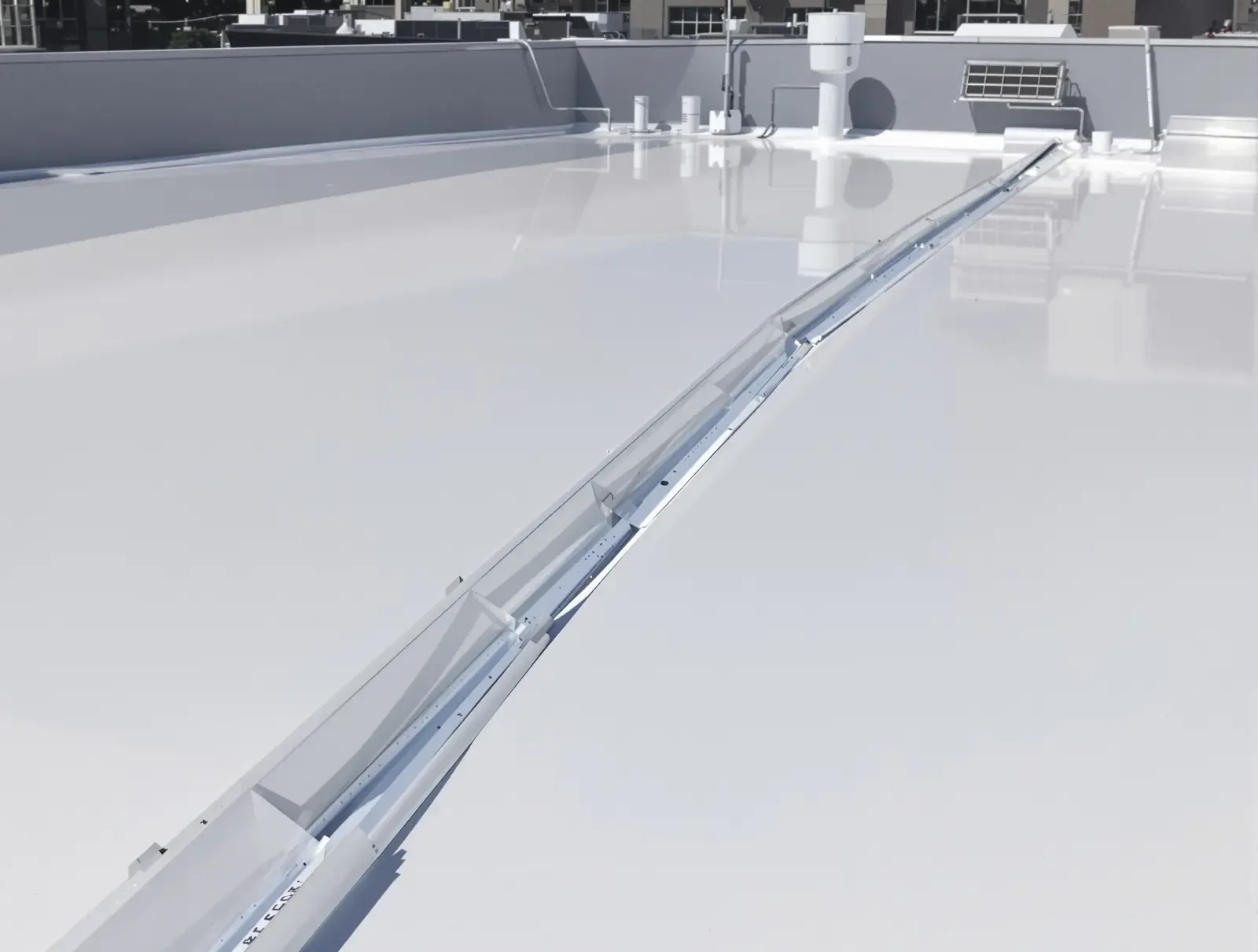
Check the EPDM Seam
An EPDM seam uses adhesive or tape instead of a heat weld. If the lap edge curls or the splice has lost bond, water can work beneath the sheet. We inspect the seam construction, field membrane, and adjacent flashing before selecting a repair. Round Rock's University Boulevard higher-education area and Toppan Photomasks campus illustrate the range of buildings that require different access windows and rooftop controls.
EPDM is a flexible rubber membrane, often black but also available in other product configurations. The existing sheet's age, surface condition, and prior repairs affect the repair method. We identify the assembly before choosing a primer, tape, or flashing product.
Send the roof plan, EPDM product records, seam or leak location, prior repairs, and access rules. We will identify the lap construction and repair method. Call 555-555-5555 or request a roof assessment.
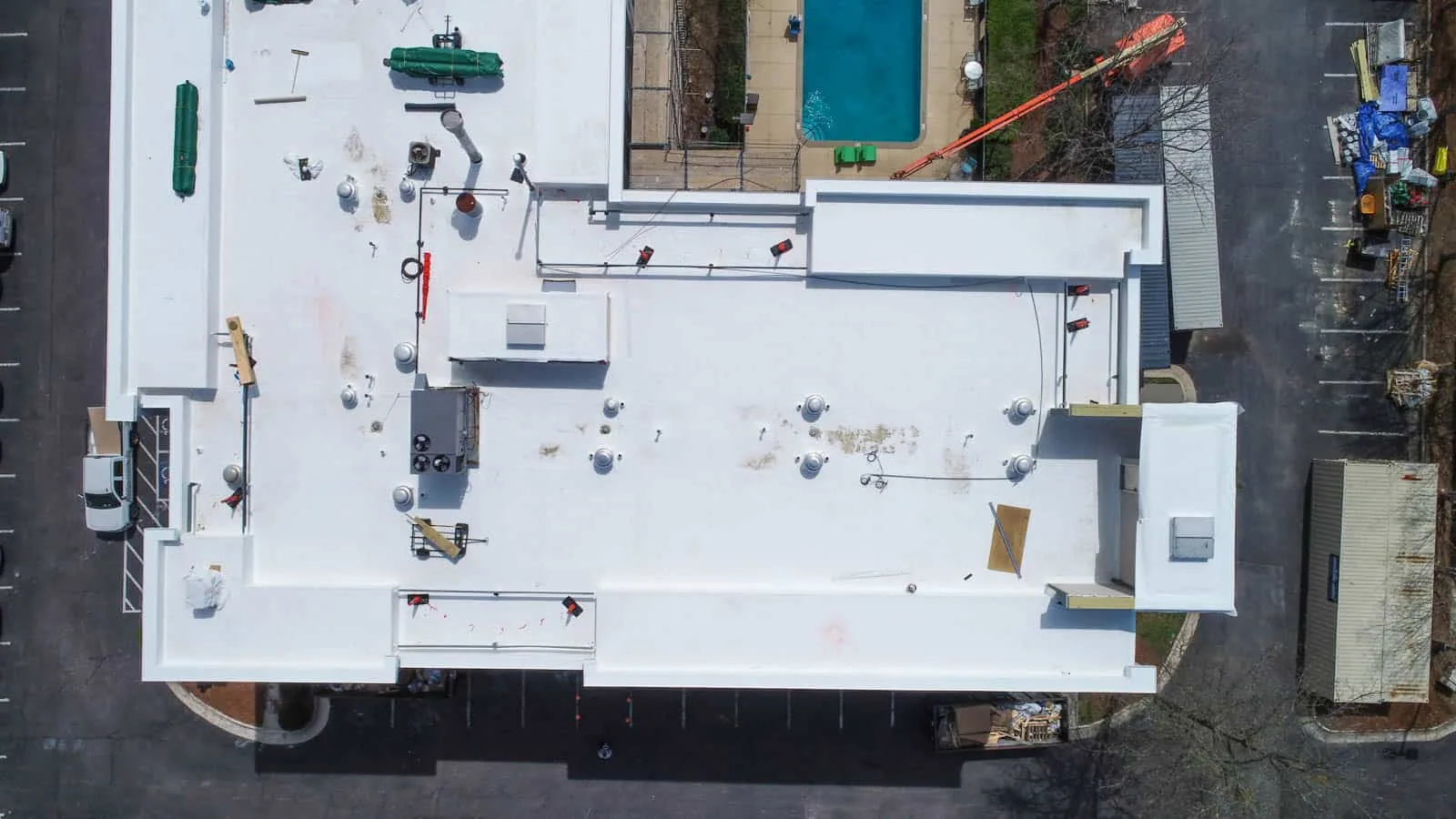
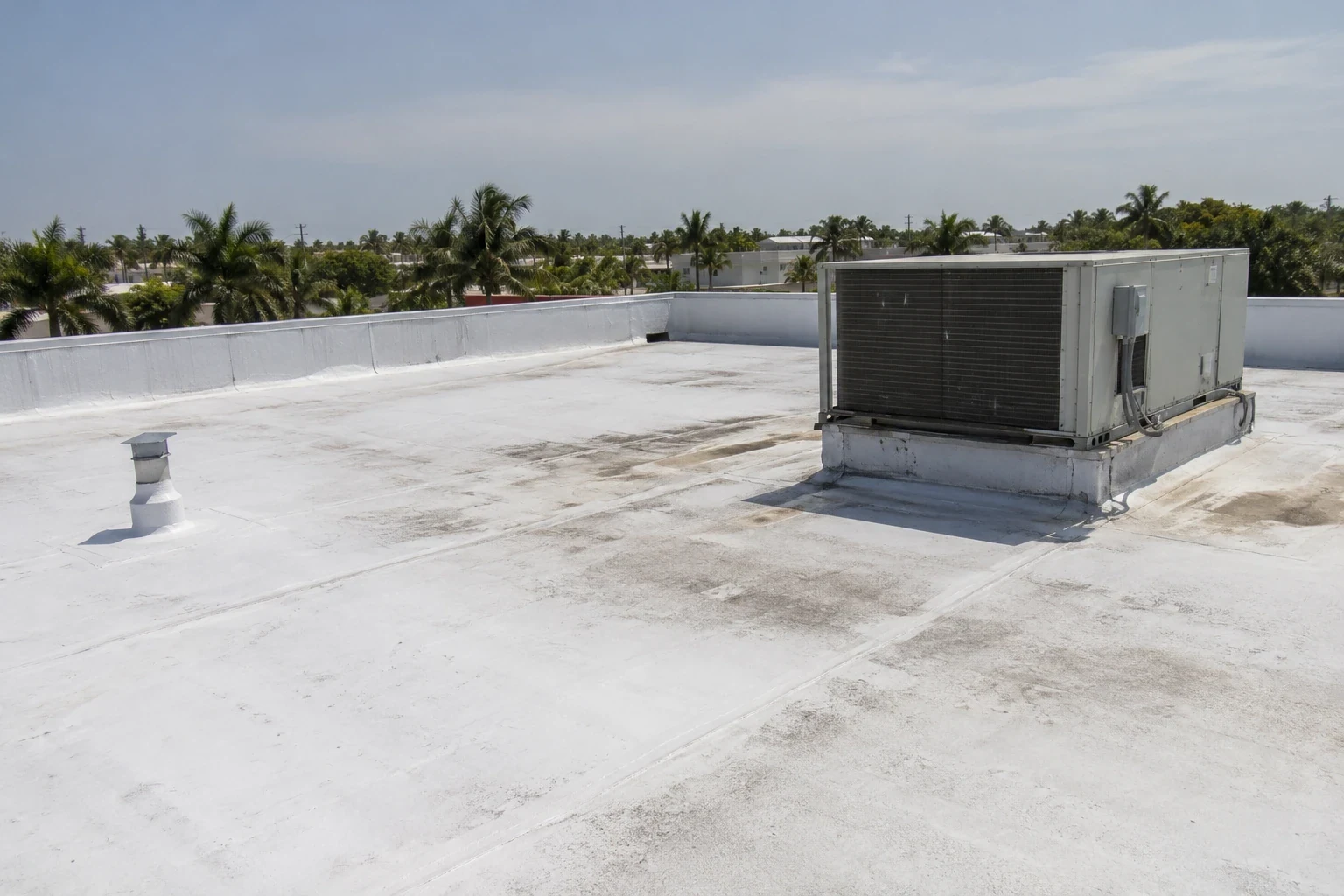
Read the Lap and Bond
At a taped seam, we look for edge lift, wrinkles, fishmouths, contamination, and changes where the lap meets a curb or drain. A probe can test an accessible edge. At an adhesive splice, we check bond separation and whether the membrane has pulled under movement. Photos show the seam direction and nearby features so the repair can be located again.
EPDM can move with temperature and building movement. That flexibility helps the sheet accommodate some motion, but it also means a patch needs room for movement and must bond to a suitable surface. A repair placed too close to a pipe, curb, or corner can be stressed by the same movement that opened the original seam.
We inspect the membrane at rooftop walkways, equipment supports, and service routes. Abrasion, punctures, and loose ballast can expose the sheet. If the roof is ballasted, we document where material must be moved and restored. If the sheet is adhered, we look for bubbles or edge lift that can signal a bond issue. The field walk records visible symptoms, not concealed attachment everywhere.
Where two sheets meet a drain or wall, the seam may turn into a reinforced transition. We follow that turn through the corner rather than checking only the straight lap. If adhesive has released at the edge, the loose area can admit water even when the center remains bonded. We mark the separation and check whether shrinkage or movement continues along the adjoining sheet.
Ballasted systems need a careful walk path because stone can hide the membrane and shift underfoot. We move ballast only where the owner approves access and return it to the intended coverage after repair. The repair photos show both the uncovered membrane and the restored surface. If a section cannot be cleared safely, the report records that limit instead of claiming a complete seam review.
Prepare a Compatible EPDM Patch
Repair begins with cleaning the membrane and preparing the bond surface according to the selected product instructions. A compatible primer, seam tape, cover strip, or uncured flashing may be used for the detail. We form the patch with rounded corners and enough coverage onto sound membrane. The edge is rolled or sealed as the system requires, then checked after installation.
Different manufacturers and generations of EPDM may use different materials. A prior coating, repair, or cleaner can affect adhesion. We review records or test a small area when compatibility is uncertain. If the surface is chalked, contaminated, or badly worn, a small patch may not provide a sound base. The proposal can separate surface preparation from replacement.
Nearby Austin Camp Mabry's 1991 to 2020 climate normals show an August average high of 97.8°F. Heat exposure can affect adhesive working time and roof-surface conditions, so we follow product limits and schedule bonding when the surface is ready.
Adhesive and tape repairs need pressure applied across the bond, with the edge treated where the product calls for it. We check that the patch does not bridge a wrinkle or sit over loose membrane. At a vertical curb, the flashing needs support and termination at the top. If the existing curb has inadequate height or damaged metal, that condition can call for a separate curb correction before the membrane detail is rebuilt.
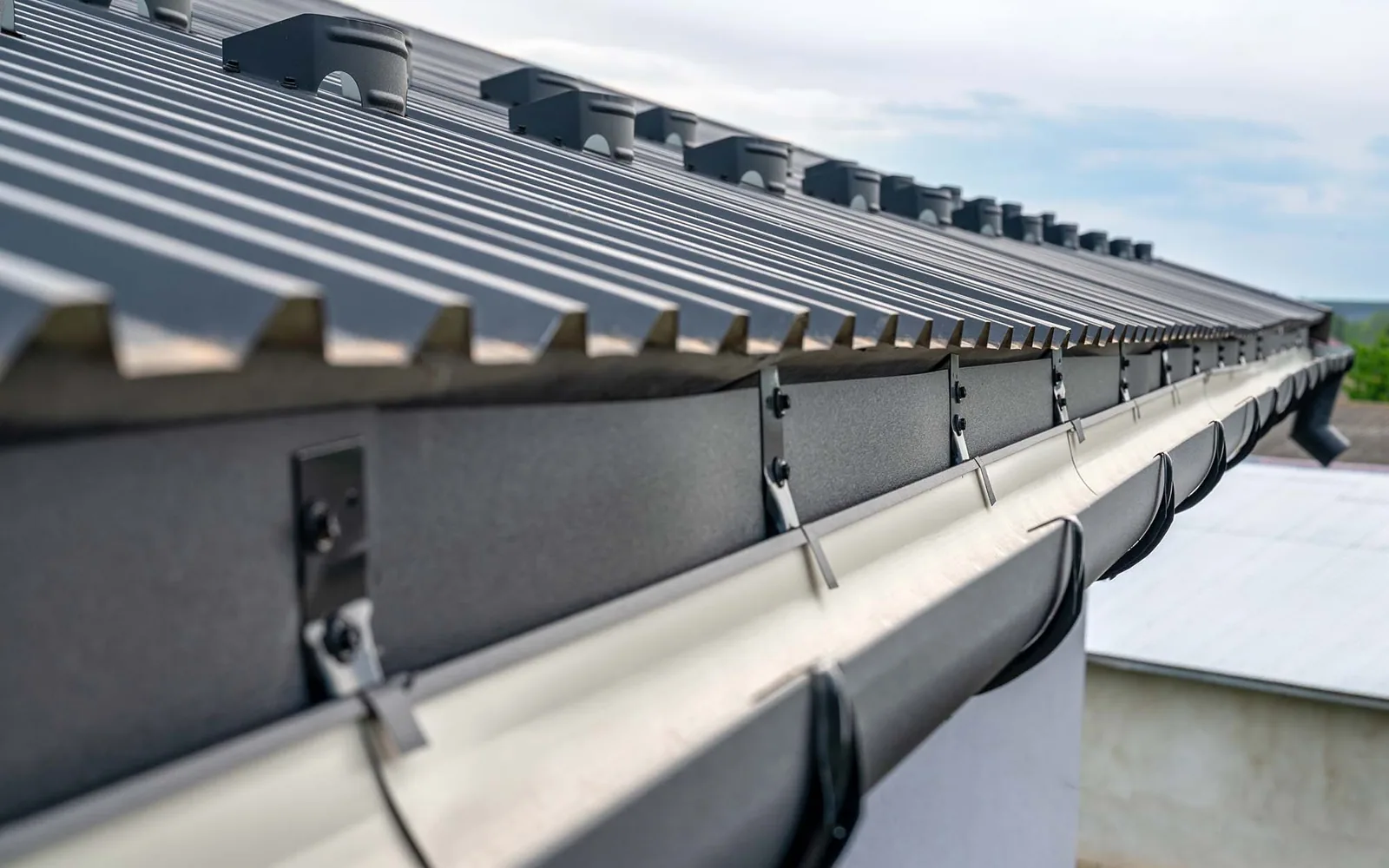
Compare Local Repair with Recover
One open lap or puncture may be repairable where the remaining sheet is flexible and attached. Several separated seams, widespread shrinkage, wet insulation, or recurring repairs may justify recover or replacement. We map what supports each path and identify the test cut or moisture survey needed to confirm concealed layers. A single sample does not describe the full roof area.
Schedule and cost drivers include membrane thickness and product, seam length, adhesive preparation, ballast handling, roof access, curb count, and edge securement. At the University Boulevard higher-education area, class schedules and campus access may influence crew timing. At Manor, facility controls shape the approved route and equipment restrictions.
Related work can include an inspection, insulation replacement, or perimeter repair. If the project considers another single-ply system, compare TPO roofing or KEE membrane with the existing assembly. A college or university roof can require a phased work map and restricted access hours.
Temporary protection may be necessary if rain threatens while a splice or penetration is open. The crew defines how the work zone will be covered between shifts and removes temporary material before the permanent repair is inspected. A temporary cover is labeled in the report so it is not mistaken for a completed EPDM detail.
Track the Repair Material
Before work, the crew photographs the EPDM label if available, the lap edge, and adjacent roof features. The repair record lists primer, tape, flashing material, and date of installation. Photos taken after preparation show the surface before it is covered. The closeout also identifies any seam or section that remained outside the repair boundary.
During a later roof walk, we compare the repaired edge with the original image and check whether the bond remains seated. If no rain has occurred, the report says that water performance has not yet been observed. A new leak near the same area may follow a different path, so the next inspection checks adjoining seams and penetrations before repeating a patch.
Keep product data, cleaning instructions, and repair photos with the roof plan. Share those records with any crew asked to clean or modify the membrane. A solvent or adhesive that is safe for one system can harm another. The material record helps select a compatible repair and prevents guesses at the next work visit.
EPDM repairs depend on clean, properly prepared surfaces and compatible accessories. Note whether a suspected leak is near a seam, termination, penetration, or field puncture, then inspect beyond the visible symptom for water movement. If the membrane is aged or contaminated, test the repair approach on the actual roof condition before expanding the work. A useful record shows the prepared area, selected materials, and final edge inspection.
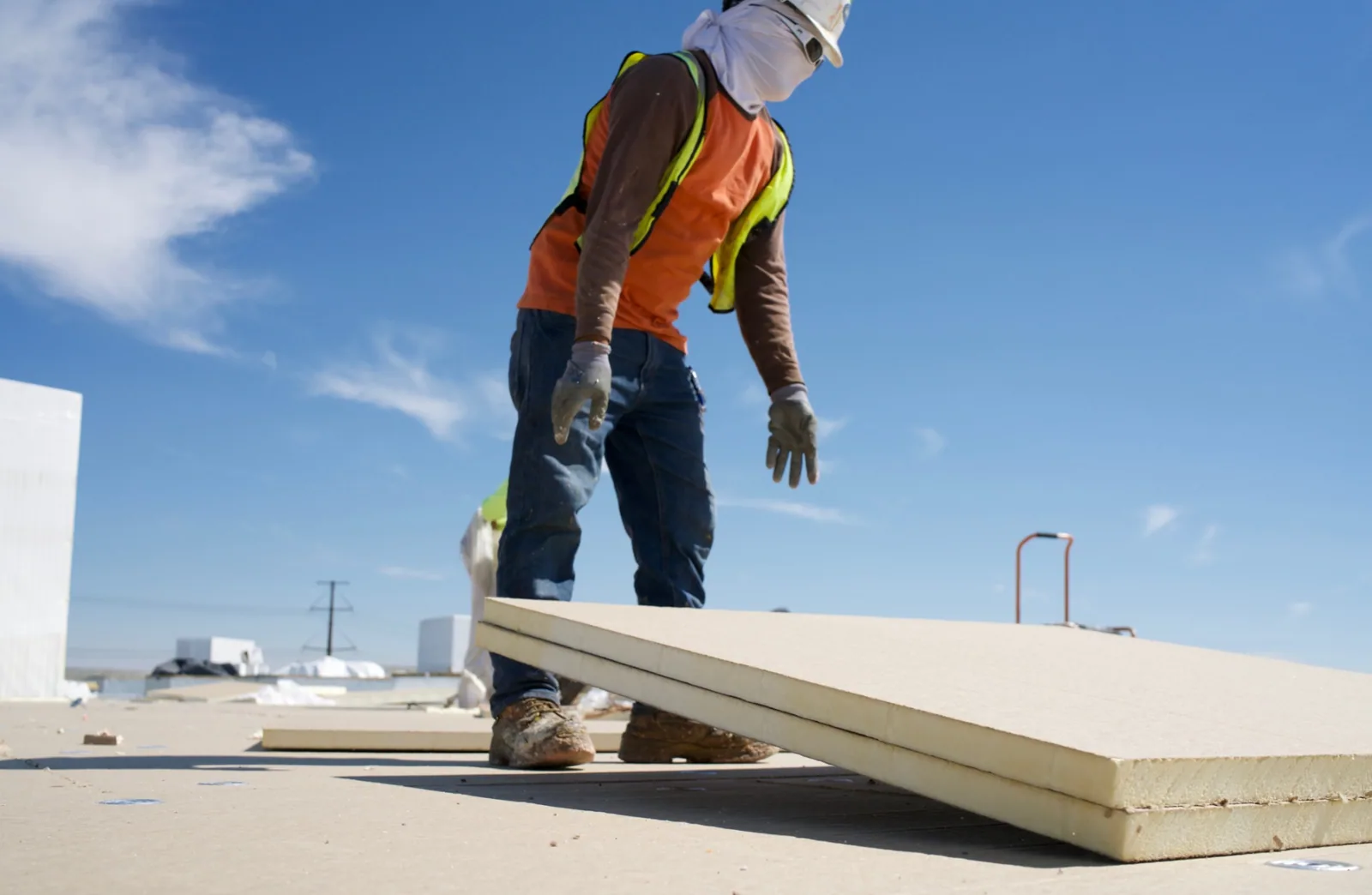
Questions About Commercial EPDM Roofing
Can you heat-weld EPDM seams?
EPDM seams are generally bonded with adhesive or seam tape, not heat welded. We inspect the existing lap and select materials compatible with that assembly.
Can an EPDM roof be patched after coating?
The coating and surface condition must be identified first. We check adhesion on a test area if needed and may recommend removing unstable material before repairing the sheet.
What causes an EPDM seam to open?
Contamination, failed adhesive, movement, shrinkage, or poor preparation can affect a lap. We inspect the seam and nearby attachment before choosing a repair.
Does black EPDM absorb more heat?
Roof color affects solar absorption, but insulation, ventilation, equipment, and building use also matter. We can discuss a compatible surface option after inspecting the roof.
Can you replace wet insulation under EPDM?
Yes, once a test opening or other approved investigation maps the affected layers. We document the sample and agree on a removal limit before expanding work.
Related Roofing Work
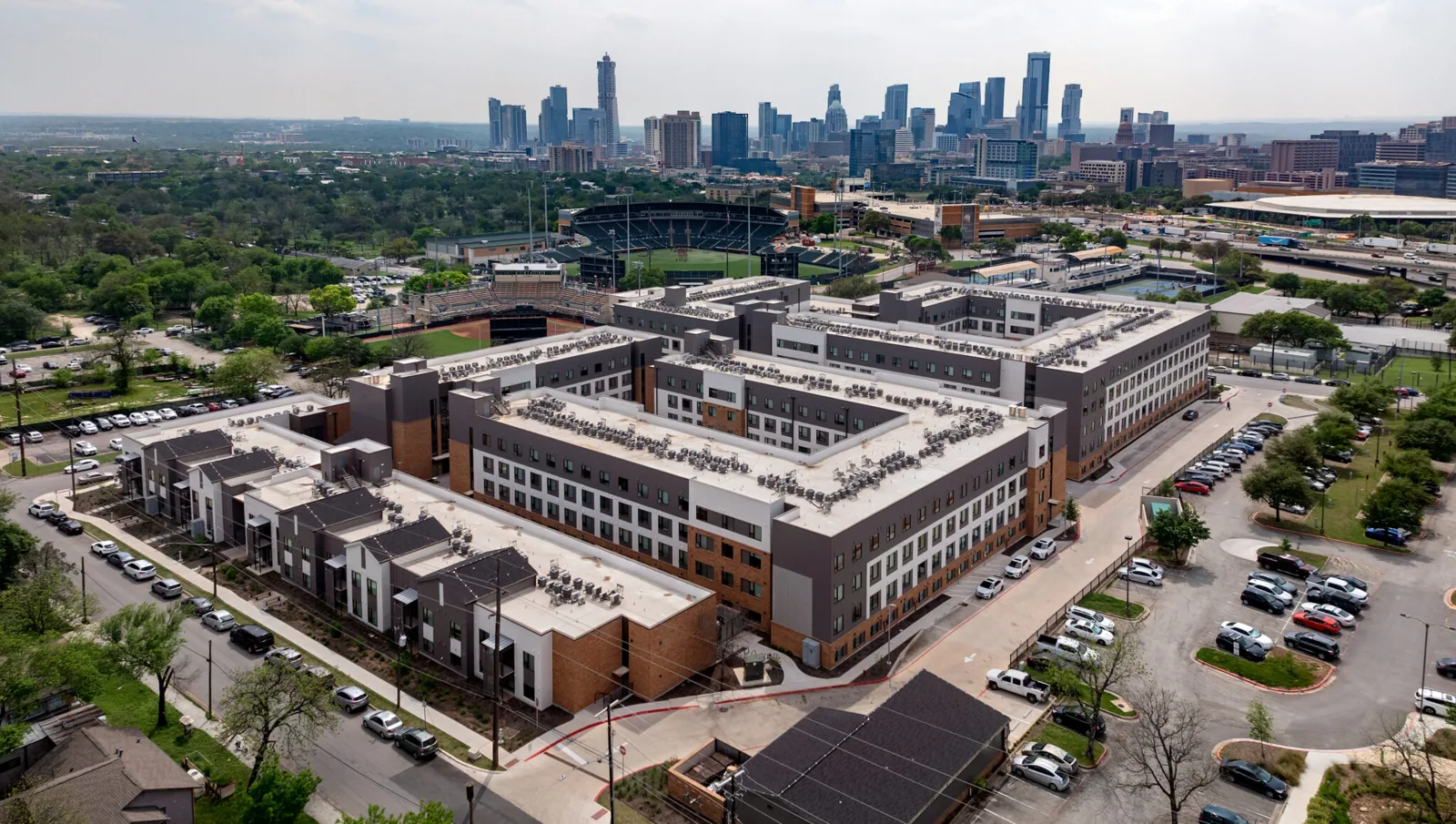
University Boulevard Higher-Education District
Manor
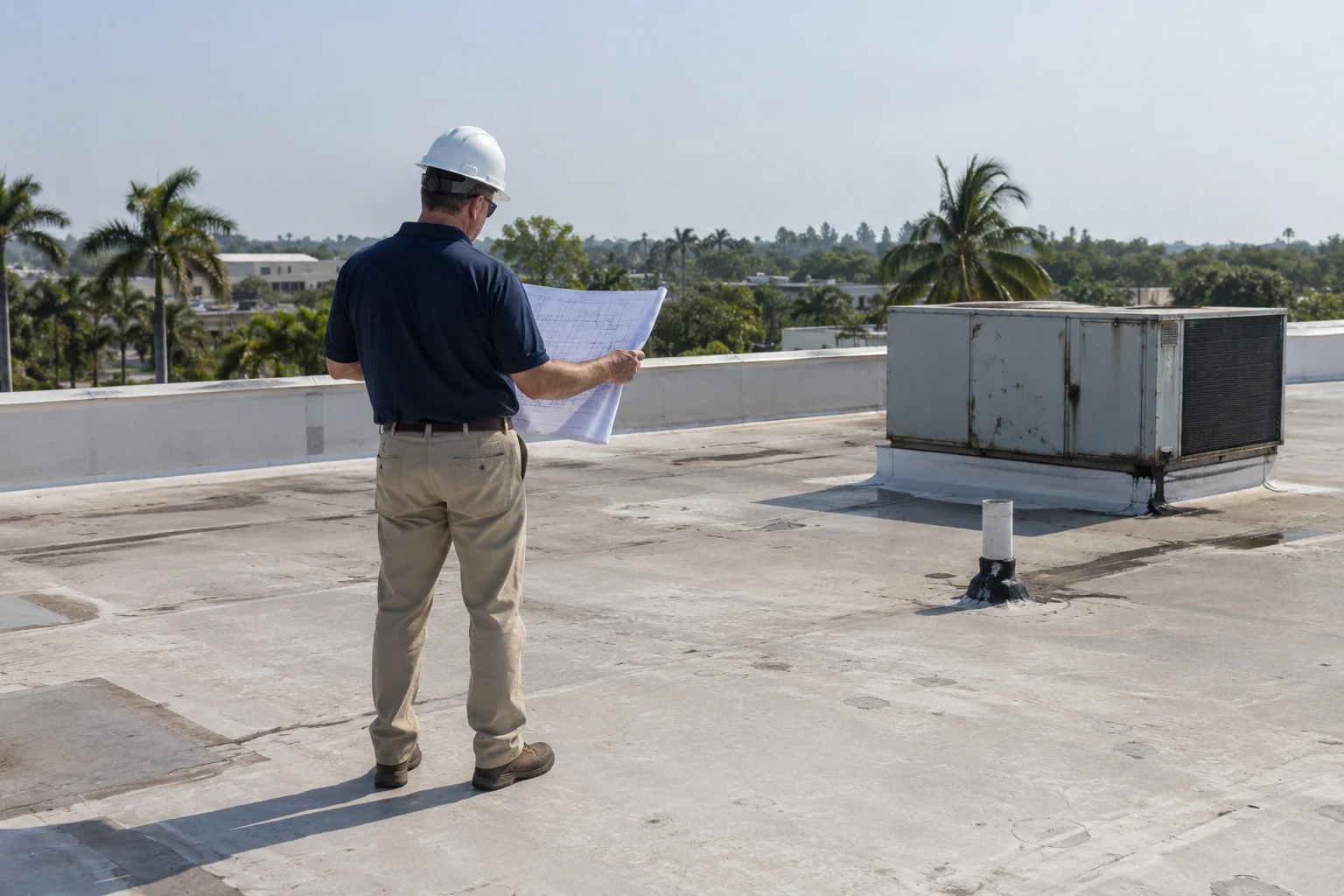
Commercial Roof Inspection
Commercial Roof Insulation and Cover Board
Commercial Roof Edge Metal, Coping, and Gutters