Request a Safe Fire-Damage Roof Review
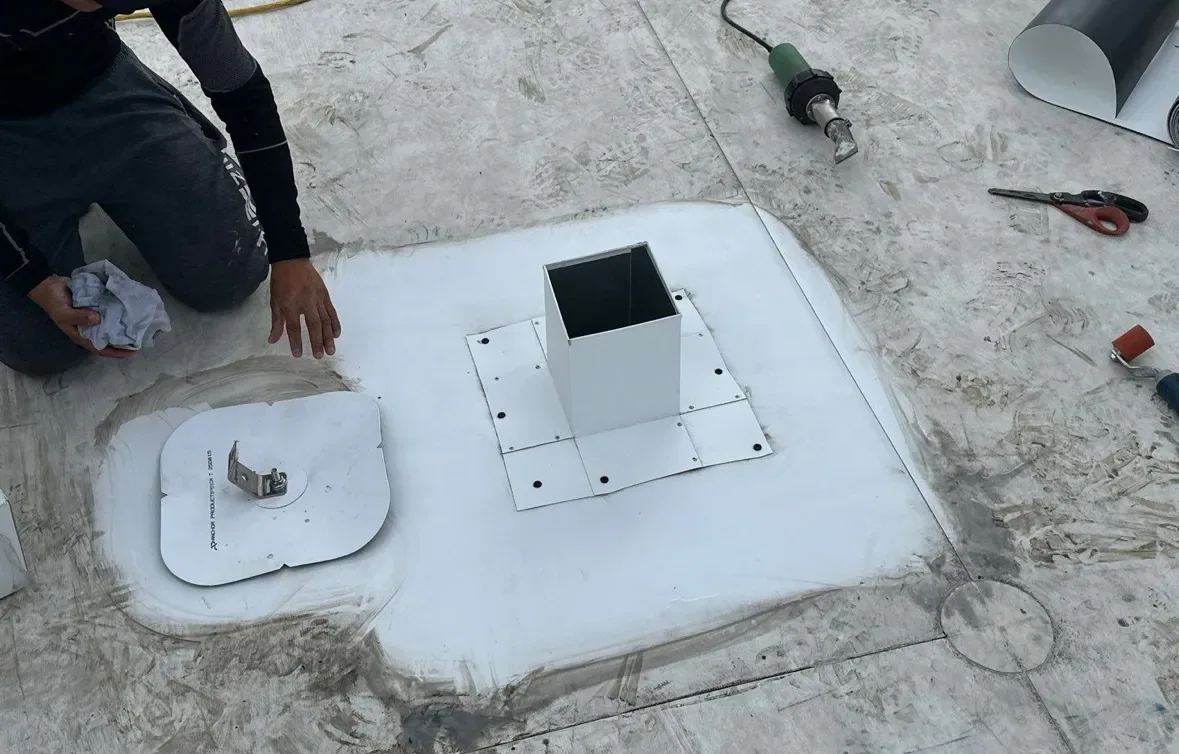
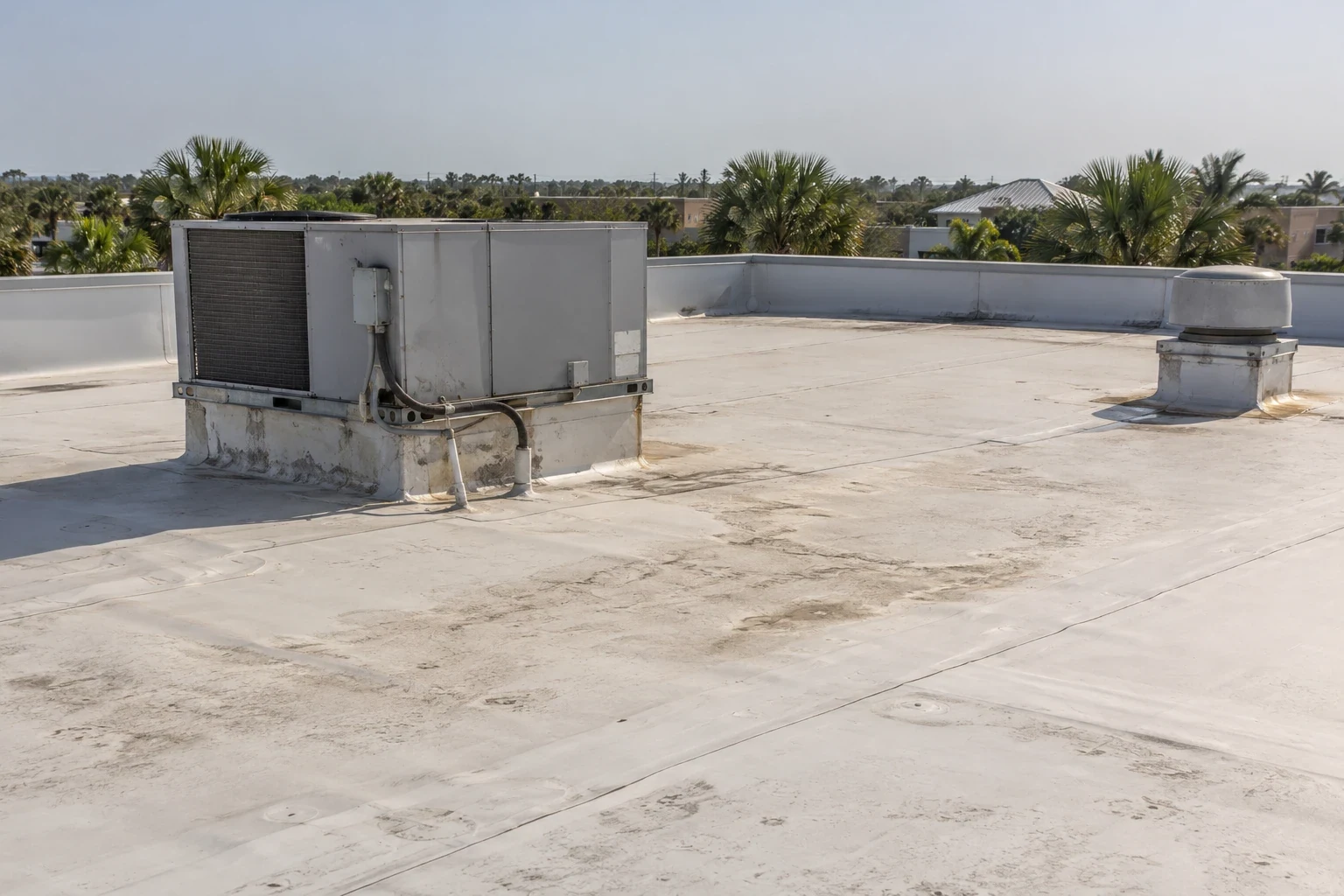
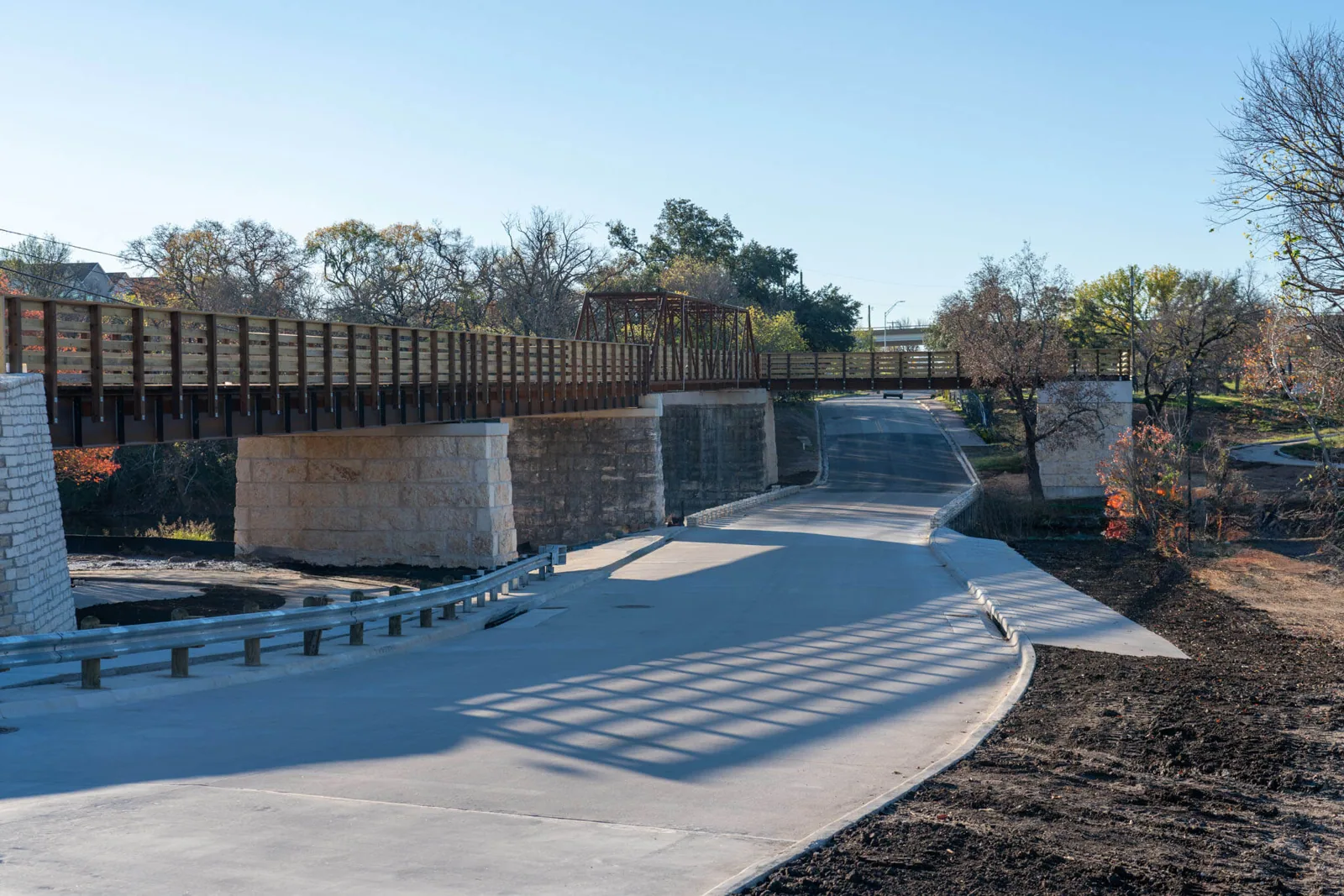
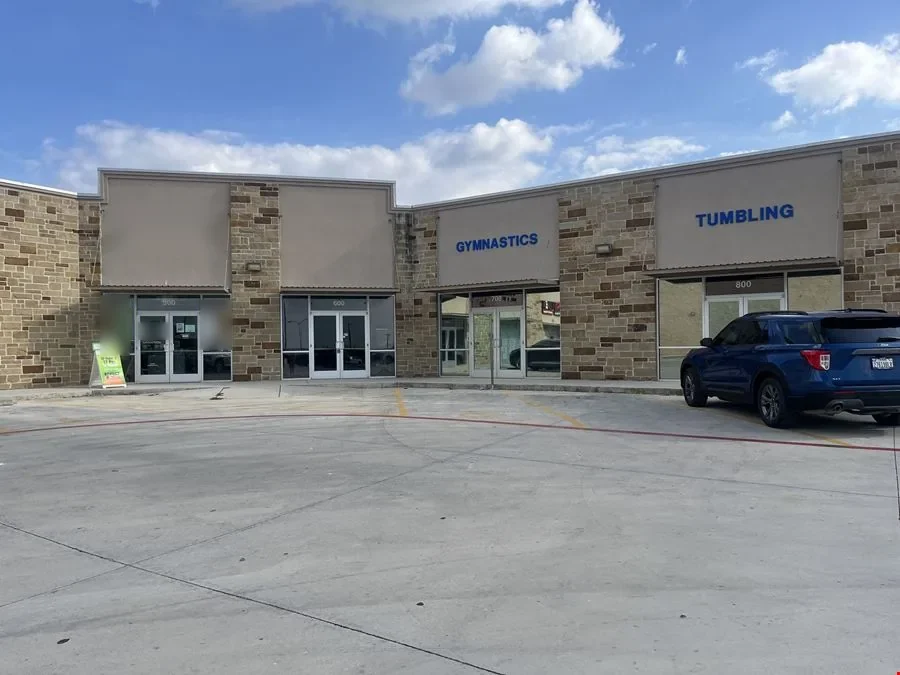
A fire crew has left the roof hatch open, and the membrane near a penetration is discolored. Before covering it, we need to know whether heat changed the surface, flashing, or insulation below. Round Rock's business mix includes Emerson Automation Solutions and logistics properties in the Chisholm Trail Road and Old Settlers Boulevard corridor. A commercial property in Jarrell has its own roof assembly and access requirements.
Fire response may involve heat, smoke, water, debris, and temporary openings. We document the roof condition after the site is released for access and coordinate the repair boundary with the owner.
Share the site-release contact, event area, roof plan, access rules, interior reports, and any utility restrictions. We will define the roofing inspection boundary. Call 555-555-5555 or request a roof assessment.
Wait for the Site Release and Map the Exposure
The property contact confirms that emergency responders have released the roof and that the area is safe to enter. The roofer does not assess structural stability or fire suppression systems. If the deck may be compromised, the owner arranges review by the appropriate building professional before roof access.
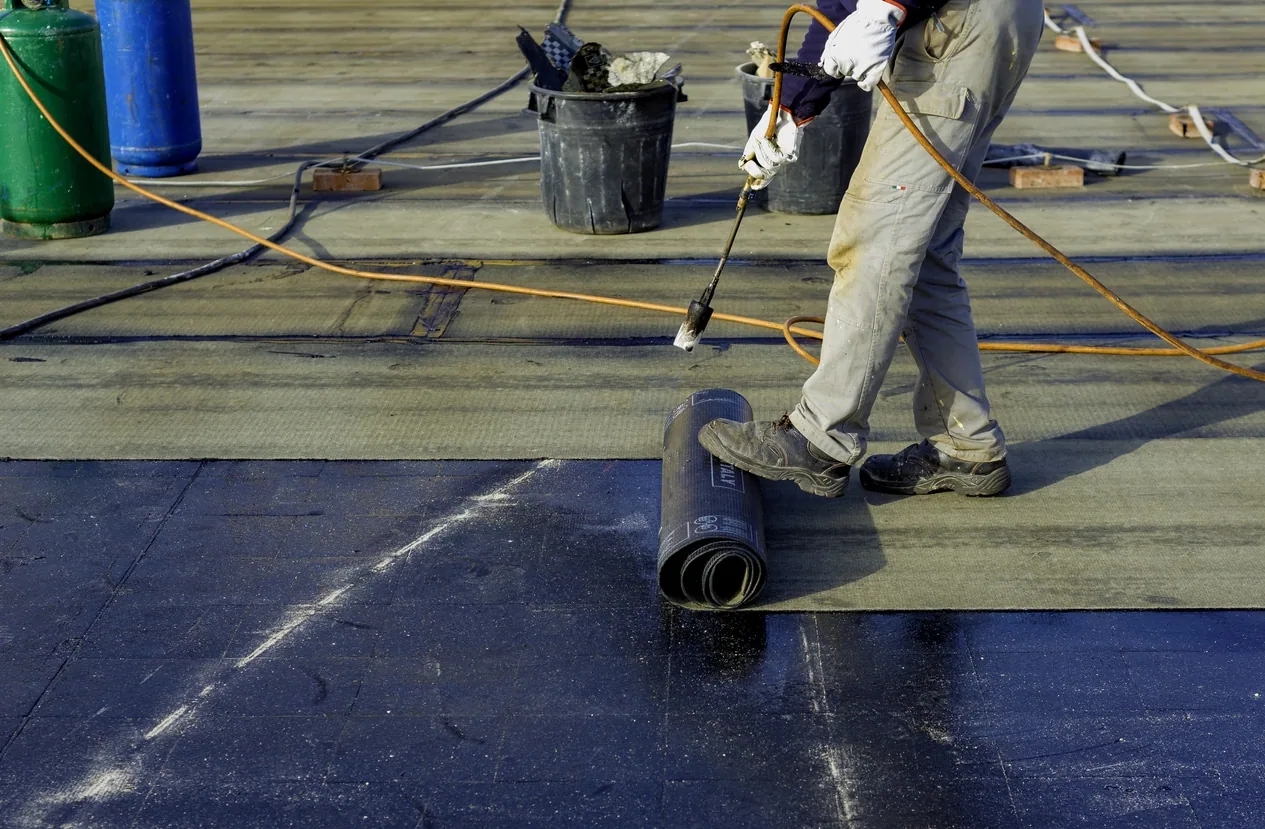
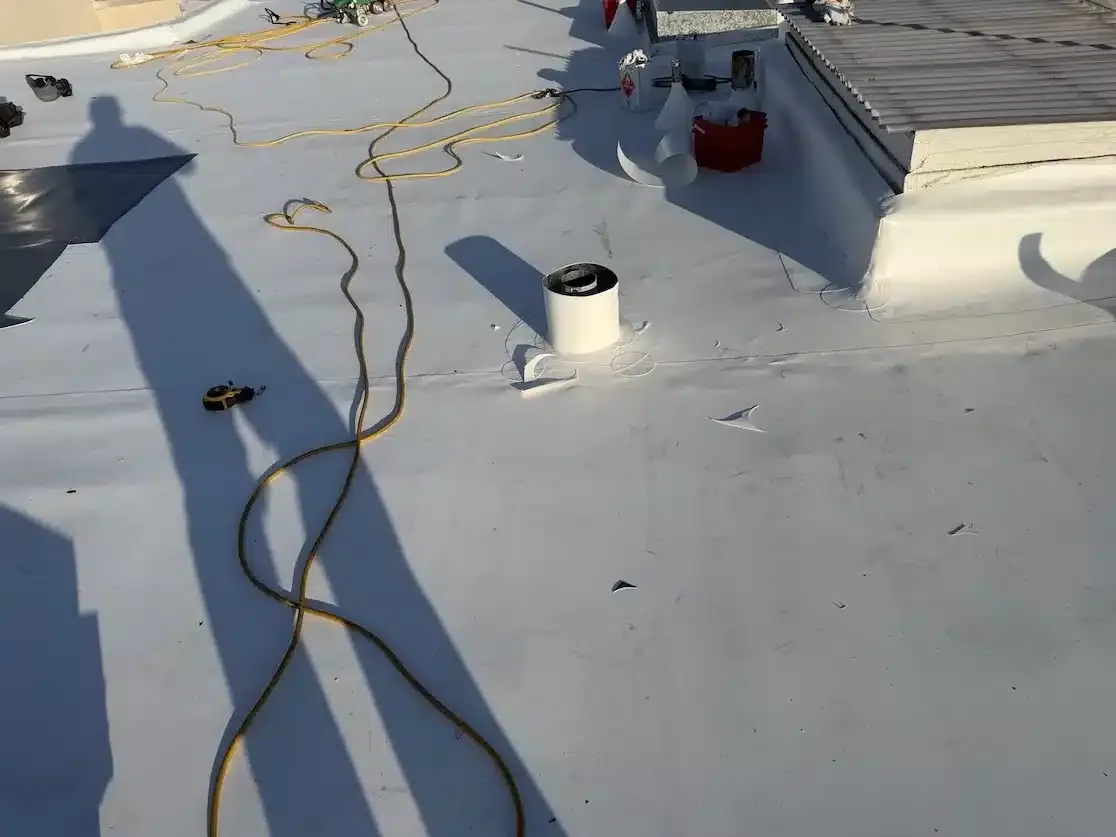
We mark the reported fire location, nearby penetrations, roof openings, and any area exposed during response. Heat can soften or distort membrane, metal, insulation, and flashing. Smoke residue may affect adhesion or surface preparation. We note visible change and compare it with undamaged areas only when they are safe and accessible.
Water used during suppression can move through seams, drains, and deck openings. Interior moisture may appear away from the fire area. We inspect the likely path and note whether water entry is confirmed or still under review. If an approved test cut is needed, its location and purpose are agreed before sampling.
Round Rock's industrial and technology facilities include distinct roof layouts and equipment. A response near a production bay may affect exhaust or rooftop units, while an office section could contain ducts and data wiring below. Facility staff identify systems that must stay isolated. We document roofing observations without operating fire, electrical, or process equipment.
Separate Temporary Protection from Restoration
After access is approved, temporary protection can cover an opening or limit active water entry. Emergency roofing service is available around the clock, including holidays. The building contact identifies the interior area, contents, and safe route. We record the temporary material, attachment, and expected follow-up instead of describing it as a finished repair.
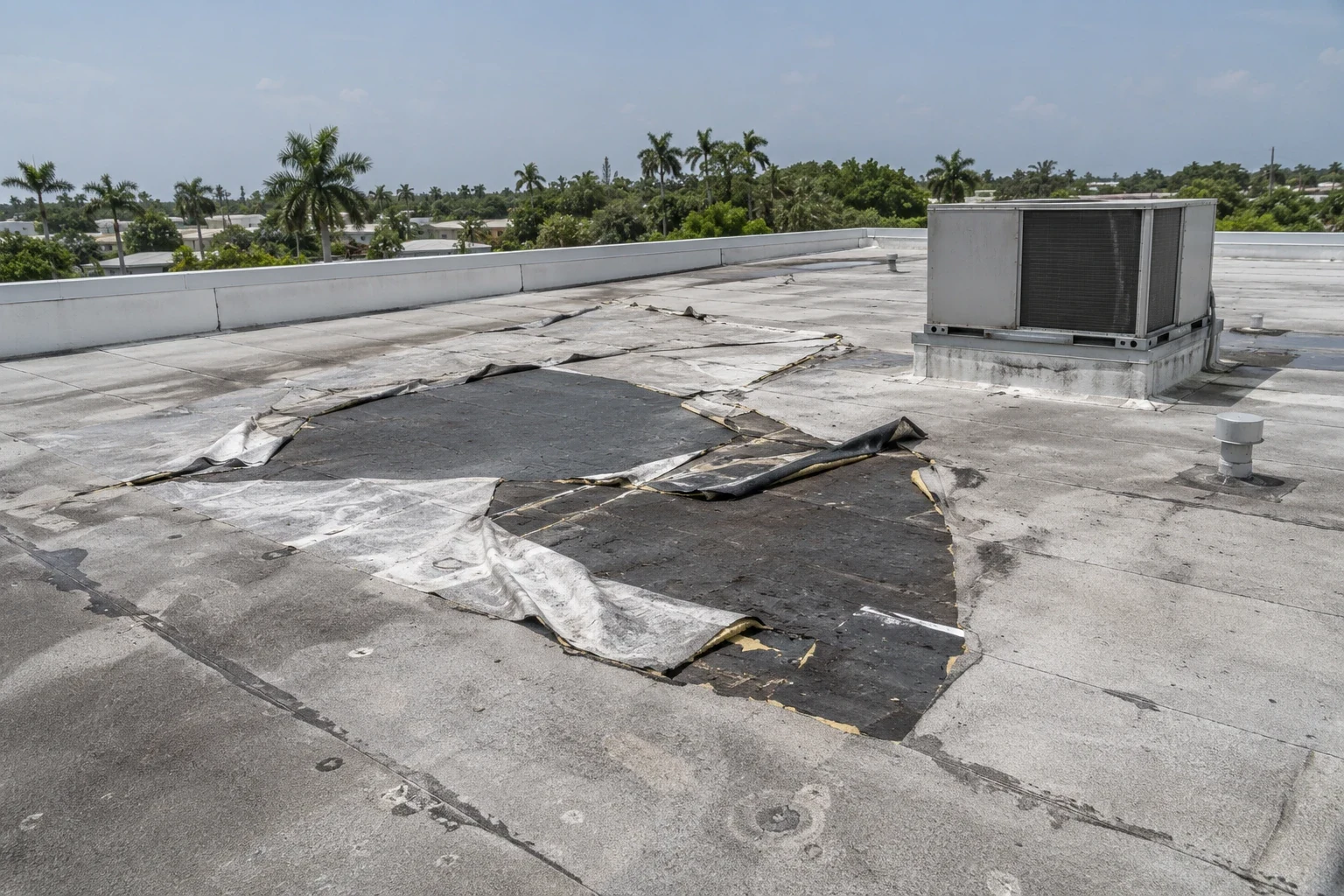
Permanent work begins after the extent of heat and moisture damage is understood. A small area may need membrane replacement and new flashing. Broader heat exposure may require removal of insulation or cover board. The proposal identifies which layers were exposed and the repair area measured. If additional damage appears during removal, the crew secures the roof and requests approval before expanding.
Smoke residue or fire suppressant can affect bonding. The surface may need removal or cleaning before new material is installed. The method depends on the roof system and the products present. We identify preparation in the scope and coordinate any waste or hazardous material handling requirements with the owner and qualified specialists.
Related work can include storm or event damage repair, emergency roof service, and roof condition documentation. A nearby membrane opening or flashing defect may require separate measurement. A built-up roof assembly needs repair materials compatible with its layers.
Rebuild the Affected Roof Layers
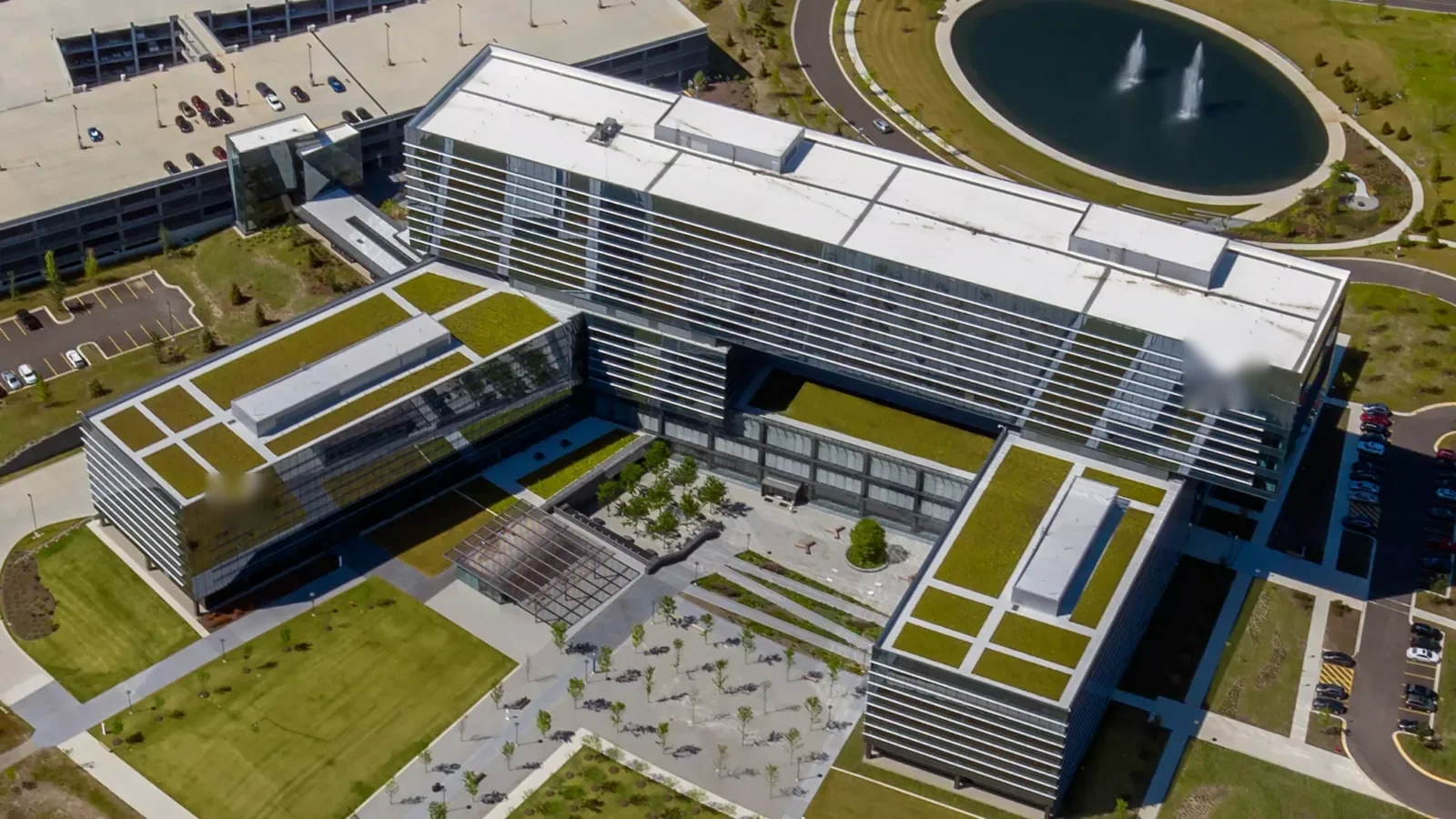
Before installation, confirm the substrate is stable, dry enough for the chosen method, and within the approved boundary. Replace damaged layers in sequence, restore insulation and cover board where included, and reconnect membrane or metal details. Penetrations and roof edges receive particular attention because heat can alter seals beyond the most visible burn mark.
Estimate and timing depend on affected area, roof height, membrane type, heat exposure, water saturation, access, ventilation equipment, and whether the site remains partially closed. The roofing estimate separates electrical, fire protection, structural, mechanical, and interior restoration. Each trade has a defined handoff point.
A recover or coating should not conceal heat-damaged material. If the existing roof has softened, delaminated, or absorbed water, remove or replace the affected material before considering a surface treatment. The scope states where the repair ends and what adjacent area was inspected.
Round Rock's adopted 2024 building and energy codes are administered through local building inspection. Project review depends on scope and authority. The owner and design team determine requirements for the restoration. We provide roofing system and product information for their approval process.
Fire exposure can vary over a short distance. A membrane may show surface change in one area while nearby insulation or decking has a different condition. We map the transition and avoid carrying a removal boundary farther than the observed material supports. Where a structural question remains, a qualified design professional determines what investigation is needed before roofing resumes. The work zone then follows the approved daily work plan for safety.
Document the Condition Before the Interior Reopens
Closeout identifies the event area, roof zones inspected, materials removed and installed, and any temporary protection left in place. Approved photos can show discoloration, openings, and completed flashing. If fire debris or a restricted area prevented inspection, the report names that limit. It does not clear areas outside the reviewed boundary.
Keep fire response information with roof plans, repair records, equipment service logs, and interior restoration documents. Note which party released the roof for access and when. If smoke or suppression water entered another area, add that location to a separate inspection request rather than assuming the same roof section was involved.
Before ceiling materials are replaced, the owner can verify that roof openings and temporary measures have a documented status. Roofing closeout can identify completed exterior work, but it does not certify indoor air quality or fire-system readiness. The facility uses qualified specialists for those checks.
For each exposed zone, list the test point, replacement layers, restored edge or penetration, and inspection status. If access ends before a section is opened, keep it on the follow-up list instead of grouping it with repaired areas.
A follow-up visit may confirm the repaired roof detail after weather tests it. Record whether rain has occurred since the repair and whether interior moisture returned. The next roofer can then compare the same roof field instead of relying only on an event date.
Fire-related roof evaluation should begin only after the site is released for safe access by the responsible authorities. The roofing review can document heat-affected membrane, insulation, deck, flashing, and penetrations, while structural and environmental questions remain with qualified professionals. Protect the building from weather during assessment, and separate temporary dry-in from permanent replacement scope. Record inaccessible or concealed zones clearly. A staged plan helps owners coordinate safety, investigation, and restoration without treating a roof surface view as a complete damage assessment.
Add temporary protection to the work log with an inspection date, named contact, and conditions that trigger an earlier check.
Questions About Commercial Roof Fire Damage Repair
Can you inspect a roof immediately after a fire?
Only after the site is released and the owner confirms safe roof access. Structural or fire-system review belongs to the appropriate specialists.
Does smoke discoloration mean the membrane must be replaced?
Not by itself. We check whether heat, residue, or water changed the membrane and whether the surface can accept a repair.
Can suppression water damage areas away from the fire?
It can travel through the roof assembly or openings. We map the reported rooms and inspect the likely path, noting what remains untested.
Will you handle electrical or fire-protection systems?
No. Facility staff coordinate qualified specialists. Our scope covers the roofing materials and transitions assigned for repair.
What should be ready before permanent work begins?
Provide site-release confirmation, roof plans, event location, utility status, access rules, and any hazardous-material or cleanup requirements.
Related Roofing Work
Chisholm Trail Road and Old Settlers Boulevard
Jarrell
Storm Damage Roof Repair
Emergency Commercial Roof Repair
Commercial Roof Insurance Claim Assistance