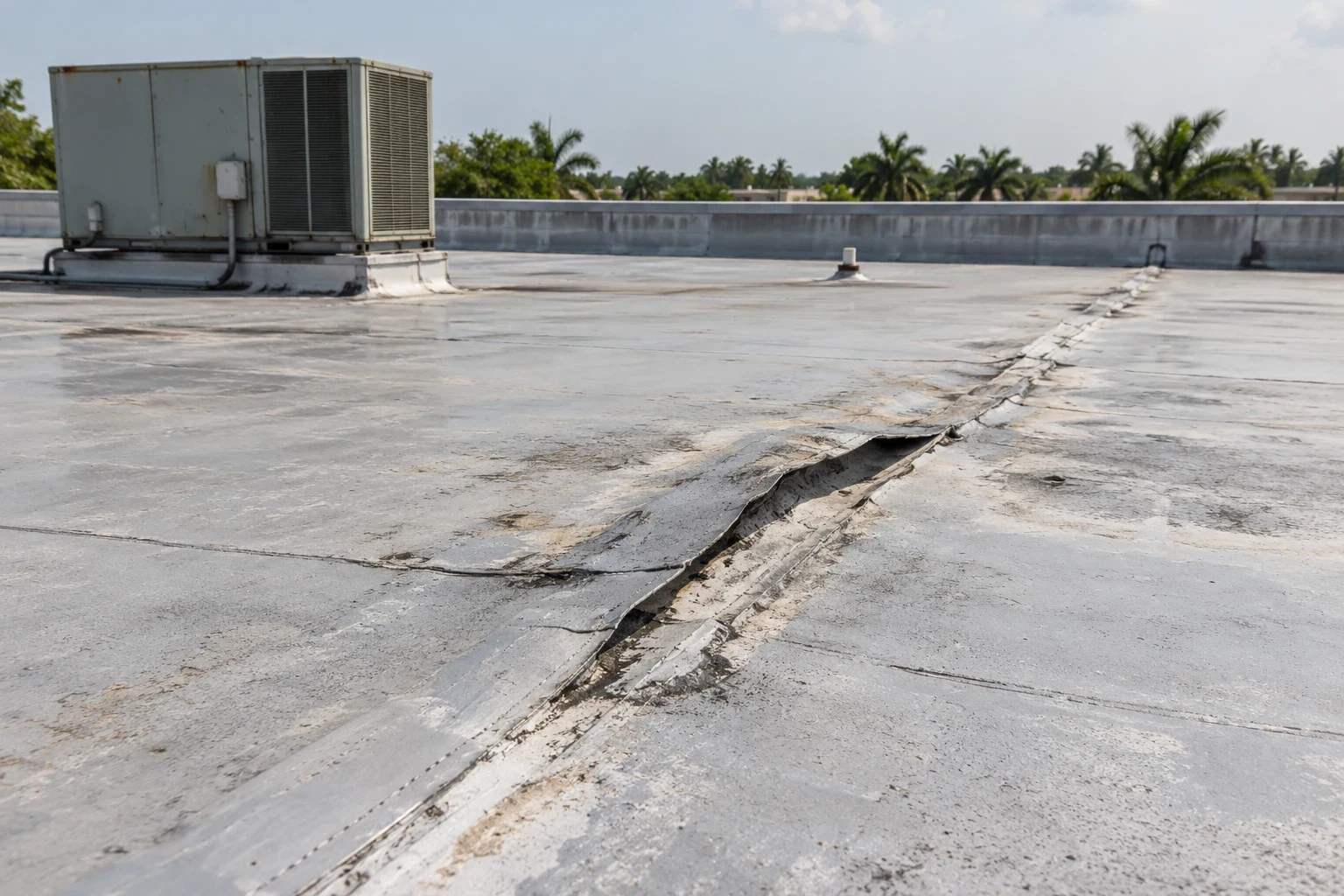
Locate the Membrane Opening
A small cut sits beside a service path, where a technician may have carried tools to a rooftop unit. We mark the opening and inspect the traffic route around it before deciding how far to repair. Industrial activity along the Pecan Street and SH 130 corridor in Pflugerville and Hutto's Innovation Corridor includes light-industrial buildings and target sectors such as advanced manufacturing. These settings can bring different rooftop equipment and access needs, but the repair boundary follows the inspected assembly.
A puncture can pass through membrane and insulation, or it may affect only the surface layer. The size of the visible mark does not tell us whether moisture has spread below it. We check the assembly and identify the repair boundary.
Send the roof zone, interior report, recent equipment work, roof plan, and approved access route. We will inspect the puncture and define the patch or replacement area. Call 555-555-5555 or request a roof assessment.
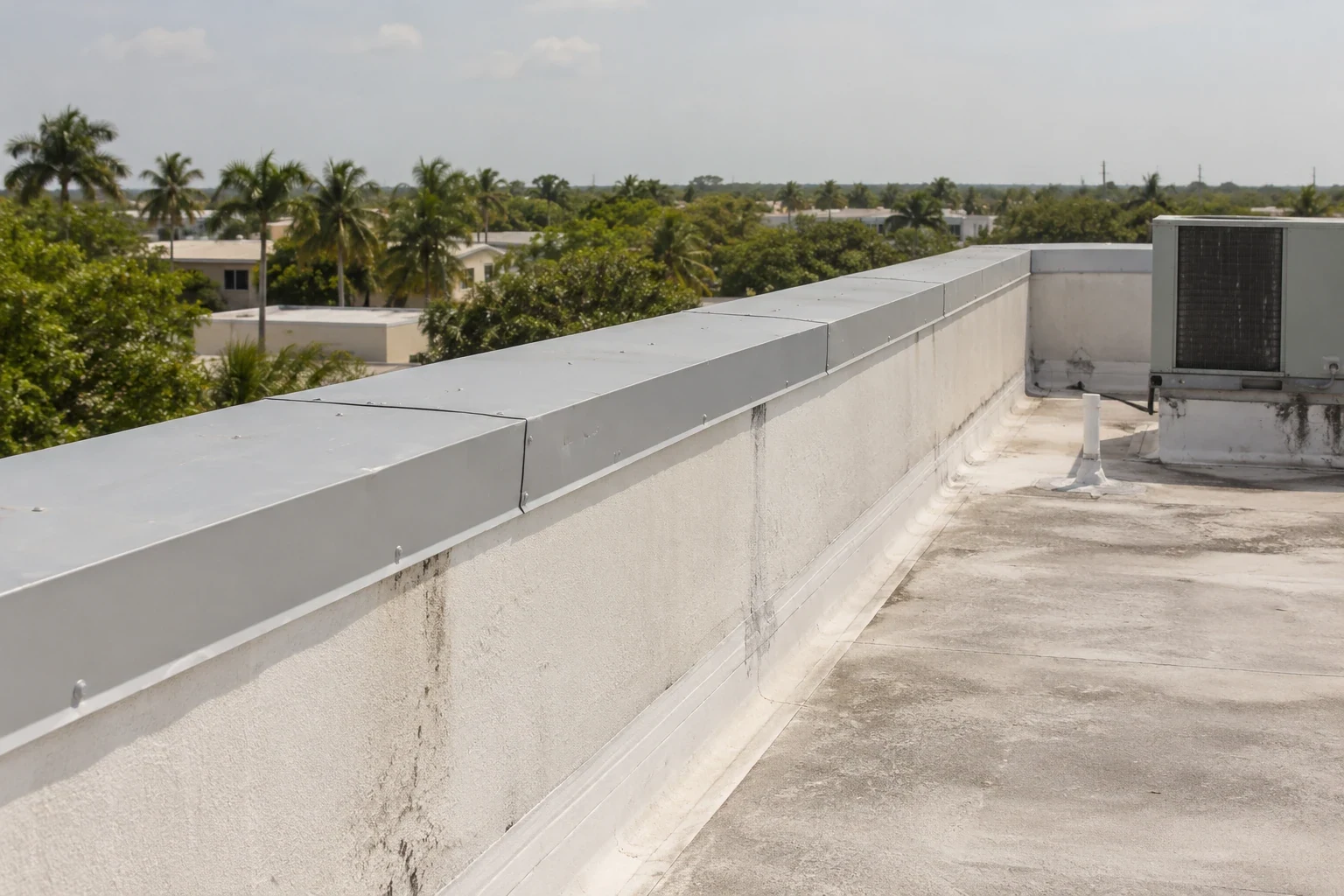
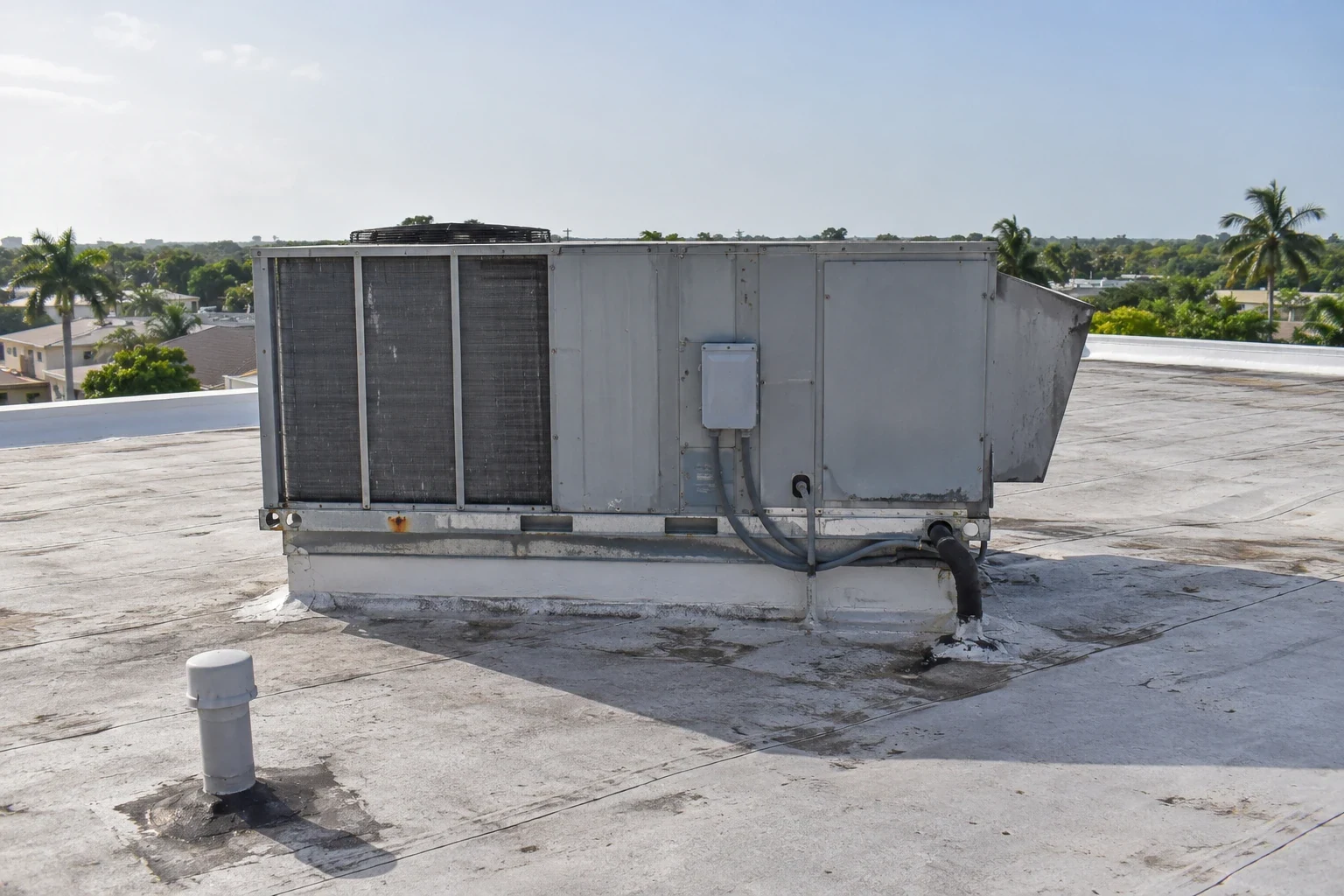
Trace the Foot-Traffic Path
We inspect the puncture, nearby seams, walk pads, equipment supports, and any route from the roof hatch to the service area. A tool drop can leave a cut; repeated foot traffic can wear a path or displace protection. The report records the opening and any related damage without assuming who caused it.
At mechanical units, check whether workers have been crossing the membrane or setting parts on the roof. A service path may need a walk pad or better access layout. We inspect the curb and support flashing separately from the puncture. Facility maintenance staff can provide recent work tickets or equipment changes.
A puncture may allow water into the insulation or deck. The interior mark can appear far away because water follows the assembly. We compare the reported room with the roof-side location and nearby drains. If concealed wet material affects the decision, an approved test cut can sample one point and is closed using the agreed method.
Round Rock's summer heat and severe-weather exposure can affect exposed membrane and rooftop components. Hail reports from the March 2022 regional outbreak and the tornado track through Round Rock are part of the local storm record. A puncture is not automatically storm damage. We describe the shape, location, and surrounding condition before assigning a repair approach.
Patch the Opening and Protect the Route
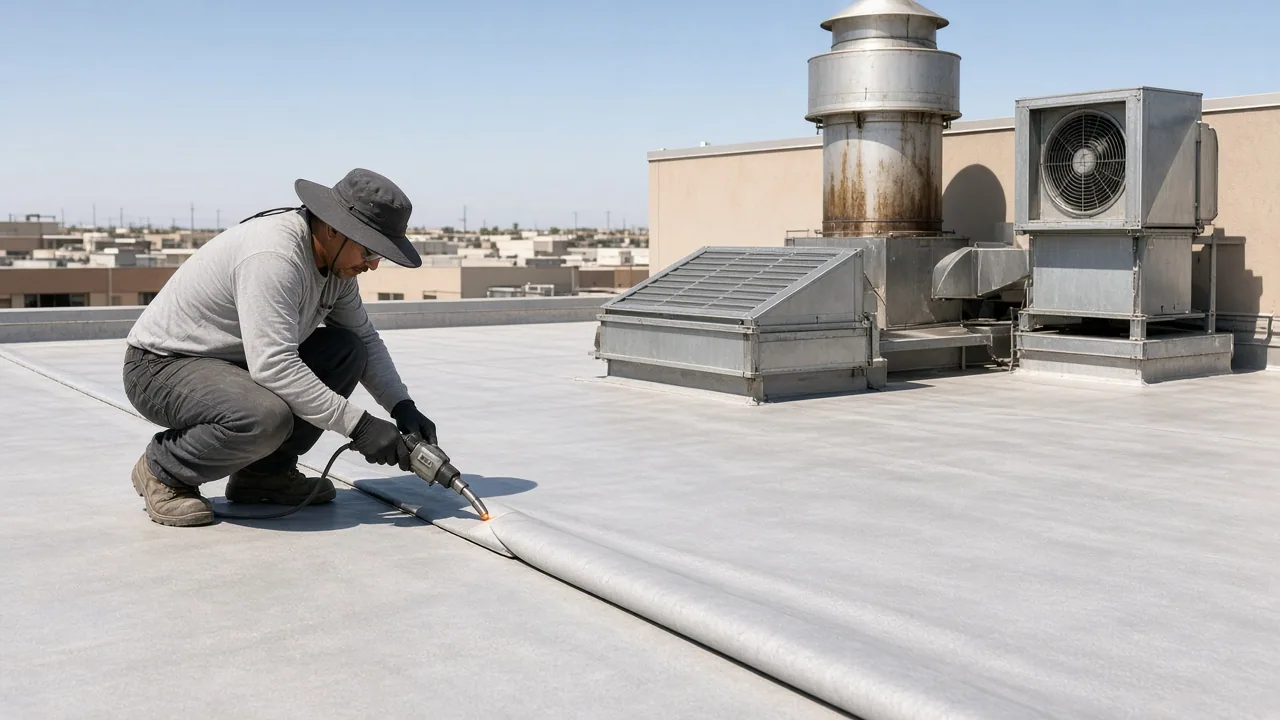
The crew cleans and prepares the roof surface, trims loose material, and installs a compatible patch with the required overlap. The method depends on whether the assembly is TPO, PVC, EPDM, modified bitumen, or another system. A patch placed over dirt or water may not bond properly. The repair record names the material and exact location.
If the insulation is wet, surface patching may only close the opening while leaving a concealed condition. The owner may choose to open a defined area, replace affected insulation, and restore the membrane. We measure that boundary and document the materials exposed. One sample point does not justify removal across an entire roof.
Repeated punctures along a route suggest the access path itself needs attention. Add or reposition walkway protection where the roof system and layout permit. Mark equipment service zones so future vendors know where to travel. If a support or abandoned line caused the damage, coordinate its correction with the responsible trade.
Related work can include commercial roof repair, equipment curb and support work, and preventive roof maintenance. Nearby conditions may include seam separation or heat-related wear. A rubber membrane assembly needs a patch compatible with its material.
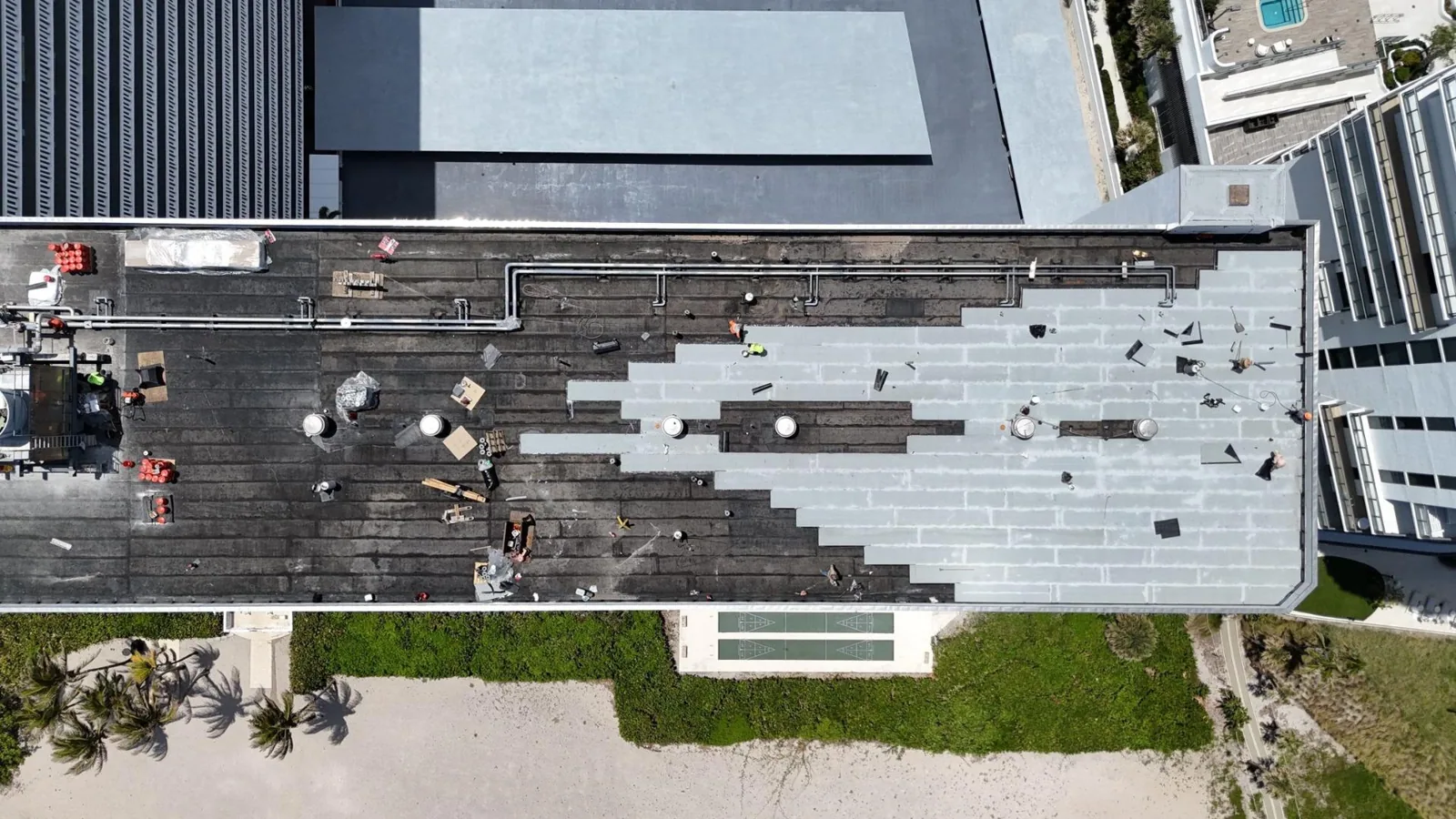
Control Access Above Occupied Areas
The building contact identifies the hatch, approved route, roof restrictions, and areas below the work that need protection. If tools or debris could fall, establish a ground exclusion area. Work above a loading dock, clinic, or office entrance may need a lift or a temporary closure. The owner determines the access window.
For active leakage, emergency response is available around the clock, including holidays. Staff direct the roofer to the water entry area and identify contents or electrical systems needing protection. A temporary patch may limit ongoing entry, followed by a permanent repair when the membrane is dry and prepared.
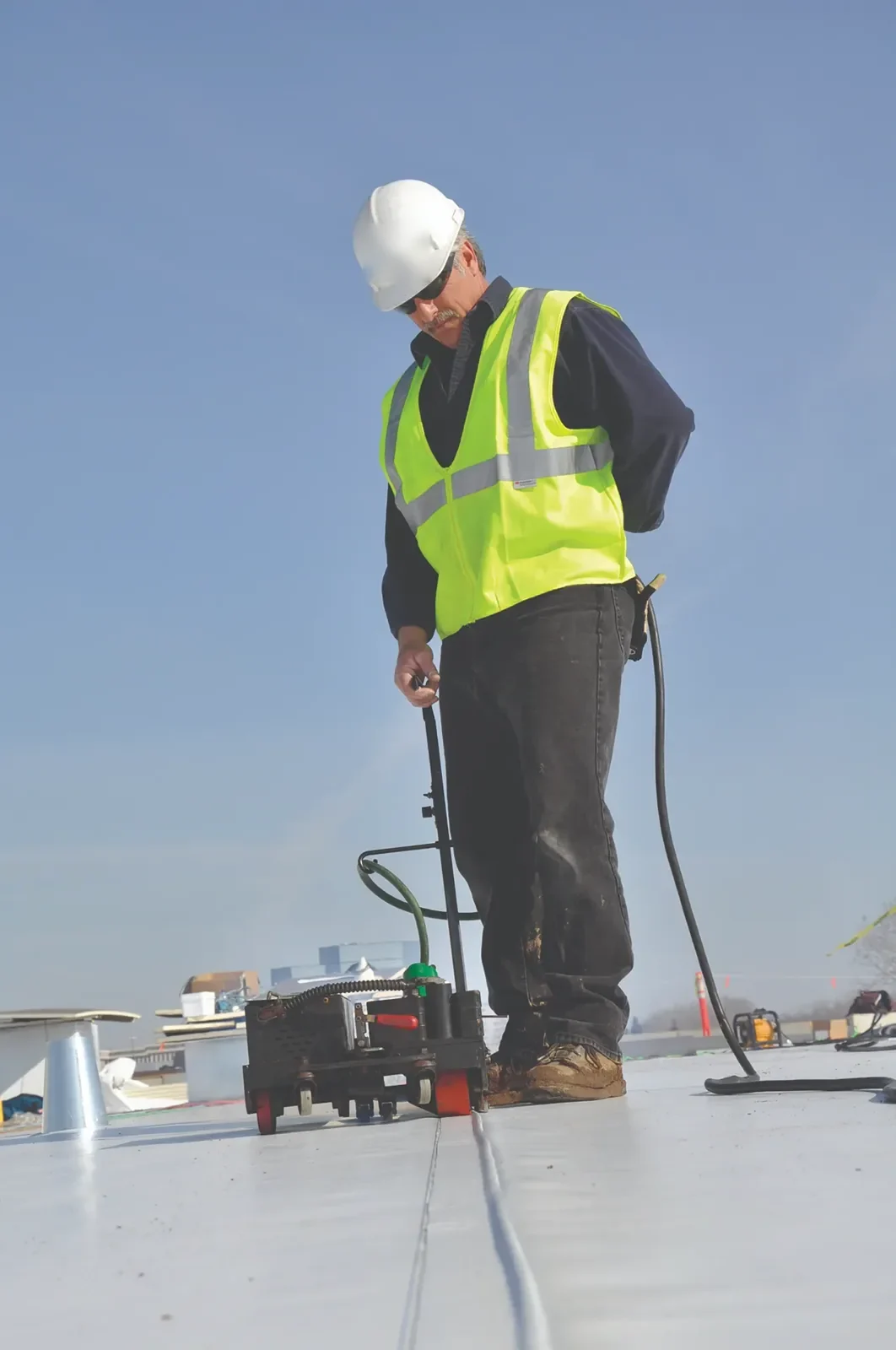
During a larger reroof, the crew controls foot traffic on completed sections and avoids carrying equipment across unprotected membrane. Work zones are closed as they are finished. If concealed deterioration appears, stop at the approved boundary and report the additional location and quantity before extending the repair.
Timing depends on puncture size, membrane type, wet insulation, roof height, access, material curing conditions, and work below. The proposal separates a single patch from a broader repair or replacement alternative. A property manager can compare that scope with tenant access and equipment schedules.
Prevent the Same Route from Cutting Again
Closeout identifies the roof zone, puncture dimensions, material installed, any insulation replaced, and the route checked. Photos show the opening and finished patch where permitted. If the interior area or adjacent roof field was not accessible, state the limit. Note whether rain has tested the repair.
Keep repair records with equipment service tickets and roof plans. Before the next mechanical visit, tell the vendor which access route is approved and whether walk pads are present. If equipment is moved, record any new curb openings or abandoned supports and confirm that roofing work has closed them.
Round Rock's distribution and industrial areas depend on truck and equipment access, while campus and office properties can have different visitor controls. The property contact should set the path and staging area for each job. A service ticket can name both the roof route and the unit being serviced.
A later roof walk can inspect the patch perimeter and nearby footpath for renewed wear. If new damage appears elsewhere, record it as a separate location. That makes maintenance history more useful than a general note that the membrane was repaired.
When a vendor must cross other roof fields, make the path part of the access briefing. Note whether mats, temporary protection, or a spotter are needed to keep tools and parts from contacting the membrane. After service, the facility contact can check that no packaging, fasteners, or abandoned materials remain on the roof surface.
For a puncture, identify its size, location, and likely source before covering it. Check for sharp debris, service activity, dropped tools, or repeated foot traffic, then inspect the surrounding membrane for abrasion or hidden moisture. The patch should extend to sound, prepared material and use a compatible system detail. If water has entered the insulation, surface repair alone may not resolve the issue. A closeout photo and note about the suspected cause can help prevent repeat damage.
Where equipment servicing caused the damage, coordinate a roof-protection procedure with the vendor.
If service work caused the damage, agree on a roof-protection procedure with that vendor before its next visit.
Questions About Commercial Roof Membrane Puncture Repair
Does a small puncture always require replacing insulation?
No. We check the area and sample moisture only if needed. Replacement depends on the material condition found within an approved opening.
Can a rooftop service vendor cause a puncture?
A tool or repeated foot traffic can damage membrane, but the inspection records evidence rather than assigning responsibility without support.
Will a patch stop a leak immediately?
The patch can close a confirmed opening when the surface is prepared and conditions allow. We document any moisture or adjacent defect still needing review.
Should walk pads be installed around every unit?
Placement depends on the service route and roof system. We can identify access paths that need protection during a maintenance inspection.
What should a facilities manager send before repair?
Provide the equipment ticket, roof plan, leak room, access route, membrane type if known, and any limits on the area below.
Related Roofing Work

Pecan Street and SH 130 Corridor

Hutto Innovation Corridor

Commercial Roof Repair
Commercial Rooftop Equipment Curbs and Supports
Commercial Roof Maintenance