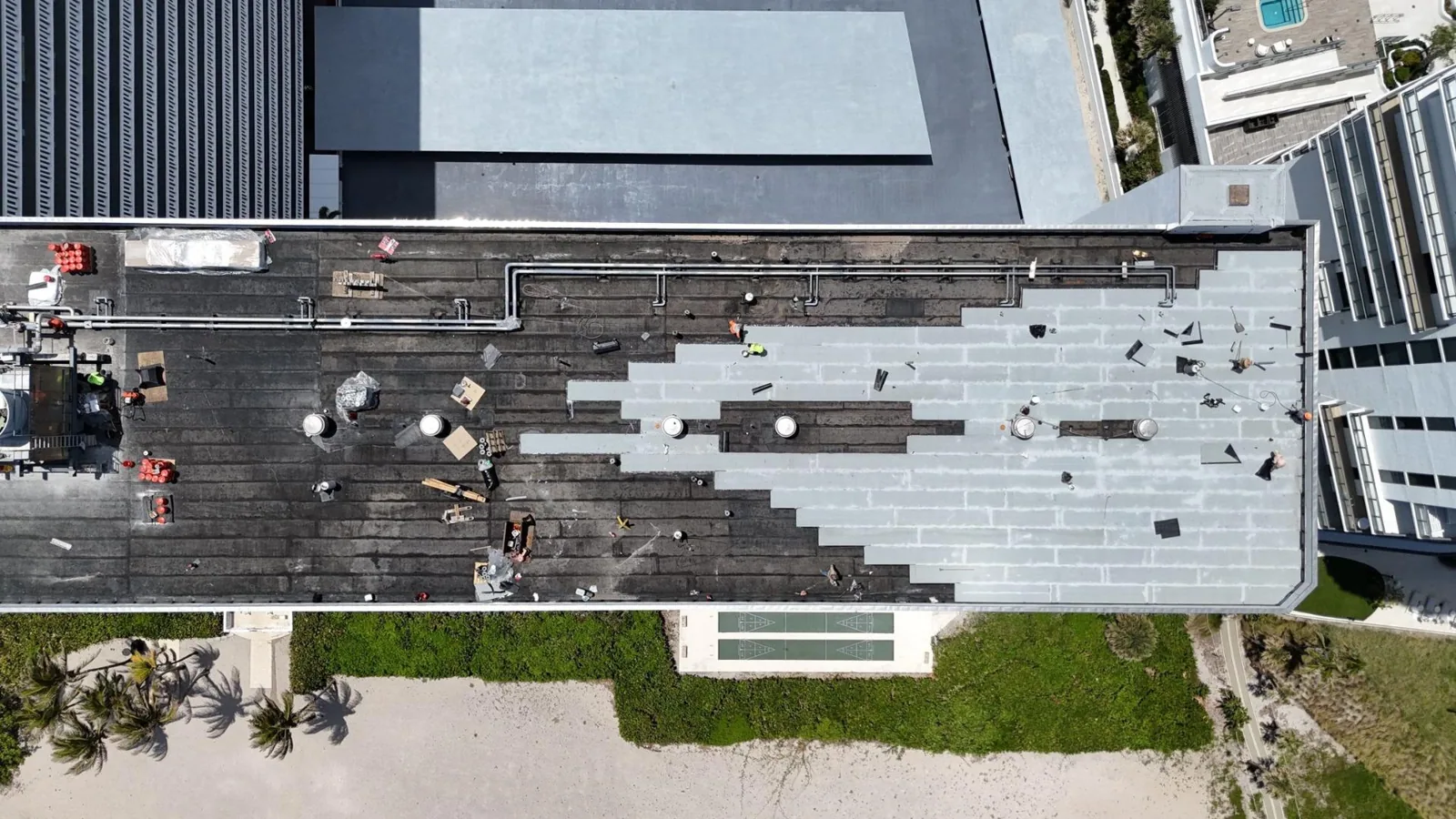
Schedule a Trade Center Roof Walk
A leak report from a commercial building along Chisholm Trail Road needs a useful starting point: the roof zone, interior symptom, and route the crew can use without disrupting nearby operations. The corridor connects business activity around Chisholm Trail Road with the west Old Settlers area and access toward IH-35. Businesses along Chisholm Trail Road between County Road 173 and Wolle Lane use Wolle Lane or West Old Settlers Boulevard to reach the IH-35 southbound frontage road. The planned Old Settlers extension connects Red Bud Lane with County Road 110, helping owners orient deliveries across the wider corridor.
For a property in the Chisholm Trail Road and Old Settlers Boulevard corridor, the first step is confirming the actual address, roof access, and person authorized to coordinate the visit. Commercial properties in the East Old Settlers Boulevard corridor and the Pecan Street business area have their own access plans and roof records.
Send the building address, affected bay, roof plan, dock schedule, equipment map, access contact, and any prior repair notes. We will map the inspection area. Call 555-555-5555 or request a roof assessment.
Trace the Leak Above the Work Area
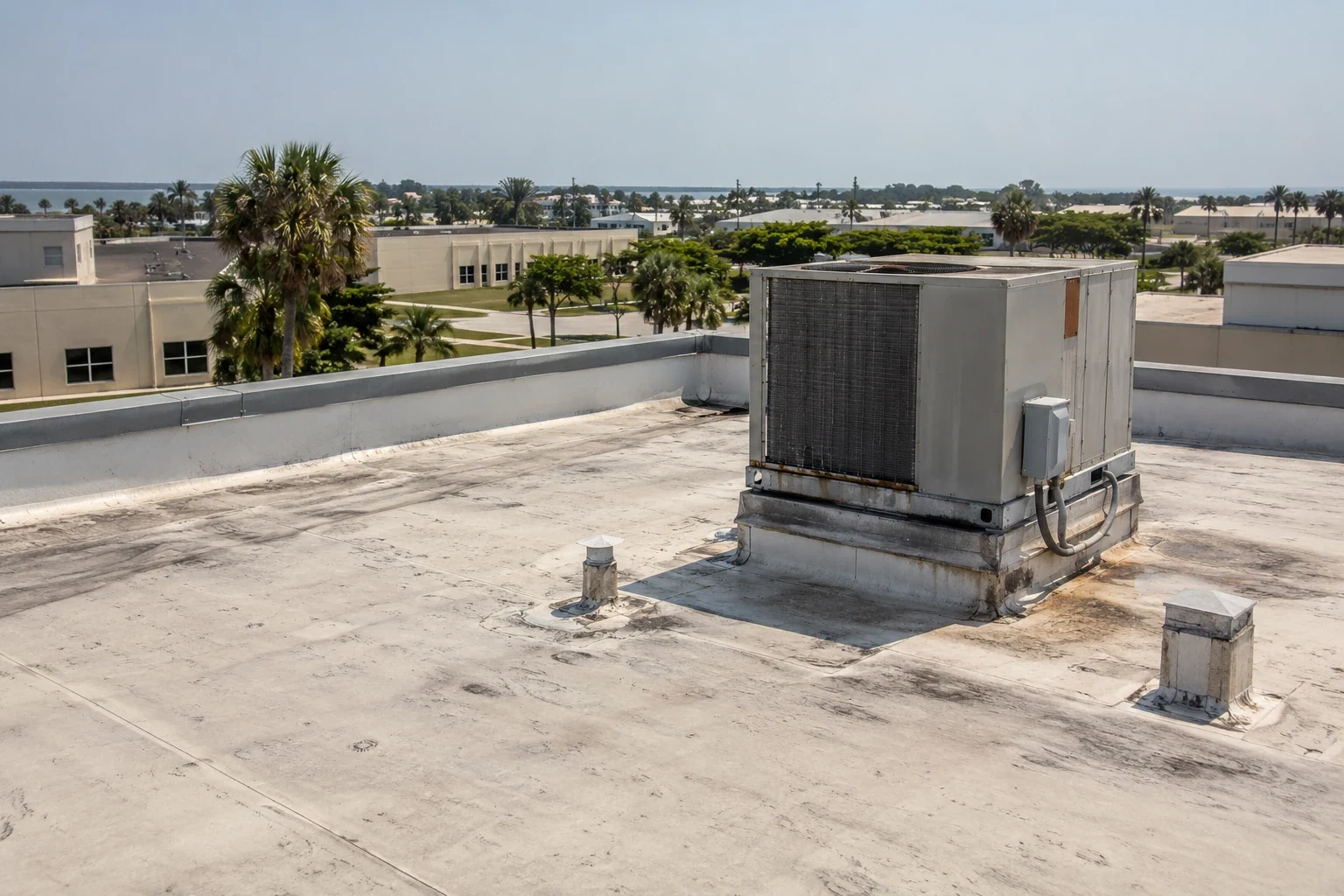
We record the interior bay, time, weather, and any equipment operating nearby. Water can follow a deck flute or framing line before it appears below. The roof inspection checks seams, drains, curbs, roof edges, and wall transitions near the reported path. If the evidence does not connect the stain to one opening, the report identifies the test that could clarify it.
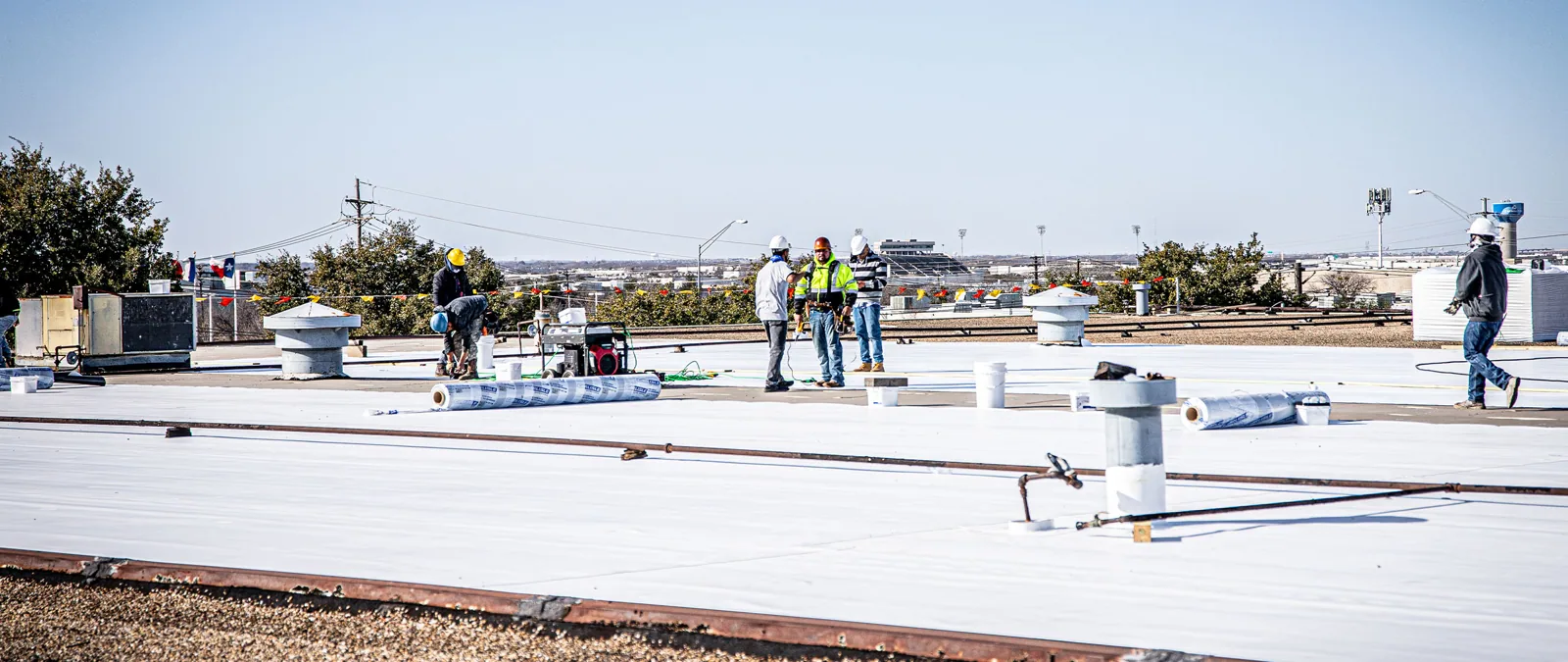
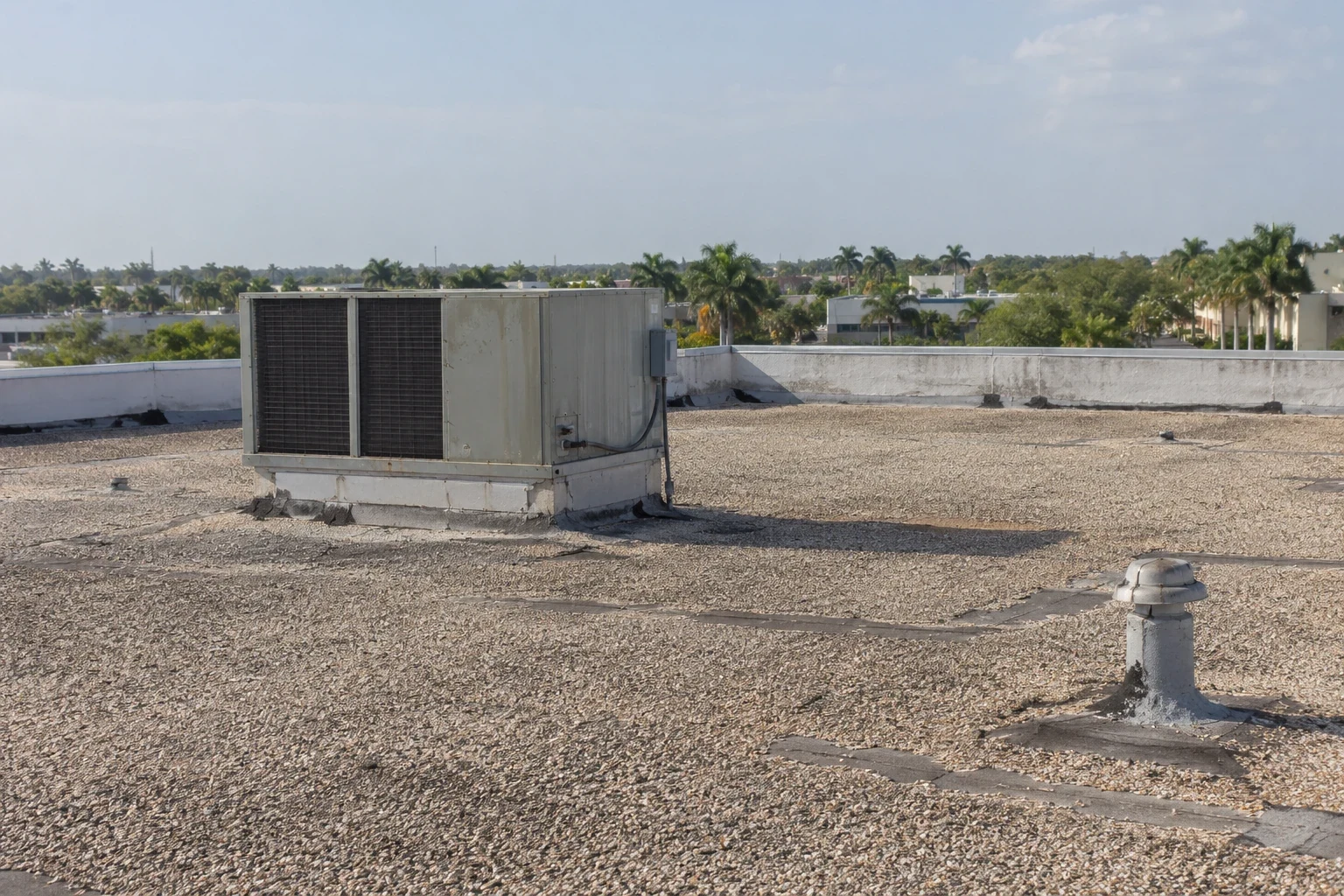
Distribution-style roofs may include rooftop units, exhaust, skylights, and service routes. We inspect each feature rather than assuming a specific roof system from a building’s apparent use. Loading dock operations can affect lift placement and ground protection. The facility contact confirms trailer circulation, employee access, and delivery windows for the work day.
NWS records for March 2022 report regional hail and a tornado crossing Round Rock. For a property under review, we document any movement, impact, or openings visible at edge metal, penetrations, and the roof field.
Nearby Austin Camp Mabry climate normals show sustained summer heat, with a 1991 to 2020 August average high of 97.8 degrees Fahrenheit. We plan roof work around the surface condition and forecast at the time of installation. We inspect sealants, seams, drainage, and membrane condition on the building itself.
Keep Dock and Trailer Routes Available
The property contact identifies the gate, receiving process, fire lanes, truck paths, and the roof-access point. Material staging must not block a dock door or trailer swing. A lift route can require a spotter and a temporary exclusion area. We confirm those details before delivery and update the plan if dispatch timing changes.
For an active leak, emergency roofing service is available at any hour, including holidays. Operations staff direct the crew to the affected bay and identify inventory or equipment that needs protection. A temporary measure can limit water entry while the crew defines the permanent repair. Both steps are recorded separately.
For replacement, divide the roof into sections that can be closed and dried in each shift. The crew sets a limit on tear-off and checks weather before opening the membrane. If wet insulation or damaged deck appears, document the location and quantity, protect the exposed area, and request approval before extending the scope.
Related work may include commercial roof inspection, drain and scupper work, or occupied-building reroofing. A roof map can be kept with condition reports and multi-site maintenance records. If wind has shifted a detail, inspect wind-related roof damage within the same boundary.
A roof walk should record blocked drains, open laps, loose edge metal, and repairs that differ from the surrounding assembly. Mark observations by roof zone and photograph only when site policy permits. The report separates a leak needing immediate control from maintenance that can be scheduled later. Confirm dock clearances and delivery times with the property contact before moving materials. If a loading window shifts, the supervisor can adjust staging without treating an uninspected roof area as complete.
Choose Work from Measured Conditions
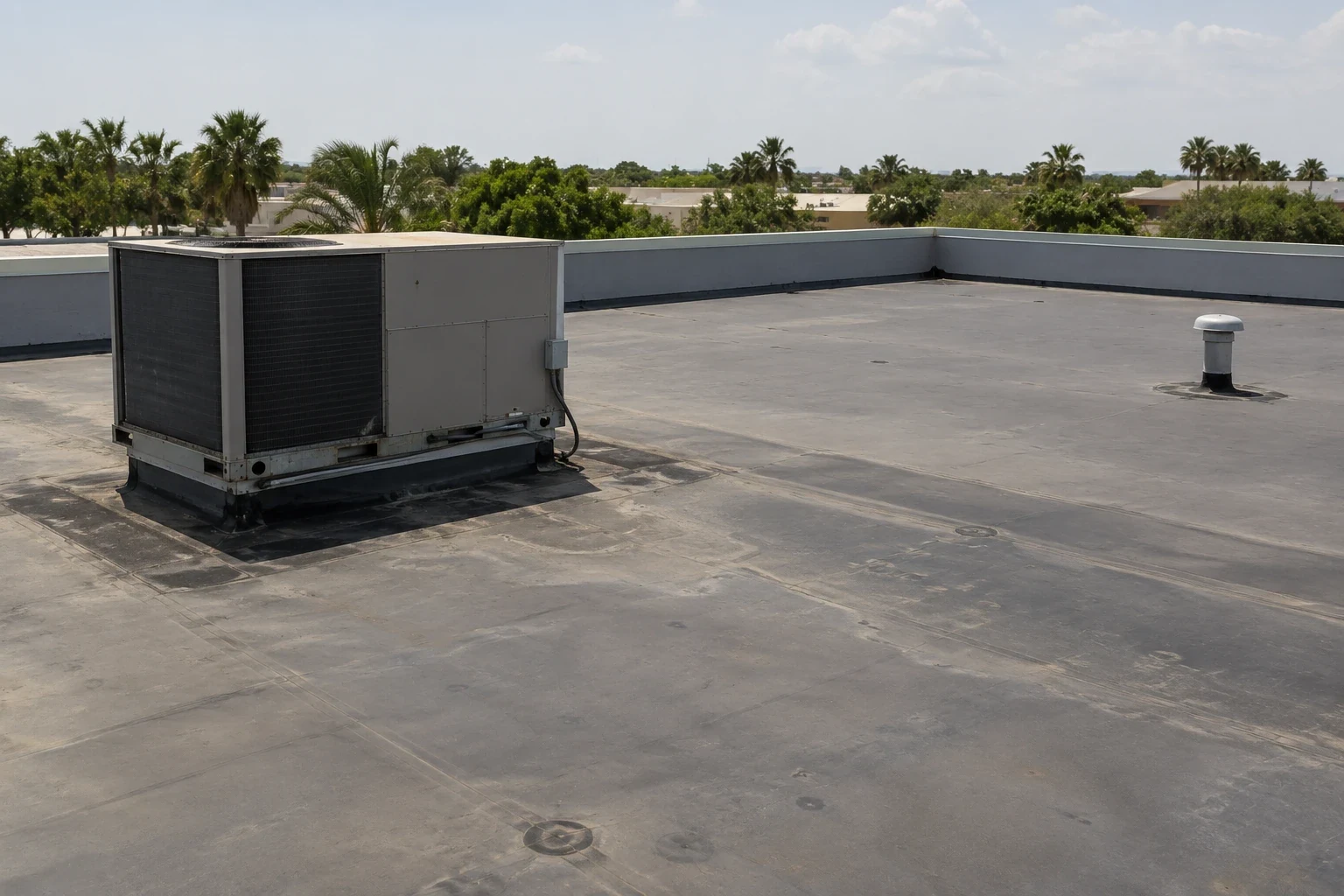
A puncture, failed drain flashing, or open seam can support a localized repair when surrounding materials remain sound. If several bays report moisture or the roof field shows wet insulation, a broader investigation may be needed. We mark which sections were inspected and which remain inaccessible. The proposal describes the repair boundary and any assumptions about concealed layers.
A coating or recover may fit only when the existing assembly is dry, attached, and compatible with the planned materials. It will not correct a sag or restore an obstructed drain by itself. Replacement requires a material and dry-in sequence suited to the building's access and loading schedule.
Cost and timing depend on system, roof height, equipment density, repair area, staging, trailer movement, interior protection, and work window. We separate roofing from dock operations, mechanical changes, and inventory relocation. The facility determines whether work can proceed while a bay remains active.
Round Rock's adopted building and energy codes include the 2024 editions of IBC and IECC. The Building Inspection Division enforces City requirements. Permit and review needs depend on the project; the owner and design team confirm what applies. We provide the roof details needed for their review.
Link Each Repair to Its Building and Bay
Closeout identifies the property, roof zone, defect, material installed, and detail restored. Photos or a marked plan can show the work boundary. If a section was blocked by equipment, weather, or an access limit, the report states that boundary instead of implying it was inspected. For a returning visit, the maintenance record identifies the building, roof zone, access point, and detail repaired.
Keep roof plans with loading maps, equipment schedules, tenant work orders, and prior repairs. If a future contractor installs a vent or camera, add its location and record who completed the flashing. The next inspection can then distinguish a new penetration from an older detail. After rainfall, staff can compare moisture reports with the same marked roof section. If no rain has tested the repair, the closeout says so. A follow-up walk can revisit a drain or seam before additional roof material is added.
Chisholm Trail Road and Old Settlers Boulevard help orient route planning, while County Road 173, Wolle Lane, and the planned Red Bud-to-County Road 110 connection provide additional transportation context. Before mobilization, the property contact confirms the site entrance, receiving procedure, roof access, and safe staging area. A useful roof plan separates work zones, records slope and drainage changes, and ties each finding to a Diligence Notes. This gives a facilities team a practical basis for prioritizing repairs without treating every interior stain as a confirmed roof failure.
Before scheduling, confirm loading activity, equipment access, tenant restrictions, and the approved work window. A short access plan helps the crew protect service routes and tells the building contact which roof areas will be occupied during inspection or repair. The same plan can support a later maintenance visit by showing which details were checked, which were repaired, and which could not be reached.
Questions About Chisholm Trail Road and Old Settlers Boulevard
What does the Chisholm Trail Road-Old Settlers corridor include?
It follows Chisholm Trail Road and the west Old Settlers connection. We confirm the property address and access instructions before scheduling.
How do you investigate a leak above a loading area?
We record the interior location and time, protect the area as directed, then inspect roof details along the likely water path.
Can crews work around delivery traffic?
The property contact confirms truck routes, delivery windows, and staging limits. Roof access and lift placement are planned against those instructions.
Does a regional hail or tornado report prove roof damage here?
No. A weather report is regional context. We inspect the building for observable impact, movement, punctures, or failed details before defining work.
What happens if concealed damage appears during tear-off?
We protect the opening, document the exposed condition and extent, and request authorization before expanding the approved work boundary.
Related Roofing Work
Chisholm Trail Road and Old Settlers Boulevard
East Old Settlers Boulevard
Pecan 130 Business Park
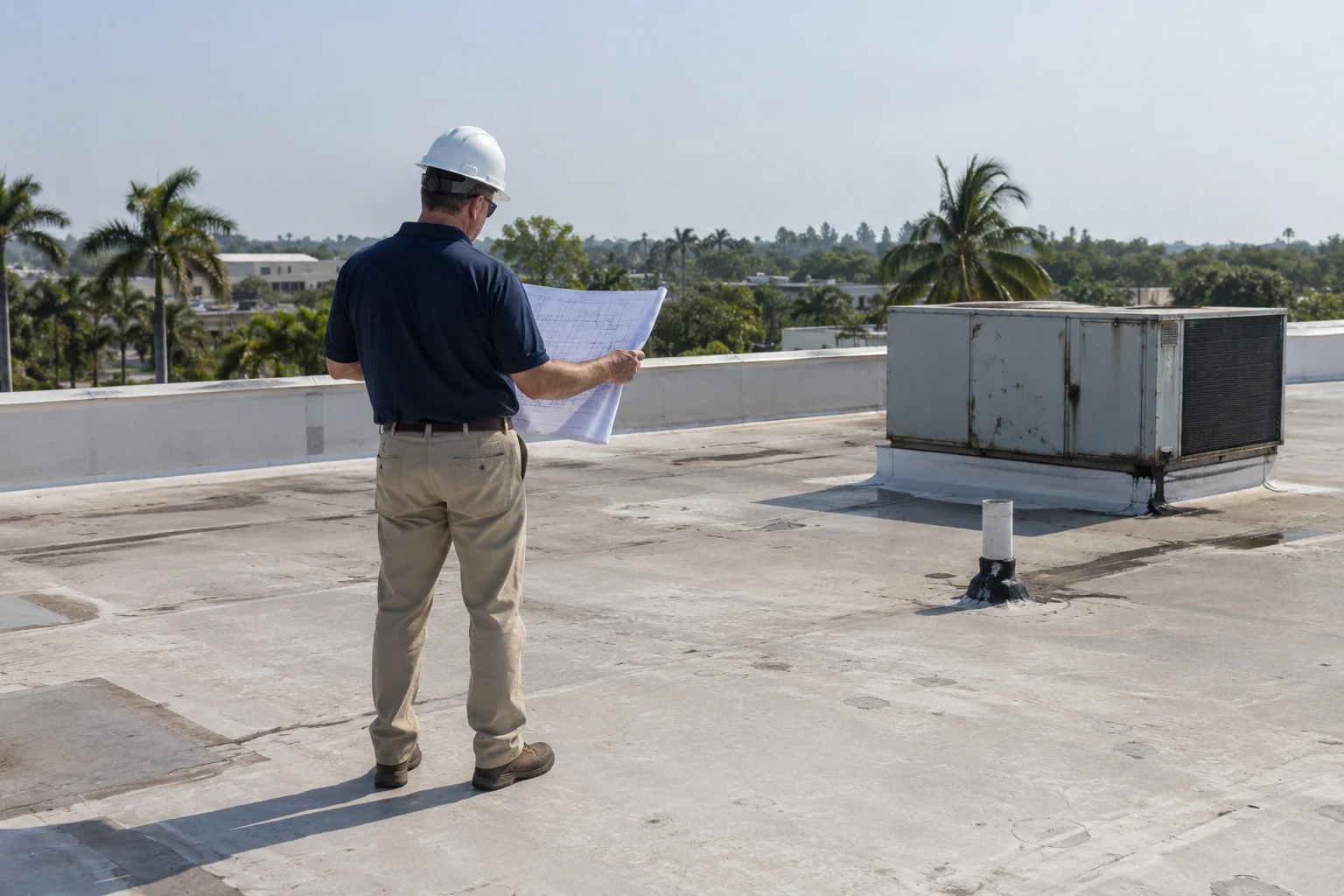
Commercial Roof Inspection
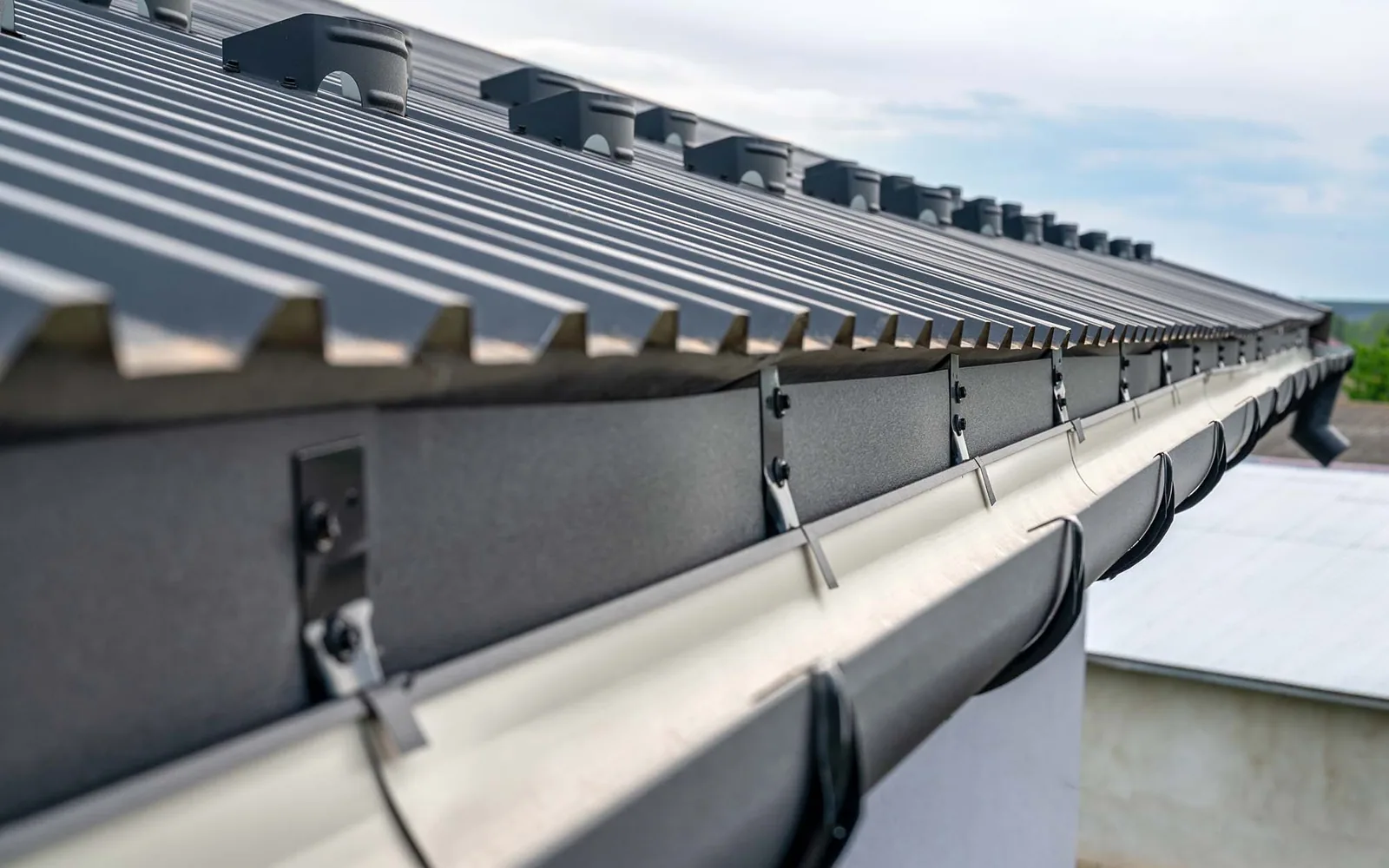
Commercial Roof Drains and Scuppers