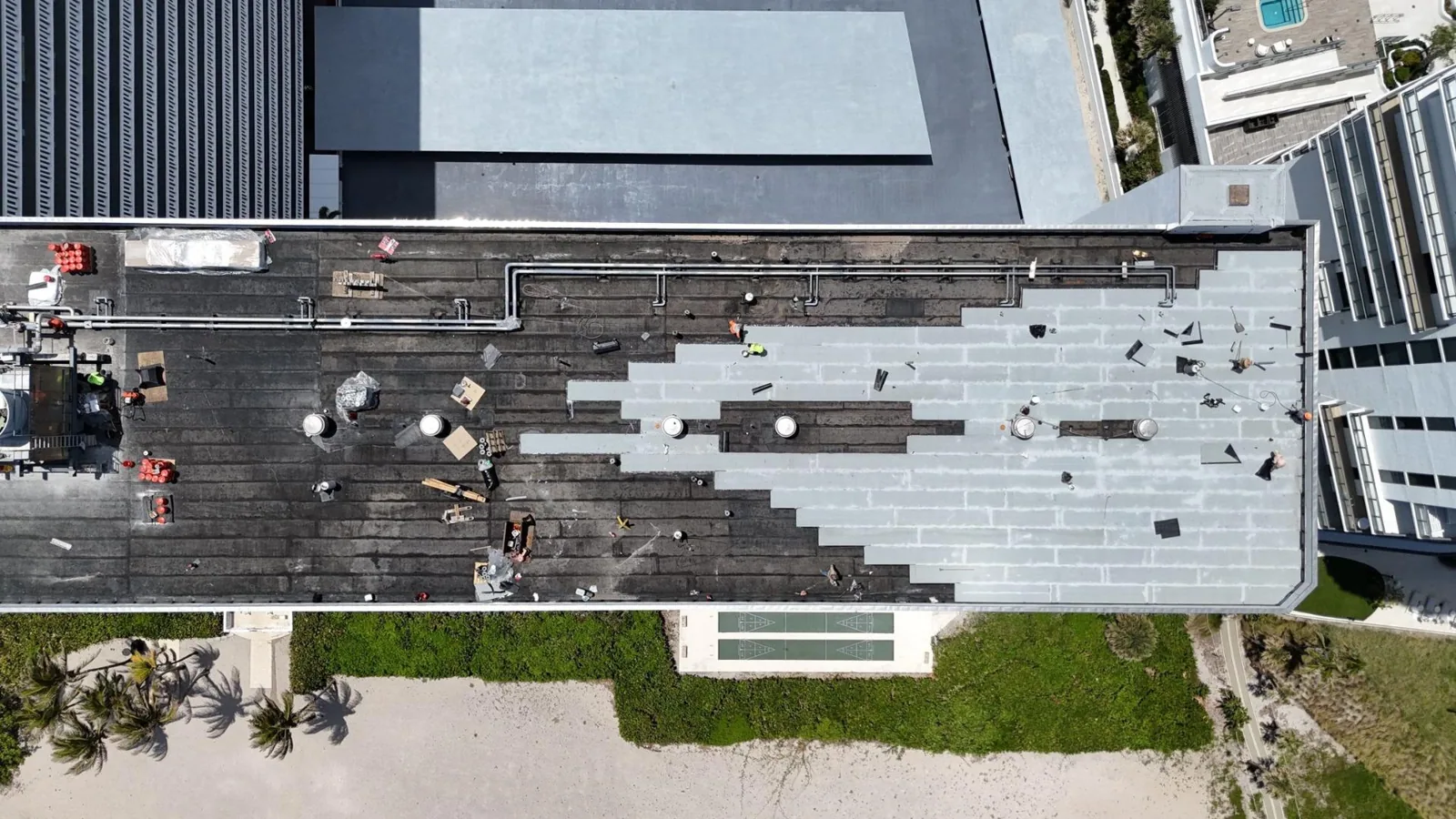
Review a Highway 29 Roof Scope
Commercial roofs along Liberty Hill's Highway 29 corridor serve retail, medical, vehicle-service, office-warehouse, and dining uses. Planned medical, retail, vehicle-service, office-warehouse, and dining uses make current access and construction phase important to confirm before a roof visit. The field inspection verifies the installed assembly, drainage, and repair needs at the property.
Commercial roofing along the Liberty Hill Highway 29 corridor begins with the building plan, current use, and access contact. The Georgetown I-35 commercial corridor and Leander's US 183 corridor each have their own roof and site conditions.
Send the project address, current status, roof plan, drawings, access contact, and any active leak report. We will define the inspection area and next decision. Call 555-555-5555 or request a roof assessment.
Review the Assembly at Each Property
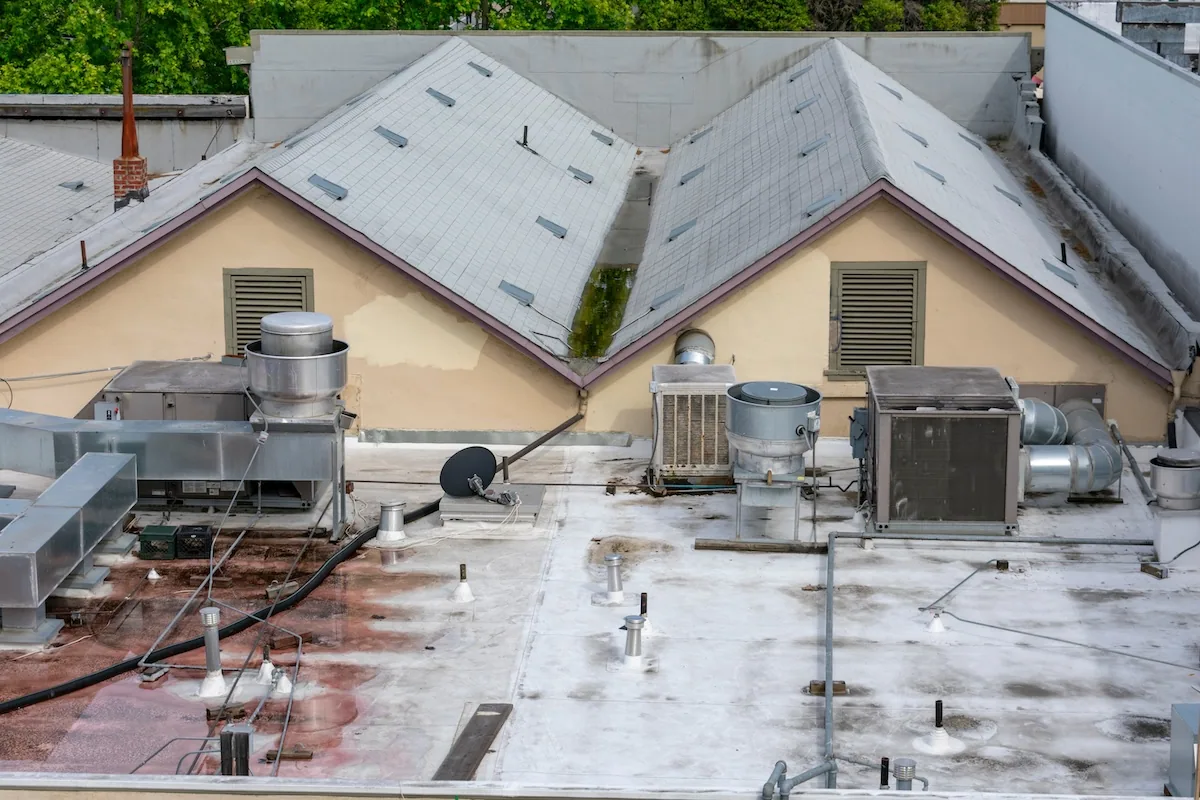
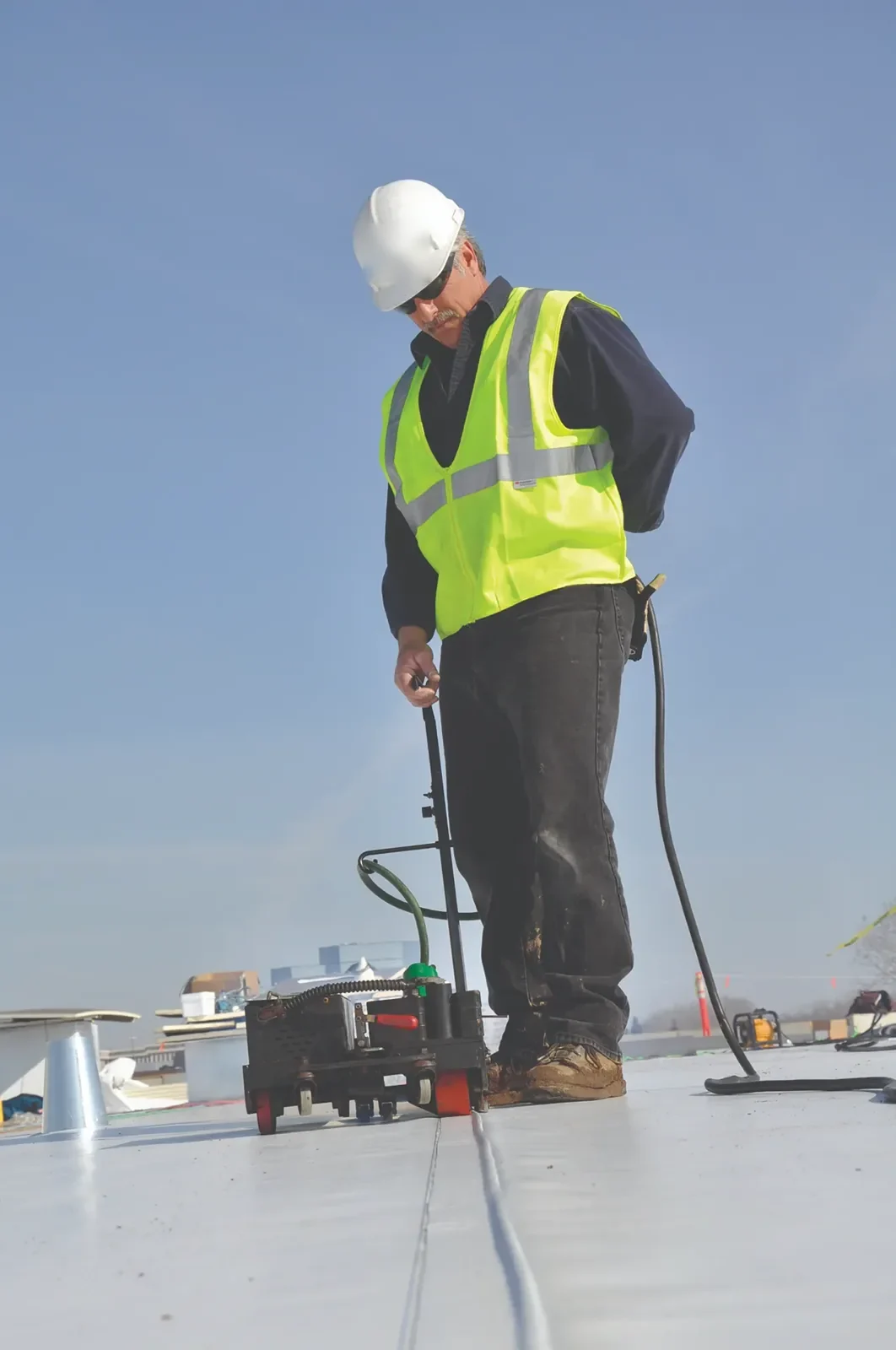
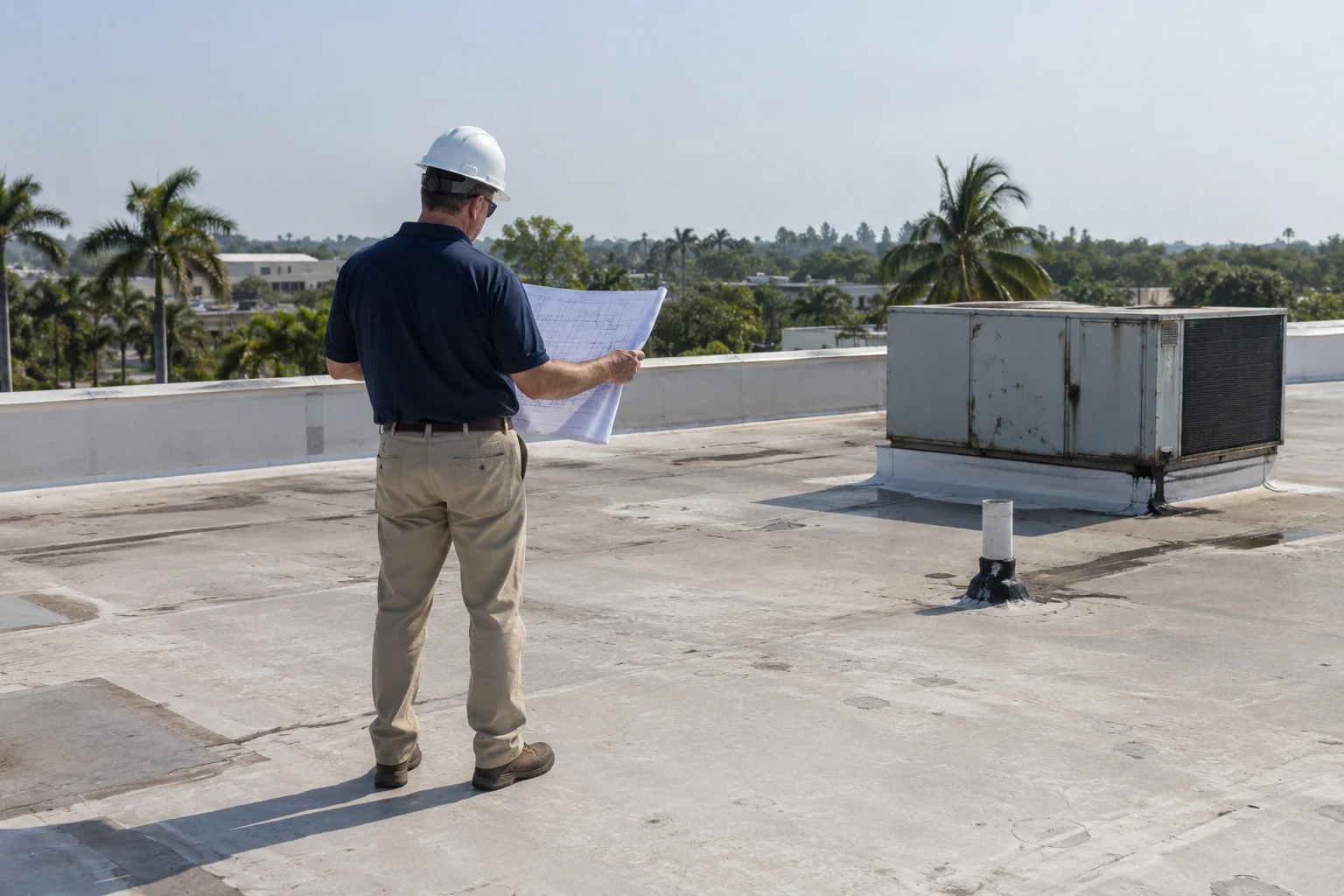
Start with the roof plan and building release, then verify the roof zone in the field. Check the deck, insulation, seams, drainage, perimeter metal, and penetrations. Where a roof is still proposed, the drawings guide coordination but do not prove installation. After work begins, inspect details before later trades conceal them. A leak report should be tied to a room or bay and compared with the water path above it.
Office-warehouse, retail, dining, medical, and vehicle-service buildings can have different equipment and access needs. A use listed for one property does not establish another building's current operation or roof assembly. The property contact supplies current plans and confirms which systems must remain active. We record the building and roof phase available for review.
Heat and storms affect exposed roofing in Central Texas. Austin Camp Mabry, a nearby climate station, records a 97.8°F average August high in its 1991-2020 normals. That heat can affect exposed seams and repair conditions, so we check the actual roof surface and product limits before scheduling. A tornado crossed Round Rock during the March 2022 outbreak; reports of large hail came from across the region. For a project here, the inspection must find actual lifted seams, punctures, or displaced trim before describing storm damage.
A hands-on check can test accessible laps, drain bowls, flashing, and edge attachment. Drone photos may show wide areas without walking every section. Infrared screening can suggest where a test cut may be useful. Each technique has limits. The report names what it established and what remains open.
Stage Work Away from Active Routes
The site manager confirms the gate, delivery hours, lift position, public areas, and roof access before mobilization. At an active development, staging depends on the work phase and current traffic controls. We confirm the drawings and field route with the site contact, then keep materials clear of drives, service areas, and pedestrian routes. If a site condition shifts, pause and agree on a new route. The field contact should also flag shared drives, delivery peaks, and pedestrian paths before a lift or debris container arrives. We keep the selected route within the approved work area and update the daily plan if tenant activity or nearby construction changes.
For active water entry, emergency response is available around the clock, including holidays. We can stabilize the affected area while checking the roof detail and interior report. We document temporary protection separately from permanent repair and identify what must be confirmed before lasting correction. If the roof is under construction, record the phase and identify the trade responsible for the temporary tie-in.
Reroofing needs a defined opening limit for each shift. Set the dry-in method, weather stop, and disposal route before work starts. If hidden wet insulation or damaged decking appears, cover the area and measure it before asking to expand the scope. This is especially important when the building remains occupied or several trades share access.
Related scopes include commercial roof inspection, roof insulation and cover board work, and occupied-building reroofing. At a curb or sleeve, penetration flashing needs a clear trade assignment. Keep each location in roof condition reports for follow-up.
Separate New Work from Existing Repairs
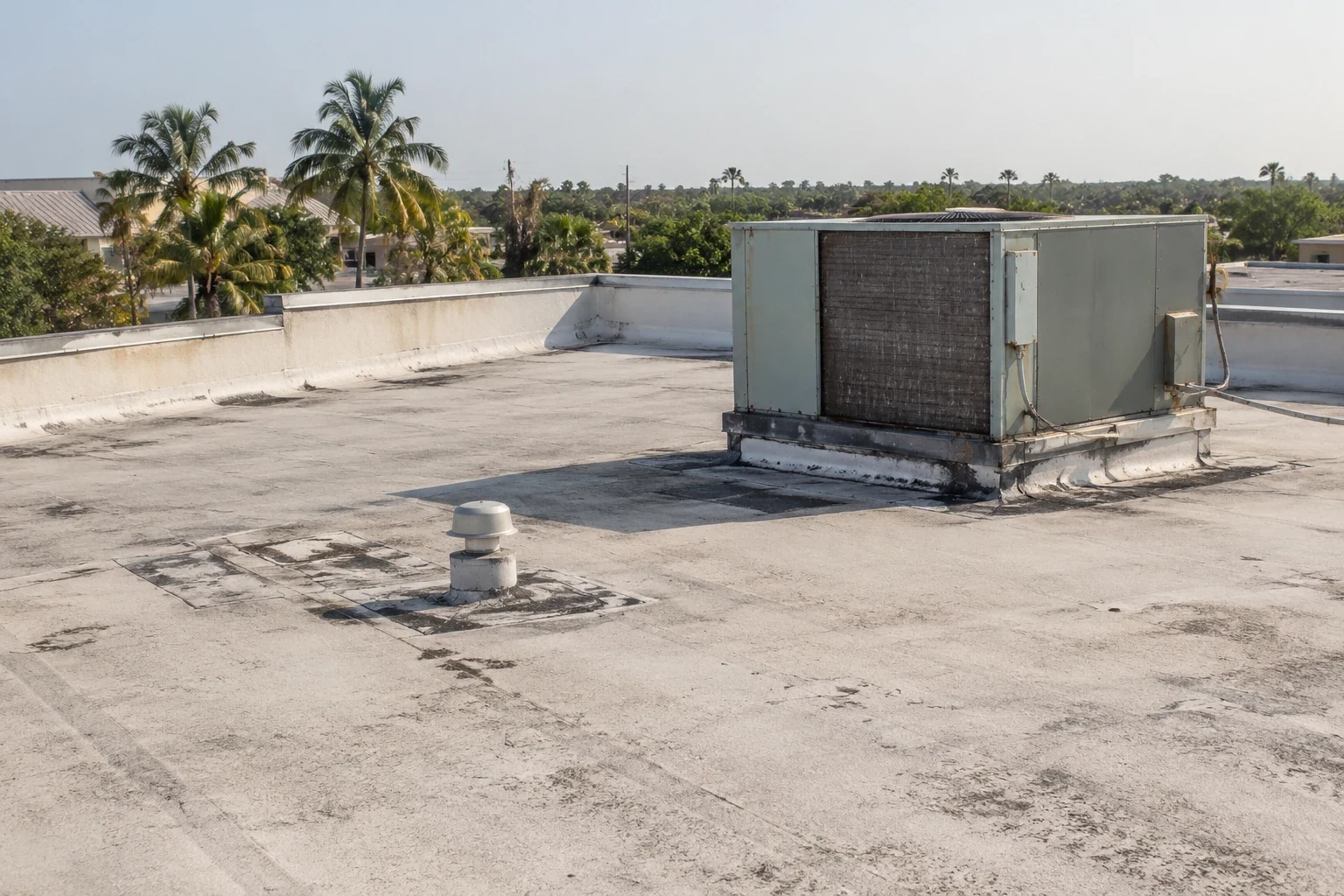
A local repair may fit when one seam, curb, or edge has failed and the surrounding materials are dry and attached. Repeated reports, multiple open details, or moisture at several sample points can call for a wider investigation. We state the inspected area and whether a test confirmed the condition. A single test point should not be used as a finding for a separate structure.
Recover and coating options depend on moisture, surface bond, compatibility, drainage, and retained flashing. A coating cannot repair a weak deck or fix a leaking penetration. Replacement exposes more of the assembly, but it adds tear-off, disposal, and a more involved weather plan. The scope should identify the new layers, the old material removed, and what happens if the substrate differs from the plans.
Schedule and cost respond to roof geometry, access, material movement, weather, tenant hours, equipment, and concealed conditions. The estimate separates roofing from HVAC, electrical, and interior work. Liberty Hill's project team confirms local permit and inspection requirements. Round Rock's code office applies in its own jurisdiction; project review for the Highway 29 property should follow the authority governing that address.
Delaying a leak can move water into insulation or finished areas. The assessment should distinguish immediate control from a lasting correction. We list the next check and whether rainfall has tested the repaired detail. For new work, use an inspection hold point before membrane or flashing becomes inaccessible.
Keep Proposed and Completed Work Distinct
Closeout identifies the property, construction phase, assembly, roof zone, and unresolved item. Mark approved photographs on a plan and distinguish planning drawings from field records, so the owner can tell what was proposed, installed, or inspected.
Keep roof documents with shop drawings, material submittals, change orders, and later maintenance tickets. If a unit or pipe is added after the first inspection, state who restores the roof detail and who checks it. A new leak call can then refer to an exact location instead of a broad project name.
As work progresses along Highway 29, proposed medical, retail, vehicle-service, office-warehouse, and dining uses may enter different construction phases. Keep the current drawing revision, permit status, and access approval with each building file. Before dispatch, confirm the property contact and delivery route; tenant changes and active construction can alter roof access.
Along the Highway 29 commercial corridor in Liberty Hill, roof observations should be tied to an individual building and drainage area. Long roof planes can carry water away from the visible stain, while curbs and perimeter transitions may interrupt that path. A careful inspection records the route from likely entry point to interior symptom and distinguishes confirmed defects from areas that need further testing.
Owners can make repeat visits more useful by keeping prior photographs and repair dates with a simple roof plan. That history helps the next technician see whether a condition is new, recurring, or related to a previous detail without relying on memory alone.
After repair, verify the detail from the roof side and document any adjacent conditions that could affect performance. The final note should identify work completed and items still requiring owner review.
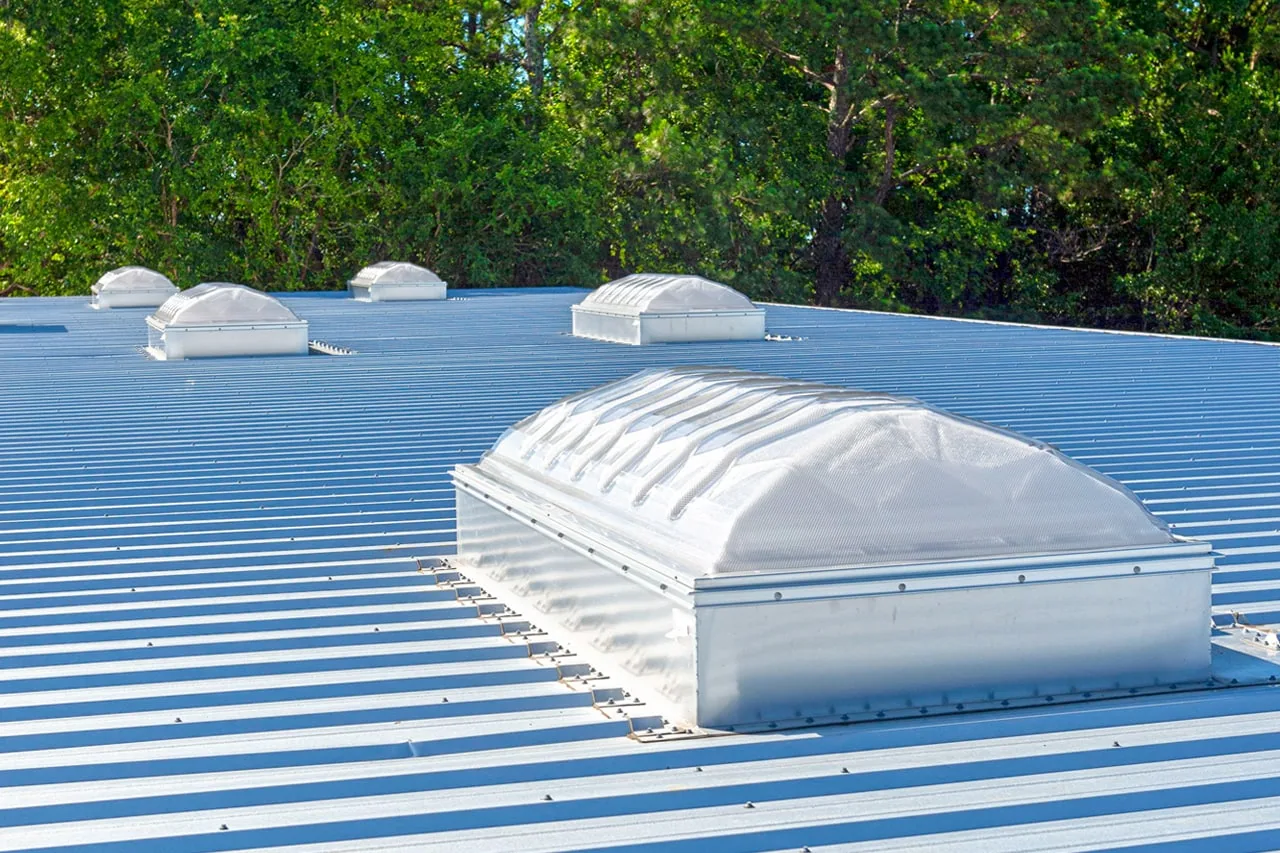
Questions About Liberty Hill Highway 29 Commercial Corridor
Does a proposed project listing confirm construction has started?
No. It identifies a proposal or application. The owner or project manager confirms release and current field status.
Can you inspect before a building is complete?
Yes. A pre-cover visit can check exposed deck, insulation, fastening, drains, and flashing details within the released area.
How do you handle a leak during construction?
We document the affected phase, stabilize the opening where authorized, and identify which trade owns permanent correction.
What changes the roof schedule?
Weather, deck readiness, material delivery, access, inspection holds, and changes to the roof detail can affect sequence.
Can repair and replacement scopes be compared?
Yes. We state the evidence, areas included, materials, close-in plan, and concealed conditions that could change quantities.
Related Roofing Work
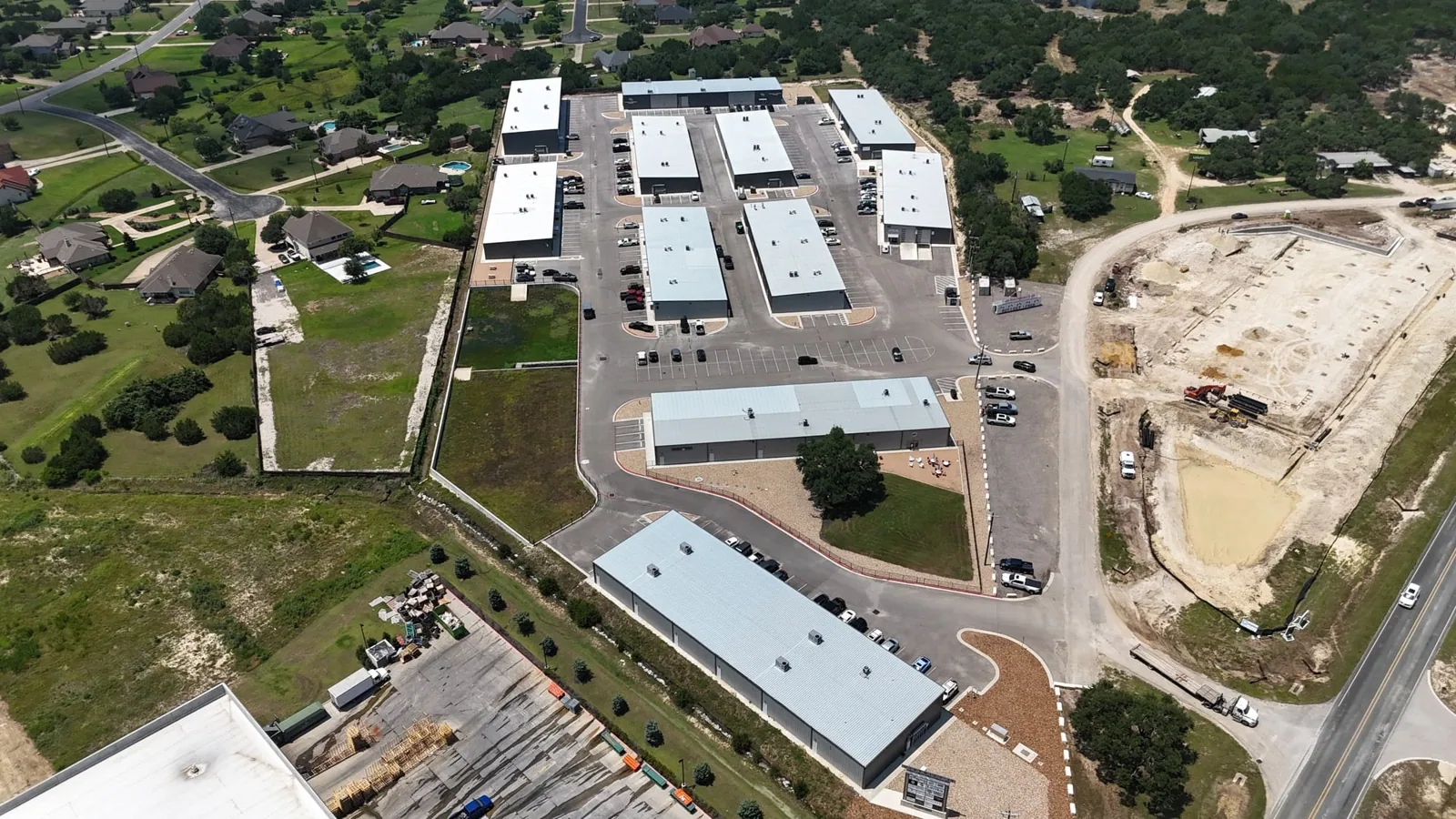
Liberty Hill Highway 29 Commercial Corridor
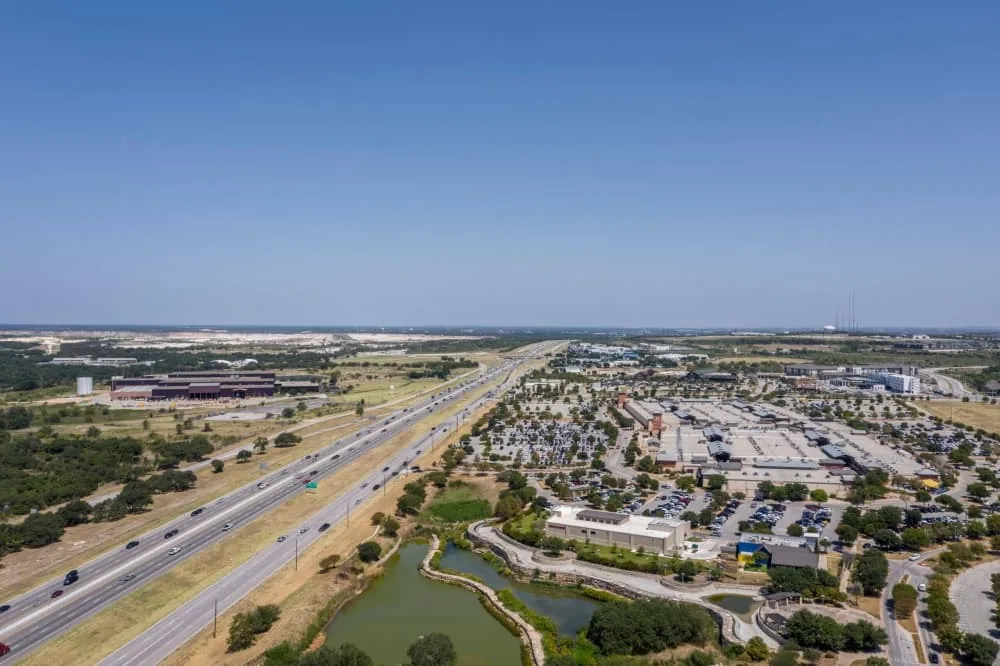
Georgetown’s I-35 Commercial Corridor
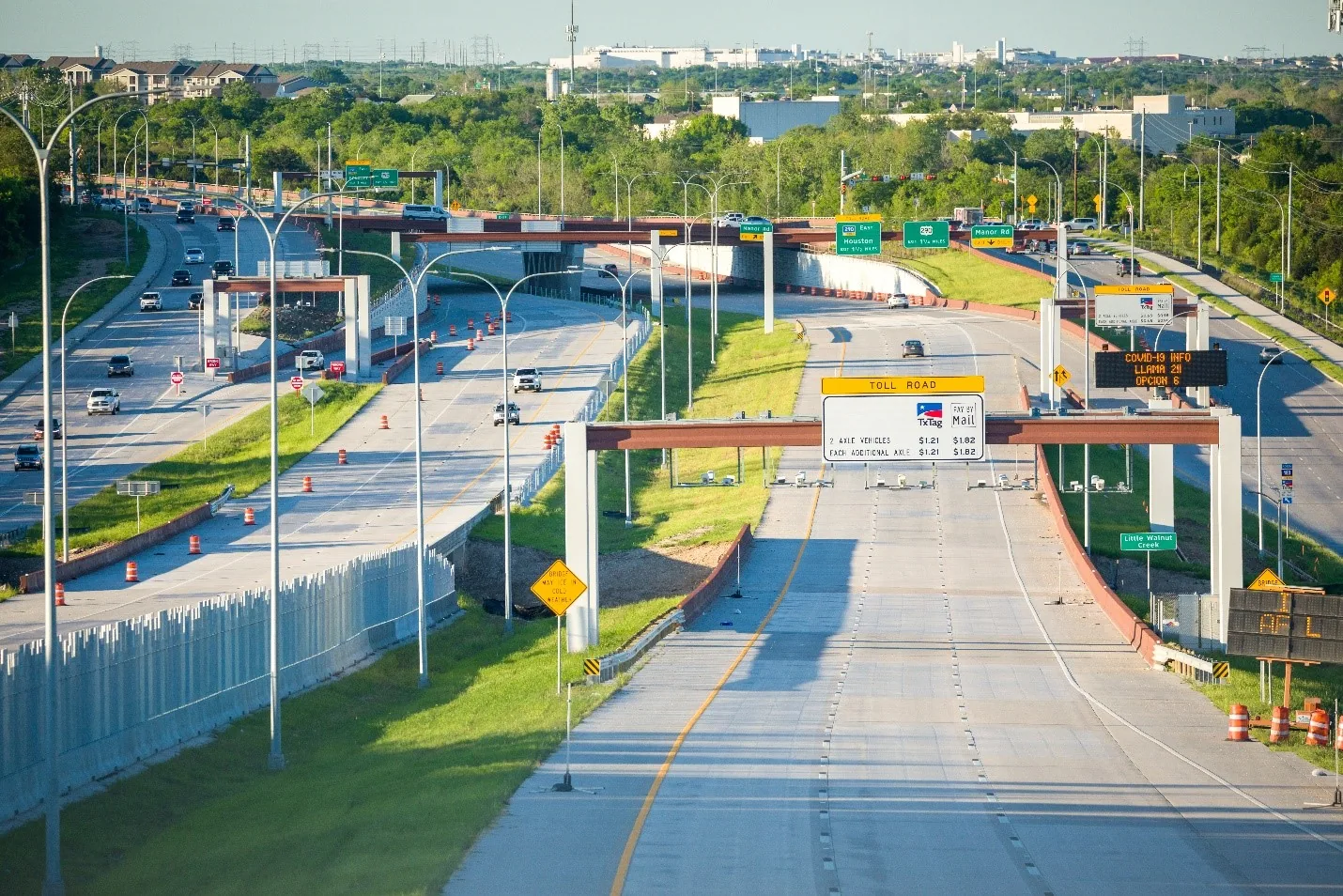
Leander's US 183 Corridor
Commercial Roof Inspection

Commercial Roof Insulation and Cover Board