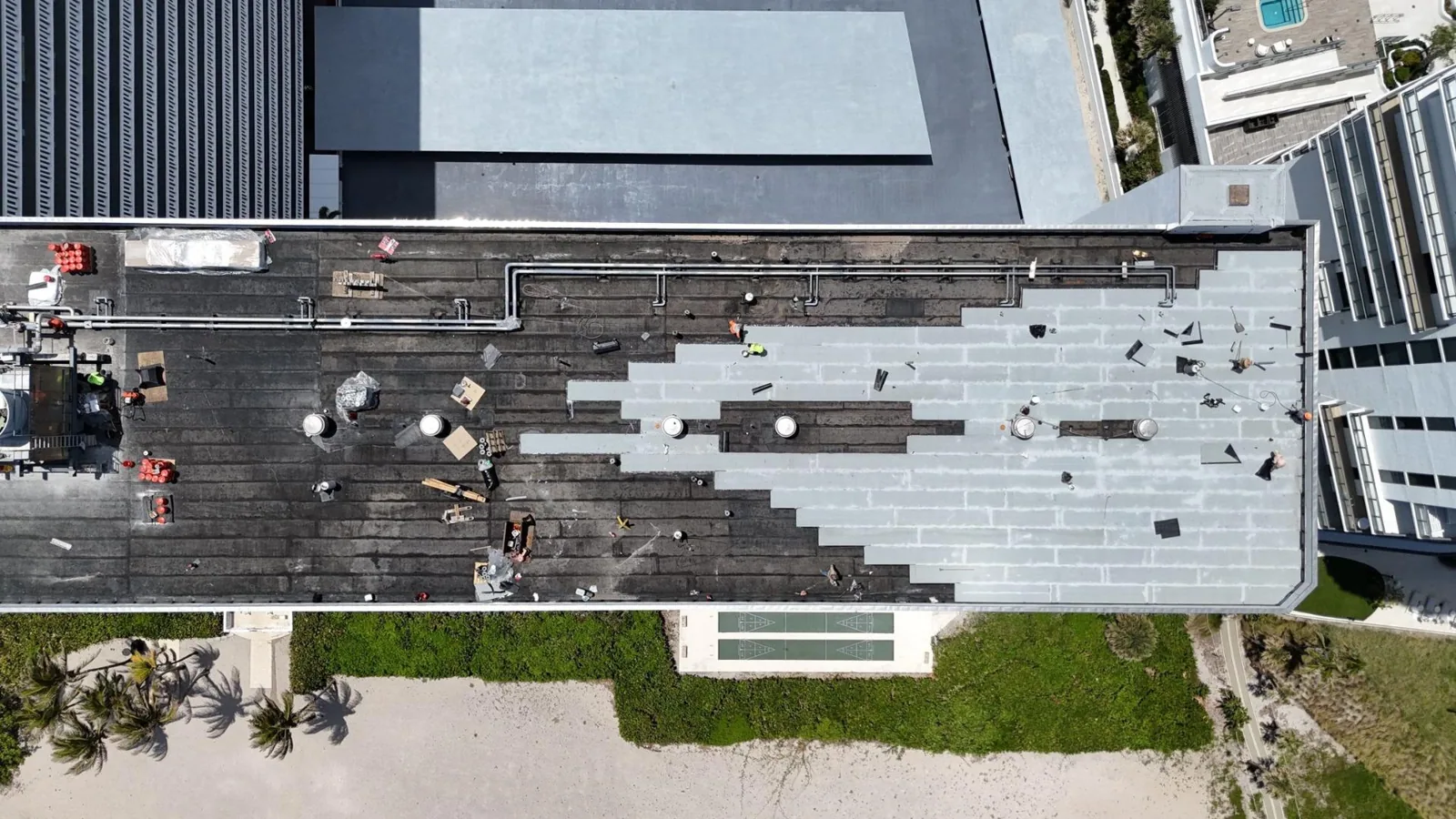
Plan a Roof Inspection Along Georgetown’s I-35 Corridor
Georgetown’s commercial profile identifies retail activity near I-35 at University Avenue and Lakeway, while city planning also calls for preparing for development around I-35 and Highway 29 North. Customer entrances, vendor deliveries, and roof access can share the same circulation area, so a leak response needs a site-specific route and protected work zone. The roof itself still requires inspection before a repair boundary is set.
Commercial roofing in the Georgetown I-35 commercial corridor starts with the building address, roof plan, and authorized site contact. The Hutto US 79 and SH 130 corridor and the Greenlawn Boulevard corridor have separate operating conditions.
Provide the building address, affected room, access contact, roof plans, and any recent repair history. We will trace the reported condition, mark the roof zone, and explain which repair or follow-up test fits the observed assembly. Call 555-555-5555 or request a roof assessment.
Start at the Reported Interior Mark
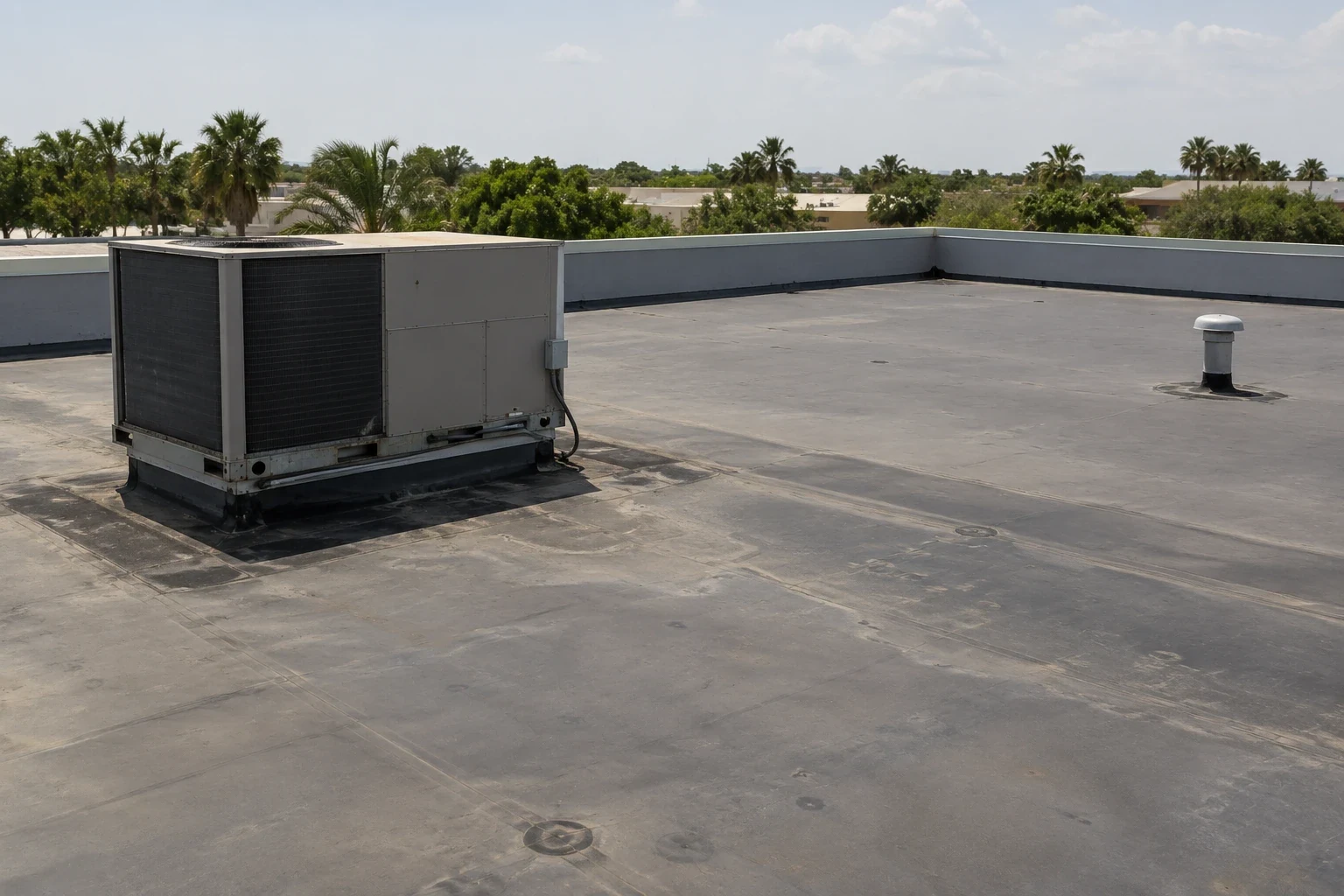
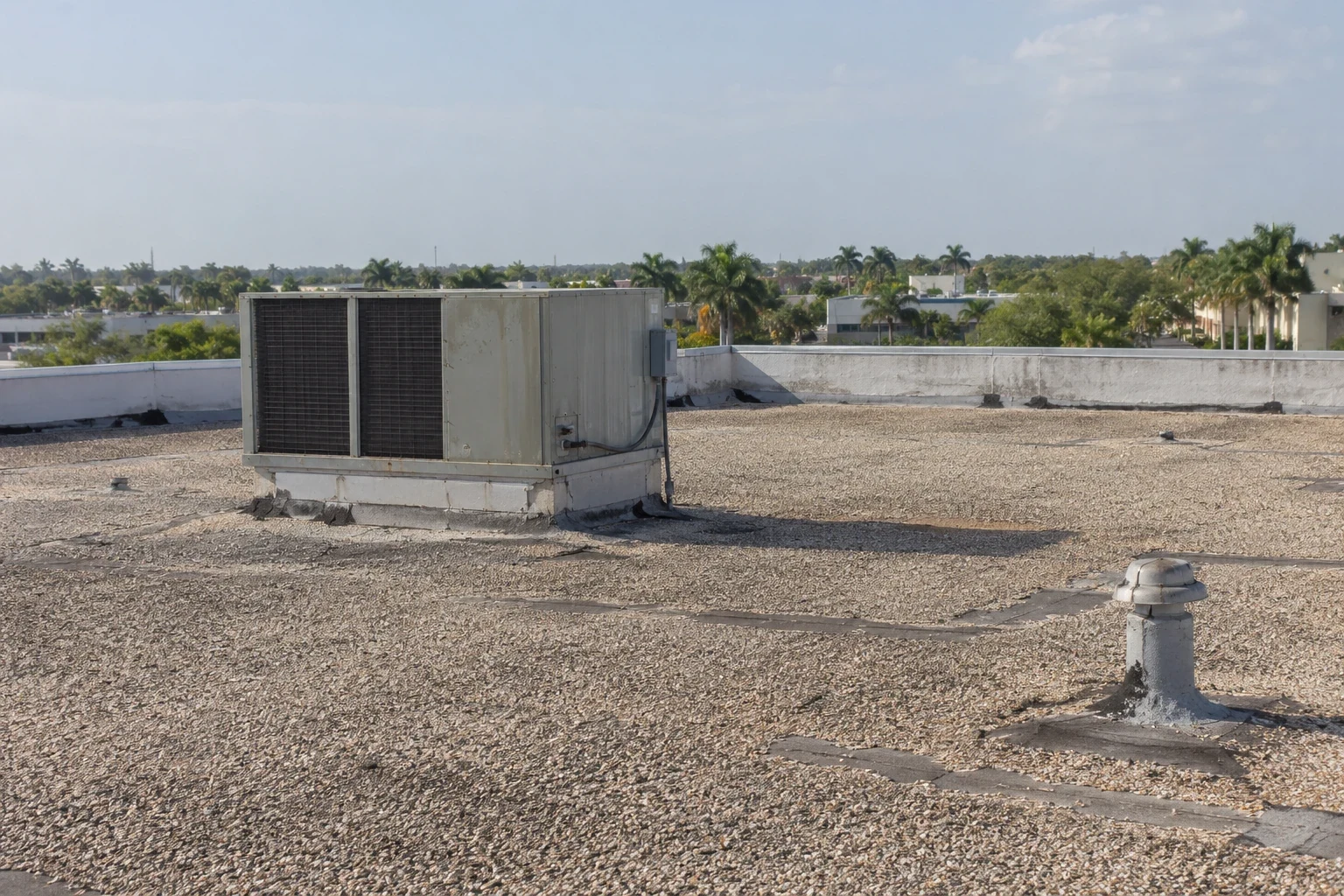
A ceiling spot or wet wall is a location clue, not proof of the entry point. We mark the affected room, inspect the roof above and around it, then follow seams, drains, parapet transitions, and curbs that could carry water. When the roof evidence supports a path, the report describes it. When it does not, we identify the next test instead of extending a repair by guesswork.
Retail and service activity along the I-35 corridor can affect lift timing and material delivery. The site contact confirms the contractor entrance, work-zone route, and roof access before mobilization. A roof walk verifies the assembly, drainage direction, equipment supports, and prior repairs for each building. Before pricing, confirm the installed membrane, roof age records, prior repairs, and current drainage at the building.
At Austin's Camp Mabry station, 1991 to 2020 normals put the August average high at 97.8°F. A tornado crossed Round Rock during the March 2022 event, while hail was reported elsewhere in the region. On-site roof conditions guide material handling and any storm-related repair scope. We inspect the particular roof and document only what its details show.
Check seams, edge metal, penetrations, drain bowls, and interior reports as one sequence. If water moves along the deck, the source may be separated from the stain. A test cut can confirm material condition at one sample point. It cannot describe every roof zone. We record the test location and what remains outside its result.
Protect the Work Zone Below
Before material delivery, confirm the approved gate, truck route, lift location, pedestrian boundary, and hours. The property's access plan sets the contractor route and work boundary. The site manager can identify public paths, active tenants, and any nearby work that needs a separate exclusion area. Keep the crew and materials within the approved boundary, and revise it if site activity changes.
An active roof opening can be stabilized after hours, with holiday response arranged through the site contact. For active water entry, the first visit can protect interior contents and stabilize an exposed detail while the source is investigated. Record the temporary measure separately from permanent work. That gives the owner a clear status and a next action.
A larger replacement should identify how much roof opens each shift, how the edge closes, and where debris moves. Weather determines the daily limit. If removal exposes wet insulation or a damaged deck, cover the opening and report the condition before changing the approved quantity. The site team should coordinate noise, delivery timing, and any work near public access areas.
An urgent leak call can start with emergency roof repair, followed by a mapped commercial roof inspection. For active tenants, phase reroof work by access window. Check an outlet through drain and scupper service, then store the finding in a roof condition report.
Compare the Repair to the Roof Evidence
A local patch may be appropriate when the defect is isolated and nearby material remains firm and dry. Several leaks, broad moisture, or failed attachment may call for a larger evaluation. We state what was inspected, which tests were performed, and how far the findings extend. A single test cut only reports the layers at its sample.
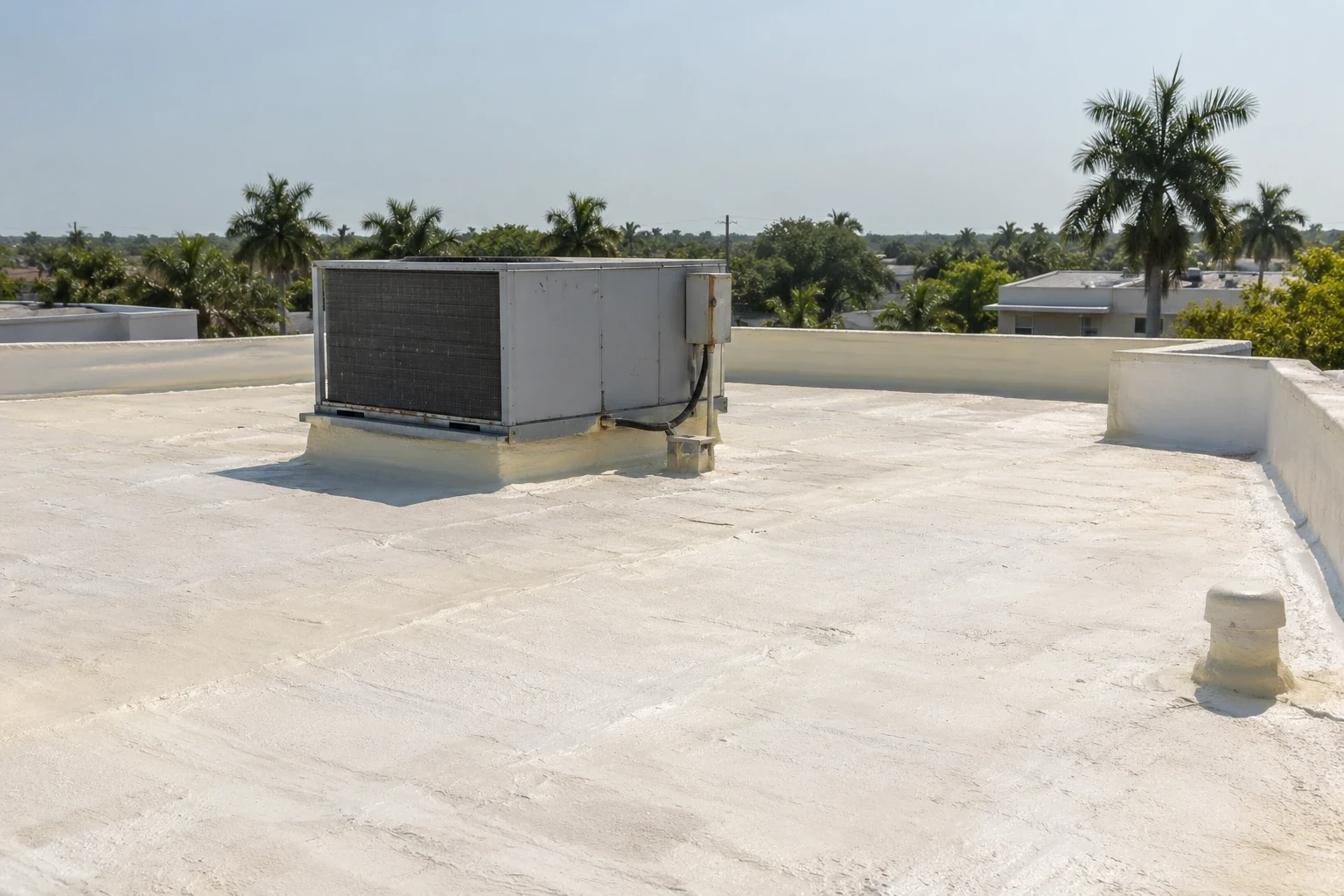
Coating and recover options depend on moisture, adhesion, compatibility, drainage, and the remaining flashing. A surface layer does not fix a failed curb or remove trapped water. Replacement can expose more of the system but requires tear-off, insulation review, disposal, and a daily weather plan. The estimate describes the assembly and details included, along with the point where concealed conditions require approval.
Cost and schedule reflect roof height, system type, access, staging, equipment, weather, delivery limits, and tenant coordination. The scope separates roofing from electrical, HVAC, and interior work. The estimate lists base roofing work apart from electrical, mechanical, and interior tasks. Confirm permit and code review requirements with the jurisdiction that governs the Georgetown property.
If water is left uncontrolled, it can reach insulation or interior finishes. We size the repair after checking the system, weather exposure, and nearby details. An immediate protection measure can hold the area while the owner reviews a permanent repair. The closeout notes whether a later rain event has tested the work.
Make the Repair Easy to Locate Later
Closeout should name the building, roof zone, condition, repair material, completed detail, and follow-up. Link each approved photo to a plan mark. Record the site route used and any area that stayed inaccessible. The corridor name alone does not identify the roof section for a future leak call.
Store service details with roof plans, warranty files, tenant records, and later equipment changes. If another trade opens a curb or adds a line, document who restores the weatherproofing and who accepts that detail. A future roof walk can then compare a known location against prior findings. Retain service dates and the site representative who closed each work order.
Georgetown's commercial nodes at I-35 and University Avenue and at Lakeway and I-35 have different entrances and loading patterns; Highway 29 North is a separate planning area. The work order needs the specific building and property contact. Those details give the crew a practical arrival point and keep the service report tied to the correct roof zone.
Across a multi-building commercial property, construction and occupancy can change by phase. A roof baseline should identify the building and roof section, distinguish completed work from remaining construction, and record exposed details that can change as equipment or tenant improvements are added. If water appears indoors, preserve the first report and compare it with the roof plan before opening or covering an assembly.
For phased work, coordinate access with the current property contact and note construction areas that were excluded. This makes later comparisons more reliable and prevents a repair record from implying that uninspected roofs received the same review.
A dated baseline also helps separate construction observations from later maintenance concerns. Keep excluded or unfinished sections clearly identified in the record.
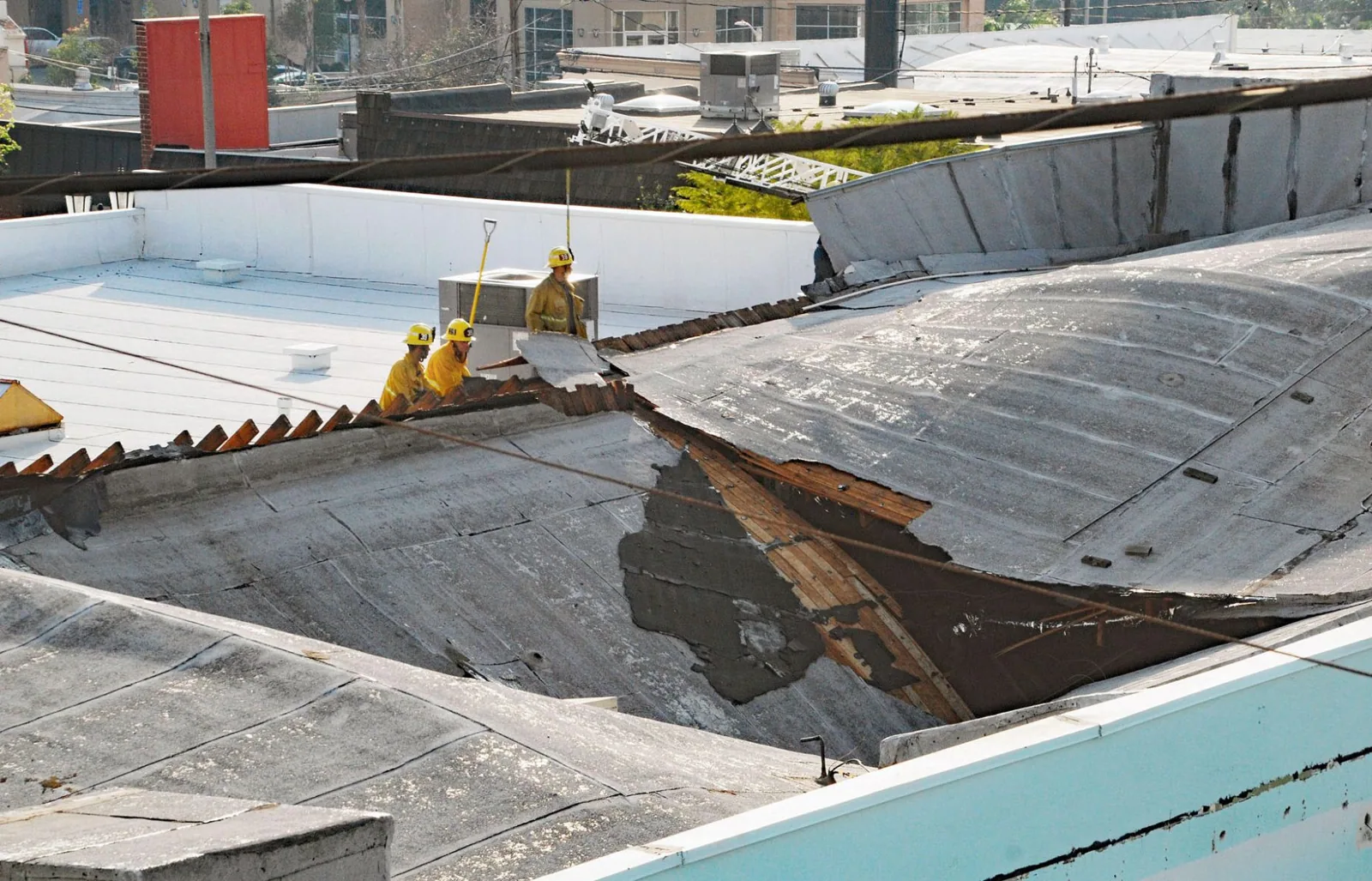
Questions About Georgetown’s I-35 Commercial Corridor
Does road activity determine the roofing work schedule?
No. The property contact confirms the approved entrance, delivery window, and staging point. We plan access for the specific roof and work zone.
Do nearby retail centers set the roof scope for a commercial property?
No. Nearby commercial activity helps plan delivery and access, but the roof scope follows the inspected building, assembly, drainage, and documented repair history.
How do you check a leak that appears far from the roof detail?
We compare the interior mark with seams, drains, transitions, and deck direction, then state whether further testing is needed.
Can the crew respond overnight?
Yes. Emergency service is available around the clock, including holidays, with access arranged through the authorized contact.
What should be in a replacement estimate?
Review the roof zones, assembly, tear-off limit, close-in plan, staging assumptions, and how concealed damage will be handled.
Related Roofing Work
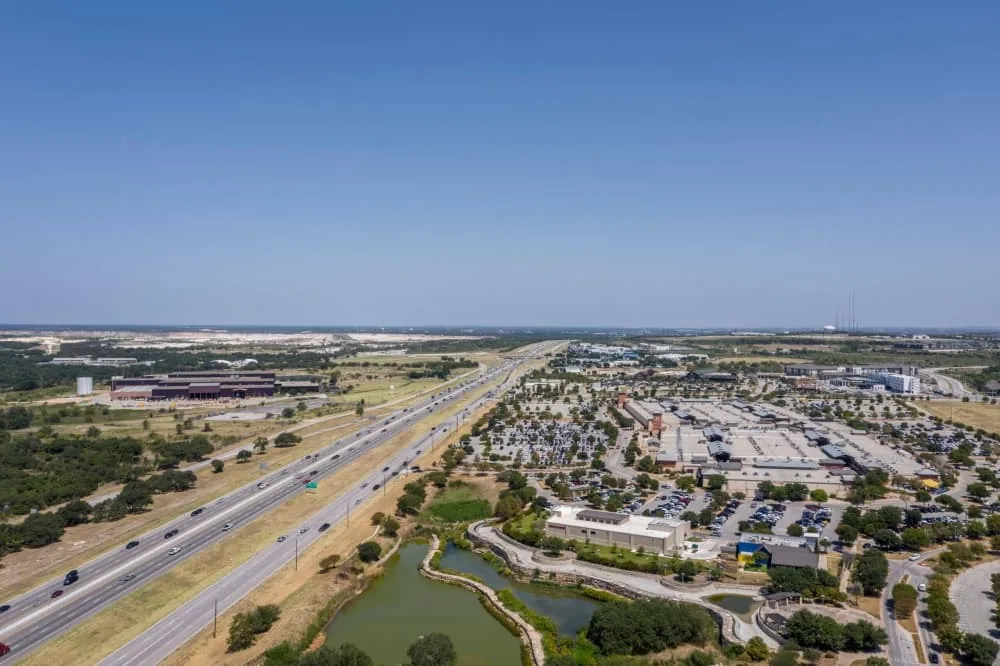
Georgetown’s I-35 Commercial Corridor
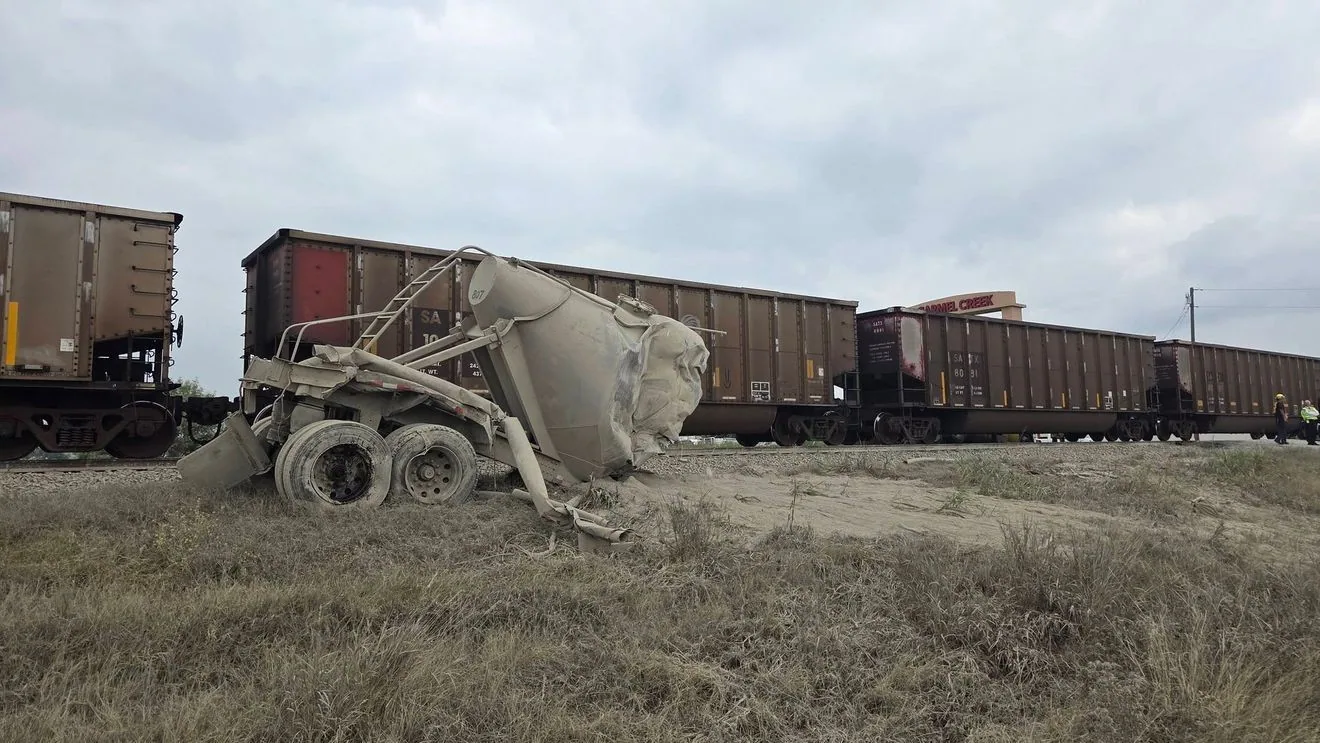
Hutto US 79 and SH 130 Corridor
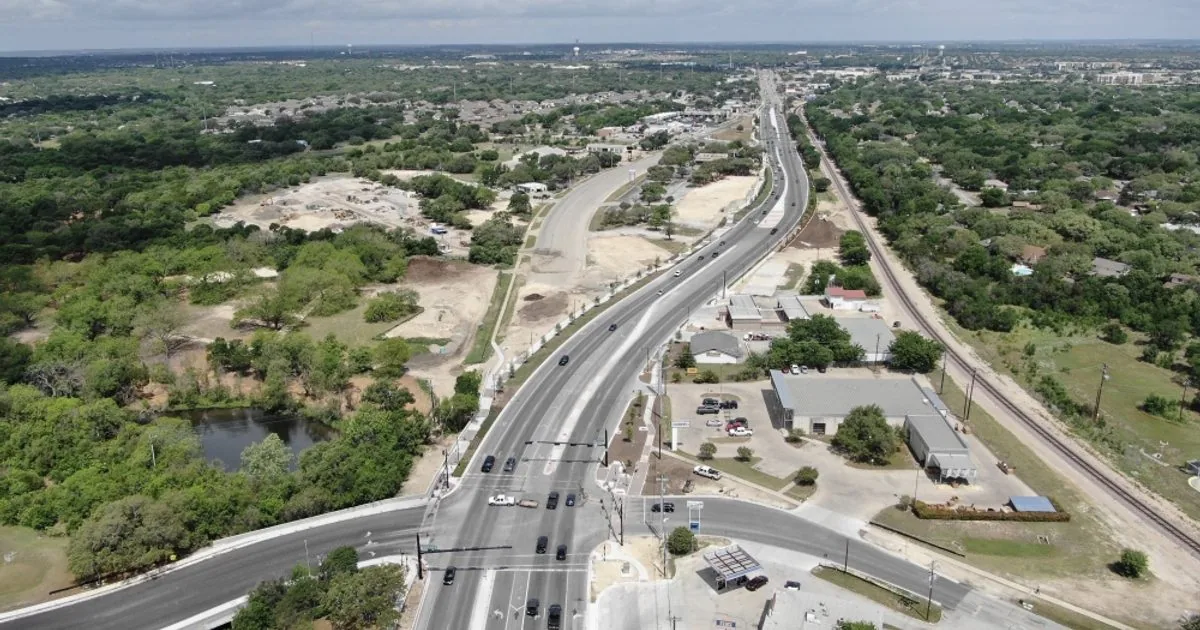
Commercial Roofing Along Greenlawn Boulevard
Emergency Commercial Roof Repair
Commercial Roof Inspection