Arrange a Jarrell I-35 Roof Walk
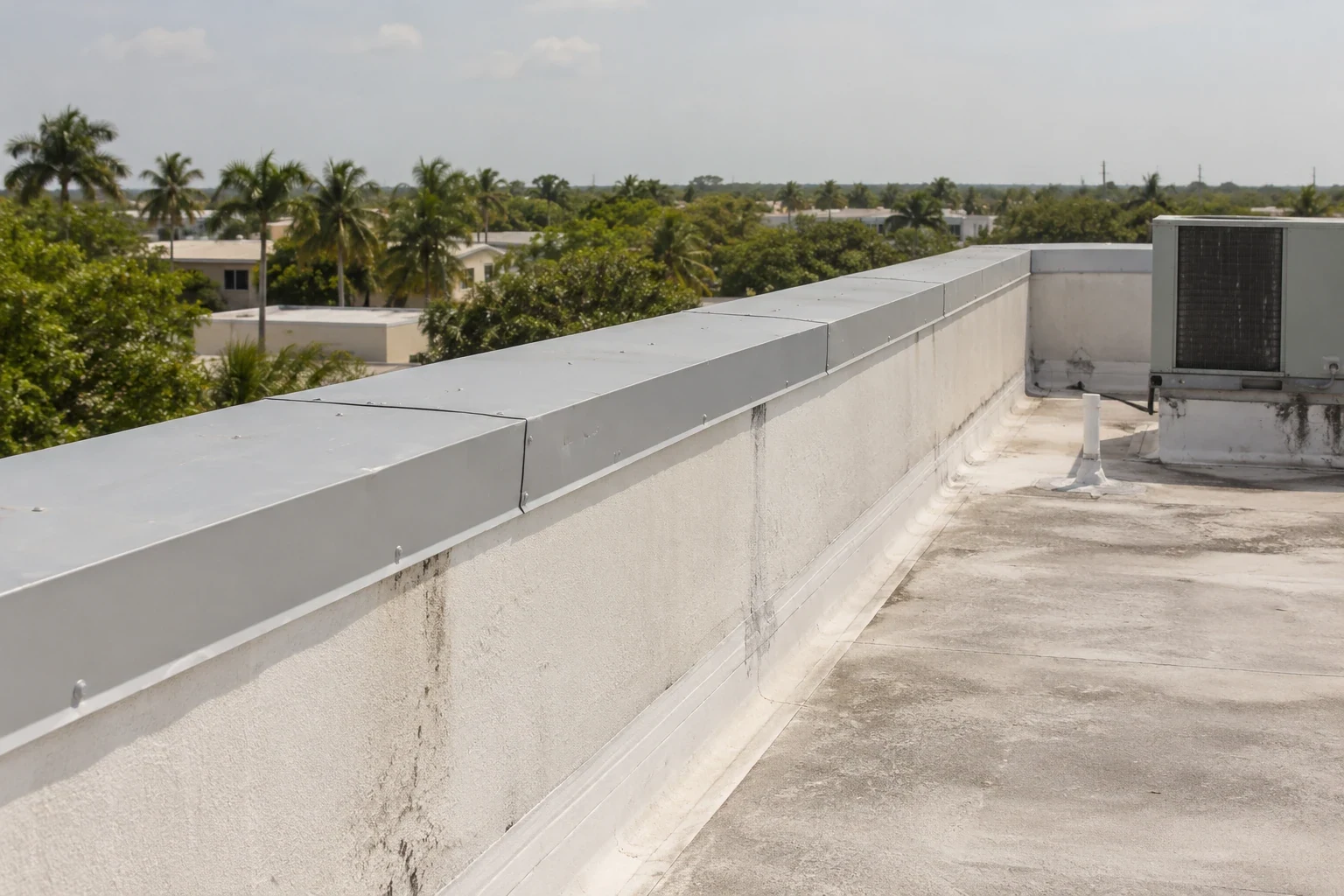
A seam at the edge of a roof can loosen without changing the interior ceiling right away. On a commercial property, that detail needs a marked location, a safe route to inspect it, and a repair limit tied to what the crew can verify. Jarrell's I-35 frontage connects local commercial properties to a broader Texas Triangle freight route. For a roof visit, the site contact still sets the specific gate, building, and work boundary.
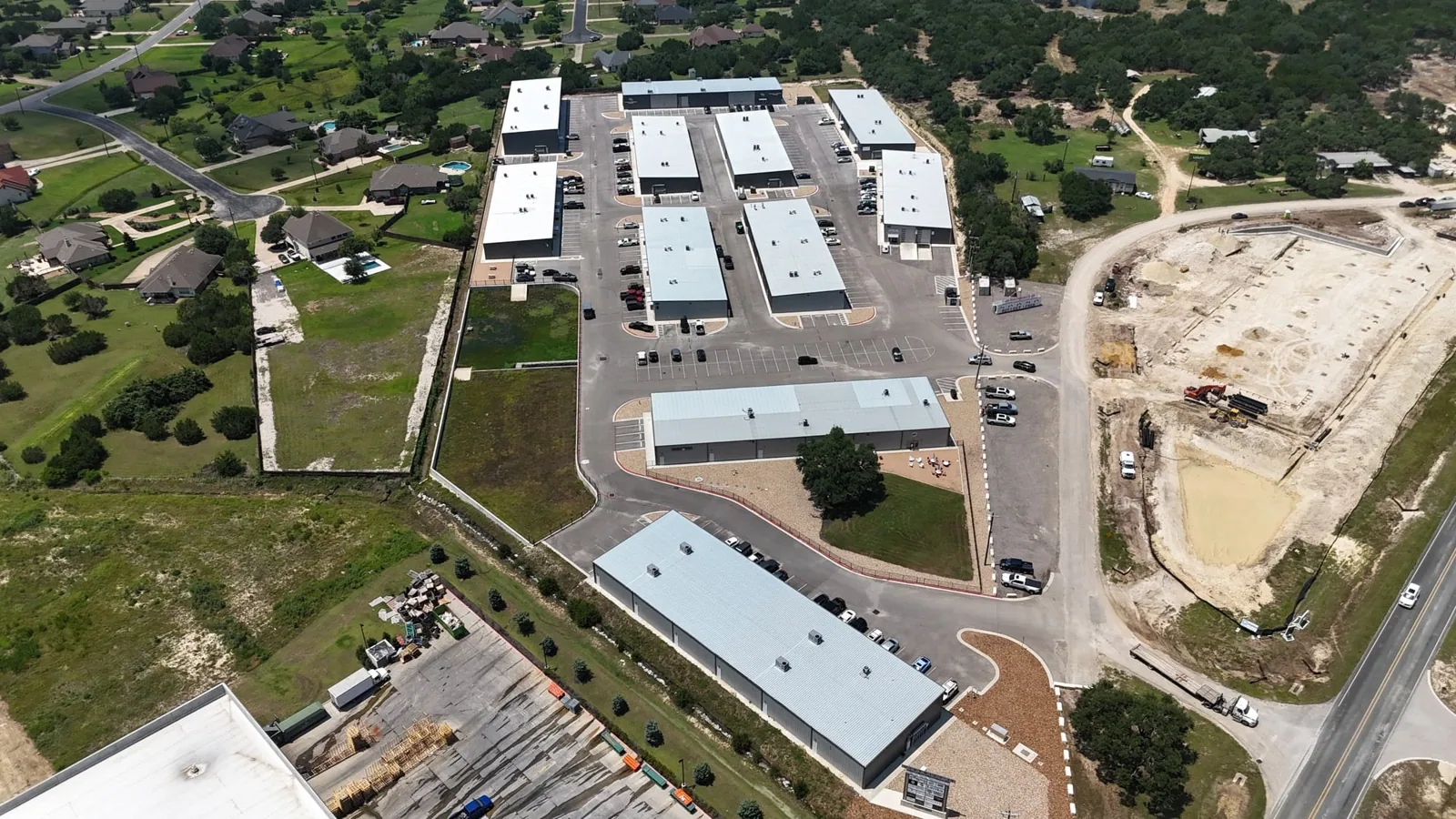
Commercial roofing in the Jarrell I-35 commercial area begins with the site address, contact, roof plan, and gate instructions. The Liberty Hill Highway 29 corridor and Taylor industrial district have separate field routes.
Send the site address, gate and truck instructions, roof plan, leak location, and authorized contact. We will map the inspection boundary and work route. Call 555-555-5555 or request a roof assessment.
Mark the Edge, Then Follow Water
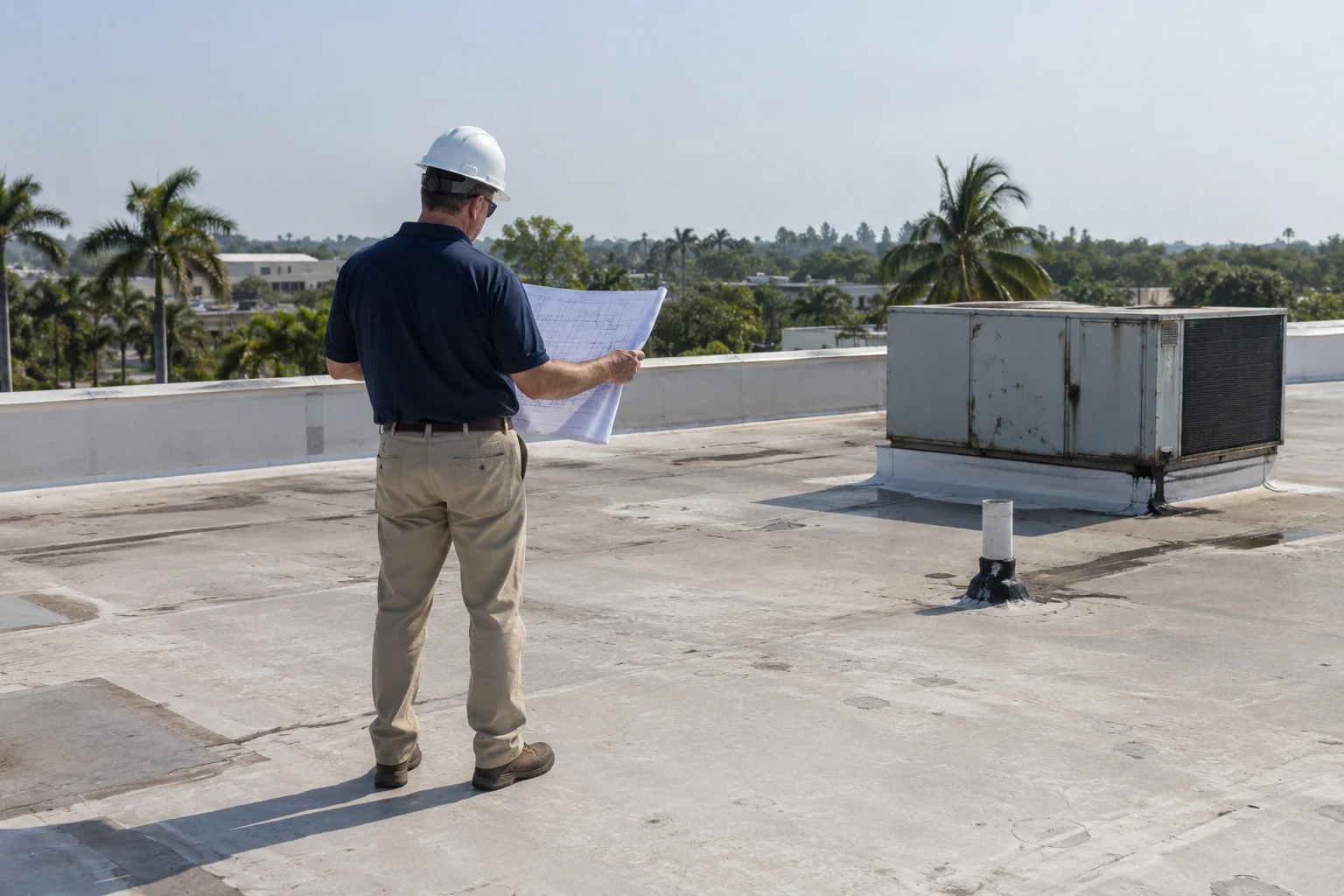
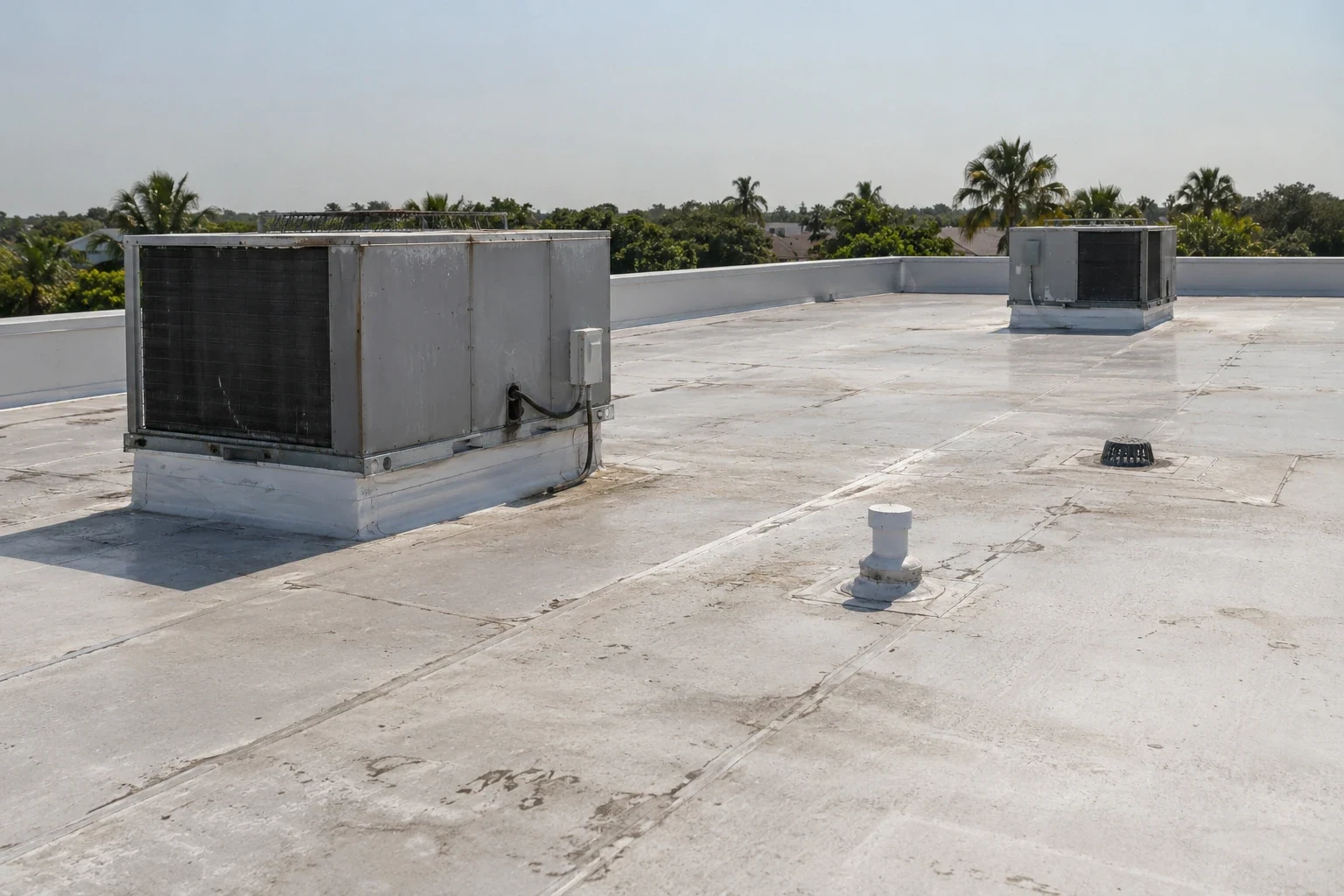
We check the reported area and trace from the nearest seam, curb, drain, or perimeter transition toward the interior mark. Water can travel below the membrane before it reaches a room, so a roof opening may not sit directly above the visible symptom. The report shows what supports the likely path. If the evidence is incomplete, list the test or access step that could resolve it.
Immediate interstate access still leaves the contractor entrance and loading route to confirm with the property contact. The property contact confirms those details before the roof walk. At the address, we identify the installed system, attachment, drainage, flashings, and previous repairs. A local repair should not extend past the inspected zone unless a test supports the change.
Schedule the service call around the actual crew route, materials, site clearance, and work window. Summer conditions can shorten adhesive work windows. We check roof-surface conditions at the property and follow the selected product's installation limits.
The March 2022 NWS record documents a tornado track through Round Rock and hail reports across the broader area. A weather event can prompt an inspection, but the crew records visible roof effects at the site. Check perimeter metal, seams, penetration bases, and drain paths. Distinguish a new impact from an older repair or normal wear.
Clear the Arrival and Work Route
Before a crew departs, confirm the approved entrance, delivery vehicle limit, escort, roof hatch or ladder, and staging area. The dispatch note should name whether the roof hatch, ladder, or lift is the approved route and flag any equipment that needs a clear approach. If loading cannot pause for a full shift, separate the initial roof inspection from repair mobilization. Mark the affected zone, drain routes, roof openings, and equipment that needs protection before a temporary cover or permanent work begins. If a lift is needed, confirm its ground position, overhead clearance, and delivery path with the site representative. Keep fire lanes and required exits open. Record these limits in the work plan so the crew can stage materials without blocking active operations. The site representative identifies active truck paths and areas that cannot be blocked. Keep the plan current if dispatch or loading changes.
Emergency roofing service is available at all hours, including holidays. For a leak, the first visit can protect contents and control water while the roof detail is checked. Record the temporary measure and the permanent repair as separate work. A crew may need a follow-up visit if weather or access prevents a complete inspection.
A reroof sequence sets a daily tear-off limit, edge protection, dry-in detail, and debris route. Weather can narrow the opening window. If the substrate exposes wet insulation or weak decking, protect it, document quantity, and get approval before extending the scope. A route for material movement should remain clear throughout the shift.
Related work may include commercial roof inspection, commercial roof repair, and edge metal and coping work. If water is reaching a drain, a drain and scupper review can check the outlet and surrounding slope. Keep photos and findings in roof condition reports.
Choose a Repair from the Findings
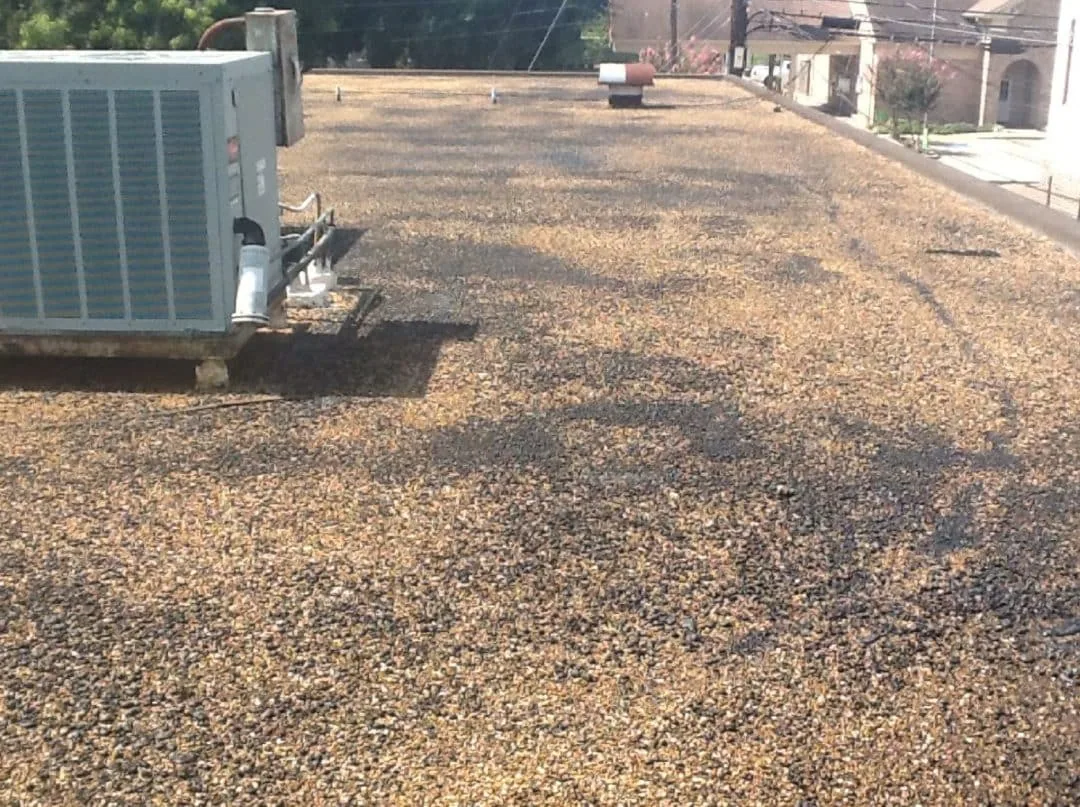
A loose edge or isolated seam may take a focused repair when the adjacent material remains attached. Repeated moisture, several open details, or wet insulation can signal a wider condition. We state which section was checked and what test confirmed the finding. A test cut at one point does not describe an entire roof.
Recover or coating options depend on moisture, adhesion, compatibility, drainage, and detail condition. A surface treatment cannot secure a failing edge or replace a damaged deck. Replacement can expose the existing layers but involves tear-off, disposal, and a larger dry-in sequence. The estimate identifies material, work boundary, interior protection, and the step for approving concealed changes.
Cost and timing respond to roof height, system, travel route, staging, equipment, weather, and the number of areas that can be closed in a shift. The proposal separates roofing from electrical, mechanical, and interior work. Before work begins, confirm applicable permit requirements with the authority having jurisdiction for the property.
Leaving a leak unattended can allow moisture to reach insulation and ceiling materials. The affected area is established by the assembly and inspected exposure. A temporary cover can limit immediate entry while the owner reviews a permanent scope. The closeout should identify whether rain has tested the repair.
Tie Findings to the Site Address
List the property, building, roof zone, observed defect, repair material, and follow-up in the closeout. Mark the inspected boundary on a roof plan and include approved photographs. Note any place the crew could not reach because of access or equipment. This prevents a single service ticket from implying that every structure was checked.
Keep the report with roof plans, prior work orders, equipment changes, and warranty documents. If another trade moves a unit or opens the membrane, record who restores the weatherproofing and who accepts the detail. The next visit can compare the same marked point with earlier conditions.
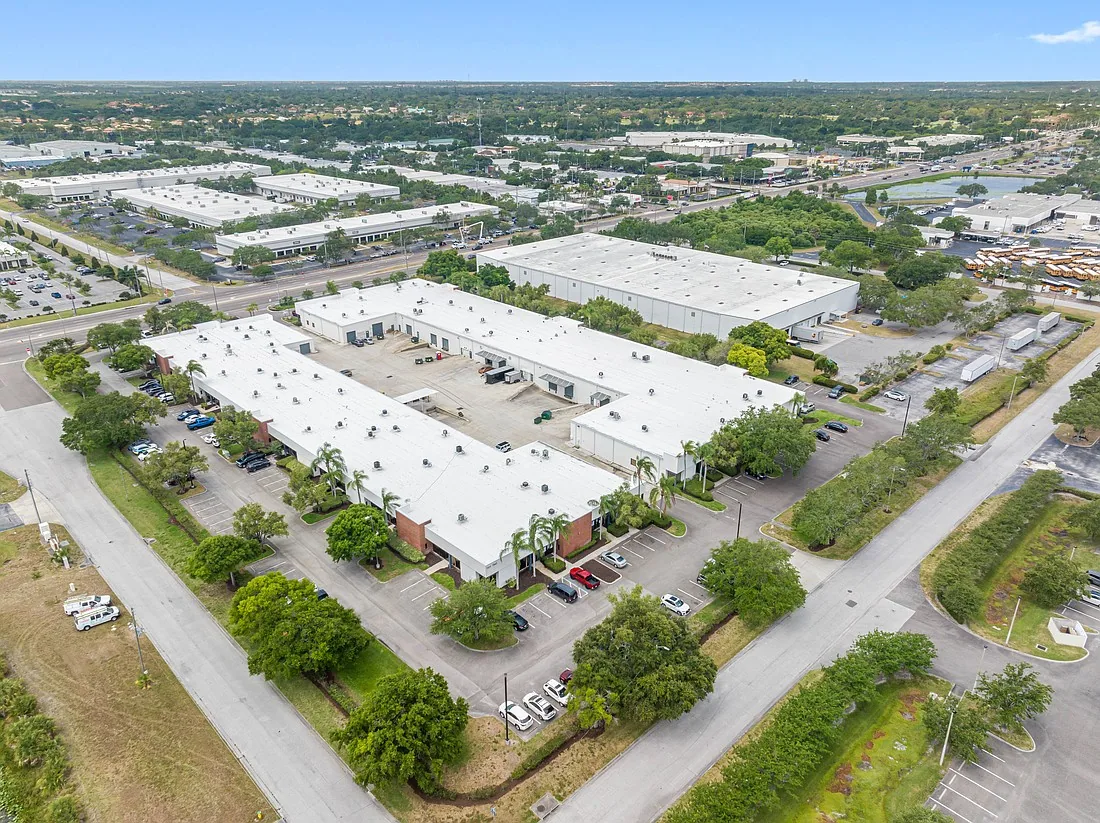
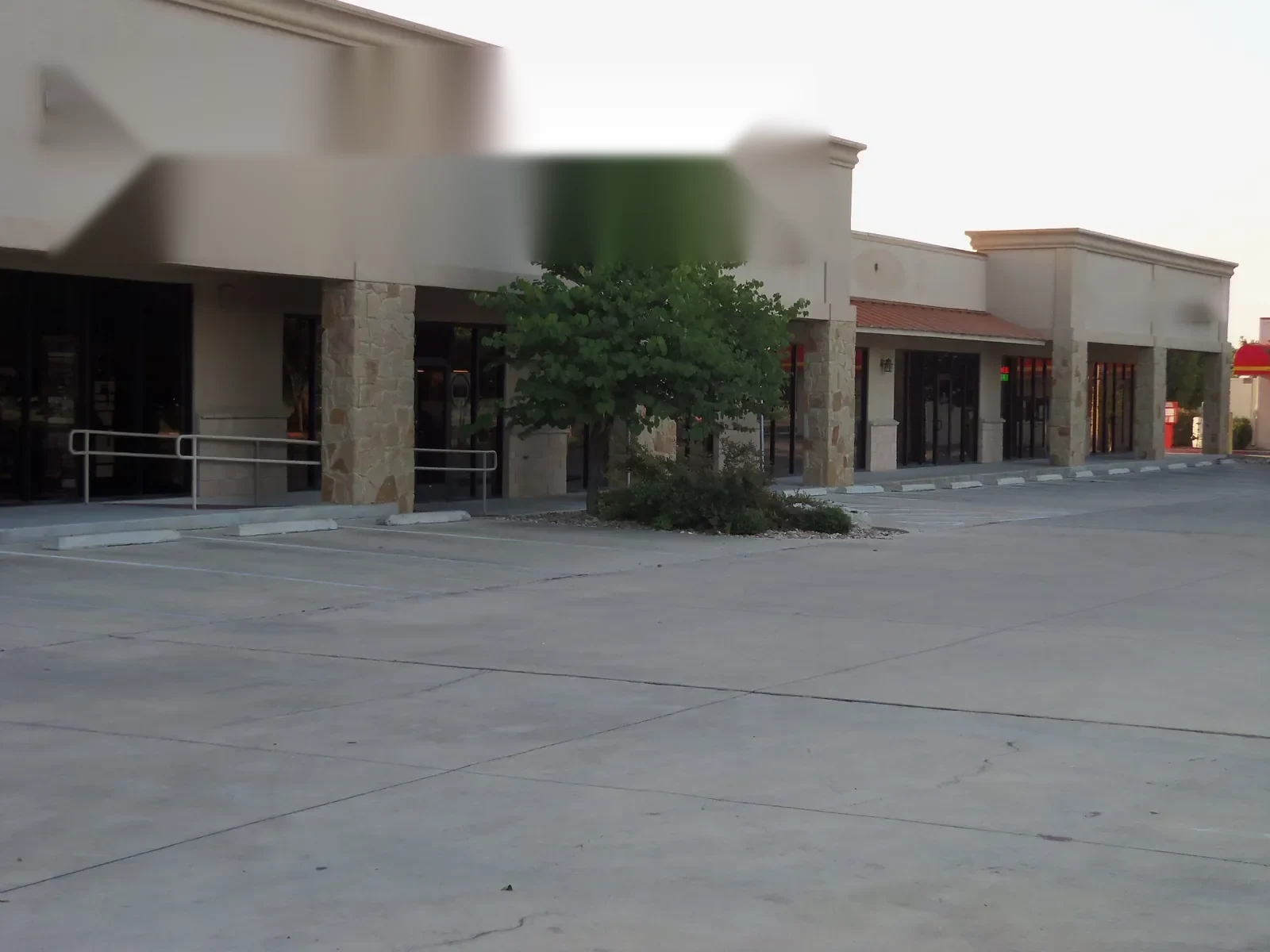
Jarrell's I-35 frontage forms part of the Texas Triangle supply-chain route. For the actual visit, record the building number, authorized contact, gate, and truck path in the work order. The closeout should name roof sections reached and note any access or weather limits. Record the weather and work window for each visit so later reports can compare conditions. If the site contact changes, update the dispatch record before returning to the roof.
At a commercial property near Jarrell's I-35 area, confirm active loading windows and truck movements with the site contact before staging the crew. Identify approved ladders or access points, keep staging clear of deliveries, and document any roof zones that cannot be reached safely. These limits matter because a report should make clear which surfaces and details were actually reviewed.
Where a property has a large uninterrupted roof, divide the inspection into manageable sections and record drains, penetrations, and repair locations consistently. A section-based record makes follow-up faster and helps the owner compare conditions over time.
Questions About Jarrell I-35 Commercial Area
Does immediate I-35 access tell the crew which entrance to use?
No. The property contact confirms the contractor gate, truck path, and roof access for the address.
Does the forty-minute labor-market estimate apply to service travel?
No. It is an EDC description of nearby labor markets. The service schedule depends on site, materials, and work scope.
Can you inspect after hail or strong wind?
Yes. We document observable conditions at the property and compare them with the reported weather event.
What is needed before a reroof estimate?
A roof plan, access route, assembly information, leak history, and any testing already completed help define the scope.
What if the leak cannot be traced on the first visit?
When the roof walk cannot connect the interior mark to a detail, our report states what additional check could narrow the route.
Related Roofing Work
Jarrell I-35 Commercial Area
Liberty Hill Highway 29 Commercial Corridor
Taylor Industrial and Downtown Commercial District
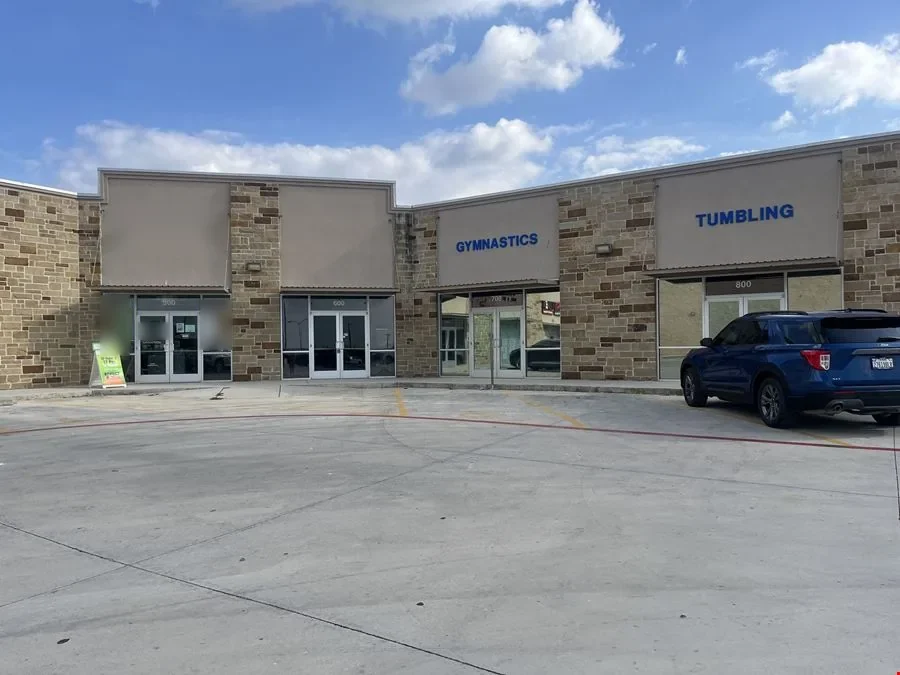
Commercial Roof Inspection
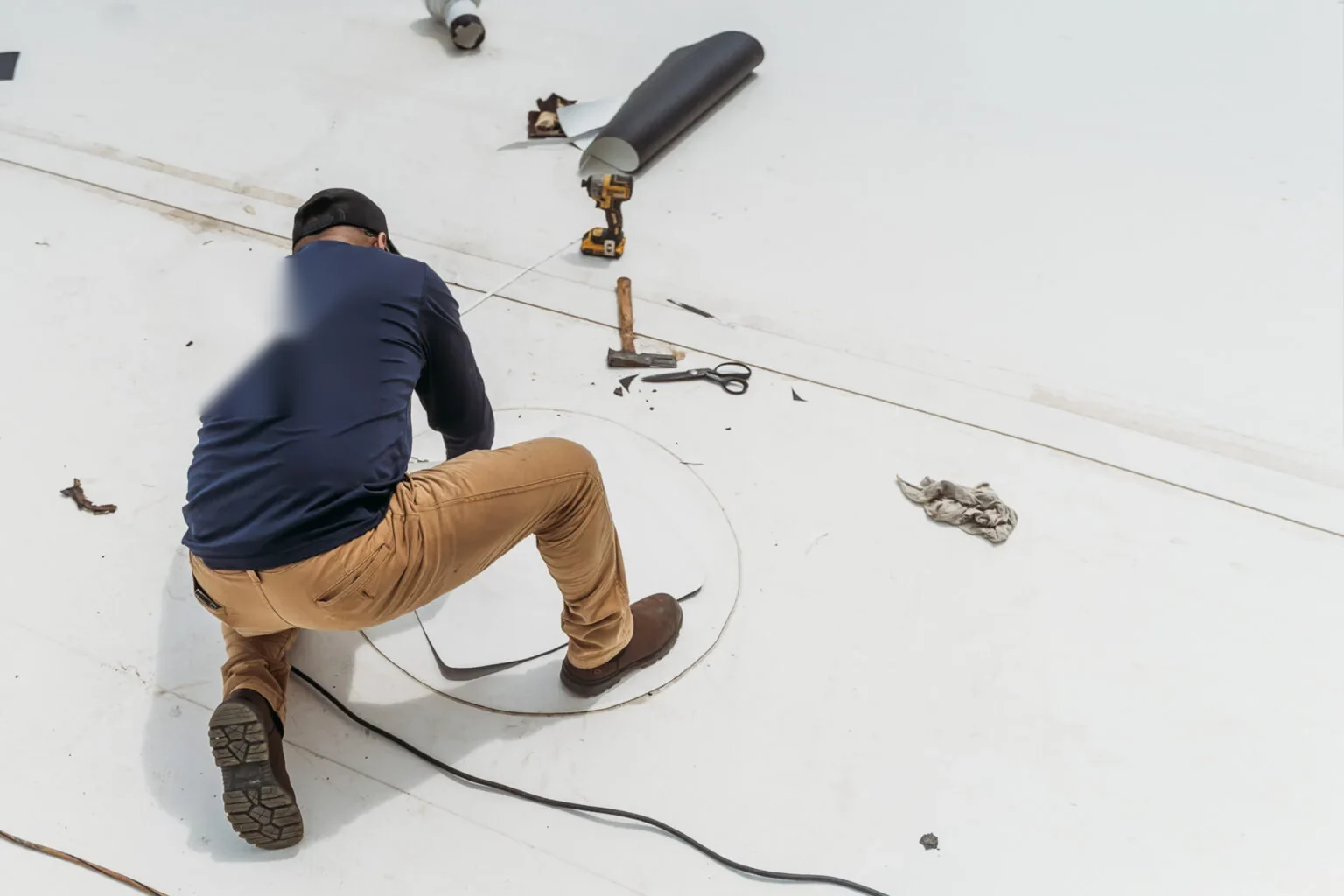
Commercial Roof Repair