Request a Taylor Roof Assessment
A roof walk for an available industrial building starts with the assembly, not its listing category. Taylor has more than 500,000 square feet of available industrial-zoned buildings, plus over 100,000 square feet of available commercial, retail, and office buildings downtown and in north Taylor. These figures describe building inventory, not roof area, roof condition, or a particular property under contract.
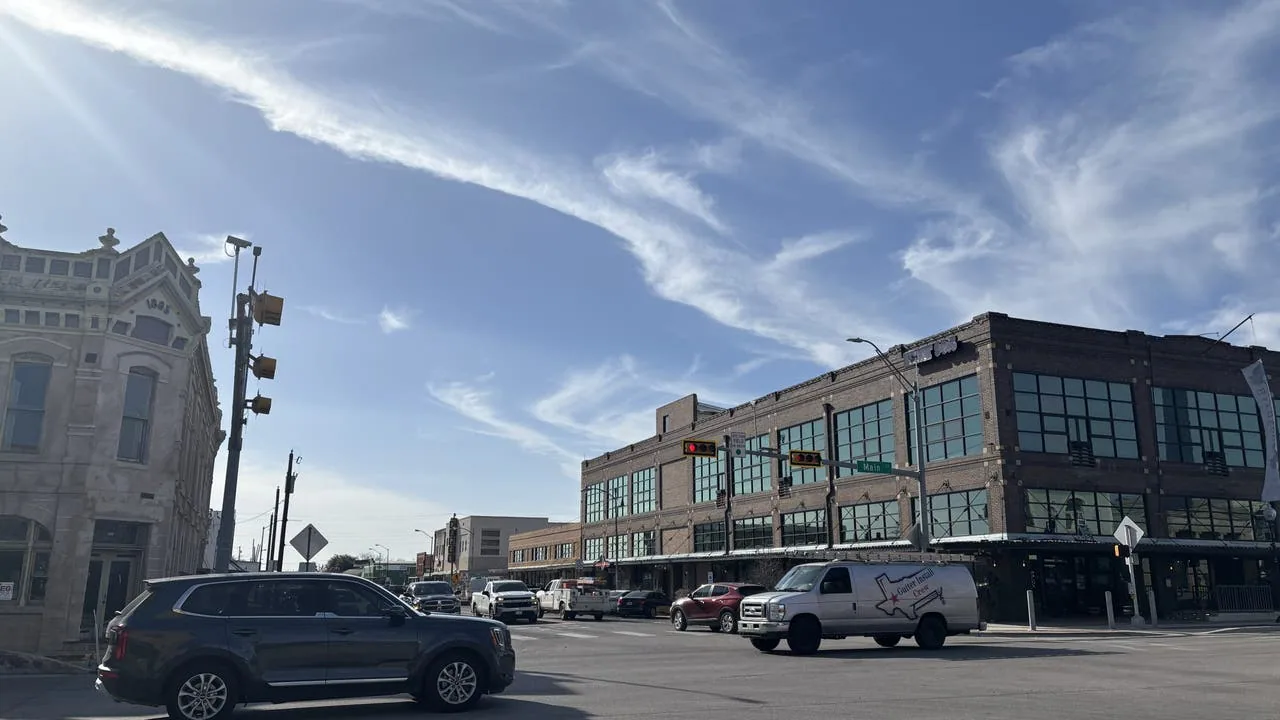
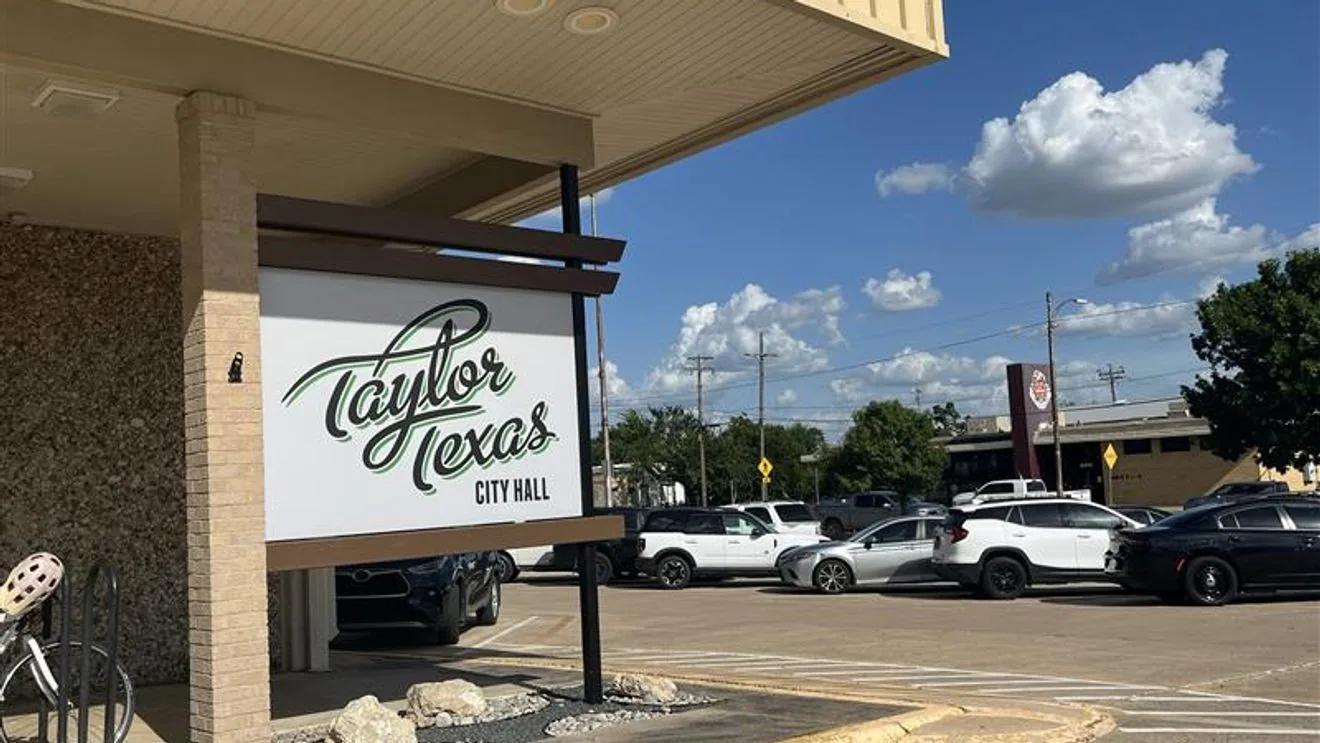
Commercial roofing in the Taylor industrial and downtown commercial district begins with the building address, roof plan, and current access contact. The Taylor Special Employment District North and Jarrell's I-35 commercial area are other regional locations with separate scopes.
Send the address, roof plan if available, current occupancy contact, leak mark, and access instructions. We will define the roof zones and inspection limits. Call 555-555-5555 or request a roof assessment.
Measure What Is Present at the Building
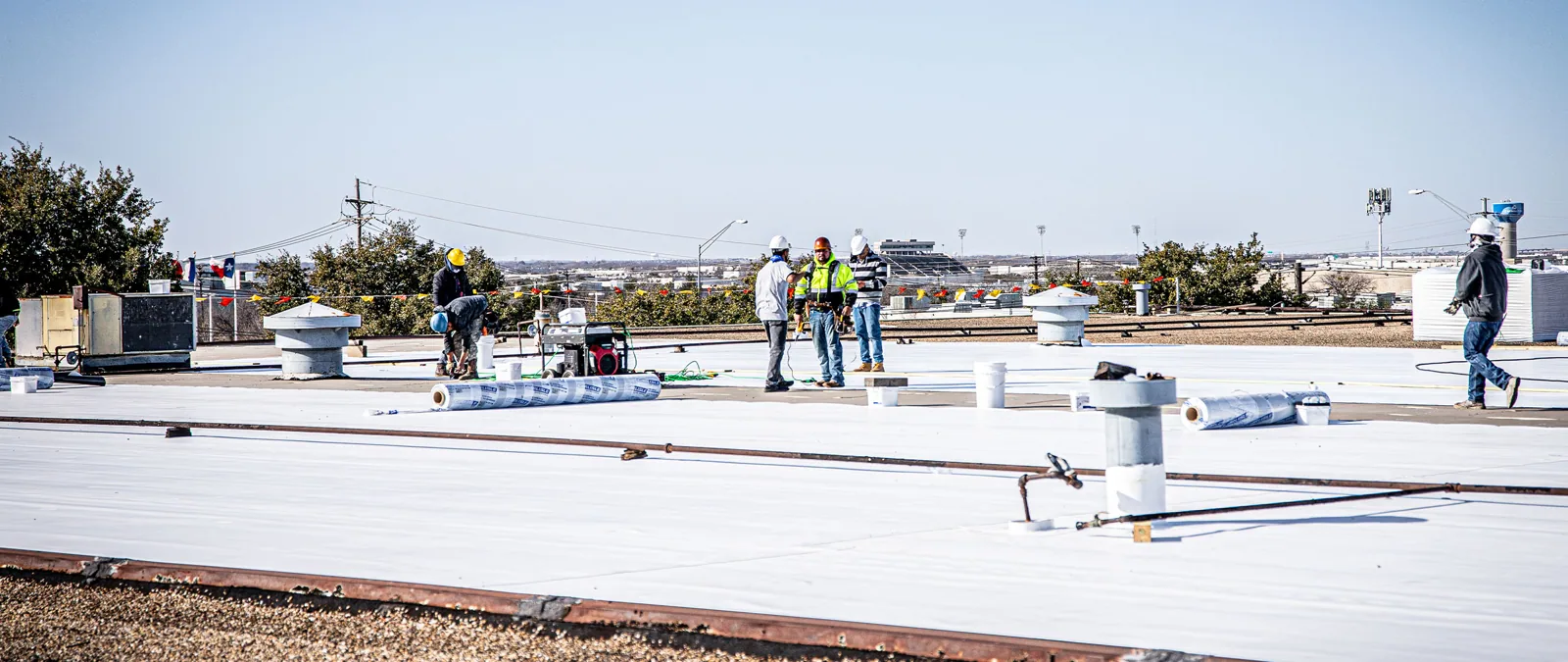
Listings can identify available floor area, but they do not show the roof system. We confirm membrane or metal type, insulation, attachment, drainage, penetrations, and prior repairs at the address. Start with the reported leak or visible distress, then map the surrounding roof zone. A test cut shows material at one sample point. If moisture conditions vary, additional checks may be needed before the owner selects a broad repair.
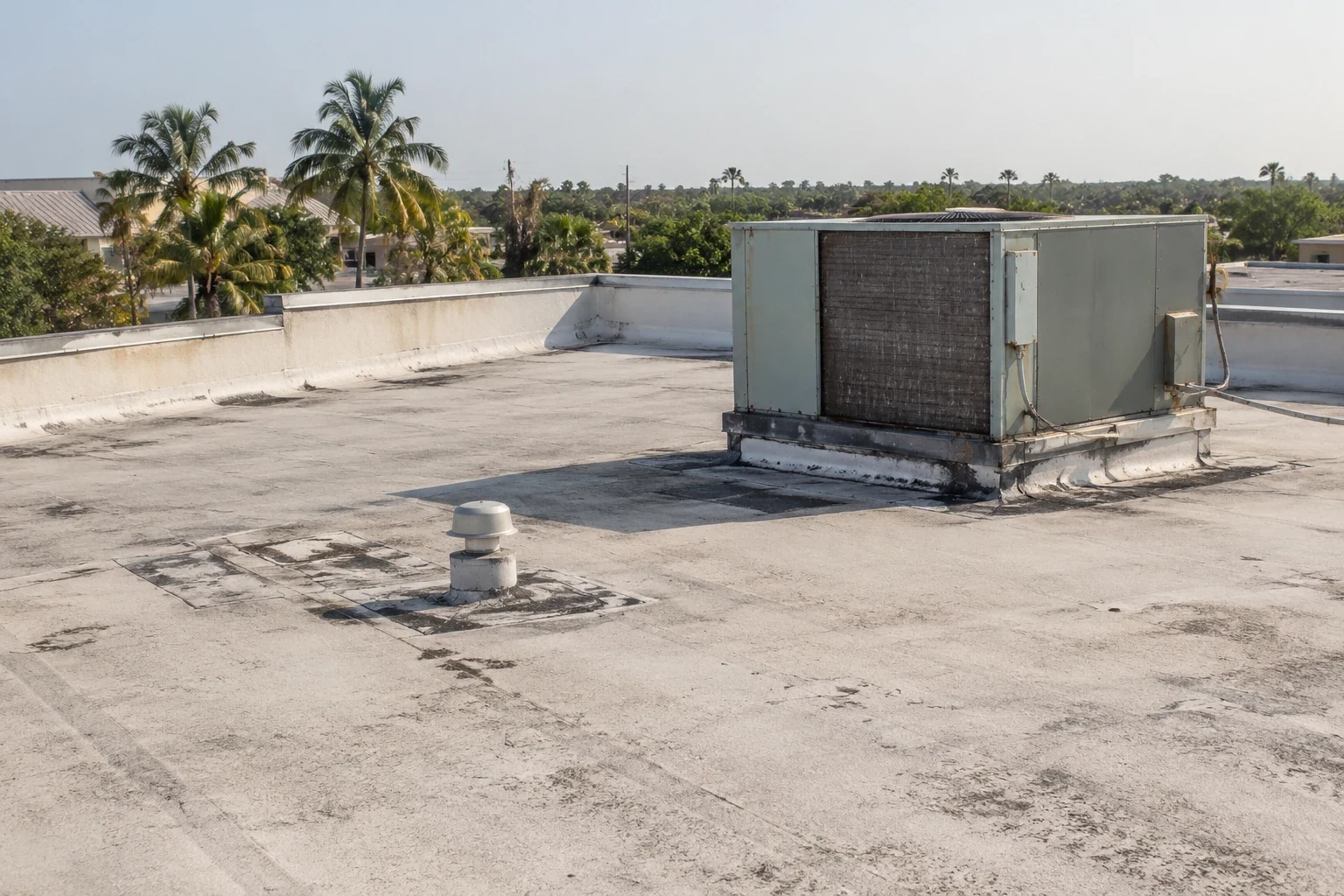
At the perimeter, inspect edge metal and coping for secure attachment and open joints. Near rooftop units, check curb flashing and the membrane transition. At drains, look at the bowl, strainer, and path to the outlet. A visible stain may sit away from the point where water entered, so compare interior marks with roof details and deck direction. State which observations are confirmed and which remain suspected.
Round Rock-area industries include manufacturing, healthcare, professional services, and technology. That describes the regional market, not Taylor's tenant roster. Building use and operating limits come from the property owner. Before entering a facility, confirm escorts, restricted equipment areas, work windows, and any rooms below that need protection.
Central Texas heat exposes seams and sealants to high summer temperatures. The Austin Camp Mabry station's normal August daily high is 97.8°F across the 1991 to 2020 period. This is an Austin benchmark, not a Taylor roof temperature. A tornado tracked through Round Rock during the March 2022 outbreak, alongside hail reports across the area. We inspect the roof itself for movement or impact before describing storm damage.
Plan the First Visit Around Site Access
The property contact confirms gate instructions, roof access, staging, delivery hours, and whether a tenant must escort the crew. An industrial zoning label does not tell us how the building operates today. Keep a route for people and material clear. If a roof area is locked or blocked, include it in the report as inaccessible instead of assuming it was inspected.
Emergency response is available around the clock, holidays included. For active water entry, the first visit can reduce exposure and protect contents while the roof-side source is checked. Record temporary control separately from permanent repair. If weather prevents a safe roof walk, state which detail still needs inspection and arrange the next check.
Replacement needs a daily tear-off limit, weather close-in, and a way to remove material without blocking site activity. Hidden wet insulation or damaged deck can change quantity. Secure the exposed section and submit the measured condition before adding to the scope. The plan should also account for interior protection and any equipment that must stay online.
Related work includes commercial roof inspection, commercial roof repair, and commercial roof replacement. If drain performance is in question, drain and scupper work can check the outlet and roof slope. Store measured findings in roof condition reports.
Choose a Scope for the Existing Assembly
A local patch fits an isolated defect when nearby materials are dry and secure. Several leak reports, broad wet insulation, or loosened edge attachment can call for a larger inspection. We explain the conditions found, the area reached, and the sample limits. A single test point cannot represent separate buildings in the available inventory.
Recover, coating, and replacement options each depend on moisture, attachment, compatibility, drainage, and detail condition. A surface layer will not fix a failing drain or damaged substrate. Replacement can expose hidden layers but brings tear-off, disposal, and weather sequencing. The estimate should say what remains, what is removed, and how the crew will close each section before the crew leaves.
Cost and schedule reflect roof height, system, access, material handling, weather, tenant operations, and concealed conditions. The proposal separates base repair from work assigned to mechanical, electrical, or interior trades. For a Taylor property, confirm permit and review requirements with the authority responsible for that address.
A deferred leak can spread into insulation or finish materials. Inspection establishes how far the moisture extends and whether a repair can stay local. Temporary protection can limit immediate entry while a larger decision is reviewed. The closeout identifies whether rainfall has tested the repaired zone.
Keep Separate Records for Available Properties
Closeout should identify the address, building, roof zone, repair, material, and follow-up. A plan mark and approved photos make the service record easier to locate. Record the inspection date and any part of the roof that could not be reached. A listing summary cannot replace an assembly record.
Keep roof documents with lease or acquisition files, warranty papers, maintenance requests, and equipment changes. When a unit moves or another trade cuts the membrane, document who restores the flashing and who checks it. A future owner or manager can then compare the same detail with the prior condition.
A planned Samsung semiconductor operation is located between Highway 79 and FM 973. That project is distinct from existing available downtown and industrial buildings. Keep the roof work order tied to the property being inspected. Add who approved access, which rooms were checked, and any repair left for a later visit. Include the correct site contact, access instructions, and the interior location connected to the report. Date each inspection and label any repair that still needs a second visit.
Taylor's industrial districts include properties with different roof systems and operating needs. Before an inspection, confirm the building contact and any restrictions on roof access or photography. During the visit, document the roof assembly where it can be identified, then record seams, edges, drains, and penetrations by zone. Do not infer that two neighboring facilities share the same design or maintenance history.
For repair planning, describe the observed issue, proposed work boundary, and any concealed condition that may change the scope. This gives the facility team a useful decision point while keeping assumptions separate from verified roof conditions.
Where production must continue, discuss noise, access, and temporary protection with the facility contact before crews mobilize. Clear coordination supports the work without overstating what the roofing scope covers.
Questions About Taylor Industrial and Downtown Commercial District
Do available square feet tell me how much roof needs work?
No. The reported square footage describes building floor area, not roof area. We measure the specific roof and confirm the system in place.
Can a vacant building still have an active roof issue?
Yes. We inspect the assembly, drainage, and interior marks even if the space is unoccupied.
What does a test cut establish?
It shows the layers and moisture condition at the sample point. Additional locations may be needed if the roof varies.
How do you handle a building with no roof plan?
We field-mark the accessible roof zones, note the limits, and can prepare a basic condition map for the property record.
Will the local industrial inventory include the Samsung project?
The available building figures and planned fab project are separate fact entries. We keep each property and scope distinct.
Related Roofing Work
Taylor Industrial and Downtown Commercial District
Taylor's Special Employment District North
Jarrell I-35 Commercial Area
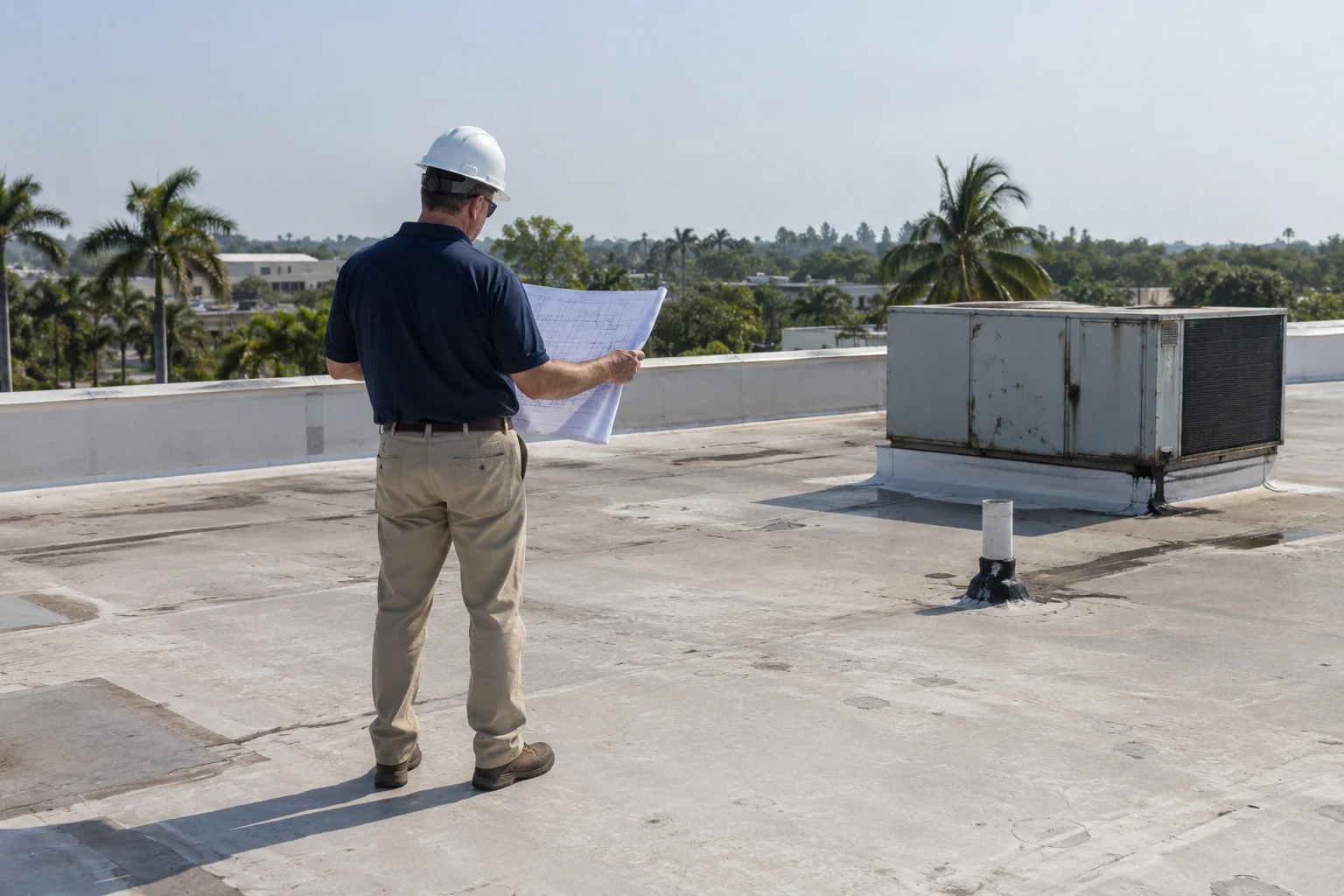
Commercial Roof Inspection
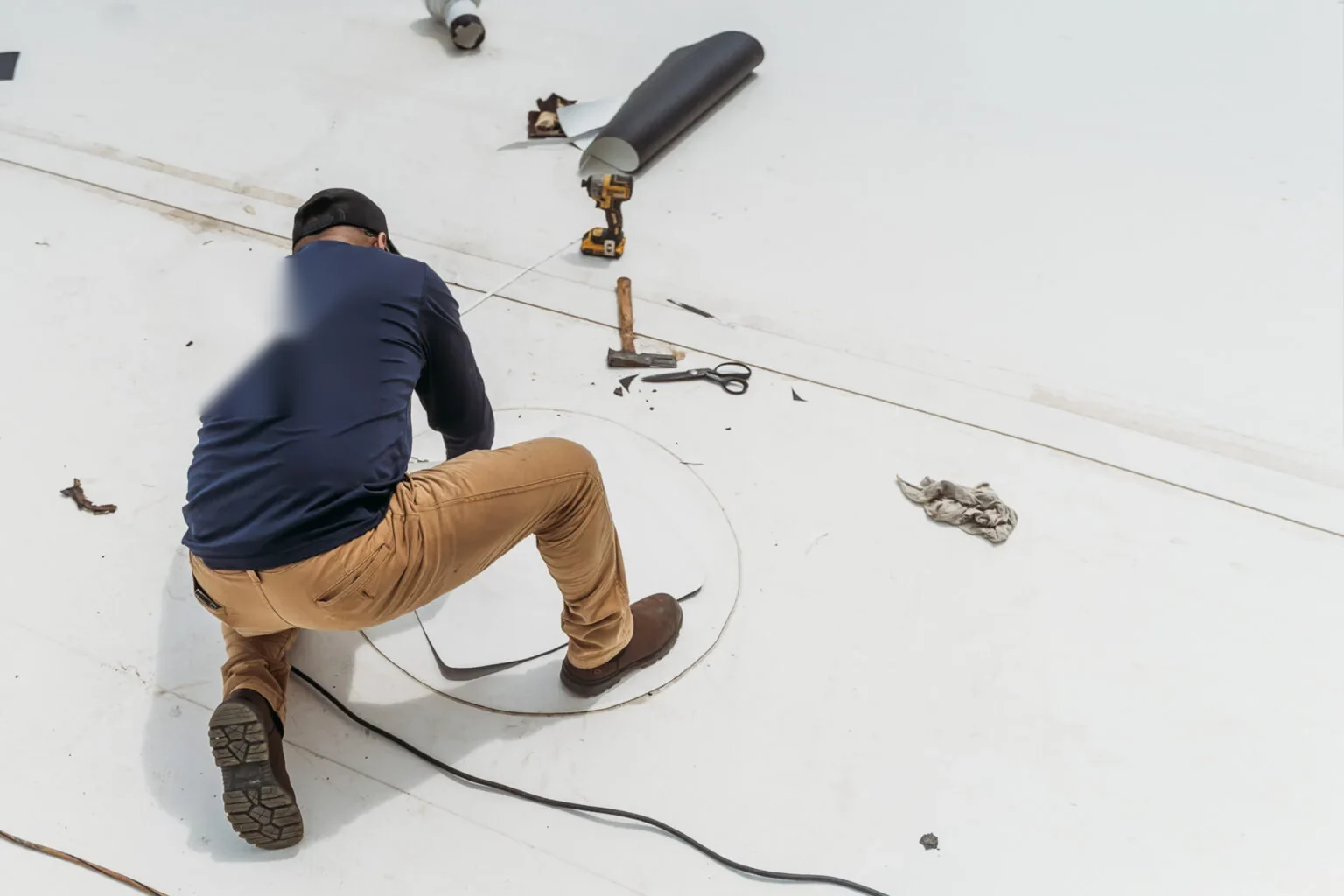
Commercial Roof Repair