Check the Foam and Coating
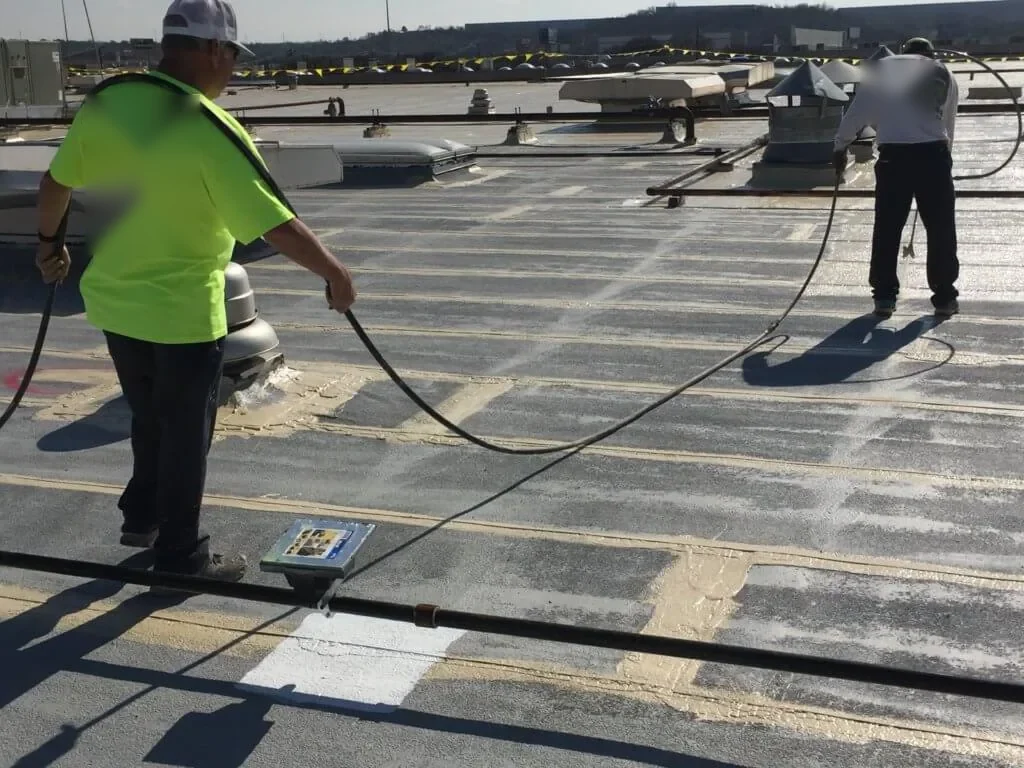
A spray foam roof should rise in a smooth, continuous layer around curbs and drains. A thin spot, split, or exposed foam can let water reach the substrate. We inspect the foam profile, coating, penetrations, and surface drainage before recommending restoration. Round Rock's Emerson Automation Solutions campus and Pecan 130 Business Park have distinct property settings, so confirm access and overspray controls with each site contact.
Spray polyurethane foam, or SPF, forms a continuous roof layer when installed over a prepared surface and protected by a coating. The coating takes the weather exposure and needs its own maintenance. The roof walk checks both layers.
Send the roof plan, SPF product records, leak or ponding location, core reports, and air-intake restrictions. We will map the coating and foam condition. Call 555-555-5555 or request a roof assessment.
Check Foam Shape and Coating
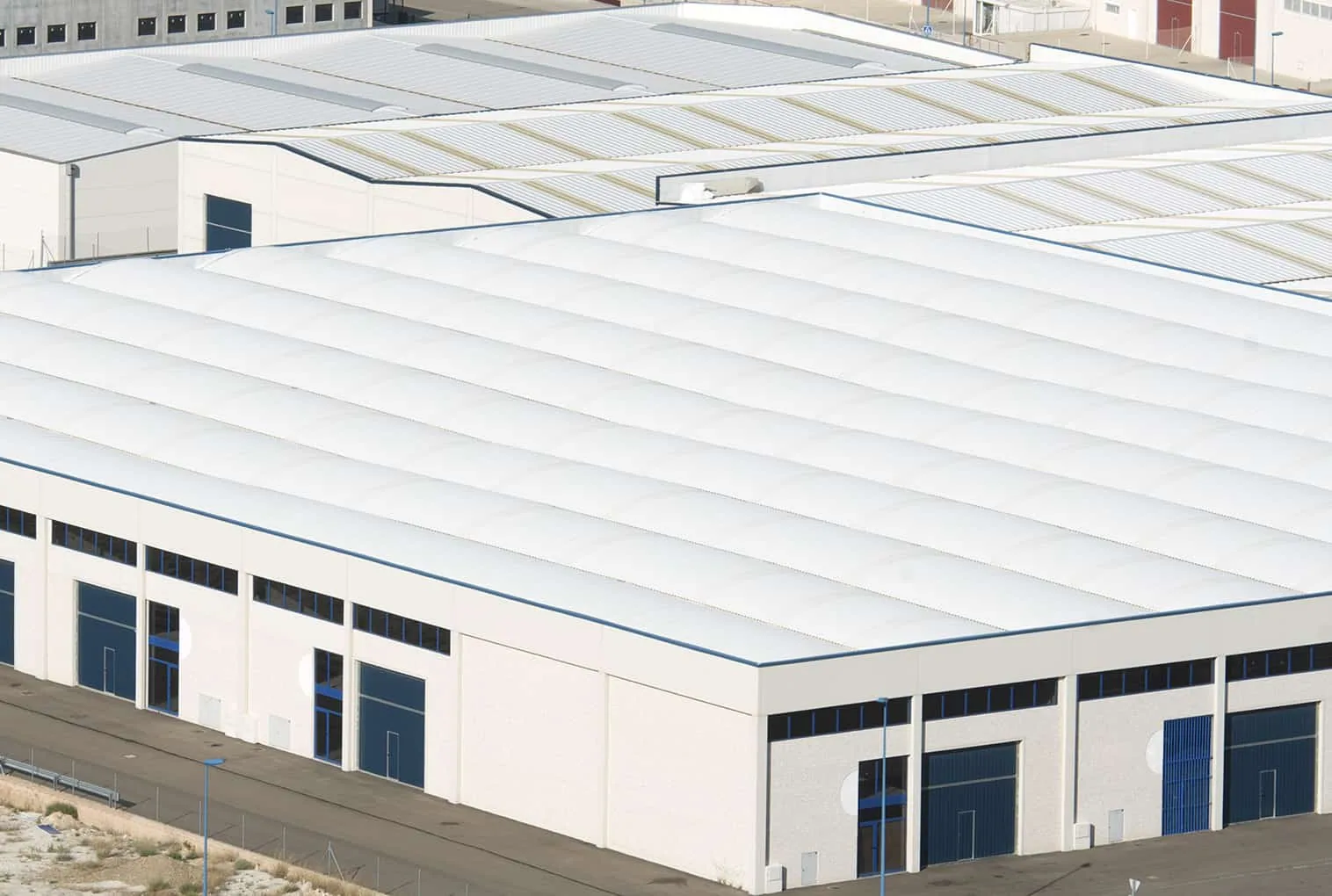
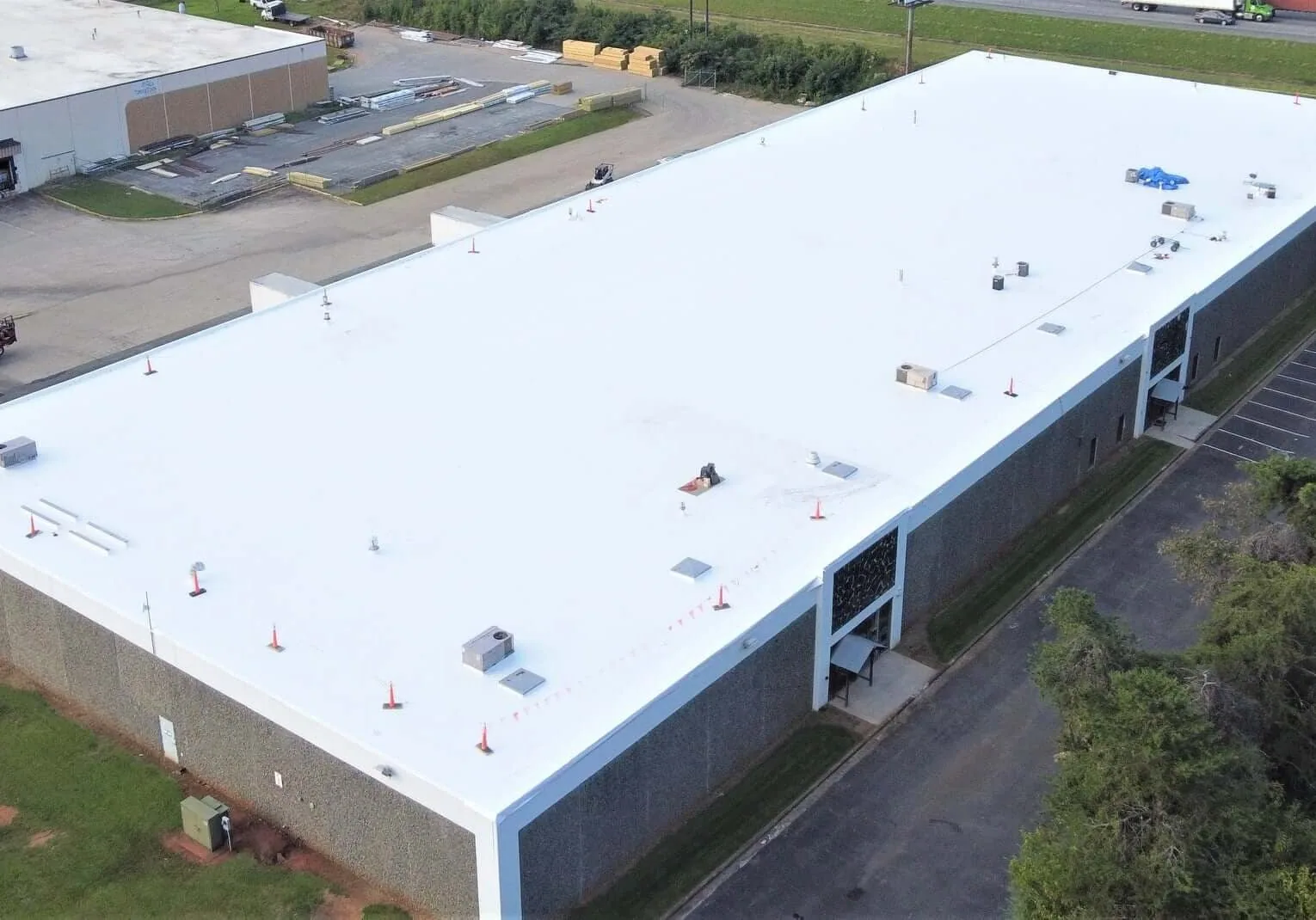
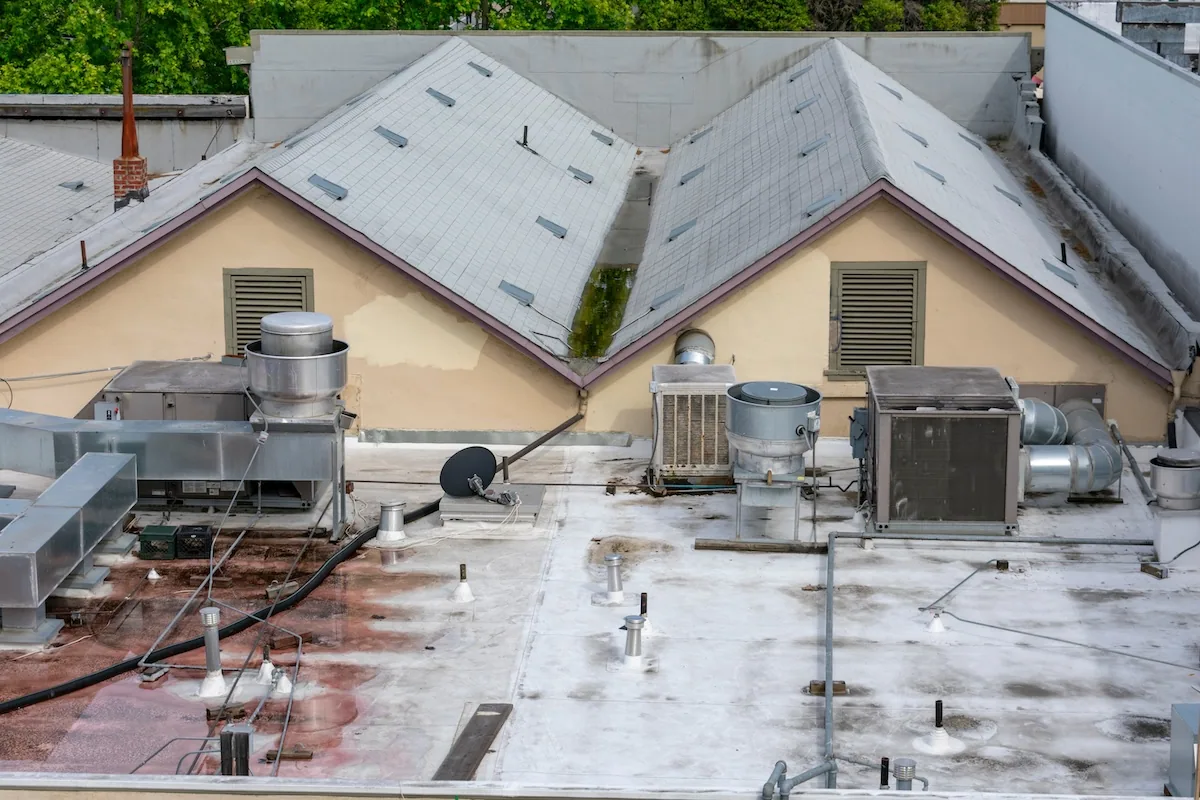
We look for cracks, blisters, exposed foam, soft areas, coating erosion, ponding, and loose repairs. At drains and penetrations, foam should turn without an abrupt thin edge or open seam. We mark the surface profile and note where water remains after the outlet is clear. A broad low area may require tapered correction rather than another layer of coating.
A test core can measure coating thickness and reveal the foam condition below. We choose the location with the owner and photograph the layers. One core describes only that point. If the coating is thin in one area, we map the surrounding surface and test additional locations when they would change the restoration scope.
SPF depends on adhesion to a clean, dry substrate. We check for dust, oil, loose coating, and previous repairs that may not bond to a new application. If moisture is present below the foam, spraying over it can trap the condition. The repair plan removes unsound material to a stable edge and identifies whether deeper testing is needed.
Foam thickness can vary around equipment, drain sumps, and changes in roof slope. We compare the installed profile with the planned drainage path and mark places where spray passes appear thin or uneven. At a curb, the foam should rise without leaving a sharp pocket that traps water. We document the transition before adding coating so a shape problem does not become hidden beneath a new film.
Coating condition often changes first at walk paths and edges where technicians turn or set down tools. We inspect the route to each unit and note scraped or punctured areas. Walkway pads can protect these service lanes if the design allows them. A pad should not cover a wet spot or block a drain opening, so the crew checks the underlying foam and slope first.
Restore the Foam and Topcoat
Small exposed areas can be repaired with compatible foam and coating when the surrounding layer remains sound. The crew trims weak foam, prepares the boundary, rebuilds the profile, and applies the specified protective coating. At a pipe or curb, the detail must shed water and connect to the existing foam without a narrow seam that can split.
Widespread coating loss or foam damage can require broader removal. We mark the area to be opened and protect the roof from water between shifts. The repair may include a new coating over prepared foam or replacement of the affected section to the substrate. The product and thickness are recorded so later maintenance can use compatible material.
Round Rock has sustained summer heat. Austin Camp Mabry's 1991 to 2020 August normal provides a regional reference. Application windows still depend on roof temperature, humidity, wind, and the product instructions at the building. We check field conditions and stop if the substrate or weather is outside the specified range.
Repair depth depends on whether damage stops in the coating or reaches the foam. A thin topcoat loss can require a smaller preparation area than a split that exposes or separates the foam. We remove loose material until the edge is stable, then rebuild to the surrounding profile. A gradual transition helps water flow and gives the protective coating a broader bond area.
Control Application and Access
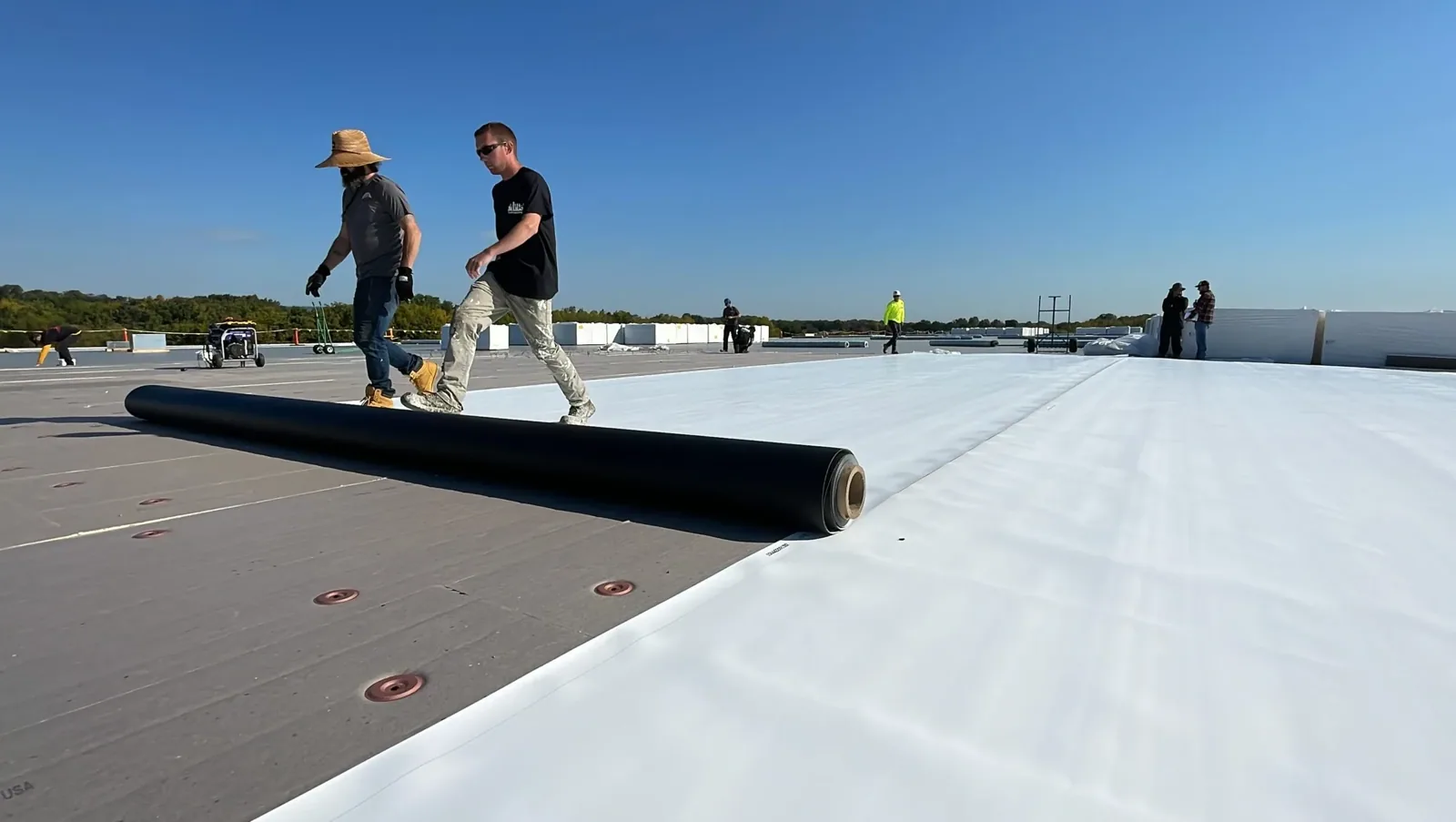
Spray application needs a controlled work area. We protect rooftop equipment, air intakes, vehicles, and adjacent property from overspray. The site contact identifies sensitive operations and ventilation intakes before mobilization. Work may need a temporary shutdown or notice for nearby occupants, with the timing set by the facility team.
Cost and schedule factors include surface preparation, test cores, foam depth, coating type, drain and curb count, access equipment, and protection for surrounding areas. For work at Jarrell or Pecan 130 Business Park, confirm delivery routes and roof access with the site contact.
Related work can include a roof inspection, drainage correction, or cover-board replacement if the substrate needs rebuilding. Owners can compare an elastomeric coating or acrylic coating when the roof condition allows. A warehouse roof may have different access controls from an office building.
Wind can carry spray beyond the immediate work surface. We review forecast conditions, wind direction, and neighboring operations before starting an application. The protection plan can include temporary screening and relocation of vehicles or stored items. If conditions exceed the product or site controls, the crew pauses and records the remaining roof zone for a later application window.
Track the Coating Cycle
Before work, we photograph the existing coating, foam contours, drains, and any exposed areas. Test-core locations are marked and the core results are recorded. During repair, images show the prepared surface, rebuilt foam, and coating application. The closeout lists the product, application date, and any area that remains under observation.
Routine maintenance should include checking the topcoat, drain openings, penetrations, and places where service work disturbed the foam. The schedule follows observed condition and product guidance. If the roof has not seen rain after a repair, the file states that performance under rainfall remains unobserved.
Keep coating records and core photos with the roof plan. A future contractor can identify where foam depth was measured and what materials were applied. If another trade needs to place equipment or conduit, the roof contact can direct them to a compatible detail before the coating is cut or punctured.
For spray polyurethane foam, inspect the protective coating as well as the foam profile. Look for exposed foam, erosion, impact damage, open penetrations, and areas where water may be held by an uneven surface. Moisture or adhesion concerns may require testing before a new coating is applied. Record repair boundaries and coating condition separately so maintenance can target the protective layer without overlooking damage below it.
Keep a simple maintenance log for recoating dates, repairs, and areas of exposed foam. That history helps distinguish coating wear from new impact or water-entry concerns on a later visit.
Questions About Commercial Spray Polyurethane Foam Roofing
How do you know if SPF needs recoating?
We inspect the protective coating for erosion, exposed foam, and loss of continuity. Test cores can measure thickness at selected locations.
Can wet foam be coated over?
No. The substrate needs to be dry and stable. We remove or investigate unsound material before including a new coating.
Does a test core damage the roof?
A core creates a small opening that is repaired with compatible materials. The owner approves the location, and we record the layers and closeout repair.
Can SPF roofing be installed while a building is open?
The application plan needs controls for overspray, air intakes, rooftop equipment, and nearby occupants. The facility contact sets the allowable work window.
How do you fix a low spot in SPF?
We check whether the foam profile, substrate, or drain layout caused the depression. A coating adds surface protection but does not correct every slope problem.
Related Roofing Work
Jarrell
Pecan 130 Business Park
Commercial Roof Inspection
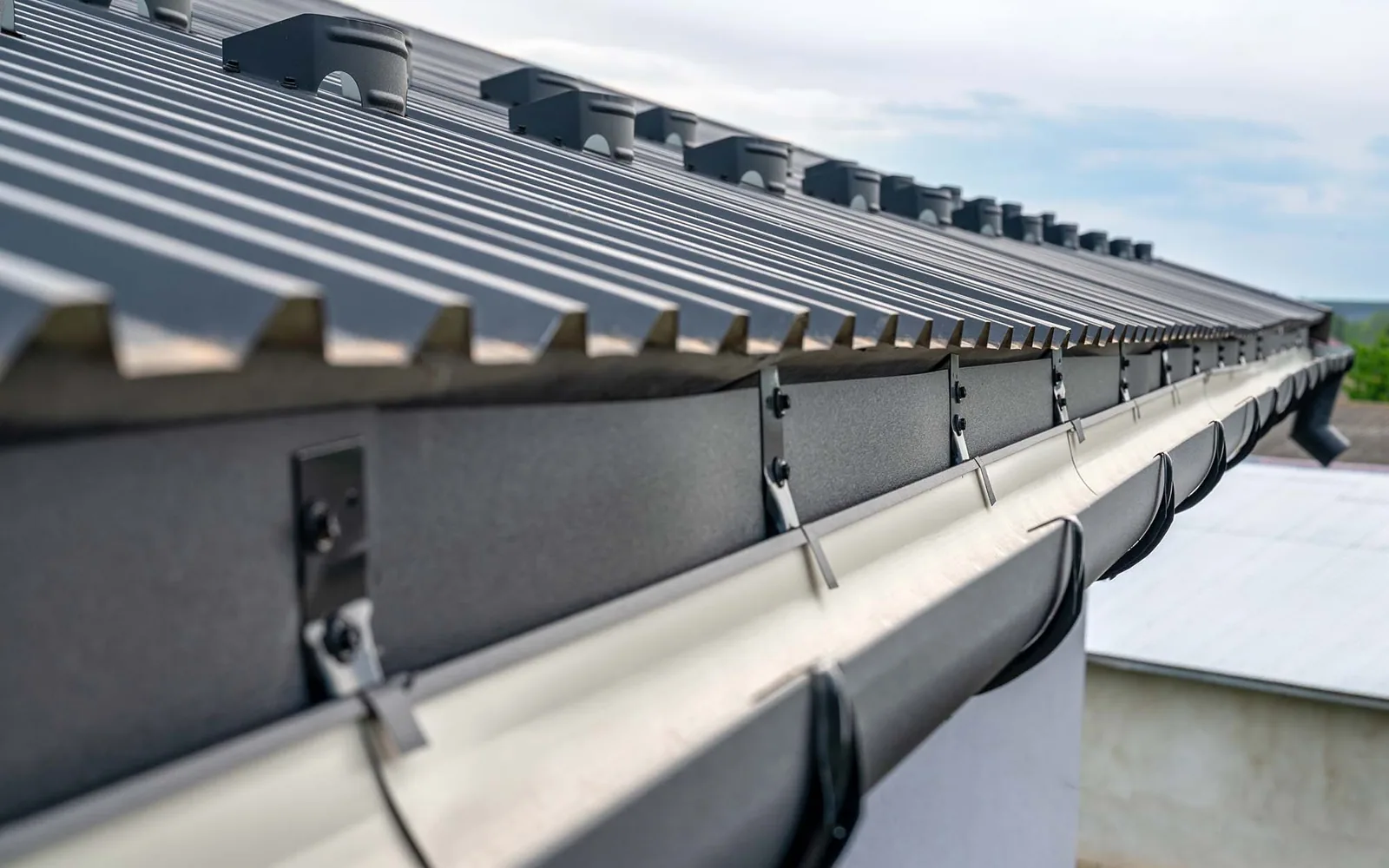
Commercial Roof Drains and Scuppers
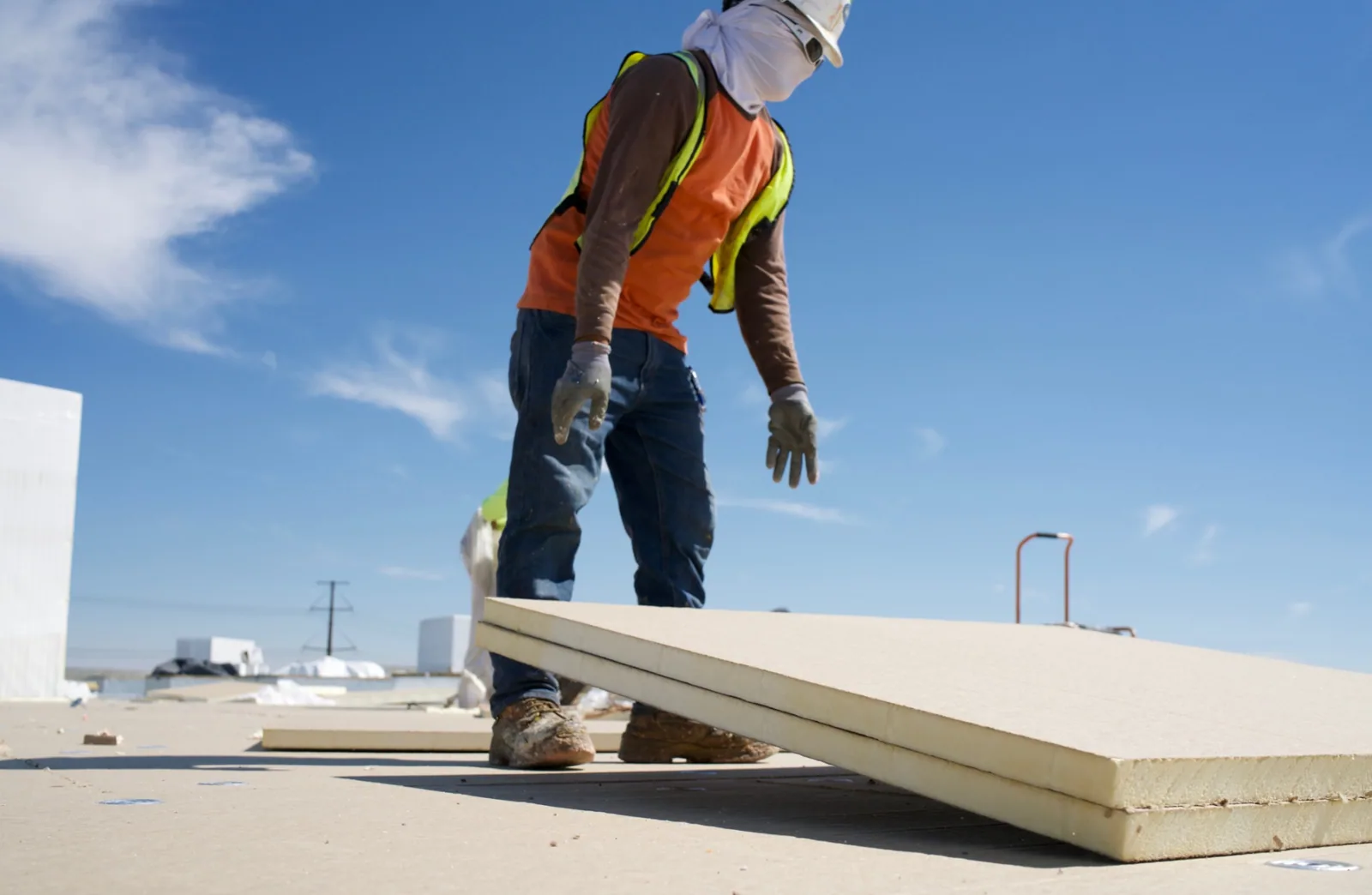
Commercial Roof Insulation and Cover Board