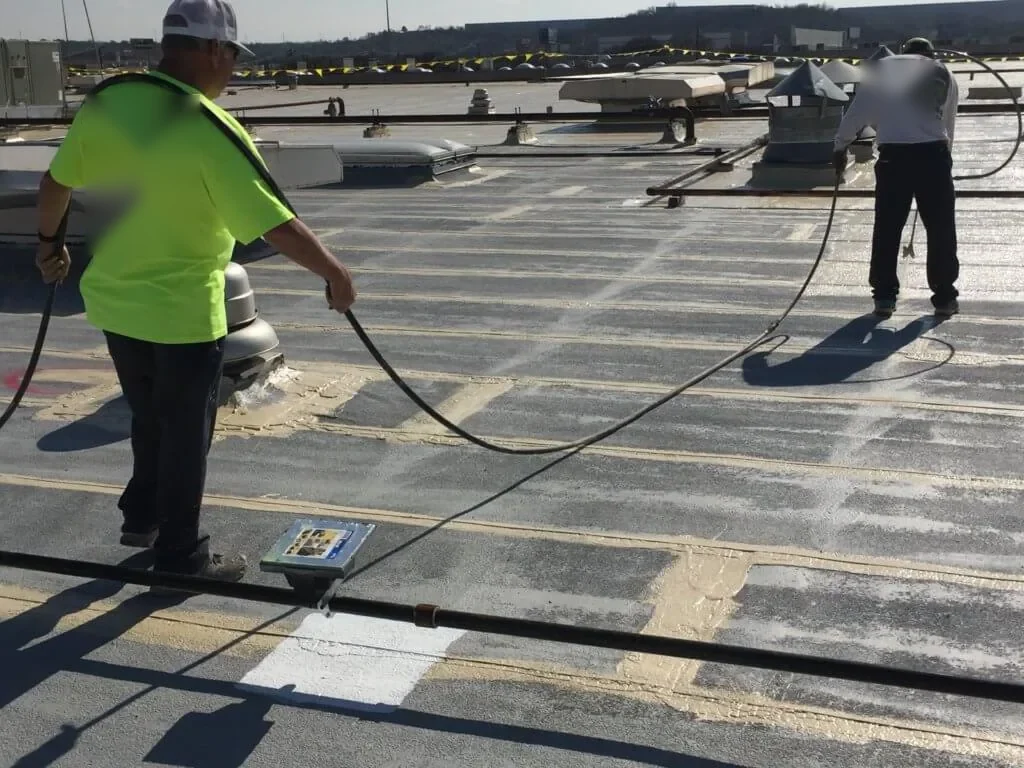
Check the Acrylic Substrate
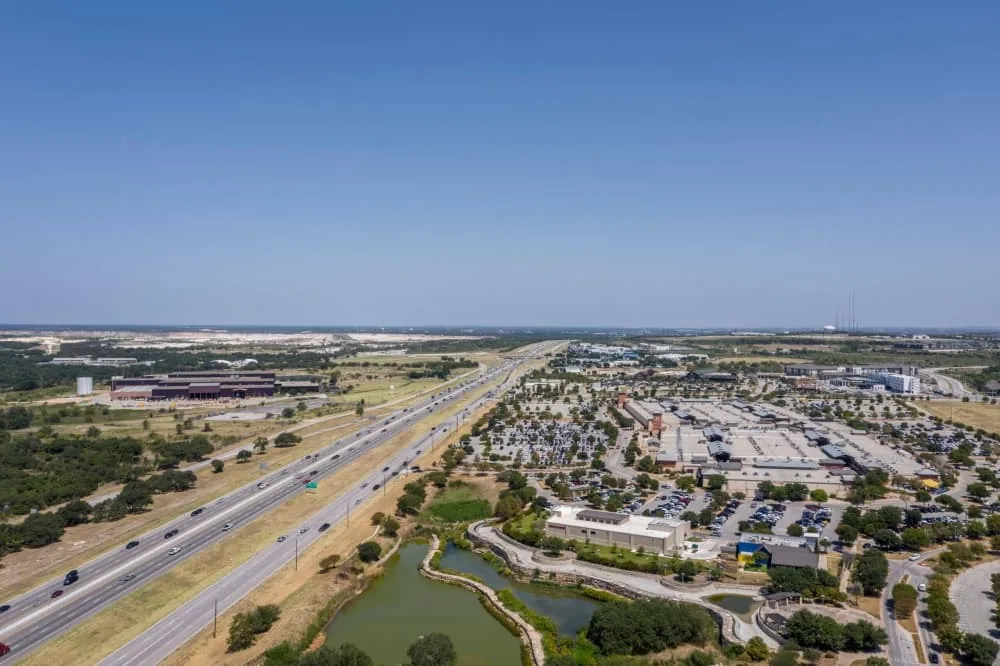
An acrylic coating should form a uniform film over a clean, prepared roof. If a seam is open or the surface holds water, another coat can cover the symptom without correcting its cause. We inspect the membrane, drainage, and prior repairs before recommending an acrylic system. Georgetown's retail area near Wolf Lakes Village and Round Rock's industrial locations along SH 130 bring different access conditions to coating work.
Acrylic is a water-based liquid roof coating that can provide a reflective surface when it is compatible with the assembly. Product requirements vary by substrate and weather. We confirm the roof condition and application window before setting the work area.
Send roof records, coating history, leak or ponding locations, site hours, and access restrictions. We will inspect preparation needs and application conditions. Call 555-555-5555 or request a roof assessment.
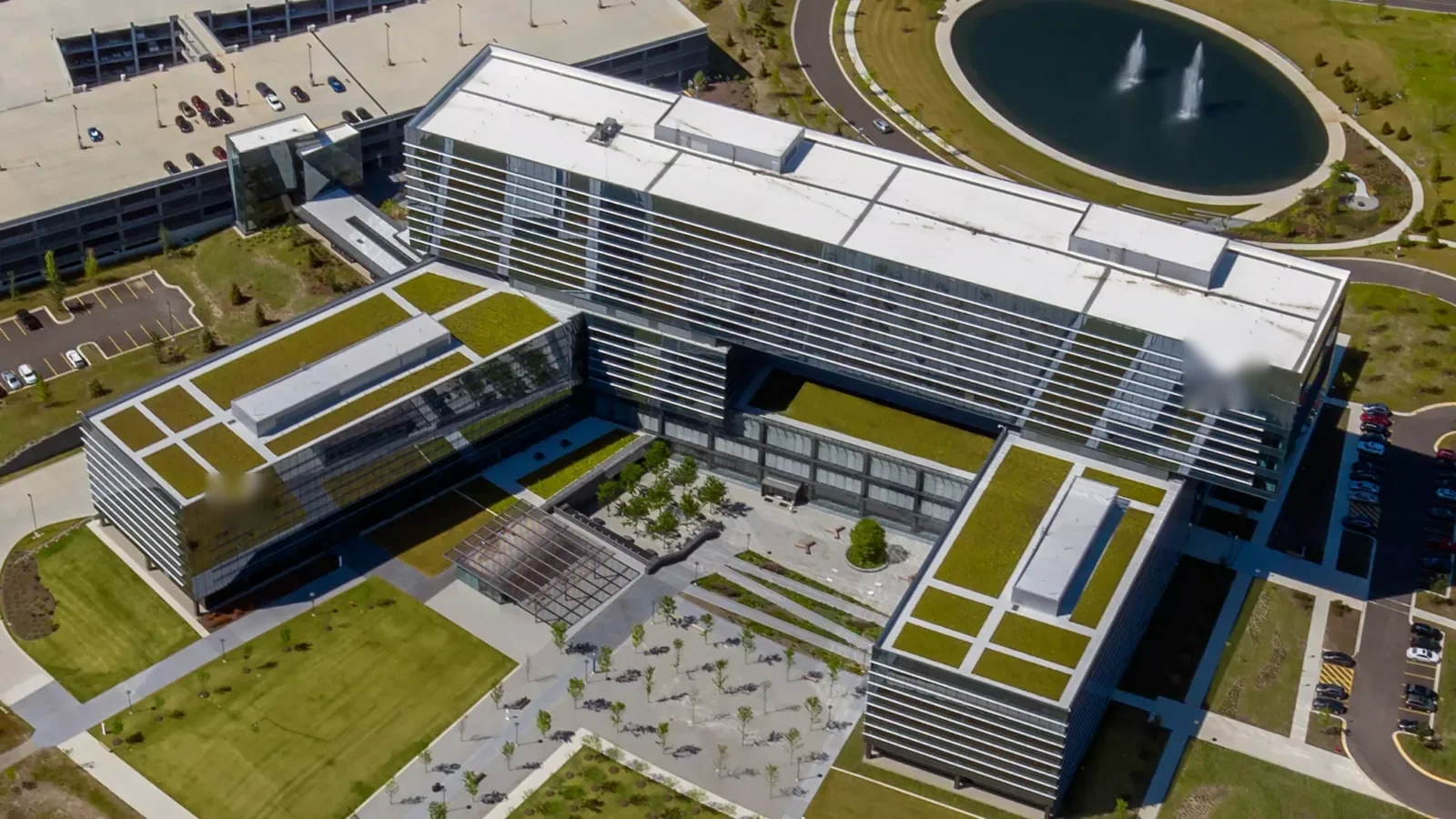
Prepare the Existing Roof
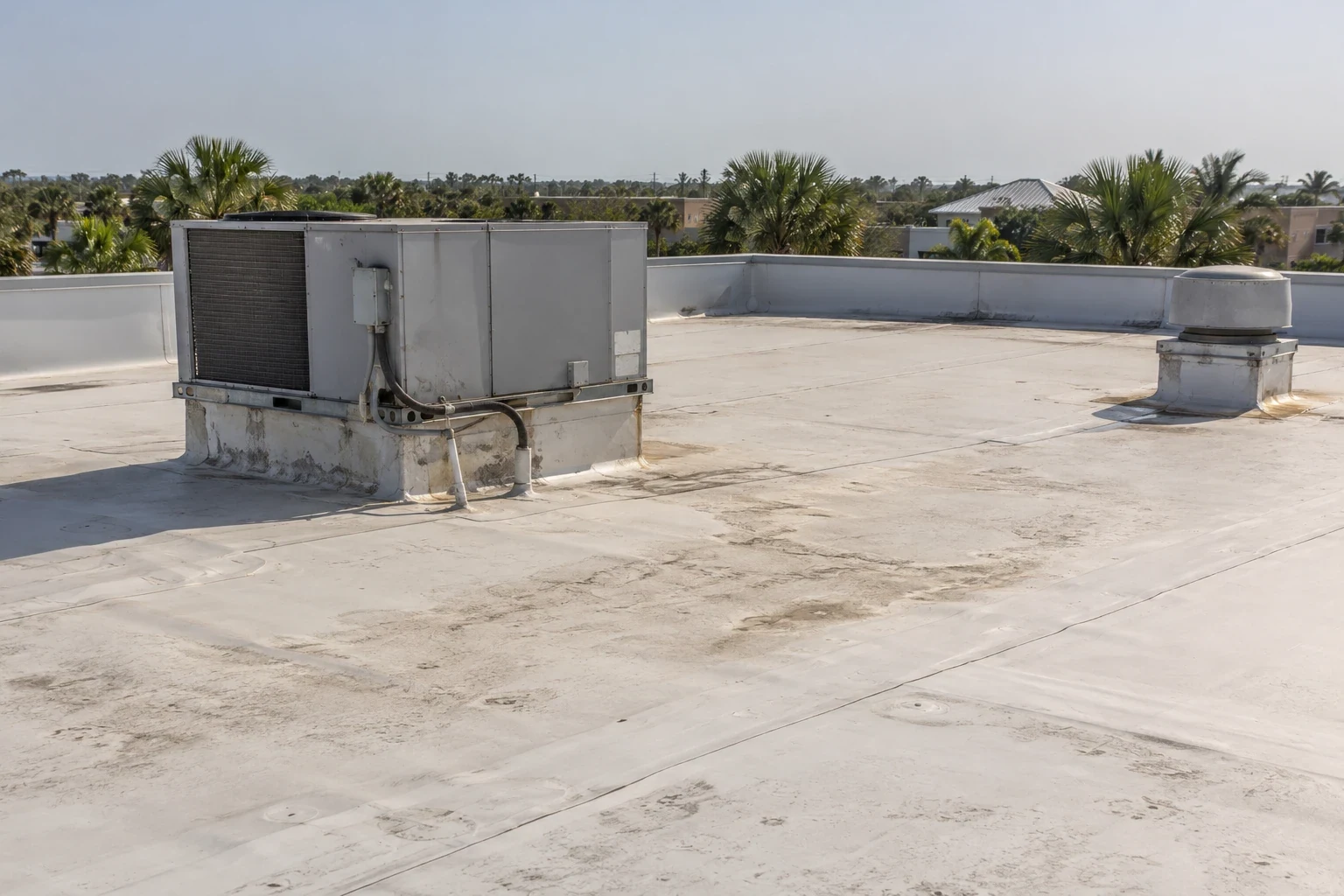
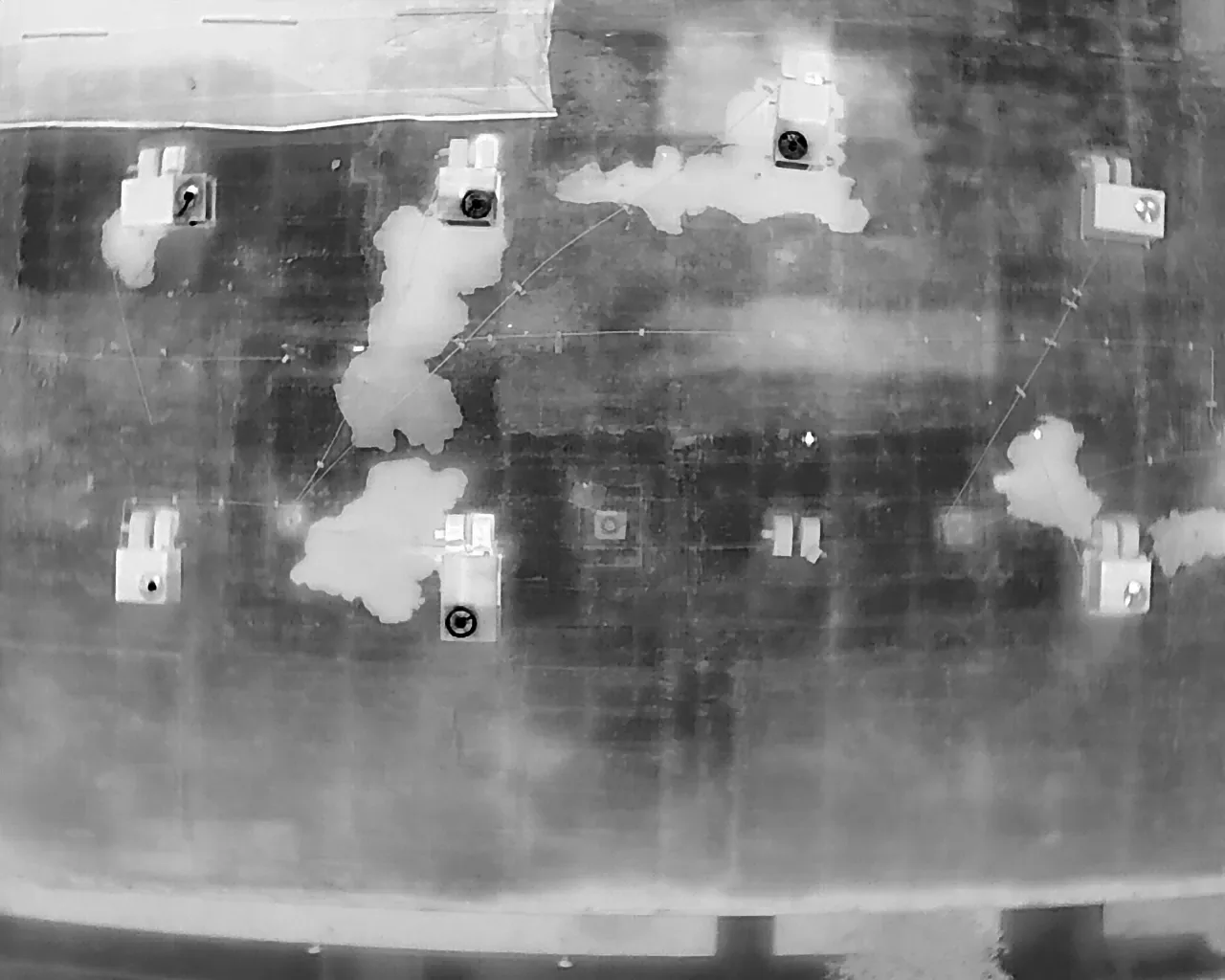
We check seams, blisters, loose material, flashings, drains, and wet insulation before discussing coating. Acrylic should not be applied over an unstable roof or a detail that admits water. A moisture scan may help select a test cut if hidden layers are in question. The sample shows conditions at one location; the report marks any limits beyond it.
Preparation may include washing, removing chalking or loose coating, repairing seams, and letting the surface dry. Contaminants can prevent the new film from bonding. If an older coating is present, we identify its type and test the bond. The owner receives the test location and result before the larger area is coated.
Drainage is a key check. Acrylic coatings are not intended to sit beneath persistent ponding unless the specific product allows it. We clear drains, mark low areas, and note whether slope correction is needed. A new film will follow the roof profile, so a depression may continue to hold water after application.
We inspect how much chalk or dirt transfers from the surface during a wipe test, then compare the result with the proposed primer and coating. A surface can look clean but still carry residue in a seam or around an equipment base. The preparation method must remove that material without damaging the membrane. We record any area where an old patch or unknown coating remains outside the test.
Water-based application needs a dry window for the substrate and the new film. Morning dew, shaded sections, and changing cloud cover can affect drying time across one roof. We map the daily limit so the crew does not start a zone that cannot be finished or protected before the weather changes.
Set the Coating Conditions
The work plan states primer, reinforcement, coats, coverage, and target dry-film thickness. We confirm that the substrate is dry and the forecast leaves time for application and curing. Acrylic is water-based, so rain before the film dries can wash or damage the coating. The crew monitors conditions at the roof rather than relying only on a calendar date.
Seams and penetrations may need fabric reinforcement or separate flashing repairs before the field coat. We identify parapets, curbs, skylights, and drain bowls that need masking or detail work. Application at an edge should not block an overflow opening or bridge loose metal. The closeout records the product and measured coverage by roof zone.
Round Rock has sustained summer heat; nearby Austin Camp Mabry is the climate station used for regional normals. The actual roof surface can heat differently in sun and shade. We follow product limits and may schedule work at a cooler time of day. Current surface temperature and weather guide the coating window at the property.
Reflective color selection should follow the product range and owner requirements. A lighter surface can reflect more sunlight than a dark one, but it cannot compensate for wet insulation or missing cover board. We record the specified color and thickness in the submittal, then confirm that the sample matches before applying the full field.
At a transition from membrane to metal, the coating must stop or continue according to a tested detail. We mask the edge, check the counterflashing, and add reinforcement only where the selected system calls for it. The closeout shows the finished boundary so future repairs can use a compatible material.
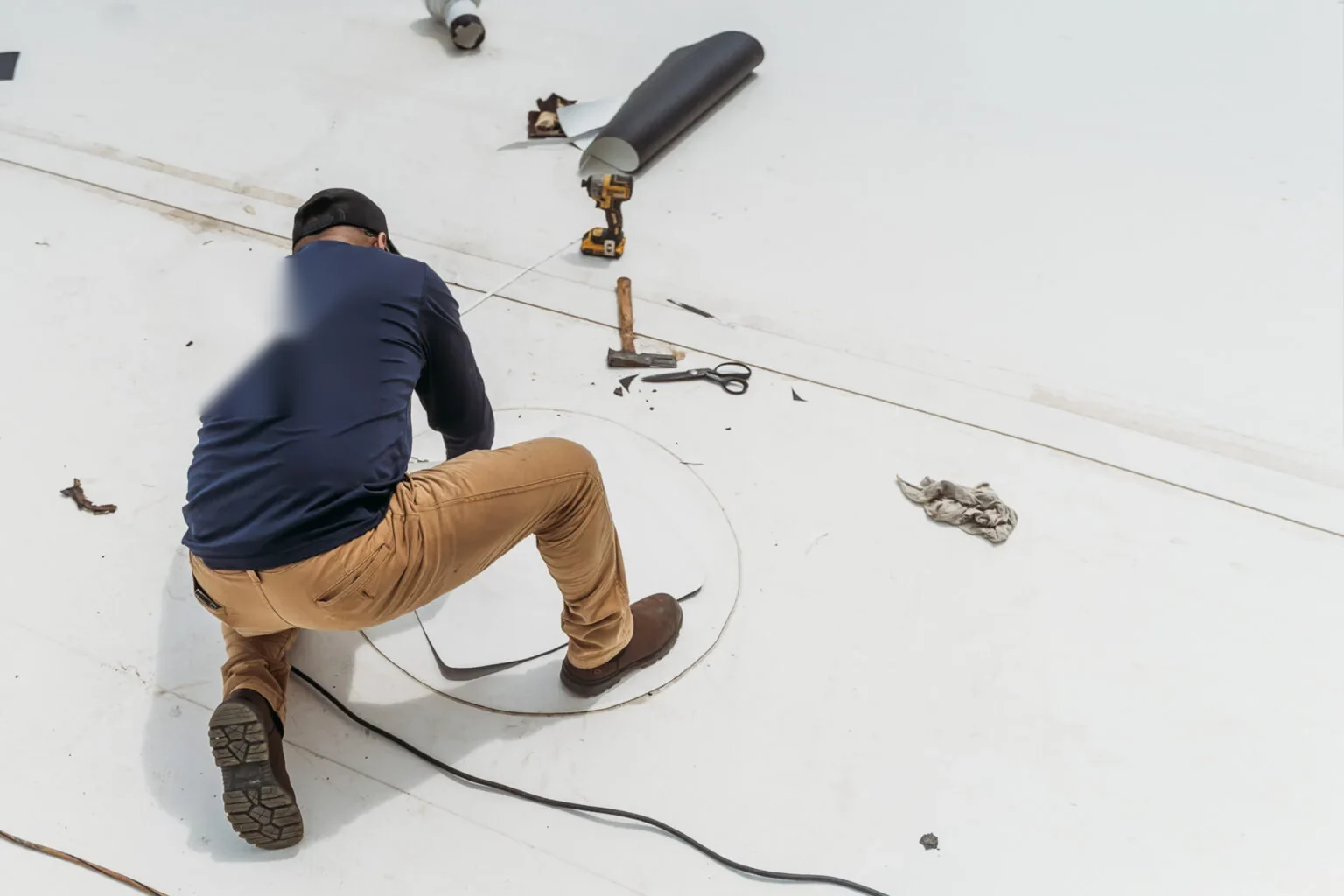
Compare Acrylic with Other Repairs
Acrylic restoration may suit a stable roof with sound attachment and repairable details. Tear-off or recover may be more appropriate when wet insulation, deck issues, or widespread failure are present. We show the coating boundary and list excluded areas. If the coating requires a certain thickness, the scope states coats and application rate rather than describing only a color change.
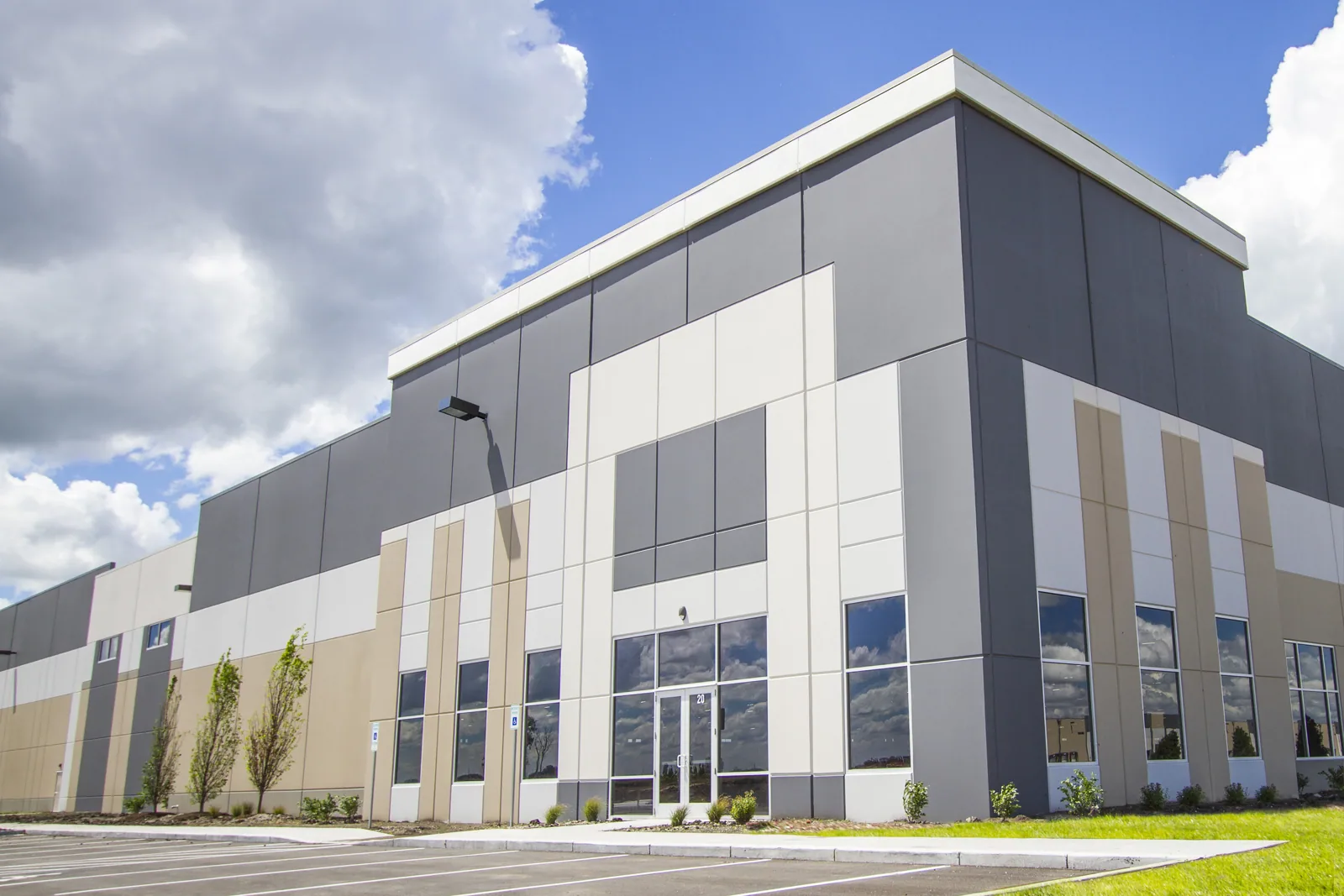
For properties near Wolf Lakes Village in Georgetown or the Pecan 130 Business Park, staging, traffic, and operating schedules can affect access. Estimate factors include cleaning, seam repairs, primer, reinforcement, roof height, access equipment, and any drainage correction.
Related work can include roof inspection, drain correction, or insulation replacement. We can compare silicone coating, TPO roofing, or roof coating restoration when the substrate and exposure fit. A shopping-center roof may need a phased application to preserve tenant access.
If a roof has a limited remaining service life, a coating may be a short-term restoration path only when the assembly is stable. We list the repairs completed before application and identify the next maintenance check. If testing reveals broader deterioration, the estimate compares restoration with replacement so the owner can review the actual work boundary and future access implications.
Measure and Maintain the Film
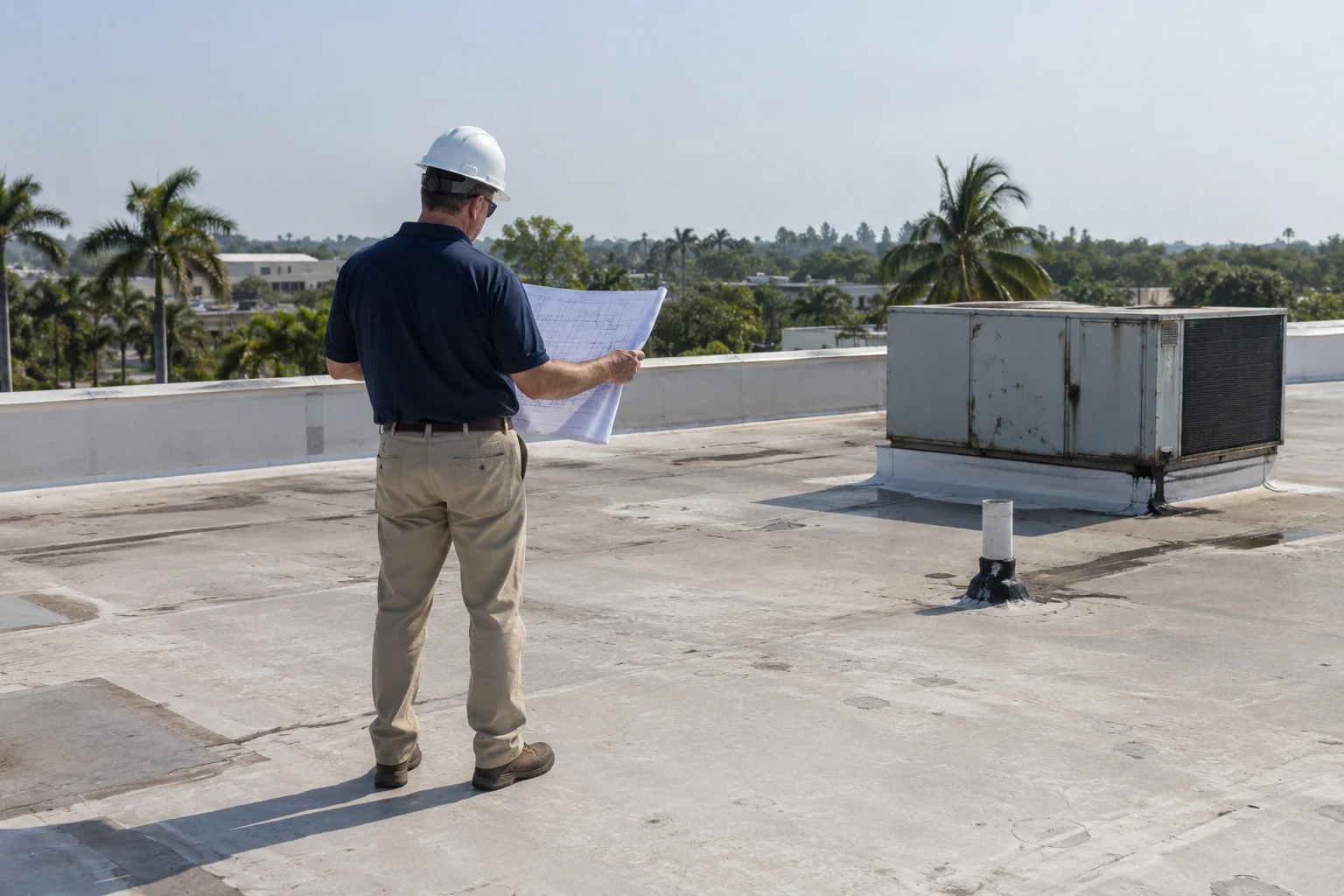
Before work, photos show the roof surface, drains, seams, and test areas. During application, the crew records preparation, reinforcement, coat sequence, and thickness checks. The closeout identifies completed zones and any areas left for additional work. If the surface was not dry or the weather window closed, that limit is listed.
Acrylic coating may need periodic cleaning and reapplication according to the installed system. Maintenance staff should look for erosion, cracks, ponding, loose repairs, and blocked drains. Walk paths can wear faster than field areas, so we map them and check pads or service routes during follow-up.
Keep product data, coating thickness readings, preparation notes, and repair photos together. If the roof is recoated later, the next crew can identify what is already on the surface and whether it remains bonded. A leak report should include its roof zone so the inspection can check the nearby seam and flashing instead of assuming the coating field is the source.
Acrylic coating performance depends on substrate preparation, weather conditions during application, and adequate drainage. Inspect existing film for peeling, cracking, thin areas, and ponding before selecting a restoration approach. Confirm that repairs and primers are compatible and allow the required drying time. Keep the project record clear about the area coated, the condition of the substrate, and any roof sections excluded from the work.
Questions About Commercial Acrylic Roof Coatings
Can acrylic roof coating be used where water ponds?
Persistent water needs evaluation first. We check the slope, outlet, and product limits before recommending a coating that could remain submerged.
Can acrylic be applied over an older coating?
The existing product and adhesion need identification. We prepare and test the surface before including a new film.
How many coats are required?
The product specification, substrate, and target film thickness set the application rate. The proposal identifies coats and coverage for each zone.
Can you coat the roof in hot weather?
We check surface temperature, shade, humidity, and the product instructions. Work proceeds only when conditions allow the coating to dry and cure as specified.
What happens if rain reaches fresh acrylic?
The affected area is inspected after conditions clear. The crew documents any washout or film damage and repairs it before closeout.
Related Roofing Work
Georgetown’s I-35 Commercial Corridor
Pecan 130 Business Park
Commercial Roof Inspection
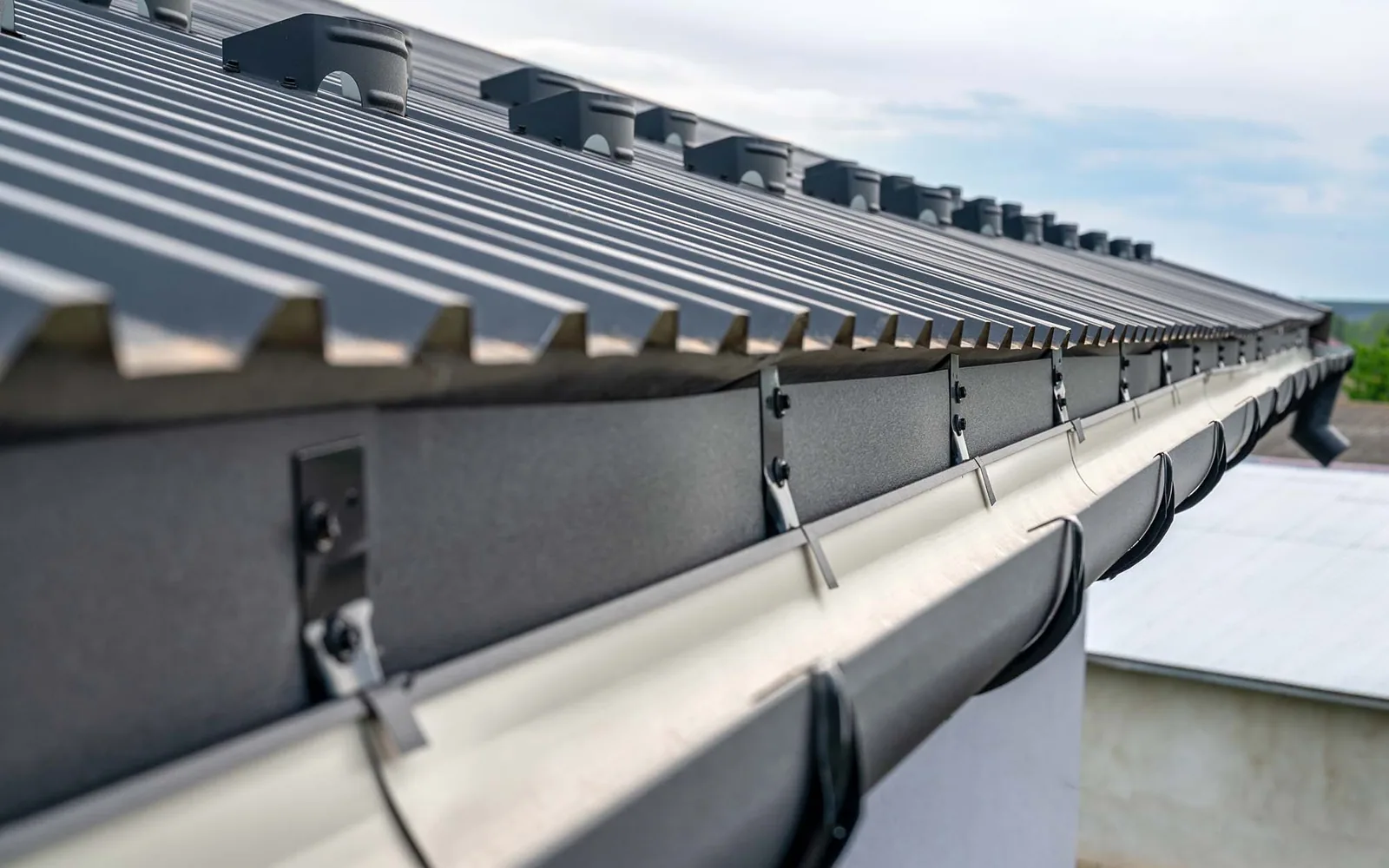
Commercial Roof Drains and Scuppers
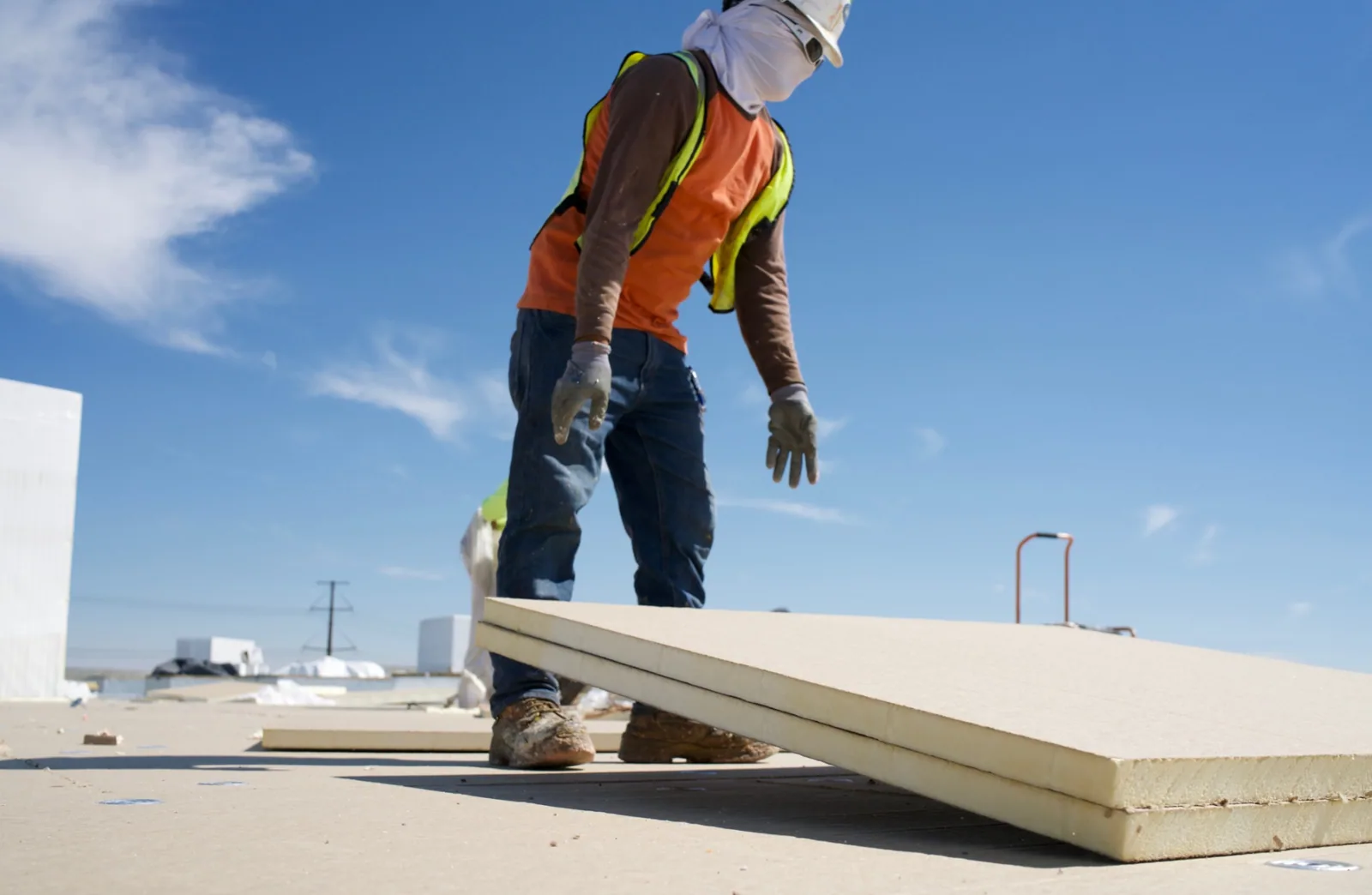
Commercial Roof Insulation and Cover Board