Request a Manor Commercial Roof Review
Manor’s commercial buildings need roof work planned around their actual access, operations, and drainage. A ceiling mark identifies where water appeared indoors, not necessarily where it entered. We record the affected area, inspect likely roof paths, and document the seams, curbs, drains, and edges that support a repair recommendation. The site contact confirms the work route and any protection needs.
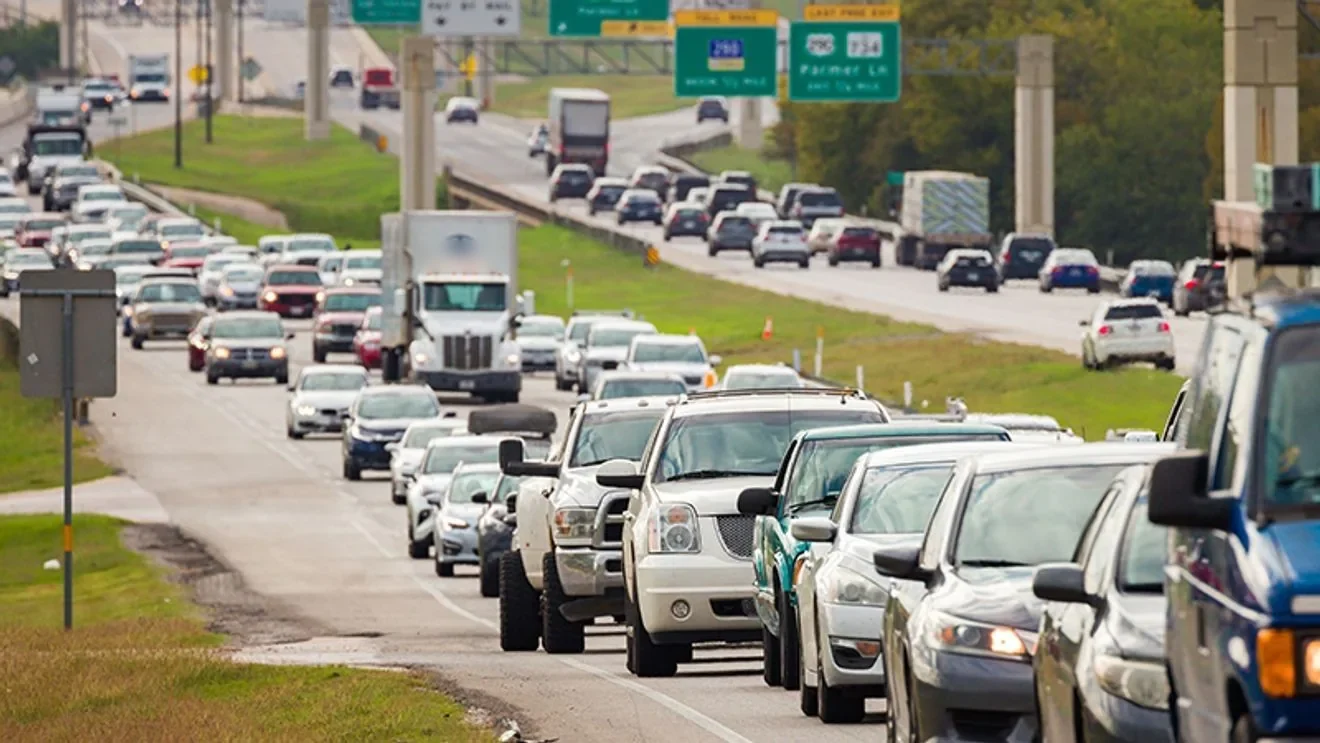
Manor is about 12 miles east of Austin along US 290, with SH 130 connecting the city to the wider Central Texas road network. The City describes growing commercial interest from retail and service businesses. Those varied property uses make roof-by-roof inspection important: no corridor label establishes the assembly, condition, or access rules at an individual building.
Tell us the property location, the reported symptom, and any access or operating limits. We will plan a focused inspection and provide the next action. Call 555-555-5555 or request a roof assessment.
Locate the Detail Before Testing
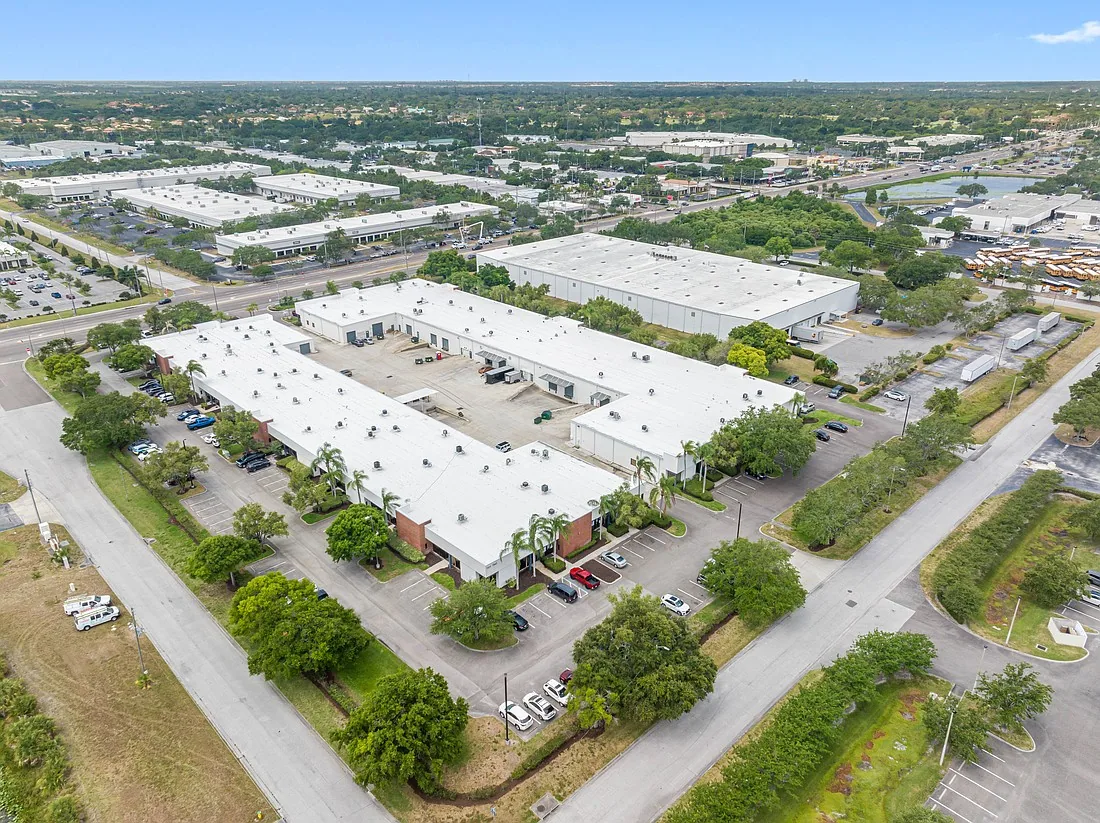
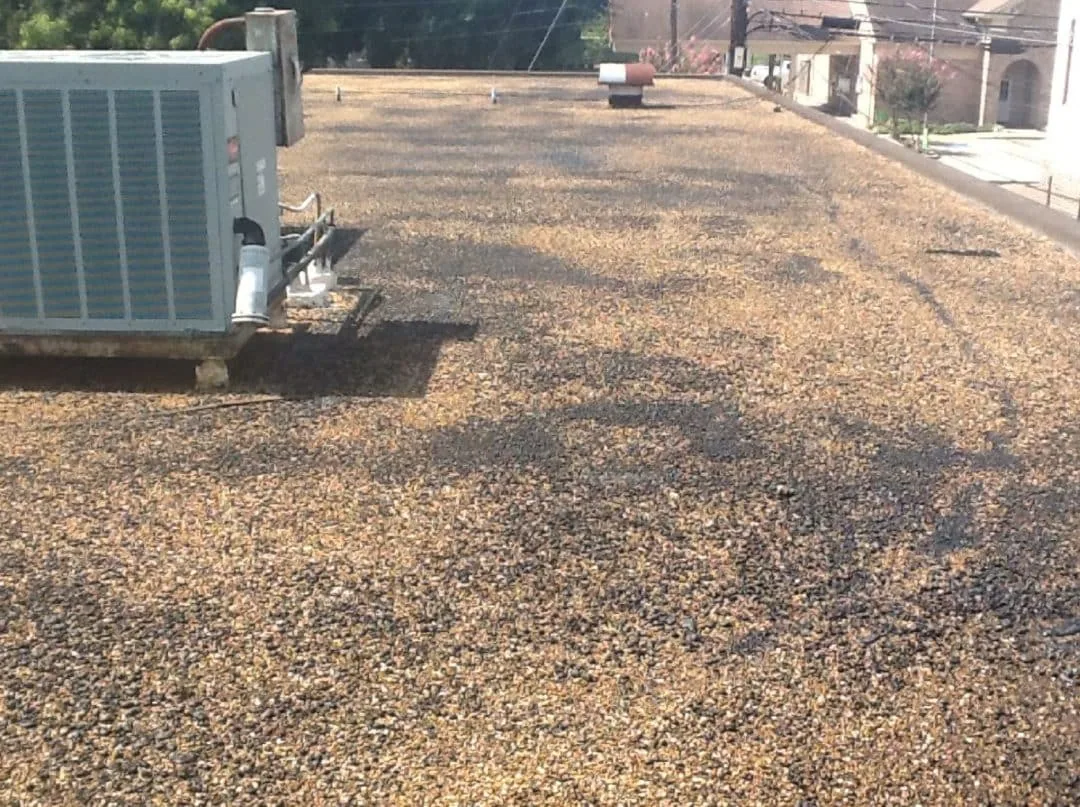
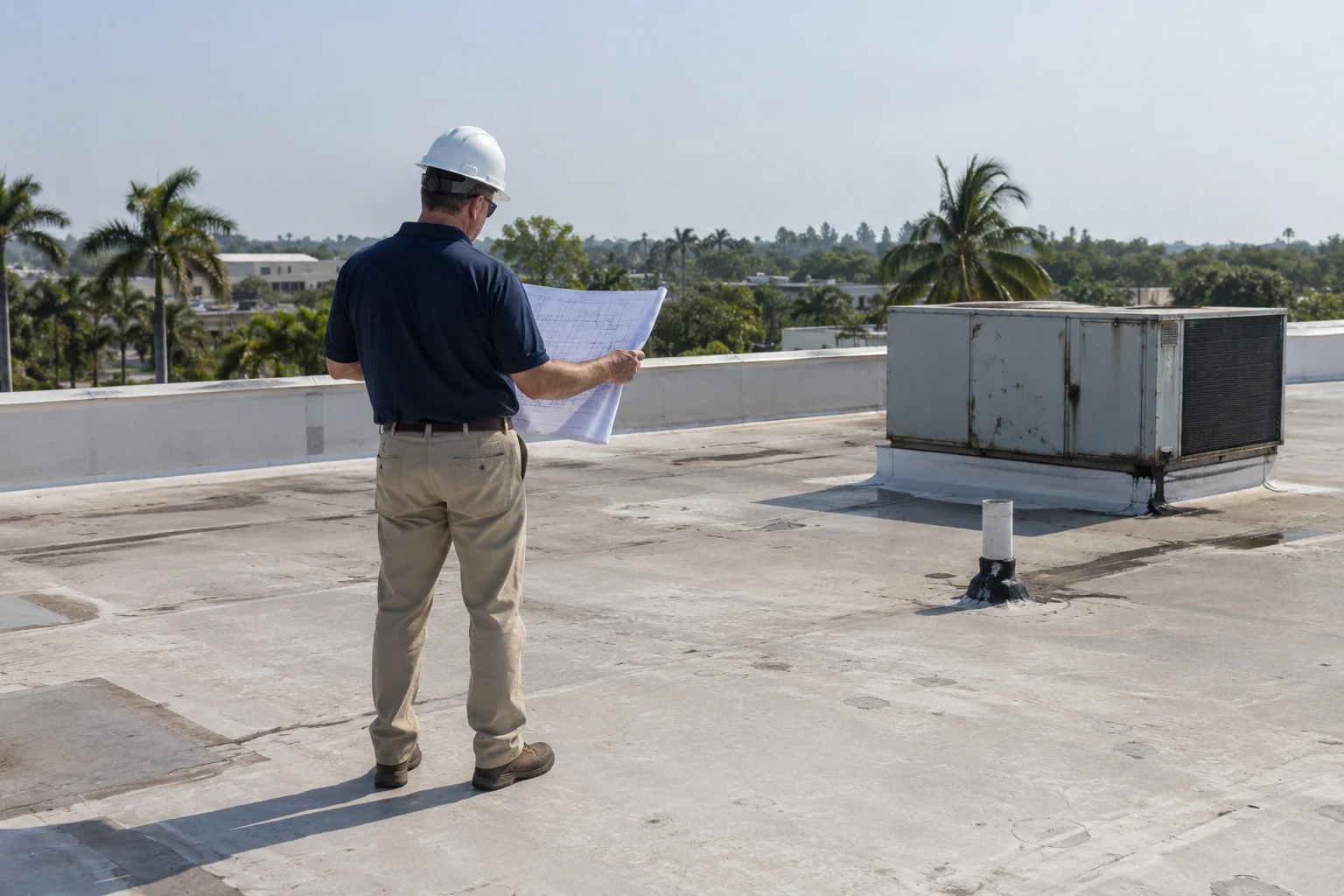
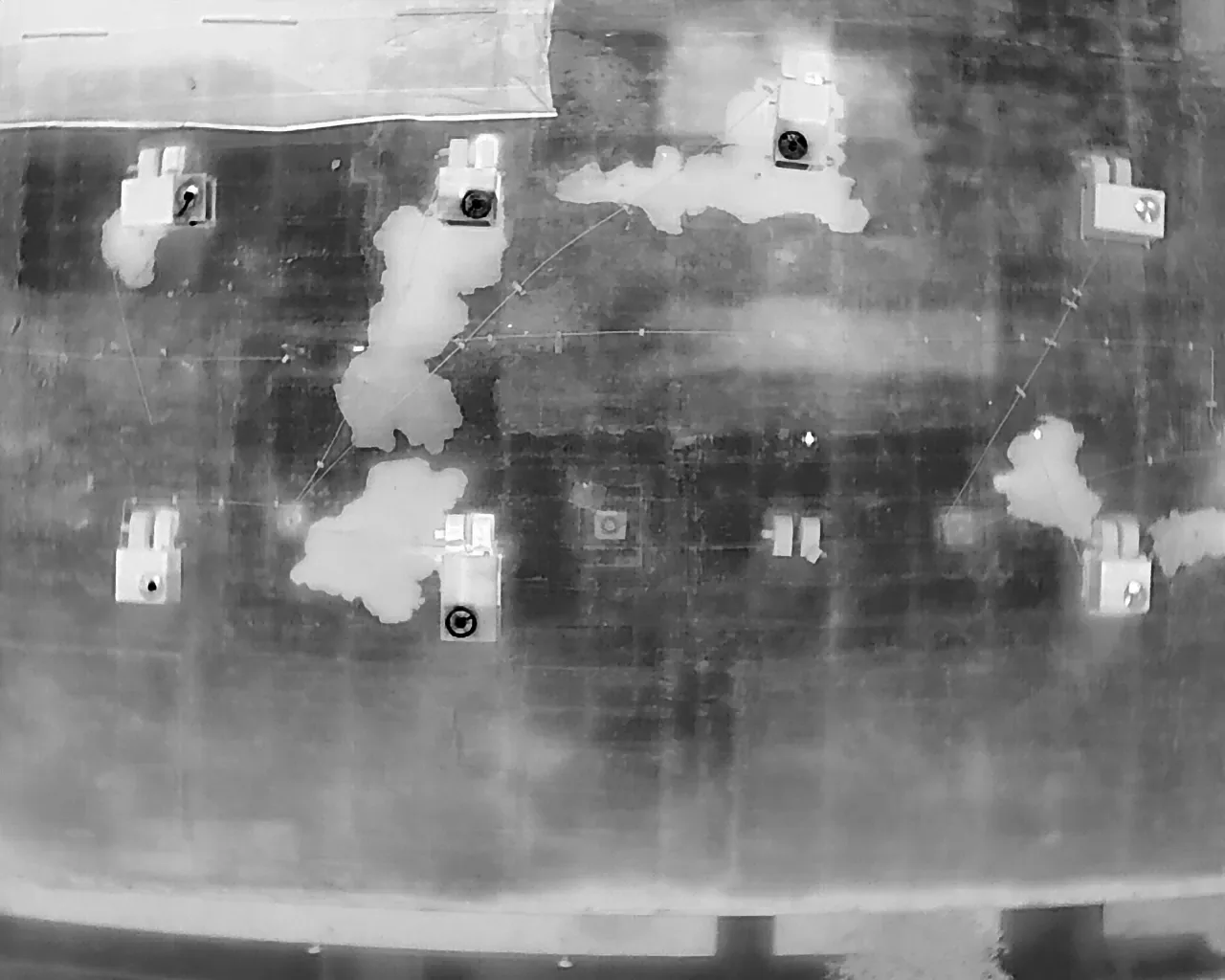
A ceiling mark may trace to a distant edge, seam, or penetration. We record the room and timing, then trace likely water paths across the roof. The walk checks membrane laps, curb flashing, drain bowls, overflow routes, wall transitions, and previous patches. We separate visible facts from likely causes. If a moisture scan indicates a suspect zone, a test cut may confirm whether insulation is wet at that point. It does not establish conditions across the rest of the assembly.
Austin's Camp Mabry station gives a useful regional reference: its 1991 to 2020 normals list an average August high of 97.8°F. We check the roof surface, seams, curb flashings, and outlets directly, then explain which finding supports a repair and which needs closer testing.
Protect the Building During Service
An authorized contact identifies the affected zone and approves access. The contact identifies any escort, rooftop equipment clearance, interior protection, or work-hour requirements before the inspection begins. The work order names which areas are included, who accepts the closeout, and what part of the facility must remain available.
We take urgent roof calls through nights, weekends, and holidays when water is entering a building. An initial visit can limit active water entry and protect equipment or finishes while the roof-side condition is investigated. We document temporary protection separately from the repair that remains. If the source cannot be confirmed on the first visit, the report lists the tests or access still needed instead of presenting a temporary measure as a permanent fix.
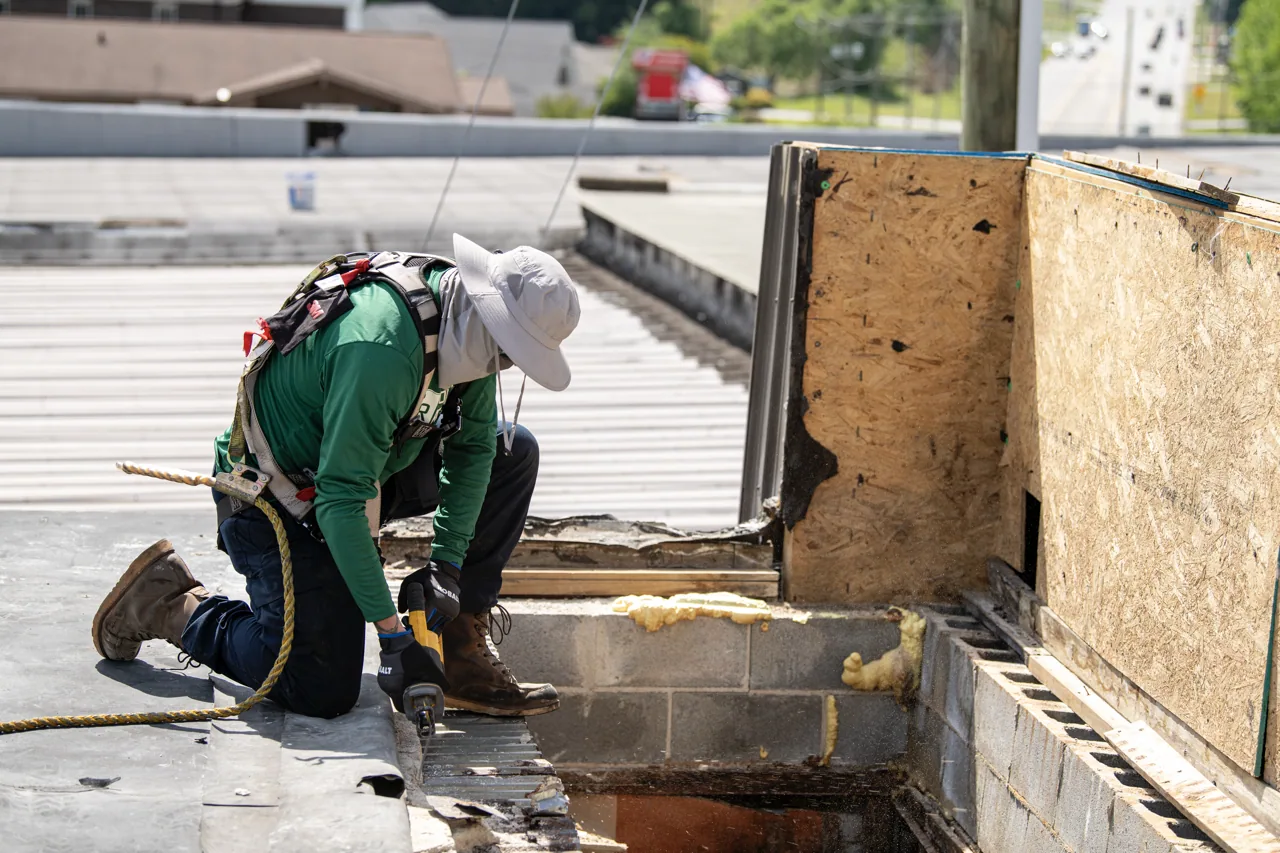
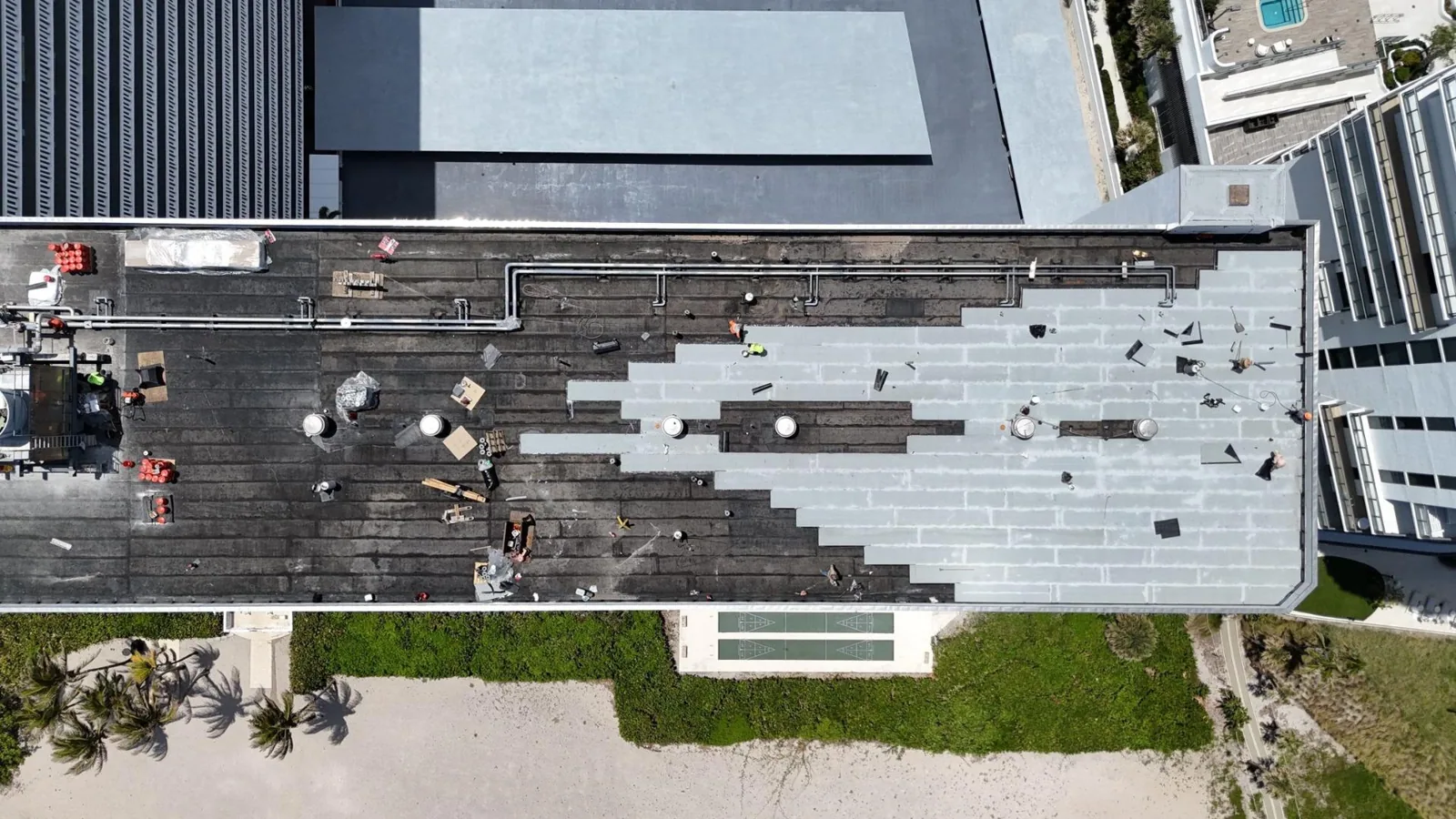
Replacement work needs a controlled weather boundary. The proposal sets daily opening limits, dry-in, system, insulation, flashing, and close-in. If removal exposes wet insulation or a deteriorated deck, we protect the opening, mark the discovery, and request owner direction before expanding the scope. That step is especially useful when work below the roof must remain protected or when operations depend on uninterrupted environmental control.
Related scopes can include commercial roof inspection, infrared moisture surveying, and occupied-building reroofing. When a leak follows a unit or conduit, equipment curb and support work can address that interface. A roof condition report records test locations, access limits, and the repair boundary for later review.
Compare a Targeted Repair with a System Decision
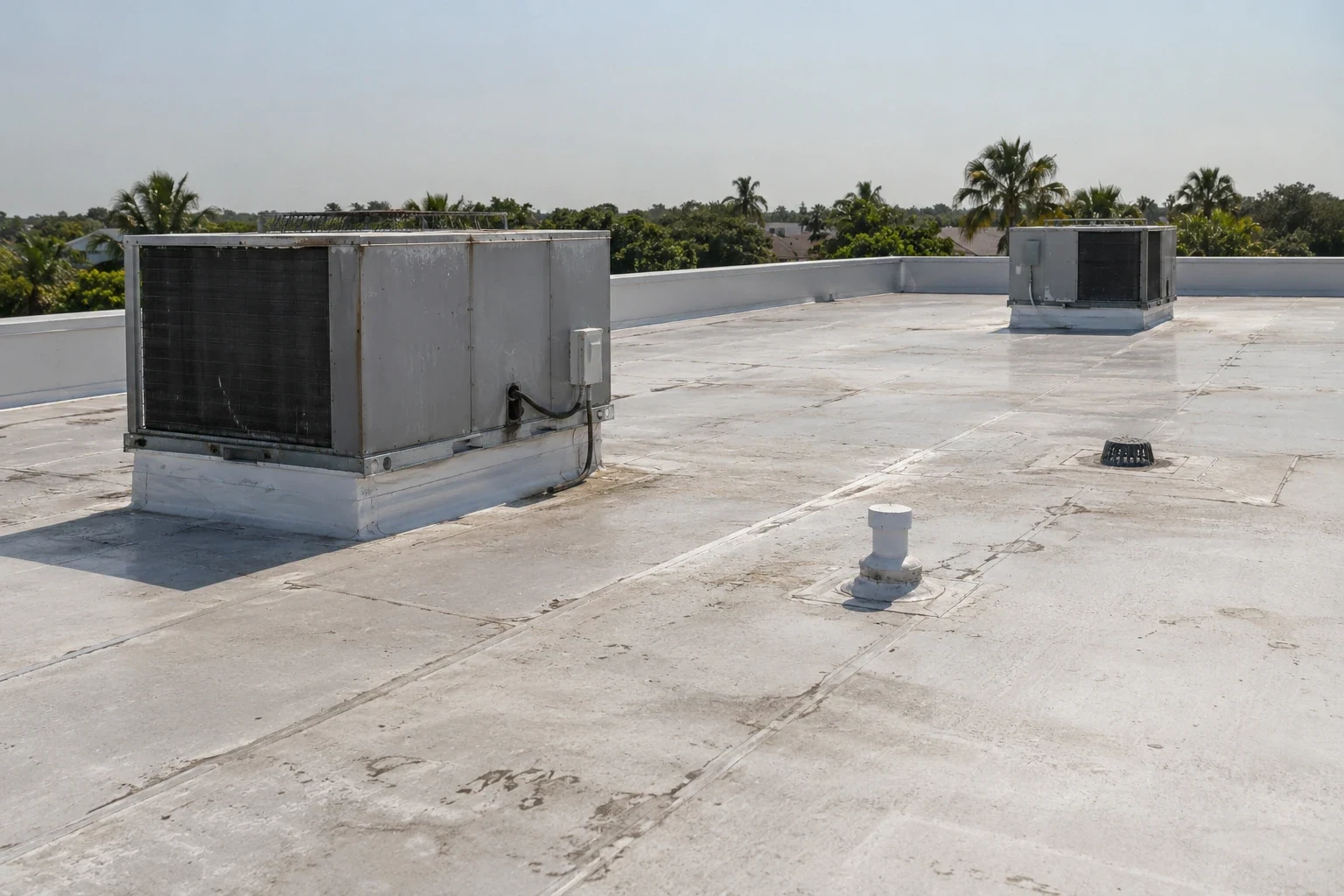
A localized seam or flashing repair can make sense where the failure is clear and neighboring materials remain stable. Recurring leaks, more than one wet area, or failed details across a roof zone may justify a wider assessment. We show the evidence and repair limits so the owner can decide whether more testing is warranted. If a sample is taken, the report identifies its location and avoids presenting one result as a map of the entire roof.
Recovering or coating depends on existing moisture, attachment, drainage, surface preparation, and compatibility. A new surface cannot make wet insulation dry or correct a poor slope by itself. Replacement can expose hidden layers and reset details, but it requires tear-off, material handling, interior protection, and a larger daily weather boundary. The comparison should identify the work included, the conditions that would change the scope, and any owner decision required after opening.
For a Manor roof replacement, the owner and design professional confirm the local review requirements for the chosen scope. We provide the observed assembly and tie-in details so project decisions reflect the roof that will be altered.
When roof water persists, insulation and interior finishes may be affected. A ceiling mark locates a symptom. Inspection results separate the observed defect from any area that needs testing. The owner can authorize a temporary protection step, repair, or replacement proposal as distinct work, each with its own boundary and closeout.
Leave a Traceable Roof Record
Record the building, roof zone, access route, symptom, test, and repair. Key photos to a plan mark. State whether the crew inspected the full requested area or was held back by access, safety, weather, or facility restrictions. This keeps later reviewers from assuming an unvisited section was included.
File the report alongside roof plans, equipment work orders, maintenance history, and prior repairs. For new penetrations, record who restores and checks the flashing. A zone map can help the facility contact compare a later leak with an earlier test or repair. Set a next check when a finding is being monitored, and name the condition that should prompt an earlier call.
The building contact sets operating coordination for each visit. To request service, share the address, access plan, leak or condition question, and any restrictions. We tie each finding to the inspected roof zone and identify the next inspection, emergency response, maintenance, repair, or capital-planning step.
Manor's location on US 290 and connection to SH 130 can help plan service across the city, but the building contact still directs crews to the correct entrance and work zone. Commercial properties may differ in roof age, equipment, drainage, and tenant schedule. We check the reported area, compare it with the roof path, and note the evidence that supports each recommendation. If a repair can be isolated, the scope stays local; if several transitions or wet areas appear, we explain what further testing would answer. A clean closeout lets the owner compare those findings on a later inspection.
Buildings near the US 290 and SH 130 connection can have different entry paths; the property contact confirms access. For a portfolio spanning Manor and Pflugerville, keep each address and roof plan with its own service record.
Commercial growth can add rooftop units and new penetrations long after a building first opens. When that happens, identify the party responsible for weatherproofing and confirm the detail is compatible with the existing roof. During inspection we check the reported water path and nearby drains, seams, and transitions, then mark the observed work area on a plan. If a leak report points away from the roof, we state what was checked and what remains uncertain. That gives the owner a direct next step without extending a roofing recommendation beyond the evidence.
Questions About Manor
How is a Manor roof inspection scoped?
We identify the building and reported condition, then document the accessible roof zone, system details, drainage, and limits.
Do US 290 or SH 130 indicate roof access?
They orient the service area. A site contact confirms the entrance, staging location, and approved roof route.
Does the type of business determine its roof system?
No. We identify the membrane or metal assembly from available records and field conditions.
What determines cost for a Manor roof repair?
Repair area, roof system, access, protection, material compatibility, and concealed conditions shape the scope.
When should an owner ask for more than a spot repair?
Recurring leaks, multiple wet areas, or failures at several details can justify broader assessment. We document the evidence before comparing options.
Related Roofing Work
Commercial Roof Inspection
Infrared Roof Moisture Survey
Occupied Commercial Building Reroofing
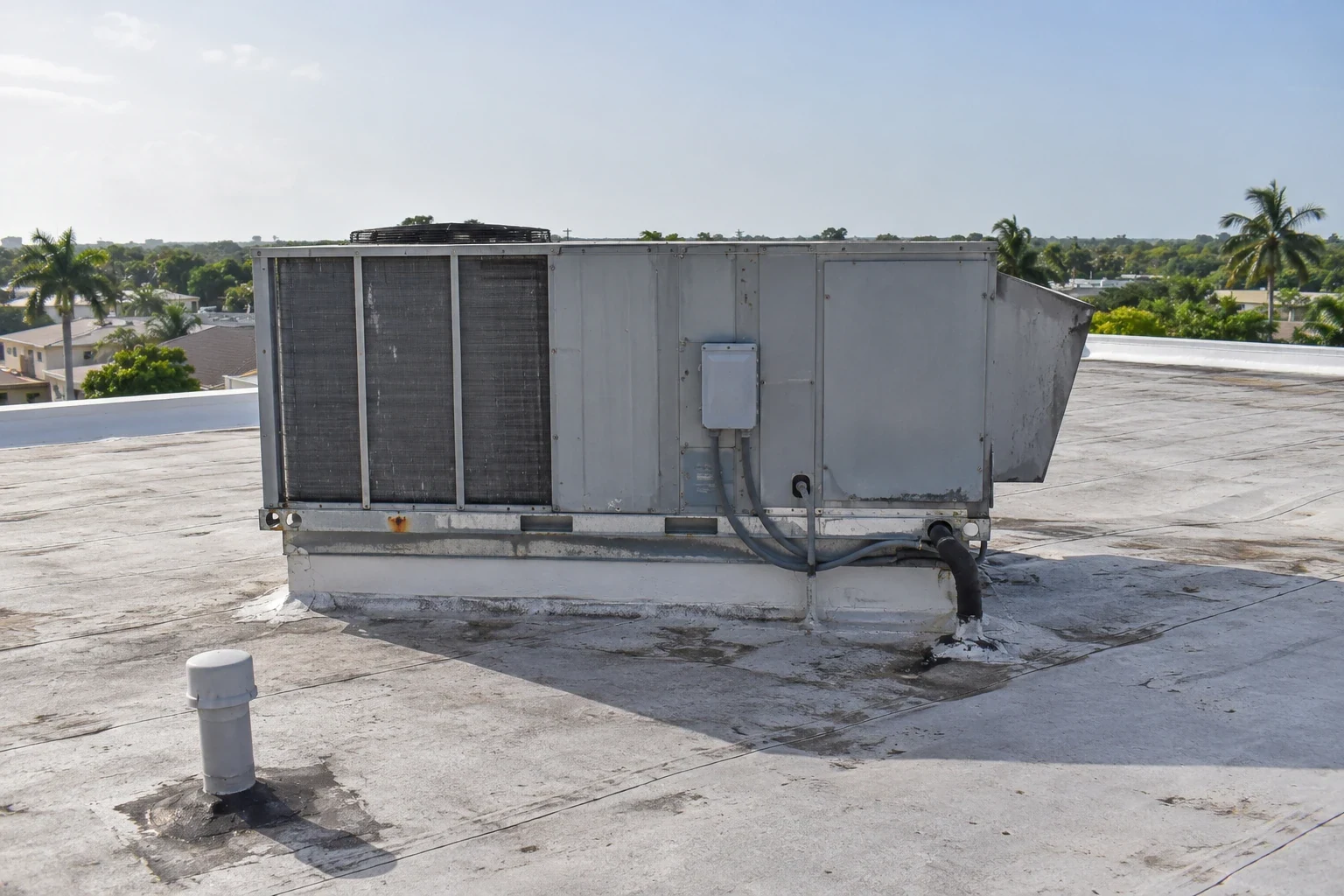
Commercial Rooftop Equipment Curbs and Supports
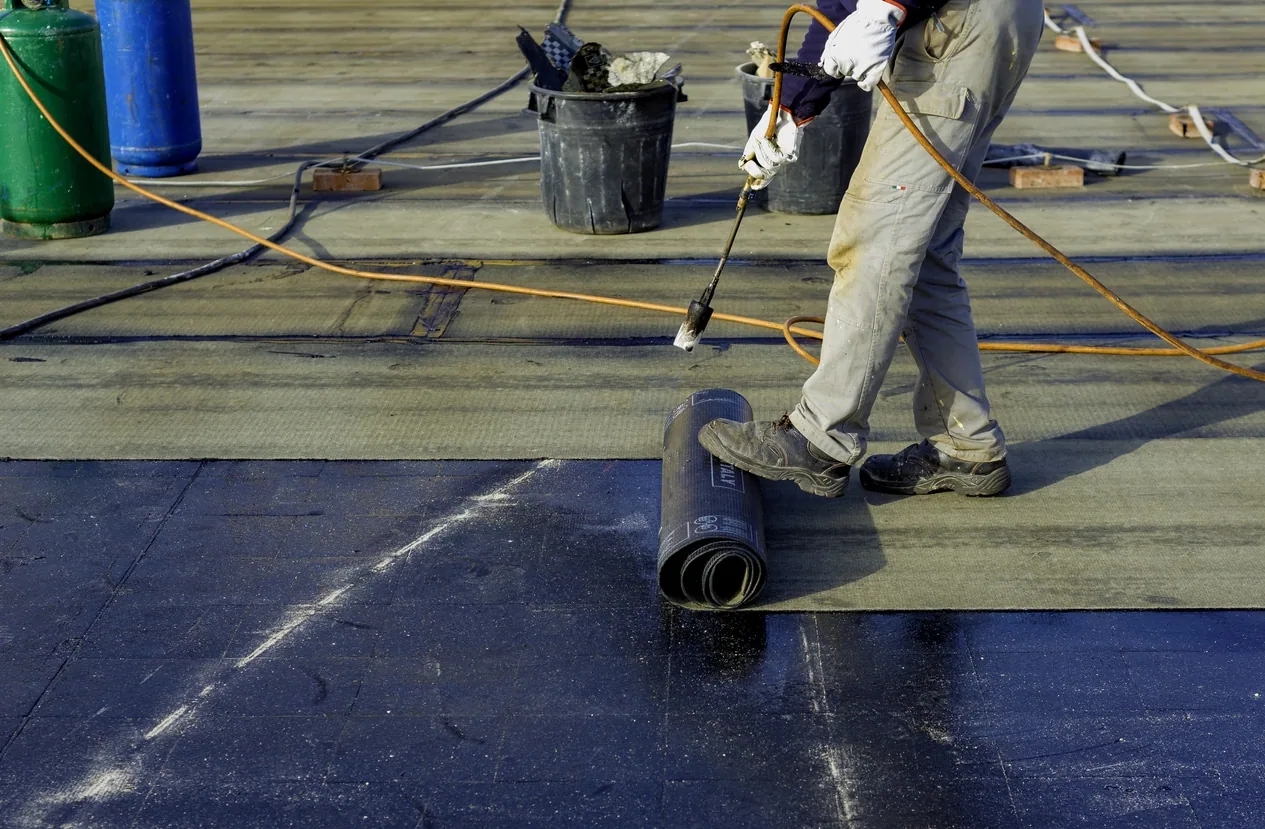
Commercial Roof Condition Reports