Coordinate Roofing Before the Schedule Locks
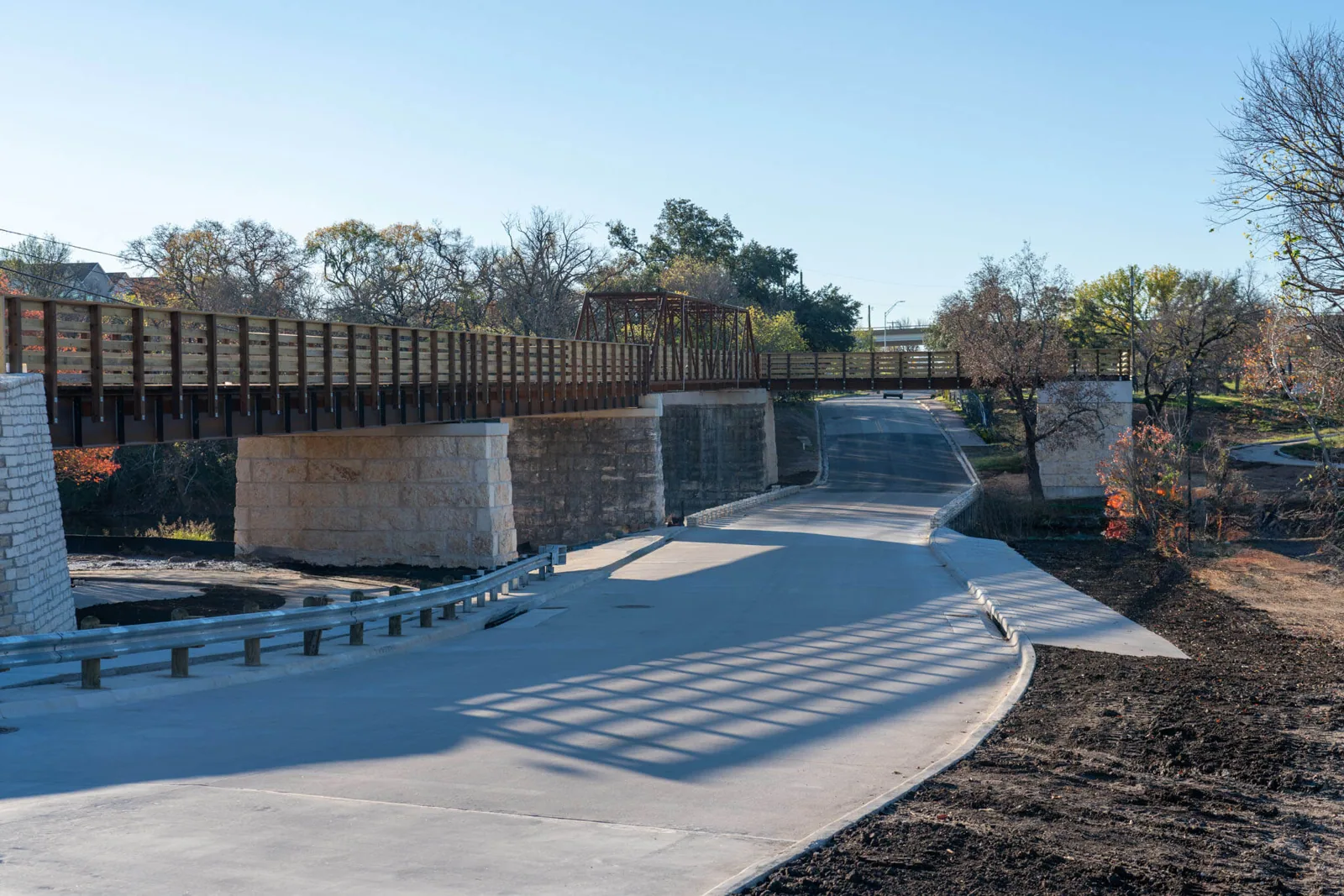
A new rooftop unit arrives before the curb detail is settled. The roofing scope needs a drawing, sequence, and person responsible for the transition. General contractors in Round Rock may coordinate office, healthcare, industrial, retail, and education projects across I-35, US 79, SH 45, and SH 130. The Chisholm Trail Road and Old Settlers Boulevard corridor and University Boulevard campuses reflect the region's mix of logistics and institutional work. Each project still requires its own roof assembly and access plan.
We define roofing deliverables around the construction schedule, adjacent trades, and installed system. A clear scope helps the GC manage submittals, penetrations, temporary protection, and turnover.
Send the roof details, equipment plans, submittal dates, access route, phasing schedule, and existing-condition records. We will define trade interfaces and close-in limits. Call 555-555-5555 or request a roof assessment.
Resolve Roof Interfaces Before Mobilization
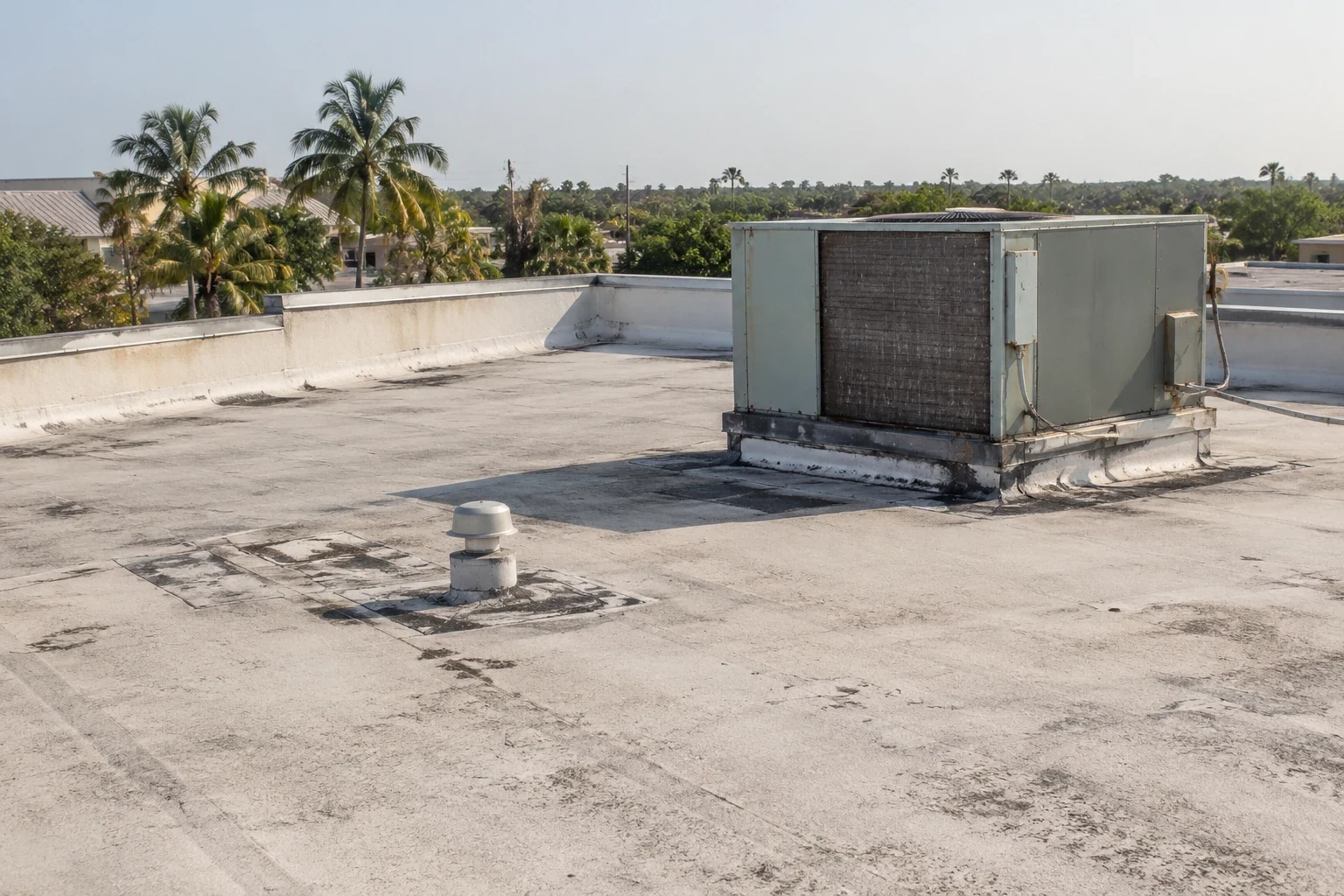
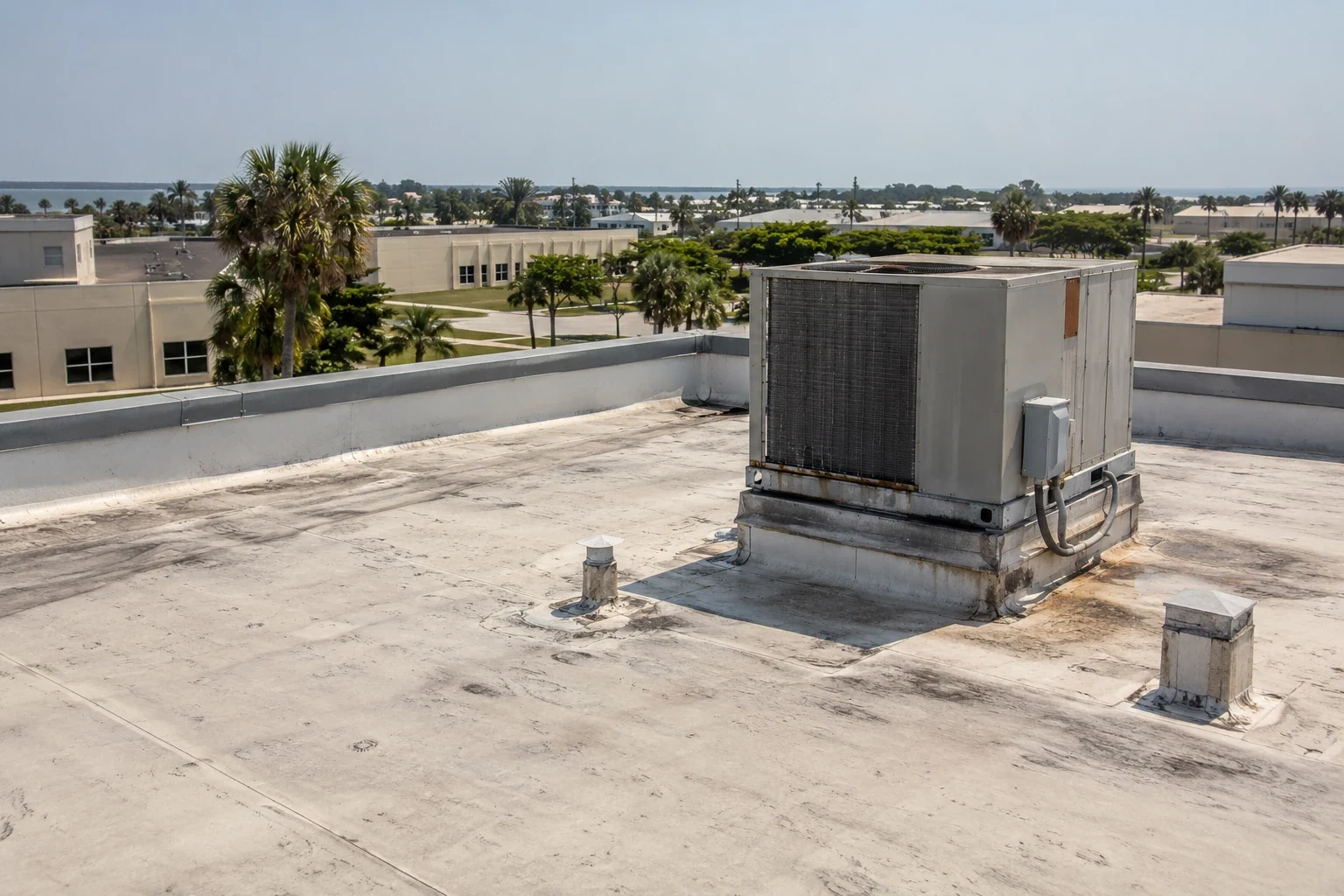
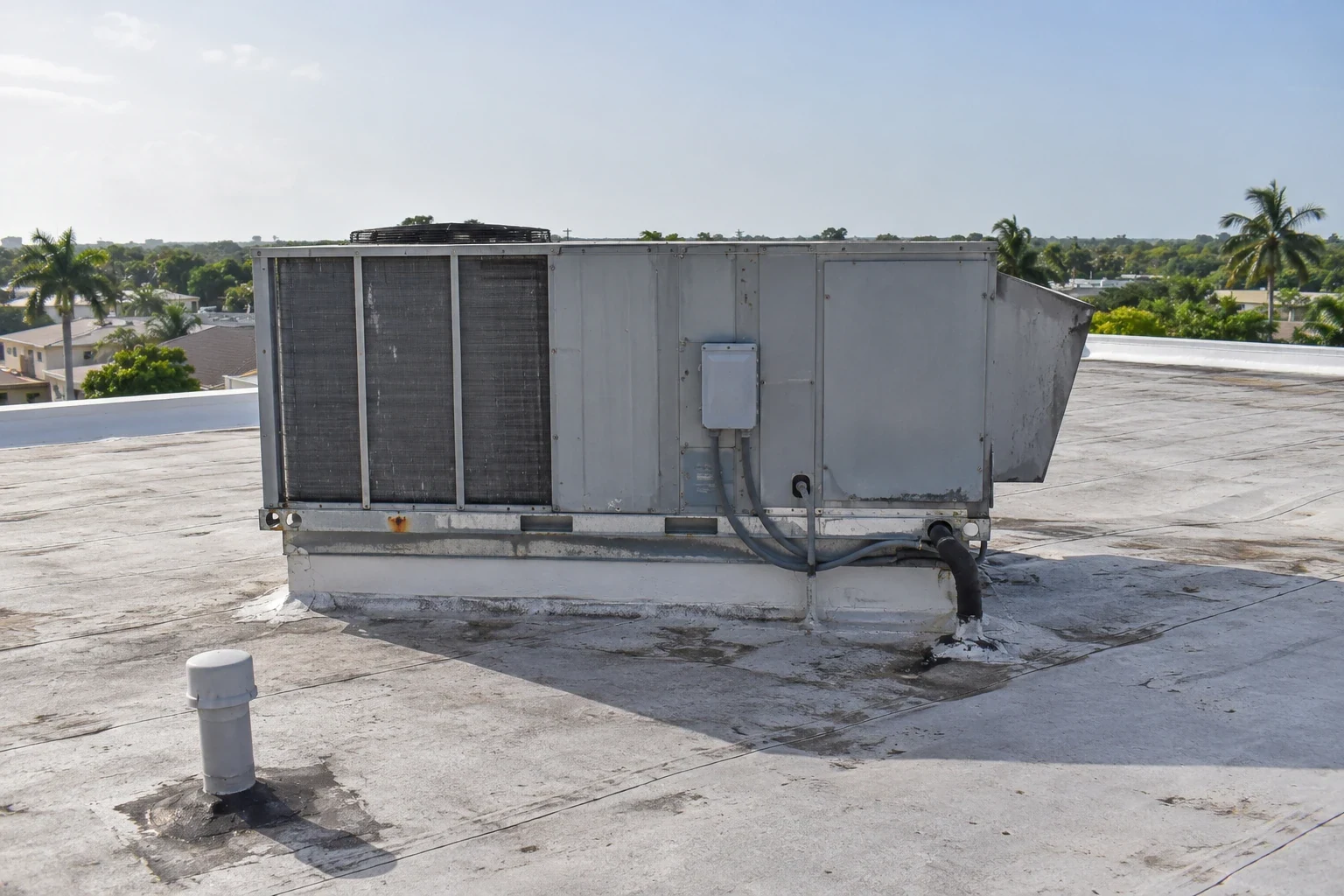
At preconstruction, we review roof plans, details, equipment schedules, wall sections, and penetrations. The field condition may differ from the drawing, especially at additions or existing-to-new transitions. We identify items that need a site measurement before material release. A curb, pipe, conduit, or screen support needs a roof detail that matches the membrane and structural design.
Trade boundaries should name who provides the curb, who installs it, who flashes it, and who protects the opening until close-in. The roofing proposal can include a list of assumptions and exclusions. That gives the superintendent a chance to resolve a gap before crews overlap at the roof edge.
Round Rock's building inspection division administers the currently adopted 2024 building and energy codes. The design team and authority having jurisdiction determine code requirements for the project. We provide roof assembly and product information for submittals, but the GC coordinates the overall permit record.
Existing conditions require a separate review. A roof plan may identify a membrane but not show previous patches, wet insulation, or attachment changes. A pre-work inspection can document visible conditions and mark areas that need testing. If destructive testing is requested, confirm who approves the location and closes it after sampling.
Sequence Roof Work with the Other Trades
The roof schedule depends on deck readiness, dry-in requirements, equipment setting, weather, and access to the work area. The superintendent identifies crane dates and the route to the roof. If equipment is set before flashing can be completed, the scope should state temporary protection and the closeout responsibility.
Occupied sites add another schedule layer. A clinic or school can restrict noise and interior access, while an industrial tenant may need loading lanes clear. The GC confirms work windows with the owner and affected tenants. Roof phases should close each day's opening before crews leave.
When tear-off exposes wet insulation or deteriorated deck, the roofing crew documents location and quantity, secures the opening, and sends a field change request. The GC and owner decide whether to replace additional material. The added scope should identify cost and schedule effect before work proceeds beyond the agreed boundary.
We can dispatch an emergency roof crew on nights, weekends, and holidays when an opening cannot wait. If weather affects a temporary dry-in, the superintendent coordinates access and protection. Closeout can record temporary measures separately from permanent repair so punch-list items remain clear.
Related work includes insulation and cover-board installation, equipment curb flashing, and commercial roof replacement. A project's closeout may involve insurance restoration teams or property managers after tenant turnover.
Check the Installed Assembly at Handover
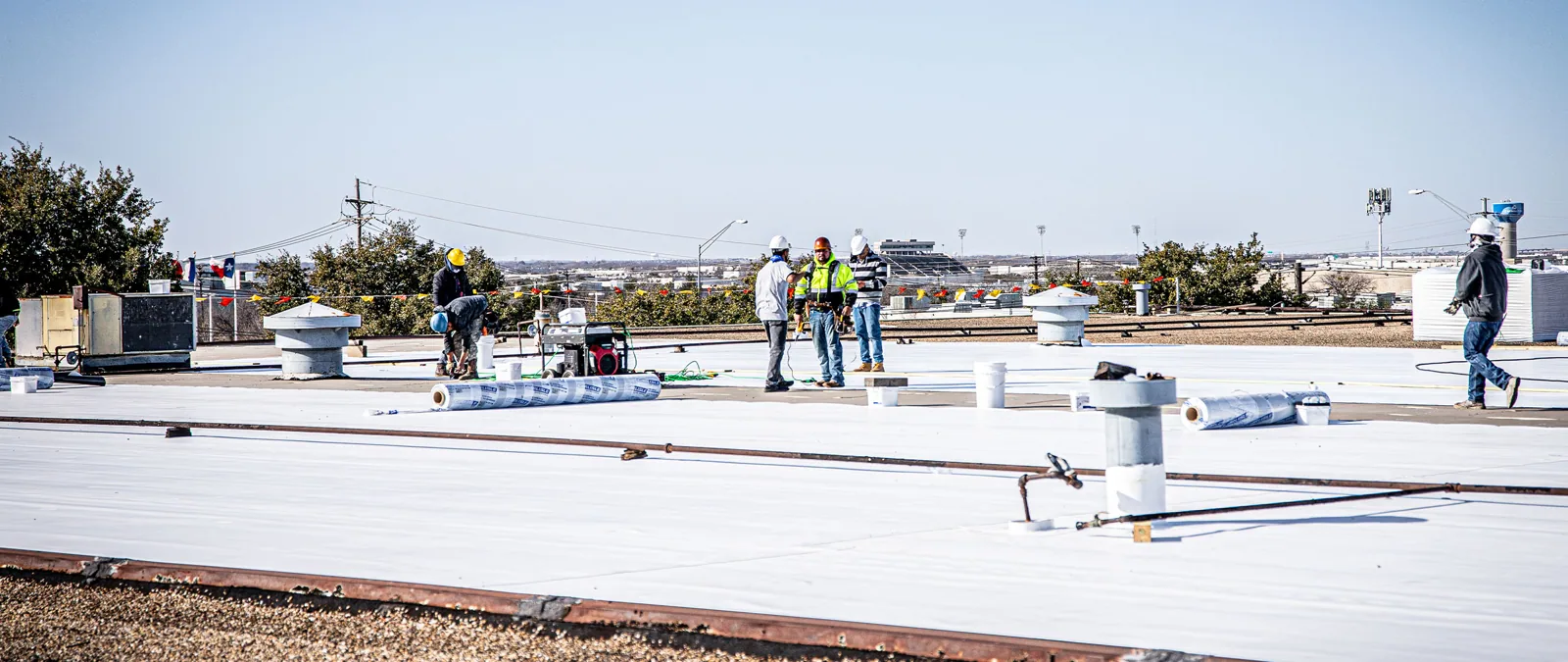
Before roofing starts, confirm the substrate, slope, drains, edge conditions, and attachment method are ready for the specified assembly. During installation, track membrane seams, wall transitions, penetrations, and temporary closures by roof zone. A quality check should compare installed details with approved submittals and field conditions, not rely only on product labels.
At penetrations, coordinate sequencing so the roofer can install flashing after the mechanical item is placed and aligned. If a unit changes position, verify curb height and clearance before completing the membrane detail. Abandoned openings need a defined infill and roof restoration scope.
A replacement or recover project may alter existing drainage or transitions. The proposal should identify what remains below the new layer and whether any test cuts are part of the work. Where deck repairs are an allowance, state how field quantities will be measured and approved.
Budget and schedule drivers include roof area, height, assembly, access, crane sequence, weather, insulation lead time, deck condition, and the number of active trades. A GC can compare alternates when each option states preparation, warranty conditions, and exclusions in plain terms.
A roof detail can be structurally complete while still awaiting the final trade connection. Mark that status on the roof plan and assign a responsible party with a target date that appears on the project schedule and log book. The crew should not cover an unfinished curb or leave a temporary seal without identifying who returns. A superintendent can then align inspection, equipment startup, and roofing close-in without losing track of the interface or approval owner.
Turn Over a Traceable Roof Package
The closeout package can include marked roof plans, product data, field changes, repair locations, completion photos where allowed, and maintenance guidance. It identifies the work date and any follow-up item. If weather has not tested the roof, the record says so. Unreached areas remain identified as outside the inspection.
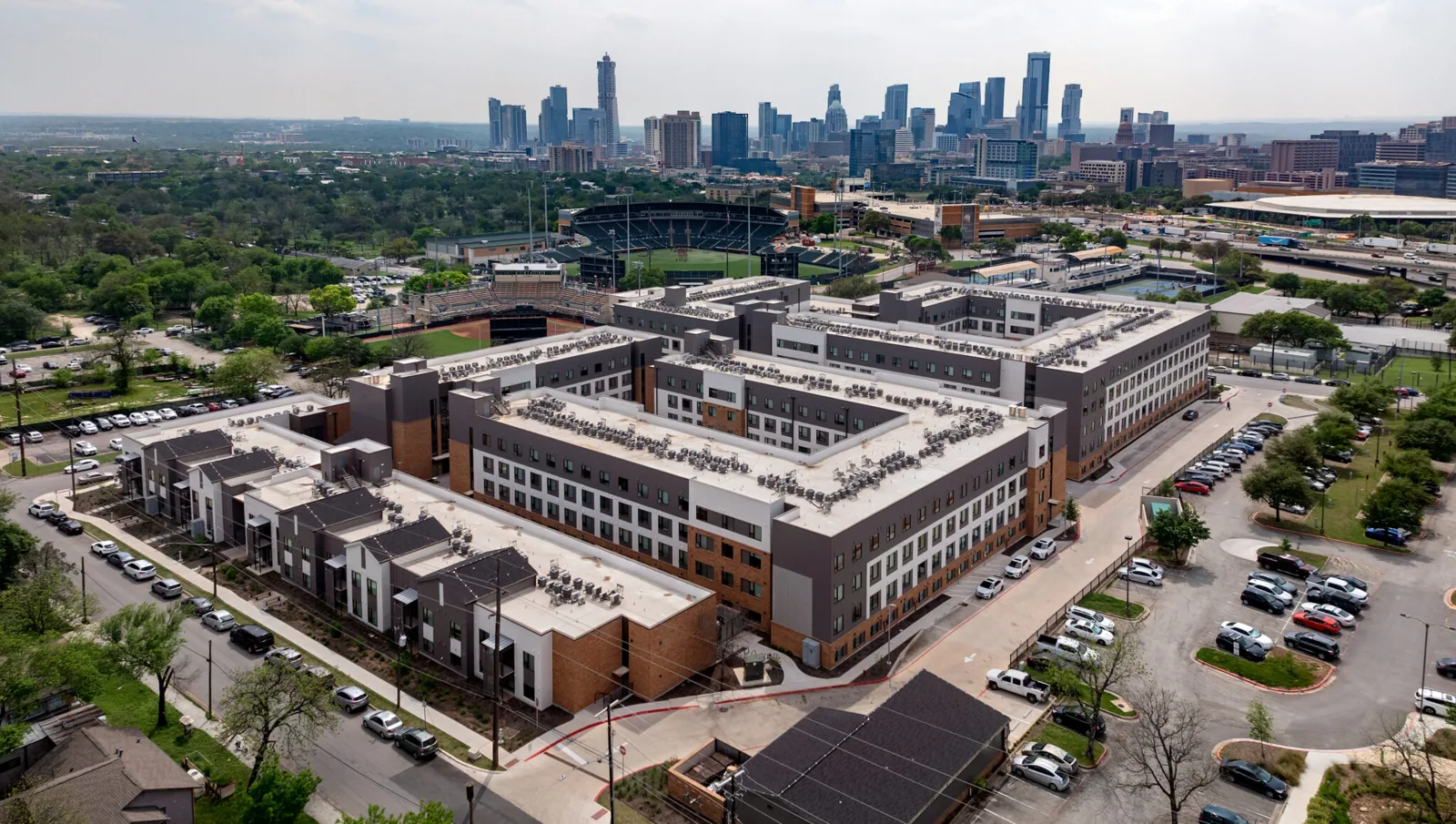
Round Rock's commercial corridors include industrial and education properties. A project near University Boulevard may have campus operating rules, while Chisholm Trail Trade Center has delivery and truck activity. The GC provides the current site schedule, receiving location, and gate contact. We plan roofing mobilization against those instructions.
Keep the roofing submittal and final roof plan with equipment records and tenant improvement documents. A later HVAC replacement can then use the original curb detail. If ownership or facility management changes, the package gives the next team a basis for locating roof zones and planning service.
When an insurance or owner representative needs a condition record, identify the required format and decision date before the inspection. The report can separate observed storm conditions, repair work, and remaining questions. That keeps the roof handoff useful to the full project team.
Roofing coordination with a general contractor depends on clear scope boundaries and current detail information. Confirm which trade owns each penetration, curb, temporary opening, and final flashing before work proceeds. During reroofing, sequence tear-off, dry-in, inspections, and close-in points so exposed areas remain protected. Record approved changes and field conditions promptly; a drawing revision alone may not capture what was installed. At turnover, provide roof plans, product information, photographs, and maintenance guidance in a form the owner can retain. Confirm who will receive the warranty, maintenance instructions, and final roof plan before demobilizing.
Questions About General Contractors
Who flashes a curb supplied by another trade?
The project scope should assign flashing responsibility. We can review the detail and identify the roofing work included before equipment is set.
Can you inspect existing roof conditions before bidding?
Yes. We can document visible conditions, access limits, and any test needed to check concealed layers before the project scope is finalized.
How are concealed deck repairs approved?
We record the exposed location and quantity, secure the opening, and submit the added work for GC or owner approval before expanding the scope.
Can roofing run alongside tenant operations?
The owner and superintendent set access, noise, and closure limits. We phase the work and dry in each opening within the agreed shift.
What should be in the roof turnover package?
Include marked plans, product records, field changes, completed detail photos where allowed, maintenance notes, and any remaining limitations.
Related Roofing Work
Chisholm Trail Road and Old Settlers Boulevard
University Boulevard Higher-Education District

Commercial Roof Insulation and Cover Board
Commercial Rooftop Equipment Curbs and Supports
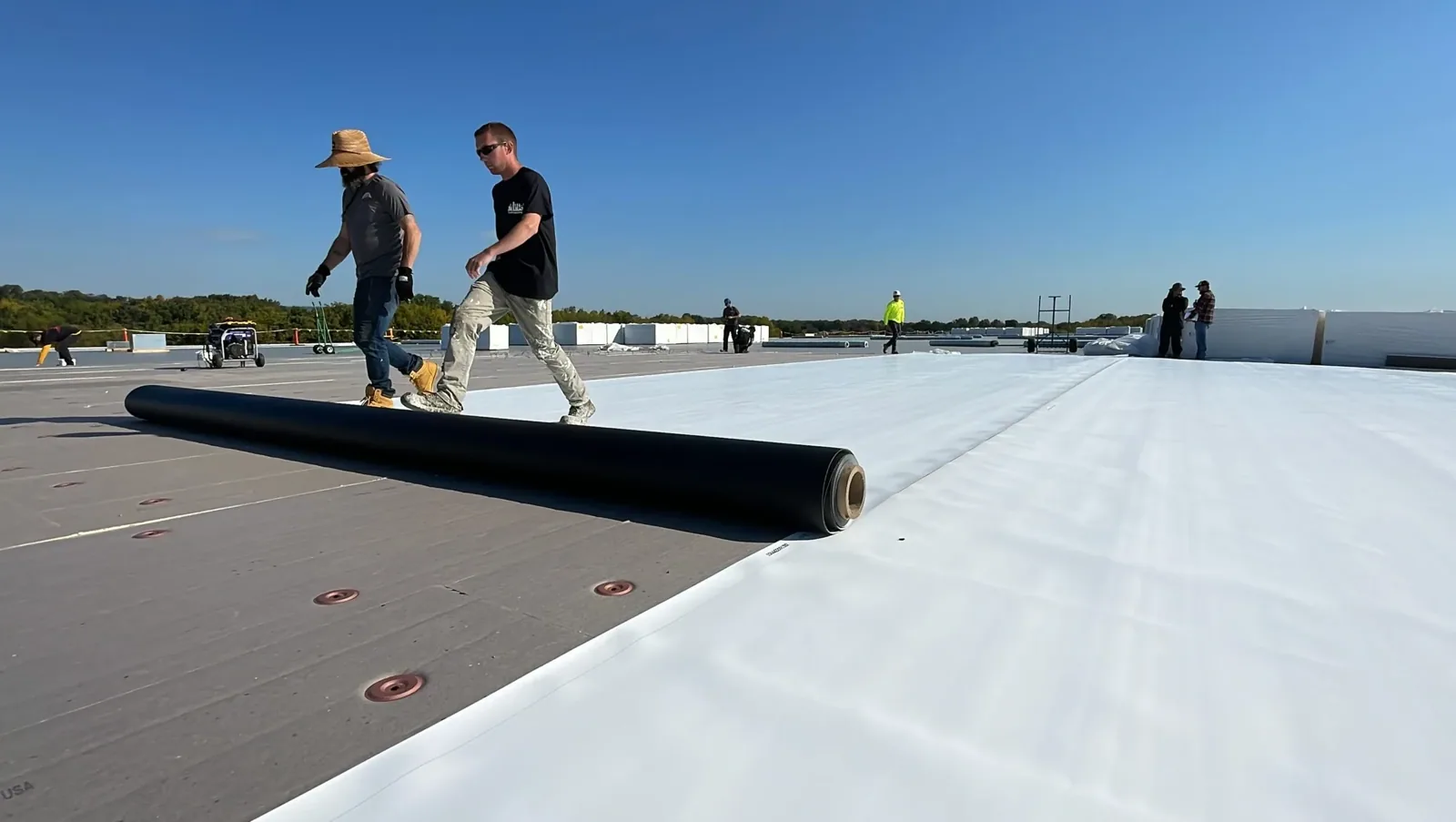
Commercial Roof Replacement