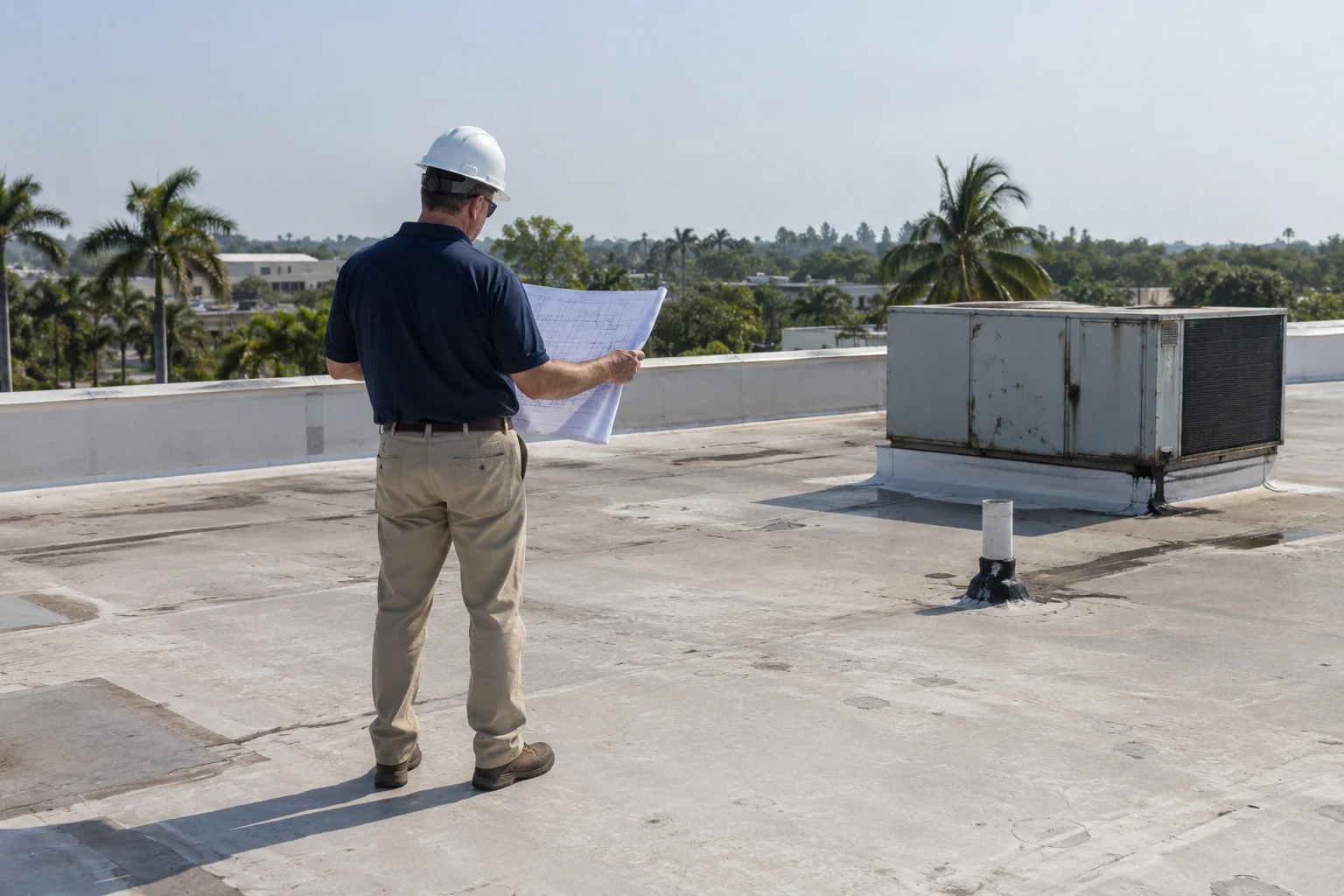
Book a Corridor Roof Inspection
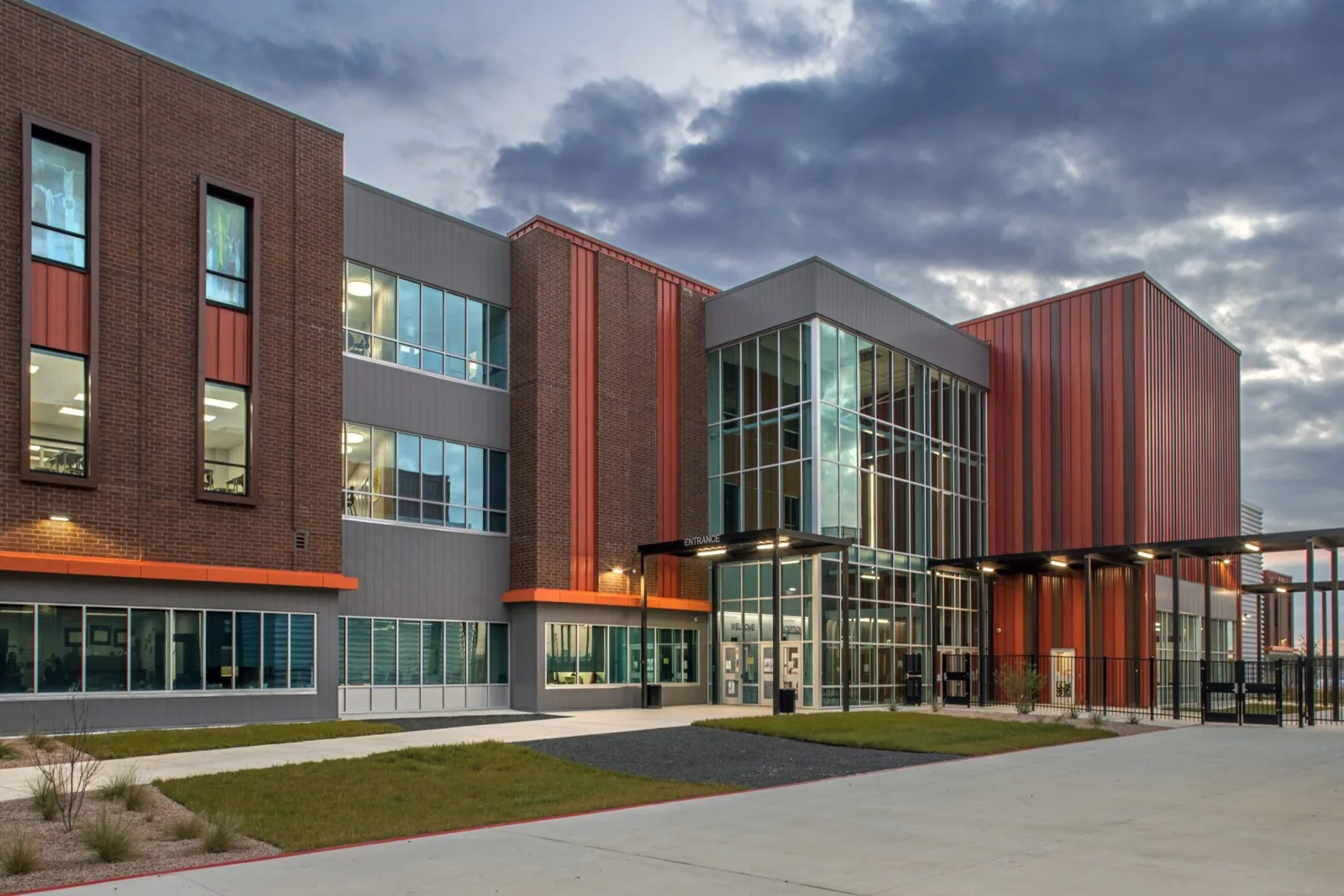
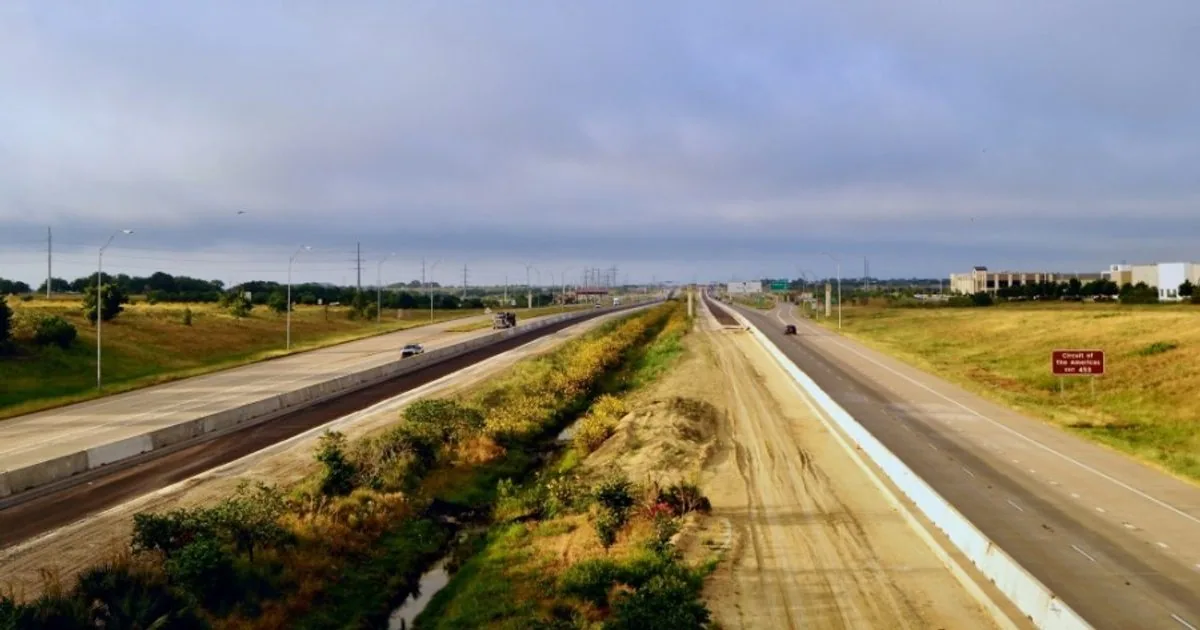
A roof penetration can look intact at the surface while water enters at its base. Hutto's Innovation Corridor follows US 79 and SH 130. The city targets advanced manufacturing, life sciences, and professional services, with Samsung's fab and Tesla's Gigafactory among nearby industrial projects. Those uses describe the corridor, while each building's tenants and roof assembly must be confirmed at the property.
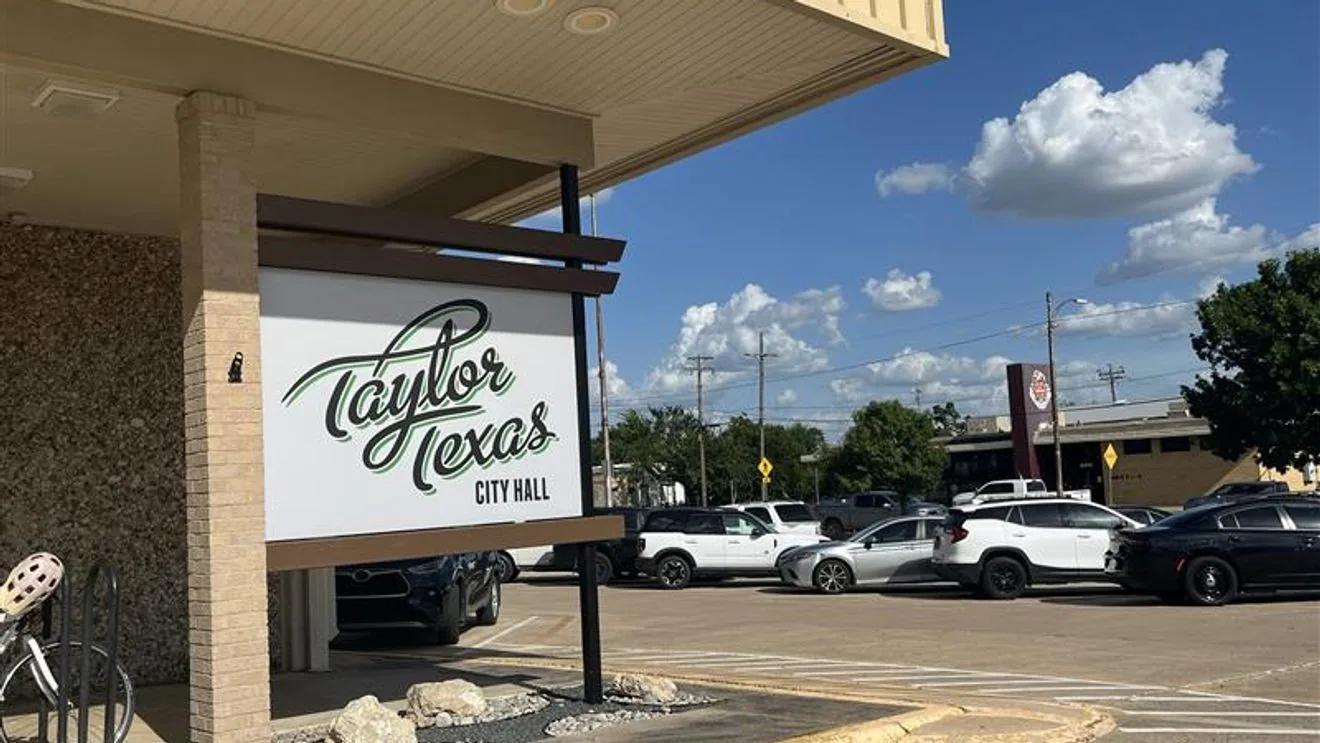
Commercial roofing for a property in the Hutto Innovation Corridor begins with its street address, roof plan, equipment map, and authorized contact. Properties along the US 79 and SH 130 corridor and in Taylor's North employment district have separate contacts, gate procedures, and roof records.
Send the property address, equipment map, roof plan, leak report, and access rules. We will define the inspection zone and any coordination needed. Call 555-555-5555 or request a roof assessment.
Check Each Penetration at Its Base
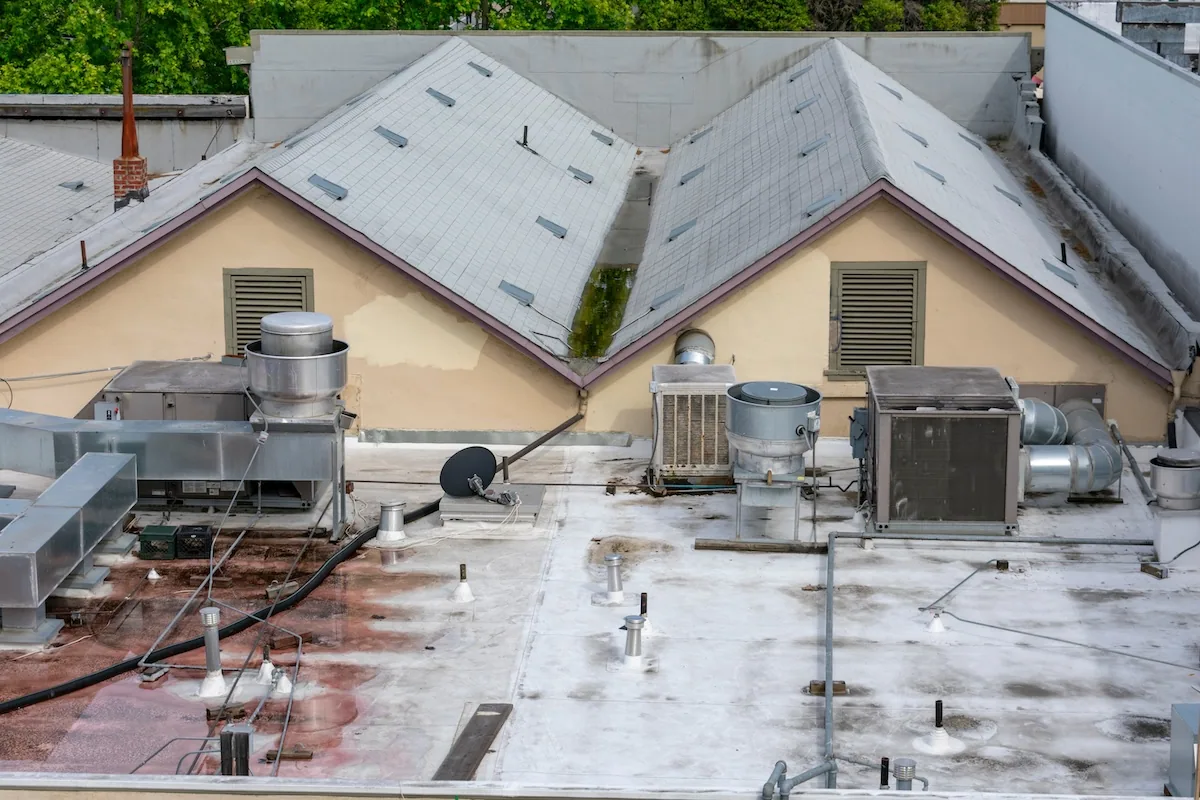
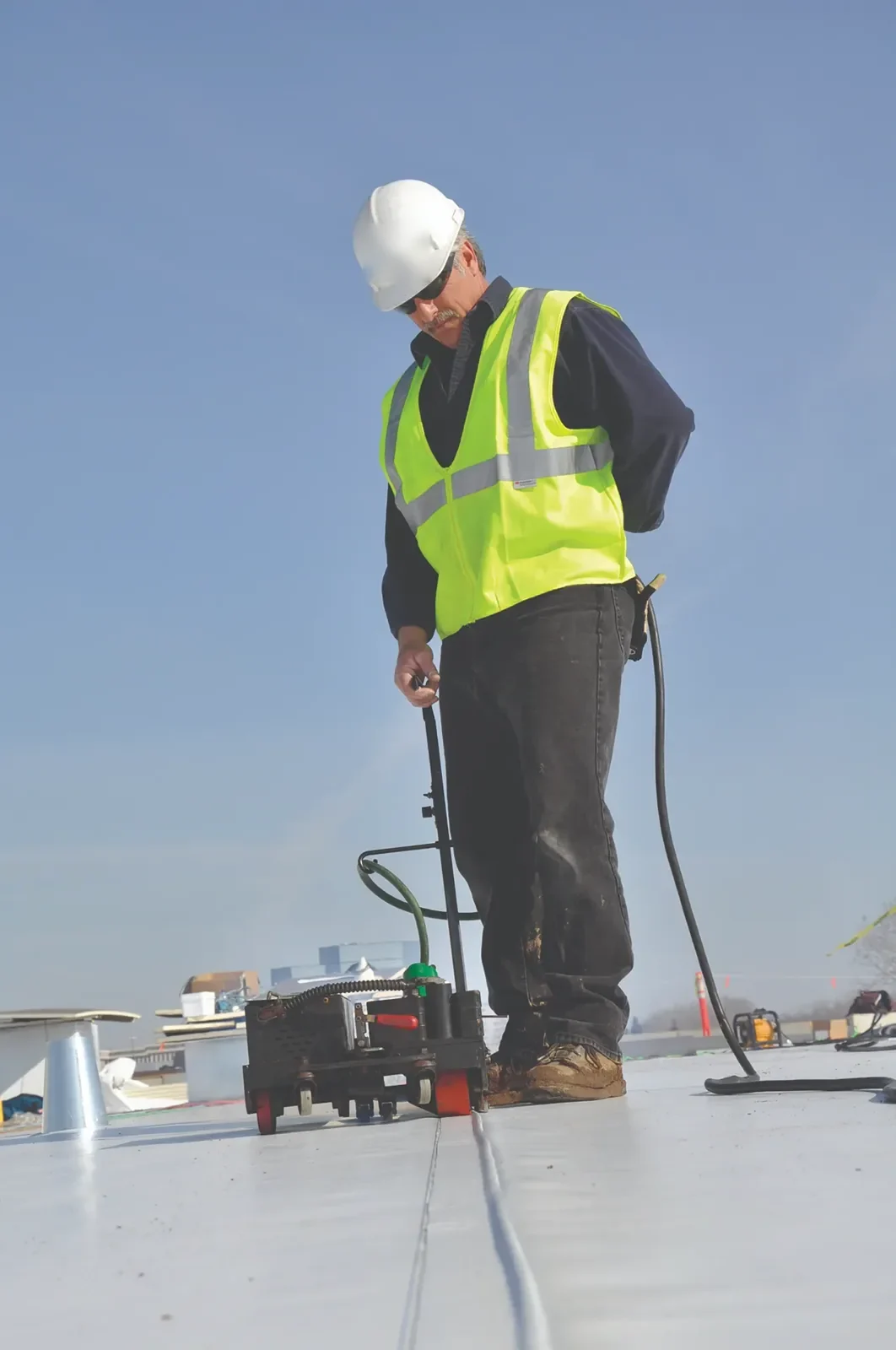
We inspect the reported roof zone, then check the curb flashing, fasteners, membrane seam, nearby drain, and metal transition. A stain inside may be several feet from the entry because water follows a deck or conduit route. We record the roof location and the evidence that links it to the room. If the path remains uncertain, identify a test cut or follow-up after rainfall rather than extending the repair by assumption.
At the property, we identify the roof type, insulation, attachment, equipment supports, and service route for each unit. The facility representative sets access limits and equipment rules. The report maps the roof areas reached and lists any section that needs another access window.
Austin Camp Mabry provides regional heat context: its 1991 to 2020 normal August high is 97.8°F. Current roof-surface and forecast conditions set the application window. On March 21, 2022, a tornado moved through Round Rock amid a wider Central Texas outbreak that also brought large hail reports. After a severe-weather call, we inspect the actual seams, perimeter details, and penetrations before describing a condition as storm-related.
A close inspection can include hands-on checks, drone documentation where access is limited, or infrared screening to direct further tests. Each method answers a different question. A camera records what it can see; a scan identifies temperature patterns; a test cut shows material at one point. The written report says which method produced each finding.
Coordinate Equipment and Roof Access
Before mobilization, confirm the escort, roof key, work window, staging point, and any equipment that must remain in service. A production schedule or laboratory procedure belongs to the property team. We coordinate roofing tasks within the approved boundary and stop if a shutdown or access decision has not been authorized. That keeps a flashing repair from creating an unplanned equipment interruption.
Emergency response remains available around the clock, including weekends and holidays. For an active leak, the first visit can direct temporary water control and protect contents while the crew checks the roof-side source. The response record distinguishes stabilization from permanent repair. The property then receives a clear next step and any access condition that still needs resolution.
A replacement phase should define the daily tear-off area, close-in detail, weather limit, and path for removed material. If hidden moisture or deck damage appears, protect the exposed section, document its size, and obtain approval before adding work. If equipment must be moved, assign that task and flashing responsibility to the appropriate trade before the roof is reopened.
Related scopes include rooftop curb and support repairs, penetration flashing, and commercial roof inspection. If occupied areas require phasing, occupied-building reroofing can set a work sequence. Keep repeat findings in roof condition reports.
Choose Work from Measured Conditions
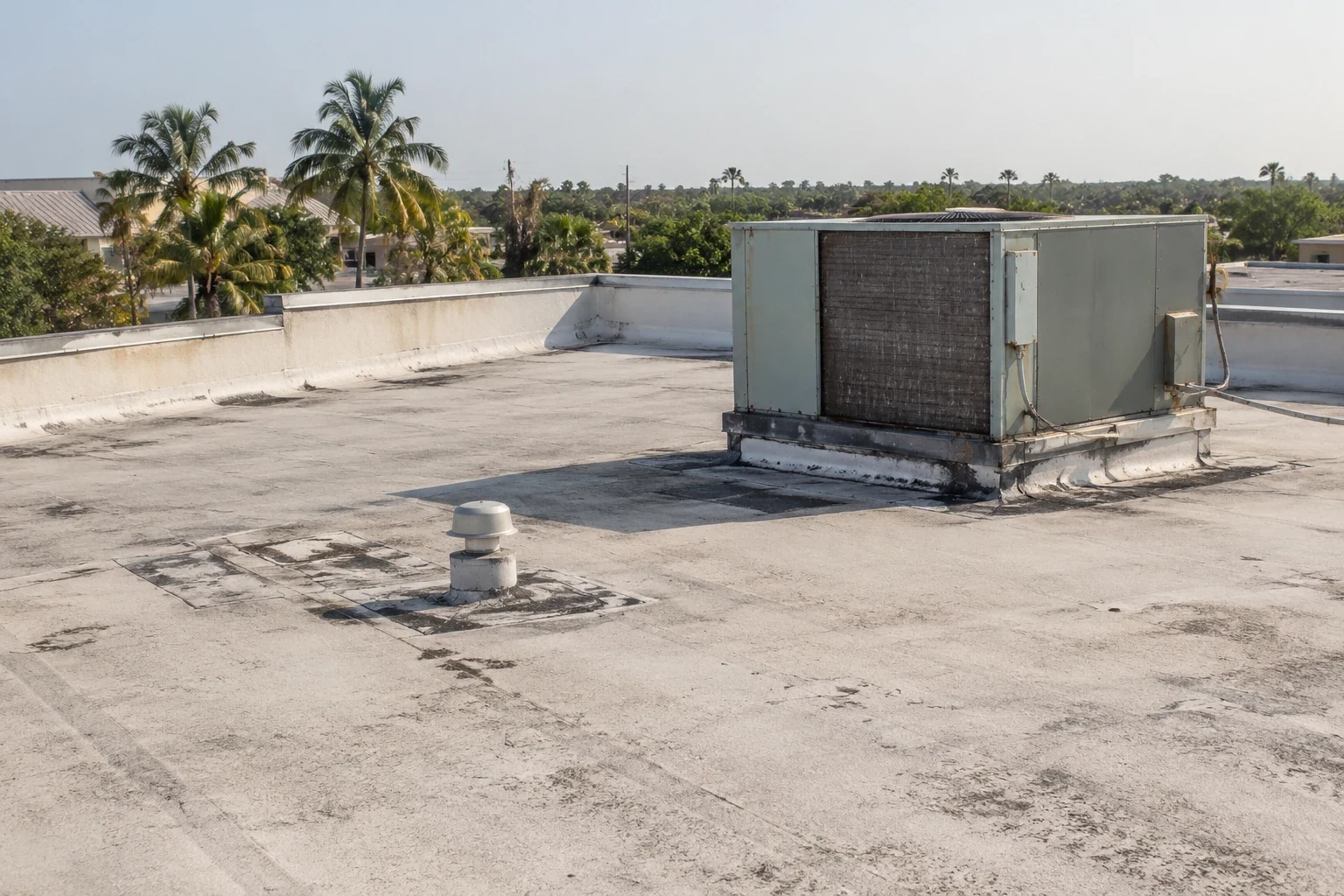
A small repair fits when the failure is local and surrounding membrane or metal remains serviceable. A repeated leak, loose attachment, or wet insulation across multiple locations may point to a broader issue. We separate observed defects from suspected water routes, then state what a test confirmed. A test cut represents its sample, not all roof areas.
A recover or coating can be considered only after checking moisture, bond, compatibility, drainage, and existing detail condition. A surface layer will not reset failed flashing or correct a low deck. Replacement removes more material and may expose additional conditions, so it needs a steady dry-in plan and daily boundary. Each proposal states included materials, tear-off, insulation, flashing, and the approval point for concealed changes.
Timing and cost depend on assembly, height, equipment congestion, access rules, weather, delivery distance, and the number of work areas that can close each day. The proposal separates roofing from equipment, electrical, and interior work. The authority having jurisdiction reviews permit and code requirements for the property address. We provide assembly and product details to support that review.
Deferring a leak can allow water to spread through insulation or finishes. The repair decision should still follow inspection evidence. A temporary cover can protect a localized opening while the permanent scope is reviewed. The record should say whether a later rain event tested the finished detail.
Retain the Building's Roof History
The closeout record should identify the property, roof zone, curb or seam repaired, materials, and follow-up. Match approved photographs to a plan location. Include the date, weather, work boundary, and any blocked area. A repair record tied to a building and roof zone gives maintenance staff a clear starting point for the next visit.
Keep the roof plan with maintenance tickets, warranty papers, equipment lists, and notes from tenant improvements. When a facility changes a unit or service line, record who reinstalls its flashing and who inspects the work. Future crews can use that history to determine whether a new leak relates to an earlier detail.
The property contact confirms the roof entrance, escort requirements, and staging route before work begins. The facilities lead can identify the building, delivery gate, and approved work hours; we record findings for the roof zone actually inspected.
At Hutto manufacturing, life-science, and professional-service properties, keep records tied to each building. The inspection notes roof type, drainage layout, penetrations, and equipment or additions that interrupt the field membrane. Where a property has multiple structures, separate photos and repair lists prevent a finding on one roof from being applied to another.
Before mobilization, confirm the site's access contact, active work zones, and delivery constraints. A concise closeout can then identify what was inspected, what was repaired, and when the next review should occur.
Use a distinct work order for each structure, even when one facilities team oversees the full site. That keeps repair approvals and warranty records attached to the correct roof.
Keep seasonal maintenance findings and completed repairs on the same building record so later inspections can identify changes rather than repeat earlier work.
Use the building contact's access notes for future visits.
Questions About Hutto Innovation Corridor
Does the corridor identify who occupies a specific building?
No. It identifies an area where Hutto targets several industries. The property address and contact establish the building for each inspection.
Can roof work continue while equipment runs?
The facility decides what equipment may remain active and whether a shutdown is permitted. We set the roofing boundary around that direction.
What does the climate station tell us about the roof?
It provides regional heat context. We inspect the roof surface and assembly directly to determine actual conditions.
Can a drone inspection replace a roof walk?
A drone can document visible areas, but it cannot test hidden moisture or confirm every flashing detail. The report names each method's limits.
How do you handle damage found after tear-off?
We protect the opening, measure the exposed condition, and request approval before increasing the agreed scope.
Related Roofing Work
Hutto Innovation Corridor
Hutto US 79 and SH 130 Corridor
Taylor's Special Employment District North
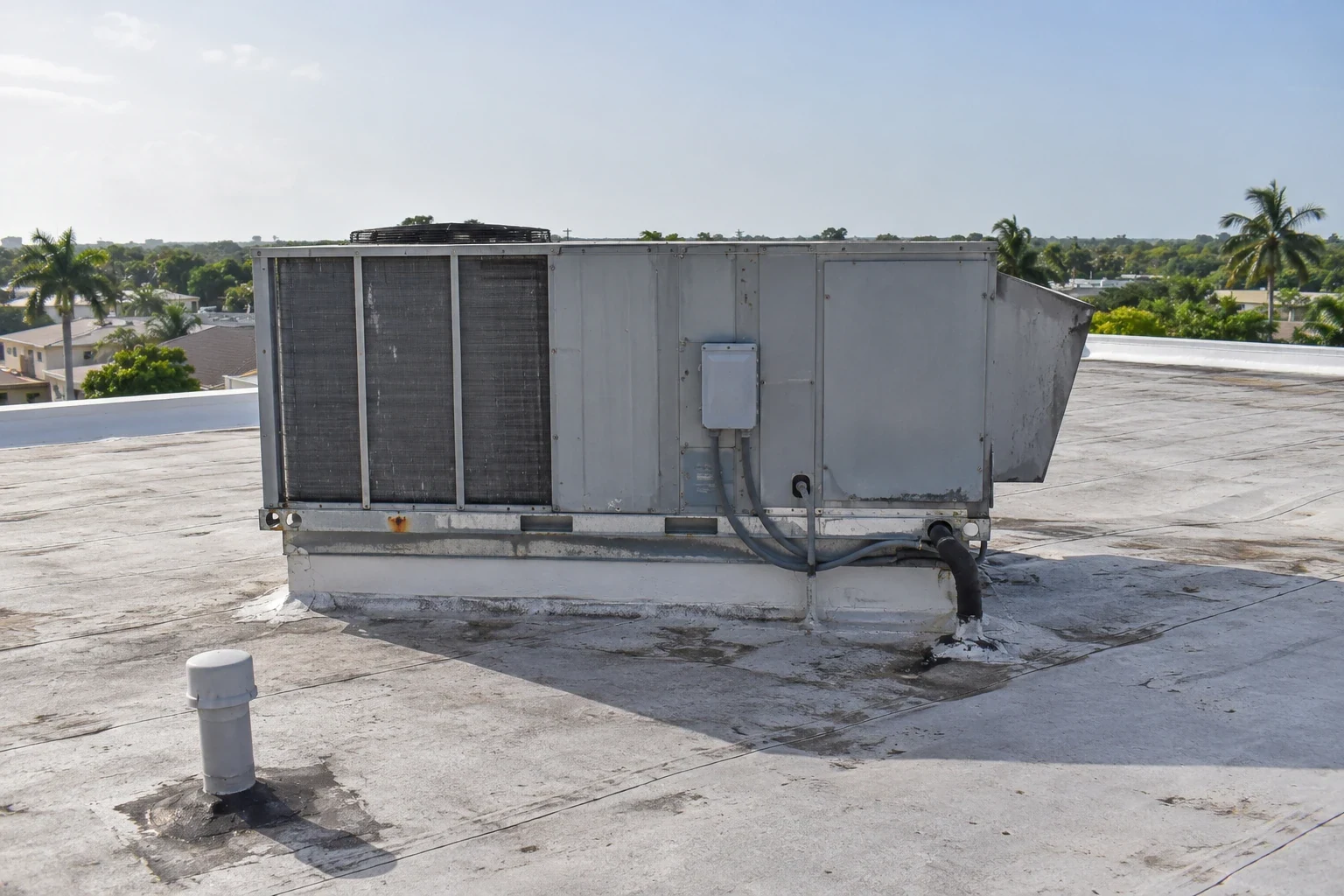
Commercial Rooftop Equipment Curbs and Supports
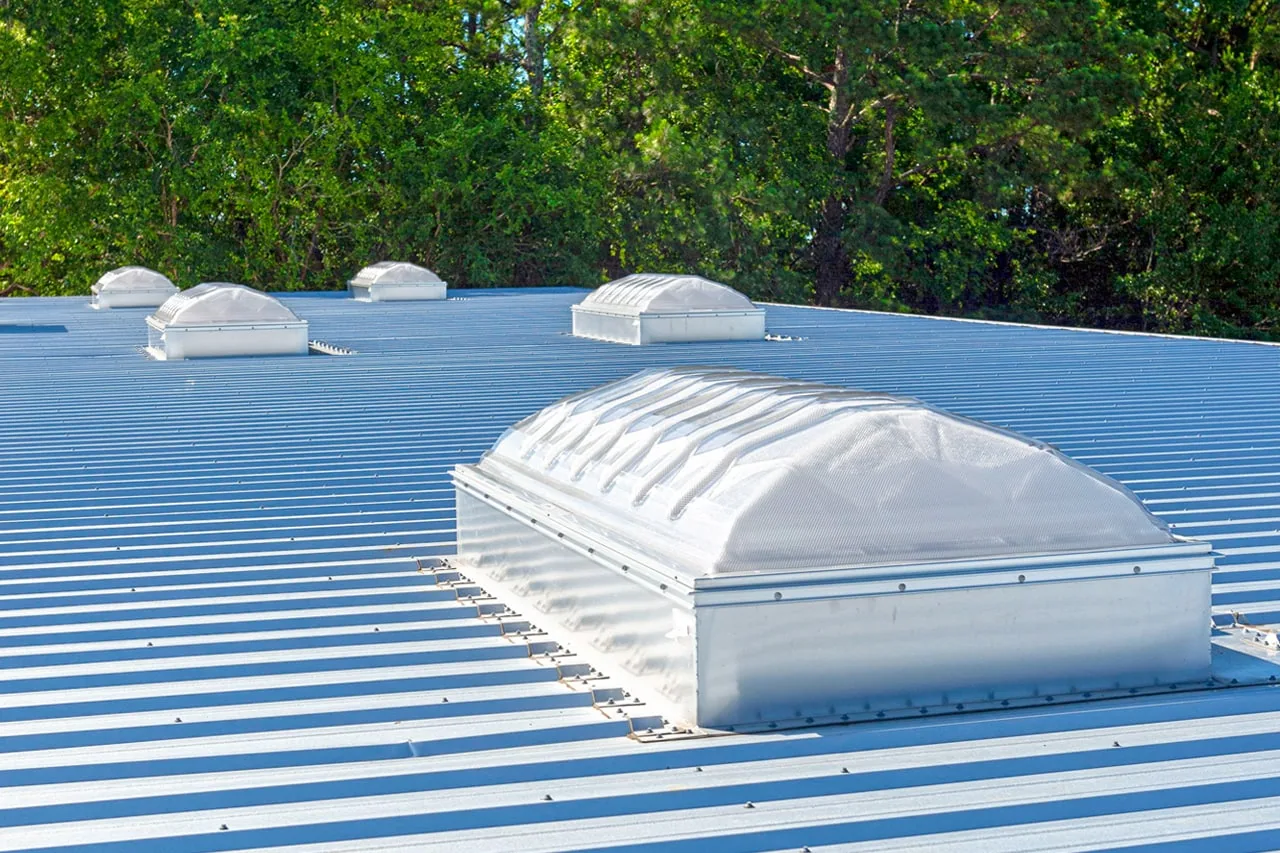
Commercial Skylight and Penetration Flashing