Coordinate a Multi-Site Roof Program
Service requests arrive from a clinic, warehouse, and retail building in the same week. A multi-site program keeps the intake, inspection record, and approval path consistent while preserving each roof's own condition. Round Rock connects I-35 with US 79, SH 45, and SH 130, with commercial properties spread across technology, healthcare, industrial, and retail areas. Commercial buildings in Georgetown and the Chisholm Trail Road and Old Settlers Boulevard corridor area can have different access and operating requirements.
We define common reporting fields, then inspect each building and roof zone on its own. Shared process does not mean shared assumptions about system or repair.
Send the address list, building contacts, roof plans, open tickets, access instructions, and reporting needs. We will define a shared workflow with site-specific records. Call 555-555-5555 or request a roof assessment.
Set One Intake Path for Every Building
Start with the property address, building label, facility contact, reported issue, roof plan, and access instructions. A central coordinator can collect tickets, while local staff confirm room location and operating limits. We can group visits by geography or urgency, but the field record remains separate for each roof.
Round Rock includes data-center and healthcare campuses as well as industrial and commercial properties. Seton Parkway has healthcare facilities; Chisholm Trail supports industrial and delivery activity. These local contexts affect escort rules, loading routes, interior protection, and work windows. The coordinator confirms the actual site requirements before scheduling.
Consistent labels help teams compare results. Use a building code and roof-zone name in the inspection, estimate, work order, and closeout. If the drawings use different labels from maintenance tickets, reconcile them during the first visit. Do not carry a room or roof section identifier from one address to another.
For active water entry, emergency response is available at any hour, including holidays. The local contact directs the crew and protects the affected area. Temporary water control is recorded separately from permanent repairs and portfolio planning.
Agree on what makes a ticket urgent and who receives it after hours. A report of active water entry needs a direct route to the site contact, while a drain observation can be scheduled through planned maintenance. We can use the owner’s categories if they are clear. Each request should carry its address, building, and affected room so dispatch does not have to infer the location.
Keep Site Decisions with the Local Contact
A program can standardize inspection scope without standardizing the answer. One building may need a drain repair; another may require review of wet insulation or a failed seam. We document the evidence and recommendation at each property. The central team receives comparable records and each site owner retains its own approval decision.
Scheduling should account for tenant hours, loading, patient areas, classes, equipment, roof access, and delivery routes. A site may require an escort or a quiet work period. We confirm those controls before mobilization. If access changes on the day, the report identifies the sections not reached.
For reroofing, work phases and dry-in limits are set by building. If concealed damage appears, the crew records its location and quantity and seeks authorization from the responsible property contact. One property's approval does not extend the scope at another location.
Useful components include commercial roof inspection, preventive maintenance, and emergency repair. Connect field visits with roof asset management and condition reports. Property managers can coordinate tenant notices and access for each building.
Compare Findings Without Blending Roofs
A portfolio summary can group findings by urgency, but it should retain a link to the underlying report and roof plan. Use categories for active leakage, repair, maintenance, testing, and future planning. Each entry states the building and detail. Similar labels allow review; they do not imply matching assemblies.
Round Rock's technology economy includes Dell Technologies and the Switch data-center campus. Its wider building stock includes hospitals, shopping centers, hotels, and warehouses. A portfolio may span these uses, so common intake fields should leave room for site-specific information such as restricted access, equipment shutdown, or public hours.
Inspection timing depends on system, prior conditions, maintenance history, and owner requirements. We can revisit marked locations or combine planned service with a roof walk. A calendar reminder supports coordination but does not replace checking the roof condition.
Cost and scheduling depend on property count, travel sequence, roof area, access, equipment density, work windows, and material needs. Estimates stay separated by address and scope so the owner can approve work where it is needed.
When a new building enters the program, collect available warranty documents and prior repair reports before assigning a routine visit. When a site leaves, transfer the marked plans and unresolved conditions to its new owner or manager. These handoffs keep a regional program from losing the location history that makes later inspections useful.
Maintain the Program Through Changes
After each visit, update the property list with current contact, roof plan, findings, completed work, and remaining questions. Attach photos to the right site and zone. If rainfall has not tested a repair, record that. A report from one property should never be stored under another address just because both use the same roof system.
The I-35 corridor, US 79, SH 45, and SH 130 give crews routes across the market. The program manager still confirms gate hours, receiving instructions, and rooftop access for every stop. Keep those details with the site contact and refresh them when management changes.
When a portfolio buys, sells, or renovates a property, update its status and transfer available roof records. A new building can enter the program after its roof plan, system, and contacts are confirmed. A property leaving the portfolio should retain a final record for the owner who assumes responsibility.
A useful program answers three questions at each site: what is observed, who decides, and what action follows. We can support inspections, repairs, and maintenance records within that owner-defined structure.
Review the contact list and open items at regular intervals. Mark each task as waiting for access, awaiting owner approval, scheduled, or completed. These status labels improve coordination, but they do not replace the inspection record or define roof condition on their own.
A multi-site program needs consistent records and local flexibility. Use common condition labels, priorities, and photo conventions, then preserve each property's system details and access rules. Compare recurring issues across sites only after confirming that the roofs are similar enough for the comparison. Central teams can use the portfolio view to schedule inspections and budgets, while local contacts coordinate tenant or operating constraints. After each visit, update the shared record with completed work and items awaiting approval.
Make site-level access instructions available to the scheduling team.
Give schedulers the property-level access instructions before booking.
Keep local contacts current.

Questions About Multi-Site Commercial Roof Programs
Can one inspection format work across different buildings?
Yes, common fields help compare records. Each report still identifies its assembly, roof zone, local access limits, and recommended action.
Can visits be grouped by area?
Yes. We can sequence addresses by route or urgency while keeping individual inspection scope and approval tied to each property.
Who approves repair work in a multi-site program?
The owner assigns an authorized contact for each building. Program coordination does not automatically approve work at every site.
How should emergency calls enter the program?
The site contact should report the property, room, time, active water entry, and roof access route. Emergency response remains available at any hour.
What happens when a building changes ownership?
Transfer the current roof map, inspection and repair records, warranty documents, and open items. Update the contact and authority for future access.
Related Roofing Work
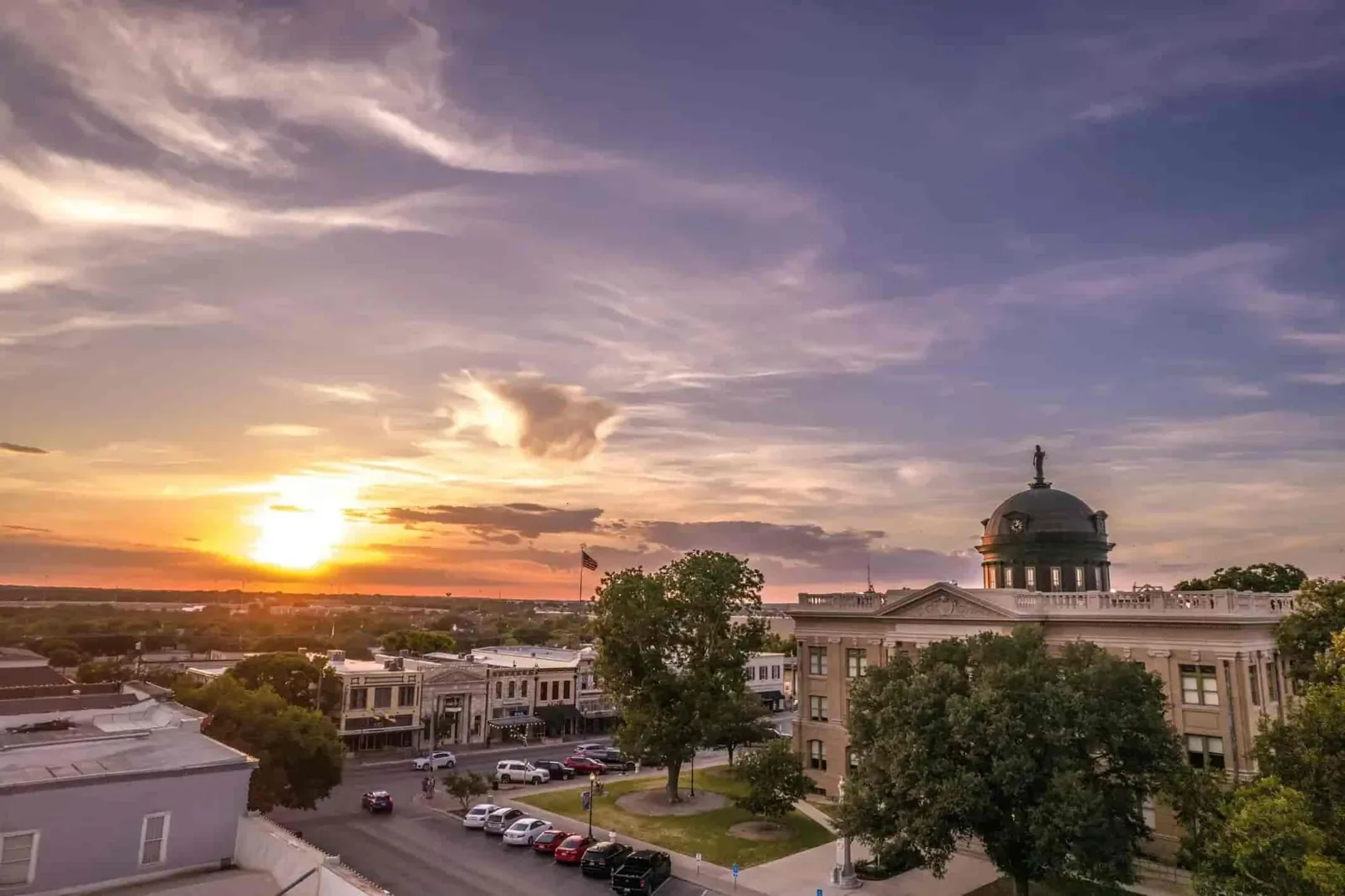
Georgetown
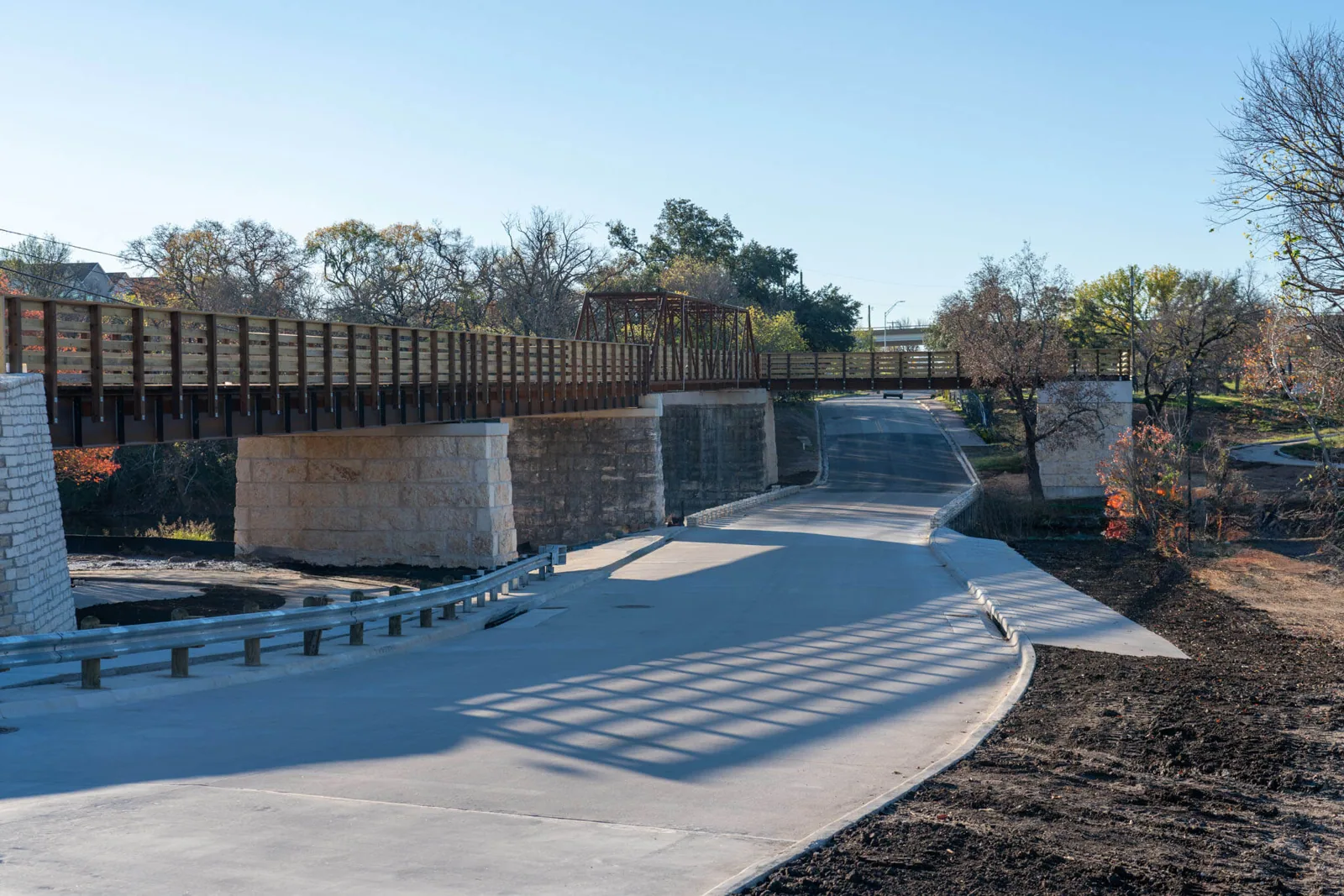
Chisholm Trail Road and Old Settlers Boulevard
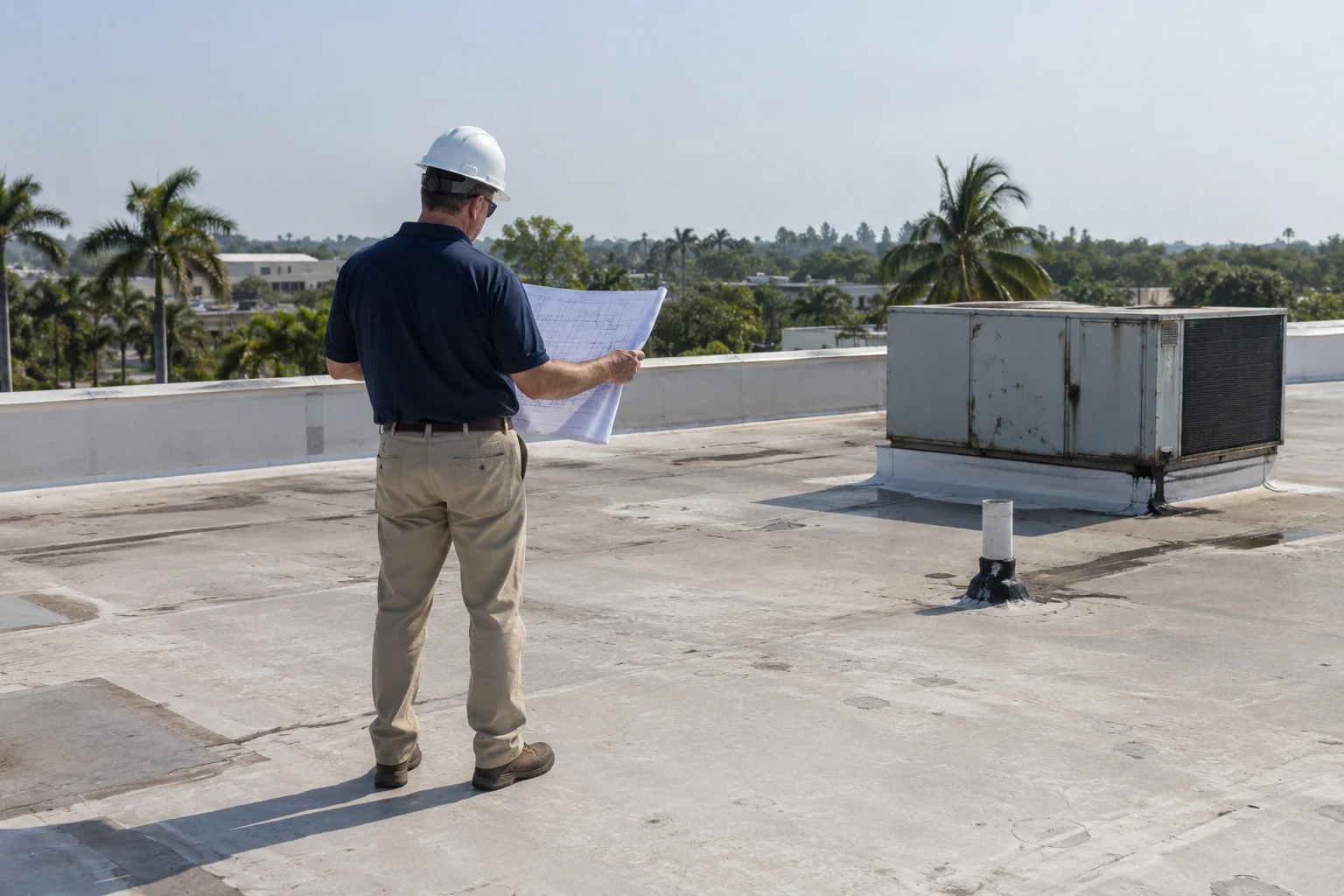
Commercial Roof Inspection
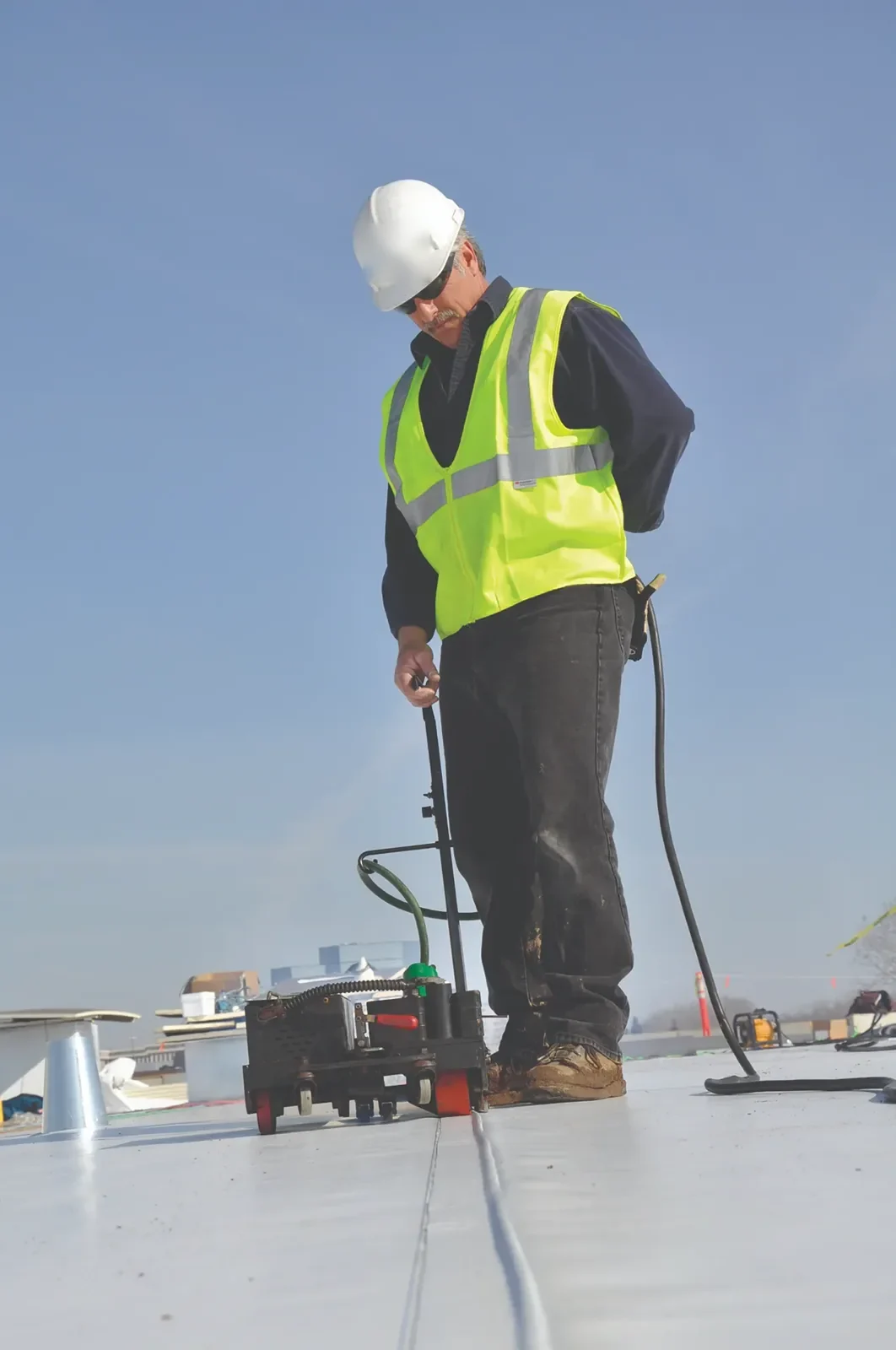
Commercial Roof Maintenance
Emergency Commercial Roof Repair