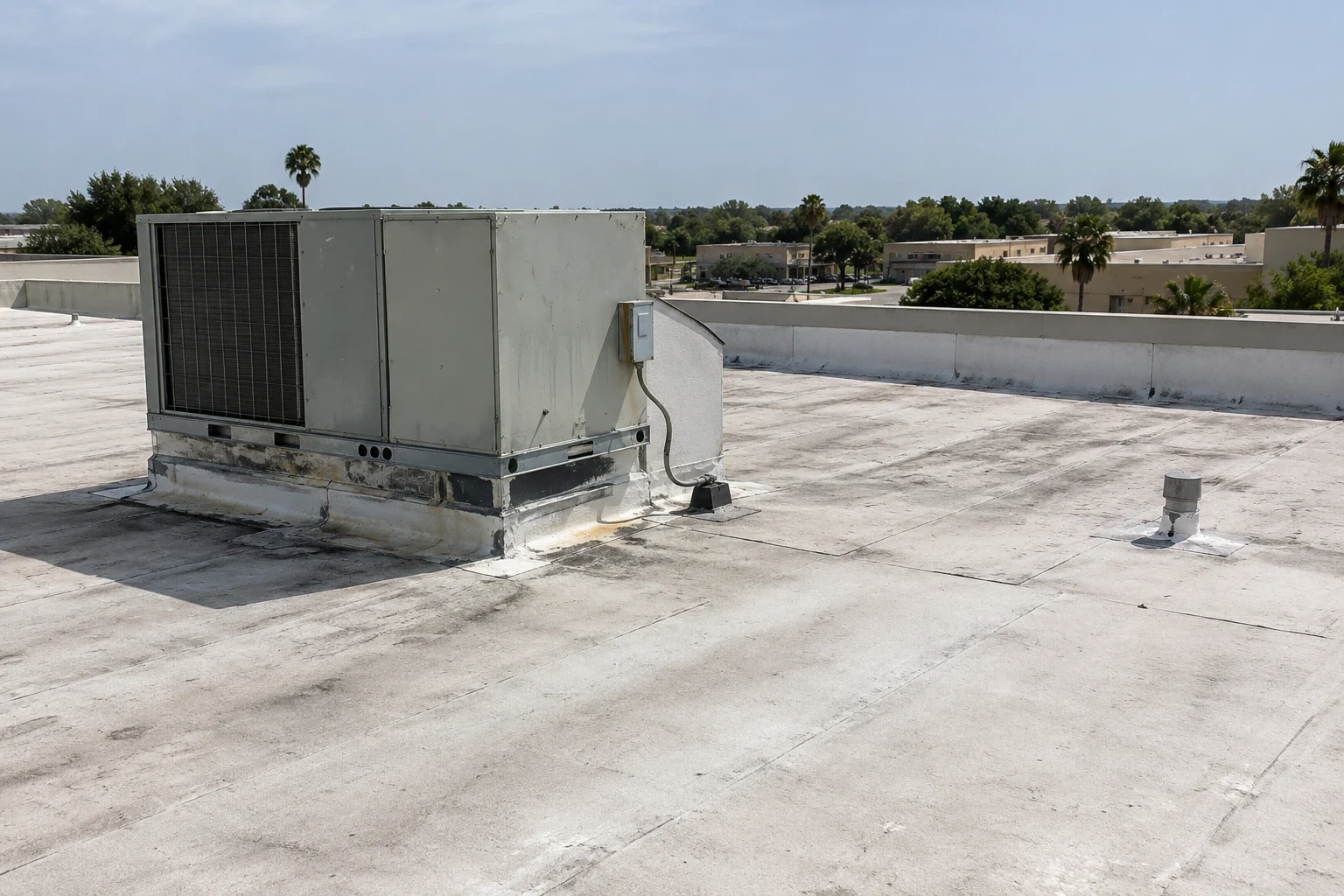
Define the Hangar Roof Work Zone
A thin line of daylight at a hangar door draws attention to the roof edge, but the opening may be in the door system rather than the roof membrane. We inspect the transition, panel or membrane termination, and adjacent drainage before naming the cause. Regional aviation facilities include the Texas Army National Guard Aviation Support Facility at Austin-Bergstrom International Airport, southeast of Round Rock. The local US 79 and SH 130 corridor helps orient travel and materials; actual entry follows each facility's approved access plan.
A maintenance building can pair a wide clear-span bay with offices, parts rooms, classrooms, and equipment areas. Roof height and active work below change how a crew stages and protects the facility. We define the assigned roof zone and operating window with the authorized contact.
Send the approved facility contact, building label, roof and door plans, access requirements, reported condition, and operating schedule. We will map the inspection boundary. Call 555-555-5555 or request a roof assessment.
Inspect the Span, Edge, and Penetrations
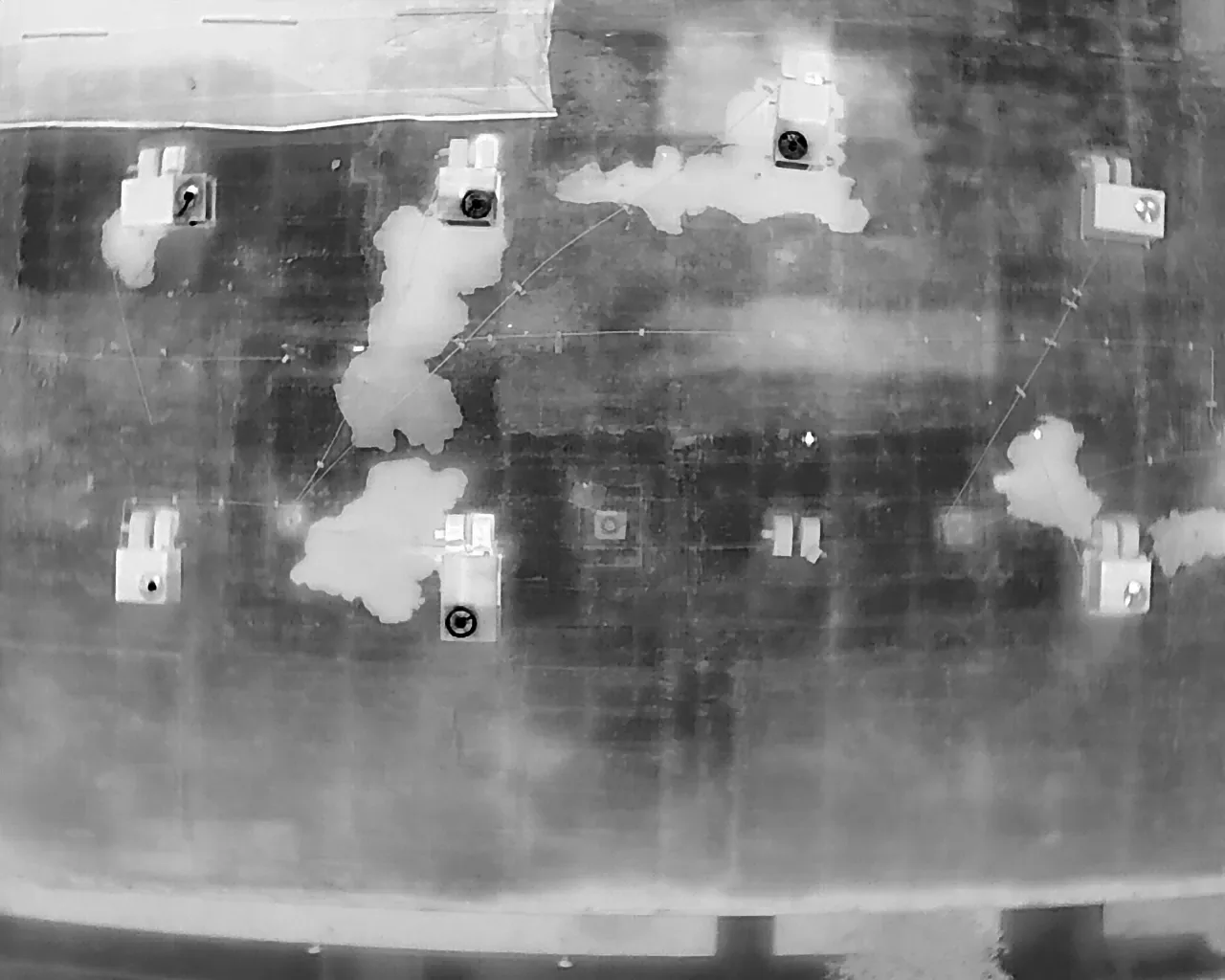
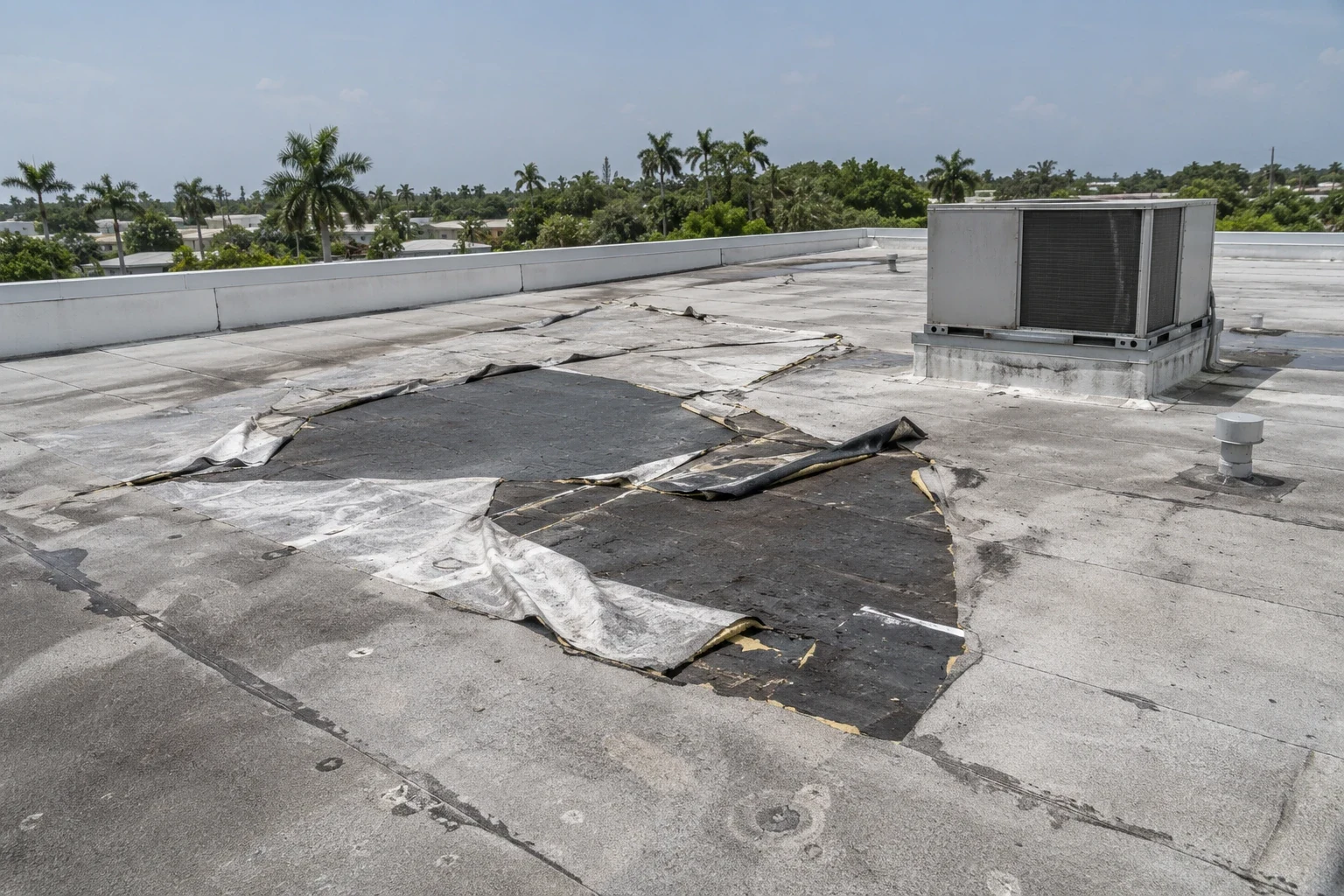
We start with the interior report and compare it to the roof plan. In a high-bay building, water can move along a structural member before showing at a distant point. We mark the interior location, then inspect roof seams, fasteners, penetrations, drains, gutters, and transitions near the reported path. If a hangar door is involved, we distinguish its moving seal from the fixed roof edge.
Large doors create special inspection conditions. The facility contact identifies when doors may operate and which apron or service areas must remain clear. We do not assume the door can stay open during work. Wind exposure can change at an open bay, so the daily plan should define when materials can be carried or secured.
The planned Austin Army Aviation Support Facility was designed for a 30-aircraft mission, with hangar, administrative, supply, and maintenance-shop space. Its design also includes aircraft parking and tie-down areas, ground-support equipment zones, taxi lanes, fuel storage, and an aircraft wash facility. Each roof assignment still follows the facility contact's access and operating requirements.
At a wash area, drainage and moisture sources may differ from those at the aircraft bay. At a maintenance shop, exhaust and equipment penetrations deserve close review. We inspect each transition against the local roof assembly. Regional heat and storm history help frame exposure questions, but neither a hot season nor a tornado report proves roof damage at the facility.
Keep Airfield and Maintenance Operations Clear
The facility representative confirms credentials, escorts, permitted tools, photography rules, and approved work boundaries. The crew receives a designated entrance and staging location. No vehicle or lift moves onto an apron or restricted route without approval. A contact also identifies any aircraft, service vehicles, or equipment that must remain undisturbed.
For inspection, the work sequence can separate the exterior roof walk from any interior observation. High-bay access may require lift setup and a controlled exclusion zone below. The owner identifies floor markings, overhead clearances, and operations that must pause during lift movement. A spotter or facility escort can be included when the site requires it.
For reroofing, the work is divided into manageable roof fields and door-edge transitions. The crew must keep each opened section dry before leaving. Wind and heat affect when membrane, insulation, and edge components can be handled. If the deck is exposed and a concealed condition appears, the crew secures the opening and seeks direction before expanding the scope.
A leak response may begin with temporary water control, followed by a permanent repair when the area is safe and accessible. The report distinguishes those steps. If the affected bay supports maintenance activity, facility staff determine whether work must wait for equipment movement or a scheduled pause.
Related scopes include military installation roofing, commercial roof inspection, and drain and scupper work. At an aircraft hangar, Army installation building, or National Guard armory, tie roof findings to the approved facility zone and access rules. A low-slope PVC membrane needs its own compatible seam and flashing details.
Separate Roofing from Aircraft Systems
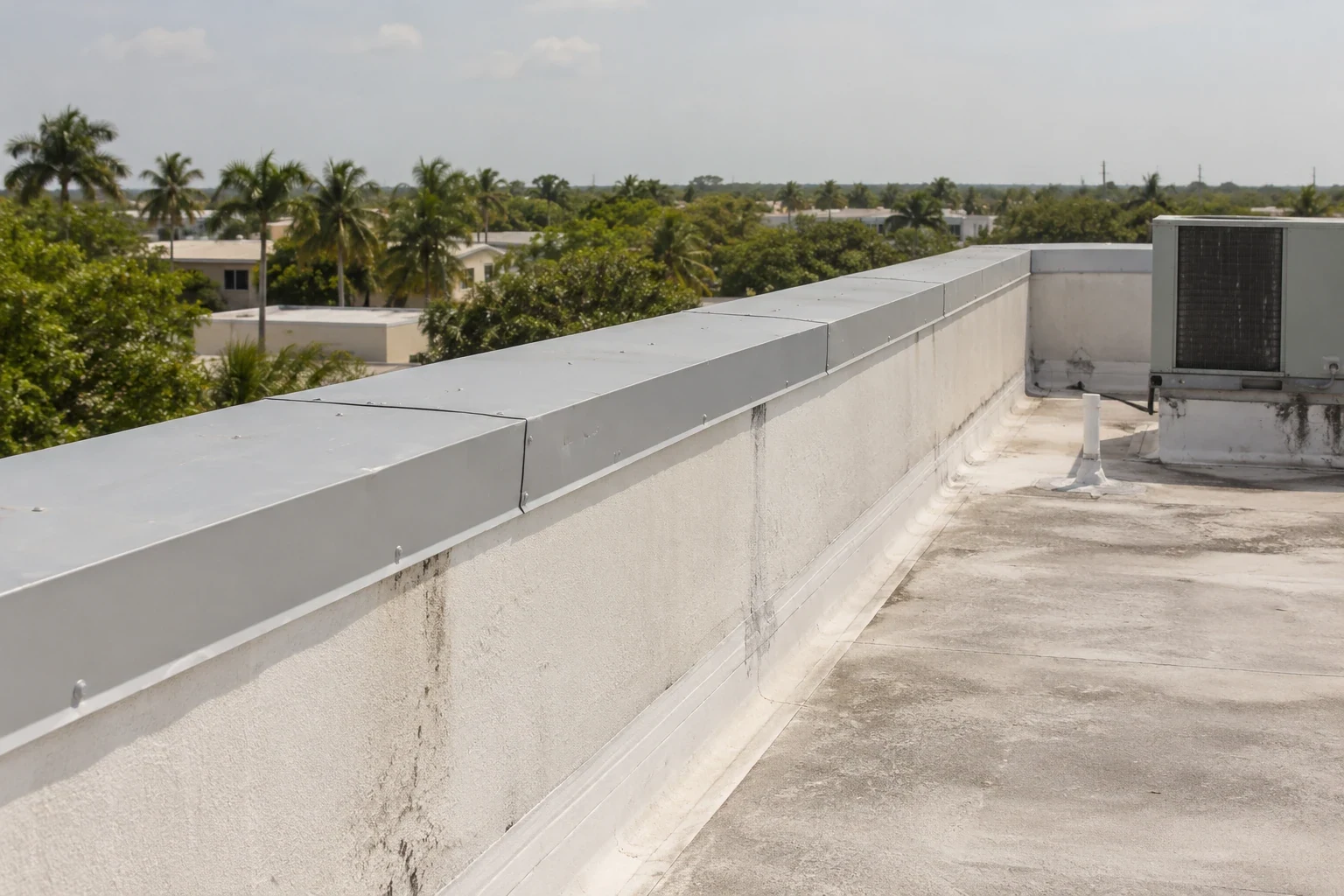
The proposal identifies the roof assembly, measured work area, edge and penetration details, access assumptions, and dry-in sequence. Roofing crews do not service aircraft, fuel systems, fire protection, communications, or mechanical equipment. The facility coordinates qualified trades if an obstruction must be moved or shut down.
A narrow door-edge repair may work if the fixed roof termination is defective and the adjacent assembly remains sound. A door seal problem belongs to the door system and may need a different specialist. If water appears across several roof fields, we map each observation before proposing a broad replacement. A test cut can clarify insulation condition at one authorized location, with the sample point recorded and closed under the approved method.
Budget and schedule depend on roof height, clear span, door size, staging limitations, wind exposure, material handling, equipment density, and facility access rules. An estimate can identify alternate work windows or lift requirements. Any project contingency for concealed damage should state how the owner will receive measurements and authorize added work.
Round Rock currently applies 2024 building and energy standards through its local inspection process. A military facility may also have agency standards and approvals that govern the scope. The owner and project design team determine the applicable review path. We provide roof details, product information, and closeout records requested for that process.
Record the Roof Field and Door Position
Closeout identifies the building and approved roof field, repair materials, edge conditions addressed, and follow-up items. When permitted, photos show the work and its relation to a marked plan. If images are restricted, approved Diligence Notes carry the location and repair description instead. Unreached roof areas are listed as not inspected.
Record whether the hangar door was open or closed during the inspection if that affects the observed edge condition. Note any temporary protection and whether rainfall later tested the repair. A later visit can then compare the same roof field under known operating conditions.
The region includes the Round Rock Armed Forces Reserve Center and an Army Aviation Support Facility at Austin-Bergstrom International Airport. Before any roof visit, the authorized contact for that facility sets the scope, escort, and current access requirements.
Keep roof drawings, door service records, equipment layouts, and prior repair notes together. When the door system is serviced, its contractor can coordinate any roof-edge disturbance with facility staff. That gives the next inspection a clear history and helps separate a door adjustment from a membrane repair.
Maintenance facilities can have controlled access, specialized equipment, and strict operating windows. Coordinate with the authorized site contact before inspection and record any zones excluded by security or active work. The roof assessment should document drainage, large-span seams, penetrations, and door transitions without implying access to restricted areas. Repair closeout should identify materials and limits in the format accepted by the facility team.
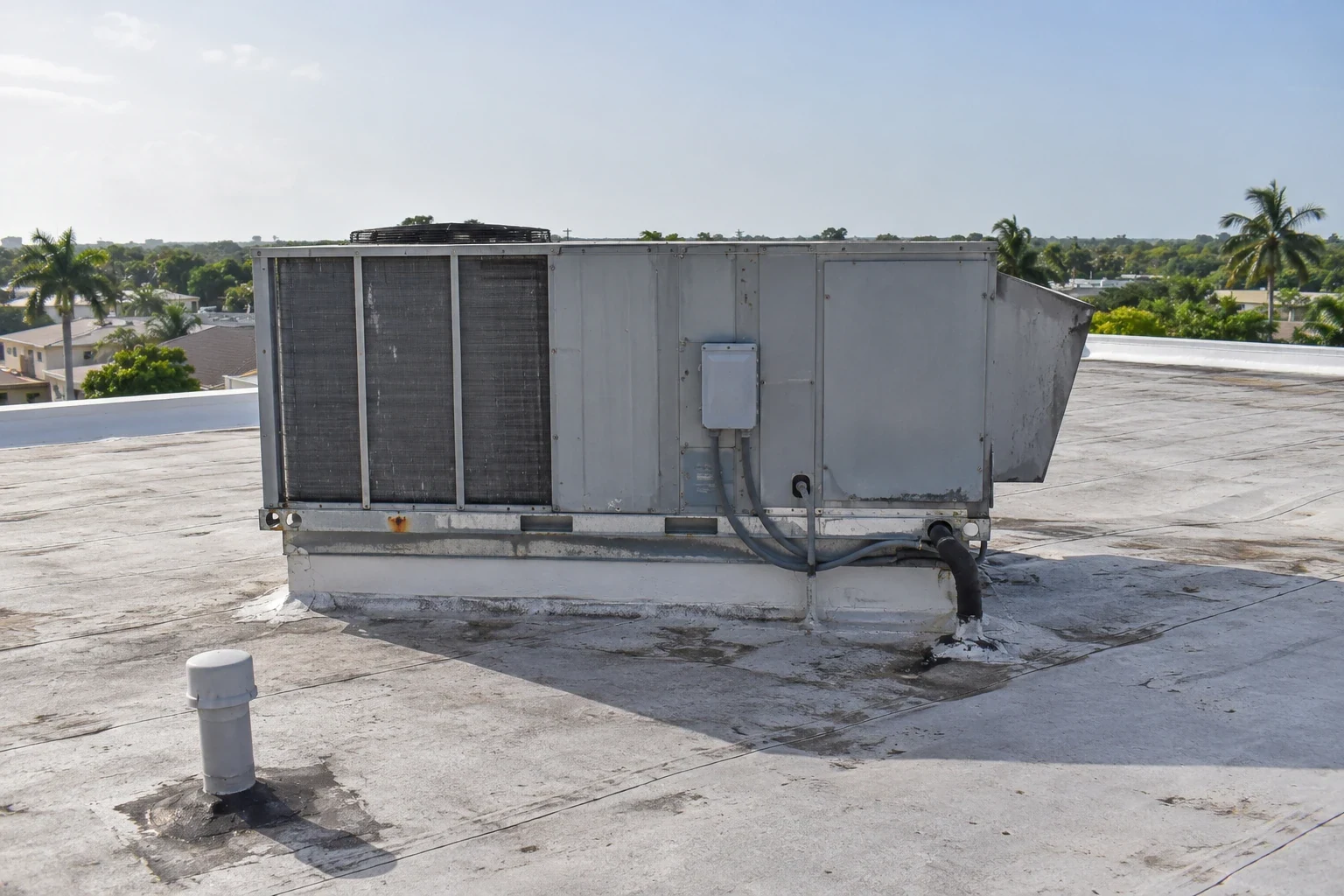
Questions About Military Hangar Maintenance Facility Roofing
Can a roof leak come from the hangar door?
Yes. The fixed roof edge and the moving door seal are separate details. We inspect both interfaces and identify which one shows evidence of water entry.
How do you inspect a high-bay roof safely?
We confirm access, lift needs, clearances, and the protected area below with the facility contact. The site sets any required escort or spotter rules.
Can you work while aircraft maintenance continues?
The facility decides whether the roof zone and ground work area can remain active. We follow the approved window and stop if operating conditions change.
Do aviation facility plans prove current roof conditions?
No. Facility descriptions provide building context only. A roof walk must establish the condition of the specific assembly and assigned work area.
What should the owner send before a hangar inspection?
Share the roof and door plans, leak location, access rules, equipment layout, recent maintenance records, and available work windows.
Related Roofing Work
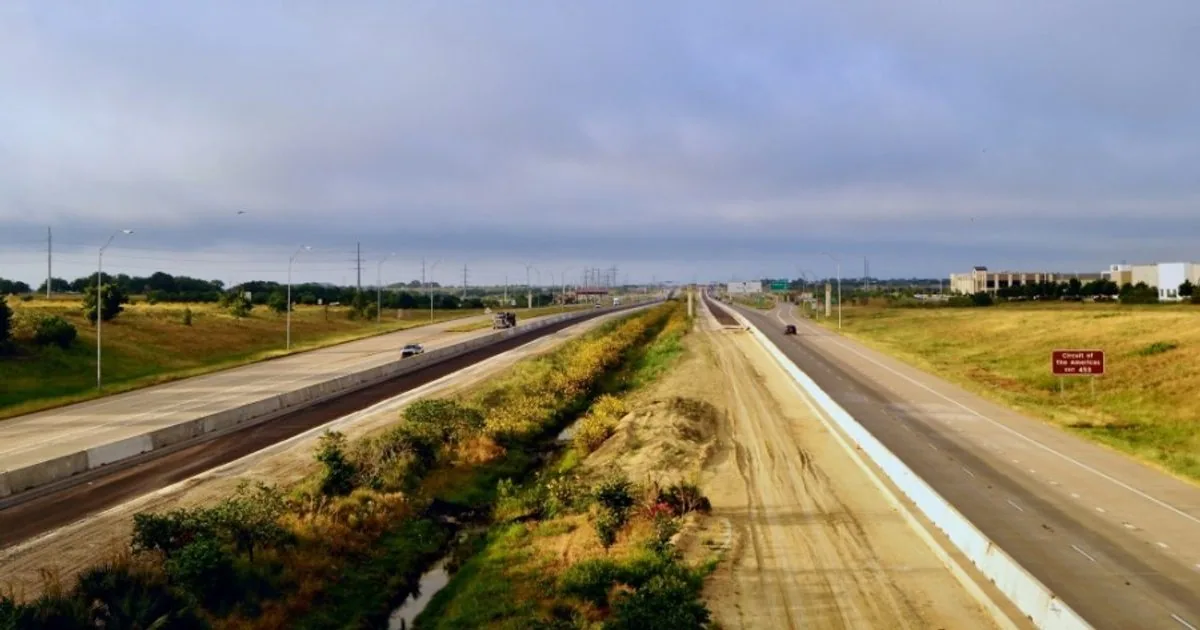
Hutto US 79 and SH 130 Corridor
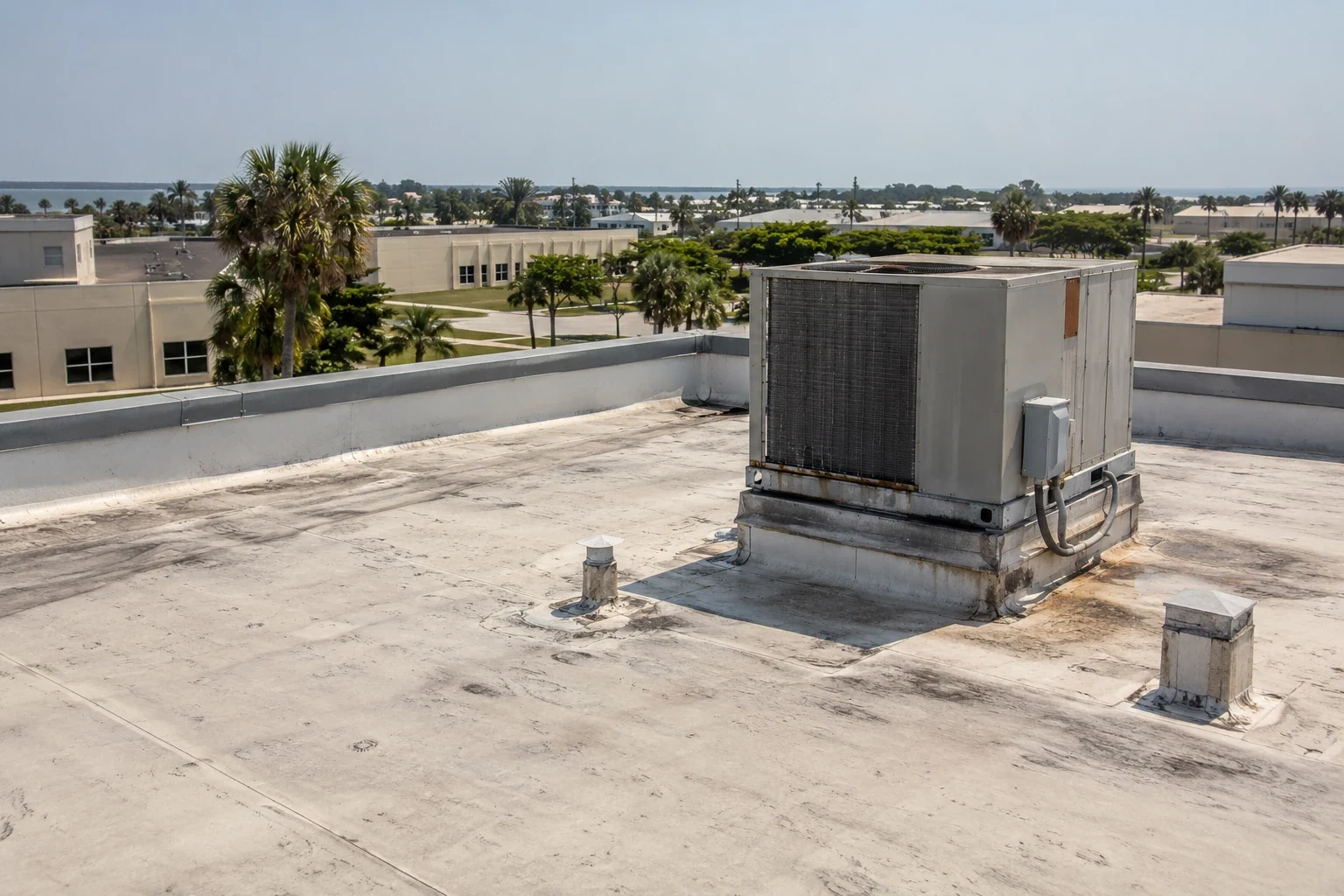
Military Installation Roofing
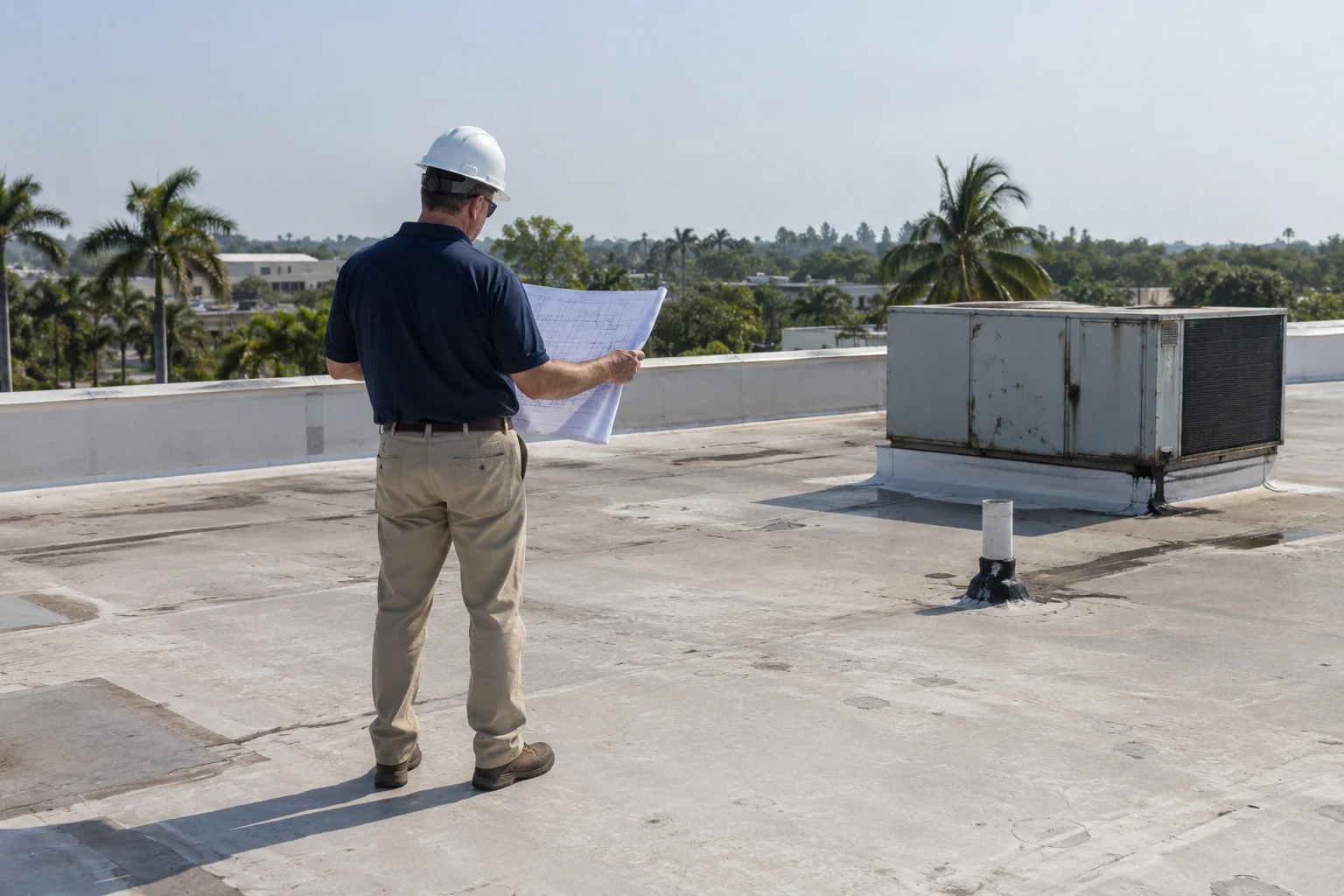
Commercial Roof Inspection
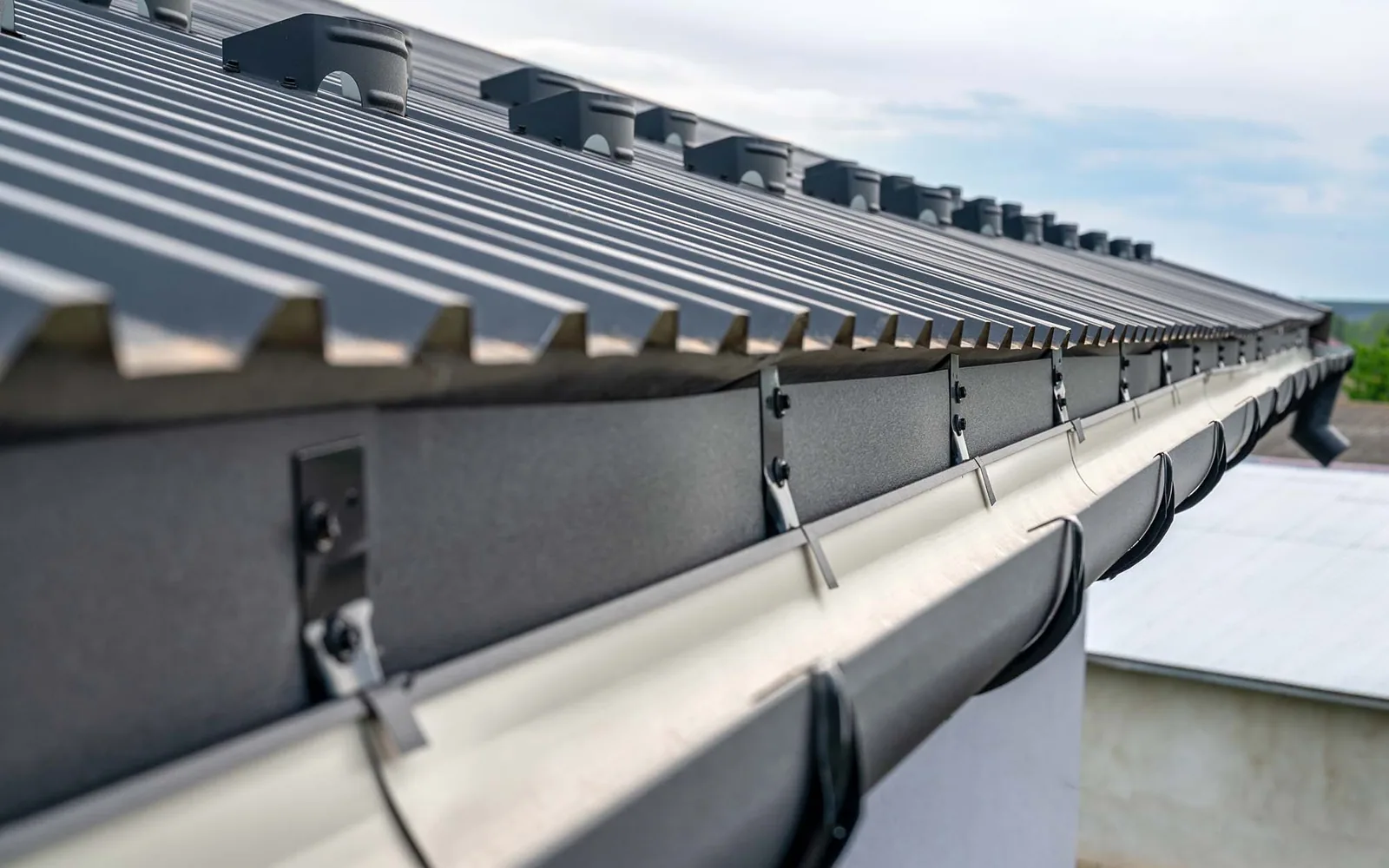
Commercial Roof Drains and Scuppers
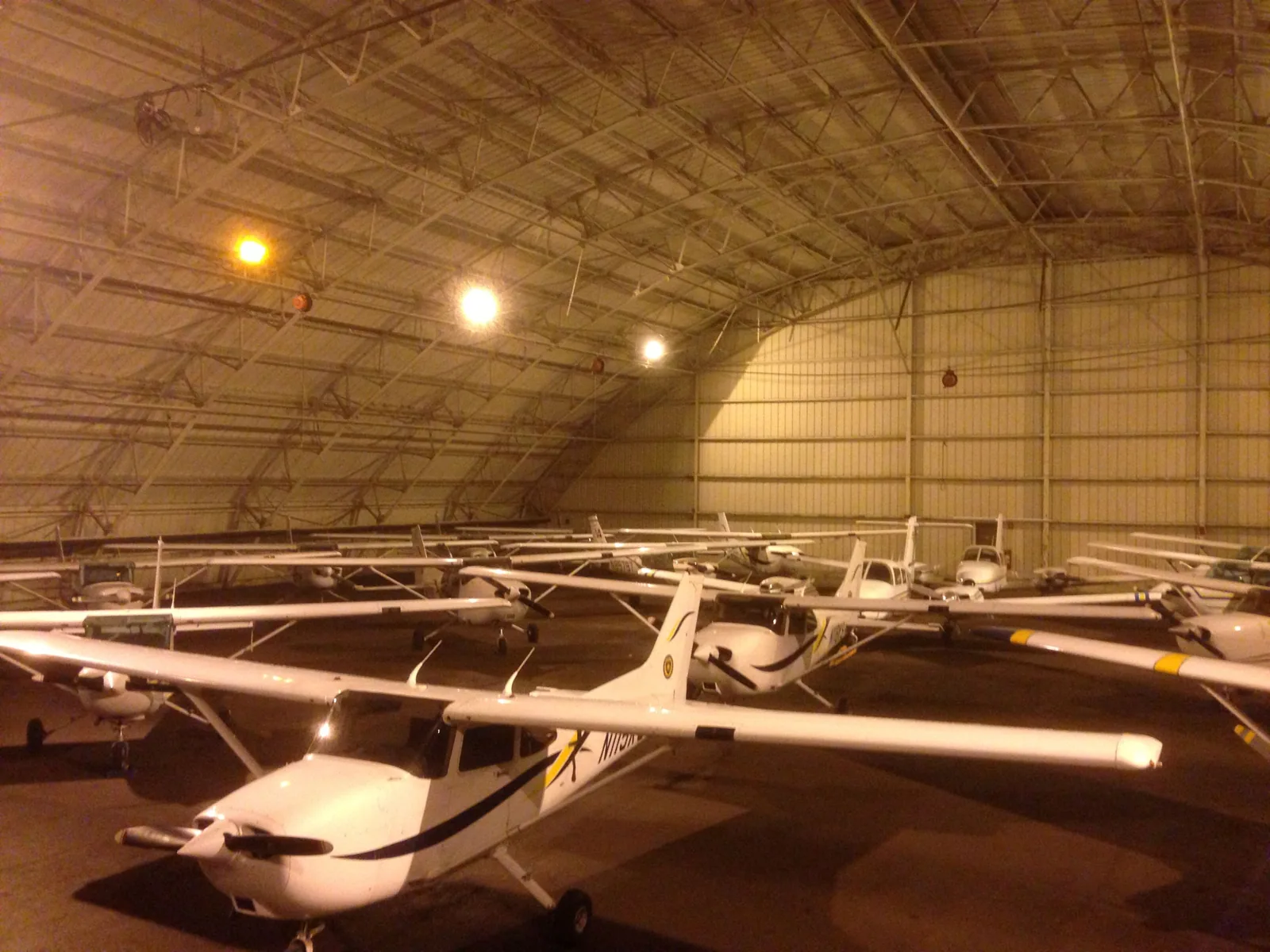
Aircraft Hangar Roofing