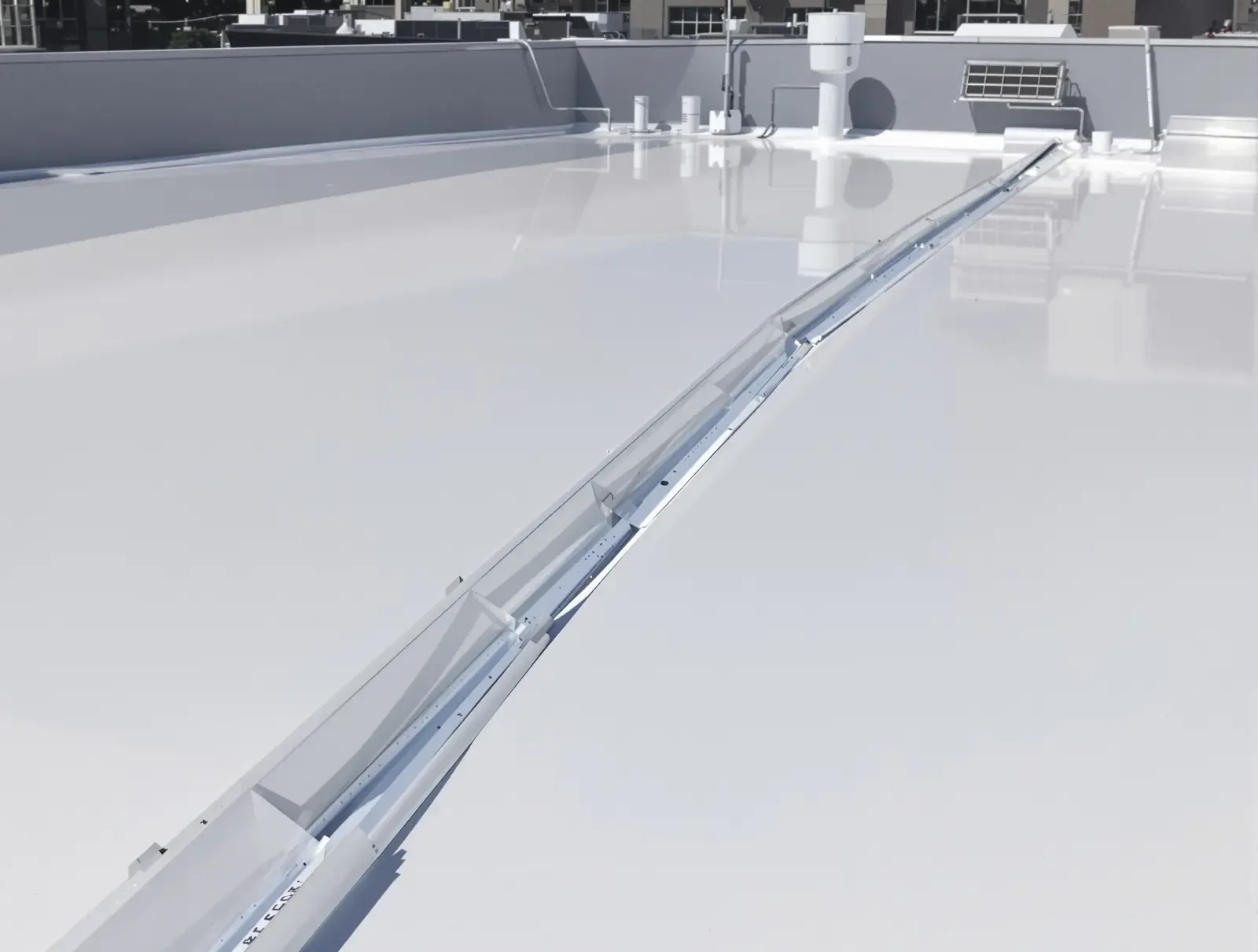
Map the Hangar Roof
A hangar door opens beneath a long roof span, and the roof edge above it must stay clear of moving hardware. We inspect panel seams, door transitions, drains, and penetrations with the aircraft route in mind. Austin-Bergstrom International Airport is about 25 miles from Downtown Round Rock via I-35 or SH 130. Round Rock also has an Armed Forces Reserve Center and Field Maintenance Shop, adding military training and maintenance facilities to the regional setting.
Hangar roofs may have large clear spans, tall doors, roof monitors, and equipment with strict access routes. We confirm the structure and operating limits before staging a lift or material.
Send the hangar plan, door schedule, aircraft access rules, roof records, leak location, and required safety procedures. We will plan inspection and staging around operations. Call 555-555-5555 or request a roof assessment.
Check the Span and Door Edge
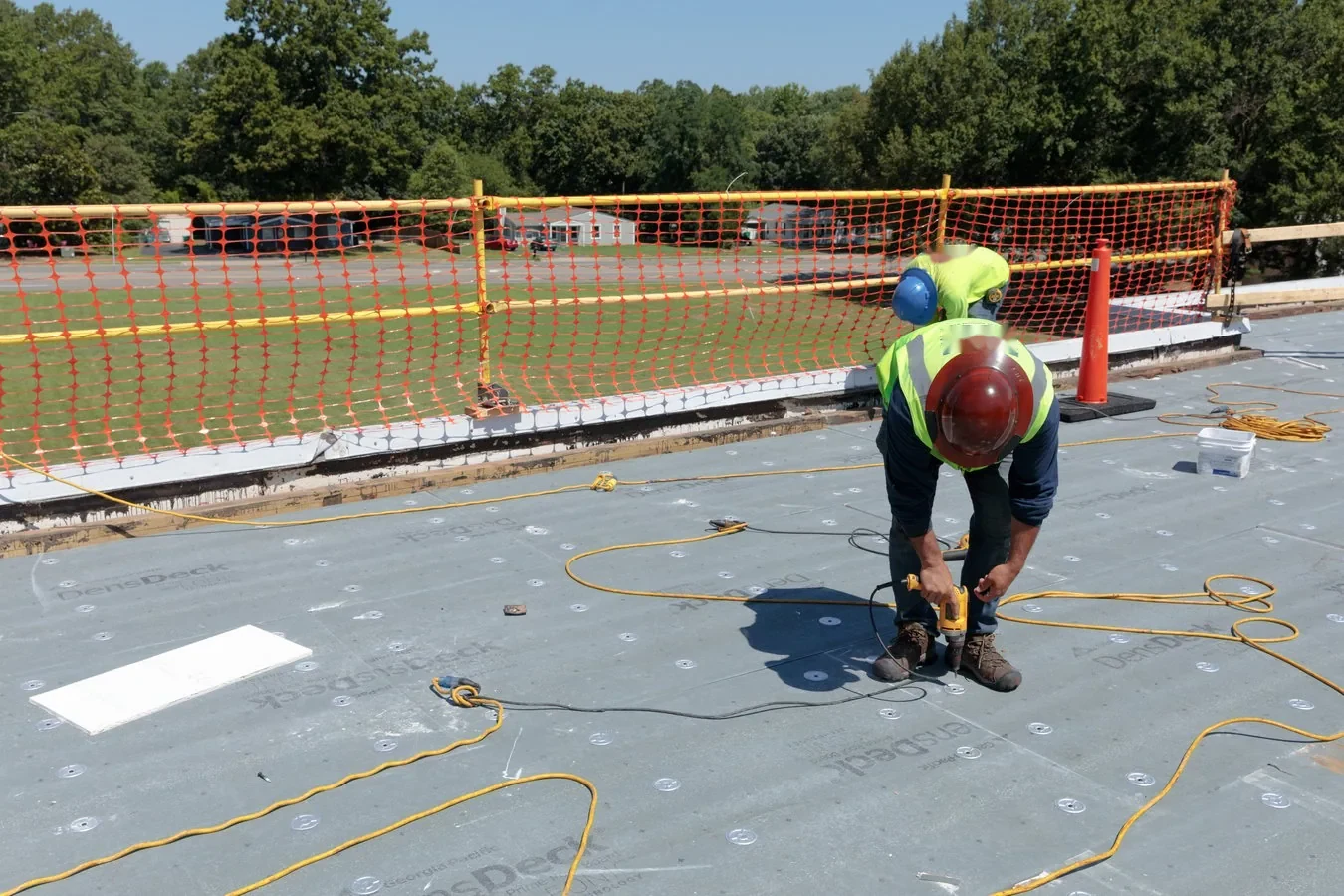
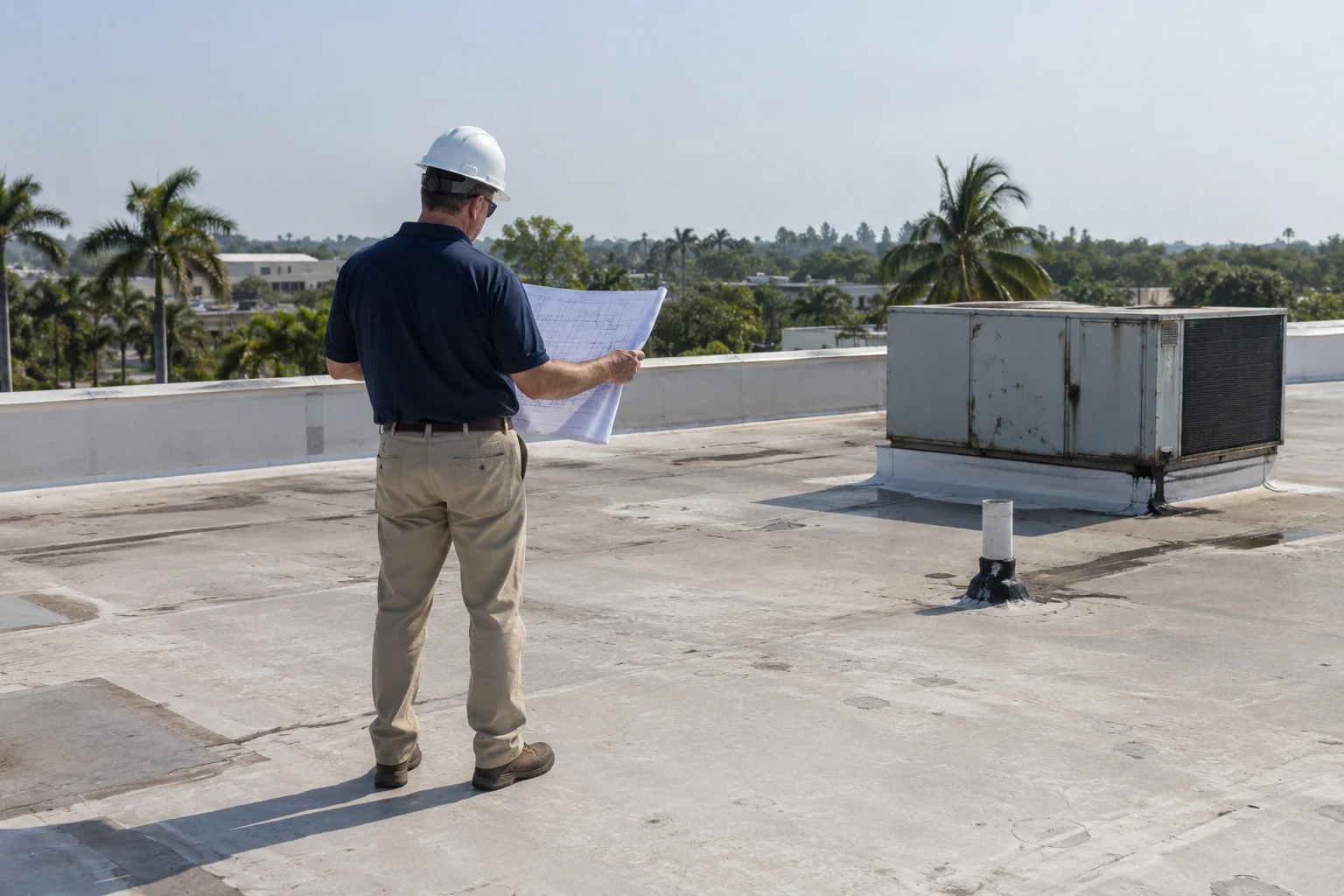
We inspect metal panels or membrane fields for open seams, loose fasteners, corrosion, flashing failure, and water marks. At a hangar door, we check the head flashing, end conditions, and connection to the wall. Moving door tracks may limit ladder placement or require a closure window. The facility contact controls door operation during the roof walk.
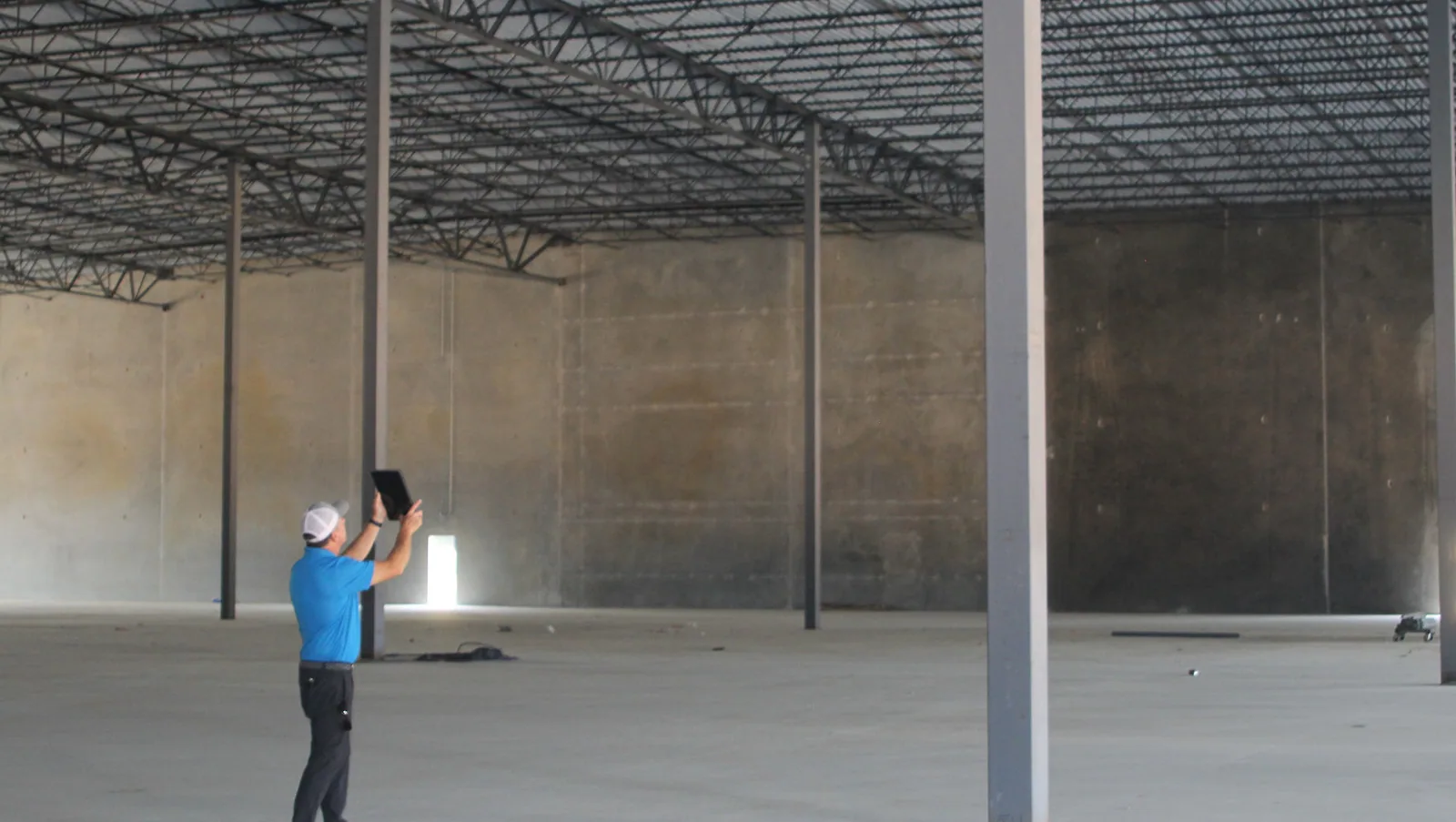
Clear-span framing can make interior access difficult. We identify structural members, roof hatches, walkways, and any safe tie-off points before entering. A roof inspection does not establish structural capacity, so suspected framing damage is referred to the responsible engineer. We record the visible condition and the boundary that needs review.
Aircraft, tools, and service equipment need protection from dust, debris, and water. We map the area below a test cut or roof opening and coordinate any aircraft relocation with the operator. A test cut shows the layers at one approved point; it does not describe every bay across the hangar.
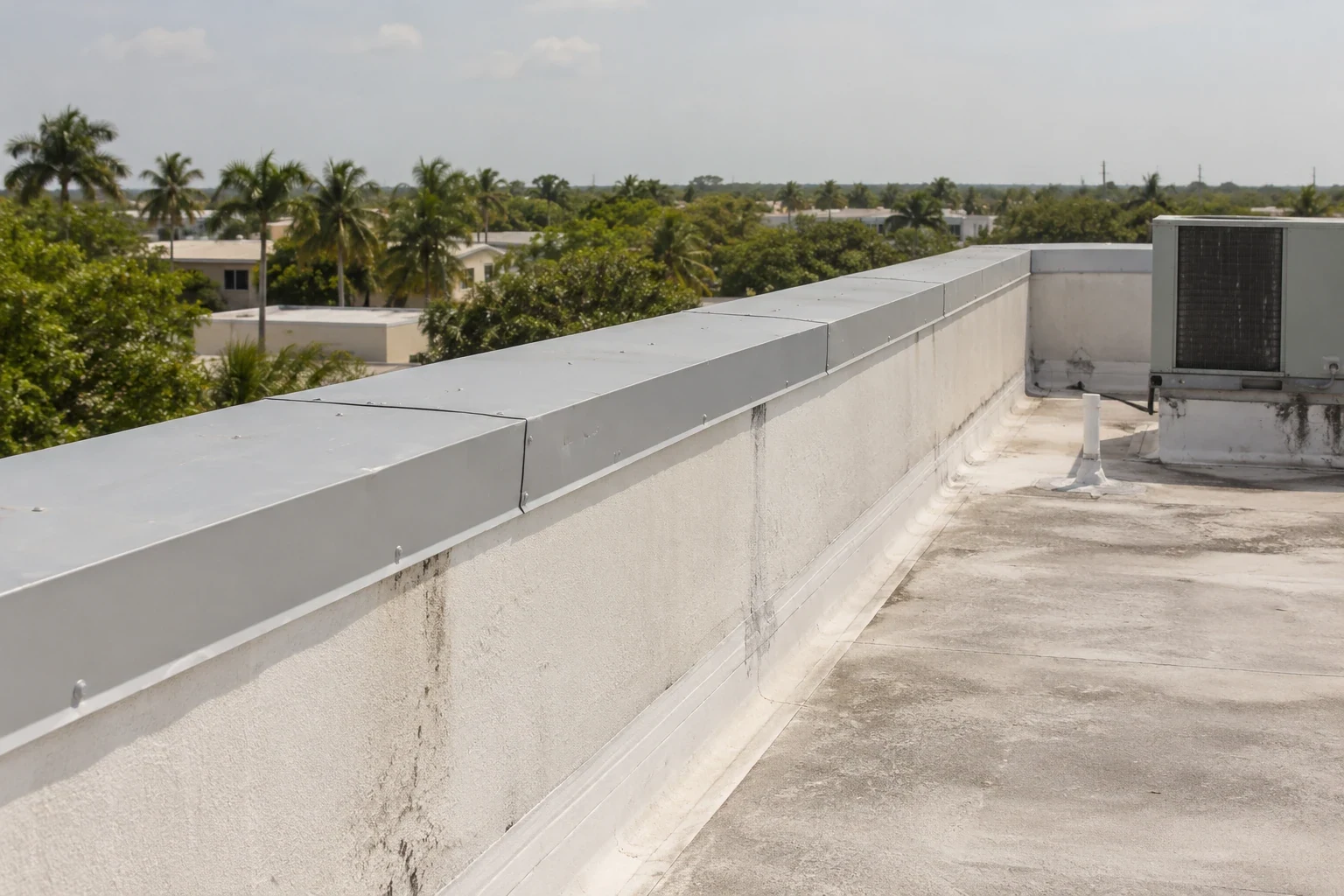
Long panel lengths and changing temperatures can stress clips, seams, and end conditions. We inspect whether panel edges remain engaged and whether the fastener pattern matches the installed system. At the door head, even a small transition gap can admit wind-driven rain. The repair needs to shed water without restricting the door travel or covering a service point.
Hangar ventilation, roof monitors, and smoke-control equipment may have specific operating rules. The facility contact identifies which devices cannot be covered or shut down. We mark their clearances before setting a lift. If an inspection requires moving equipment, that work remains with the operator or qualified maintenance crew.
Protect Aircraft and Flight Operations
Material delivery and lift placement can interfere with taxi lanes, ramp access, or hangar doors. The site operator sets the approved path and time. We identify overhead clearances, fuel-service zones, and equipment that cannot be moved. If work affects the door track or nearby aviation systems, the facilities team defines isolation and return-to-service procedures.
During a reroof, we divide the roof into areas that can be dried in before a shift ends. Wind and sudden rain can expose a large roof quickly, so the daily boundary follows the assembly and available protection. If removal reveals wet insulation or a damaged deck, the crew documents the measured area before expanding the approved scope.
The Austin Army Aviation Support Facility at ABIA was designed with hangar, administrative, supply, and maintenance-shop space for an aviation mission. The Round Rock Armed Forces Reserve Center includes maintenance areas and a distance-learning center. Those local facilities have distinct access requirements; the roof at the hangar being inspected still needs its own plan.
Aviation facilities may have separate ramp, tenant, and maintenance zones. We confirm the contractor entry point and any escort before a crew arrives. Material staging stays outside marked movement areas, and the operator sets all aircraft movement. A roof repair schedule can change if flight operations or maintenance priorities shift, so the site contact identifies who can approve a delay or restart.
Choose a Repair by Bay
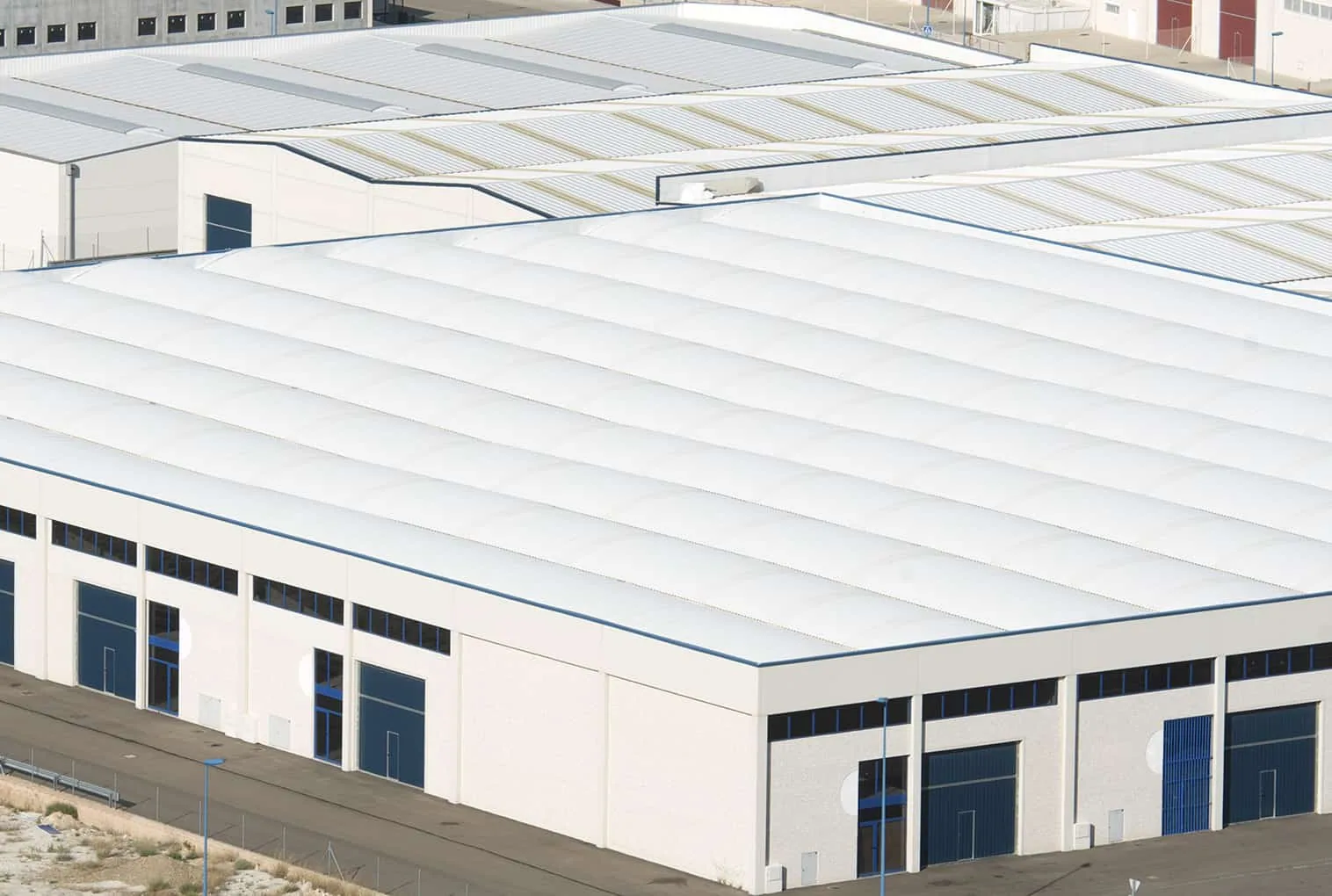
A single seam or penetration may be repaired when the surrounding roof remains attached and dry. Repeated leaks, widespread corrosion, or failed door flashing can require a larger section or replacement. We map each bay and identify what remains concealed. The scope separates roof membrane from door hardware, structural framing, and aircraft systems.
Cost and schedule factors include roof height, crane access, door width, panel length, aircraft relocation, hangar closure, fall protection, and weather. Work over an active maintenance bay may need a different time window from an unused bay. If lift access is restricted, alternate equipment may change the sequence.
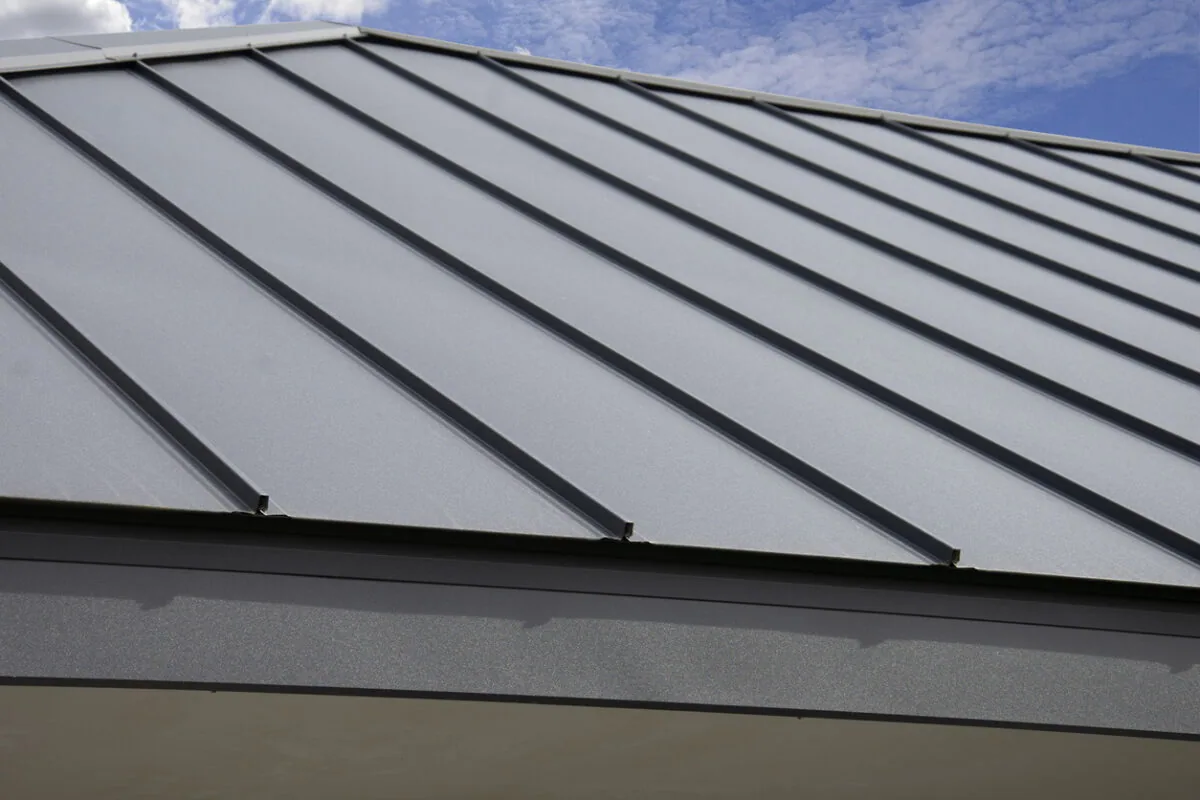
Related scopes include roof inspection, insulation replacement, or edge-metal repair. A metal roof may need standing-seam panel work, while an office or low-slope section may use TPO membrane. A military hangar or Army facility has additional security and mission controls.
Where the hangar shares a building with offices or parts storage, we can phase work to keep those areas available. The plan shows the section being opened, the closure line for that shift, and any adjacent bay that needs temporary protection. If a structural review is needed, the roofing scope records the observed condition and holds at the approved limit until direction arrives.
Document the Hangar Work Zone
Before work, photos show the roof bay, door line, access route, and affected aircraft or equipment zones when permitted. Closeout records materials, repaired panels, flashing, and any areas left uninspected. If the hangar door was isolated, the facility team documents its return to operation.
After rainfall, staff can report whether the same bay shows moisture. If no rain has tested the repair, the report says so. A later inspection compares the roof detail with the original map and checks door transitions and drains.
Keep roof plans, access limits, aircraft movement notes, and repair photos together. Before installing a new antenna, conduit, or service platform, the operator can provide the roof detail so the penetration is coordinated. Emergency response is available at any hour for active leaks, subject to facility access and flight-safety rules.
The facility can keep a daily movement log alongside roofing progress. That record shows when doors were isolated, when aircraft moved, and which roof zone was open. If a new leak appears later, staff can compare it with the work dates and determine whether it is near a repaired transition or a separate panel bay.
Hangar roof work must preserve clearances and coordinate with aircraft movement and maintenance schedules. Confirm who controls the building, restricted zones, and any escort or fire-safety requirements before access. Inspect long-span roof areas, joints, drainage, and large door transitions, recording limitations where equipment or aircraft prevent a full view. Repair sequencing should protect operations and identify weather exposure during any open-roof work.
Questions About Aircraft Hangar Roofing
Can you work while aircraft remain in the hangar?
The operator decides whether aircraft can stay beneath a work zone. We plan protection, overhead work, and any relocation around the approved flight and maintenance schedule.
How do you inspect a large clear-span roof?
We confirm safe access, walkways, and tie-off requirements before entry. The roof inspection records visible conditions and refers structural concerns to the responsible engineer.
Can a hangar door remain open during roof repair?
The facility contact sets door operation and access controls. We identify the work near tracks and head flashing and agree on any temporary closure.
What if a test cut is needed above an aircraft?
We select and protect the sample area with the operator's approval. The opening is closed before the work zone is released.
What drives hangar reroof timing?
Span length, panel profile, crane access, aircraft movement, door operations, wind, and daily dry-in limits shape the schedule.
Related Roofing Work

Downtown Round Rock
Commercial Roof Inspection

Commercial Roof Insulation and Cover Board
Commercial Roof Edge Metal, Coping, and Gutters
Commercial Standing Seam Metal Roofing