Set an Armory Roof Inspection Window
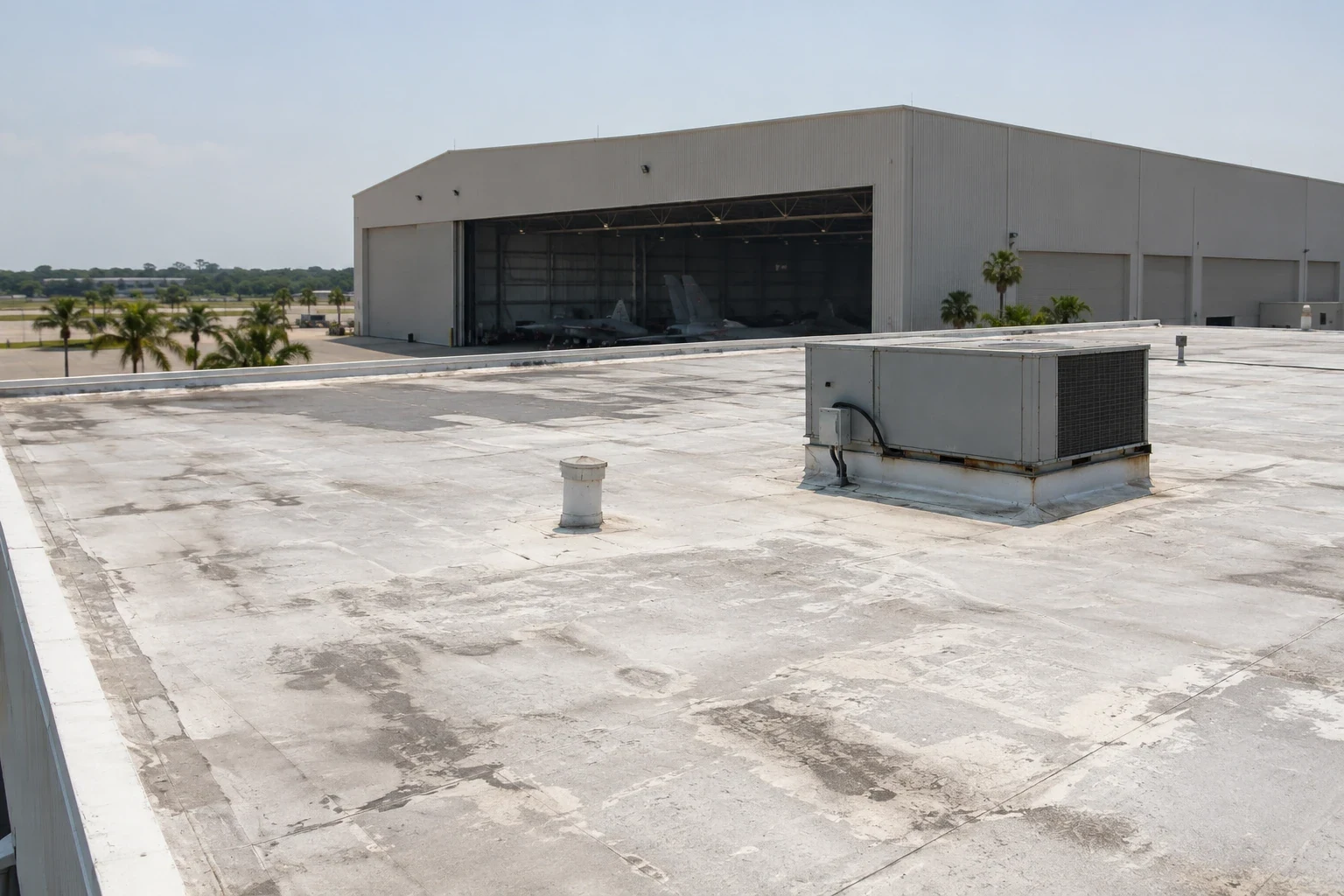
A ceiling tile is stained after a weekend drill. The building is quiet now, but the report may point to a roof detail above a classroom, office, or maintenance bay. We start with the room and date, then map it to the roof plan. Round Rock's Armed Forces Reserve Center combines National Guard and Army Reserve training uses, with classrooms, distance learning, and maintenance areas. The center is about three miles north of Downtown Round Rock. The classroom, simulator, and maintenance zones call for separate roof maps and access planning.
An armory may support readiness, instruction, vehicle care, administration, and storage. Each activity can create different access and scheduling rules. We ask the facility representative to identify the approved work boundary before inspection or repair.
Provide the authorized contact, facility and roof-zone labels, schedule constraints, roof plan, and reported condition. We will outline the inspection boundary and work sequence. Call 555-555-5555 or request a roof assessment.
Match the Report to a Roof Zone
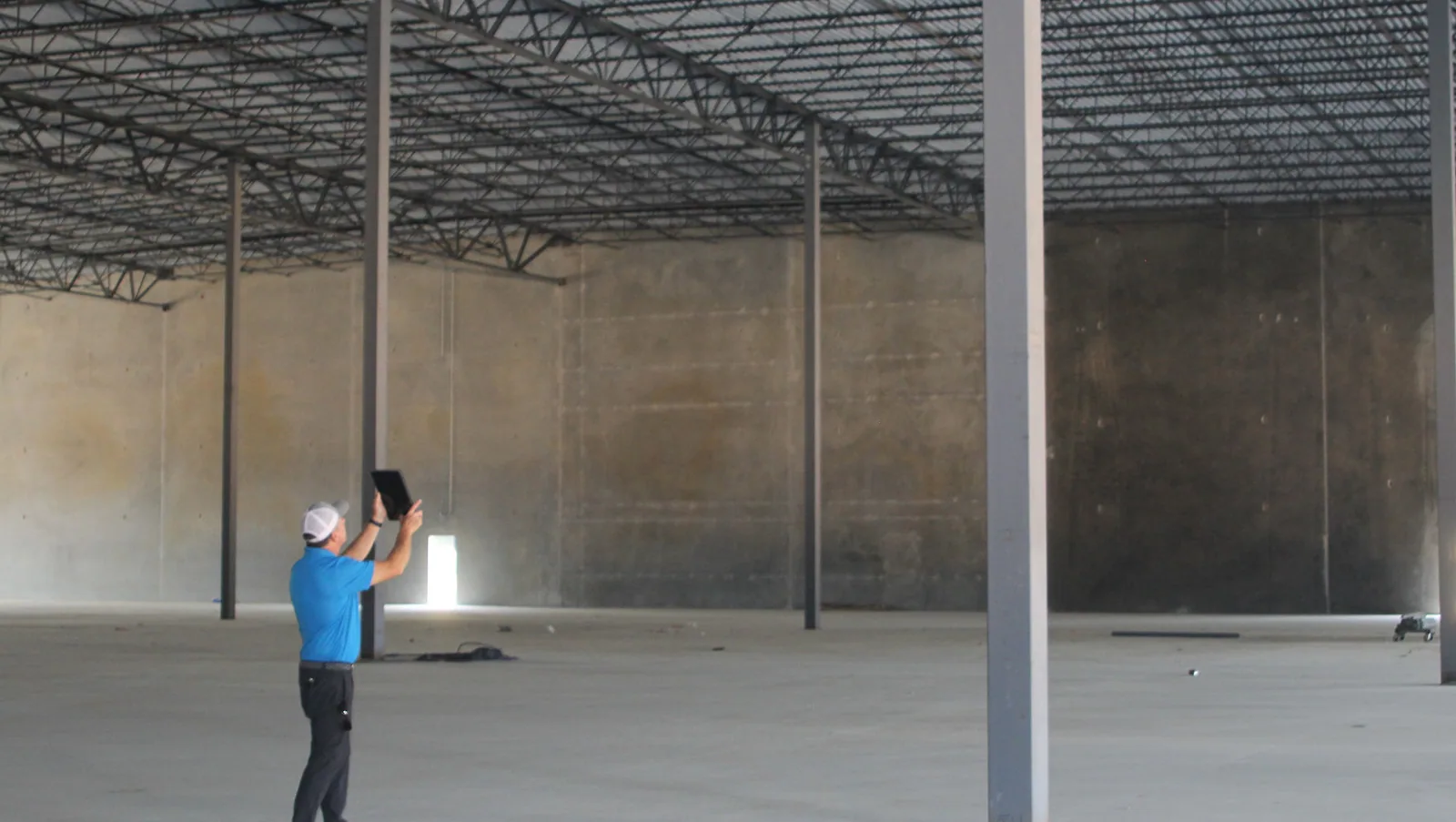
We record the room, ceiling symptom, and conditions when staff noticed it. A roof leak may travel along decking or framing before reaching a tile. We check the reported area and nearby drains, seams, wall transitions, edge metal, and equipment curbs. The report distinguishes an observed opening from a possible water path that still needs testing.
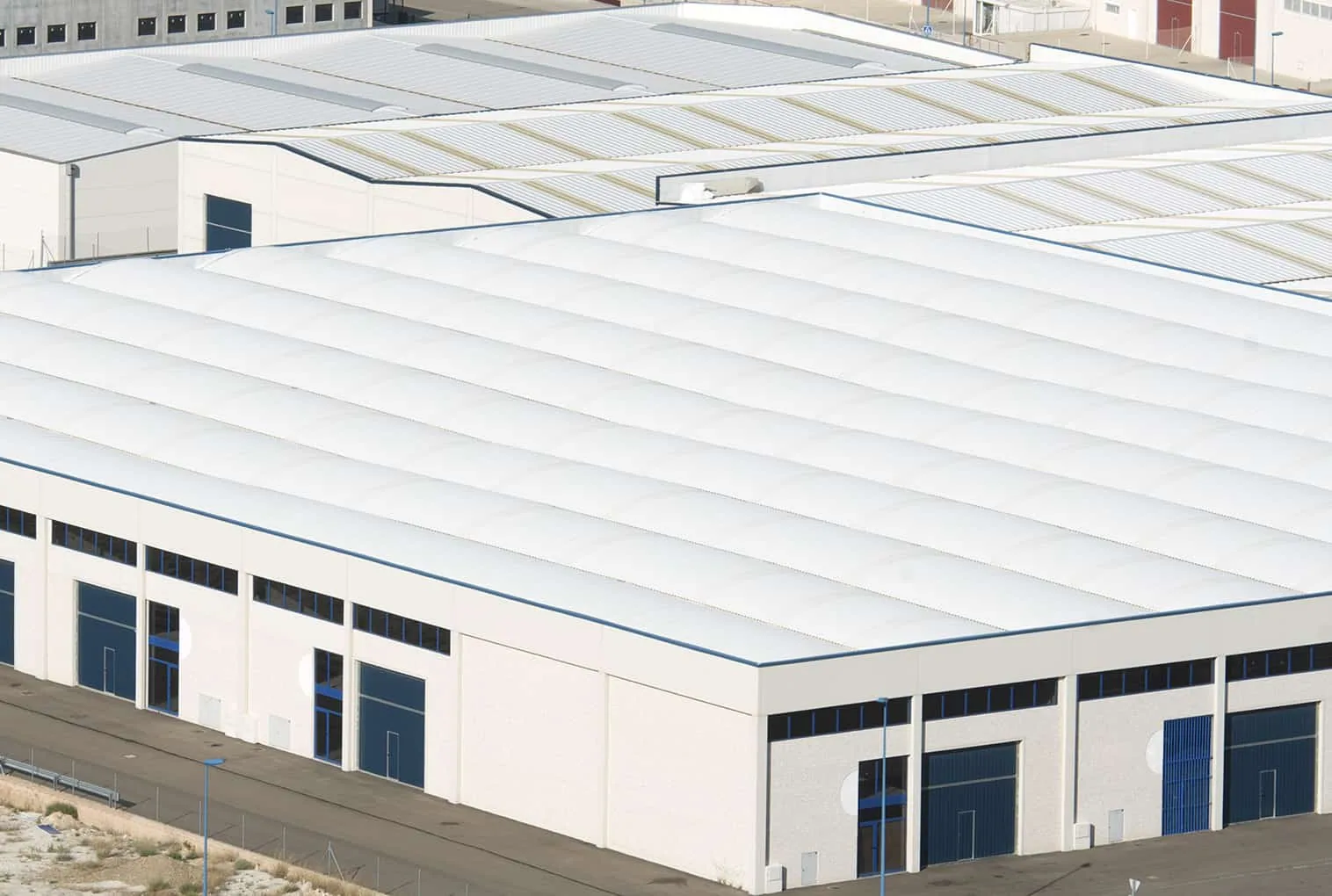
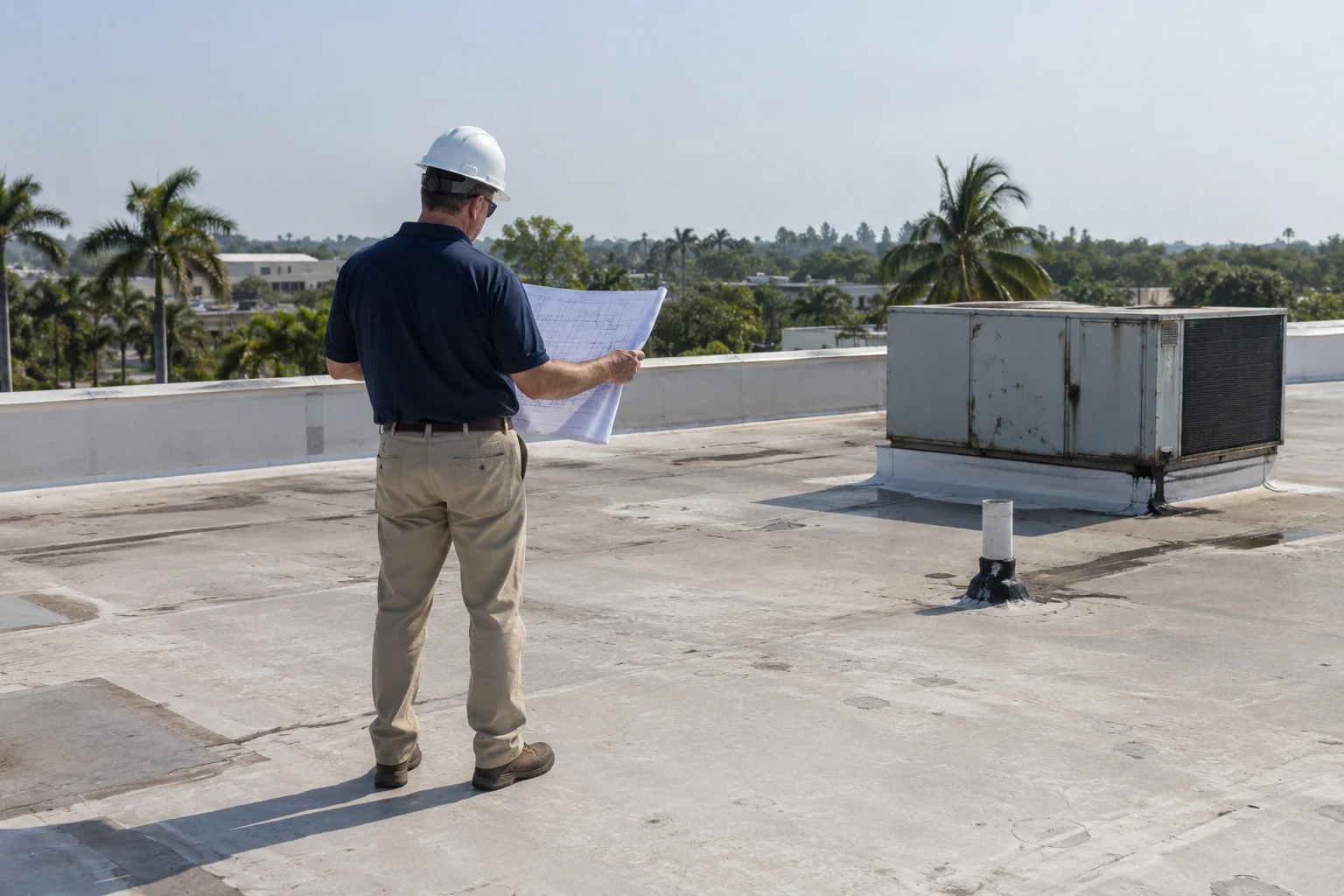
Training centers can have several connected sections built or renovated at different times. One roof may cover classrooms and offices while another spans vehicle maintenance or storage. We compare available plans with field conditions and note where the drawing does not match. If the roof assembly changes at an addition, the joint is inspected as its own detail.
The Round Rock center opened as a joint training facility. Its reported mix of classroom, distance-learning, maintenance, and simulator spaces illustrates why the authorized facility contact should set work windows by area. A classroom may need quiet and interior protection. A maintenance area may require coordination around vehicle movement and overhead clearance. The facility contact sets those operating requirements.
When a roof opening is uncertain, an approved test cut can reveal the layers at one sample point. The crew documents the location and closes it using the agreed repair method. One sample does not establish conditions across an entire armory roof. We use it to answer a defined question and mark any additional areas that may warrant review.
Work Around Readiness and Instruction
The facility representative provides arrival instructions, permitted hours, escort rules, photography limits, and approved staging areas. A weekend drill, classroom session, or maintenance schedule may narrow the useful work window. We confirm it before ordering material or placing equipment. Deliveries should not interfere with emergency routes or the movement of service vehicles.
For an active leak, staff can direct the crew to the affected space. Temporary protection follows site instructions and does not override a restricted area. If a ceiling must be opened, the owner identifies who can authorize interior work and whether occupants need to leave. A roofing crew can report the roof condition; the facility decides how to manage training or readiness operations.
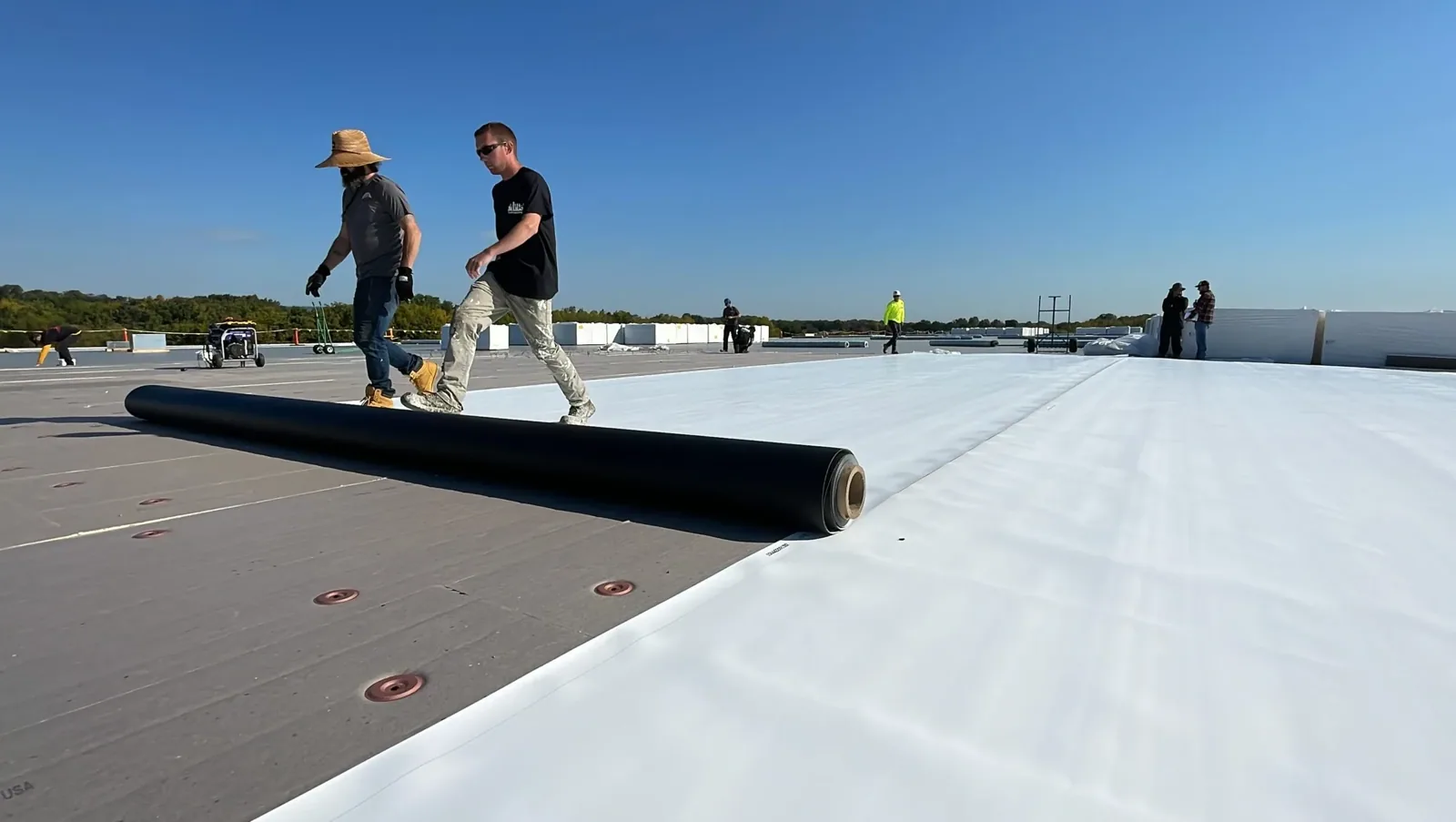
Replacement work is sequenced so each opened area can be made weather-tight before crews leave. The work plan identifies daily boundaries and who receives notice when an area is closed. If concealed insulation is wet or the deck is damaged, we pause at the agreed limit and send the location and photos or Diligence Notes permitted under site rules. The owner reviews the change before the repair expands.
Relevant scopes include military installation roofing, roof inspection, and emergency roof repair. Related buildings include Army installation facilities and military hangar maintenance buildings. A low-slope assembly may use modified bitumen or TPO; the inspection method follows the installed system.
Write the Repair Limit Before Work
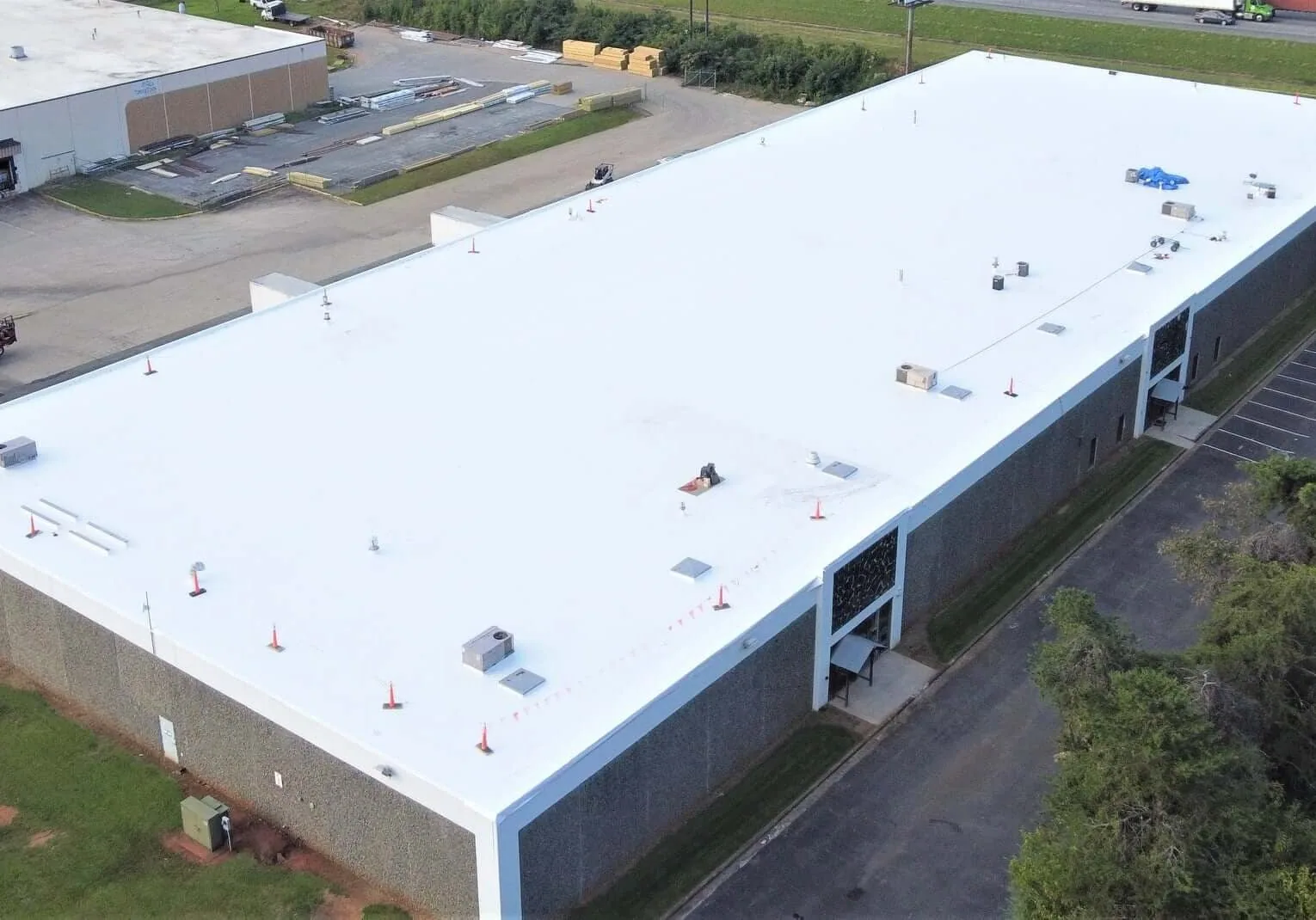
The work scope should identify the facility label, roof section, problem detail, repair material, and access assumptions. A small seam repair may be appropriate when the surrounding membrane is dry and stable. If multiple wet areas appear or water has moved under the roof surface, a broader investigation may be needed. The report separates confirmed findings from suspected conditions.
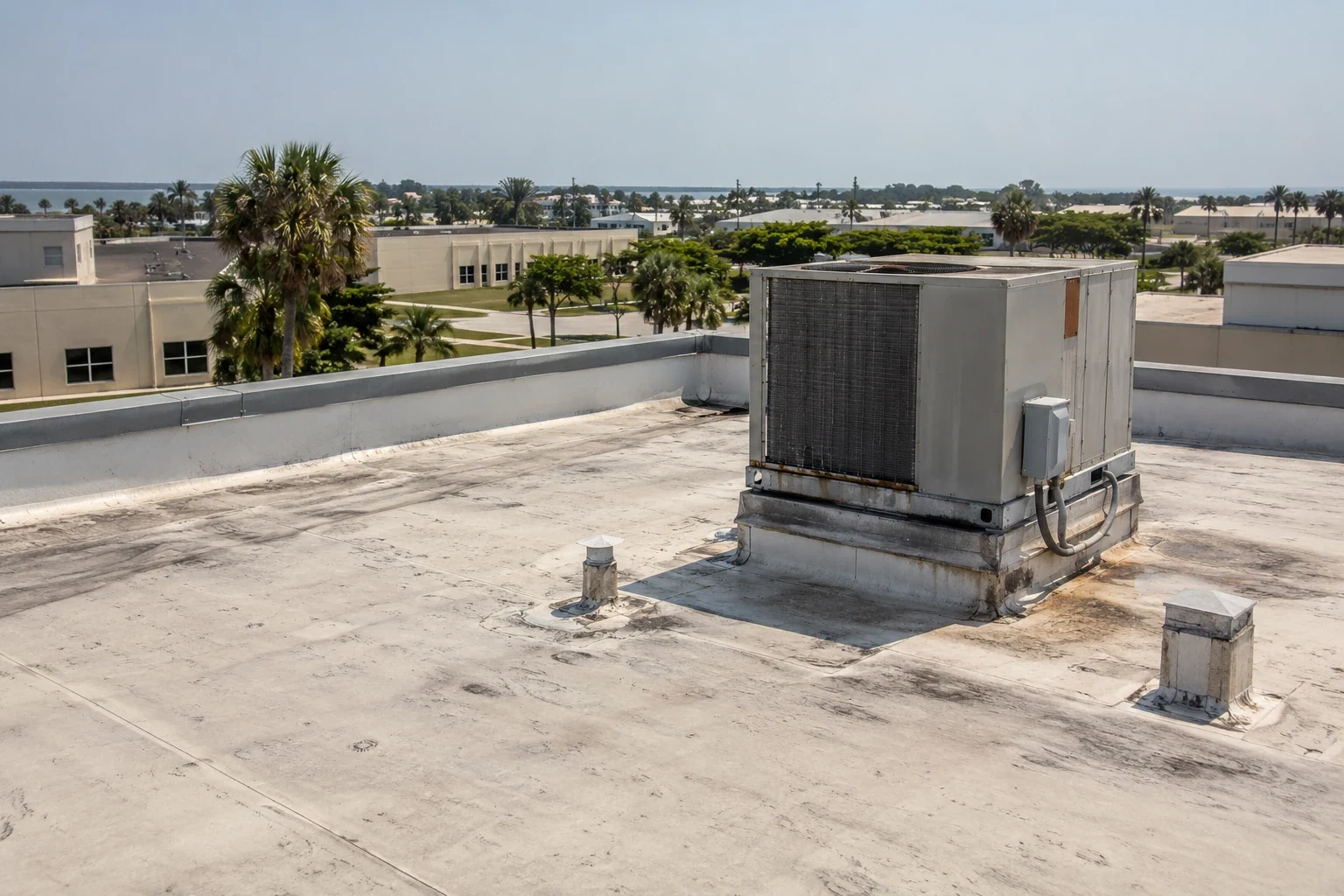
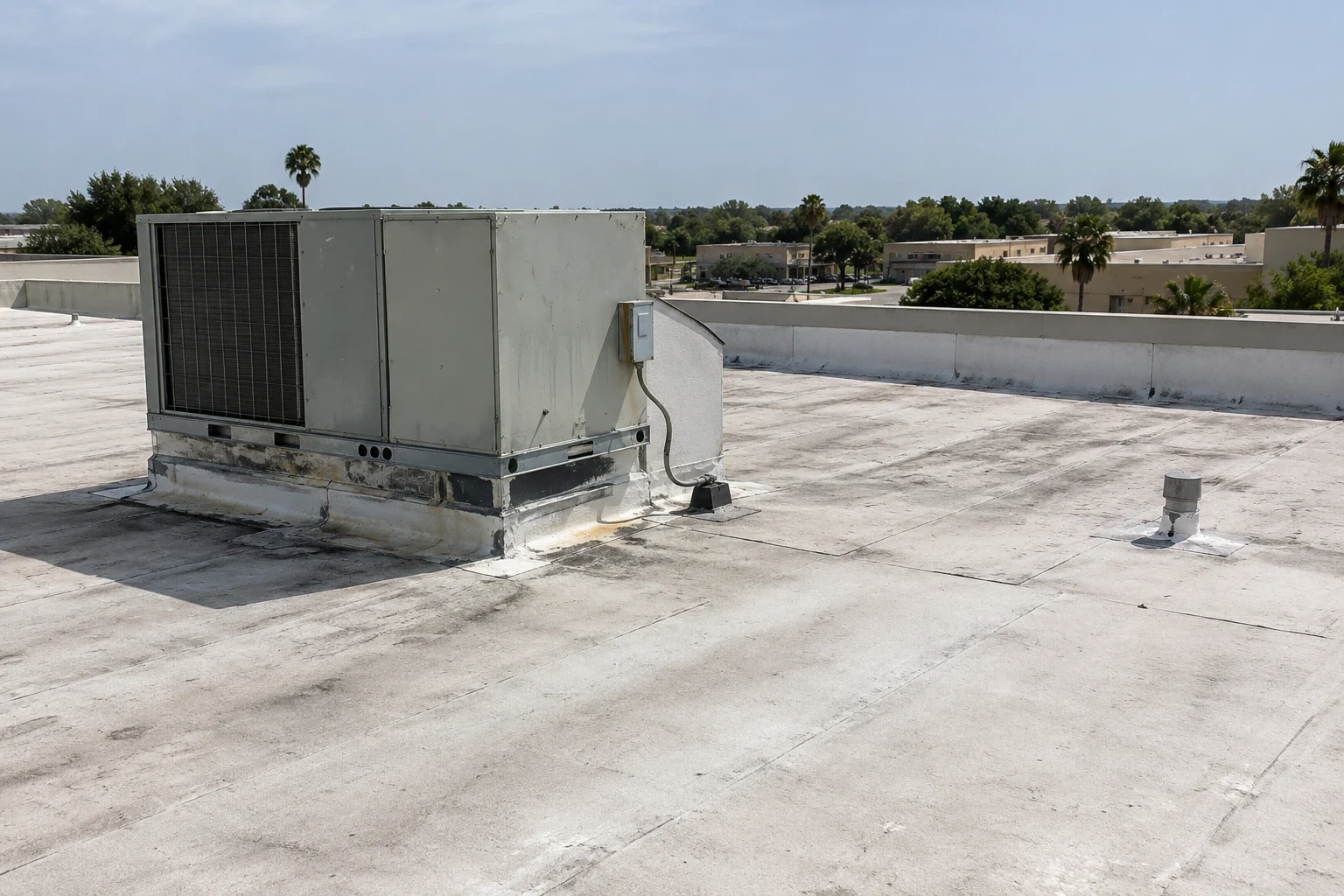
Armory roofs can include antennas, exhausts, unit curbs, and other penetrations. We inspect the flashing and nearby membrane, while the facility's communications or mechanical staff control equipment changes. No antenna or system is moved without authorization. If a component must be disconnected or protected, the scope names the responsible trade and approval path.
Cost and timing depend on access control, roof height, material availability, repair area, weather exposure, and any interior protection. The estimate can separate urgent water control from a permanent repair so the owner sees what each step covers. Warranty terms depend on the selected material and existing assembly; they are stated with the proposal rather than assumed from a product name.
Round Rock’s inspection division administers the currently adopted building and energy rules. The owner and design team determine whether a project needs local permits or additional agency review. We provide the roofing information requested for that process and document any limits in the assigned scope.
Make the Next Roof Check Easier
Closeout notes the inspection date, approved roof zone, repair performed, materials used, and any follow-up item. Photos are supplied only when facility rules allow them. A section blocked by an escort, weather, or equipment restriction is called out as not inspected. The record should never imply coverage beyond the actual work boundary.
Armory service schedules can change with training and vehicle readiness. The building contact should identify dates when roof work must stay clear of loading, vehicle movement, and assembly areas. The crew can stage outside those routes and open only the roof zone that can be made watertight that shift. Closeout records the areas finished, any temporary protection left in place, and the next inspection step.
Keep facility roof plans beside maintenance work orders and prior repair logs. Use one consistent label for each roof section and the room or bay below it. When a drill or maintenance report arrives later, staff can compare its location with the field mark. That improves the next inspection request without assuming the earlier repair failed.
Round Rock's I-35, US 79, SH 45, and SH 130 connections inform regional delivery planning. At the facility, gate, escort, and staging instructions govern each visit. The roof plan should identify material handling and access limits before work is scheduled.
After severe weather, an owner can request a focused review of a defined roof section. The March 2022 tornado crossed Round Rock, and hail was reported in the regional outbreak. That history is context only. We inspect the actual edge, seams, and penetrations before describing any weather-related condition.
Questions About National Guard Armory Roofing
Can you inspect while an armory is in use?
The facility determines whether roof access, noise, and ground controls fit its schedule. We work only in the approved window and boundary.
Will a roof walk disturb classroom activity?
Facility staff set the approved escort, arrival window, and sequence. If noise or interior work could affect a class, the owner can set a separate window.
How do you handle photography restrictions?
We follow the facility's documentation rules. If photos are prohibited, Diligence Notes and approved marked plans can record the finding.
Can you check a maintenance bay roof separately?
Yes, when the assignment identifies that roof section and the facility provides access. We coordinate around vehicle and overhead operations.
What should be approved before a test cut?
The owner should approve the location, purpose, interior access, and close-in method. The sample describes only the layers at that point.
Related Roofing Work

Downtown Round Rock
Military Installation Roofing
Commercial Roof Inspection
Emergency Commercial Roof Repair
Army Installation Roofing