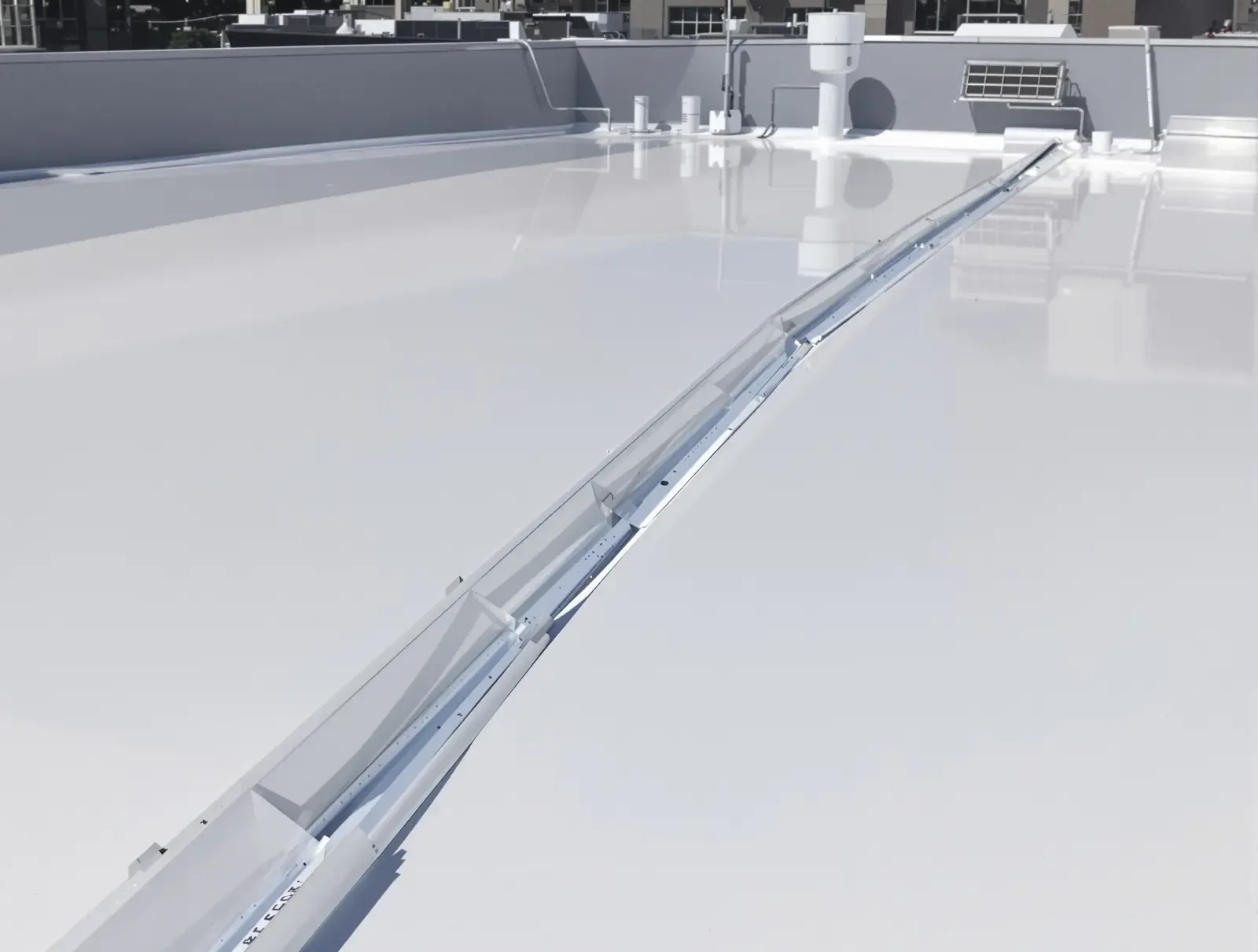
Mark the Guest Area
A stain appears above a guest room after overnight rain. We record the room and floor, then inspect the roof zone above it, nearby plumbing, HVAC, and drain details. A ceiling mark may sit away from the roof entry. The leak path and the hotel's actual operating hours set the inspection plan; a property name or room number alone cannot identify the failed detail.
Guest comfort depends on quiet work, protected interiors, and a clear route through service areas. The roof inspection identifies those constraints alongside the membrane condition.
Send the room or meeting-space location, roof plan, event schedule, equipment access rules, and prior leak notes. We will map the roof zone and plan guest safeguards. Call 555-555-5555 or request a roof assessment.
Trace the Leak Above Guest Areas
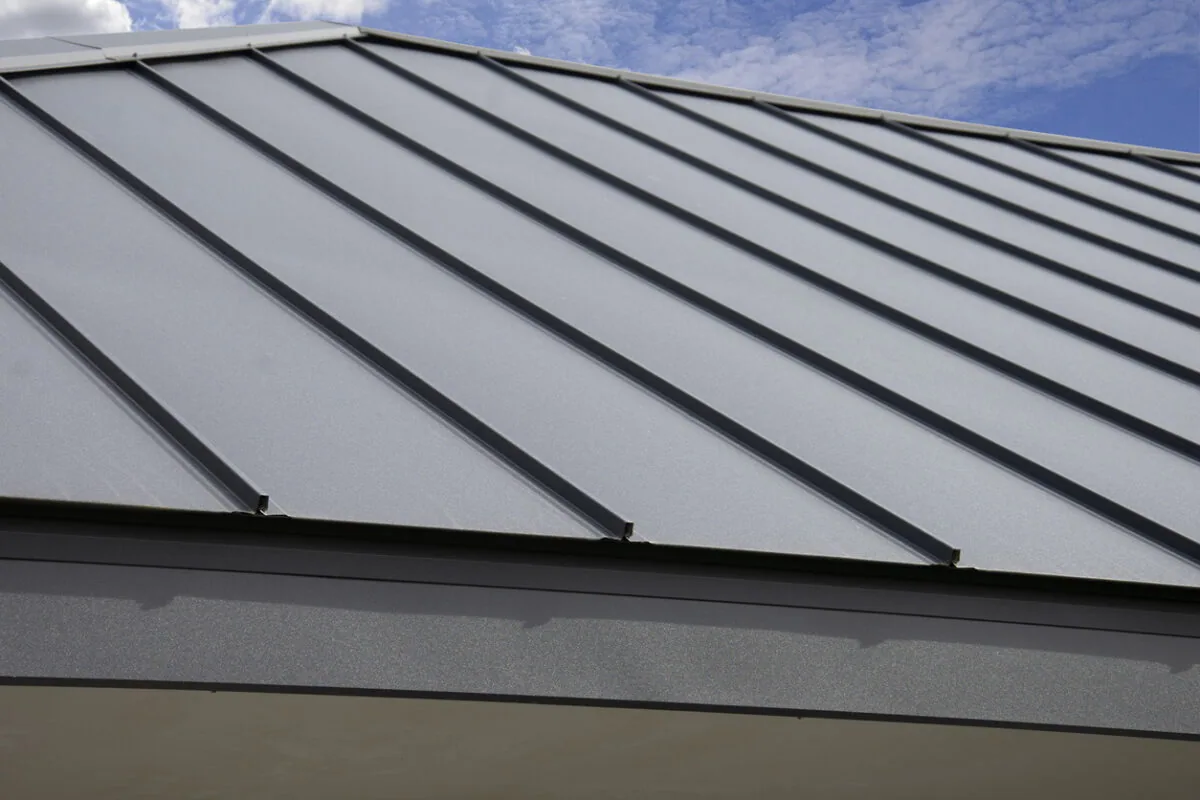
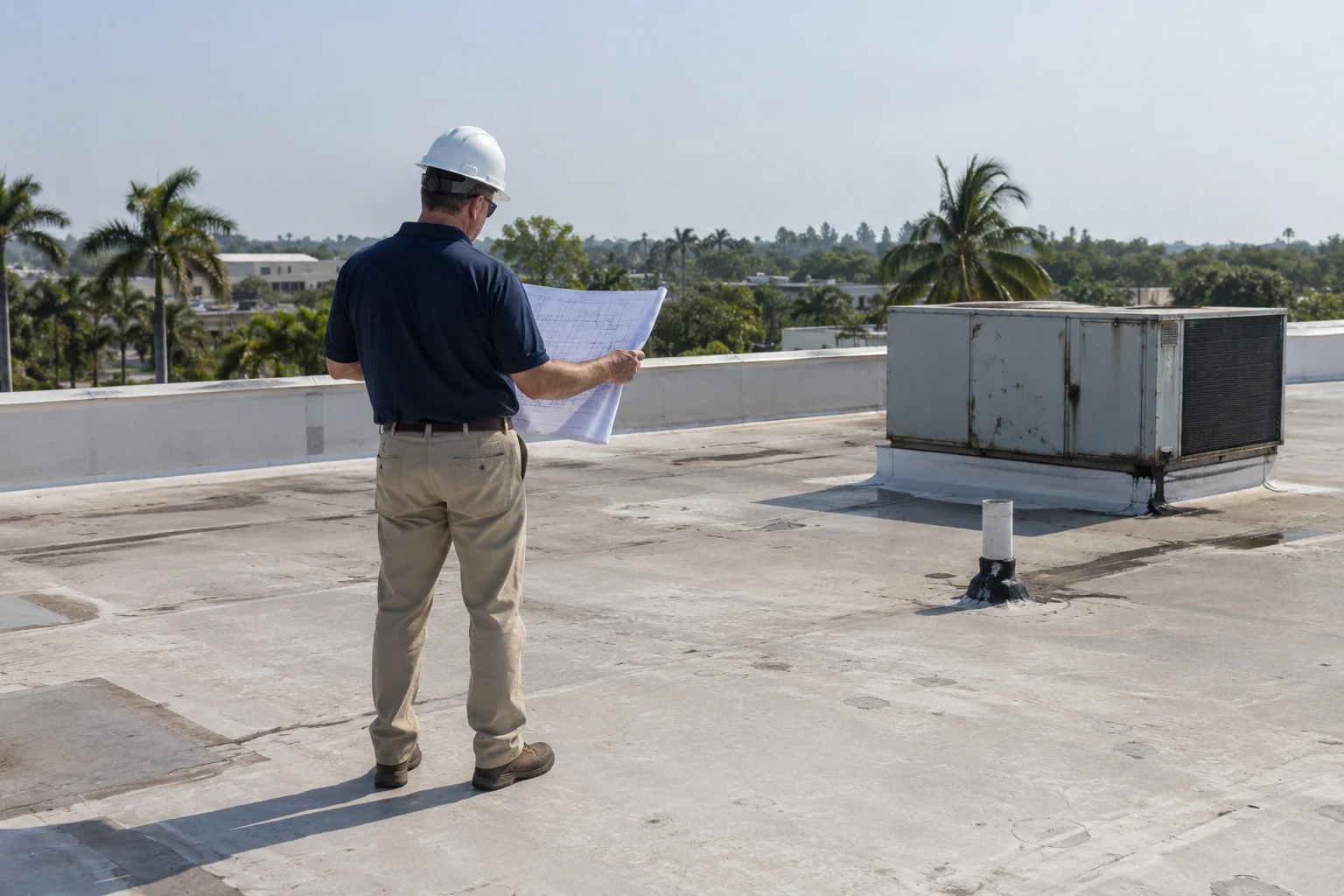
We use the room number, time, and weather to select a roof zone. Then we inspect seams, curbs, drains, skylights, and wall transitions. Water may travel from a mechanical platform or a higher roof section before it reaches the ceiling. We document both the interior symptom and roof-side evidence so a repair does not rely on vertical alignment alone.
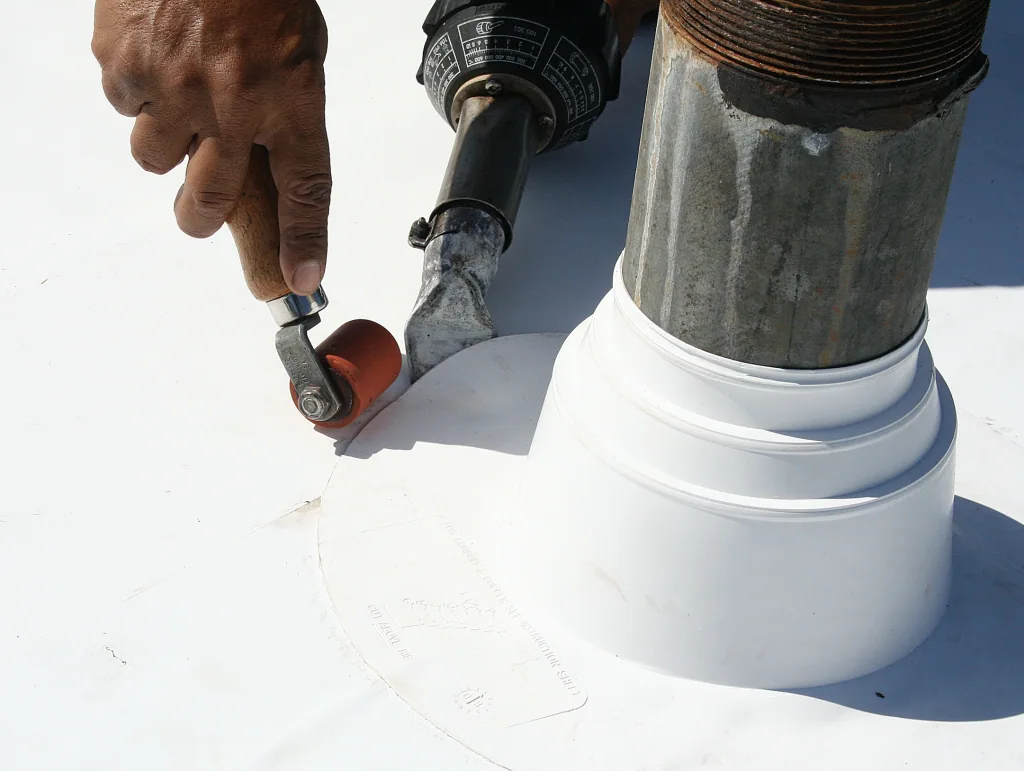
Hotels have kitchens, laundry rooms, pools, meeting areas, and mechanical spaces that can add penetrations or exhaust. We check pipe supports, fan curbs, condensate routes, and flashing near those systems. If a line has been serviced, the maintenance team can share the equipment record. The roofer repairs the roof detail; a mechanical contractor handles equipment connection or shutdown.
We also check interior protection needs. A guest room may need furniture covered, while a meeting room may have event equipment. The hotel contact decides which spaces are available and when. If water is active, staff can isolate the affected area while the response team prepares a safe roof route.
Water around a bathroom exhaust or plumbing vent may enter through a roof penetration, a pipe joint, or an interior condensate line. We inspect the roof boot and nearby membrane, then note whether the line itself needs a plumber. If the stain appears after a shower or laundry cycle rather than after rain, that timing is useful for separating roof entry from plumbing or condensation.
At a roof drain, we check the bowl, strainer, membrane clamping detail, and overflow route. A drain may be clear while the roof slope still directs water behind an equipment curb. We mark the low area and note any standing water, then compare it with drain elevations. A local repair may not solve a condition caused by settled insulation or deck slope.
Schedule Work Around Guests
Roof access, noise, odors, and lift placement can affect guest experience. We identify the work zones that need a quiet window and which tasks can continue near occupied rooms. Deliveries and debris removal use service entrances where possible. The hotel manager confirms event schedules, guest paths, and any period when an area must stay clear.
A reroof requires a daily dry-in limit. We divide the roof into sections the crew can close before leaving and keep drains open as the work progresses. If the forecast changes, removal stops at a boundary that can be protected. Unexpected wet insulation or deck damage is photographed for owner review before the crew expands the area.
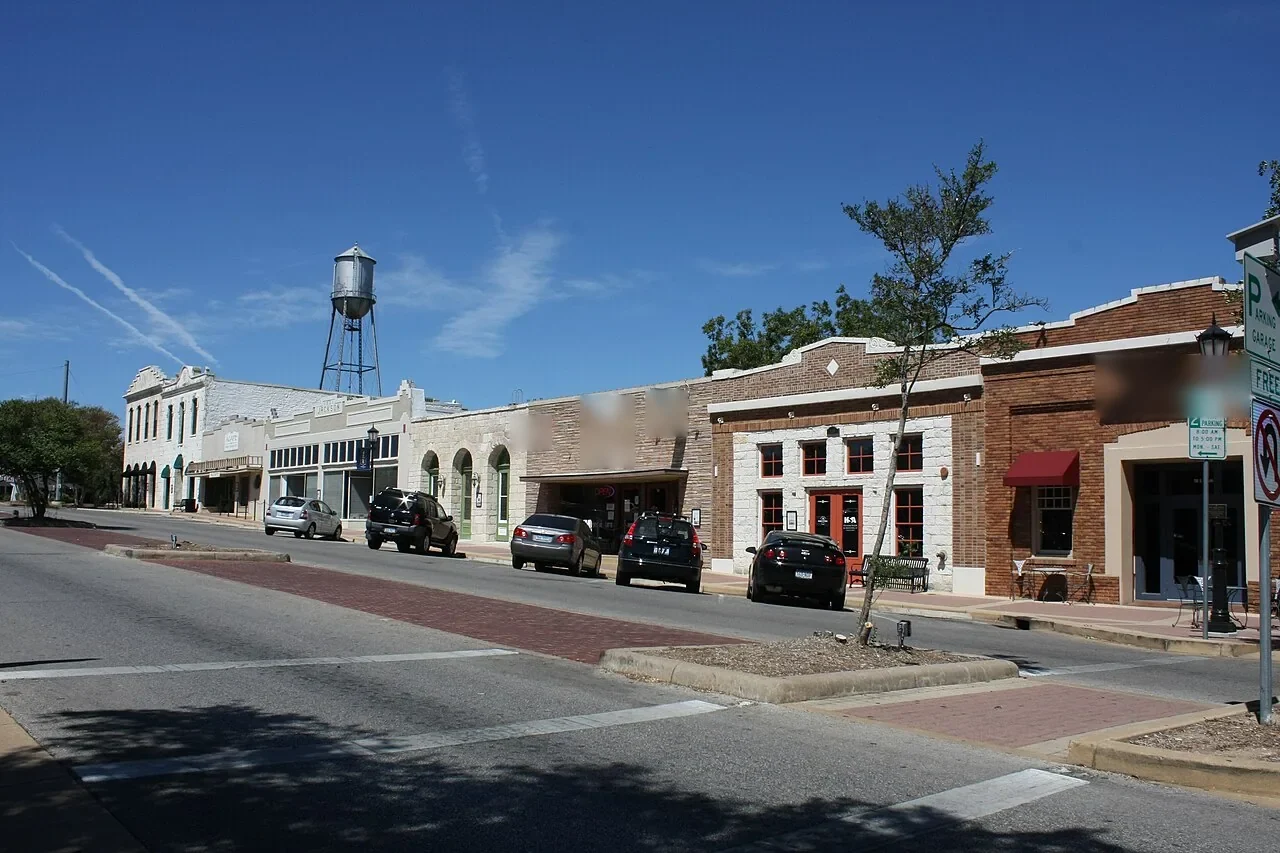
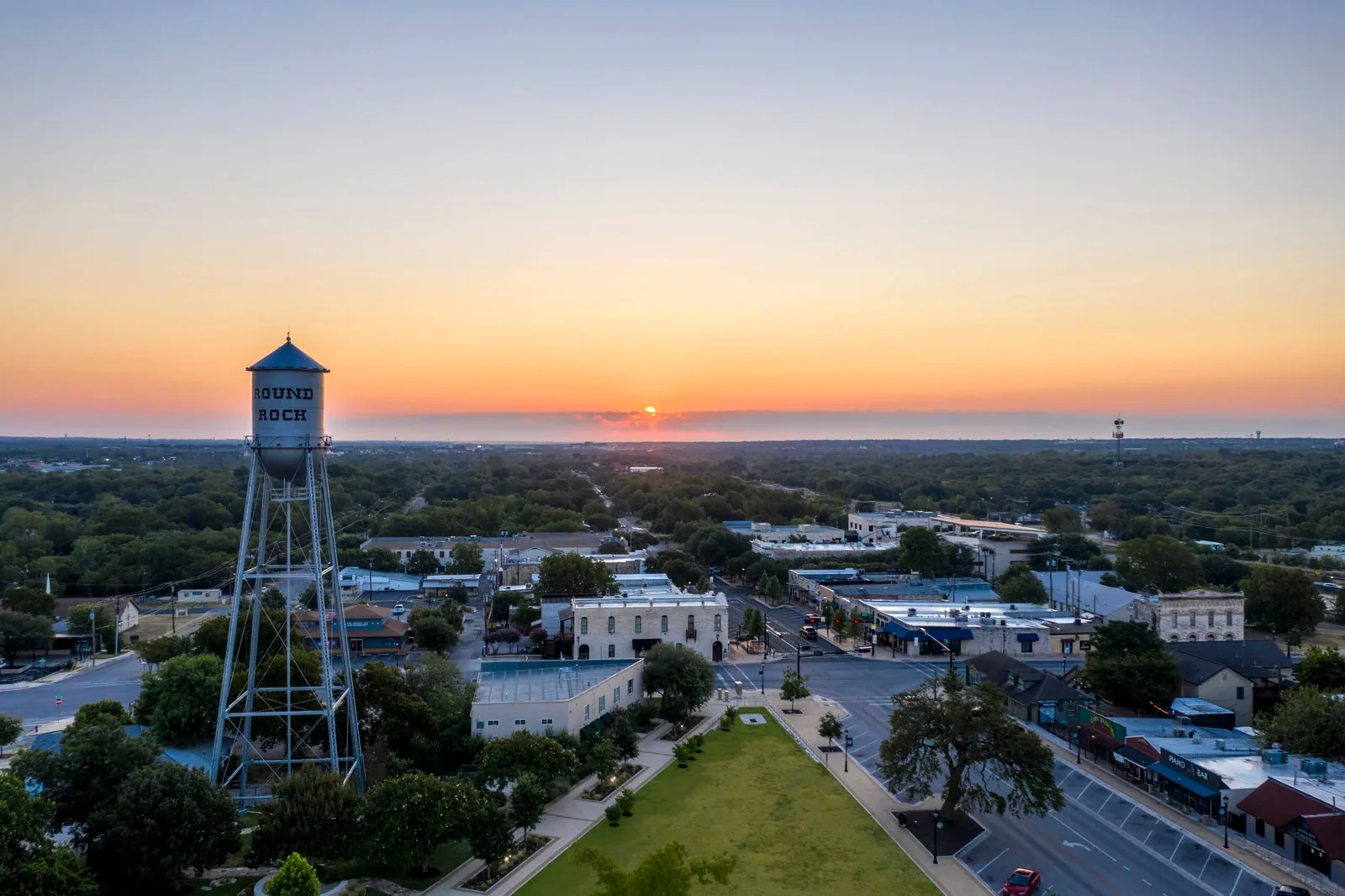
In Round Rock, the approved Kalahari plan includes a water park and convention center. Downtown Round Rock has a mix of commercial, retail, dining, and lodging uses. These distinct local settings can bring event, guest, and service access considerations to the roof schedule.
Before mobilization, hotel engineering can flag unit shutdowns or roof hatches that require an escort. We record who can approve a change, where guest-facing barriers will end, and who releases each route after the work area closes. For noisy repairs, include the planned start and stop time in the work order and give the front desk a contact for schedule changes.
Choose Repairs by Roof Zone
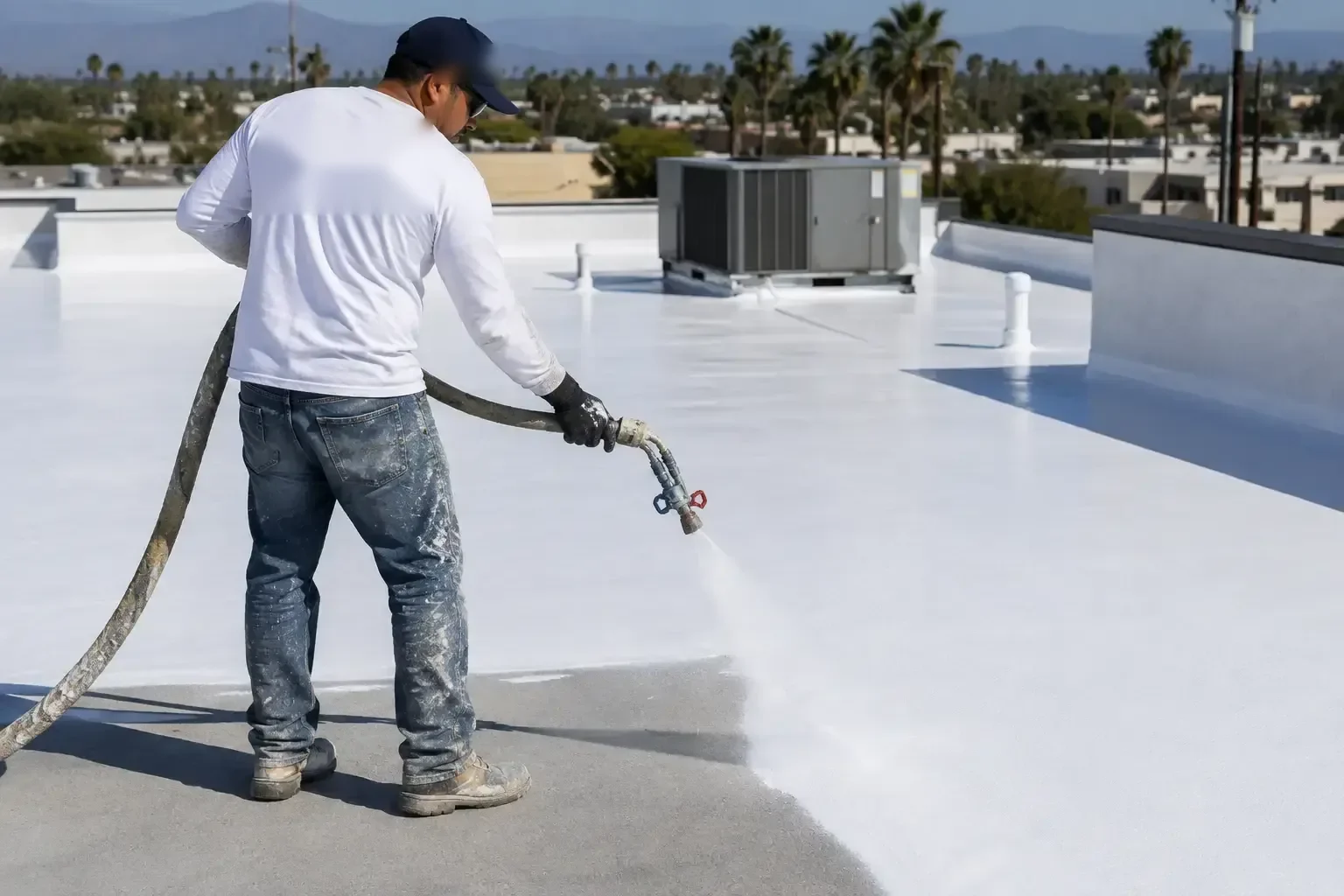
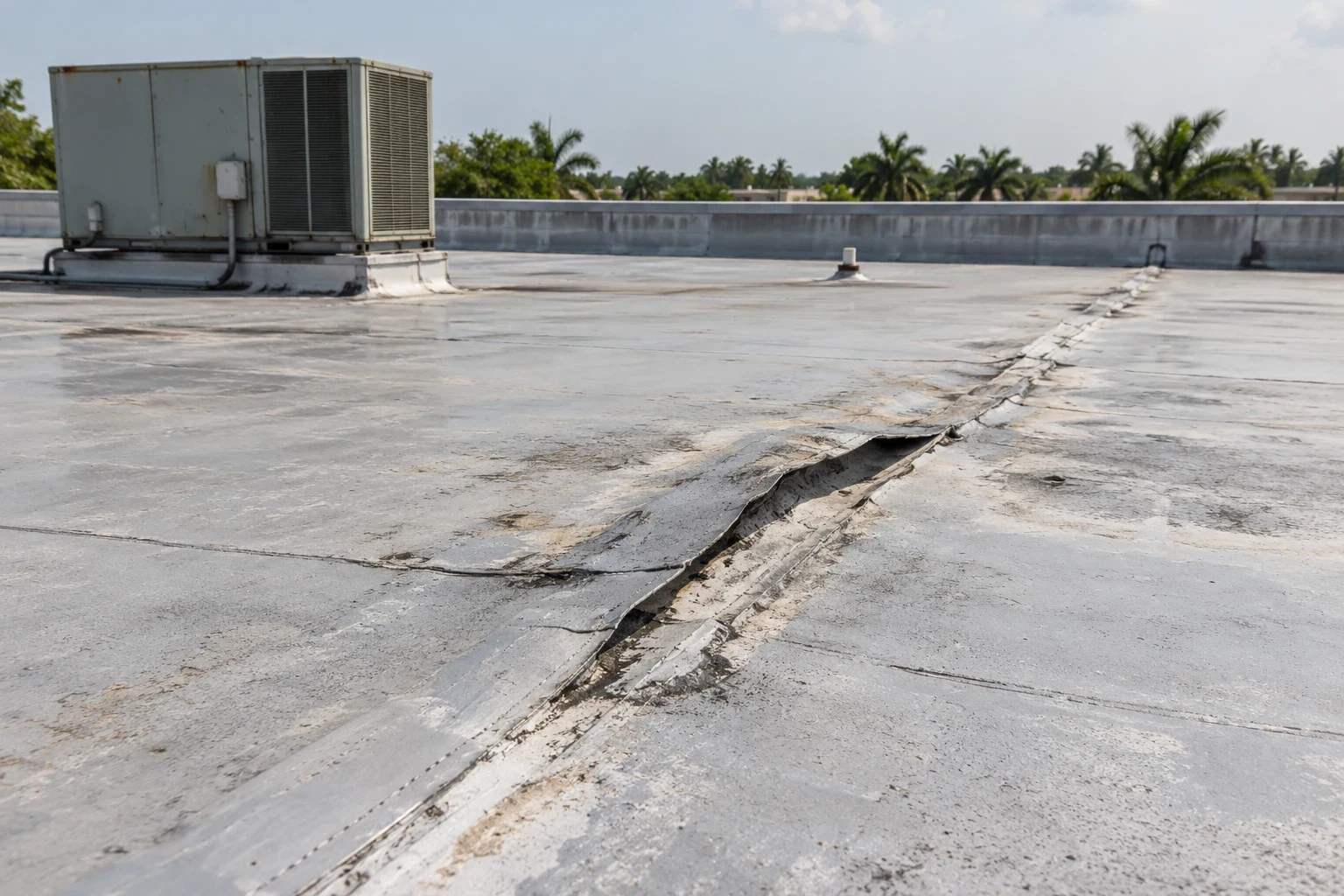
A localized flashing repair may stop a leak where the surrounding membrane is sound. Several rooms with recurring stains, wet insulation, or open seams can call for a broader investigation or reroof phase. We identify affected floors and roof zones, then compare repair options with the area that testing confirms.
Cost and timing factors include roof height, number of guest rooms below the work, equipment access, membrane type, interior protection, loading route, and after-hours restrictions. A resort with meeting spaces may need work sequenced around scheduled events. The scope identifies any room closure, noise window, or mechanical coordination required.
Related work may include a roof inspection, occupied-building reroofing, or drain repair. System choices may include a TPO membrane or silicone coating when the assembly can support them. A shopping center has tenant bays, while a restaurant roof can need kitchen exhaust coordination.
When the same leak returns, we compare repair photos, rainfall dates, room reports, and mechanical service notes. That history can show whether a patch edge reopened or a new penetration was disturbed. We plan the next test point from the record and explain what it will establish before making another opening.
Return the Room to Service
Before work, we record the room, roof zone, visible stain, and any furniture or equipment protection. Closeout photos show the repaired detail and material used. If a ceiling tile or interior finish needs replacement, the record assigns that work to the building team or appropriate trade.
After repair, the hotel contact can report whether the same room shows moisture after rainfall. If weather has not tested the repair, the closeout states that limit. A later inspection compares the symptom with the original map and checks adjacent roof details that could feed the same ceiling location.
Keep roof plans and repair records with room and equipment histories. When a new fan, kitchen exhaust, or antenna is installed, the roofer can review the penetration detail before it is cut. That helps preserve the roof while keeping guestrooms and service areas available.
Once a roof zone is complete, the final walk checks its seams, flashing, drains, and access path. Any temporary protection is removed or called out for the next crew. The hotel receives the work map so staff can reopen routes with a clear record of which equipment or areas remain restricted.
Before the last shift closes, walk the repaired zone with hotel engineering and compare the marked work area with the guest-room and event schedule. Identify barriers that can be removed, tests still pending, and details that need a weather check. Put the access contact for a return visit beside the roof map so the next inspection can start at the right room and roof section.
Questions About Commercial Hotel Roofing
Can you stop a leak without closing the guest room?
We coordinate roof access and interior protection with hotel staff. The room may remain open if the roof work does not require entry or create a safety concern, as the hotel decides.
How do you plan a reroof during a convention?
We use the event calendar to avoid noise, lift work, and material routes near occupied spaces. Each shift still needs a dry-in boundary that can be closed safely.
What if water appears in several guest rooms?
We map each room and compare the symptoms with roof zones, drains, and mechanical details. The pattern may help select test points, but each entry path needs field review.
Can you coordinate with hotel engineering staff?
Yes. The engineering team identifies equipment rules, shutdown needs, room access, and service routes. We document which work belongs to the roofing crew and which requires another trade.
What should hotel staff include in a leak call?
Provide the room or area, floor, time, active water status, roof access contact, and any event or guest restriction. Photos can help locate the interior symptom.
Related Roofing Work
Round Rock
Downtown Round Rock
Commercial Roof Inspection
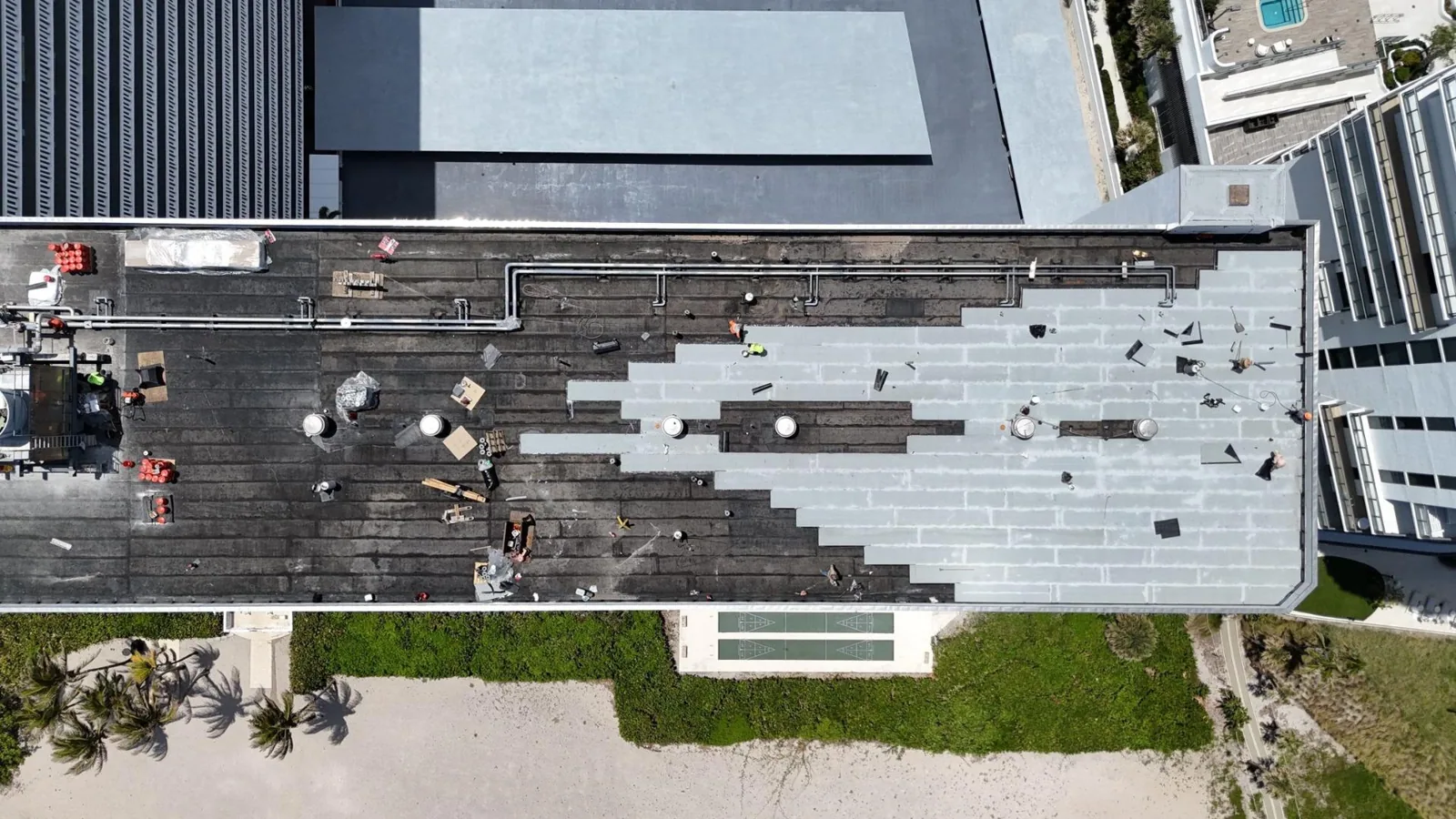
Occupied Commercial Building Reroofing
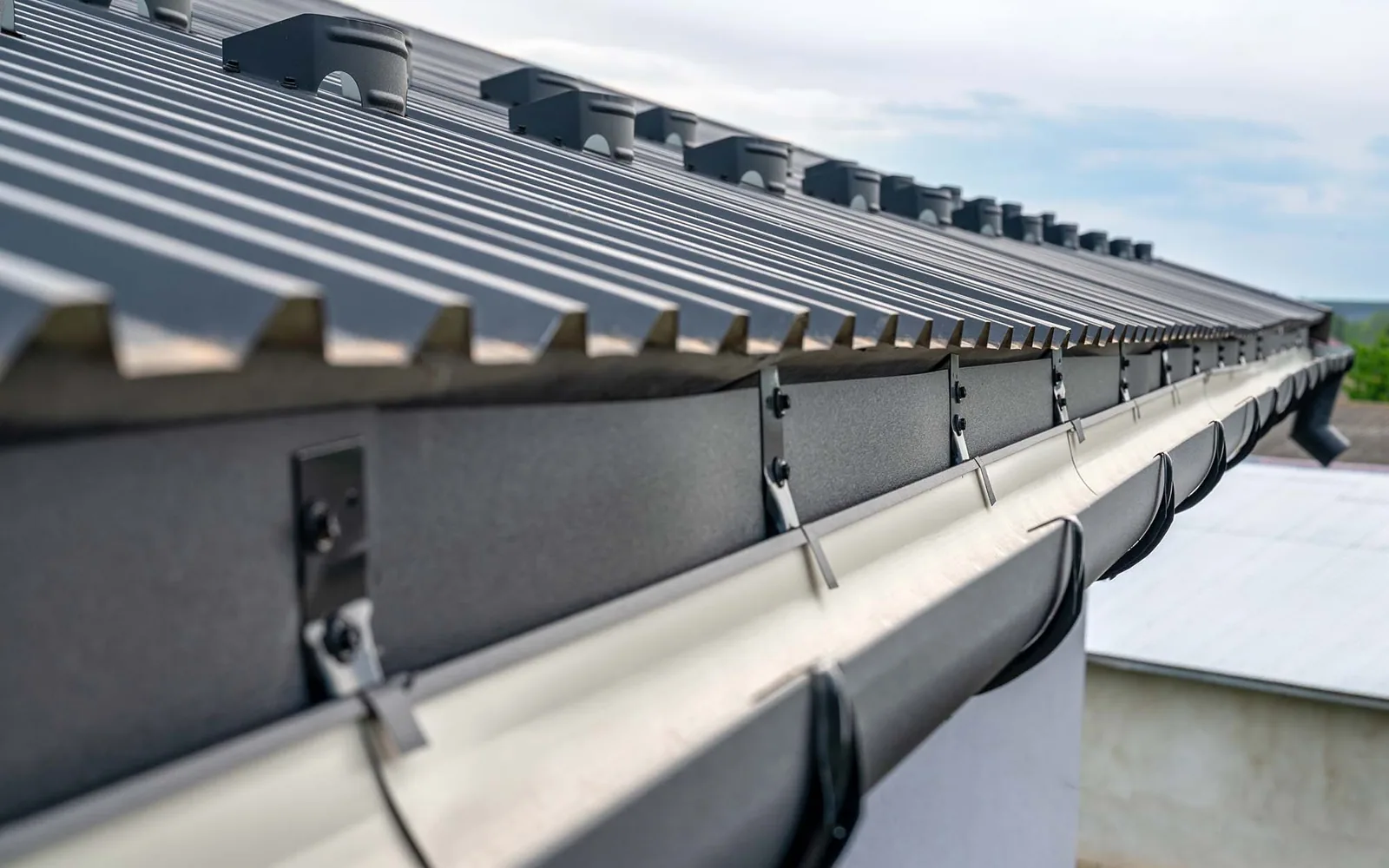
Commercial Roof Drains and Scuppers