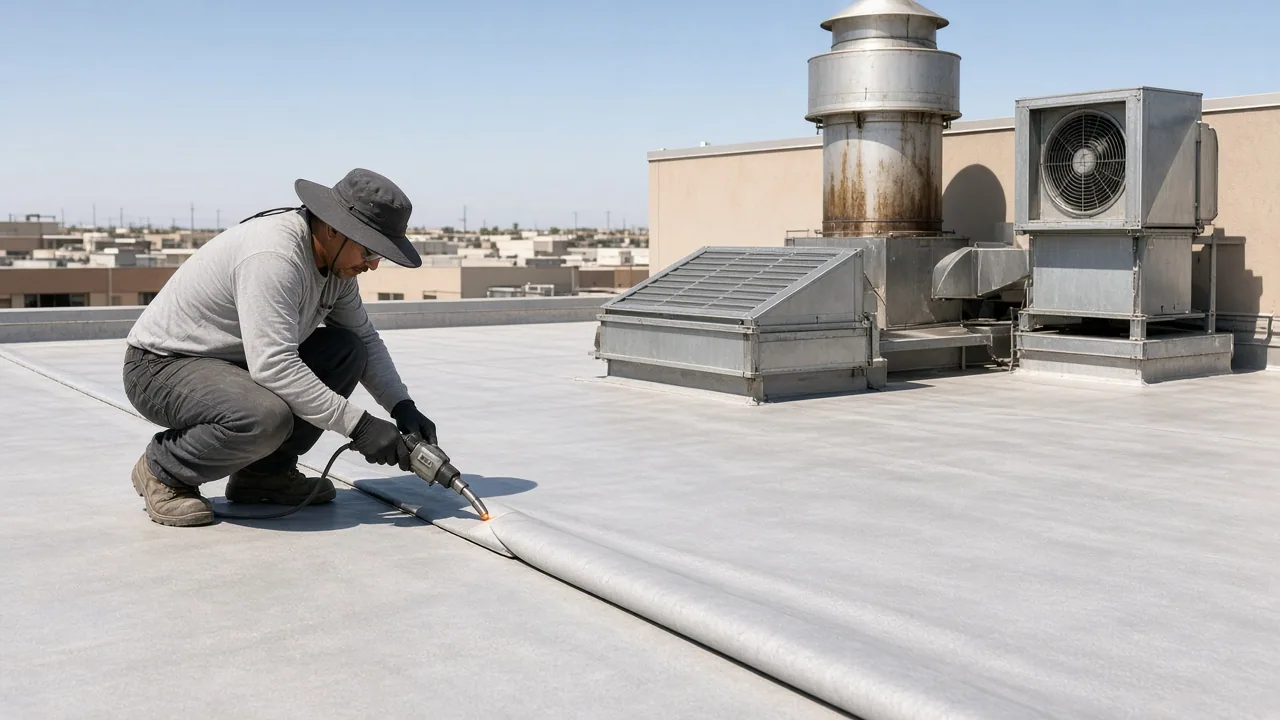
Locate the Kitchen Roof Detail
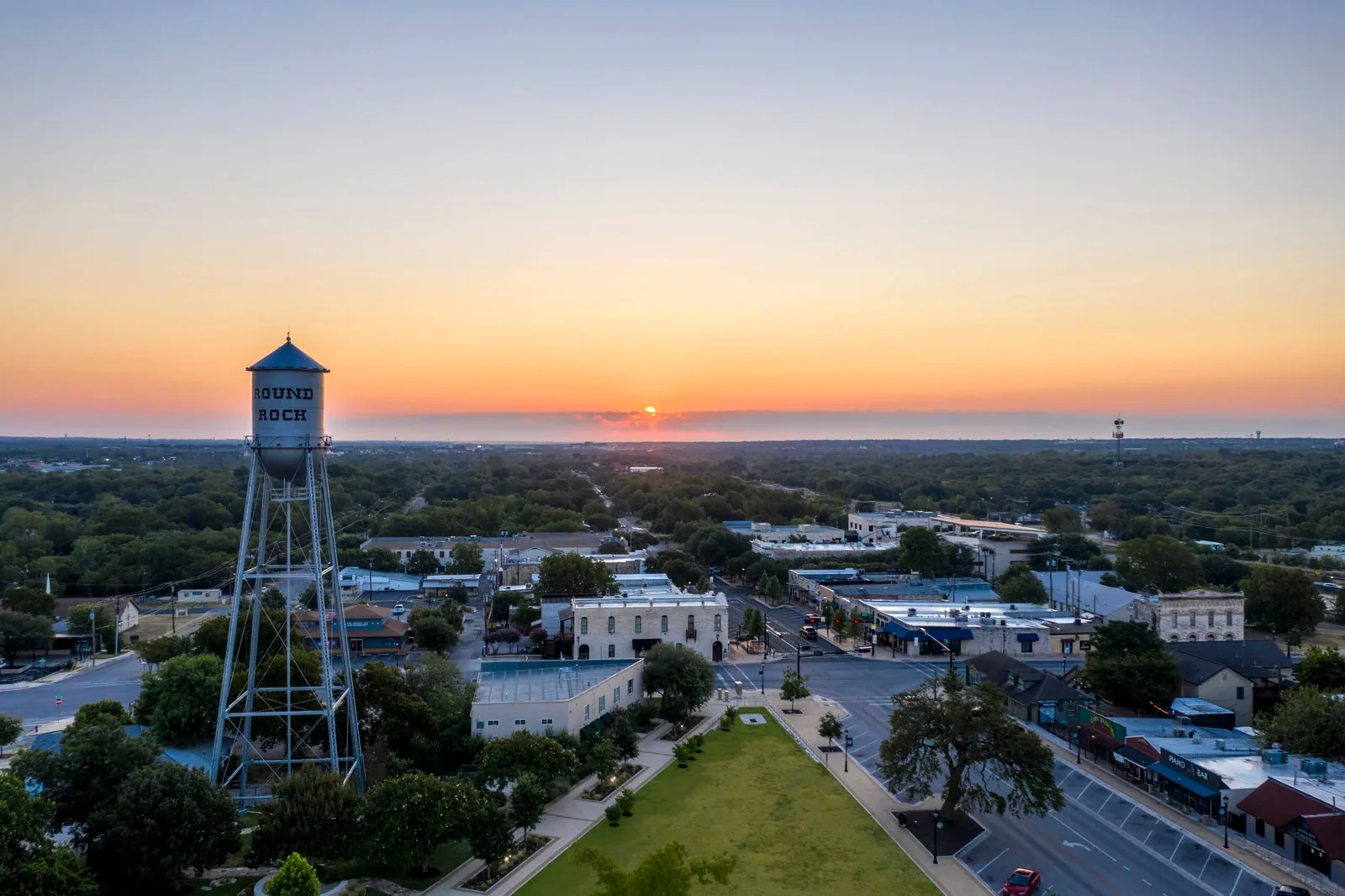
A grease-stained roof area near a kitchen exhaust fan needs more than a fresh coating. We identify the membrane, inspect the curb and duct transition, and check whether residue has affected the repair surface. Round Rock's Downtown district combines restaurants with retail, lodging, and public uses. The District at SH 45 and Greenlawn is also planned with restaurant and grocery space. Restaurant roof work must protect dining operations and keep exhaust routes clear.
A leak above a dining room can travel from the kitchen curb or a roof drain. We map the symptom and inspect the surrounding details before choosing material.
Send the dining or kitchen leak location, roof plan, exhaust and refrigeration records, access hours, and food-area protection rules. We will inspect the penetration and set the repair boundary. Call 555-555-5555 or request a roof assessment.
Inspect Exhaust and Refrigeration
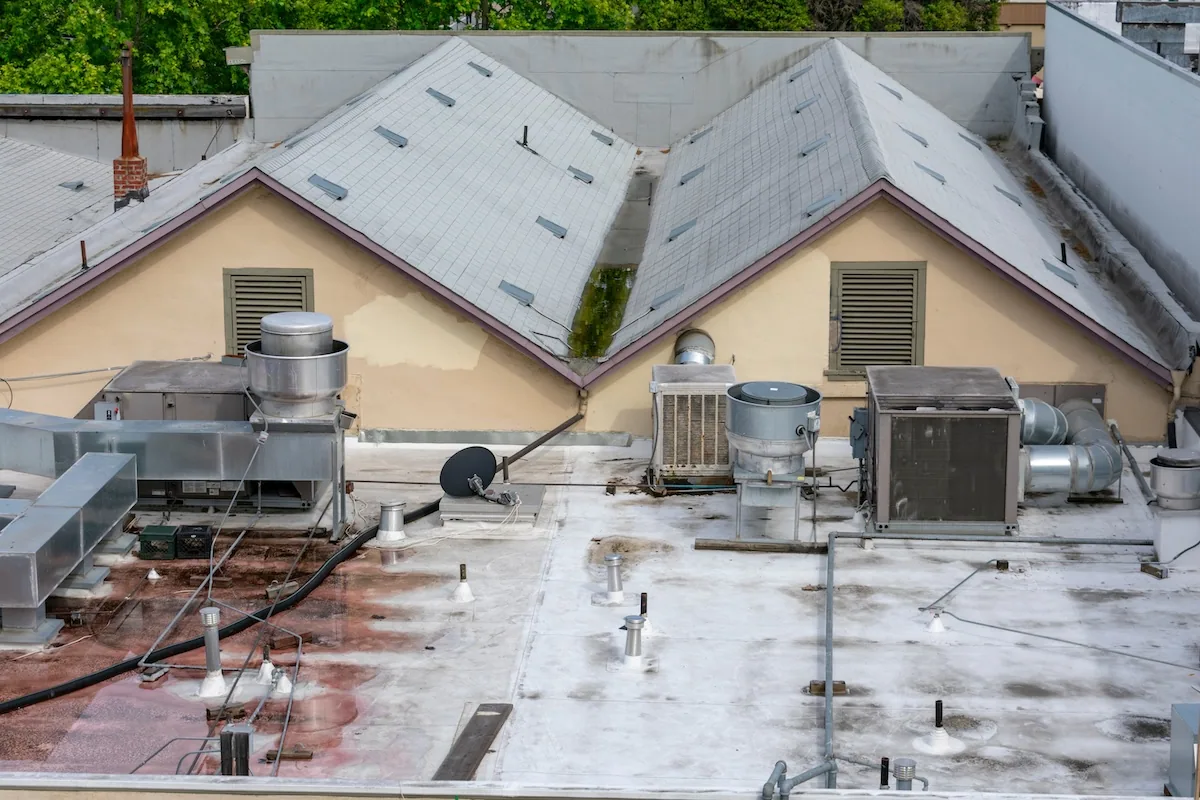
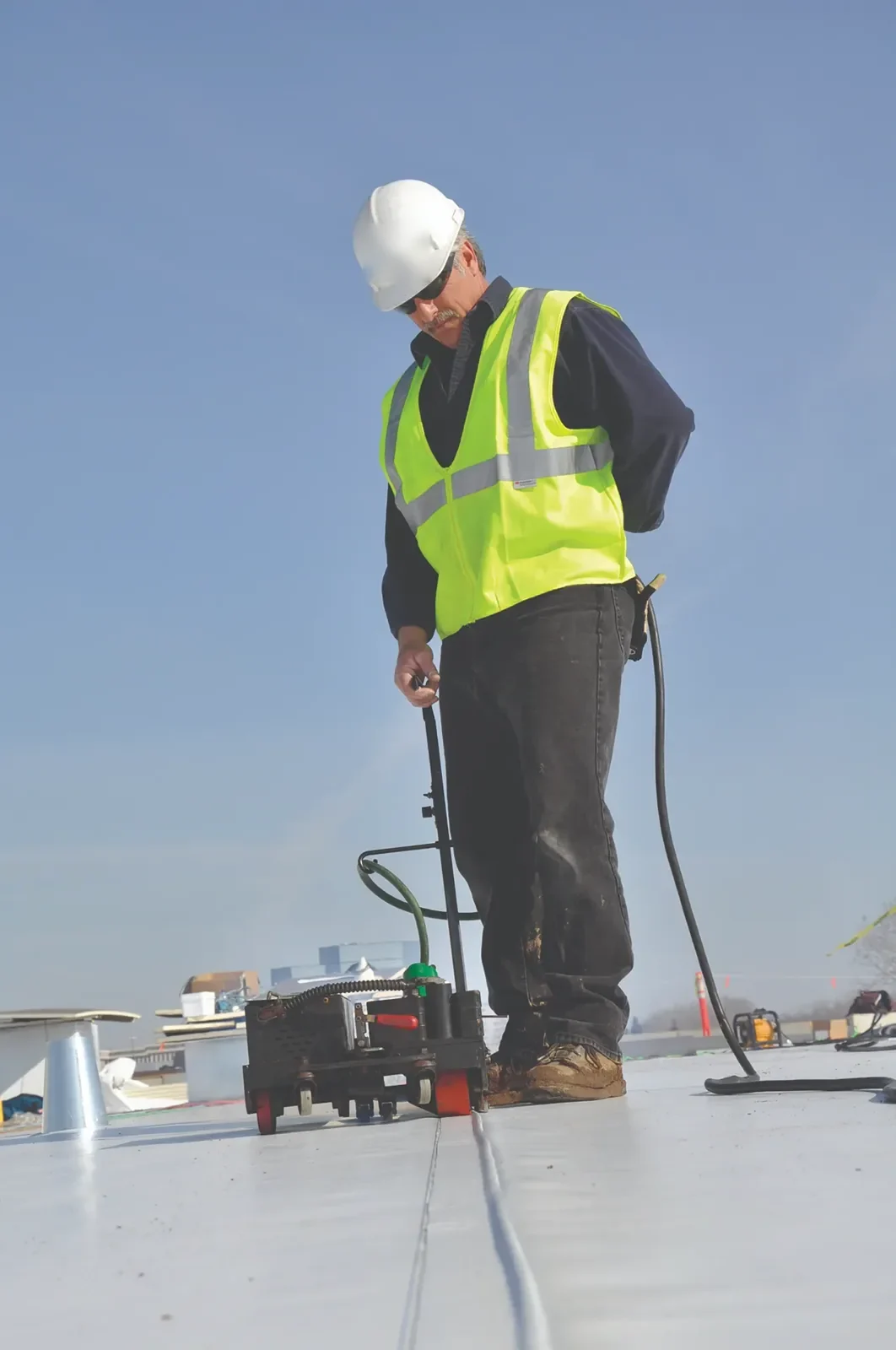
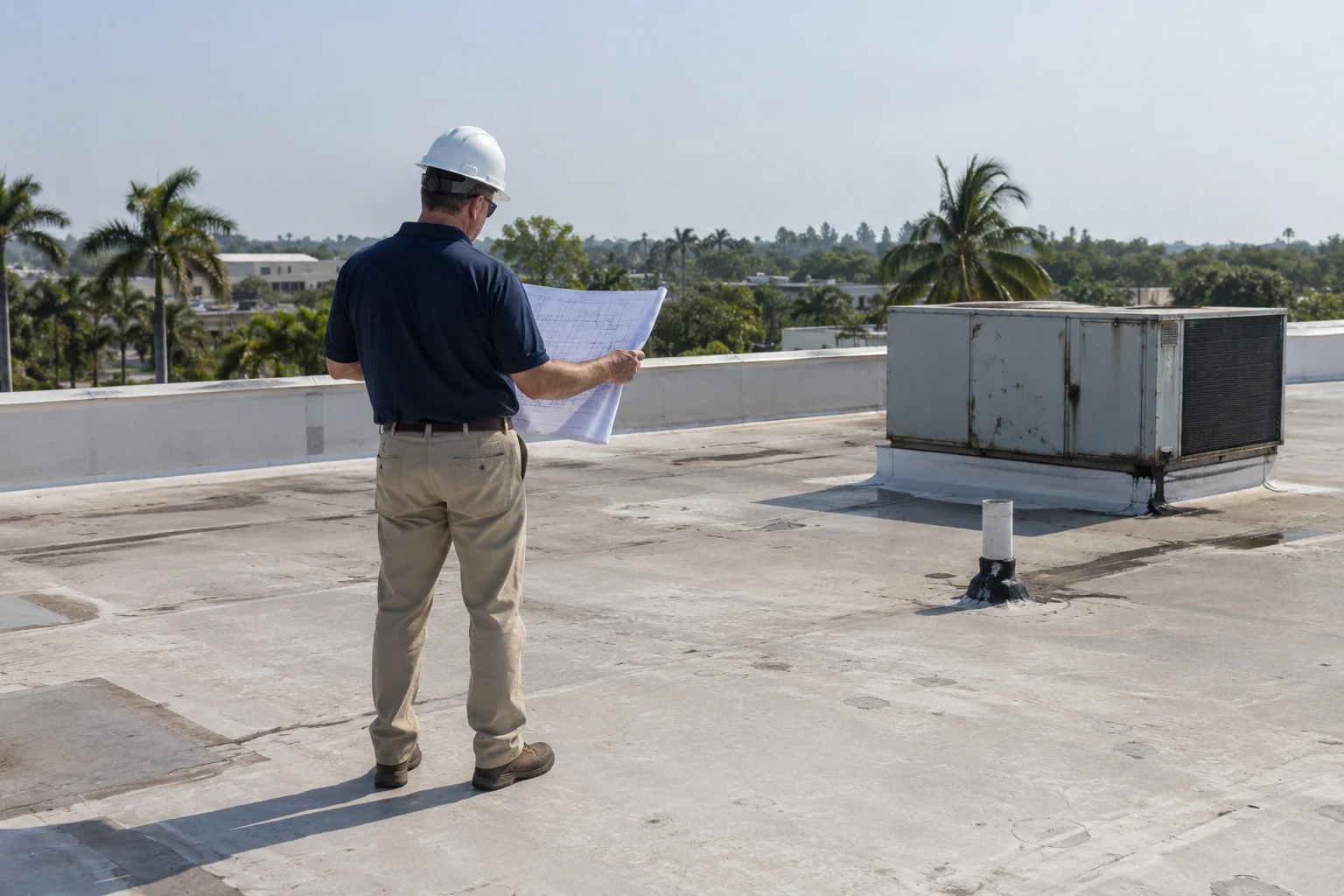
Kitchen exhaust deposits grease and heat near the fan curb. We inspect the curb flashing, metal cap, membrane, and surrounding seams for residue, softening, cracks, and failed sealant. The repair surface needs cleaning that is compatible with the roof system. A hood or duct cleaning scope may belong to a separate contractor, so we note where that work intersects with roofing.
Refrigeration piping and condensate lines create additional penetrations. We check boots, support pads, pipe movement, and discharge routes. If a leak appears near a walk-in cooler, the restaurant team can tell us whether the unit was serviced or whether the symptom follows a defrost cycle. That timing can help distinguish roof water from equipment condensation.
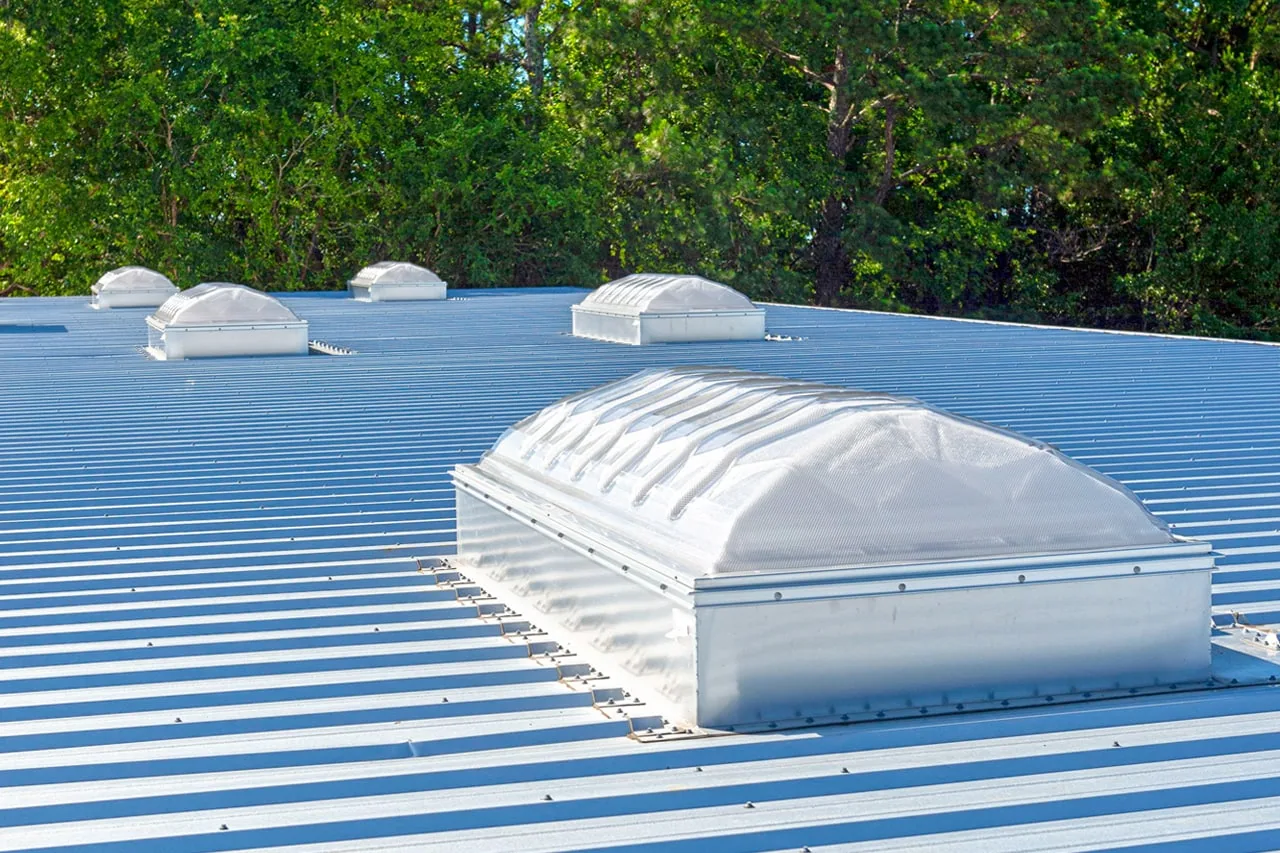
Water above a dining room may follow a deck rib or insulation joint from a higher roof section. We record the ceiling location, active water status, and any electrical equipment nearby. The roof walk checks drains, parapets, skylights, and mechanical curbs beyond the exact point over the stain.
Some restaurants have multiple exhaust fans, makeup-air units, and grease ducts on one roof. We number each curb and match it to the kitchen equipment list. That makes it easier to identify which fan operates above the affected room and whether cleaning or service work touched its flashing. If a duct crosses a roof valley, we also inspect the uphill side where debris or runoff may collect.
A discharge line can stain the membrane without causing a leak. We look at the line outlet and the surface beneath it, then check whether the material has softened or the coating has separated. The field record distinguishes a cosmetic mark from an opening in the roofing layer. If a chemical or grease sample is needed, the owner approves the test method first.
Protect Service and Dining Areas
Roof access may cross delivery routes, outdoor dining, customer doors, or kitchen intake equipment. We plan lift setup and material movement with the manager before arrival. Work near an air intake or exhaust opening may require a shutdown window or temporary protection. The restaurant decides when dining areas can be closed or rerouted.
During a reroof, crews close each work zone before the shift ends. The dry-in boundary follows drains and transitions so water can still leave the roof. If removal exposes wet insulation or damaged deck, photos and measured quantities go to the owner before work expands. Interior covers remain in place until the opening is watertight.
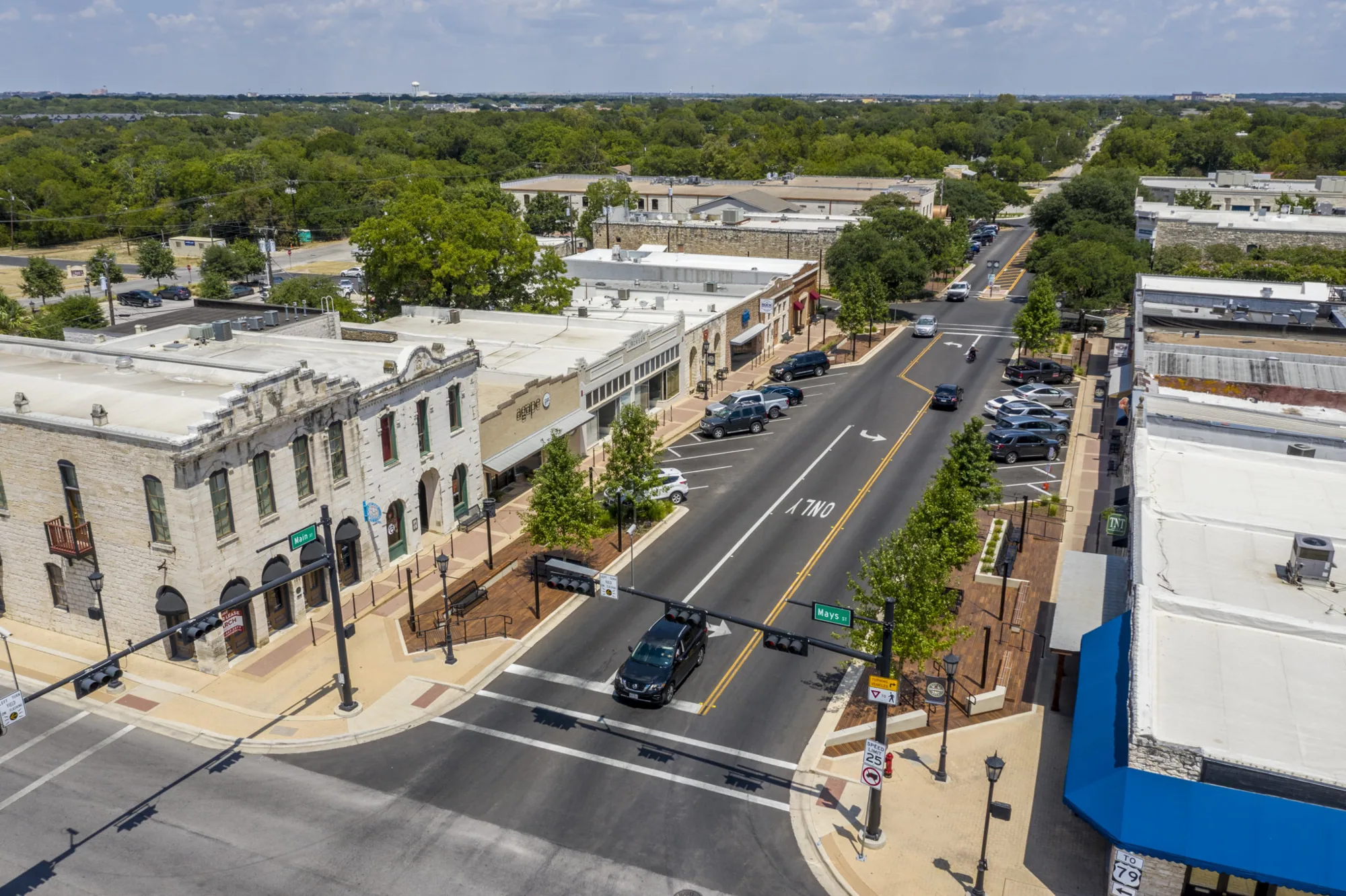
At Downtown Round Rock, city plans combine restaurant, retail, entertainment, residential, and public spaces in a walkable district. The District at SH 45 and Greenlawn has an approved mixed-use plan that includes restaurants. A site manager can use those location layouts to plan access and public protection for an individual building.
Outdoor dining can extend beneath a canopy or patio roof that connects to the main building. We inspect the transition between those surfaces and mark the area that can be reached from the main roof. A canopy may require its own access equipment or separate contractor. The estimate names that boundary so a leak near an exterior table is not assigned to the wrong roof assembly.
Set the Repair Boundary
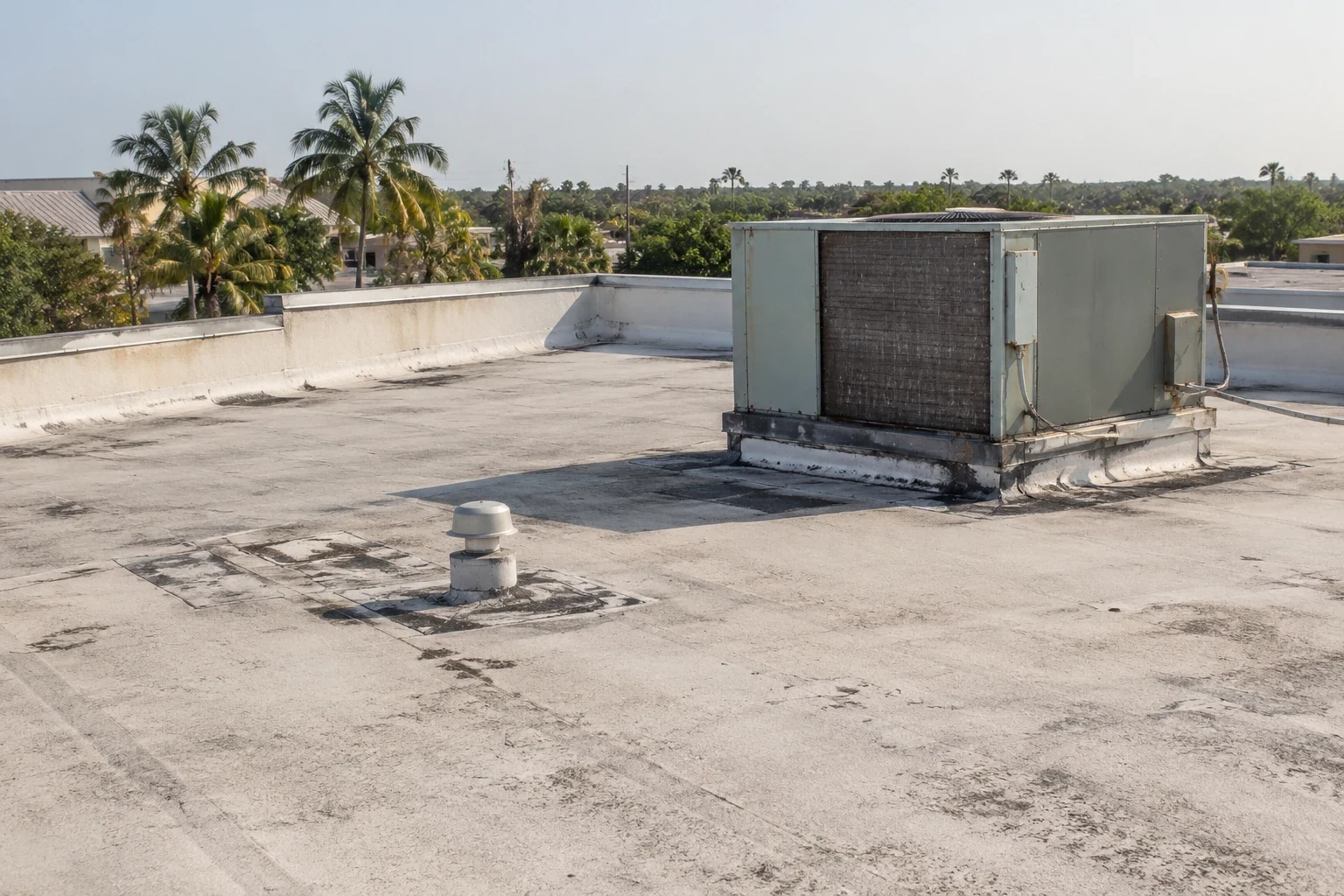
A localized curb repair may be sufficient when the surrounding membrane is dry and secure. Widespread grease damage, repeated open seams, wet insulation, or a failed deck may call for larger replacement. We show which condition supports the proposed scope and what remains for further testing. A coating should not be used to conceal an exhaust detail that has not been repaired.
Timing and cost factors include fan count, exhaust residue, roof height, access window, kitchen schedule, drain protection, and interior food-area safeguards. If the fan must be raised or disconnected, the mechanical contractor coordinates that work. The roofing estimate identifies flashing and membrane work separately from hood, duct, or electrical service.
Related scopes include a roof inspection, penetration flashing, or drain correction. System options may include PVC roofing or TPO roofing, subject to the design. A grocery roof has refrigeration and food-protection needs, while a hotel roof may require guest-area coordination.
A restaurant may have food deliveries before opening and waste pickup after closing. The property manager can identify those hours so the roofing crew avoids blocking the receiving door or dumpster path. If work needs a temporary closure, the daily map shows its start and release time. This lets staff plan service without leaving an unprotected roof opening during a shift change.
Keep the Kitchen Roof Record
Before work, photos show the exhaust curb, adjacent roof surface, drain route, and reported interior location. The closeout identifies the cleaning or preparation method, repair product, and any area excluded from work. If another contractor must service the hood or refrigeration line, the record names the coordination point.
After a rainfall, staff can report whether the same dining or kitchen area has moisture. If rain has not tested the repair, the closeout says so. A later roof walk checks the flashing and nearby seams before recommending another patch.
Keep exhaust cleaning dates, equipment service notes, roof plans, and repair images in the building file. When a new hood, duct, or pipe is installed, the restaurant can have the roof transition reviewed before opening the membrane. That record helps the next repair crew distinguish a new penetration from an earlier curb fix.
After equipment service, staff should note whether a fan base, pipe support, or line changed position. A small movement can stress the membrane around the curb. We compare that observation with the original photos and inspect the joint before applying a new patch. The equipment contractor can then handle vibration or alignment issues while roofing restores the weather layer.
Questions About Commercial Restaurant Roofing
Can a roof coating handle grease from a kitchen exhaust?
The coating and membrane need review for compatibility and exposure. We inspect residue and the curb detail before proposing a restoration product.
Can you repair the exhaust fan curb?
We repair the roof-side flashing and membrane connection. A fan, duct, or hood disconnection is coordinated with the mechanical or kitchen-service contractor.
How do you protect a dining room during a roof repair?
We coordinate interior coverings, access, and work hours with the restaurant manager. Any room closure or equipment protection appears in the work plan.
What if water appears after a refrigeration cycle?
We compare the timing with rain and inspect both the roof penetration and equipment drainage. The refrigeration technician may need to check the unit if roof evidence does not explain the symptom.
Can a restaurant stay open during reroofing?
The schedule can phase work around dining and delivery hours, subject to noise, odors, roof access, and dry-in limits. The manager sets any temporary closure.
Related Roofing Work
Downtown Round Rock
Commercial Roofing Along Greenlawn Boulevard
Commercial Roof Inspection
Commercial Skylight and Penetration Flashing
Commercial Roof Drains and Scuppers