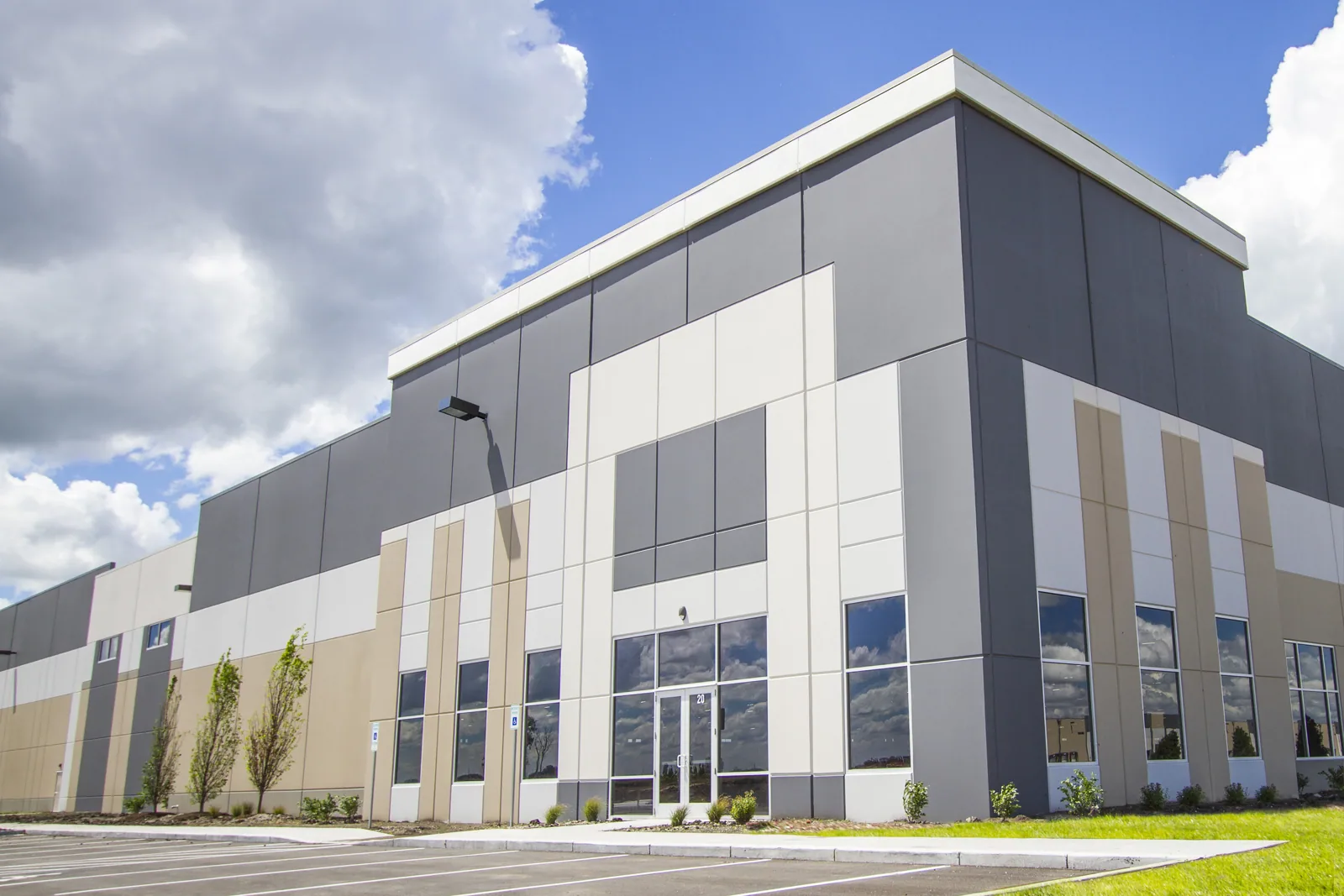
Identify the Bay and Roof Zone
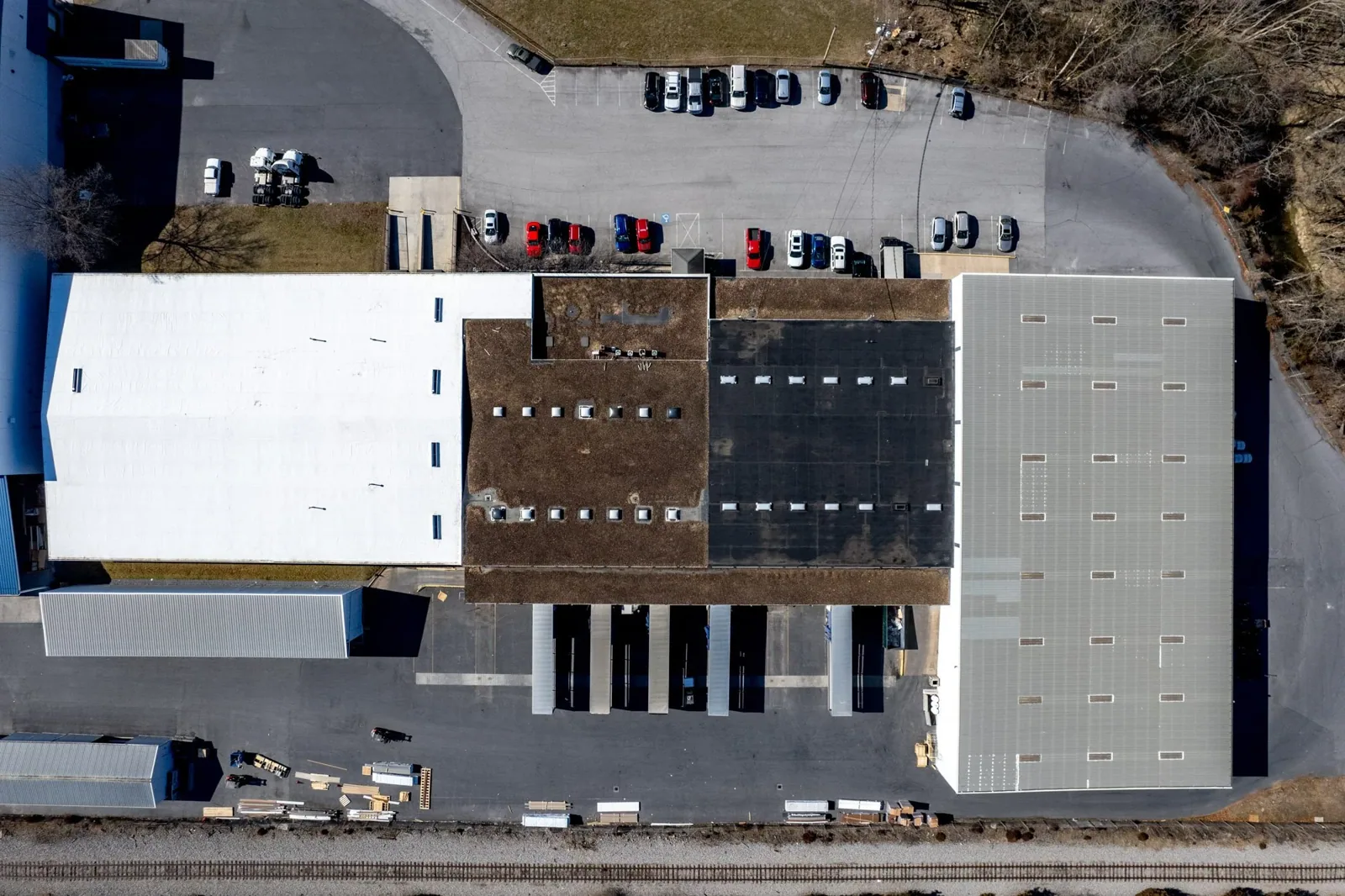
Water above an active service-bay lift can interrupt vehicle work before a showroom ceiling shows a stain. We record the bay, lift, and time, then inspect the roof zone above and nearby HVAC, skylight, and drain details. Round Rock Premium Outlets and IKEA Round Rock both sit near I-35 and University Boulevard, a retail corridor where customer and delivery access matter. A dealership roof plan also needs clear lanes for vehicles and repair operations.
Showrooms, service bays, parts rooms, and wash areas can have different roof layouts. We label each section before setting a repair limit.
Send the bay or room, roof plan, service hours, vehicle access rules, and recent equipment work. We will map the roof detail and plan vehicle protection. Call 555-555-5555 or request a roof assessment.
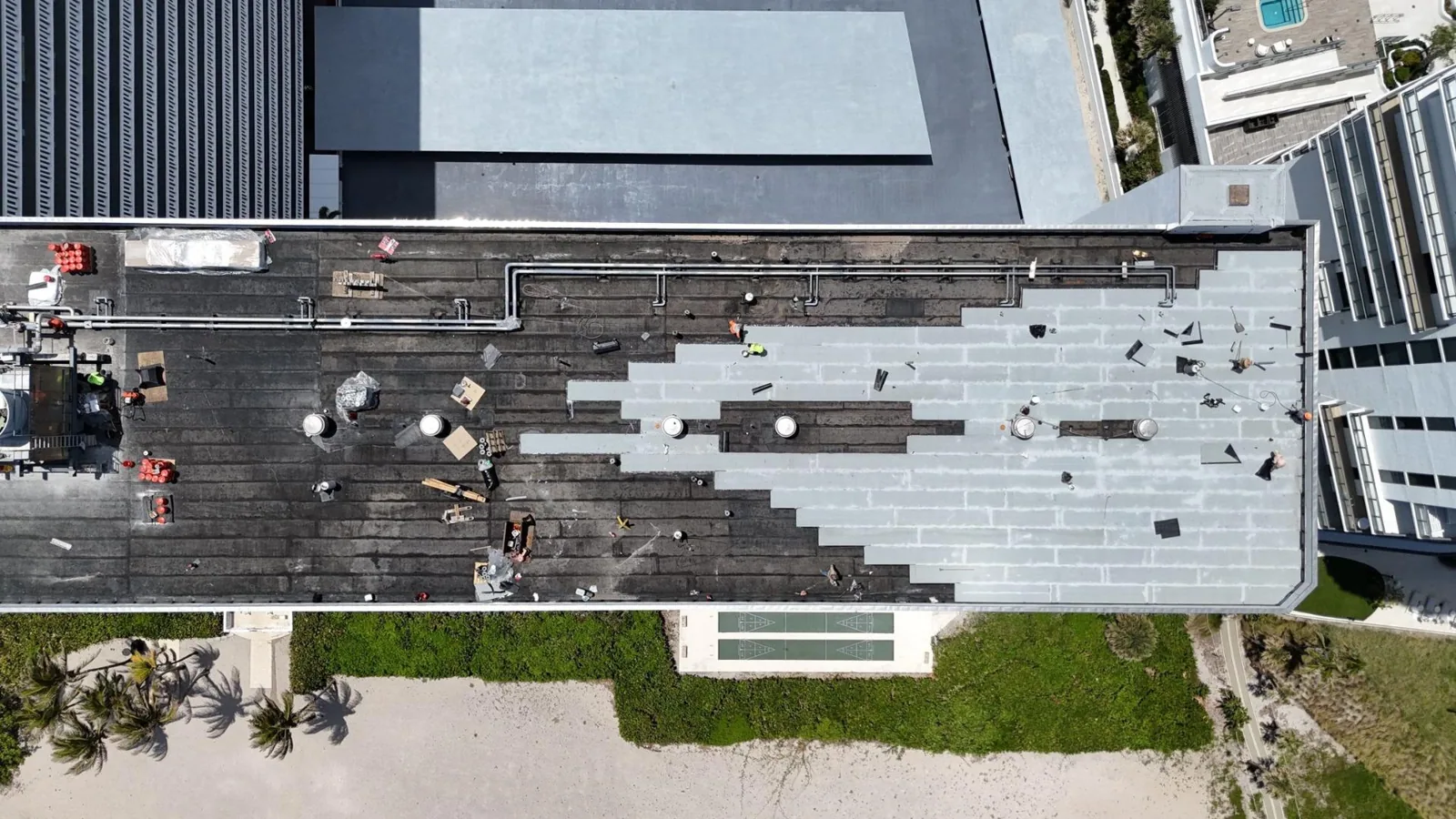
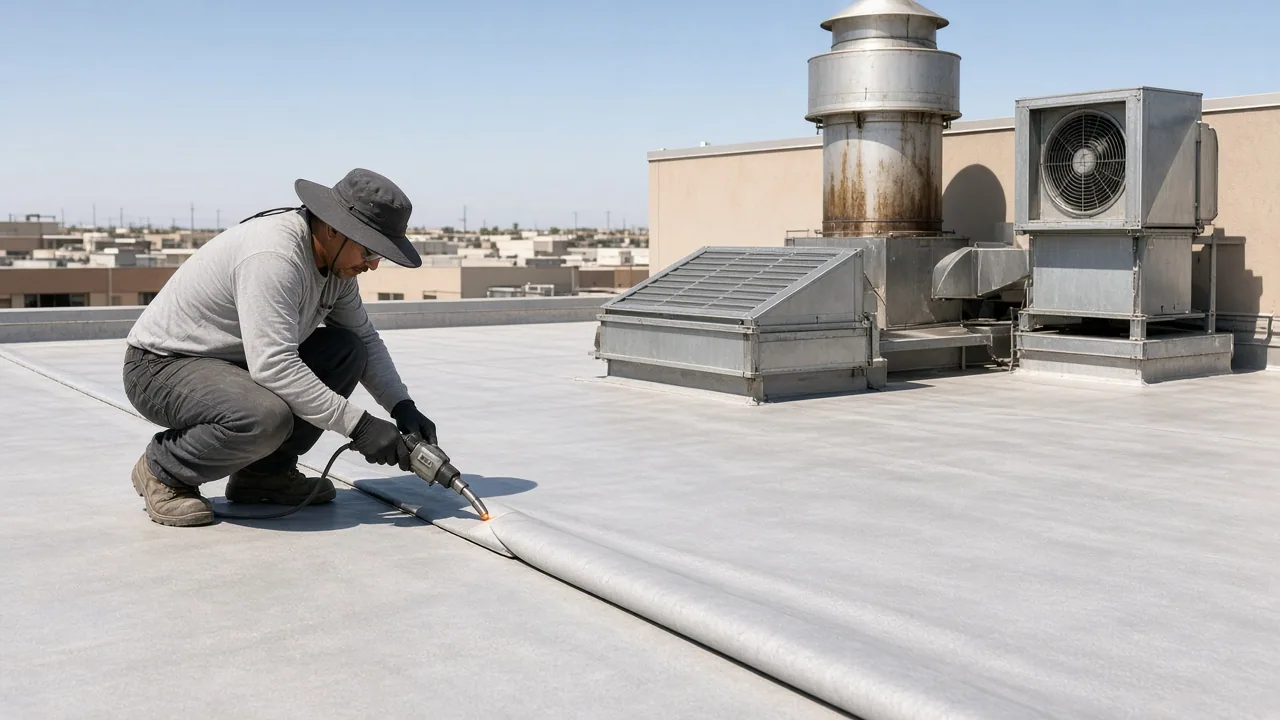
Separate Roof Leaks from Shop Moisture
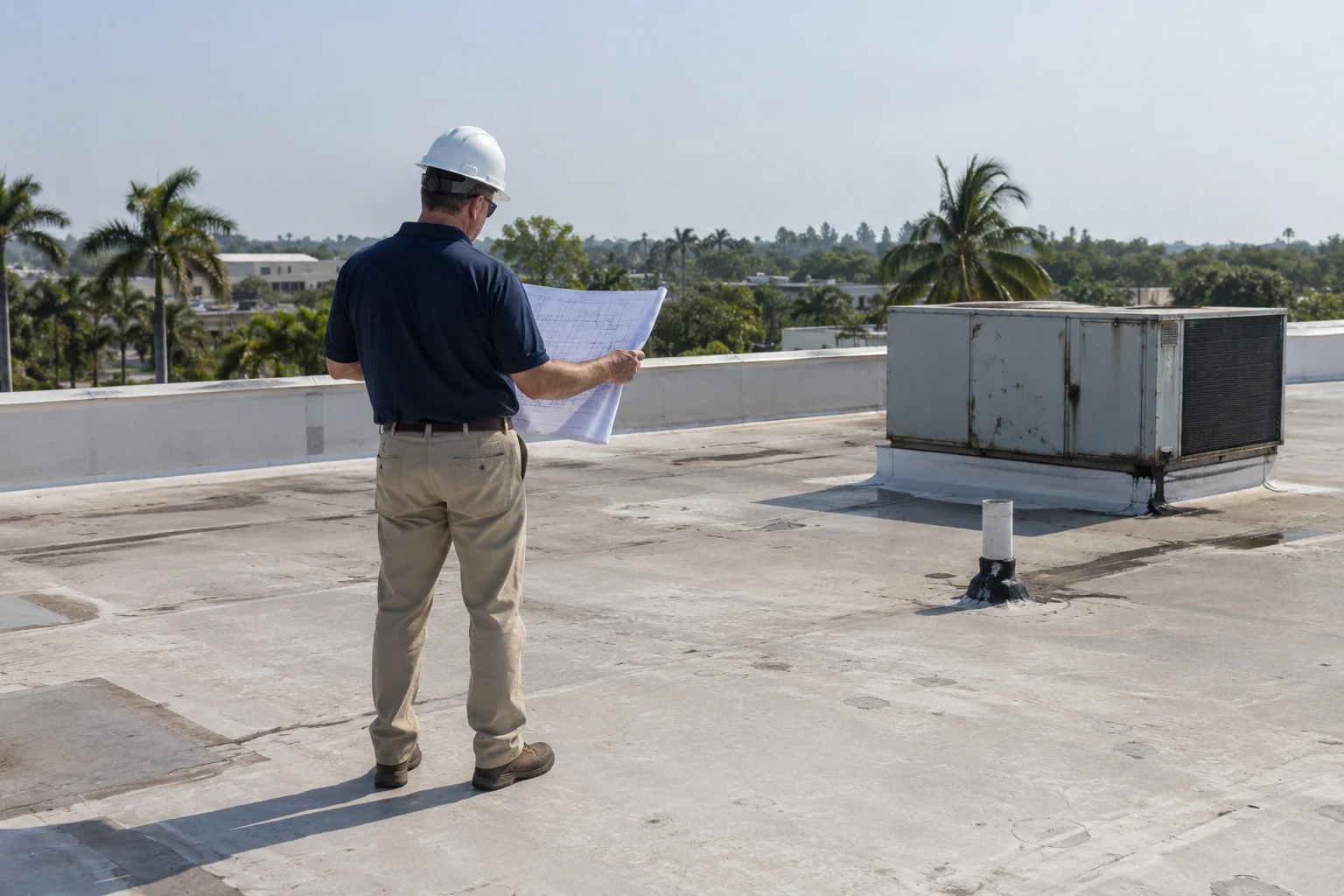
We compare the interior report with roof seams, penetrations, drains, and curb flashing. Water may enter above a parts room and travel along the deck before reaching a service bay. We inspect the likely route and note any test needed to check concealed layers. If a roof opening sits above electrical equipment, the facility contact sets protection and access.
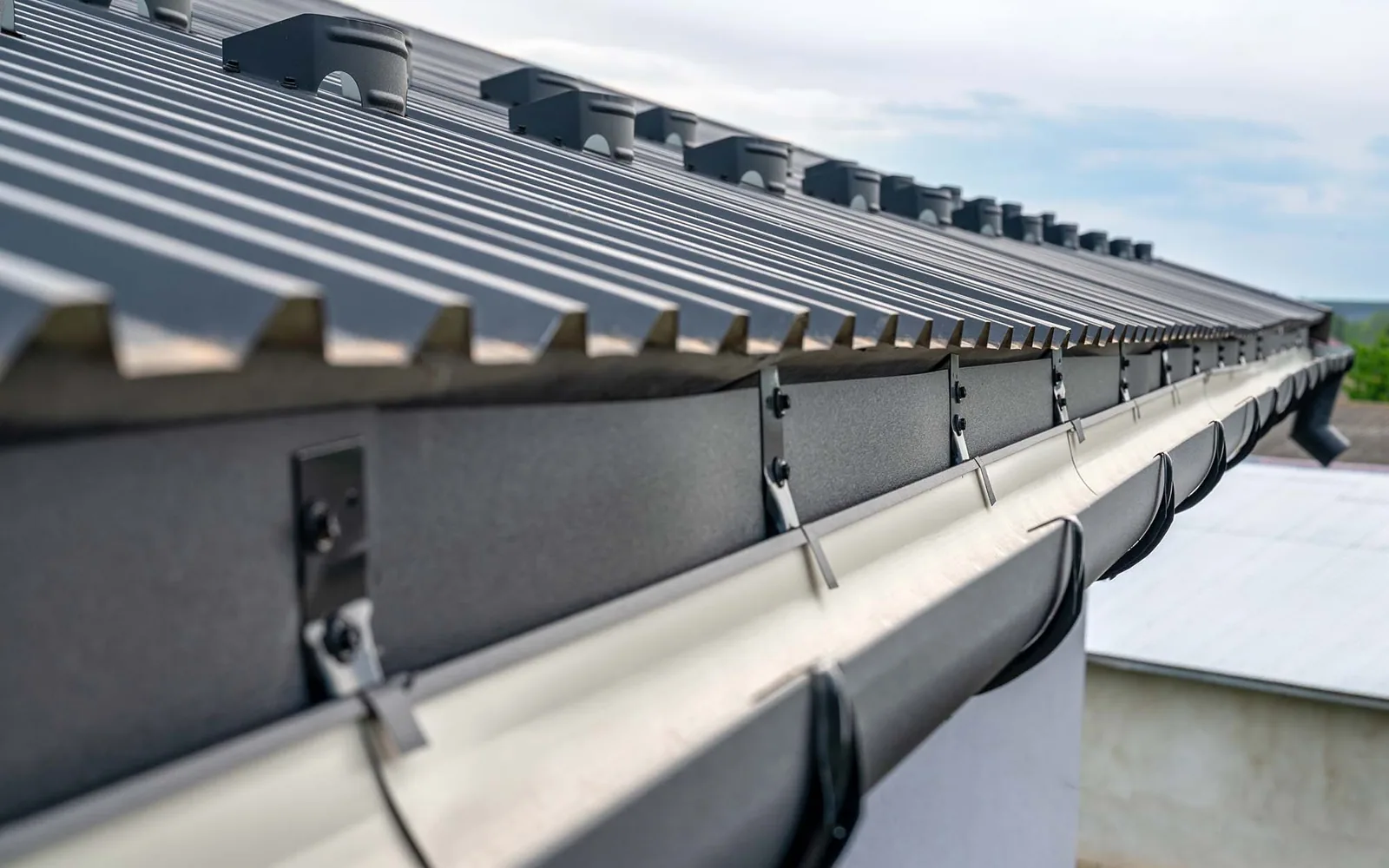
Service bays produce exhaust and can create temperature differences beneath the roof. We inspect vent curbs, fans, and nearby membrane for loose flashing or residue. Water from a wash area or condensate line can resemble a leak, so the report records when the symptom appears and whether rain correlates.
Roof-mounted signs, vehicle lifts, and equipment may affect safe access. We ask which units must remain active and whether technicians need rooftop clearance. A service team should not move a curb or support without coordinating the roof detail first.
When a leak appears beside a vehicle lift, we note the equipment position and whether the ceiling above contains a light, sprinkler, or exhaust duct. The roof-side inspection checks any penetration or support directly over that bay and follows nearby seams toward the drain. A stain can spread along a joist before reaching the floor, so the repair map includes the roof zone and interior location.
Dealerships may wash vehicles or service outdoor inventory. Water entering through a roof can combine with wash water at the floor, which makes the timing of the symptom useful. We ask when the bay was last wet and whether the exterior wall or door was open. That detail can distinguish wind-driven entry at a wall from a roof membrane defect.
Keep Sales and Service Moving
Lift placement, material delivery, and debris removal can cross vehicle routes. We mark the setup area and keep customer entrances, fire lanes, and service drives available where the work plan allows. A noisy repair may fit better outside sales hours, while a service bay may need a staggered closure. The dealership manager sets those operating limits.
During reroofing, the crew uses a daily dry-in boundary and confirms where vehicles can remain overnight. If deck damage or wet insulation appears, the crew photographs it and sends a measured change for owner review. Vehicle protection and interior covers are coordinated before that area is opened.
Round Rock Premium Outlets is reached from the I-35 service road, while IKEA Round Rock sits across University Boulevard. Those retail access points show why delivery routes and public traffic belong in the staging plan.
Vehicle deliveries may arrive on a fixed schedule, and newly delivered inventory may need a protected route. The manager identifies which vehicle rows can be moved before a lift arrives. If a service lane must close, we plan that closure with the shop lead and mark a route for staff. The crew does not stage roofing material across an active bay without approval.
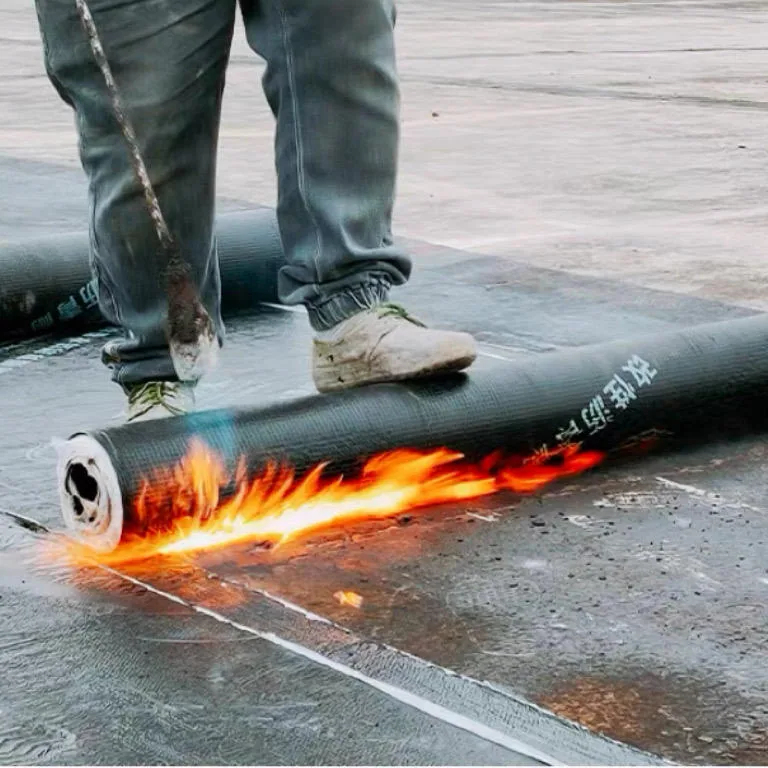
Set the Repair Around the Bay
A curb or seam repair can address a local entry if the surrounding roof remains sound. Repeated leaks over several bays, wet insulation, or deteriorated attachment can justify larger work. We map each symptom and test location so the owner can compare repair with replacement without assuming one condition covers the building.
Cost and timing depend on roof height, service-bay access, vehicle protection, equipment count, lighting, drains, and the number of areas that can be closed per shift. A showroom may require different interior covering than a parts room. The estimate identifies any ceiling, lift, exhaust, or electrical work assigned to another trade.
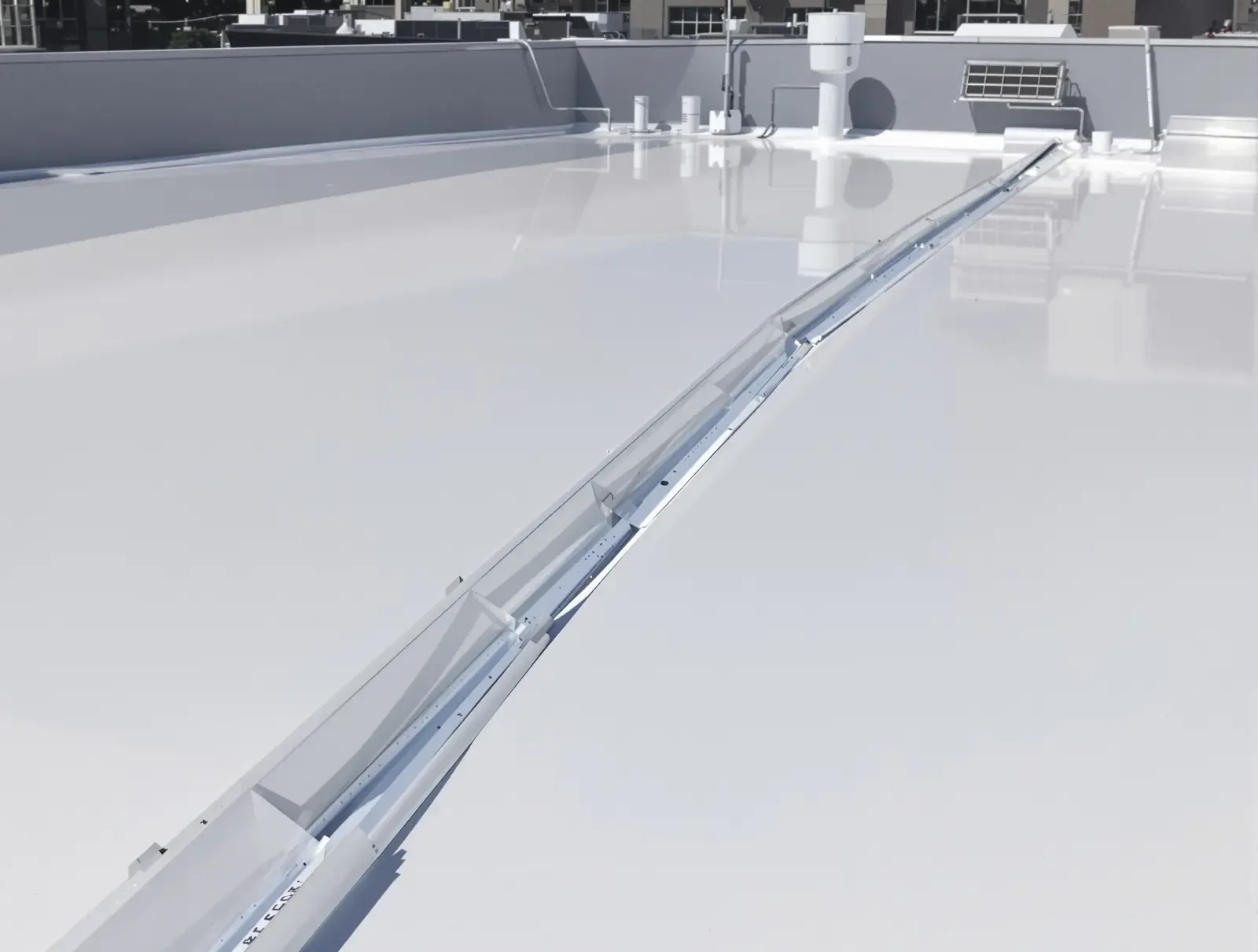
Related services may include a roof inspection, drain correction, or occupied-building reroofing. Roof systems could include TPO or standing-seam metal depending on the design. A big-box retail roof has sales-floor operations, while a warehouse roof may have loading and inventory routes.
For a building with a showroom and service shop under one roof, the scope can separate the customer area from the production zone. We identify which sections can be worked together and which need a separate shift. That phased plan can limit the number of lifts out of service while still protecting each open roof section before the crew leaves.
Protect the Vehicle and Roof Record
Before work, photos show the roof zone, interior bay, nearby vehicles, and access route. The closeout identifies material, repaired details, and any area needing follow-up. If vehicles were moved or covered, the record notes when the work zone was released to the dealership.
After rainfall, the manager can report whether the same bay or parts area has moisture. If rain has not tested the repair, the report states that. A later walk checks the roof detail and surrounding transitions before adding another patch.
Keep equipment service records, roof plans, leak reports, and repair photos together. When a new exhaust fan, sign, or conduit is installed, the roof connection can be reviewed before the penetration is cut. Emergency response is available around the clock for active leaks, with vehicle and bay protection directed by dealership staff.
A service manager can attach work-order dates to the roof map. If an exhaust fan or lift was recently installed, the record can point the roofer to the detail that changed. This helps prevent an old ceiling stain from being mistaken for a new roof leak after equipment work.
Dealership roofs may cover showrooms, service bays, parts storage, and customer areas with different operating needs. Coordinate work with vehicle movement, service schedules, and any sensitive finishes below the roof. Inspect exhaust and mechanical penetrations, drains, skylights, and transitions between showroom and shop structures. A zone-based scope helps the owner protect daily operations while prioritizing leaks or safety concerns.
Where several roof sections serve different uses, schedule each repair window with the responsible department and identify any vehicles or work bays that need protection.
For roof planning across local commercial settings, compare access in the Cedar Park Bell District with the mixed-use setting at The District at SH 45. Neither context identifies the dealership's roof; inspect its system and operating routes directly.
Questions About Auto Dealership Roofing
Can you repair a leak over an active service bay?
We coordinate access and any temporary bay closure with the dealership. The roof inspection checks nearby curbs and seams while the service team protects vehicles and equipment.
How do you keep cars safe during a reroof?
The manager identifies vehicle routes and which units can remain under each work zone. We mark lift and debris areas and coordinate covers before tear-off.
Can you work after sales hours?
Some work can fit an after-hours window. Weather, product cure, material delivery, and the dry-in limit still affect the sequence.
What if water appears only when the service equipment runs?
We compare the timing with rain and inspect exhaust, condensate, and roof penetrations. A mechanical contractor may need to check the equipment if the roof evidence does not explain it.
Do you repair showroom skylights?
We inspect the curb flashing and roof-side transition. Glazing or frame work may require a separate skylight contractor.
Related Roofing Work
Commercial Roof Inspection
Commercial Roof Drains and Scuppers
Occupied Commercial Building Reroofing
Commercial TPO Roofing
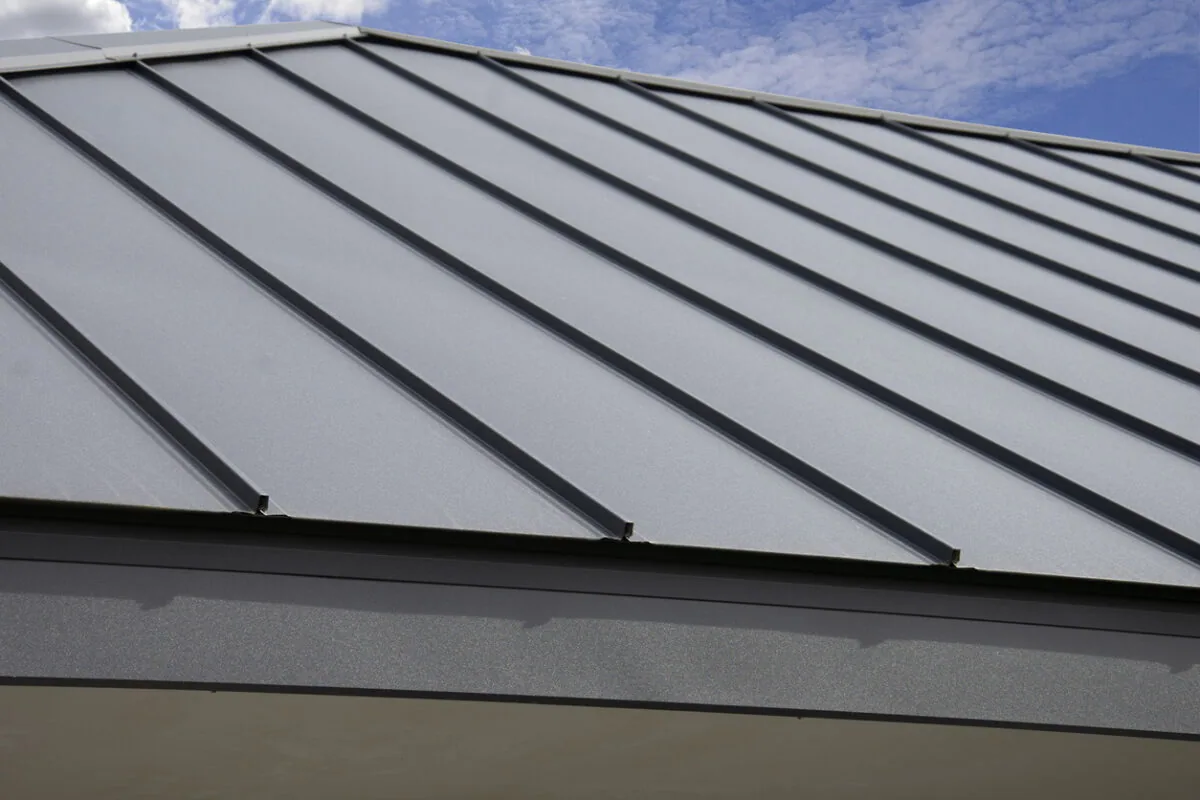
Commercial Standing Seam Metal Roofing